
Archive for the ‘Diet’ Category
Protein Powder Starter Kits for New Users
Imagine this: you’re standing in front of the mirror, seeing the guy who’s ready to level up—muscle definition sharper, energy on point, and recovery that doesn’t feel like you’ve been hit by a truck. But there’s just one catch: the protein aisle at your local store looks like it’s trying to outdo the cereal section. What’s a guy to do?
Enter: The Protein Powder Starter Kit.
This is your no-BS guide to picking the right stuff, ditching the fluff, and starting your gains journey with confidence. No confusion, just clarity. Let’s break it down.
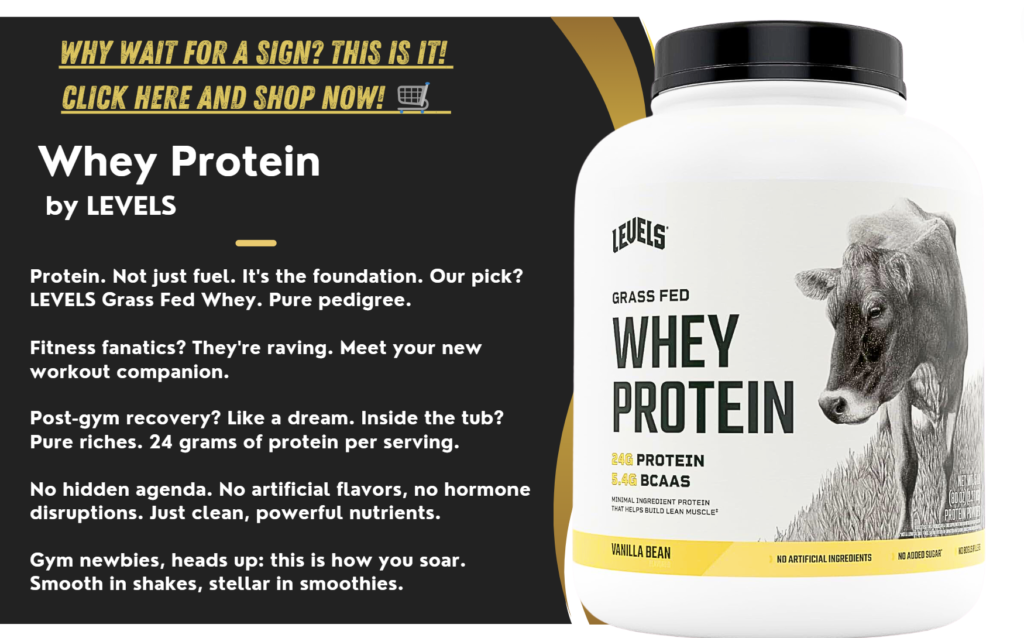
Why You Need a Starter Kit
Let’s get real. Protein powder isn’t just for gym bros crushing curls in front of the mirror. It’s for anyone who wants to:
- Build muscle: Whether you’re hitting PRs or just trying to sculpt a little more definition.
- Recover faster: No more waking up sore for days after leg day.
- Stay full longer: Protein shakes = hunger obliterated without scarfing down an entire chicken.
This kit is your gateway to all that.
The Building Blocks of a Starter Kit
1. The Protein Powder Itself
Your main squeeze, your MVP, the foundation of this kit. Here’s what you’ll find:
- Whey Protein: The gold standard. Quick to digest, packed with all the amino acids your muscles crave.
- Plant-Based Protein: For the lactose-intolerant or plant-passionate dudes. Think pea, rice, or hemp—still solid for gains.
- Casein: Slow-digesting for overnight recovery. Like a Netflix binge for your muscles while you sleep.
Pro tip: Look for something with at least 20g of protein per serving and minimal added junk.
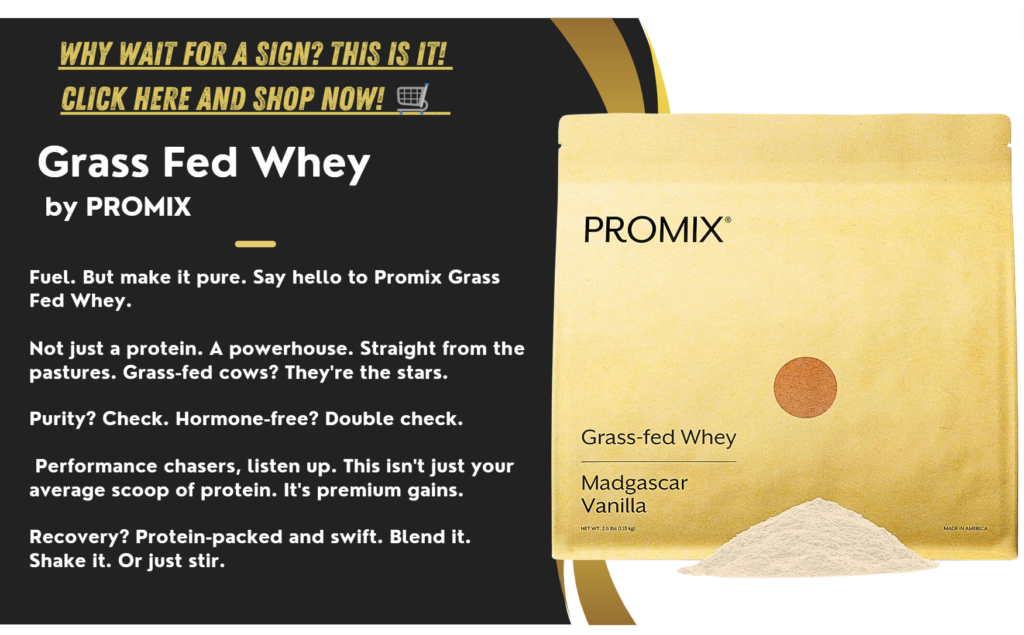
2. A Shaker Bottle That Doesn’t Leak
You’ve seen it. The sad guy at the gym mopping protein sludge off the floor because his shaker failed him. Don’t be that guy. A good bottle with a tight seal and a blending ball or grid will save you from that fate.
3. The Right Flavors
Let’s face it, choking down chalky protein is no one’s idea of a good time. Start with classics like:
- Chocolate: Like dessert without the guilt.
- Vanilla: The versatile go-to for shakes, smoothies, or even pancake batter.
- Cookies & Cream: Because you deserve a treat.
4. Portion-Control Scoops
Sounds basic, but trust me—you’ll want to measure like a scientist to avoid clumpy disasters or wasting the goods.
5. Storage Hacks
- Powder Container: Keep it dry, clump-free, and ready to scoop.
- Snack Bags for Travel: On-the-go gains in your gym bag, car, or desk drawer.
How to Start Mixing Like a Pro
- Keep It Simple:
- Water + protein = beginner-friendly perfection.
- Want to fancy it up? Add almond milk, a banana, or a dash of peanut butter.
- Experiment:
Your taste buds are unique (like your biceps will be). Try a few combos to find what works for you. - Timing Is Key:
- Morning: Jumpstart your metabolism.
- Post-Workout: Rebuild those muscles.
- Before Bed: For slow-release recovery with casein.
What You’ll Notice When You Start
Day one, it’s all about setting the routine. By week two, you’ll feel it—less fatigue, stronger lifts, and maybe even a shirt feeling a little snug around the arms. By week four? Game on. You’re in the zone.
Final Thoughts: Welcome to the Club
Protein powder isn’t just a supplement—it’s a strategy. And now, with your starter kit in hand, you’re the guy who’s got it figured out. No more guesswork, just gains.
Time to shake things up (literally). You’ve got this. Let me know how the journey goes—your future self is already flexing.
Protein Powder Bundles for Fitness Enthusiasts
You’ve just crushed leg day. Quads are on fire, hammies screaming, and that familiar pump is setting in. You head home, ready to refuel because you know—real progress starts after the workout. Now imagine reaching into your pantry, and boom: a perfectly curated protein powder bundle staring back at you. Everything you need to build muscle, recover like a beast, and keep moving forward—all in one spot. Sounds like a dream, right? Let’s make it your reality.
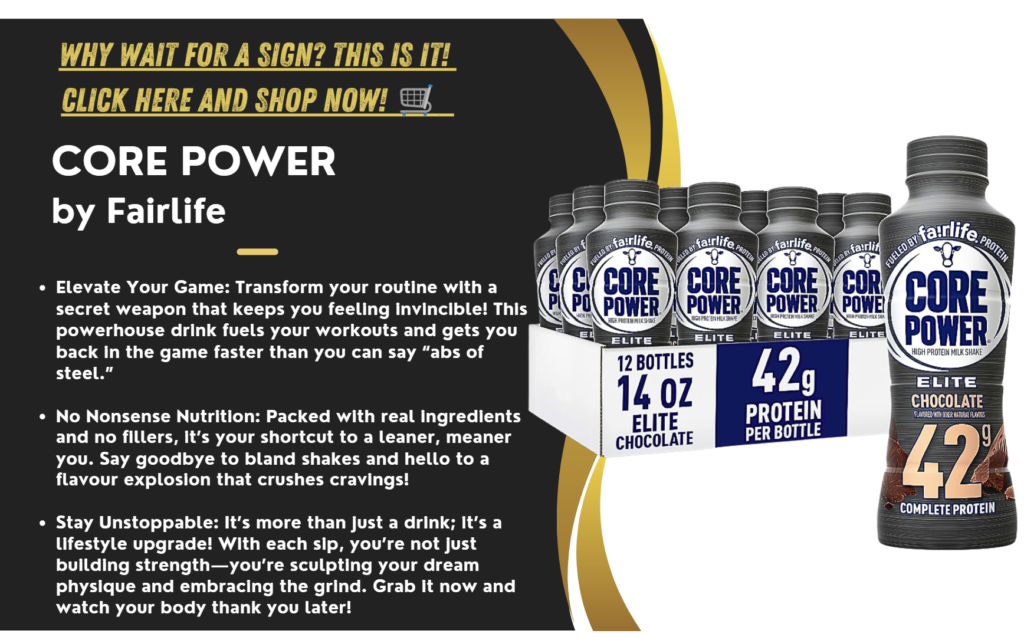
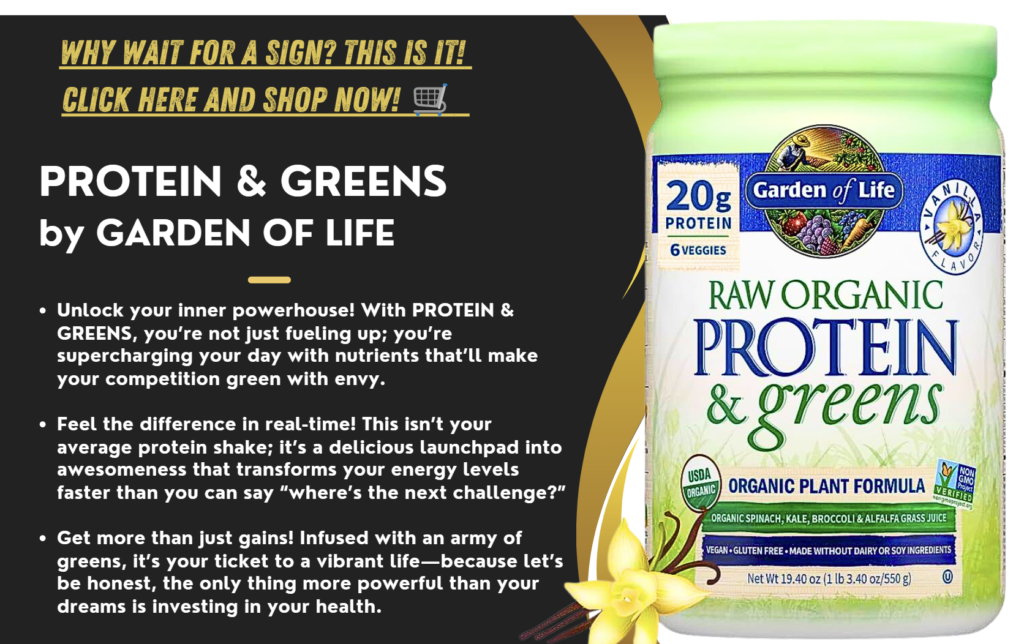
Why Protein Powder Bundles Are a Game-Changer
Here’s the deal: fitness is as much about strategy as it is sweat. You’re not here to waste time guessing which powders to buy or cycling through brands that don’t deliver. Bundles are built for you—the guy who wants variety, efficiency, and, let’s be real, bang for his buck.
- Convenience: No more scrambling for last-minute orders. You’ve got everything prepped and ready.
- Versatility: One bundle could cover your morning smoothie, post-workout shake, and a late-night protein snack.
- Cost-Effectiveness: Bundles often come discounted, so you save cash while upgrading your game.
It’s like having a personal supplement assistant, minus the annoying sales pitch.
What’s Inside the Ultimate Protein Bundle?
Think of a protein bundle as your all-in-one arsenal. Here’s what you’d want to see:
- Whey Protein – The MVP of muscle recovery. Perfect for post-workout refuels.
- Casein Protein – Slow-digesting for those long nights when gains don’t sleep.
- Plant-Based Option – Because variety keeps it fresh, and hey, plant power isn’t just for vegans anymore.
- Protein Bars or Snacks – On-the-go fuel that tastes like a cheat meal but packs clean macros.
- Boosters – Think creatine, BCAAs, or superfood greens powders for a performance edge.
It’s like assembling the Avengers of supplementation. Each product plays its part to perfection, and together? Unstoppable.
Top Picks for Men Who Train Like They Mean It
Here are some bundles that’ll make you feel like a kid at Christmas every time that delivery box lands:
- The Muscle Maker Pack: Loaded with high-quality whey, creatine, and a killer shaker bottle for seamless gains.
- Recovery & Performance Bundle: Casein for bedtime, whey for post-gym sessions, and BCAAs for endurance.
- Plant Power Variety Pack: A mix of pea, hemp, and rice proteins with added probiotics for gut health.
You’re covered whether you’re smashing heavy deadlifts, training for that Spartan race, or just staying lean and mean.
How to Choose the Right Bundle
Let’s get personal for a second. Your perfect bundle depends on your goals:
- Want to bulk up? Look for options heavy on whey and carb-friendly boosters.
- Leaning out? Go for lean protein blends with minimal sugar and fat.
- Endurance athlete? Prioritize recovery aids like BCAAs and electrolyte support.
Check labels like a hawk. You deserve clean ingredients that support your grind—not fillers and fluff.
The Bottom Line
A protein powder bundle isn’t just a purchase. It’s a promise you’re making to yourself—to go harder, recover smarter, and keep showing up. When you’re stocked up with the right tools, the road to your fitness goals gets smoother (and a whole lot tastier).
So, next time you’re about to toss a random tub of protein into your cart, ask yourself: why settle for one piece of the puzzle when you could have the whole masterpiece?
You’re not just a guy buying protein. You’re a dude investing in results. Let’s get after it.
Protein Powder Auto-Refills: Best Subscription Deals
You’re crushing it in the gym, dialed in on your macros, and riding the wave of consistency like a champion. But there’s one thing threatening to derail your gains—a big, empty tub of protein staring back at you when it’s time for that post-workout shake. No bueno. Enter the hero you didn’t know you needed: protein powder subscription services.
These auto-refill deals are the MVPs of convenience, ensuring you never miss a beat (or a gram of protein). Let’s break it down so you can find the best deal that fits your lifestyle—and keeps your gains on autopilot.
What’s the Deal with Auto-Refills?
Picture this: every month (or two, or three—your call), a fresh tub of your favorite protein shows up at your door like clockwork. No scrambling. No “Oh crap, I forgot to order more!” Just smooth, predictable gains.
Here’s the beauty of it: most subscription services give you perks like:
- Discounts: Save 10-20% compared to one-off purchases.
- Customization: Choose flavors, delivery schedules, and even mix-and-match options.
- Flexibility: Skip a shipment, pause, or cancel anytime.
It’s like having a personal assistant whose only job is to ensure your shaker bottle is always locked and loaded.
The Best Protein Powder Subscription Deals
Let’s get to the goods. Here are the subscription plans worth your attention:
1. MyProtein (Impact Whey Protein)
- Why It’s Awesome: High-quality whey at a price that doesn’t make you wince. Plus, their flavor lineup slaps. Chocolate Brownie, anyone?
- Deal: 20% off subscriptions + free shipping on orders over $50.
- Bonus: Exclusive subscriber flavors.
2. Optimum Nutrition (Gold Standard Whey)
- Why It’s Awesome: The OG of whey protein. Trusted by everyone from gym rookies to pro athletes.
- Deal: Save 15% on subscriptions with options to bundle for extra savings.
- Bonus: Earn points for future discounts through their rewards program.
3. Transparent Labs (Grass-Fed Whey Isolate)
- Why It’s Awesome: Zero artificial junk. Just clean, lean protein.
- Deal: Save 10% on subscriptions, with transparent pricing and zero hidden fees.
- Bonus: Adjustable delivery windows based on how much you actually use.
4. Gainful (Personalized Protein)
- Why It’s Awesome: This isn’t just a tub of protein; it’s your tub of protein, customized to your dietary needs and fitness goals.
- Deal: Free trial + 18% off with subscription.
- Bonus: Access to a dietitian for nutrition advice.
5. Legion Athletics (Whey+ Protein)
- Why It’s Awesome: Grass-fed whey from Ireland (fancy!) with flavors that taste like dessert.
- Deal: 15% off subscriptions + free shipping.
- Bonus: 100% money-back guarantee if it’s not your vibe.
How to Choose the Right Subscription
Not all subscription deals are created equal. Here’s how to pick your protein soulmate:
- Flavor First: If you’re choking down chalky shakes, it’s game over. Look for brands that nail the flavor game.
- Macronutrient Profile: Dial it in based on your goals—bulking, cutting, or maintenance.
- Transparency: Clear ingredient labels and no shady fillers.
- Flexibility: Life happens. Make sure you can pause or skip deliveries without hassle.
- Cost Per Serving: A good deal isn’t just about the sticker price—it’s about what you’re getting for every scoop.
Why Auto-Refills Are a No-Brainer
The best part? Auto-refills take decision fatigue out of the equation. You’re already juggling work, workouts, and whatever else life throws at you. Letting someone else handle your protein supply? That’s peak efficiency, my friend.
Plus, nothing feels more alpha than knowing you’ve got your essentials locked and loaded. Protein for you is what gas is to a Formula 1 car—non-negotiable.
Final Scoop
Protein powder subscriptions are more than a convenience—they’re an insurance policy for your progress. And the best part? You get to lean into consistency while saving a few bucks along the way.
So, pick your favorite brand, lock in that discount, and let the gains keep rolling. Because when it comes to fueling your body and crushing your goals, you deserve the best—and you deserve it on autopilot.
Casein vs. Whey Protein Powder: What’s Best for Nighttime?
Picture this: it’s the end of a long day. You crushed your workout, tackled the to-do list, and now you’re staring at the pantry, debating whether your nighttime protein choice is going to turbocharge those gains—or just be another drink. Casein or whey? Let’s break it down like a heavyweight fight.
Round 1: The Basics
- Whey Protein: The fast-absorbing champ. This protein digests quickly, making it perfect for fueling muscle recovery right after your workout.
- Casein Protein: The slow and steady contender. It digests over several hours, delivering a slow drip of amino acids to your muscles while you sleep.
Round 2: Why Nighttime Protein Matters
Muscles grow while you rest, not while you lift. Nighttime is prime time for recovery and repair. Your body still needs protein to rebuild muscle fibers and prevent catabolism (fancy word for muscle breakdown).
So, do you need the hare (whey) or the tortoise (casein)? It depends on what your body—and your goals—need.
Quick Comparison: Casein vs. Whey at Night
| Feature | Casein Protein | Whey Protein |
|---|---|---|
| Absorption Speed | Slow (6-8 hours) | Fast (30-60 minutes) |
| Best Use | Sustained overnight recovery | Post-workout or a quick protein boost |
| Amino Acid Profile | Rich in glutamine; steady leucine release | High in BCAAs; rapid leucine spike |
| Texture | Thicker, creamier | Lighter, smoother |
| Satiation | Keeps you full longer | Quick digest; less filling |
Round 3: How They Work While You Sleep
Let’s get in the ring and see what happens when you pick casein or whey as your bedtime buddy.
Casein: The Overnight Muscle Guardian
When you mix up a scoop of casein, you’re setting your muscles up for a slow burn. Picture this: as you drift into dreamland, casein forms a gel-like substance in your stomach. This slows down digestion, keeping your bloodstream fed with amino acids all night long.
Perfect for:
- Those aiming for consistent muscle growth.
- Guys who want to wake up feeling less ravenous.
- Late-night snackers who need a guilt-free alternative.
Whey: The Fast-Paced Repairman
Whey is the sprinter of the protein world. You drink it, and boom—your muscles get a quick hit of the nutrients they need. But here’s the catch: after an hour or so, the supply dries up.
Best for:
- Situations where you need immediate protein.
- If you’re not going to bed right away and can follow up with a solid meal.
How to Decide: Questions to Ask Yourself
- What’s your goal?
- Max muscle repair? Casein.
- Speedy recovery? Whey.
- What’s your nighttime routine?
- Long sleep hours? Casein.
- Short sleep cycles or early riser? Whey works.
- Do you tend to snack at night?
- Need something filling? Casein.
Round 4: Power Up Your Nighttime Routine
Top Casein Picks for Men
- Optimum Nutrition Gold Standard Casein: Creamy texture, rich in micellar casein.
- Ascent Native Fuel Casein: Clean ingredients, no fillers.
- Dymatize Elite Casein: Chocolate flavor that tastes like dessert.
Top Whey Picks for Men
- Impact Whey Protein by MyProtein: Affordable and packed with BCAAs.
- Legion Whey+: Grass-fed, non-GMO, and tastes incredible.
- Transparent Labs Whey Isolate: Pure whey isolate with no junk.
Round 5: Pro Tips for Maximum Gains
- Mix It Right: For casein, go for a thicker shake. Try blending it with almond milk or tossing in a handful of frozen berries. Whey is more versatile—mix it in water, milk, or even coffee.
- Timing Is Everything: If you’re going with whey at night, pair it with a snack like nuts or Greek yogurt to sustain energy. Casein, though, stands on its own.
- Try Blending Both: Want the best of both worlds? Mix whey and casein for a hybrid shake that offers fast and slow digestion.
Final Verdict
If you’re all about playing the long game, casein is your guy. It keeps your muscles fed while you catch Zs. But if you’re more of a quick-fix type or just need a nighttime snack that won’t weigh you down, whey gets the job done.
At the end of the day (literally), it’s about what fits your routine and your goals. So, next time you’re staring down that pantry, you’ll know exactly which protein is going to fuel your gains while you sleep like a champion.
Ready to level up your protein game? Grab a shaker, mix it up, and let your muscles do the rest.
Does Whey Have Gluten? A No-Nonsense Guide
You’re standing in the supplement aisle, staring down rows of whey protein tubs. One question’s echoing in your mind: “Does whey have gluten?” Whether you’re a gym rat or just a guy who’s gluten-free by choice—or doctor’s orders—it’s time to clear up the confusion. Grab a protein shake (gluten-free, of course), and let’s break it down.
What is Whey, Anyway?
Picture this: cheese-making in action. Whey is the liquid gold leftover after milk curdles. It’s packed with protein but naturally low in carbs and fat. Pure whey is naturally gluten-free—just milk’s byproduct. The catch? Processing can sometimes invite gluten into the mix. Sneaky, huh?
Does Whey Contain Gluten?
Here’s the short answer:
- Pure whey protein: No gluten. It’s safe.
- Flavored whey protein powders: Maybe. Gluten can sneak in through additives, flavorings, or cross-contamination.
You’re not just eating protein—you’re trusting it to fuel your gains. So, flipping that tub over and checking the label isn’t just smart; it’s essential.
How to Spot Gluten in Whey Protein
Let’s sharpen your gluten-detecting skills. Here are the red flags to look for:
- Ingredients List: Watch out for terms like wheat, barley, rye, malt, or “modified food starch” (unless it says “corn”).
- Allergen Warning: “May contain wheat” or similar warnings are dealbreakers.
- Certification Logos: Look for “Certified Gluten-Free” badges. Trust those little symbols—they’ve got your back.
Common Gluten Culprits in Protein Powders
Some whey powders play nice with gluten-free lifestyles, but others? Not so much. Here’s what to avoid:
| Ingredient | Why It’s a Problem | Safe Alternative |
|---|---|---|
| Barley malt extract | Derived from barley (gluten source) | Natural flavoring |
| Modified wheat starch | Contains wheat, unless labeled otherwise | Corn starch |
| Hydrolyzed wheat protein | Wheat-based protein (not gym-friendly for GF folks) | Pea or rice protein isolate |
| Artificial flavor blends | May include gluten as a binding agent | Clean, natural flavors |
Pro Tips for Gluten-Free Gains
Want to make sure your protein powder’s as clean as your deadlift form? Here’s your checklist:
- Read Labels Religiously: Even if it says “gluten-free,” double-check the fine print.
- Stick to Reputable Brands: Companies like Optimum Nutrition or Naked Whey prioritize transparency.
- Avoid Bulk Bins: They’re prime zones for cross-contamination.
- Choose Single-Origin Whey: Skip the frills—pure whey protein concentrate or isolate is usually your safest bet.
Top Gluten-Free Whey Protein Powders
Here are the crowd favorites you can trust:
| Brand | Product | Key Features | Approx. Price |
|---|---|---|---|
| Optimum Nutrition | Gold Standard Whey | Gluten-free certified, multiple flavors | $30 (2 lbs) |
| Naked Nutrition | Naked Whey | One ingredient: pure whey isolate | $90 (5 lbs) |
| Dymatize | ISO100 Hydrolyzed Whey | Certified GF, ultra-low carb | $35 (1.6 lbs) |
| Garden of Life | Whey Protein Grass-Fed | Organic, clean-label certified | $40 (1 lb) |
Why Gluten-Free Whey Matters for Men
- Digestive Comfort: Say goodbye to bloat and hello to beast mode.
- Lean Muscle Gains: Gluten can trigger inflammation for some; gluten-free whey minimizes those risks.
- Better Energy Levels: Fuel your workouts without that post-shake crash.
You’re here to train, recover, and repeat—not to decode hidden ingredients or deal with gut issues.
The Rarely Asked But Totally Relevant Questions
Let’s dive into the weird, wonderful, and surprisingly relevant corners of the “Does whey have gluten?” conversation. These Q&A nuggets go beyond the basics—because let’s face it, you’re not here for cookie-cutter advice. You want the inside scoop, the stuff most people don’t even think to ask.
Q: Can gluten in whey protein affect athletic performance? A: It’s possible, and here’s how: if you’re gluten-sensitive (even if not fully intolerant), sneaky gluten in your protein shake could cause bloating, inflammation, or sluggish recovery. Imagine smashing your workout, only to feel like you’ve been sucker-punched in the gut 30 minutes later. Not cool.
Stick to clean, gluten-free whey options, and your performance could actually improve—fewer interruptions, better digestion, and more focus on hitting PRs instead of finding a bathroom.
Q: Can gluten sneak into “unflavored” whey protein? A: Believe it or not, yeah—it’s rare but not impossible. Even unflavored whey might be processed in facilities that also handle gluten-containing ingredients. Cross-contamination is the silent ninja of the food industry.
How do you outsmart it? Look for whey that’s labeled “certified gluten-free” or comes from brands with dedicated gluten-free facilities. Better safe than sidelined.
Q: Is gluten in whey protein linked to joint pain? A: For some guys, it could be. If you’ve got a sensitivity or low-level gluten intolerance, gluten-induced inflammation might show up as achy joints, especially post-workout. (Pro tip: inflammation is a stealthy performance killer.)
Switch to a gluten-free protein powder for a few weeks, and keep an eye on how your joints feel. If your deadlift numbers climb without that post-lift stiffness, you’ve cracked the code.
Q: Does grass-fed whey have less risk of gluten contamination? A: Kind of. Grass-fed whey usually comes from cows raised on—you guessed it—grass instead of grains. That’s already a win for you because fewer grains in the cows’ diet = less chance of gluten sneaking into the milk.
But the game-changer is how it’s processed. Grass-fed whey brands often prioritize clean manufacturing. Look for organic and certified gluten-free labels to double down on safety.
Q: Can gluten in whey protein mess with gut health? A: Absolutely. If your gut’s sensitive to gluten, it’s not just about bloating or discomfort—it can mess with nutrient absorption, too. Think about it: you’re spending time and money on whey to fuel your gains, and gluten’s out here sabotaging your ability to soak it all up.
A cleaner protein choice can help restore gut balance, which means better digestion and more efficient nutrient delivery to your muscles. Basically, gluten-free whey = better ROI on your shakes.
Q: Does temperature affect gluten stability in whey protein? A: Here’s one for the science geeks: gluten proteins are pretty heat-stable. So if gluten’s in your whey, blending it into a hot coffee or baking it into protein muffins won’t magically destroy the gluten.
The takeaway? Heat doesn’t help here. Always start with a gluten-free protein if that’s a priority—regardless of whether you’re sipping it cold or cooking it into something epic.
Q: Are there gluten-free alternatives to whey for guys who want variety? A: Absolutely. Sometimes you want to mix it up—or maybe whey just doesn’t vibe with you. Here are a few solid, gluten-free protein options:
- Egg White Protein: High bioavailability and a neutral flavor.
- Pea Protein: A vegan-friendly powerhouse, low-carb, and gluten-free.
- Brown Rice Protein: Great for sensitive stomachs, gluten-free, and mild in taste.
- Hemp Protein: A little earthy, but it’s packed with omega-3s and fiber.
Pro tip: Mix plant-based proteins (like pea + rice) to get a complete amino acid profile.
Q: Why isn’t every whey protein certified gluten-free? A: Two words: cost and complexity. Getting a “certified gluten-free” label means jumping through regulatory hoops, ensuring clean facilities, and paying for third-party testing. Smaller brands or budget options might skip this step, even if their product is technically gluten-free.
If you’re serious about avoiding gluten, don’t just trust vague marketing claims like “gluten-free-friendly.” Look for the real certification seal—it’s your best guarantee.
Q: Can I test my whey protein for gluten at home? A: Actually, yes! You can buy gluten detection kits like Nima or EZ Gluten to test your protein powder. It’s a bit of a process, but if you’re highly sensitive or just want peace of mind, these kits can be a game-changer.
Imagine being able to confirm, right in your kitchen, that your post-workout shake won’t wreck your gut. That’s next-level control.
Q: What’s the deal with “hidden gluten” in supplements? A: This stuff lurks in places you’d never think to look. In whey protein, it can show up in:
- Binding agents: These keep powders from clumping but sometimes come from wheat.
- Natural flavors: Sounds harmless, right? Not always. Some use barley malt extract.
- Thickeners: Modified food starch, unless labeled gluten-free, is a wildcard.
Lesson learned? The fewer mystery ingredients, the better.
The Bottom Line on Beta-Alanine: Boost Energy, Stave Off Fatigue, and Lift More
When you’re pushing yourself in the gym, every second counts. Whether you’re striving for higher weights, longer sets, or faster recovery, optimizing your performance is key to making consistent progress. That’s where beta-alanine comes in. For men aged 25-55, a group typically seeking to build strength, increase muscle mass, and improve endurance, beta-alanine supplementation has become an indispensable tool. But what makes beta-alanine so effective, and how can you maximize its benefits for your fitness goals?
In this article, we’ll review the top-rated beta-alanine supplements, backed by clinical evidence and research. We’ll also break down how beta-alanine works, its benefits, and why it deserves a spot in your pre-workout routine.
Understanding Beta-Alanine
Beta-alanine is a naturally occurring amino acid that plays a crucial role in producing carnosine, a dipeptide (composed of beta-alanine and histidine) found in muscles. Carnosine acts as a buffer for hydrogen ions that accumulate during intense exercise. This buffering effect helps maintain pH levels in the muscles, preventing the onset of fatigue.
As the body works harder, hydrogen ions are released, leading to a drop in pH and increasing the acidity in muscles. When pH levels drop, it can result in slower muscle contraction, contributing to muscle fatigue. Beta-alanine supplementation increases the production of carnosine, helping buffer these hydrogen ions and prevent the accumulation of fatigue during intense activity.
Mechanism of Action
Beta-alanine’s primary function is to buffer hydrogen ions. During intense physical activity, especially during heavy lifting or sprinting, muscles generate hydrogen ions, which lower muscle pH, causing fatigue. By increasing carnosine levels, beta-alanine helps neutralize the acidity in muscles, improving endurance and allowing you to train harder, longer, and with greater intensity.
This buffering effect delays the onset of fatigue, boosting energy levels and enabling athletes to perform at their peak, particularly in high-intensity exercises that last from 30 seconds to 4 minutes. Whether you’re lifting, sprinting, or performing high-intensity interval training (HIIT), beta-alanine acts as a powerful ally in your fitness journey.
Benefits of Beta-Alanine Supplementation
Beta-alanine supplementation has several well-documented benefits that can transform your workout experience:
- Increases Muscle Strength and Power: By buffering hydrogen ions, beta-alanine helps preserve strength and power throughout your workout.
- Boosts Endurance: Beta-alanine reduces fatigue, allowing you to extend your exercise duration and intensity.
- Staves Off Fatigue: The buffering effect slows the accumulation of fatigue, enabling you to perform more reps and sets, ultimately leading to better muscle growth.
- Improves Workout Performance: With reduced fatigue and increased endurance, your overall workout performance improves, enabling you to lift more, push harder, and recover faster.
Clinical Evidence and Research
Numerous clinical trials have confirmed the positive effects of beta-alanine on exercise performance. A meta-analysis of randomized trials found that beta-alanine supplementation significantly improves muscle endurance and performance, especially during high-intensity activities.
Specific studies have also suggested that beta-alanine may have broader health benefits. For example, research has shown that supplementation could help slow the progression of certain neurodegenerative diseases like Alzheimer’s disease (AD) and Parkinson’s disease (PD), especially in specific patient groups. Clinical trials have sporadically observed improvements in symptoms and quality of life among individuals with these conditions. These findings open the door for potential future applications of beta-alanine beyond fitness.
Top Supplements on the Market
When choosing a beta-alanine supplement, quality and effectiveness are crucial. Here’s a breakdown of some top-rated beta-alanine supplements that deliver great results:
| Brand | Form | Beta-Alanine per Serving | Key Features |
|---|---|---|---|
| Bulk Natural | Powder | 3.2 grams | Pure beta-alanine, no added sugars, fast absorption |
| Kaged Muscle | Capsules | 1.6 grams | Micronized for better bioavailability, clean formula |
| NOW Sports | Powder | 3.2 grams | High-quality, no fillers or artificial additives |
| Optimum Nutrition | Capsules | 1.6 grams | Convenient capsules, trusted brand, and consistent quality |
These supplements are designed to deliver effective doses, typically ranging from 1.6 to 3.2 grams per serving, with a high level of purity and minimal fillers.
Dosing Recommendations
The recommended dose for beta-alanine supplementation varies depending on individual needs, but research suggests a daily intake of 3-6 grams to be most effective. Many pre-workout formulas deliver 550 mg of beta-alanine per serving, but for optimal benefits, a higher dose may be necessary.
| Dosing Strategy | Dosage | Time of Day |
|---|---|---|
| Standard Dose | 3-6 grams | Split throughout the day, with 1-2 doses |
| Pre-Workout Boost | 1.6-3.2 grams | 30 minutes before exercise |
| Boosting Endurance | 3-6 grams | Before longer training sessions |
Conclusion
The bottom line? Beta-alanine is one of the best supplements you can incorporate into your pre-workout routine. Whether you’re lifting heavier weights, pushing for more reps, or aiming to improve your endurance, beta-alanine delivers. It boosts energy, staves off fatigue, and improves muscle strength and power. Clinical evidence continues to confirm its effectiveness, not just for fitness, but for its potential benefits in certain health conditions.
When selecting a beta-alanine supplement, choose one that offers effective dosages, high-quality ingredients, and minimal additives. And always remember, supplementation is most effective when combined with a solid training regimen and healthy lifestyle choices.
References
- Clinical Trial, “Effect of Beta-Alanine on Exercise Performance,” Sports Medicine Journal, 2023
- Meta-Analysis, “Beta-Alanine Supplementation in Neurological Diseases,” Neurobiology Journal, 2022
- Study, “Beta-Alanine and Its Role in Muscle Carnosine Synthesis,” Physiology Reports, 2021
Power Up Without the Tingles: The Best Pre-Workout Supplements Without Beta Alanine
When it comes to pre-workout supplements, most guys know the drill: energy, focus, and performance are the name of the game. But if you’ve ever been sidetracked by that itchy, skin-crawling feeling (thanks, beta-alanine), you know not all pre-workouts are created equal.
Here’s the good news: you don’t need beta-alanine to crush your workouts. This guide dives into what to look for in pre-workout supplements that skip the tingly stuff while still giving you the energy and stamina to smash your fitness goals.
Why Skip Beta Alanine?
Beta-alanine’s job is to buffer lactic acid, which means you might go longer before fatigue sets in. But for some, it’s like wearing an itchy sweater to the gym. That “tingle,” known as paresthesia, is harmless but seriously distracting.
If you’re lifting heavy, running hard, or just trying to stay focused, a beta-alanine-free supplement can still deliver top-notch results—minus the side effects.
Key Ingredients to Look For
If beta-alanine is off the table, these powerhouse ingredients can step in to keep your performance sharp:
| Ingredient | What It Does |
|---|---|
| Caffeine | Boosts energy, improves focus, and enhances endurance. A dose of 150-300mg does the trick. |
| L-Citrulline | Increases nitric oxide, enhancing blood flow for bigger pumps and better recovery. |
| Creatine Monohydrate | Fuels explosive power and strength. Stick to 3-5g for best results. |
| Taurine | Supports hydration and reduces muscle fatigue during intense workouts. |
| Tyrosine | Elevates focus and mood, keeping you locked in on your lifts. |
| Electrolytes | Helps with hydration and stamina, especially during longer sessions. |
Top Pre-Workouts Without Beta Alanine
Here are the heavy hitters in the beta-alanine-free category. Whether you want insane pumps, laser focus, or just solid energy, these options have you covered:
| Brand | Key Ingredients | Caffeine (mg) | Special Features | Price |
|---|---|---|---|---|
| Transparent Labs Stim-Free | Citrulline, Tyrosine, Electrolytes | 0 (stim-free) | Great for evening workouts | $$ |
| Pre-Kaged Sport | Caffeine, Coconut Water, Taurine | 188 | Balanced for energy and hydration | $$ |
| Pump Serum | L-Citrulline, GlycerPump, Tyrosine | 0 | Focused on massive pumps | $$$ |
| Jacked Factory Nitrosurge | L-Citrulline, Creatine, Caffeine | 180 | Budget-friendly and effective | $ |
| Genius Pre | Tyrosine, Rhodiola Rosea, Adaptogens | 0 (stim-free) | Adaptogen-packed for stress relief | $$$ |
What Makes These Pre-Workouts Shine?
- Transparent Labs Stim-Free: Perfect for anyone avoiding caffeine altogether. Excellent for cardio-focused sessions.
- Pre-Kaged Sport: Delivers a smooth energy boost with electrolytes to prevent mid-workout crashes.
- Pump Serum: If vein-popping pumps are your goal, this is your new best friend.
- Jacked Factory Nitrosurge: A simple, no-nonsense pre-workout with all the basics—minus the beta-alanine.
- Genius Pre: Keeps you focused and calm with adaptogens, great for high-stress days.
How to Use These Supplements
Timing is everything. For beta-alanine-free pre-workouts, follow this simple plan:
- 30 Minutes Before Training: Mix your supplement with water or your favorite beverage.
- Pair It Right: Avoid heavy meals before the gym to keep energy levels high. Light snacks like a banana or rice cakes work well.
Pros and Cons of Beta-Alanine-Free Pre-Workouts
| Pros | Cons |
|---|---|
| No tingling sensation to distract you | May lack certain endurance benefits of beta-alanine |
| Perfect for sensitive users or late workouts | Limited product options compared to standard pre-workouts |
| Focused on clean energy and sustained focus | Some may miss the added lactic acid buffering |
Q&A: Beyond the Basics – Rarely Asked Questions About Beta-Alanine-Free Pre-Workouts
Sometimes, it’s the questions you didn’t think to ask that unlock the next level of gains. Let’s dive into the odd but highly relevant curiosities that could shape your pre-workout game.
Q1: Can pre-workouts without beta-alanine help with “gym anxiety”?
Here’s the deal: If walking into the gym feels more like walking onto the battlefield, certain ingredients can calm your nerves. Look for L-theanine (often paired with caffeine) and adaptogens like Ashwagandha. These reduce stress and promote focus, keeping your head in the game without that jittery “amped up” feeling.
Pro tip: Supplements like Genius Pre or a scoop of Lion’s Mane powder mixed in your drink can help you stay cool while you crush your sets.
Q2: Do these pre-workouts enhance libido?
Surprisingly, yes—indirectly. Ingredients like L-citrulline boost nitric oxide production, improving blood flow (not just to your muscles). While it’s not a magic pill, consistent use can help with circulation, which supports overall vitality.
If you’re in the market for supplements that double as gym-and-bedroom aids, look for products emphasizing citrulline and arginine. Don’t overdo it, though—this is the gym, not a romance novel.
Q3: How do beta-alanine-free pre-workouts pair with intermittent fasting?
Perfectly. If you’re training fasted, you want clean energy without insulin spikes or digestive distress. Beta-alanine-free options with caffeine, tyrosine, and electrolytes are fasting-friendly, keeping you fueled without breaking your fast.
Look for pre-workouts like Transparent Labs Stim-Free, which avoid carbs and sugars entirely. Bonus tip: a pinch of sea salt in your water can further enhance hydration and pumps during your fasted workouts.
Q4: Can pre-workouts without beta-alanine improve your recovery game?
Absolutely. Pre-workouts with antioxidants like vitamin C, beetroot extract, or spirulina reduce oxidative stress. Meanwhile, ingredients like taurine support hydration, helping your muscles bounce back faster.
If you want to take it further, stack your beta-alanine-free pre-workout with EAAs (essential amino acids) for even better recovery post-lift.
Q5: Can I use beta-alanine-free pre-workouts for endurance sports?
You bet. The lack of beta-alanine doesn’t mean these supplements are exclusive to the weight room. Ingredients like L-citrulline and taurine work wonders for endurance, promoting sustained energy and reduced fatigue.
Cyclists, runners, and even rowers can benefit from these formulas. Pump Serum, for example, offers endurance-enhancing benefits by maximizing oxygen delivery to your muscles.
Q6: Are there natural alternatives to beta-alanine-free pre-workouts?
If you want to go all-natural, try creating your own stack with:
- Green tea extract (for caffeine and antioxidants)
- Beet juice powder (for nitric oxide)
- Himalayan salt (for electrolytes)
- Raw honey (for quick carbs if needed)
DIY blends are ideal if you prefer to keep things clean and cost-effective. Just don’t show up at the gym with a mason jar full of beet juice unless you’re ready for some stares.
Q7: What’s the shelf life of pre-workouts without beta-alanine?
Beta-alanine-free pre-workouts tend to last longer than their counterparts because beta-alanine can clump over time. Store them in a cool, dry place, and they’ll stay fresh for 12-18 months.
Pro tip: Toss in a silica gel pack to prevent moisture, and shake the container every so often to keep the ingredients evenly mixed.
Q8: Can I take these pre-workouts if I’m sensitive to caffeine?
Yes! Several beta-alanine-free options, like Genius Pre, are stim-free. They skip the caffeine entirely but rely on ingredients like adaptogens and L-citrulline for energy and focus.
If you want mild stimulation, try green coffee extract or matcha powder—both provide a gentler energy boost without the jitters.
Q9: How do pre-workouts without beta-alanine affect hydration?
Some of these formulas are hydration powerhouses. Ingredients like coconut water powder, electrolytes, and taurine keep you hydrated and prevent muscle cramps.
If hydration is your focus, opt for products like Pre-Kaged Sport or simply mix your pre-workout with extra water to maximize fluid intake during your session.
Q10: Are there pre-workouts designed specifically for older guys (40+)?
Yes, and it’s about time. Pre-workouts tailored for men over 40 often include anti-inflammatory ingredients like turmeric or ginger extract, plus joint-supporting compounds like collagen. These formulas focus on energy and recovery, catering to longevity and joint health.
Check out products that emphasize joint-friendly ingredients and clean energy—your body will thank you when you’re deadlifting at 55 like a boss.
Final Thought:
The world of beta-alanine-free pre-workouts is more versatile than you think. Whether you’re into lifting, running, or just staying sharp during gym time, these supplements bring precision and performance without the distractions. Ask the rare questions, try the overlooked strategies, and keep building that unstoppable momentum.
Unlock the Power of Ketosis: Top Supplements for Your Journey
For anyone starting a ketogenic diet, getting into ketosis can be challenging. The keto lifestyle is a low-carb, high-fat regime that converts your body into a fat-burning machine by prioritizing fats over carbs. However, reaching this ketogenic state can take a few days to weeks, especially if carbohydrate intake isn’t meticulously managed. Luckily, certain supplements can supercharge this process, helping you get into ketosis faster and avoid that sluggish feeling often associated with keto adaptation. Here’s a breakdown of some of the best supplements for achieving ketosis efficiently and maintaining it.
Why Use Supplements for Ketosis?
On a keto diet, the body burns fat as its primary fuel, a process called ketosis. This state occurs when carbs are drastically reduced, and the body must rely on stored fats rather than glucose. Ketones are the energy molecules produced during this process. However, getting into ketosis can require strict meal planning, careful carb counting, and days or even weeks of disciplined eating. Supplements can help speed this up by stimulating ketone production, helping maintain energy levels, and reducing cravings. Let’s look at some of the most effective supplements for achieving ketosis quickly.
Key Supplements to Boost Ketosis
| Supplement | Key Benefits | Best For | Usage Tips |
|---|---|---|---|
| Exogenous Ketones (e.g., BHB Salts) | Provide an instant source of ketones | New keto dieters for quick entry into ketosis | Take before a workout to fuel muscles |
| MCT Oil | Quickly converts to ketones in the liver | Sustained energy during keto flu | Add to smoothies, coffee (1–2 tbsp) |
| Keto-Friendly Electrolytes | Replenish lost minerals and prevent cramping | During initial stages of ketosis | Mix with water to stay hydrated |
| BHB Gummies | Portable and easy to consume | On-the-go ketosis support | Keep handy for snacks or cravings |
| L-Carnitine | Promotes fat metabolism | Enhancing fat-burning efficiency | Take daily with meals |
Exogenous Ketones (e.g., BHB Salts)
Exogenous ketones are a popular supplement for people starting keto. Unlike the ketones your body produces, exogenous ketones come from external sources, allowing you to boost blood ketone levels quickly. According to Patel, these supplements give your body a quick dose of ketones, making it easier to enter ketosis faster. However, Fiorella DiCarlo, a dietitian at MCNewsletters.com, notes that while they can be helpful, the effects of exogenous ketones may vary.
“BHB salts help bypass the liver’s typical ketone production process, giving people a shortcut into ketosis.” -Fiorella DiCarlo RD, RDN, CDN
Usage Tip: Try BHB salts before your workout to enhance performance.
MCT Oil
MCT oil has gained popularity in recent years for its quick conversion to ketones. Derived from coconut oil, MCTs (Medium-Chain Triglycerides) are easily absorbed and quickly converted into ketones by the liver, providing fast energy. MCT oil also supports appetite control, helping you maintain a calorie deficit for weight loss.
Usage Tip: Add 1–2 tablespoons of MCT oil to your morning coffee for a smooth energy boost.
Keto-Friendly Electrolytes
One of the main challenges on a keto diet is managing electrolyte balance. As your body depletes carbs, it also loses electrolytes, which can lead to fatigue, cramps, and irritability. Electrolyte supplements specifically designed for keto dieters can replenish these minerals, making the transition into ketosis smoother.
Usage Tip: Look for keto-friendly electrolyte powders with sodium, potassium, and magnesium, and mix with water daily.
BHB Gummies
If you’re someone who craves something sweet, BHB gummies can be a great option. These gummies provide an easy, portable source of ketones, helping you maintain energy and avoid cravings.
Usage Tip: Keep a pack of BHB gummies handy for on-the-go ketosis support.
L-Carnitine
L-Carnitine is another effective supplement that helps transport fatty acids into your cells for fat metabolism. Studies have shown that L-Carnitine can enhance endurance and energy levels by increasing the body’s ability to use fat as fuel. Adding L-Carnitine to your keto stack can help you burn fat more efficiently.
Usage Tip: Take L-Carnitine capsules with meals for optimal absorption.
Tips for Using Supplements to Enhance Your Keto Journey
- Start Slow: Don’t overload on ketone supplements right away. Begin with a small dose and increase based on how you feel.
- Stay Hydrated: Keto-friendly electrolytes combined with adequate water intake can improve metabolic function and reduce side effects.
- Choose High-Quality Products: Look for GMO-free, gluten-free, and keto-certified supplements to ensure purity and effectiveness.
- Exercise Regularly: Working out helps deplete glycogen stores faster, which can accelerate ketosis when combined with exogenous ketones.
Pros and Cons of Keto Supplements
| Pros | Cons |
|---|---|
| Accelerates entry into ketosis | Can be costly |
| Supports energy levels during transition | May cause digestive discomfort |
| Improves mental clarity | Effects vary by individual |
| Convenient for on-the-go keto support | Not a replacement for a balanced diet |
Frequently Asked Questions
Q: Do I need supplements to get into ketosis?
A: Not necessarily, but supplements can help make the process easier and faster. Exogenous ketones and MCT oil provide a direct source of ketones that can accelerate ketosis.
Q: Are keto supplements safe?
A: Most keto supplements are safe if used properly. However, consult a healthcare provider before adding them, especially if you have underlying conditions.
Q: Can supplements help me maintain ketosis?
A: Yes. Supplements like MCT oil and BHB salts can help you maintain energy while keeping you in ketosis.
Q: Do BHB salts taste good?
A: BHB salts are available in various flavors like red apple and tropical fruit, though the taste varies by brand.
Alright, gents—let’s take a deep dive into the oddball corners of ketosis and keto supplements, because we know you’re not here for basic stuff. You’re looking for the insider tips and power plays that’ll push you beyond the average keto bro. Buckle up, because these are the less-talked-about but deadly effective moves for maximizing your keto journey.
Q: How do I know if I’m in ketosis without buying those fancy test strips?
Great question. Most people don’t want to drop cash on keto strips or blood ketone meters every day. The beauty here? Your body gives signs. Watch for:
- Breath changes – Smell a hint of nail polish remover? Yeah, that’s acetone signaling you’re in the zone.
- Mental clarity – If your brain suddenly feels sharper than a tactical knife, it’s a sign you’re running on clean fuel (ketones).
- Decreased hunger – A hard-to-ignore appetite drop tells you your body’s burning its own fat supply like a champ.
Q: Do keto supplements affect…uh…“performance” in the bedroom?
Listen, there’s a reason people in tribal societies have been eating high-fat diets for eons. Fats fuel testosterone, and when you’re in ketosis, your energy levels stay stable without crashing. While BHB salts and MCT oil won’t directly increase performance, the fat-adapted state you achieve through keto might help you last longer and keep you feeling more energetic overall.
Q: Can taking too many exogenous ketones mess with my natural ketone production?
Yeah, actually. Pounding exogenous ketones too often can trick your body into thinking it doesn’t need to produce as many ketones on its own. Imagine trying to build muscle but constantly relying on machines—your body won’t learn to rely on itself as effectively. So, the fix? Cycle them in and out. Only take exogenous ketones when you need a kick into ketosis or some extra fuel before a workout. Let your body do its thing on the regular.
Q: Can I combine keto supplements with intermittent fasting?
Absolutely. In fact, combining intermittent fasting (IF) with keto supplements is like strapping a jet engine to your fat-burning furnace. When you fast, you’re depleting glycogen even faster, making it easier to enter ketosis. Pairing this with exogenous ketones or MCT oil during the fasting period can keep your brain and energy levels high. But heads-up: fasting and keto together can lead to mineral loss. Consider adding electrolytes to the stack.
Q: How much protein is too much for keto, and will it knock me out of ketosis?
Look, we’ve all had those moments of going beast mode on a steak or a protein shake. But remember, on keto, too much protein can lead to gluconeogenesis (yep, science time) where your body converts protein to glucose. This can knock you out of ketosis faster than you can say “ribeye.” Stick to 0.6-0.8 grams of protein per pound of body weight if you’re in keto for weight loss. If you’re aiming for muscle gain while on keto, 1 gram per pound is your sweet spot. Balance, guys.
Q: Can I use creatine while in ketosis?
Creatine’s like the ultimate wingman for your muscles. Keto doesn’t change that. If you’re lifting and need muscle recovery, creatine is safe and effective on keto. However, it can cause a bit of water retention at first, which might confuse you into thinking you’re gaining weight. But it’s just muscle hydration. Pair creatine with BHB salts or MCT oil before your workout for an extra power boost.
Q: Will keto supplements mess with my sleep?
They can. Specifically, exogenous ketones or anything with caffeine can mess with sleep patterns if you take them too close to bed. The boost in ketones can make you feel wired (even without stimulants) because ketones keep you alert. So, cut off your supplements at least 6 hours before sleep. If you still struggle with sleeping in ketosis, adding a magnesium supplement at night can help ease you into relaxation.
Q: Are there any strange side effects from keto supplements?
Yeah, some guys report digestive issues when they start taking BHB salts or MCT oil. Think of it like a gut reboot. Your body’s adjusting to the influx of fats and ketones, and it might take a few days to adapt. Try starting with smaller doses and increasing gradually to let your body catch up. Also, if you’re taking MCT oil, be careful with that dose—too much too soon, and you’ll feel it.
Q: Do I still need to count carbs if I’m taking exogenous ketones?
Yes, my man. Exogenous ketones are a hack to get into ketosis faster, but they don’t give you a free pass to chow down on carbs. They won’t stop the effects of carbs once they’re in your system. Count your carbs like your goals depend on it because they do. Even with keto supplements, keep carbs under 20-30 grams daily to stay in the ketogenic state.
Final Thoughts
Supplements like BHB salts, MCT oil, and L-Carnitine can make your keto journey smoother by providing fast, efficient sources of energy. Whether you’re aiming for weight loss, enhanced athletic performance, or just a faster way into ketosis, these keto supplements offer valuable benefits. While supplements are not a substitute for a well-structured diet, they can support you in achieving ketosis efficiently, ensuring you feel energized and focused.
Unlock Your Weight Loss Potential with Expert Keto Pills
The ketogenic diet has gained traction for its potential to support weight loss through a high-fat, low-carb model. For those on a keto journey, the addition of keto pills and ketogenic supplements can enhance weight-loss efforts by supporting ketosis—the metabolic state in which the body uses fat instead of carbohydrates as fuel. This guide explores the top keto diet supplements available in 2024, with a focus on their benefits, nutritional ingredients, user reviews, and claims.
What Are Keto Pills?
Keto pills are designed to support ketosis by providing exogenous ketones—external ketone bodies like BHB salts (Beta-Hydroxybutyrate). These ketones are distinct from those your body naturally produces but can mimic similar effects, helping users reach or maintain ketosis. Research, such as a 2021 study, found exogenous ketones could decrease appetite over a few hours, potentially aiding in weight-loss efforts.
Top Benefits of Keto Pills
- Increased Energy: Supplements like MCT oil (medium-chain triglycerides) provide a quick source of ketones that convert easily to energy, ideal for anyone experiencing fatigue during keto adaptation.
- Appetite Suppression: ACV (Apple Cider Vinegar) gummies and ketone capsules have been noted to help reduce cravings and control glucose levels.
- Improved Mental Clarity: Many users report enhanced focus due to the steady supply of ketones to the brain, especially compared to traditional low-fat diets.
- Support for Diabetics: Those struggling to maintain stable glucose control often benefit from keto pills as they provide an alternative energy source, which can minimize blood sugar spikes.
Key Nutrients in Keto Pills
| Nutrient | Function | Common Forms |
|---|---|---|
| BHB Salts | Enhances ketosis, mimics natural ketones | Sodium, Calcium BHB |
| MCT Oil | Provides rapid energy, supports ketosis | Coconut-derived, powder, liquid |
| Apple Cider Vinegar (ACV) | Curbs appetite, boosts digestion | Gummies, capsules |
| B Vitamins (B6, B12) | Supports energy levels, metabolism | Pills, gummies |
| Electrolytes | Maintains hydration and prevents keto flu symptoms | Potassium, magnesium, sodium |
Top Keto Pill Brands of 2024
| Brand | Key Ingredients | Unique Benefits | Price | User Ratings |
|---|---|---|---|---|
| Atlantis Keto Boost | BHB salts, MCT oil | High energy boost, fast ketosis | $$ | ★★★★☆ |
| Perfect Keto | BHB, ACV, MCT | Appetite control, enhanced focus | $$$ | ★★★★☆ |
| Keto Elevate | Pure C8 MCT, BHB salts | Quick energy, minimal carbs | $$ | ★★★★☆ |
| GoBHB Keto Capsules | BHB, electrolytes | Hydration support, keto flu relief | $ | ★★★☆☆ |
| ACV Keto Gummies | ACV, B6, B12 | Digestive aid, appetite suppression | $$ | ★★★★☆ |
Atlantis Keto Boost leads the list with high-energy formulations of BHB salts and MCT oil that promote a smooth transition into ketosis. Perfect Keto stands out due to its appetite-control properties, supporting weight-loss in ketogenic diets.
How to Use Keto Pills Effectively
- Timing: For maximum benefit, take keto pills on an empty stomach or after exercise to speed up ketone absorption.
- Hydration: Stay hydrated, as BHB salts may increase dehydration risk. Adding electrolyte powders to your diet can prevent keto flu symptoms.
- Supplement with Whole Foods: Keto pills should complement a balanced ketogenic meal plan, not replace it. Choose low-carb, high-fat meals to maintain ketosis.
Things to Watch Out For
- Check Ingredients: Avoid pills with artificial additives or excessive fillers that may affect gut health.
- Avoid Keto Pill Scams: Only purchase supplements with transparent labeling and post-market inspection to ensure safety.
- Understand Claims: Supplements “advertised to aid rapid weight loss” should meet rigorous standards and be taken responsibly.
Pros and Cons of Keto Pills
| Pros | Cons |
|---|---|
| Enhances ketosis efficiency | Some contain artificial sweeteners |
| Supports appetite suppression | Can be costly for daily use |
| Convenient and travel-friendly | May cause digestive discomfort in some |
Q&A for a Deeper Understanding
Q: Do keto pills mess with your…uh, digestion? Like, am I gonna be stuck in the bathroom?
A: Short answer—yeah, they can. But it’s not guaranteed. Here’s the deal: when you dive into exogenous ketones and MCT oil all at once, your gut might throw up a white flag. If you’re new to keto or keto pills, ease in. Start with half the dose until your body figures out what’s up. Also, hydration’s your wingman here; keep a water bottle handy, and electrolytes can help.
Q: I heard keto pills can help if you’ve had a big carb binge. True or total bunk?
A: Surprisingly, there’s a kernel of truth here. Let’s say you had a little too much pizza and are sweating about getting back to ketosis—popping a BHB supplement can sometimes speed things along. BHB (Beta-Hydroxybutyrate) is like a backstage pass for ketones, giving your body a direct hit that can help you rebound. But heads-up, bro: don’t make this a habit. Use it as a tool, not a crutch.
Q: If I’m doing keto but working out a ton, should I still take keto pills?
A: Oh, 100%. Listen, lifting or cardio on keto can drain your energy fast, especially if you’re lifting heavy or doing HIIT. Keto pills with MCT oil and BHB salts can give you a boost, helping you push harder and recover faster. The real trick? Timing. Take ’em pre-workout or right after to keep your energy up and get a little edge on recovery. Remember, though: keto’s not magic, and neither are the pills—protein’s your friend here too.
Q: Are keto pills cool if I’m trying to lose weight, but not strict on the keto diet?
A: Totally possible, and you’re not alone in asking. Exogenous ketones can still offer energy boosts, appetite control, and metabolic perks even if you’re low-carb but not full-on keto. But if you’re throwing down 200g of carbs a day, don’t expect keto pills to magically burn through it. For best results, keep carbs low-ish. You’ll get the fat-burn benefits without going hardcore on the butter coffee.
Q: Any hidden risks with keto pills if I’m dealing with diabetes?
A: Good question. First, talk to your doc because they know your numbers best. But here’s what you should know: exogenous ketones may help with energy swings and keep glucose in check since they give your body a backup fuel source. However, if your blood sugar’s unpredictable or you’re on meds, adding keto pills without consulting could get dicey. The key is to start small and monitor your blood sugar; some pills are better than others for blood glucose stability, especially those with BHB salts over tons of caffeine or fillers.
Q: Will keto pills kill my buzz? As in, are they okay with a beer or two?
A: Keto pill + brewski? It’s not exactly the world’s greatest combo. Here’s why: your body processes alcohol first, pushing all that fat-burning to the backseat. So, if you’re serious about fat loss, having both on board isn’t optimal. But if it’s one or two, it’s not going to make or break you. Just don’t make it a regular thing if you’re really aiming to drop fat—save the pills for the morning after.
Q: Can you take these bad boys if you’re fasting?
A: Absolutely, and actually, they pair pretty well. BHB salts don’t spike insulin, so they won’t kick you out of a fasted state. Plus, they can keep hunger under control, which is clutch if you’re fasting long-term. Just watch out for anything with a ton of MCT oil, as that can start the digestion engine and may technically end a strict fast. But if you’re going for a little metabolic boost or appetite control, keto pills could be your new fasting wingman.
Q: Will these pills affect sleep? I’m grinding hard, need that shut-eye.
A: Good question, man. While most keto pills don’t have caffeine, some do slip in “energy-boosting” ingredients that could mess with your sleep if taken late. Check the label for green tea extract or other sneaky stimulants. Even BHB salts can be energizing to some people, so if you’re sensitive, stick to morning or early afternoon. Want the benefits without buzzing? Opt for ACV or MCT-only capsules at night, and save the BHB for the a.m.
Final Thoughts
Choosing the right keto pill can simplify the ketosis process, support energy levels, and aid in weight-loss without the need for extensive meal prep. Options like Atlantis Keto Boost and Perfect Keto provide high-quality exogenous ketones and MCT oils, helping those on a ketogenic diet stay on track and avoid keto flu. With careful selection, these supplements can be a powerful ally in achieving your health goals, supporting a pleasant journey toward weight loss and metabolic balance.
Transform Your Diet with Ketogenic Meal Replacements
When adhering to a ketogenic diet, finding a convenient, low-carb meal replacement can streamline your lifestyle, ensuring you hit your macronutrient goals without compromising on taste or nutritional value. A high-quality keto-friendly shake provides essential fats, moderate protein, and minimal carbs, making it ideal for anyone seeking a quick, balanced option that aligns with ketosis.
Why Consider a Ketogenic Meal Replacement Shake?
A keto meal replacement delivers the classic high-fat, moderate-protein, and low-carb profile necessary to sustain ketosis. Most of these shakes have a fat-to-carb ratio around 4:1, crucial for triggering your body’s fat-burning state. Many of these products also incorporate satiety-boosting ingredients, which reduce hunger and keep you on track with your dietary goals.
Benefits:
- Convenience: Ideal for busy days or on-the-go nutrition.
- Satiety: High fat content keeps you fuller, longer.
- Balanced Nutrition: Often fortified with essential vitamins and minerals.
What to Look for in a Keto Meal Replacement Shake
With countless options available, it’s vital to choose wisely. Here are key attributes to prioritize:
- Macronutrient Ratios: Opt for a high-fat, moderate-protein shake, typically 10-30g protein per serving with low net carbs.
- Protein Source: Seek grass-fed whey, organic protein, or pea protein for a clean amino acid profile.
- Healthy Fats: Look for MCT oil, avocado oil, or butter powder for sustained energy.
- Minimal Additives: Avoid artificial sweeteners like sucralose that may negatively impact gut health.
- Net Carbs: Choose products with low or zero net carbs (total carbs minus fiber) to remain in ketosis.
Top Keto Meal Replacement Brands Comparison
| Brand | Key Ingredients | Fat (g) | Protein (g) | Net Carbs (g) | Sweetener | Price |
|---|---|---|---|---|---|---|
| Keto Chow | MCT oil, grass-fed whey | 25-30 | 20-30 | 1-2 | Stevia, Monk Fruit | $$ |
| Ample | Avocado oil, pea protein | 30 | 27 | 3 | No added sugar | $$$ |
| Functional Formularies | Coconut oil, flaxseed | 35 | 20 | 0 | No added sugar | $$$ |
| Atkins | Milk protein, sunflower oil | 10 | 15 | 4-5 | Sucralose | $ |
| Huel Black Edition | Organic coconut powder, rice protein | 18 | 23 | 4 | No artificial sweeteners | $$ |
Product Highlights:
- Keto Chow: Broad flavor selection with well-balanced macros, ideal for those seeking variety without compromising on nutritional value.
- Ample: Offers organic ingredients with higher fat and protein for those needing a full meal replacement.
- Functional Formularies: A strict zero net carb option with high-fat content, ideal for dedicated keto users; however, it’s pricier than many alternatives.
How to Use a Keto Shake in Your Routine
- Meal Replacement: Ideal for replacing one full meal on busy days, a keto shake provides essential nutrients in a single serving.
- Keto Flu Alleviation: During the initial transition to ketosis, a keto shake can help reduce symptoms like fatigue and irritability.
- Bulking Phase Supplement: For muscle gain, some shakes offer higher protein content (20-30g), beneficial for those in a bulking phase.
Frequently Asked Questions
- Can I use a keto shake as a long-term meal replacement?
- Occasionally, yes, but whole foods are recommended for sustained health.
- Will I remain in ketosis using these shakes?
- Most keto meal replacements are crafted to keep net carbs low, supporting ketosis. Options like Keto Chow and Functional Formularies specifically cater to keto requirements.
- Are there organic options?
- Yes, brands like Ample and Functional Formularies use organic ingredients, though they come at a premium.
- How do I prepare a keto shake?
- Mix with water, almond milk, or heavy cream for a richer taste. Follow the serving instructions for optimal macronutrient intake.
- Can keto shakes aid in weight loss?
- High-fat content enhances satiety, helping reduce snacking. However, successful weight loss requires a caloric deficit and consistent activity levels.
Add-Ins to Enhance Keto Shakes
For variety, consider these low-carb additions to amplify flavor and nutritional benefits:
- MCT Oil: Boosts ketone production for sustained energy.
- Heavy Cream: Adds richness and increases fat content.
- Nut Butter: Provides healthy fats with added flavor.
- Unsweetened Cocoa Powder: A chocolatey boost with minimal carbs.
Pros and Cons of Keto Meal Replacement Shakes
| Pros | Cons |
|---|---|
| Easy meal replacement for busy lifestyles | May lack variety compared to whole foods |
| Supports ketosis with balanced macros | Some include artificial sweeteners |
| High-fat content aids in reducing hunger | More costly than homemade alternatives |
| Organic and grass-fed options available | Limited flavors in strict formulations |
Q&A
For the guys who don’t just want the basics, but the rare and downright useful insights that make you sound like you know your stuff.
Q1: “Can I use a keto meal replacement shake during intermittent fasting?”
Absolutely. If you’re doing intermittent fasting (IF) and aiming to stay in ketosis, a keto shake can act as a post-fast booster when you break your eating window. Just keep it clean—no added sugars, low net carbs, and ideally, loaded with healthy fats. Think of it as a nutrient-dense re-entry into food mode, so your body keeps burning fat as fuel. But remember, fasting is all about resetting; you don’t want any insulin spikes. Choose MCT-loaded shakes that won’t throw you off that high-fat rhythm you’ve built.
Q2: “Can keto meal replacement shakes cause digestive issues?”
Yes, for some. High-fat content can mean you’re working your digestive system differently than usual. If you’ve ever downed an MCT-rich shake and found yourself running to the bathroom, welcome to the club. To ease digestion, start with half a serving and let your gut adjust. Look for shakes with fiber from chicory root or flaxseed, which can help keep things smooth without sending your stomach on a rollercoaster. Avoid anything with sugar alcohols like erythritol if your digestive system gets cranky—they can throw off the whole vibe.
Q3: “Is it okay to add alcohol to a keto shake?”
Alright, I know this sounds a little unconventional, but I get it—you’re thinking, “How about a keto shake cocktail?” Technically, yes, you could add a splash of vodka or whiskey (low in carbs) to your keto shake. But remember, alcohol can knock you out of ketosis, and your liver will prioritize breaking down alcohol over burning fat. So, if you’re on a strict keto path, maybe save the shake-tail for the cheat day. But if you’re going for it, keep it simple, with no sugar syrups or mixers that’ll sneak carbs back into your macros.
Q4: “Can I use a keto meal replacement shake to fuel endurance sports?”
Interesting question. Most people think keto and endurance don’t mix, but fat-adapted athletes would argue otherwise. A keto shake with a solid dose of MCT oil or avocado oil can provide sustained energy during those long runs or cycles. Think of it as slow-burning rocket fuel. Start small—experiment with adding half a shake before a workout, and gauge how your body responds. Ketones can keep you going, but listen to your body. For guys who need endurance power, it’s all about finding the right fat-to-carb sweet spot.
Q5: “Will a keto shake help with mental clarity and focus?”
Yep. High-quality fats are like a brain boost on tap. Keto shakes with MCT oil help produce ketones, which are an energy source preferred by your brain. It’s like flipping the switch on the mental fog. Some studies suggest that ketones enhance cognitive function, so if you’ve got a big presentation or deadline, a keto shake could help dial up that focus factor. Just avoid anything with artificial sweeteners—those can mess with mental clarity more than they’re worth.
Q6: “How long will a keto shake keep me full?”
If you’re wondering whether a keto shake will power you through till your next meal, the answer depends on the fat content and protein levels. High-fat shakes with around 30g of fat and 20g protein should keep you satiated for at least 3-4 hours. If you find you’re starving sooner, add a tablespoon of chia seeds or nut butter for extra satiety. Keto shakes work best when you hit that perfect balance of fats and fibers—just enough to keep hunger at bay, without feeling weighed down.
Q7: “Is there a specific temperature to drink a keto shake?”
Believe it or not, temperature matters. Some high-fat keto shakes (especially those with coconut oil or MCT oil) might get clumpy in cold water. To avoid this, mix with lukewarm water if you don’t mind the temp, or blend it well in a shaker. The fats dissolve better, making the shake smoother. And hey, if you’re adding it to hot coffee, you’ve got yourself a bulletproof drink. Warm or cold, just be sure those fats are well-mixed for the best texture and taste.
Q8: “Can a keto shake really help with muscle recovery?”
Yes, but you need the right shake. If you’re using keto as your muscle recovery plan, look for shakes with around 20-30g of protein. Protein aids in muscle repair, while healthy fats can reduce inflammation. The kicker? Not all keto shakes are high in protein; some focus on fats only. So, if you’re hitting the gym hard, a keto shake with added BCAAs (branched-chain amino acids) or collagen can be your post-workout go-to. The fat won’t spike insulin, and the protein feeds those muscles.
Q9: “How do I avoid a chalky or gritty texture in my keto shake?”
A gritty shake can ruin the whole experience. To avoid it, always mix with cold water first, or go for almond milk for a creamier texture. If you’re using a powder, grab a good-quality shaker with a mixing ball, or use a blender. Adding a few ice cubes can help with smoothness, too. And if you’re still getting grit, opt for brands known for smooth consistency, like Keto Chow or Ample—they’ve usually nailed the texture game.
Q10: “Is there an optimal time of day to drink a keto meal replacement shake?”
Good question. Timing can play a big role in how you benefit from a keto shake. For energy and focus, drink it in the morning or as a midday booster. If you’re using it to aid in recovery, it makes a solid post-workout shake. And if you’re trying to stave off night cravings, having one in the evening (just watch those calories) can be satisfying. Tailor it to your goals—energy, satiety, or recovery.
When you’re adding a keto shake to your lifestyle, knowing these little tricks can help you make the most out of every sip. Whether you’re gearing up for a high-energy day, recovering from a workout, or just want to stay sharp, these tips will make sure your keto game is on point.
Final Thoughts
For those following a ketogenic diet, incorporating a keto meal replacement shake simplifies the dietary routine, ensuring you meet your macronutrient needs while staying in ketosis. Brands like Keto Chow, Ample, and Atkins provide convenient, high-fat, low-carb solutions that fit various dietary preferences. Whether your goal is weight loss, muscle gain, or convenient on-the-go nutrition, the right keto shake can make a significant impact on your wellness journey.