
Archive for the ‘Diet’ Category
How do fermentation processes (like natto or tempeh) affect protein availability in foods?
So, you’ve been hitting the gym hard, stacking those protein shakes, and finally seeing the gains. But here’s a wild question: Are you getting the most out of the protein in your food? Enter fermentation. We’re not talking about the kind that makes your beer taste better. We’re diving into how fermentation—specifically in foods like natto and tempeh—can actually transform the protein game, making it easier for your body to absorb and use it.
Let’s get into the weeds on this, shall we? By the end, you’ll have a deeper understanding of how these ancient processes might just be the secret sauce to maximizing your gains, without even stepping foot in a gym.
What Exactly Is Fermentation? And How Does It Help?
Before we go off the deep end, let’s break it down. Fermentation is a natural process where microorganisms like bacteria, yeast, and molds break down substances, often creating new compounds in the process. In the case of food, this leads to enhanced flavors, textures, and—importantly—nutritional changes.
In simple terms: these microorganisms do some of the heavy lifting for you, breaking down complex compounds that are tough for your body to digest. When it comes to protein, this means making it easier for your gut to absorb and utilize amino acids, the building blocks of muscle.
The Key Players: Natto & Tempeh
You’ve probably heard of tempeh and natto before, but how much do you really know about them? Both are fermented soy-based foods, but they each have their own unique qualities—and those qualities have a major impact on protein availability.
Natto:
This traditional Japanese dish is made by fermenting soybeans with a specific strain of bacteria, Bacillus subtilis. The fermentation process gives natto its characteristic sticky, slimy texture (yes, I said sticky). But what’s happening on the molecular level?
Fermentation breaks down complex proteins into smaller, more digestible peptides, making the protein easier for your body to absorb. Plus, natto is loaded with vitamin K2, which plays a role in bone and cardiovascular health. So, not only are you getting a protein boost, but you’re also doing your body some serious favors.
Tempeh:
Tempeh is another fermented soy product, but instead of slimy, it’s firm and cake-like. It’s made by fermenting cooked soybeans with a mold called Rhizopus oligosporus. This mold helps break down the soy proteins into more digestible forms, similar to natto. What’s wild about tempeh, though, is that it also retains much of its original fiber. That means you’re not just getting more bioavailable protein—you’re also working in some extra gut-friendly benefits.
How Fermentation Affects Protein in Tempeh and Natto
Alright, let’s get down to the nitty-gritty. Here’s how the fermentation process affects protein breakdown in these foods:
| Effect | Natto | Tempeh |
|---|---|---|
| Protein Breakdown | Enzymes break down proteins into smaller peptides, increasing digestibility | Proteins are broken down by molds into smaller, easier-to-digest amino acids |
| Amino Acid Availability | Higher levels of free amino acids available for absorption | More complete amino acid profile, especially leucine, great for muscle repair |
| Digestibility | Easier to digest due to enzymatic action during fermentation | Improved digestibility from mold action on soybeans, plus reduced oligosaccharides (the stuff that causes gas) |
| Microbial Activity | Bacillus subtilis produces beneficial enzymes and probiotics | Rhizopus oligosporus enhances protein digestibility and provides probiotics |
| Additional Nutrients | High in vitamin K2, beneficial for bone health | Rich in fiber, B vitamins, and minerals like calcium and iron |
The Surprising Role of Fermentation in Amino Acid Absorption
Here’s something you might not have expected: Fermentation doesn’t just break down protein. It actually enhances amino acid absorption, too.
When protein is fermented, certain compounds that are normally hard for the body to process—like phytic acid, which binds minerals—are broken down. This allows minerals like zinc, magnesium, and iron to become more bioavailable, working together to support your muscles and overall health.
So, how does this play into your workout recovery? If you’re eating protein from fermented foods, you’re not just getting the protein—you’re getting the bonus round of enhanced mineral absorption, giving your body the tools it needs to rebuild muscle tissue and stay strong.
Rare, But Relevant: What About the Gut Microbiome?
Let’s talk gut health. Because, let’s face it, if you want your protein to actually get to your muscles, you need a digestive system that’s firing on all cylinders.
The fermentation process is a game-changer here, too. The beneficial bacteria introduced during fermentation—like the probiotics in natto and tempeh—work to balance the gut microbiome. When your gut bacteria are in balance, your digestion improves, and your body absorbs nutrients (including amino acids) more efficiently.
Check out the impact of fermented foods on gut health:
| Gut Benefit | Natto | Tempeh |
|---|---|---|
| Probiotics | Contains Bacillus subtilis, a strain known for gut health | Contains mold-based probiotics, promoting a healthy microbiome |
| Digestive Health | Improves digestion by breaking down complex proteins | Supports gut health by reducing fermentation of oligosaccharides |
| Inflammation | Can reduce inflammation through microbial action | Reduces gut inflammation, aiding in overall digestion and nutrient absorption |
| Gut Balance | Promotes a balanced gut flora, improving nutrient absorption | Encourages a healthy gut flora for better digestion of proteins and fats |
The Unlikely Protein Powerhouses: Tempeh vs. Natto
You’re probably wondering: which one is the better pick for muscle gains? Well, each has its strengths. Here’s a side-by-side comparison to help you decide which fits your needs:
| Feature | Natto | Tempeh |
|---|---|---|
| Protein Content | ~18g of protein per 3.5 oz (100g) | ~21g of protein per 3.5 oz (100g) |
| Texture | Slimy, sticky—definitely an acquired taste | Firm, nutty, and satisfying in texture |
| Fermentation Benefits | Rich in vitamin K2, great for bone health | Higher fiber content, great for digestion |
| Best For | Bone health, gut health, and a protein boost | Building muscle and promoting gut health |
| Flavor Profile | Strong, tangy, slightly pungent | Nutty, savory, and less intense |
The Bottom Line: Is Fermentation the Secret to Better Protein?
If you’re serious about your gains (and your health), fermentation may be the unsung hero you didn’t know you needed. Whether you’re scarfing down some natto after leg day or adding tempeh to your stir fry, these fermented powerhouses not only provide more digestible protein but also support your gut, muscle recovery, and overall well-being.
So, next time you’re at the grocery store, don’t overlook the fermented foods section. You might just find the missing link in your protein game—and your body will thank you for it.
Flavor Explosion: What Does Whey Protein Really Taste Like?
Ah, whey protein—the post-workout hero that fuels muscle growth and recovery. But let’s be real for a second: while we all know the what and the why, the how it tastes often gets overlooked. Is it a creamy indulgence, or does it remind you of chugging a liquidized chalkboard?
Spoiler alert: It depends. Taste can range from gourmet milkshake bliss to something you’d rather forget. The secret sauce is knowing what to expect and choosing the right one for your goals and palate.
Let’s break it down like an expert, so you’ll never have to endure another flavor fail.
The Factors That Influence Taste
Before you dive into the specifics of flavor, you need to understand the factors that shape the experience. It’s not just the protein powder itself—several elements come into play:
Key Influencers of Flavor
| Factor | How It Affects Taste |
|---|---|
| Type of Whey | Isolate, concentrate, or hydrolysate—all taste different. |
| Sweeteners Used | Artificial, natural, or unsweetened impacts flavor. |
| Mixing Liquid | Water, milk, or alternatives like almond milk alter texture and taste. |
| Added Ingredients | Extras like cocoa powder, fruit, or vanilla enhance or detract. |
The interplay of these factors determines whether you’re sipping dessert or forcing down something medicinal.
Breaking Down the Types of Whey and Their Flavors
Whey protein isn’t a one-size-fits-all deal. Each type has unique characteristics, and yes—these impact flavor and texture.
Types of Whey Protein
| Type | Flavor Profile | Best For |
|---|---|---|
| Concentrate | Creamy, slightly sweet; can have a mild dairy aftertaste. | Most people; general fitness and recovery. |
| Isolate | Cleaner taste, less creamy; sometimes a bit watery. | Those who want less fat or lactose. |
| Hydrolysate | Bitter undertones; very thin and light. | Advanced trainers or those needing rapid absorption. |
Pro Tip: If you’re new to protein shakes, start with concentrate—it’s often the most palatable.
Flavors You’ll Love (or Hate)
Manufacturers have gone all-in on creativity, offering everything from classic chocolate to “rainbow unicorn.” Here’s what you can expect from the most common options:
Popular Flavors Ranked
| Flavor | Taste Profile | Why It Works |
|---|---|---|
| Chocolate | Rich, indulgent; often tastes like a milkshake. | Perfect for dessert lovers. |
| Vanilla | Sweet and smooth; pairs well with add-ins like fruit or coffee. | Versatile; a blank canvas for customization. |
| Strawberry | Fruity, slightly tart; depends heavily on the brand. | A lighter option; great for mixing with yogurt. |
| Cookies & Cream | Sweet with crunchy undertones (when brands add bits). | Feels indulgent without the calories. |
| Unflavored | Bland, slightly dairy-like; lets you control the flavor with mix-ins. | Ideal for DIYers who like full customization. |
Avoid overly exotic flavors unless you’re ready to gamble. Birthday cake or salted caramel sounds fun, but they’re often overly sweet or artificial.
Sweeteners: The Hidden Taste Factor
Not all sweeteners are created equal. While they enhance the experience, they can also ruin it if overused or poorly formulated.
Common Sweeteners in Protein Powders
| Type | Taste Profile | Potential Downsides |
|---|---|---|
| Sucralose | Intensely sweet; mimics sugar well. | Can taste artificial in large amounts. |
| Stevia | Slightly herbal or metallic aftertaste. | Not for everyone; some find it overpowering. |
| Monk Fruit | Sweet and clean with no aftertaste. | Less common, often paired with others. |
| No Sweetener | Bland, lets the natural whey flavor shine. | Can be boring or too plain for some tastes. |
Expert Insight: If you’re sensitive to artificial flavors, go for natural sweeteners or unsweetened whey and mix it with honey or fruit.
Mixing Matters: Liquid Choices
Think of your mixing liquid as the stage for the flavor performance. The same powder can taste wildly different based on what you blend it with.
Liquid Comparisons
| Liquid | How It Impacts Flavor | Best For |
|---|---|---|
| Water | Keeps it light but often dulls flavor. | Cutting or low-calorie goals. |
| Milk | Adds creaminess and richness. | Bulking or meal replacement. |
| Almond Milk | Nutty undertones; pairs well with sweet or vanilla. | Balanced macros and smooth taste. |
| Coffee | Adds bitterness; pairs well with chocolate or vanilla. | Morning shakes or a caffeine kick. |
Pro Move: Blend with ice for a thicker, milkshake-like consistency.
Customizing for the Perfect Sip
If your protein powder isn’t delivering the flavor punch you crave, don’t give up—adapt it.
How to Make Whey Taste Better
- Add Fruit: Bananas, berries, or mango can elevate a bland shake.
- Use Spices: Cinnamon, cocoa powder, or nutmeg add depth.
- Mix with Coffee: A shot of espresso or cold brew can work wonders.
- Boost with Nut Butters: A spoonful of peanut or almond butter transforms the taste.
- Experiment with Milk Alternatives: Oat, cashew, or soy milk can enhance texture and flavor.
Closing Thoughts
Taste is subjective, but that doesn’t mean you should settle. When it comes to whey protein, finding the right combination of type, flavor, and mix-ins can elevate your experience—and keep you excited about your recovery routine.
So, don’t just chug and hope for the best. Treat your shake like a gourmet project, and soon, it’ll go from chore to treat. Because if you’re going to fuel your gains, it might as well taste amazing.
The Best Muscle Recovery Supplements for a Smoother Tomorrow
You crushed it at the gym. Heavy squats, explosive push-ups, and some solid cardio to wrap it up. But now, your muscles are screaming, and tomorrow isn’t looking so smooth. The answer? Strategic recovery supplements. Let’s arm you with the best picks so you can dominate your next workout without hobbling like an old war hero.
Why Muscle Recovery Matters
You’ve heard it before: “Muscles grow during recovery.” But what does that actually mean? Every time you lift heavy, tiny tears form in your muscle fibers. These tears repair stronger when you rest—if you’re fueling your body right. Recovery isn’t just about soreness; it’s about coming back better, faster, and stronger.
So, let’s break down the essentials to help you keep crushing it.
Core Recovery Players: What Your Muscles Are Begging For
The Must-Haves
These are the MVPs of muscle recovery. Without them, your body is like a sports car running on cheap gas.
| Supplement | Key Benefit | How It Works | Best Time to Take |
|---|---|---|---|
| Protein (Whey/Casein) | Rebuilds muscle fibers | Provides amino acids for repair | Whey: Post-workout, Casein: Before bed |
| Creatine Monohydrate | Boosts strength and recovery | Restores ATP (energy) and reduces muscle breakdown | Post-workout or anytime |
| Branched-Chain Amino Acids (BCAAs) | Reduces muscle soreness | Leucine jumpstarts protein synthesis | During or after workouts |
| Magnesium | Eases cramps and improves relaxation | Regulates muscle contraction and recovery processes | Nighttime or post-workout |
The Recovery All-Stars: Top Supplements to Consider
1. Omega-3 Fatty Acids (Fish Oil)
Think of omega-3s as the lube for your joints and the peacekeeper for inflammation.
- Why You Need It: Reduces post-workout soreness and joint pain.
- Sources: Fish oil capsules or wild-caught salmon.
- Dose: 1–3 grams daily.
2. Tart Cherry Extract
This isn’t just some Pinterest superfood; tart cherry extract is legit for recovery.
- Why You Need It: Natural anti-inflammatory that’s been shown to speed up muscle repair.
- Best For: Lifters and endurance athletes.
- Dose: 500–1,000 mg or 8–12 ounces of tart cherry juice.
3. Electrolytes
If you’re sweating buckets, you’re losing more than just water. Electrolytes like sodium, potassium, and magnesium are essential for hydration and muscle function.
- Why You Need Them: Prevents cramps, keeps your muscles firing, and speeds up recovery.
- Sources: Coconut water, electrolyte powders, or sports drinks without the junk.
- When: During and post-workout.
Your Game Plan: Stacking Recovery Like a Pro
Here’s how you can build your recovery stack based on your goals:
For Strength Junkies
- Whey Protein: 30g post-workout.
- Creatine Monohydrate: 5g daily.
- BCAAs: Sip during your workout.
For Endurance Beasts
- Tart Cherry Extract: Pre-bedtime.
- Electrolytes: During runs or long sessions.
- Omega-3s: Daily with a meal.
For Weekend Warriors
- Magnesium: 400mg before bed.
- Protein: 20-30g within an hour post-workout.
- Electrolytes: Post-session.
Bonus Hacks: Go Beyond Supplements
Supplements are clutch, but don’t overlook these strategies:
Sleep Like You Mean It
Your body repairs itself in deep sleep. Aim for 7–9 hours. Magnesium can help you relax and get the quality shut-eye you need.
Hydrate Relentlessly
Dehydrated muscles are tight, cranky muscles. Water is your baseline, but add electrolytes if you’re sweating hard.
Foam Rolling & Stretching
Release that tension and boost circulation. Just 10 minutes can make a massive difference.
The One-Two Punch for Smooth Recovery
If you’re looking for a quick-start solution, here’s the simplest formula:
- Post-Workout Shake: 30g whey protein + 5g creatine + 1 scoop electrolyte powder.
- Nighttime Routine: Magnesium + tart cherry extract for muscle relaxation and repair.
This combo fuels your recovery so you wake up ready to tackle the world (or at least your next workout).
Smoother Tomorrows Start Today
Muscle recovery isn’t just a buzzword—it’s the secret weapon for staying ahead of the game. Stack the right supplements, stick to your routine, and watch how fast your body bounces back.
Because let’s face it: nobody wants to look like they’ve been mauled by leg day.
Now go forth, crush it, and recover like the beast you are.
Magnesium for Muscle Recovery: A Fresh Look at Muscle Repair
When it comes to muscle recovery, the fitness world tends to fixate on the usual suspects—protein shakes, foam rolling, and stretching routines. But what if I told you there’s an underrated mineral quietly working its magic behind the scenes? That mineral is magnesium, and it’s a powerhouse for muscle repair.
Let’s dig into why magnesium is the secret weapon your recovery game has been missing, and how you can harness its benefits to feel unstoppable.
What Makes Magnesium Essential for Muscle Recovery?
Magnesium isn’t just another mineral in your multivitamin—it’s a critical player in over 300 enzymatic processes in the body, many of which are tied directly to muscle function and recovery.
The Muscle-Magnesium Connection
- Energy Production: Magnesium helps convert food into energy by activating adenosine triphosphate (ATP), the energy currency your muscles run on.
- Muscle Relaxation: It regulates calcium and potassium levels, preventing cramps and promoting muscle relaxation post-workout.
- Inflammation Control: Magnesium reduces inflammation, speeding up the repair of microscopic tears in your muscles after a grueling session.
| Function | Magnesium’s Role |
|---|---|
| Energy Production | Boosts ATP for sustained energy |
| Muscle Relaxation | Prevents cramps and stiffness |
| Inflammation Reduction | Speeds up muscle tissue repair |
| Protein Synthesis | Aids in building and repairing muscle fibers |
Are You Getting Enough Magnesium?
Here’s the hard truth: many men don’t get enough magnesium. Processed foods, stress, and even sweating during workouts can deplete your magnesium levels faster than you think.
Signs of Low Magnesium Levels
- Persistent muscle cramps
- Fatigue that lingers despite rest
- Difficulty sleeping (sound familiar?)
- Increased inflammation and slow recovery
How Much Magnesium Do You Actually Need?
The Recommended Dietary Allowance (RDA) for magnesium varies, but most men aged 25–55 need around 400–420 mg per day. Depending on your activity level, you might need even more.
| Age Group | Magnesium RDA (mg/day) |
|---|---|
| 19–30 years | 400 |
| 31–55 years | 420 |
| Active Athletes | 450–500 (approx.) |
Top Magnesium-Rich Foods to Include in Your Diet
Let’s talk fuel. Real food is your first line of defense for upping your magnesium game.
| Food | Magnesium (mg) | Other Benefits |
|---|---|---|
| Spinach (1 cup) | 157 | High in iron and antioxidants |
| Almonds (1 oz) | 80 | Packed with healthy fats and protein |
| Pumpkin Seeds (1 oz) | 150 | Rich in zinc for immunity |
| Dark Chocolate (1 oz) | 64 | Loaded with antioxidants |
| Avocado (1 medium) | 58 | Heart-healthy monounsaturated fats |
Should You Supplement with Magnesium?
Food is the foundation, but sometimes you need a little extra support. That’s where supplements come into play.
Types of Magnesium Supplements
- Magnesium Citrate: Great for better absorption but may have a laxative effect if overused.
- Magnesium Glycinate: Ideal for muscle recovery and relaxation.
- Magnesium Chloride: Known for fast absorption.
- Magnesium Oxide: Budget-friendly but not as bioavailable.
| Type | Best For |
|---|---|
| Magnesium Citrate | General use and mild cramps |
| Magnesium Glycinate | Muscle recovery and sleep |
| Magnesium Chloride | Quick absorption |
| Magnesium Oxide | Cost-effective maintenance |
When and How to Take Magnesium
The timing and method of magnesium intake can make all the difference.
Pro Tips for Effective Supplementation
- Post-Workout: Magnesium taken after training helps reduce soreness and promote repair.
- Pair with Vitamin D: Vitamin D enhances magnesium absorption, making your efforts even more effective.
- Split Doses: For optimal absorption, take magnesium in smaller doses throughout the day.
Magnesium for Sleep and Recovery
Did you know that magnesium is a game-changer for sleep quality? Better sleep means better recovery, period. Magnesium calms the nervous system, helping you get deep, restorative sleep so your body can repair and grow stronger.
Evening Ritual
- Take a magnesium glycinate supplement with dinner.
- Pair it with foods rich in melatonin, like cherries or walnuts, for an extra recovery boost.
Magnesium’s Secret Sidekick: Epsom Salt Baths
Soaking in an Epsom salt bath post-workout is more than just a luxury—it’s a recovery hack. Epsom salts are made of magnesium sulfate, which can be absorbed through the skin to help relax muscles and reduce inflammation.
Quick Recipe for a Muscle Recovery Soak
- 2 cups Epsom salt
- 10 drops of lavender essential oil (optional)
- Soak for 15–20 minutes
The Bottom Line: Unlocking Peak Recovery with Magnesium
Magnesium isn’t a miracle cure, but it’s pretty damn close. By giving your body what it needs to repair and recharge, you’ll not only bounce back faster but also perform better in your next workout.
So, what’s your next move? Start by adding magnesium-rich foods to your plate, consider a supplement if needed, and don’t underestimate the power of a good Epsom salt soak. Your muscles will thank you.
Your challenge: Track your magnesium intake for a week. Adjust as needed and watch your recovery game hit new heights. You in? Let’s make it happen.
Creatine and Your Skin: Unveiling the Connection
You’re here because you’re crushing it in the gym. Creatine? That’s your go-to for the energy boost you need during those intense workouts and heavy lifting sessions. But then someone whispers, “Bro, creatine causes acne.” Cue the paranoia. Let’s unpack this like a man with a plan and figure out if creatine is messing with your skin—or if there’s more to the story.
Creatine and Skin: The Basics
First things first, creatine is a supplement designed to fuel your workouts, not ruin your complexion. Scientists acknowledge its role in delivering that extra kick to smash personal bests, thanks to its effect on energy-boosting proteins in your muscles. But does it play a villainous role in acne? Not so fast.
Acne is primarily caused by excess sebum production, bacterial growth, and inflammation. It’s a perfect storm that’s more about genetics, pre-existing conditions, and other lifestyle factors than about the scoop of creatine in your shaker bottle.
The Creatine-Acne Myth: What’s the Deal?
There’s no clear relationship between creatine and breakouts. Scientists say further research is necessary to establish any connection. What we do know is this:
- Acne is largely determined by genes and environmental factors.
- Lifestyle choices, like diet and sleep, may play a role.
- If you’re already prone to skin issues, a change in your routine—like adding creatine—might spotlight those problems rather than create them.
So, if you notice a breakout, it’s likely due to something else in your regimen rather than creatine itself.
But What About High Doses?
Ah, here’s where things get tricky. While creatine offers energy, boosts strength, and lets you crush heavy lifting days, taking higher doses than recommended could introduce potential side effects. These might include kidney damage and, yes, possible skin inflammation. That’s why sticking to the recommended dose is the smart move.
And hey, overloading your system with any supplement can throw off your body’s balance, which might have ripple effects. Skin issues? Maybe. Serious problems? More likely if you’re ignoring dosage guidelines.
Factors That Could Play a Role
If you’re worried about skin problems, look at the bigger picture. Acne isn’t just about what you’re taking; it’s about how everything fits together.
- Dietary choices: High-sugar or greasy foods can amp up sebum production.
- Lifestyle habits: Stress, sleep, and hydration levels affect your skin.
- Pre-existing conditions: If you’ve got sensitive or acne-prone skin, adding any new supplement might cause temporary adjustments.
Remember, creatine itself doesn’t have magical skin-destroying powers. It’s the surrounding factors that may tip the scales.
The Rarely Asked But Totally Relevant Questions about Creatine
Let’s break into the untapped side of the debate. These Q&A gems tackle the odd, the unexpected, and the surprisingly practical—because you’re here to know what *actually* matters, not just the fluff.
🧴 Q: Can creatine mess with my skin if I’m already taking other supplements? A: Yeah, if you’re stacking too many products that affect your hormones or hydration levels—like excessive protein powders or pre-workouts—it could exacerbate skin issues. But don’t blame it entirely. Check how your body responds to the whole stack. If your skin starts reacting, dial back on some things and see where the problem lies. Keep things balanced, and your skin will thank you.
💦 Q: Does creatine cause skin issues if I’m dehydrated? A: Yup. It pulls water into your muscles, which is great for your workouts. But if you’re not drinking enough, that extra fluid shift could leave your skin dry, making it more vulnerable to inflammation. So, drink up. Hydration isn’t just key for muscle recovery—it’s also crucial for keeping your skin in check.
🎯 Q: Can high doses of creatine mess with my hormone levels and affect my skin? A: While it doesn’t directly mess with hormones, taking higher-than-recommended doses can have ripple effects on your body. Stress, sleep, and overall balance can go out of whack, and that could lead to skin issues. Stick to the recommended dose, and you should be good. Don’t push it thinking more will make you stronger faster. Patience, my friend.
💣 Q: Could creatine cause acne if I have oily skin? A: If you’ve already got oily skin, it might not help. When your body starts producing more oil to handle the increased muscle mass and energy demands, it could lead to clogged pores. But remember, that’s more about how your body adapts to stress and energy demands, not necessarily it causing the problem directly. Cleanse more often, keep your skincare routine tight, and you’ll be alright.
🚫 Q: Can creatine break out my skin if I’m stressed or sleep-deprived? A: Stress and lack of sleep already raise inflammation in your body. When you add it to the mix, that’s like throwing gasoline on a fire. Your skin doesn’t stand a chance if you’re not giving it the rest it needs. Manage stress and get your 7-8 hours—your muscles and your face will thank you.
🎽 Q: Will taking creatine give me breakouts while I’m bulking? A: When you bulk, your body’s doing a lot of work to store energy and muscle. That means more calories, more sweat, and possibly more breakouts if your skin can’t keep up with the changes. Keep your face clean after every intense workout and stick to your routine. It might help you build mass, but how you manage the extras—like oil buildup—will determine your skin’s fate.
Got a burning question that wasn’t covered? Hit me with it—I’ll bring the answers, and you’ll bring the gains.
Best Protein for Muscle Gain for Beginners: The Ultimate Starter Guide
So, you’ve decided it’s time to grow some serious muscle, huh? Maybe you’re stepping into the gym for the first time, or perhaps you’re shaking off years of “I’ll start Monday.” Either way, welcome to the gain train, my friend. This guide is your no-nonsense, fluff-free breakdown of the best protein supplements to kickstart your muscle-building journey. Whether you’re a newbie or just want to make sure you’re not screwing this up, let’s dive in.
Why Protein is King When It Comes to Muscle Growth
Protein is the undisputed champ of muscle development. When you’re lifting heavy and putting your body through the wringer, your muscles scream for amino acids—the building blocks of, well, everything. Protein steps in like the MVP, helping you recover, rebuild, and grow. No protein? No gains. Period.
Top Proteins for Muscle Gain: A Beginner’s Breakdown
Here’s the deal: not all proteins are created equal. Some work faster, some are slower, and some cater to specific dietary needs. Let’s make it stupid-simple with this table:
| Type of Protein | Ideal For | Benefits | Best Timing |
|---|---|---|---|
| Whey Protein | Starters wanting fast muscle repair | Quick absorption, loaded with amino acids | Post-workout for rapid recovery |
| Casein Protein | Guys wanting slow, steady protein release | Helps prevent muscle breakdown overnight | Before bed for sustained release |
| Plant-Based Protein | Vegans or those with dairy intolerance | Clean, hypoallergenic, nutrient-rich | Anytime, but post-workout works too |
| Blended Protein Powders | Newbies unsure of what they need | Combo of fast- and slow-digesting proteins | Throughout the day |
Whey Protein: The Fast Lane to Lean Mass
Why It’s Superior
Whey protein is like the Ferrari of muscle-building supplements—fast, flashy, and undeniably effective. It’s quickly digested, meaning those amino acids hit your muscles faster than a rookie can Google “How to grow biceps.”
What to Look For
- Whey Protein Isolate: More protein, less fluff (a.k.a., fat and carbs).
- Grass-Fed Whey: Extra clean for the health-conscious beginner.
- No Junk: Avoid unnecessary fillers, sugars, and artificial nonsense.
Casein: The Secret Weapon for Overnight Gains
Why It’s Optimal
Casein is like the bodyguard your muscles hire while you’re sleeping. It digests slowly, providing a steady drip of amino acids over 6–8 hours. Think of it as the protein that works the night shift, guarding against muscle breakdown while you snooze.
Pro Tip: Mix casein with water or milk before bed and wake up feeling ready to crush your workout.
Plant-Based Protein: For the Dairy-Free Dudes
Why It’s Ideal for Certain Beginners
If whey isn’t your jam—maybe because of lactose intolerance or dietary preferences—plant-based powders are your ticket to gainsville. Look for blends that combine pea, rice, or hemp protein to ensure a complete amino acid profile.
Bonus: Plant-based powders are often easier on the gut, so you can build strength without the bloat.
When and How to Take Protein for Maximum Results
Timing matters, but don’t overcomplicate it. Follow these guidelines to keep your gains on point:
- Post-Workout: A whey shake 15–30 minutes after your workout jumpstarts recovery.
- Before Bed: Casein ensures you don’t go catabolic (a.k.a., muscle-eating mode) while you sleep.
- Morning Boost: Start your day with protein to enhance muscle repair and kickstart metabolism.
- Between Meals: Use protein to bridge gaps in your diet when you’re not getting enough from whole foods.
How Much Protein Do Beginners Need?
Here’s the magic formula:
0.8–1 gram of protein per pound of body weight.
- Weigh 150 pounds? Aim for 120–150 grams daily.
- Split it across meals and snacks to keep your muscles constantly fueled.
Choosing the Right Protein Powder for You
Here’s a cheat sheet for picking the best protein supplement for your needs:
| Goal | Top Protein Type | Recommended Product |
|---|---|---|
| Build lean muscle fast | Whey Isolate | Optimum Nutrition Gold Standard Whey |
| Long-lasting recovery | Casein | Dymatize Elite Casein |
| Vegan gains | Plant-based blend | Vega Sport Premium Protein |
| All-in-one convenience | Whey + Casein combo | MuscleTech Phase8 Protein Powder |
Common Mistakes Beginners Make (And How to Dodge Them)
- Overloading on Protein: More isn’t always better. Stick to your daily target.
- Skipping Whole Foods: Supplements are a backup, not your main meal. Eat real food.
- Ignoring Labels: Some powders are packed with sugar and fillers. Always check the nutrition facts.
- Poor Mixing: Clumpy shakes are a rookie move. Invest in a quality shaker bottle.
FAQ: Concerning Protein and Muscle Growth for Beginners
Q: Can I build muscle without protein powder?
A: Absolutely. Protein powder is just convenient. Whole foods like chicken, eggs, and beans can get the job done.
Q: Is more protein better for faster muscle growth?
A: Nope. Once you hit your daily target, the extra protein doesn’t magically turn into more muscle—it’s just calories.
Q: Should I take protein on rest days?
A: Yes! Recovery is when your muscles grow, so keep fueling them even on days off.
Q: Can protein powder make me fat?
A: Only if you’re in a calorie surplus. Protein actually helps keep you lean by supporting muscle growth and metabolism.
Your Muscle-Building Starter Kit
Here’s a quick checklist to get started on your journey:
- Protein Powder: Pick the type that fits your goals.
- Shaker Bottle: Because nobody likes clumpy shakes.
- Meal Plan: Include protein-rich foods like chicken, fish, eggs, and tofu.
- Workout Plan: Lift heavy, lift often, and don’t skip leg day.
Final Words of Wisdom for First-Timers
Building muscle isn’t a sprint—it’s a marathon (with some sprints thrown in for good measure). Start simple, stay consistent, and don’t overthink it. Choose a superior protein that fits your goals, crush your workouts, and watch those gains roll in.
Now, go forth and grow. Your future self will thank you.
Is Naked Whey Better Than Traditional Whey?
You walk into the supplement aisle—fluorescent lights glaring down, tubs of protein powder practically yelling at you to choose them. “Clean! Pure! All-natural!” they scream. Then your eye catches Naked Whey. Sounds legit, right? But is it actually better than your usual whey protein? Let’s break it down.
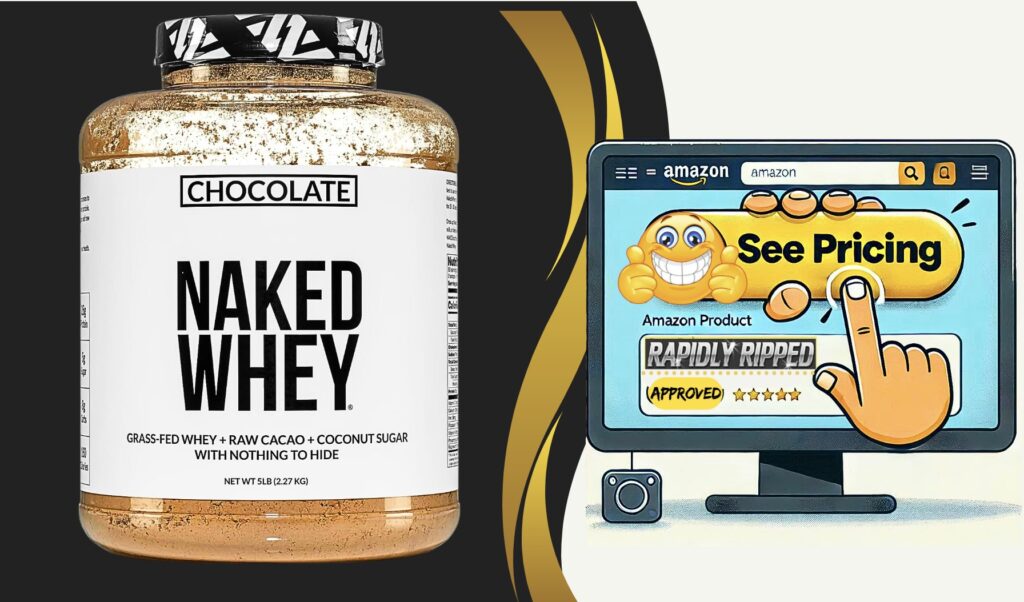
Why Naked Whey Deserves a Spot in Your Daily Grind
Your diet is the foundation of every lift, rep, and flex. It fuels your workouts, powers your recovery, and keeps your gains moving forward. That’s where Naked Whey comes in—a protein so clean it’s practically a lifestyle choice. Let’s dive into why this no-BS protein is the ally your body’s been craving.
Keep It Real: A Clean Protein for Real Results
Naked Whey doesn’t mess around. It’s pure protein from grass-fed cows, stripped of all the junk—no fillers, no artificial flavors, no “what-the-heck-is-this” additives. Just the stuff your muscles need to rebuild and grow, minus the fluff.
| Why It’s a Big Deal | What It Means for You |
|---|---|
| Sourced from grass-fed cows | Cleaner, nutrient-packed protein with a richer amino profile |
| No additives or fillers | More protein in every scoop—less for your gut to process |
| Naturally processed | A shake that’s gentle on digestion and full of flavor |
Bottom Line: Naked Whey isn’t just protein; it’s the fuel your body respects.
The Swiss Army Knife of Protein
Naked Whey adapts to your goals like a gym bro spotting your PR. Need a post-lift shake? It’s ready. Want to beef up your breakfast? It blends into your oatmeal. Craving a sweet fix? Bake it into high-protein brownies. This isn’t just protein—it’s a culinary weapon.
Three Easy Ways to Use It:
- Blend it with almond milk and frozen banana for a creamy recovery shake.
- Stir into your morning oatmeal for a punch of muscle food.
- Mix into pancake batter because why not start your day with gains?
Strength in Every Scoop
You don’t just want protein; you need results. Naked Whey delivers 25 grams of pure power per serving, with the amino acids your body craves after a grind-it-out session. It’s lean, it’s mean, and it’s here to help you dominate recovery.
| Benefit | Why You Should Care |
|---|---|
| Boosts muscle repair | Speeds up recovery so you can crush tomorrow’s workout |
| Packs in protein | Supports lean mass without loading up on carbs or fats |
| BCAAs included | Brings the essential building blocks your body doesn’t make |
Crush Cravings and Stay Satisfied
Not all hunger pangs are created equal. Some are boredom; others are legit. Naked Whey keeps you feeling full longer, making it the perfect weapon for late-night cravings or mid-afternoon snack attacks. Swap your usual empty-calorie snack for a protein-packed shake and stay on target.
A Protein That’s Good for the Planet
Naked Whey doesn’t just care about your body; it cares about the world it’s building muscles in. Non-GMO, hormone-free, and sustainably sourced from grass-fed cows, this protein makes a difference you can taste and feel good about.
| What Sets It Apart | Why It Matters |
|---|---|
| Non-GMO | No weird science experiments in your shake |
| Hormone-free | Protein the way nature intended |
| Grass-fed source | Ethical and sustainable farming practices |
Level Up Your Meal Plan with Naked Whey
Naked Whey is more than just a supplement; it’s a lifestyle choice. Whether you’re slamming a shake post-lift, powering through the workday, or looking to clean up your nutrition, this protein delivers the goods. Skip the fluff, embrace the gains, and make Naked Whey your go-to move.
Your body deserves better. Ready to fuel it right?
Protein Powder for Purists: No Sweeteners Required
When you’re hunting for the perfect protein powder—one that doesn’t mess with your clean-eating game—it’s easy to feel overwhelmed. Sweeteners, fillers, and mysterious additives lurk on ingredient labels like uninvited guests. But fear not. This guide will help you navigate the world of protein powders free from artificial sweeteners, so you can fuel up without compromise.
What Makes a Protein Powder Truly Clean?
Clean protein powder goes beyond just being “healthy.” It’s about transparency, minimal ingredients, and absolutely no fake stuff. Here’s what defines a truly clean protein powder:
- No artificial sweeteners: Say goodbye to sucralose, aspartame, and other fake sugars.
- Zero added sugars: Avoid cane sugar, maltodextrin, and unnecessary calories.
- Natural or unflavored options: Let the protein shine without masking agents.
- Simple, whole ingredients: Think organic, grass-fed whey or pure plant-based isolates.
- Free of additives: No gums, fillers, or chemicals that cause bloating or digestive discomfort.
Best Protein Powders Without Sweeteners
| Brand | Details |
|---|---|
| Naked Whey |
Type: Whey (Grass-Fed) Sweetener-Free: ✅ Key Features: 100% Grass-Fed, No Additives |
NorCal Organic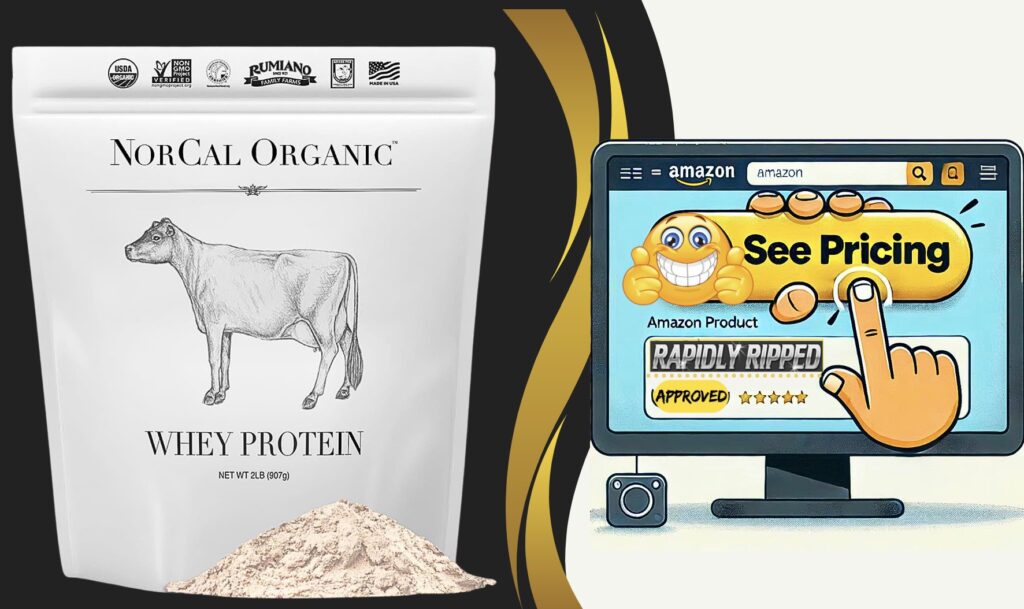 |
Type: Whey Isolate Sweetener-Free: ✅ Key Features: Organic, Non-GMO |
Purely Inspired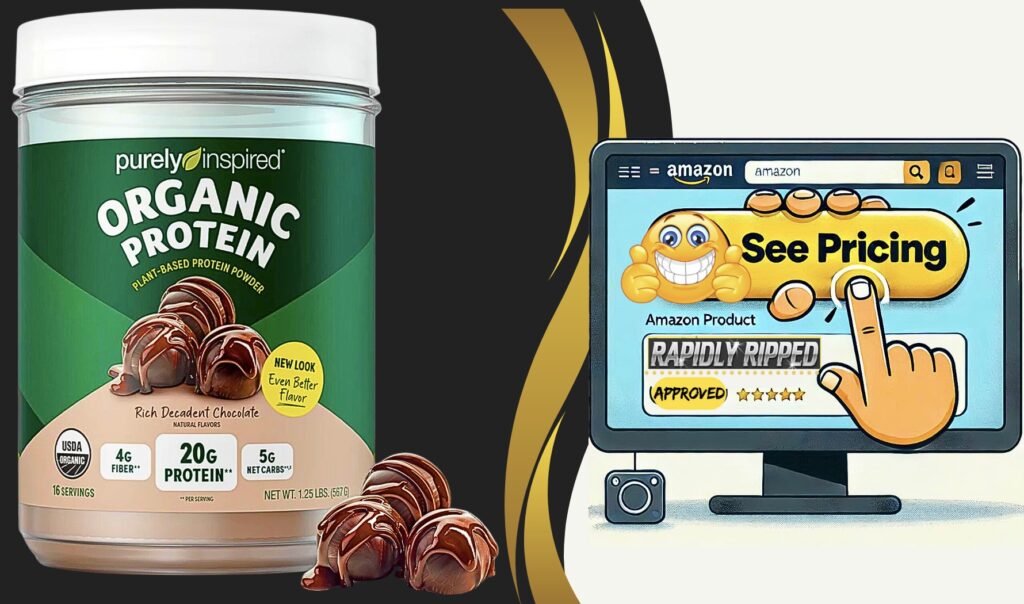 |
Type: Plant-Based Sweetener-Free: ✅ Key Features: Vegan, USDA Organic |
SFH Pure Whey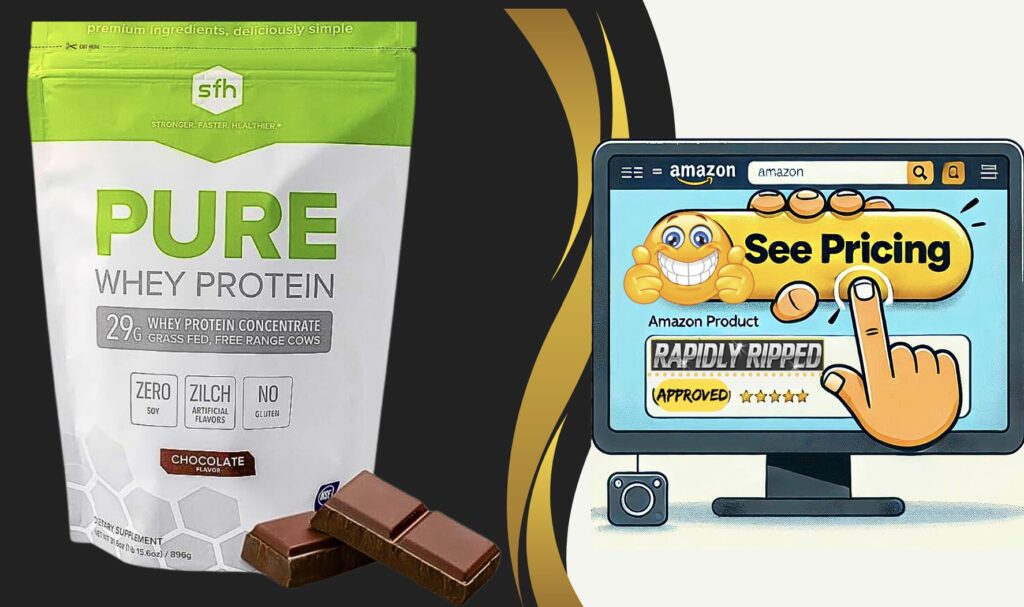 |
Type: Whey (Grass-Fed) Sweetener-Free: ✅ Key Features: NSF-Certified, Gluten-Free |
Why Go Sweetener-Free?
When you eliminate artificial sweeteners and added sugars, your protein powder becomes a clean slate—ready to mix into healthy meals, shakes, or recipes. Here’s why it matters:
- Avoid bloating: Gums and fake sugars like erythritol can wreak havoc on sensitive stomachs.
- Control taste: Unsweetened protein gives you the freedom to customize your shakes with real flavors.
- Clean eating goals: Sweetener-free powders align with clean, whole-food diets.
- No aftertaste: Say goodbye to weird chemical flavors lingering in your protein shakes.
Top Flavors (That Aren’t Overpowering)
If you’re ready to ditch the sweeteners but still want variety, these naturally flavored options have you covered:
- Vanilla Bean – Subtle, pairs well with fruits or almond milk.
- Rich Chocolate – Made with organic cocoa for a natural taste.
- Plain (Unflavored) – Versatile for smoothies, oatmeal, or coffee.
- Savory Peanut Butter – Great for a nutty, satisfying post-workout shake.
How to Choose the Best Protein Powder Without Sweeteners
- Know your goals:
- Muscle gain: Look for whey isolates or blends with 25g+ protein per scoop.
- Weight loss: Go for low-carb, low-fat options like pea protein.
- Check the label:
- Avoid fillers, gums, and unrecognizable ingredients.
- Look for certifications like “USDA Organic” or “NSF-Certified.”
- Flavor freedom:
- Unflavored powders offer the most versatility. Add natural sweeteners like fruit or a dash of cinnamon if needed.
DIY Sweetener-Free Protein Shakes
Here’s how to make a great-tasting shake with no added junk:
Chocolate Berry Bliss
- 1 scoop unflavored protein powder
- 1 cup almond milk
- ½ banana
- 1 tbsp organic cocoa powder
- ½ cup frozen strawberries
Blend until smooth, and enjoy the natural sweetness of real ingredients.
FAQs
Does Whey Protein Have Sweeteners?
Not all whey protein powders include sweeteners, but many do. Always check the ingredient list for sucralose, aspartame, or stevia if you prefer sweetener-free options.
What Are the Best Sweetener-Free Protein Powders for Vegans?
Top-rated options include Purely Inspired Organic Protein and Bob’s Red Mill Pea Protein. Both are plant-based, simple, and affordable.
How Can I Sweeten Protein Shakes Naturally?
Use whole foods like bananas, dates, or berries. A sprinkle of cinnamon or a splash of vanilla extract can also elevate the flavor without adding refined sugar.
Are Sweeteners in Protein Powders Bad for You?
Some people experience bloating, gas, or headaches from artificial sweeteners. If you’re sensitive, sweetener-free powders are a safe and clean alternative.
The Cleanest Protein Powders of 2024
Whether you’re chasing gains or trimming carbs, sweetener-free protein powders fit every lifestyle. They’re versatile, natural, and downright effective. Your shake, your rules—no fake stuff required.
Would you like to dive deeper into recipes or find the best deals on your favorite brands? Let’s talk!
Top 5 Grass-Fed Whey Protein Powders
Picture this: You’re standing in the protein aisle, surrounded by a sea of plastic tubs promising you gains, glory, and gluten-free greatness. But then it hits you—how do you separate the wannabes from the real deal?
You need a whey protein that doesn’t just talk the talk but walks it. Enter grass-fed whey protein powders: clean, lean, and sourced from happy cows grazing on lush green pastures. It’s protein with a purpose—and one that respects your body and your goals.
This guide has you covered with the Top 5 Grass-Fed Whey Protein Powders to fuel your workouts and recovery, plus a no-fluff breakdown of what makes each option worth your dollar. Let’s get after it.
What Makes Grass-Fed Whey So Great?
When you go grass-fed, you’re getting:
- Higher nutrient density: Packed with omega-3s and CLA for heart health and anti-inflammatory benefits.
- Cleaner product: No hormones or antibiotics lurking in your scoop.
- Sustainable sourcing: You’re supporting ethical farming and minimizing your environmental footprint.
The Big 5: Grass-Fed Whey Protein Powders Worth Trying
1. Promix Grass-Fed Whey Protein
- Best for: Purists who want a clean, no-BS product.
- Why it rocks:
- Sourced from small California farms.
- Only two ingredients: whey protein and sunflower lecithin.
- No artificial sweeteners or fillers.
- Nutrition (per serving):
- Protein: 25g
- Calories: 120
- Carbs: 1g
- Fat: 1g
| Feature | Promix Grass-Fed Whey |
|---|---|
| Protein Content | 25g per scoop |
| Sweeteners | None |
| Flavor Options | Unflavored, Chocolate |
| Price (per lb) | ~$23 |
2. Transparent Labs Grass-Fed Whey Isolate
- Best for: Those looking to trim the fat—literally.
- Why it rocks:
- Made with whey isolate for maximum protein purity.
- Third-party tested for quality.
- Smooth texture and mixes easily.
- Nutrition (per serving):
- Protein: 28g
- Calories: 120
- Carbs: <1g
- Fat: 0g
| Feature | Transparent Labs |
|---|---|
| Protein Content | 28g per scoop |
| Sweeteners | Stevia |
| Flavor Options | Chocolate, Vanilla |
| Price (per lb) | ~$30 |
3. Naked Whey
- Best for: The minimalist who wants to keep it simple and effective.
- Why it rocks:
- Sourced from small dairy farms in Idaho and California.
- Non-GMO, soy-free, and gluten-free.
- Perfect for blending into smoothies or recipes.
- Nutrition (per serving):
- Protein: 25g
- Calories: 120
- Carbs: 3g
- Fat: 2g
| Feature | Naked Whey |
|---|---|
| Protein Content | 25g per scoop |
| Sweeteners | None |
| Flavor Options | Unflavored |
| Price (per lb) | ~$22 |
4. Opportuniteas Grass-Fed Whey Protein Isolate
- Best for: Mix-and-go enthusiasts who need ultra-clean fuel.
- Why it rocks:
- Cold-processed to preserve nutrients.
- Zero carbs, fat, or sugar.
- Dissolves effortlessly, even in water.
- Nutrition (per serving):
- Protein: 27g
- Calories: 110
- Carbs: 0g
- Fat: 0g
| Feature | Opportuniteas Whey |
|---|---|
| Protein Content | 27g per scoop |
| Sweeteners | None |
| Flavor Options | Unflavored |
| Price (per lb) | ~$25 |
5. Ascent Native Fuel Whey Protein
- Best for: Weekend warriors and competitive athletes alike.
- Why it rocks:
- Instantized for easy mixing.
- NSF Certified for Sport (no banned substances).
- Mild, creamy flavor profile.
- Nutrition (per serving):
- Protein: 25g
- Calories: 120
- Carbs: 3g
- Fat: 1g
| Feature | Ascent Native Fuel |
|---|---|
| Protein Content | 25g per scoop |
| Sweeteners | Monk Fruit |
| Flavor Options | Chocolate, Vanilla, Lemon Sorbet |
| Price (per lb) | ~$24 |
How to Choose the Best Grass-Fed Whey for You
Here’s the playbook:
- Check the label: Avoid fillers, artificial sweeteners, or hidden junk.
- Know your macros: Go for higher protein content with minimal carbs and fat.
- Taste and mixability: Nobody wants to choke down chalky sludge.
- Certifications: Look for third-party testing and ethical sourcing.
Final Scoop
There’s a reason grass-fed whey is the talk of the gym: it’s cleaner, greener, and better for your body. Whether you’re chasing PRs or just want to recover like a champ, these five options deliver the goods.
Remember, protein is personal—so grab a tub, mix it up, and let your gains do the talking. Which one’s your go-to? Drop a comment and let’s keep the conversation rolling.
The Best-Tasting Top Whey Protein Powders
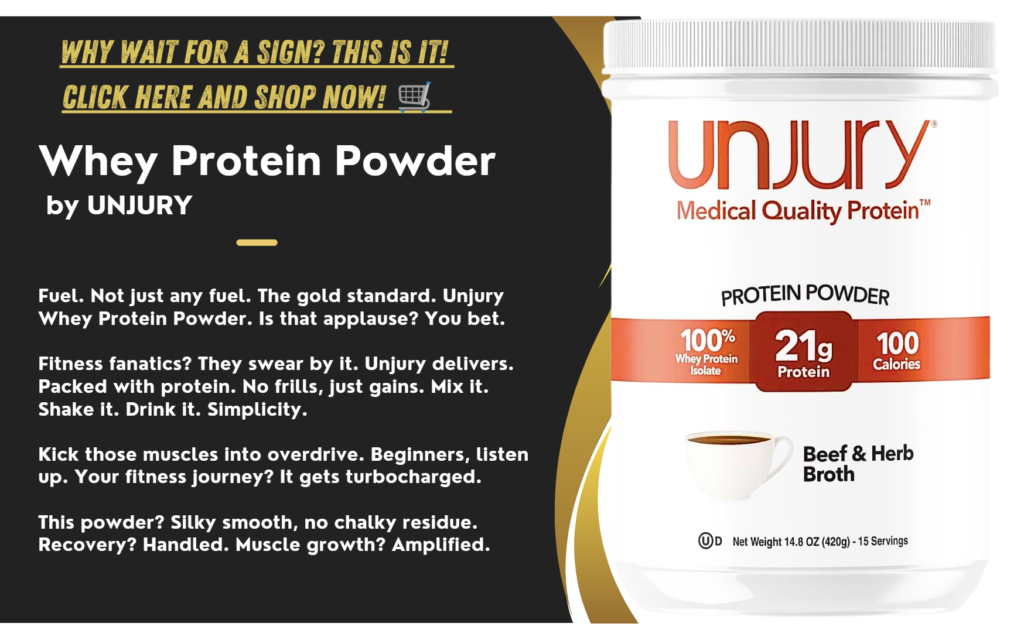
Alright, let’s dive into it. If you’re serious about packing on muscle, fueling up after a workout, or just getting your protein game on point—taste matters. Nobody wants to choke down something that tastes like wet cardboard. We get it. So, what’s the deal with whey protein powders? Which ones not only hit your nutritional targets but also make you actually want to drink them? Let’s find out.
Here’s the scoop on the best-tasting whey powders that’ll keep you coming back for more (because, let’s face it, life’s too short for bad shakes).
What Makes a Protein Taste Good?
Before we jump into the cream of the crop, let’s talk about what makes whey protein delicious. You know it’s all about the blend of flavors and mixability. A smooth shake with a balanced sweetness—that’s the gold standard. Look for these features to guarantee a good sip every time:
- Flavoring: You want it rich but not over the top. Too sweet? Nope. Too bland? Definitely not.
- Mixability: Lumps = bad. Smooth and creamy = good.
- Texture: If it’s thick without feeling like a workout in itself, you’re golden.
- Aftertaste: The best proteins leave you wanting more, not looking for something to scrub your mouth with.
Top 5 Best-Tasting (Ranked)
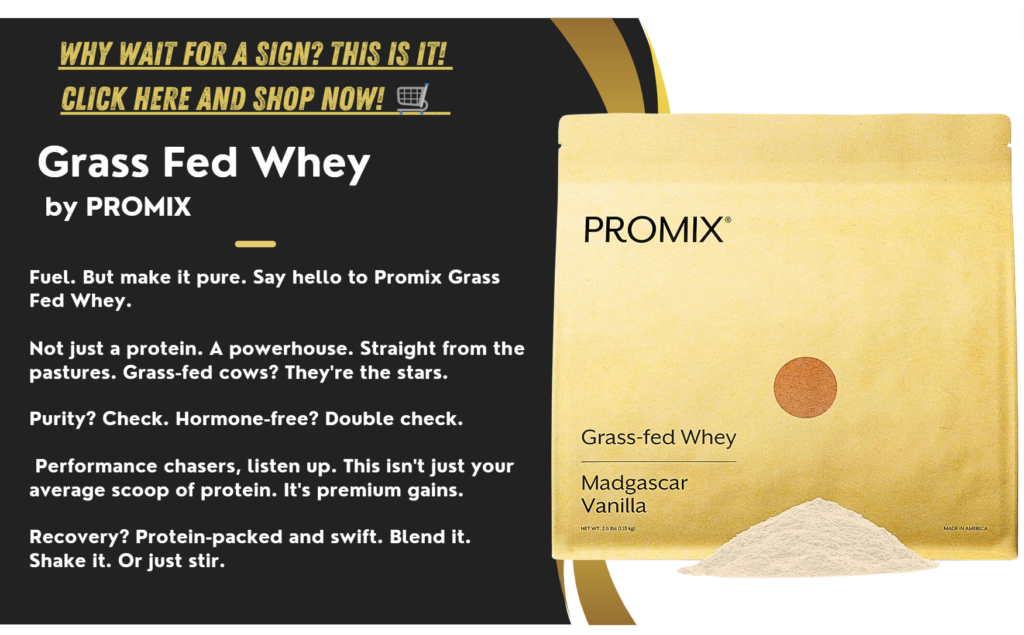
Ready for the list? Here are the heavy-hitters that stand out for both taste and performance. You won’t be regretting your shake anytime soon.
| Rank | Protein Brand | Flavor(s) | Mixability | Texture | Why It’s Great |
|---|---|---|---|---|---|
| 1 | Impact Whey Protein | Salted Caramel, Chocolate Mint | 9/10 | Smooth & Creamy | Perfect balance of flavor with zero weird aftertaste. |
| 2 | Gold Standard Whey | Double Rich Chocolate, Vanilla Ice Cream | 8/10 | Silky Smooth | Consistently delicious with superior blendability. |
| 3 | Legion Whey+ | Chocolate, Vanilla, Cinnamon Cereal | 8/10 | Light & Velvety | Natural sweeteners make it smooth with no chemical aftertaste. |
| 4 | Dymatize Nutrition Elite | Gourmet Chocolate, Cookies & Cream | 7.5/10 | Rich & Thick | A decadent taste that satisfies sweet cravings without being overpowering. |
| 5 | Orgain Organic Protein | Chocolate, Vanilla Bean | 7/10 | Creamy & Smooth | Organic ingredients make this a feel-good drink. |
Honorable Mentions: Protein Powders with a Unique Flavor Twist
Sometimes you need a little variety, right? If you’re looking for something beyond the usual chocolate or vanilla, here are a few more options that’ll add some fun to your protein routine:
- MuscleTech NitroTech – Peanut Butter Cup
- Mixability: 8/10
- Flavor: Creamy peanut butter and chocolate—seriously indulgent.
- Vital Proteins Collagen Whey Protein – Chocolate Coconut
- Mixability: 7/10
- Flavor: Rich chocolate with a hint of coconut, perfect if you love tropical vibes.
- Rivalus Clean Protein – Vanilla Milkshake
- Mixability: 7/10
- Flavor: It’s like your childhood milkshake—but healthier.
What to Consider When Picking Your Whey
It’s easy to get caught up in the flavor, but remember, you also need to check out the rest of the protein profile. You’re not just drinking for taste, you’re fueling your body for performance. Here’s what to look at when choosing a protein powder:
- Protein per Serving: Aim for at least 20g of protein per scoop.
- Carb & Sugar Content: Watch out for unnecessary sugars. Keep it low.
- BCAAs: Essential for muscle recovery.
- Mixability: A must for smooth shakes that won’t leave you gagging.
- Price-to-Value Ratio: Sometimes the tastiest options are also the best deal.
How to Make Your Whey Protein Shake Even Better
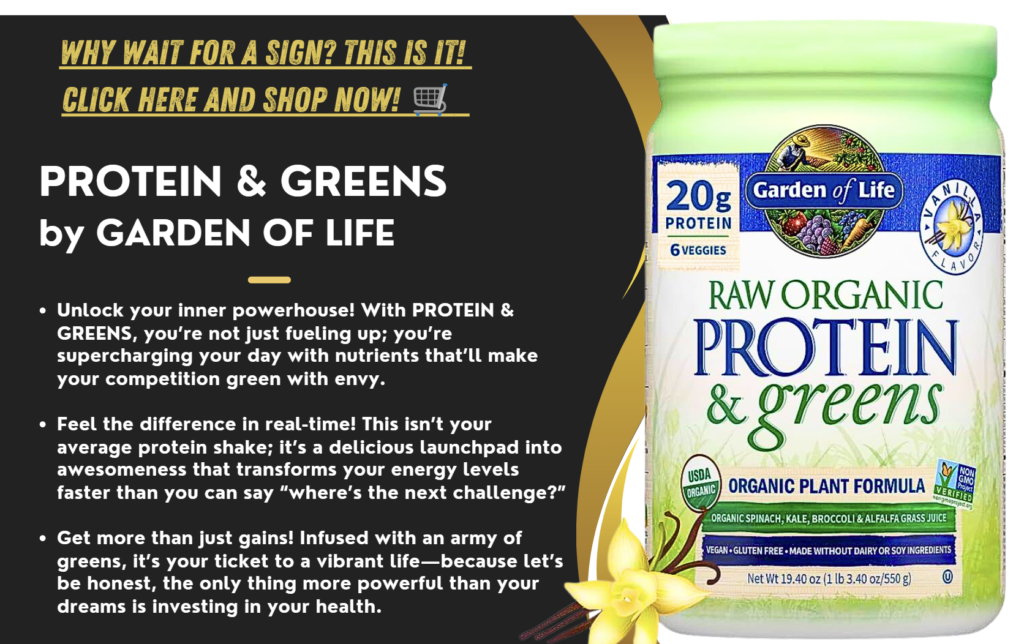
Because it’s all about that extra kick, right? Here’s how to take your whey protein to the next level:
- Throw in Some Greens: Blend in some spinach or kale to sneak in those vitamins without messing up the flavor.
- Use Almond Milk: Swap out water for almond or coconut milk. You get extra flavor and creaminess with minimal extra calories.
- Ice Cubes: Add ice cubes for a thicker, colder shake that’ll feel like a treat.
Wrapping It Up: Whey Protein That Actually Tastes Good
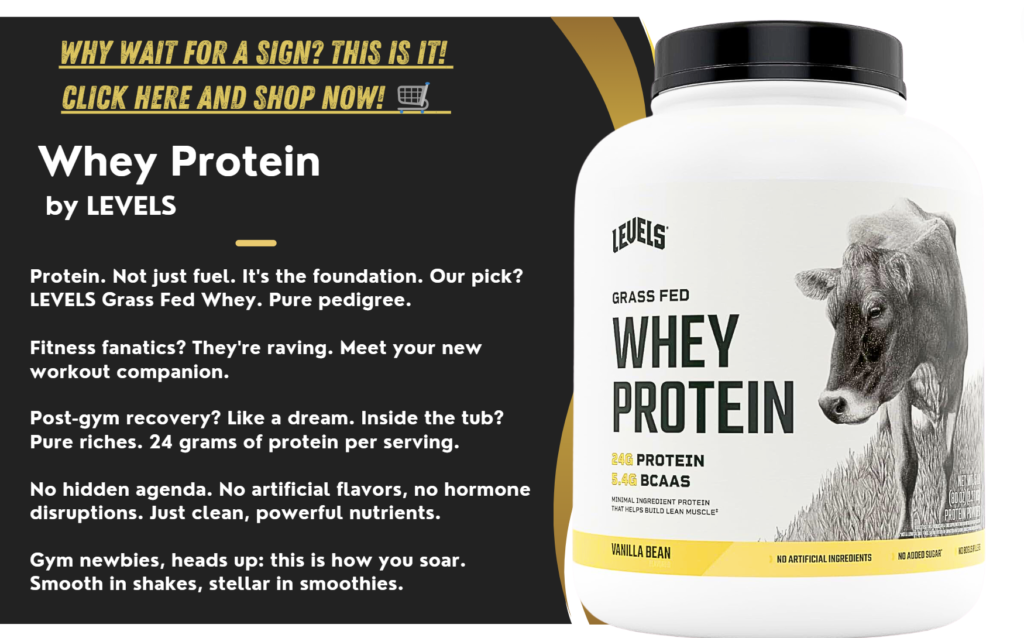
Alright, now you’ve got the goods. The top whey proteins that’ll have your taste buds celebrating while you hit your fitness goals. You know it’s not just about protein—it’s about enjoying the journey. So, pick the one that speaks to you and start making those gains.
And remember, when you’ve got a good whey protein that’s both delicious and effective, you’re setting yourself up to succeed. Don’t settle for mediocre. Go for the gold standard.
Want to take it up another notch? Find your ideal protein and mix it with some post-workout magic. Happy sipping, and here’s to getting the most out of your protein shake!