
Archive for the ‘Diet’ Category
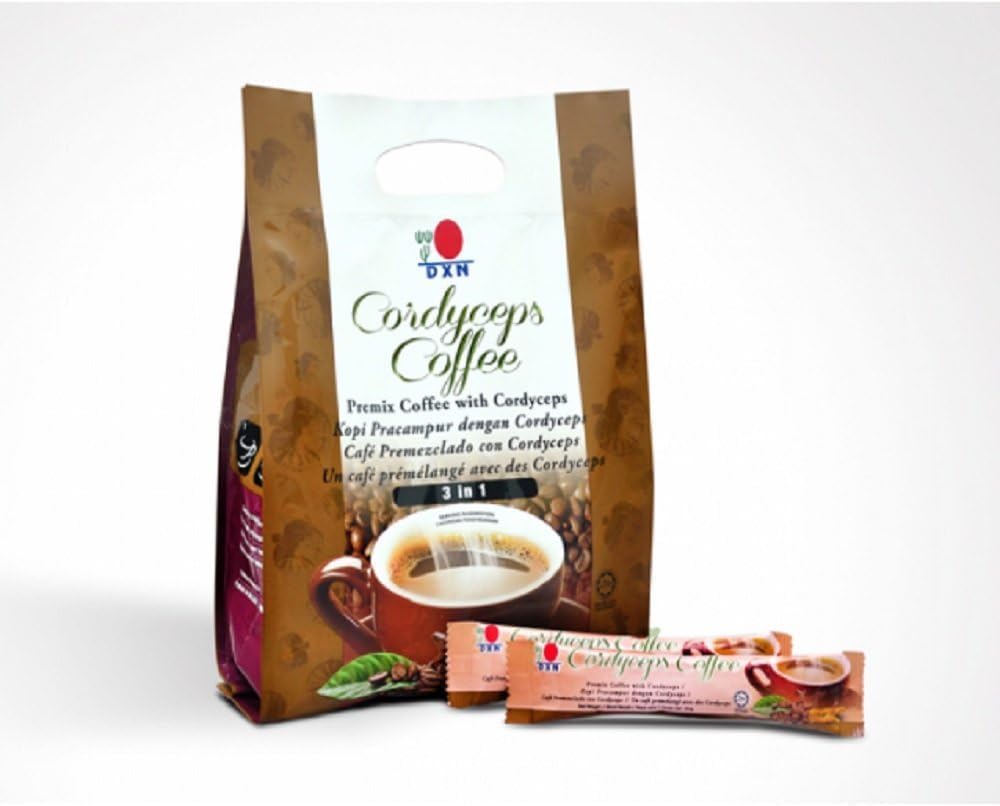
Cordyceps Coffee: Power Up Your Day with a Smooth, Stable Boost
When it comes to performance, energy, and immunity, there’s one blend that stands out: Cordyceps Coffee. This unique mix combines the earthy strength of Cordyceps mushrooms with the invigorating taste of coffee beans, designed to give you an energy boost without the crash. You’re probably wondering, is this mix worth your time? Stick with me—I’ll show you why Cordyceps Coffee might be the smooth upgrade to your daily routine you didn’t know you needed.
Key Benefits of Cordyceps Coffee
| Benefit | Description |
|---|---|
| Enhanced Stamina | Cordyceps are known to support higher levels of endurance and stamina. |
| Sustained Energy | Provides a stable energy lift, avoiding the crash often felt with regular coffee. |
| Improved Athletic Performance | Ideal for workouts, thanks to the cordycepin in Cordyceps. |
| Immune System Support | Offers β-glucan, known to support immune function. |
| Great Flavor | Aroma and flavor come through, thanks to a specially formulated, balanced taste. |
The Science Behind Cordyceps Coffee
| Ingredient | Function |
|---|---|
| Cordyceps Extract | High in cordycepin and polyphenols, boosts stamina and immune support. |
| Coffee Beans | Adds caffeine for energy; rich in antioxidants that protect against free radicals. |
| β-glucan | Supports immune system health and general well-being. |
| Polyphenol Content | Offers 0-533 mg GAE (Gallic Acid Equivalent), powerful antioxidant effects. |
How to Make the Most of Cordyceps Coffee
Here’s the thing—Cordyceps Coffee isn’t just another trendy blend. It’s a powerhouse, especially when used correctly. Here’s how to integrate it for maximum benefit:
- Choose Quality: Go for instant powder with a strong extract; DXN or similar brands are known for quality.
- Determine Your Amount: Start with 1-2 cups, containing around 22-274 mg of cordyceps extract to gauge your tolerance.
- Timing Matters: Consume in the morning or midday, as the caffeine can sometimes impact late-night sleep quality if taken later.
- Pair with High-Energy Workouts: Sip it about 30-60 minutes before workouts to capitalize on its stamina and energy-enhancing benefits.
What Makes Cordyceps Coffee Unique?
- Smooth & Sustained Boost: Unlike typical coffee that sometimes leads to a jittery rush, Cordyceps Coffee delivers a steady, controlled lift, thanks to cordycepin and polyphenol content.
- Rich, Aromatic Flavor: Using a new method, the flavor pattern analysis and electronic nose system shows that the aroma of coffee isn’t obstructed by mushroom notes, so you enjoy a pure, balanced taste.
- Enhanced Polyphenol Content: With contents up to 533 mg GAE, Cordyceps Coffee ranks higher in antioxidant value compared to regular coffee.
Cordyceps Coffee vs. Other Blends
| Feature | Cordyceps Coffee | Regular Coffee |
|---|---|---|
| Energy Stability | Smooth, sustained lift; no crash | Quick rush, often followed by a crash |
| Immune Support | Contains β-glucan and polyphenols | Generally limited immune benefits |
| Antioxidant Levels | High GAE content, up to 533 mg | Moderate antioxidant content |
| Flavor Quality | Balanced, with superior aroma retention | Often strong with slight bitterness |
| Sleep-Friendly | Daytime only, to prevent sleep disturbance | Can disrupt sleep if consumed late |
Why Men Are Turning to Cordyceps Coffee
For guys aged 25-55, Cordyceps Coffee is quickly becoming a go-to, especially among those looking for performance-enhancing alternatives. The controlled energy release and smooth, rich flavor make it a winner for athletes and professionals alike. And for those seeking immune support, cordyceps mushrooms are a natural powerhouse.
Things to Consider
- Start Slow: Aim for 1-2 cups a day; overconsuming could lead to energy spikes or sleep issues.
- Avoid Late-Night Use: For best results, consume before 4 PM to avoid potential sleep disturbances.
- Experiment with Doses: Adjust for your own energy and tolerance levels; some find they need more or less to find that sweet spot.
Common Misconceptions
| Myth | Truth |
|---|---|
| Tastes Like Mushrooms | Actually, the coffee aroma and flavor are kept intact—no strong mushroom taste. |
| All Cordyceps Are the Same | Not true—different brands have varied polyphenol content and quality. |
| No Energy Crash | Correct! The cordycepin provides sustained energy without a crash. |
Q&A: The Stuff No One’s Asking But Should Be
Q: Does the type of Cordyceps mushroom really make a difference in coffee?
A: Great question. You’ve got different strains like Cordyceps sinensis and Cordyceps militaris, each with unique properties. Cordyceps militaris is more common in coffee blends because it’s commercially cultivated, making it higher in cordycepin (the compound responsible for all that energy-boosting action). So, yeah, the type of Cordyceps matters, especially if you’re after a coffee that can really fuel your stamina, immune support, and performance.
Q: Is there a risk of Cordyceps Coffee interacting with medications?
A: Funny you ask—this isn’t usually on the radar. Cordyceps has been known to impact blood sugar and even immune response, so if you’re taking meds for diabetes or immune suppression, consult with your doc first. It’s a rare concern but one to consider since Cordyceps is potent enough to change the way your body’s responding. Don’t worry; it’s still safe for most people, just smart to double-check.
Q: How does Cordyceps Coffee affect digestion?
A: Surprisingly, Cordyceps might actually make your gut happier. Thanks to the β-glucan content in Cordyceps, it can help the gut flora, making digestion smoother than with typical coffee. If you’re prone to acid reflux with regular coffee, you might find this blend is gentler, especially if it’s a Cordyceps-dominant formula. Think of it as the smooth ride without the heartburn hitchhiker.
Q: Can Cordyceps Coffee be consumed on an empty stomach?
A: This one’s personal. Some folks swear by it first thing in the morning, as Cordyceps itself is easier on the stomach compared to coffee alone. However, if you’re sensitive to caffeine, pairing it with a small snack could prevent any jitteriness. The upshot? You get the performance and stamina benefits without sacrificing comfort.
Q: Why does Cordyceps Coffee sometimes taste different between brands?
A: Ah, taste! It’s not just about the beans—it’s the quality and source of the Cordyceps extract too. Some brands might use lower-cordycepin varieties or skip the chromatography process that refines taste, resulting in an inconsistent or mushroom-heavy flavor. Look for brands using high-performance Cordyceps militaris and flavor analysis systems to avoid off-flavors and get that smooth, bold finish.
Q: Is Cordyceps Coffee safe to drink every day?
A: Absolutely, in most cases. Regular consumption—1-2 cups a day—should be perfectly fine. Cordyceps mushrooms are generally safe even at higher doses, but, as with anything, moderation is key. Plus, if you’re caffeine-sensitive, monitor how you feel and adjust to avoid any sleep disruption, especially if you’re downing it late in the day.
Q: What’s the deal with Cordyceps Coffee and testosterone levels?
A: While the data’s sparse, some studies suggest that Cordyceps may support higher testosterone levels indirectly through stress management and endurance. Less stress means your body’s not chewing through testosterone for recovery. So, while it’s not a T-booster in itself, Cordyceps could create conditions where your testosterone has a fighting chance to thrive.
Q: How does Cordyceps Coffee affect sleep?
A: Cordyceps Coffee is like a double-edged sword here. In moderation, Cordyceps can help with sleep quality thanks to its impact on stress levels. However, the caffeine content can mess with your REM cycles if consumed too close to bedtime. Best to wrap it up by 3 PM to maximize the energy boost without sacrificing sleep quality.
Q: Is Cordyceps Coffee compatible with fasting?
A: If you’re an intermittent fasting pro, Cordyceps Coffee could be a golden addition. It’s low-cal, so technically it doesn’t break a fast in most cases. Plus, Cordyceps has a nice way of reducing appetite and balancing energy, making it easier to last through those later hours of a fast. Just be mindful of the caffeine if your stomach’s running on empty.
Q: Why don’t I feel the same “jolt” from Cordyceps Coffee as with regular coffee?
A: That’s the beauty of it, actually. The “jolt” comes from high, fast caffeine absorption. Cordyceps Coffee gives a more controlled release, so you’re feeling steady energy rather than a rush. Cordycepin in Cordyceps keeps it smooth and stable. It’s a different beast than regular coffee—no spikes, just sustained power.
Conclusion
Cordyceps Coffee isn’t just a drink—it’s a performance tool. Made with the best cordyceps mushrooms and high-quality coffee beans, it combines the high energy and refreshing effects of coffee with the health-supporting, stamina-boosting benefits of Cordyceps extract. Whether you’re an athlete, a busy professional, or someone seeking a boost without the jittery after-effect, Cordyceps Coffee could be your go-to.
Make the switch, power up, and enjoy a sustained, refreshing day every day.
The Best Cordyceps Supplement for Guys Who Want a Real Boost
Cordyceps mushrooms are more than just exotic—they’re a powerhouse for energy, stamina, and vitality. But finding the best Cordyceps supplement? That’s where we step in. This guide’s got you covered on the top options out there, so whether you’re looking to get that early morning kick, a boost during workouts, or support for a solid immune system, there’s something for every guy here.
Key Benefits of Cordyceps Supplements
| Benefit | Description |
|---|---|
| Energy and Endurance Boost | Known for enhancing energy production and reducing fatigue under low-oxygen exertion. |
| Immune Support | Packed with nutrients that help fortify your immune system. |
| Better Oxygen Utilization | Ideal for those pushing through intense physical activities with lower oxygen levels. |
| Heart Health | Some studies show Cordyceps can support heart health, aiding in blood flow and circulation. |
| Anti-Aging Effects | Traditionally used to enhance vitality and promote healthier, glowing skin. |
Top Cordyceps Supplements on the Market
| Product | Highlights | Cost per Serving |
|---|---|---|
| NusaPure Cordyceps Extract | Affordable, high potency, easy to incorporate into daily routines. | $0.20 per serving |
| Ultra Cordyceps Militaris Powder | Rich in nutrients, excellent for immune and energy support. | $1.00 per serving |
| Functional Mushrooms Blend | Includes Cordyceps along with other functional mushrooms for a comprehensive boost. | $0.50 per serving |
| Organic Cordyceps Sinensis Capsules | High-quality organic Cordyceps, great for immune system support and daily energy. | $0.30 per serving |
How to Choose the Best Cordyceps Supplement
– **Look for Quality Ingredients:** Choose supplements made from *Cordyceps sinensis* or *Cordyceps militaris,* as these are the most studied. – **Read Labels for Purity:** Check for organic, non-GMO ingredients, and steer clear of fillers. – **Consider Your Needs:** If energy and stamina are priorities, look for high potency; if immunity support tops your list, a blend with other functional mushrooms could be best.
How to Take Cordyceps
- Start Slow: Begin with a lower dose and see how your body responds.
- Choose the Right Time: Many take Cordyceps in the morning or early afternoon for a natural energy boost.
- Take with Food: For some, Cordyceps on an empty stomach can cause mild nausea, so pair it with a meal.
- Consistent Use: Cordyceps works best when taken regularly over time.
Potential Side Effects
While generally safe, some may experience mild side effects such as:
| Side Effect | Solution |
|---|---|
| Nausea or Upset Stomach | Take with food to minimize digestive discomfort. |
| Dry Mouth | Stay hydrated throughout the day. |
Q&A for a Deeper Understanding
Q: Can Cordyceps improve athletic performance in high-altitude conditions?
A: Absolutely! Cordyceps is known for its potential to enhance oxygen utilization, which can be a game-changer for athletes training or competing at high altitudes. By improving the body’s ability to use oxygen more efficiently, it may help combat fatigue and enhance endurance when oxygen levels are lower. Just imagine powering through that mountain trek or high-altitude run with a bit more pep in your step!
Q: Is there a difference between Cordyceps sinensis and Cordyceps militaris?
A: Great question! While both species are beneficial, they have unique properties. Cordyceps sinensis is the traditional species often used in Chinese medicine and is considered more potent, especially for energy and libido. On the flip side, Cordyceps militaris is gaining popularity, particularly in supplement forms due to its easier cultivation and consistent quality. It’s a fantastic choice for those looking to boost stamina and enhance overall well-being. So, whether you want the classic or a modern spin, both can support your health goals.
Q: Can Cordyceps help with chronic fatigue syndrome (CFS)?
A: Many people suffering from CFS have found Cordyceps to be beneficial. Its energy-boosting properties may help those dealing with fatigue and low energy levels. However, while anecdotal evidence is promising, it’s crucial to consult your healthcare provider before incorporating it into your routine, especially if you’re managing a chronic condition.
Q: Are there any potential interactions between Cordyceps and medications?
A: Yes, Cordyceps can interact with certain medications, particularly those that affect blood sugar levels and anticoagulants. If you’re on medication for diabetes or blood thinners, it’s essential to discuss with your doctor before adding Cordyceps to your daily routine. Being proactive about potential interactions will help ensure you’re maximizing the benefits while keeping your health in check.
Q: How do I choose a Cordyceps supplement if I’m also taking other functional mushrooms?
A: If you’re stacking your supplements with other functional mushrooms like Lion’s Mane or Reishi, look for products that offer a blend designed for synergistic effects. Many brands formulate combinations to enhance performance and health benefits. Always read labels carefully and consider the dosages to avoid overloading your system. Balancing your mushrooms can amplify effects and support a well-rounded health regimen.
Q: Is it safe to take Cordyceps for long periods?
A: Generally, yes! Cordyceps is considered safe for long-term use. However, it’s always wise to cycle your supplements every few months. This means taking Cordyceps for several weeks and then pausing for a bit before resuming. This strategy can help your body maintain responsiveness and avoid building tolerance. Plus, it gives you a chance to assess how it’s affecting your overall health.
Q: Can Cordyceps help with mental clarity or cognitive function?
A: Cordyceps may not be the first supplement you think of for mental clarity, but some research suggests that it could have neuroprotective properties, enhancing cognitive function. By improving oxygen flow and energy levels, you might find your focus sharpening—perfect for those long days at work or intense study sessions. Just remember, mental clarity often comes from a holistic approach, so pair it with good sleep and nutrition.
Final Thoughts
Whether you’re a seasoned supplement user or new to the mushroom game, Cordyceps is a natural, effective addition to your routine. With our curated list, you’re ready to pick the *best* Cordyceps supplement for your goals—whether that’s more energy, better endurance, or general health support.
Does Creatine Cause Acne Breakouts? Here’s What We Know
Creatine is one of the most popular supplements in the fitness industry, widely used for enhancing athletic performance and increasing muscle mass. However, as its popularity has soared, so have concerns about its potential side effects, particularly regarding skin health. In this article, we’ll delve into whether creatine can cause acne breakouts, explore the science behind it, and provide insights on how to manage any skin-related concerns.
What is Creatine?
Creatine is a naturally occurring compound found in small amounts in certain foods (like red meat and fish) and synthesized in the body from amino acids. It plays a crucial role in energy production, particularly during high-intensity exercise. As a supplement, it’s commonly used to enhance muscle strength, improve workout performance, and support recovery.
How Creatine Works in the Body
| Function | Description |
|---|---|
| Energy Production | Helps regenerate ATP (adenosine triphosphate), the primary energy carrier in cells, especially during short bursts of intense activity. |
| Muscle Hydration | Increases water retention within muscle cells, contributing to muscle fullness and growth. |
| Recovery Support | May aid in reducing muscle soreness and speeding up recovery after exercise. |
Acne and Its Causes
Acne is a common skin condition that occurs when hair follicles become clogged with oil (sebum), dead skin cells, and bacteria. Several factors can contribute to acne development:
| Factor | Description |
|---|---|
| Hormonal Changes | Fluctuations in hormones, especially during puberty, menstruation, and certain medical conditions, can increase sebum production. |
| Diet | High-glycemic foods, dairy, and processed foods have been linked to acne in some studies. |
| Genetics | Family history can play a significant role in acne susceptibility. |
| Stress | Can exacerbate acne through hormonal fluctuations and increased oil production. |
Does Creatine Contribute to Acne?
While anecdotal reports suggest a link between creatine supplementation and acne breakouts, scientific evidence is limited. Here’s what we know:
- Hormonal Influence: Creatine may influence hormone levels, particularly in men, which could theoretically lead to increased oil production and acne. However, more research is needed to establish a direct correlation.
- Water Retention: The muscle hydration effect of creatine can lead to an increase in water content in the body. While this may not directly cause acne, any change in fluid balance can potentially affect skin health.
- Dietary Considerations: Some users report skin issues while taking creatine, but these may stem from dietary changes (increased consumption of high-glycemic foods or protein sources) rather than the creatine itself.
- Individual Variation: Acne susceptibility varies from person to person. While some individuals might experience breakouts when using creatine, others may not see any effect at all.
Managing Acne While Using Creatine
If you’re concerned about acne while taking creatine, consider the following strategies:
| Strategy | Description |
|---|---|
| Monitor Your Diet | Focus on a balanced diet rich in whole foods, fruits, and vegetables while limiting high-glycemic and processed foods. |
| Stay Hydrated | Drink plenty of water to help maintain skin hydration and overall health. |
| Choose Quality Supplements | Opt for high-quality, reputable creatine brands that do not contain unnecessary additives or fillers. |
| Consult a Dermatologist | If you experience persistent breakouts, seek professional advice to determine the best course of action for your skin. |
| Use Non-Comedogenic Products | Choose skincare products labeled as non-comedogenic to avoid clogging pores. |
Here’s a Q&A for a Deeper Understanding
Q1: Can creatine affect skin conditions other than acne?
A: Yes, while acne is the most commonly discussed skin issue related to creatine, there are other conditions that may be influenced as well. Some individuals with pre-existing skin conditions, such as eczema or psoriasis, may notice changes in their skin’s condition when supplementing with creatine. This could be due to alterations in hydration levels or changes in diet that accompany supplementation. However, scientific studies on this topic are limited, so it’s crucial for those with sensitive skin to monitor their reactions closely.
Q2: Does the timing of creatine supplementation impact skin health?
A: Timing can play a role in how the body responds to creatine, but its direct impact on skin health is not well-documented. Some users find that taking creatine immediately post-workout helps with recovery and hydration, which may indirectly benefit skin health by enhancing nutrient delivery to cells. However, some may experience skin breakouts if taking creatine right before workouts due to increased blood flow and skin sensitivity. It’s advisable to test different timing strategies to find what works best for your body.
Q3: Could creatine lead to hormonal imbalances that exacerbate skin issues?
A: Creatine can influence testosterone levels, particularly in males. While this hormonal shift is generally considered mild and temporary, any fluctuations can potentially impact oil production in the skin, leading to breakouts in some individuals. However, this response varies greatly from person to person. If you suspect hormonal changes from creatine use, consider consulting a healthcare professional for personalized advice.
Q4: Are there specific types of creatine that might be better for skin health?
A: Yes, the type of creatine you choose may impact not just performance but also skin health. For instance, micronized creatine, which has smaller particles, is absorbed more efficiently by the body and may cause less bloating or water retention. This could potentially minimize any adverse effects on the skin compared to other forms, such as creatine monohydrate, which may lead to more significant water retention. Experimenting with different types can help you find one that works best for your body and skin.
Q5: Can creatine impact skin hydration levels?
A: Creatine can increase cellular hydration in muscle tissue, which may also have an effect on skin hydration. However, the body’s overall hydration levels and skin health are influenced by various factors, including water intake and diet. Therefore, while creatine may aid muscle hydration, it’s essential to maintain adequate fluid intake and consume hydrating foods to support skin health effectively.
Q6: Are there any potential interactions between creatine and acne medications?
A: While no direct interactions have been widely reported, individuals taking acne medications, particularly those that affect hormone levels or oil production (like isotretinoin), should be cautious when using creatine. Combining these substances may amplify side effects or lead to unexpected reactions. It’s always a good practice to consult with a healthcare provider before starting new supplements if you’re on any medication.
Q7: What role does diet play in managing acne while taking creatine?
A: Diet plays a critical role in skin health, especially when using supplements like creatine. A diet high in refined sugars, dairy, and processed foods can exacerbate acne. When taking creatine, it’s beneficial to focus on a balanced diet rich in whole foods, antioxidants, and healthy fats to support skin health. Consider incorporating foods like berries, nuts, and fatty fish, which are known for their skin-friendly properties.
Q8: Can stress from workouts while using creatine contribute to skin issues?
A: Yes, the physical stress from intense workouts can lead to increased cortisol levels, which may exacerbate acne for some individuals. While creatine itself doesn’t cause stress, the demands of a rigorous training regimen can affect your skin. To mitigate stress-related skin issues, consider incorporating recovery techniques such as mindfulness, adequate sleep, and hydration, alongside your creatine regimen.
Conclusion
Currently, there is no conclusive scientific evidence that creatine directly causes acne breakouts. While individual experiences may vary, understanding the potential factors influencing skin health is crucial. If you’re considering taking creatine or are already using it and experiencing skin issues, it’s important to monitor your overall health and consult with healthcare professionals if necessary. By following a balanced diet, staying hydrated, and using appropriate skincare, you can enjoy the benefits of creatine while managing your skin health effectively.
How Much Weight Gain Can Creatine Cause? Let’s Break It Down
If you’ve started taking creatine, you may have noticed the scale creeping up a bit. Don’t worry—this is a natural reaction to one of the most popular and effective performance-enhancing supplements out there. But how much weight gain can you really expect from creatine, and why does it happen? Let’s explore how creatine affects your body weight and what you can do to manage it.
Quick Facts About Creatine and Weight Gain
| Aspect | Explanation |
|---|---|
| Water Retention | Creatine draws water into muscle cells, causing an increase in water weight. |
| Muscle Mass Increase | Aided by increased ATP production, creatine can enhance muscle growth over time. |
| Short-Term Gain | Most users gain 1–3 pounds in the first week of creatine loading. |
| Long-Term Gain | After consistent use, you may see a weight gain of 5–7 pounds. |
| Individual Variability | Response to creatine can vary widely based on genetics and exercise habits. |
Why Does Creatine Cause Weight Gain?
Creatine’s main function is to improve energy production in muscle cells, enhancing endurance and strength. As creatine enters muscle tissue, it draws water into the cells—a process known as cell volumization. This increase in intracellular water contributes to the initial weight gain that people experience. Additionally, creatine can stimulate muscle growth by increasing the availability of energy (ATP) during workouts, which promotes more intense training and, ultimately, lean muscle gain.
Types of Weight Gain from Creatine
| Type | Explanation |
|---|---|
| Water Weight | Initial gain from water retention within muscle cells. |
| Lean Muscle Mass | Over time, increased energy and performance lead to muscle gain. |
| Minimal Fat Gain | Creatine itself doesn’t cause fat gain, though increased appetite may. |
Breaking Down the Timeline: How Much Weight Gain to Expect
- First Week (Loading Phase):
- If following a loading phase (20 grams per day for 5–7 days), you might see a 1–3 pound increase as muscles saturate with creatine and water. Some may experience slightly more or less depending on their body size and muscle composition.
- Maintenance Phase (Weeks 2-4):
- After switching to a maintenance dose (3–5 grams daily), water weight stabilizes. By this point, total weight gain typically hovers between 2–4 pounds for most users.
- Long-Term (Beyond 4 Weeks):
- Long-term use with consistent training can lead to a total weight gain of about 5–7 pounds, primarily from muscle growth. This phase reflects actual lean mass gain rather than just water retention.
Common Myths About Creatine and Weight Gain
| Myth | Reality |
|---|---|
| Creatine Causes Fat Gain | Creatine does not directly increase fat; it contributes to lean muscle and water. |
| Weight Gain Equals Bloating | The weight gain from creatine is intracellular water, not bloating or puffiness. |
| All Creatine Weight is Temporary | Water weight is temporary, but muscle gains are lasting with consistent use. |
Factors That Influence Weight Gain on Creatine
| Factor | How It Affects Weight Gain |
|---|---|
| Body Type | Muscular individuals may experience more weight gain initially. |
| Dosage and Duration | Higher doses, like during the loading phase, increase weight gain faster. |
| Hydration and Diet | Adequate hydration and balanced diet minimize any bloating feelings. |
| Exercise Routine | Consistent resistance training amplifies muscle gain from creatine. |
Managing and Minimizing Creatine Weight Gain
For those concerned about weight gain, here are tips to keep creatine use comfortable and effective:
- Skip the Loading Phase:
- Some users skip the high-dose loading phase to minimize rapid water weight increase. A steady daily intake of 3–5 grams may help avoid the initial 1–3 pounds of weight gain.
- Stay Hydrated:
- Drinking plenty of water helps to evenly distribute water retention and prevents dehydration, which can reduce any discomfort from water weight.
- Focus on a Clean Diet:
- A balanced diet high in protein and complex carbs supports muscle gain while helping manage any unnecessary fat increase.
- Track Progress:
- Monitor weight, strength, and body composition weekly. This will help you differentiate between water weight and actual muscle gains.
Who Should Consider Creatine for Muscle Growth?
| Group | Why Creatine May Benefit Them |
|---|---|
| Athletes and Bodybuilders | Creatine boosts strength and power, ideal for high-intensity performance. |
| Lean Individuals | Those with low body fat may notice water weight less noticeably. |
| Older Adults | Creatine can help combat age-related muscle loss with minimal side effects. |
| Beginners in Strength Training | Creatine offers quicker progress in the early stages of muscle growth. |
Summary: How Much Weight Gain Can You Expect?
| Timeline | Expected Weight Gain |
|---|---|
| First Week (Loading Phase) | 1–3 pounds from water retention. |
| Maintenance Phase | Stabilizes to 2–4 pounds; small increases in lean mass possible. |
| Long-Term | 5–7 pounds, with gains mostly from increased muscle mass. |
This Q&A provides a deeper understanding:
Q1: Can creatine affect my body composition differently based on my diet?
A: Yes, your diet can significantly influence how creatine affects your body composition. A high-carbohydrate diet can enhance creatine’s water-retaining effects because carbohydrates help pull water into muscle cells. Conversely, a low-carb diet may result in less water retention and, subsequently, less initial weight gain from creatine. Additionally, if your diet is high in protein, you might see better muscle synthesis alongside creatine supplementation, leading to a more noticeable increase in lean muscle mass.
Q2: Are there specific populations or individuals who may experience unusual weight gain from creatine?
A: Yes, certain populations may experience unique responses to creatine supplementation. For instance, older adults may see a different weight gain pattern due to changes in muscle composition and metabolism, possibly gaining more lean mass relative to younger individuals. Individuals with higher body fat percentages might experience a less pronounced increase in lean mass but still retain water, leading to more noticeable weight fluctuations. Those with certain genetic variations affecting muscle metabolism may also see differing results in weight gain from creatine.
Q3: Can the timing of creatine intake influence weight gain?
A: Yes, the timing of your creatine intake can affect your body’s response. Some research suggests that taking creatine post-workout, especially with carbohydrates and protein, may enhance muscle uptake and hydration more effectively than pre-workout. This could potentially lead to better muscle gain over time while managing the immediate water retention associated with pre-workout intake.
Q4: What are the long-term effects of creatine on weight gain in athletes vs. non-athletes?
A: Athletes often experience more substantial long-term weight gain due to increased training intensity and volume, which promotes greater muscle mass development. In contrast, non-athletes may see minimal weight gain if they don’t engage in regular strength training, as creatine’s effects are most pronounced with exercise. However, both groups may experience increased water retention initially, but the long-term benefits will heavily depend on activity levels.
Q5: Can creatine contribute to muscle definition or body aesthetics despite weight gain?
A: Absolutely. While creatine may lead to weight gain due to water retention and muscle mass increase, it can also improve muscle definition and aesthetics. When used correctly, creatine enhances performance, allowing for more intense workouts, which can lead to greater muscle growth and fat loss over time. This combination can lead to a more sculpted appearance, even if the scale shows an increase.
Q6: Is there a risk of muscle loss if I stop taking creatine?
A: When you stop taking creatine, you may experience a decrease in muscle volume due to loss of water retention and potentially a slight reduction in muscle mass if you don’t maintain your training intensity. However, if you’ve built muscle while using creatine, much of that gain is permanent, provided you continue to exercise and consume a proper diet. It’s important to transition gradually and maintain a consistent workout routine to minimize any loss.
Q7: Can other supplements interact with creatine and affect weight gain?
A: Yes, certain supplements can interact with creatine and influence weight gain. For instance, caffeine may counteract some of creatine’s benefits, as it can lead to increased urine production and potential dehydration. Additionally, if you take supplements that promote fluid loss, such as diuretics, this may offset the water retention typically seen with creatine. Always consult with a healthcare professional before combining supplements to understand how they may interact.
Q8: Can creatine use lead to digestive issues that affect weight?
A: While not common, some individuals may experience gastrointestinal discomfort when taking creatine, especially during the loading phase or when taking high doses. This discomfort can lead to reduced appetite or gastrointestinal upset, potentially impacting weight gain. To mitigate this, consider splitting doses throughout the day or opting for creatine forms that are easier on the stomach, like creatine HCL or buffered creatine.
Q9: Is there a difference in weight gain effects between various forms of creatine (e.g., creatine monohydrate vs. creatine ethyl ester)?
A: Different forms of creatine can have varying effects on weight gain and performance. Creatine monohydrate is the most researched and commonly used form, known for effective muscle saturation and water retention. Other forms, like creatine ethyl ester, are marketed as having fewer side effects and better absorption, but research suggests they may not be as effective for muscle gain. Ultimately, the choice may impact how your body responds, but individual results can vary significantly.
Wrap up:
Creatine is a well-researched supplement that can lead to moderate weight gain, largely due to water retention in the initial phase and lean muscle mass over time. If you’re looking for an edge in your fitness journey, creatine can be a valuable addition, offering performance and muscle-building benefits. By managing dosage, diet, and exercise, you can maximize creatine’s advantages while keeping any weight gain under control.
Will Creatine Make You Gain Fat? The Truth
When it comes to supplements, creatine is one of the most popular choices for athletes, bodybuilders, and fitness enthusiasts alike. But there’s a common concern floating around: Will creatine make you gain fat? In this article, we’ll dive into what creatine actually does, explore why people might mistake creatine for a fat-gaining supplement, and uncover the truth behind creatine’s impact on body composition.
Key Points: Does Creatine Cause Fat Gain?
| Point | Explanation |
|---|---|
| Creatine Does Not Increase Fat | Creatine promotes water retention in muscles, not fat gain. |
| Supports Muscle Growth | By enhancing performance, creatine indirectly supports lean muscle gains. |
| May Cause Temporary Weight Gain | Initial weight increase is water weight, not fat mass. |
| Boosts Workout Performance | Helps with high-intensity workouts, leading to a more toned body. |
What is Creatine, and How Does It Work?
Creatine is a naturally occurring compound in your body, found primarily in muscle cells. It’s stored in the form of creatine phosphate and helps generate ATP, the energy your muscles use for short, explosive movements. Here’s how it works:
- Increases ATP Production: This boost in energy allows you to train harder and lift heavier.
- Promotes Cell Hydration: Creatine causes muscle cells to retain water, giving them a fuller, more pumped appearance.
- Supports Muscle Recovery: Faster recovery between sets helps you build more muscle over time.
While creatine can increase body weight temporarily due to water retention, this isn’t the same as gaining fat. In fact, creatine may actually support fat loss indirectly by enhancing your ability to build muscle.
Why People Think Creatine Causes Fat Gain
| Common Misunderstanding | Explanation |
|---|---|
| Water Retention Confusion | Some people mistake water weight for fat gain. |
| Temporary Weight Gain | The scale may go up slightly, but it’s from water in muscles. |
| Increased Appetite | Creatine may increase appetite for some, leading to overeating if not monitored. |
| Bulky Appearance Misconception | Fuller muscles can make you look bigger, but it’s not fat. |
How Creatine Affects Body Composition
While creatine does increase body weight slightly due to water retention in the muscles, it actually has positive effects on your overall body composition. Let’s break it down:
- Water Retention in Muscles, Not Fat: Creatine pulls water into your muscle cells, making them look fuller. This added water weight is temporary and isn’t the same as fat.
- Supports Lean Muscle Mass: By improving energy and recovery, creatine helps you build lean muscle, which can improve your metabolism.
- Indirect Fat Loss Benefits: More muscle mass helps burn calories at rest, which can lead to a leaner physique over time.
In other words, creatine helps you build muscle without adding any fat.
How to Take Creatine Without Gaining Fat
- Stick to the Recommended Dosage:
- Take 3-5 grams per day. Avoid “loading phases,” which can lead to excessive water retention.
- Stay Hydrated:
- Drink plenty of water to reduce any bloating or temporary weight gain. Hydration can also help minimize any discomfort from creatine.
- Watch Your Diet:
- Monitor your caloric intake, especially if creatine makes you hungrier. Stick to nutrient-dense foods and avoid overeating.
- Combine with a Workout Routine:
- For best results, pair creatine with a resistance training program. This will ensure the weight you gain is muscle, not fat.
Myths and Facts: Setting the Record Straight
| Myth | Fact |
|---|---|
| “Creatine makes you look bloated and fat.” | The water retention is only in your muscles, making them look fuller—not causing bloating. |
| “Creatine causes long-term weight gain.” | Any weight gain is temporary and due to increased water in muscles or new muscle growth. |
| “It’s only for bodybuilders.” | Creatine is beneficial for anyone wanting more strength, energy, and muscle tone. |
| “Creatine makes you bulky.” | Creatine promotes lean muscle mass, not fat, and doesn’t make you look bulky unless paired with a high-calorie diet. |
Who Should Use Creatine?
Creatine isn’t just for bodybuilders; it’s suitable for most individuals looking to increase strength and improve workout performance. Here are some groups that may benefit:
| Who | Why Creatine Helps |
|---|---|
| Athletes | Enhances power and explosiveness for better performance. |
| Bodybuilders | Assists in muscle growth and recovery. |
| General Fitness Enthusiasts | Supports strength gains and endurance, enhancing muscle tone. |
| Older Adults | May help counteract age-related muscle loss. |
Q&A for a Deeper Understanding
Here are some less frequently asked questions about creatine and fat gain that often don’t get covered in most discussions. These might help you understand how creatine interacts with other aspects of health, workouts, and body composition.
1. Can Creatine Cause Water Retention in Other Parts of the Body Besides Muscles?
Answer: No, creatine specifically pulls water into muscle cells due to its osmotic properties. This means that the water retention associated with creatine is targeted and doesn’t affect other parts of the body, like the face, stomach, or ankles. If you experience bloating in these areas, it’s more likely due to other dietary or lifestyle factors, like sodium intake or dehydration, rather than creatine.
2. Does Creatine Affect the Body’s Fat-Burning Processes?
Answer: Indirectly, yes! Creatine doesn’t directly increase fat burning but can support fat loss by helping build lean muscle mass. Since muscle is metabolically active tissue, more muscle increases your resting metabolic rate (RMR), leading to greater calorie burn even at rest. Additionally, creatine can help you train more intensely, which may contribute to a higher calorie burn during workouts.
3. Can Creatine Cause Puffiness or a “Soft” Look to Muscles?
Answer: Creatine can give muscles a fuller appearance due to water retention within the muscle cells, but this shouldn’t result in a soft or puffy look if you’re lean. If you have a higher body fat percentage, creatine may make you look somewhat bulkier due to the combination of muscle fullness and body fat. However, in most cases, creatine actually enhances muscle definition over time as it helps support muscle growth.
4. Is Creatine Safe for People on a Low-Carb or Keto Diet?
Answer: Absolutely! Creatine is carbohydrate-free and can be used on a low-carb or ketogenic diet. While some loading protocols may call for pairing creatine with carbs to increase absorption, recent studies show that creatine uptake is still effective without carbs. This makes creatine suitable for those avoiding carbohydrates while still gaining the benefits of improved strength and endurance.
5. Does Creatine Cause an Increase in Visceral Fat (Fat Around the Organs)?
Answer: No, creatine has no connection to visceral fat gain. Visceral fat, which accumulates around internal organs, is largely affected by factors like diet, physical activity, and genetics. Creatine’s role in the body is primarily related to muscle energy production and water retention within muscle cells, so it does not promote the development of visceral fat.
6. Can Creatine Affect Hormones Related to Fat Storage, Such as Insulin?
Answer: Creatine itself doesn’t directly impact hormones related to fat storage, like insulin. However, creatine can enhance the effect of insulin when consumed with carbohydrates because it improves nutrient transport into muscle cells. This can be helpful for muscle recovery but doesn’t lead to increased fat storage. Pairing creatine with a balanced diet and regular exercise will prevent any potential unwanted weight gain.
7. How Does Creatine Affect Appetite? Could It Lead to Unintended Weight Gain Through Increased Hunger?
Answer: Some users report a slight increase in appetite when starting creatine supplementation, likely due to increased energy needs from more intense workouts. This increase in appetite isn’t directly caused by creatine but rather by increased energy expenditure. Monitoring your food intake and sticking to nutrient-dense foods can help prevent any unintended calorie surplus.
8. Is Creatine Beneficial for Weight Loss Programs Focused on Fat Loss?
Answer: Creatine can be beneficial even in weight loss or fat loss programs because it helps maintain muscle mass during calorie restriction. When cutting calories, there’s a risk of losing muscle mass along with fat, but creatine helps preserve muscle, supporting a leaner, more defined appearance. It also enhances workout performance, which is valuable for maintaining or even gaining strength while dieting.
9. Can Creatine Interfere with Fat Metabolism if Taken at High Doses?
Answer: Taking more than the recommended dose of creatine (3-5 grams daily) won’t interfere with fat metabolism, but it may lead to greater water retention and digestive discomfort. High doses aren’t necessary for creatine to be effective and won’t accelerate results. Excess creatine that the body doesn’t need simply gets excreted, so it’s best to stick to recommended doses.
10. How Long Does Creatine-Related Water Retention Last?
Answer: Water retention from creatine is usually most noticeable within the first week or two after starting supplementation, especially if you follow a loading phase. Over time, your body adjusts, and water retention levels stabilize. If you stop taking creatine, the water weight will gradually decrease over a few days as the body returns to its baseline creatine levels.
11. Can Stopping Creatine Lead to Fat Gain?
Answer: No, stopping creatine won’t cause fat gain. You might notice a slight decrease in muscle fullness as water in the muscle cells decreases, and this could temporarily affect how defined your muscles look. However, there’s no direct link between stopping creatine and fat gain. Maintaining a balanced diet and exercise routine will ensure your progress remains intact.
12. Is There a Risk of Gaining Fat if I Mix Creatine with Sugary Beverages?
Answer: Mixing creatine with sugary drinks can create an insulin spike that might help with creatine absorption, but regularly consuming high-sugar drinks could lead to extra calorie intake and fat gain if not balanced with your overall diet. For best results, mix creatine with water or a low-calorie beverage, or consider using a small amount of juice for those concerned about sugar content.
The Bottom Line: Creatine and Fat Gain
Despite the common concern, creatine will not make you gain fat. While it may lead to temporary weight gain due to water retention, this effect is purely cosmetic and doesn’t reflect an increase in body fat. In fact, creatine is one of the most well-studied supplements, with research consistently showing that it helps improve lean muscle mass, strength, and workout performance.
Gummy Gains: Why Creatine Gummies Are Here to Stay
Creatine has long been a staple in fitness routines, but creatine gummies offer a flavorful twist to the traditional powder or pill. These bite-sized supplements provide the same muscle-boosting benefits while adding convenience and taste to your supplement regimen. Below, we explore the benefits of creatine-infused chews, how they compare to other delivery methods, and the best ways to incorporate them into your training plan.
Key Benefits of Creatine Gummies
| Benefit | Description |
|---|---|
| Convenience and Portability | Easy to carry and consume without water. |
| Enhanced Muscle Performance | Supports energy production and strength gains. |
| Supports Muscle Recovery | Reduces fatigue, allowing quicker recovery. |
| Precise Dosing | Each gummy offers controlled amounts of creatine. |
| Digestive Ease | Gentler on the stomach than powders. |
| Tastes Better Than Pills | Flavored chews make supplementation enjoyable. |
Comparing Creatine Gummies to Other Forms
| Creatine Form | Advantages | Drawbacks |
|---|---|---|
| Gummies | Convenient, flavorful, pre-measured doses | Limited serving size per gummy |
| Powders | Customizable doses, economical | Requires mixing; can cause bloating |
| Capsules | Odorless and easy to store | Less enjoyable; may cause swallowing issues |
| Liquid Creatine | Quick absorption, no preparation needed | Short shelf life; often more expensive |
Active Ingredients in Creatine Gummies
| Ingredient | Function |
|---|---|
| Creatine Monohydrate | Increases muscle strength and energy levels. |
| BCAAs | Supports muscle repair and reduces soreness. |
| Electrolytes | Replenishes essential minerals post-workout. |
| Natural Flavors | Improves taste without artificial additives. |
Best Use Cases for Creatine Gummies
| Scenario | How Creatine Gummies Help |
|---|---|
| Strength Training | Enhances power output during heavy lifts. |
| High-Intensity Workouts | Fuels short bursts of energy for sprints or HIIT. |
| Active Recovery Days | Reduces fatigue and promotes muscle repair. |
| On-the-Go Supplementation | Easy to consume between workouts or travel. |
How to Maximize Results with Creatine Gummies
- Stick to Consistent Use
- Daily supplementation ensures creatine levels remain saturated in muscles.
- Hydrate Properly
- Creatine draws water into muscles, so drink enough fluids to avoid dehydration.
- Combine with Protein or Carbs
- Pairing with post-workout snacks enhances absorption.
- Use Pre-Workout or Post-Workout
- Creatine gummies work well either before exercise for energy or after to aid recovery.
Creatine Gummies vs. Traditional Creatine for Bulking and Cutting
| Phase | Gummies vs. Traditional Creatine |
|---|---|
| Bulking | Gummies offer a palatable way to increase creatine intake. |
| Cutting | Ideal for maintaining strength while keeping calories low. |
Potential Drawbacks to Watch For
| Drawback | Explanation |
|---|---|
| Lower Creatine Concentration per Serving | May require multiple gummies daily to match powder doses. |
| Higher Cost per Dose | Typically more expensive than bulk powders. |
| Risk of Overconsumption | Flavorful chews may tempt overuse. |
Who Benefits Most from Creatine Gummies?
- Gym Enthusiasts: Convenient supplementation on busy workout days.
- Beginners: A great introduction to creatine without dealing with powders.
- Athletes in Competition: Quick energy boosts during training.
- Traveling Professionals: Portable format for easy use on the go.
Best Practices for Storing Creatine Gummies
| Storage Tip | Reason |
|---|---|
| Keep in a Cool, Dry Place | Prevents gummies from melting or hardening. |
| Check Expiration Dates | Ensures potency and taste remain intact. |
| Seal Packaging Properly | Maintains freshness and prevents contamination. |
Customer Feedback on Creatine Gummies
| Positive Reviews | Constructive Reviews |
|---|---|
| “Tastes way better than powders!” | “I need to take more gummies to hit my target dose.” |
| “Perfect for pre-workout!” | “A bit pricier than capsules.” |
| “No bloating or upset stomach.” | “Flavor can get repetitive if taken daily.” |
Who Should Choose Gummies Over Other Forms?
- Anyone Prone to Digestive Issues: Gentler on the stomach than powders.
- Those New to Supplementation: Easy introduction without complex preparation.
- Busy Individuals: Pre-packaged and travel-friendly for use on the go.
Conclusion
Creatine gummies are more than just a gimmick—they offer a flavorful, convenient, and effective way to boost your strength and recovery. Whether you’re lifting heavy, sprinting through a workout, or traveling, these tasty chews make supplementation easy and enjoyable. Just remember: consistent use and proper hydration will maximize their benefits. With fewer side effects and a fun delivery format, it’s easy to see why creatine gummies have become a lasting trend in the fitness world.
Gummies or Powder? How Creatine Gummies Stack Up
Creatine has long been a staple for athletes and gym-goers seeking improved strength and muscle performance. Traditionally taken in powder form, this supplement now comes in various forms, including gummies. But how do these chewable creatine options compare to the tried-and-true powder? Below, we evaluate the pros, cons, and user experiences to help you decide whether creatine gummies or creatine powder are better for your fitness journey.
Key Benefits of Creatine Gummies and Powder
| Benefit | Creatine Gummies | Creatine Powder |
|---|---|---|
| Convenience | Pre-dosed and portable, perfect for on-the-go use | Requires measuring, best for home use |
| Taste | Available in fruity flavors for easy consumption | Often unflavored or bitter unless mixed with juice |
| Absorption Rate | Slightly slower absorption due to added ingredients | Faster absorption when taken with water or carbs |
| Muscle Recovery | Effective with consistent use, similar to powder | Proven to enhance recovery post-workout |
| Digestive Tolerance | Easier on the stomach for some users | May cause bloating in sensitive individuals |
Nutritional Composition of Gummies vs. Powder
| Component | Gummies | Powder |
|---|---|---|
| Creatine Monohydrate | 2-3 grams per serving | 5 grams per serving |
| Sugar | Often contains 1-5 grams per dose | Typically sugar-free |
| Additional Ingredients | May include flavorings and pectin | Often contains pure creatine or electrolytes |
Best Use Cases for Each Form
| Use Case | Gummies | Powder |
|---|---|---|
| Quick Pre-Workout Boost | Ideal for pre-workout snacks | Mix with carbs for faster absorption |
| Travel-Friendly Option | Great for travel or outdoor workouts | Better for home use where mixing is easy |
| Sensitive Stomachs | Easier to digest for some users | May cause discomfort if taken on an empty stomach |
| High-Dose Supplementation | Less practical due to limited dosage per gummy | More effective for loading phases |
How to Incorporate Creatine Gummies and Powder into Your Routine
- Determine Your Dosage
- Gummies typically offer 2-3 grams per serving, while powder delivers 5 grams per scoop.
- For optimal performance, aim for 3-5 grams daily regardless of the form.
- Timing is Key
- Both gummies and powder are most effective when taken post-workout or with a meal.
- Creatine powder mixed with carbs like fruit juice can enhance absorption.
- Stay Consistent
- Creatine works best when taken regularly, whether as a powder or gummy.
- Daily supplementation leads to noticeable improvements in muscle strength and recovery.
Key Ingredients to Pair with Creatine for Better Results
| Ingredient | Benefit |
|---|---|
| Carbohydrates | Enhances creatine uptake and absorption |
| Beta-Alanine | Improves endurance when used with creatine |
| Electrolytes | Helps with hydration and muscle function |
| Protein | Supports muscle repair and recovery |
User Feedback: Gummies vs. Powder
| Positive Feedback | Constructive Feedback |
|---|---|
| “Gummies are so easy to take and taste great!” | “Not enough creatine per serving in gummies.” |
| “No mixing hassle—just pop one and go!” | “Powder is better value for loading phases.” |
| “Perfect for travel and outdoor workouts.” | “Powder absorbs faster post-workout.” |
Creatine Gummies vs. Powder: Which Offers Better Value?
| Factor | Gummies | Powder |
|---|---|---|
| Cost per Serving | Typically higher due to convenience | More economical for long-term use |
| Serving Size | 2-3 grams per serving | 5 grams per scoop |
| Portability | Highly portable, no mixing needed | Requires shaker or bottle for mixing |
Potential Drawbacks of Each Form
| Drawback | Gummies | Powder |
|---|---|---|
| Higher Sugar Content | May contain added sugars, affecting calorie intake | Typically sugar-free |
| Limited Dosage Per Serving | Requires more servings for high doses | One scoop often meets recommended dosage |
| Cost | More expensive per gram of creatine | Budget-friendly, especially in bulk |
Who Should Use Gummies vs. Powder?
- Gummies: Perfect for users seeking convenience and those with sensitive stomachs. Best for travel, quick snacks, or those who struggle with the taste of powders.
- Powder: Ideal for individuals looking for value and high-dose supplementation. Better suited for athletes during loading phases and those focused on precise nutrient timing.
Conclusion
Both creatine gummies and powder have their advantages, depending on your lifestyle and fitness goals. Gummies offer a flavorful, convenient way to supplement creatine, making them a great choice for on-the-go users. However, creatine powder remains the best option for those seeking higher doses, faster absorption, and better value. Whether you prioritize portability or performance, consistent creatine use—no matter the form—will help improve your strength and muscle recovery over time.
Mass Gainers 101: Everything You Need to Know to Bulk Up
Picture this: You’re a human dynamo, firing on all cylinders, but your muscles aren’t hitting warp speed. Enter mass gainers—the heavy-duty fuel every aspiring Hulk needs to rev up their body engine! These aren’t your grandma’s protein shakes; they’re serious powerhouses packed with proteins, carbs, and top-tier healthy fats. Add a scoop or two to your shake, and suddenly, you’re clocking more calories than a Vegas buffet! Want some variety? Hell, they’ve got flavor bursts—from rich vanilla to explosive chocolate. Designed to maximize muscle growth, improve recovery time, and even recharge your body with amino acids like BCAAs and L-glutamine. Think you’re ready for the big leagues? Get on board with mass gainers and let your muscles do the talking!
What Are Mass Gainers?
- Definition: Nutritional supplements designed to help individuals gain weight, primarily through increased muscle mass.
- Purpose: Provide a calorie-dense source of macronutrients (proteins, carbohydrates, and fats) to support muscle growth and recovery.
Key Ingredients in Mass Gainers
- Proteins
- Whey: Fast-digesting protein that promotes quick muscle recovery and growth.
- Casein: Slow-digesting protein for sustained amino acid release.
- Egg: High-quality protein source with a complete amino acid profile.
- Plant-Based: Options like pea, rice, and hemp for those following a vegan or vegetarian diet.
- Carbohydrates
- Maltodextrin: Fast-digesting carbohydrate that provides quick energy and helps replenish glycogen stores.
- Oats: Whole-food carbohydrate source for sustained energy and fiber.
- Dextrose: Simple sugar that aids in immediate post-workout recovery and muscle glycogen replenishment.
- Fats
- Healthy Fats: Sources like MCT oil, flaxseed oil, and nut butters to increase caloric density and support hormone production.
- Omega-3: Important for overall health, inflammation reduction, and muscle recovery.
- Vitamins and Minerals
- Importance: Essential nutrients that support overall health, metabolism, and muscle function.
- Common Additives: B vitamins for energy metabolism, calcium for bone health, and magnesium for muscle function.
- Digestive Enzymes
- Purpose: Aid in the digestion and absorption of nutrients, particularly beneficial for individuals with sensitive stomachs.
- Common Enzymes: Amylase, protease, and lipase.
Benefits of Mass Gainers
- Weight Gain Support
- Explanation: High caloric content aids in achieving a caloric surplus necessary for weight gain.
- Who Benefits: Ideal for hardgainers or those struggling to consume enough calories through whole foods.
- Muscle Growth Promotion
- Explanation: Provides the necessary protein and calories to support muscle hypertrophy after resistance training.
- Effectiveness: Effective when combined with a proper strength training regimen.
- Convenient Caloric Intake
- Explanation: Easy way to consume large amounts of calories without excessive meal prep.
- Usage: Great for busy individuals or those on the go.
- Enhanced Recovery
- Explanation: Aids in replenishing glycogen stores post-workout and supports muscle repair with protein.
- Result: Faster recovery times leading to improved performance in subsequent workouts.
- Improved Appetite
- Explanation: The calorie-dense nature of mass gainers can stimulate appetite in individuals who may struggle to eat enough.
- Options: Various flavors and formulations can make consuming extra calories more enjoyable.
When to Take Mass Gainers
- Timing
- Post-Workout: Consuming mass gainers after exercise can help replenish glycogen stores and kickstart muscle recovery.
- Between Meals: As a snack or meal replacement to increase daily caloric intake.
- Daily Frequency
- Suggested Use: Depending on caloric needs, mass gainers can be consumed 1-2 times daily.
- Personalization: Tailor frequency based on individual weight gain goals and dietary preferences.
Forms of Mass Gainers
- Powders
- Description: Mix with water or milk for a calorie-dense shake.
- Customization: Easy to adjust serving sizes to meet caloric needs.
- Ready-to-Drink Shakes
- Description: Pre-packaged, convenient options for on-the-go consumption.
- Advantages: No mixing required, providing immediate nutrition.
- Bars
- Description: Nutrient-dense bars that serve as a quick snack or meal replacement.
- Benefits: Portable and easy to consume when whole foods aren’t available.
- Homemade Gainers
- Options: Combining ingredients like oats, protein powder, nut butter, and fruits for a DIY approach.
- Customization: Tailor recipes to personal taste and dietary preferences.
Popular Mass Gainer Supplements
- Optimum Nutrition Serious Mass
- Features: High-calorie blend with a mix of proteins and carbohydrates.
- Why It’s Popular: Great taste and effective for weight gain.
- Dymatize Super Mass Gainer
- Features: High-quality protein and carbohydrates with added vitamins and minerals.
- Why It’s Popular: Known for excellent mixability and rich flavor.
- BSN True Mass
- Features: Balanced protein and carbohydrate ratio for muscle growth.
- Why It’s Popular: Delicious flavors and effective performance.
- MusclePharm Combat XL Mass Gainer
- Features: Combination of protein, carbs, and healthy fats for balanced nutrition.
- Why It’s Popular: Solid reputation among athletes and bodybuilders.
- Cellucor COR-Performance Series Mass Gainer
- Features: Provides a mix of proteins, carbs, and healthy fats with a lower sugar content.
- Why It’s Popular: Focus on clean ingredients and excellent taste.
Considerations When Choosing Mass Gainers
- Dietary Restrictions
- Vegan Options: Look for plant-based mass gainers for those following a vegan diet.
- Allergens: Check for potential allergens like dairy, soy, or gluten.
- Goals
- Muscle Gain: Higher protein content is essential for effective muscle growth.
- Weight Gain: Ensure the caloric content aligns with personal weight gain goals.
- Taste and Mixability
- Importance: A good-tasting product increases the likelihood of consistent use.
- Reviews: Check user feedback on flavor and mixability.
- Price and Quality
- Advice: Compare various brands and read labels to ensure quality ingredients for the investment.
Conclusion
Mass gainers are a valuable tool for those seeking to increase muscle mass and support their fitness goals. By understanding the key ingredients, benefits, and optimal usage, individuals can effectively choose the right mass gainer to aid their journey towards strength and size.
Collagen Benefits for Bodybuilders: Unlocking Joint and Muscle Health
Collagen, a fundamental protein in the body, plays an indispensable role in supporting joint and muscle health, particularly for bodybuilders aiming to optimize their performance and recovery. It serves as the structural framework for connective tissues, including tendons, ligaments, and skin, contributing to overall physical resilience and flexibility. Studies have increasingly demonstrated that supplementing with collagen can lead to improved joint integrity and reduced soreness following intense workouts. Moreover, collagen’s impact on muscle mass cannot be overstated; it aids in the synthesis of new muscle fibers, potentially enhancing bodybuilding outcomes. Understanding the integration of collagen into a fitness regime is key for those seeking to elevate their workout efficiency while minimizing injury risk.
What is Collagen?
- Definition: Collagen is the most abundant protein in the human body, responsible for providing structure and strength to skin, tendons, ligaments, and bones.
- Importance for Bodybuilders: Essential for joint integrity, muscle recovery, and injury prevention, collagen plays a crucial role in supporting the physical demands of bodybuilding.
Types of Collagen
- Type I Collagen
- Found In: Skin, tendons, and bones.
- Benefits for Bodybuilders: Promotes skin elasticity and may help improve the appearance of stretch marks from rapid muscle growth.
- Type II Collagen
- Found In: Cartilage.
- Benefits for Bodybuilders: Supports joint health, helping to reduce stiffness and inflammation in the joints from heavy lifting.
- Type III Collagen
- Found In: Skin, blood vessels, and internal organs.
- Benefits for Bodybuilders: Enhances blood vessel flexibility, which can support better circulation and nutrient delivery to muscles.
- Type V & X Collagen
- Found In: Interstitial tissues and cartilage, essential for bone growth and tissue repair.
- Benefits for Bodybuilders: Supports tendon and cartilage health, aiding in recovery and injury prevention.
Key Benefits of Collagen for Bodybuilders
- Joint Health and Injury Prevention
- Explanation: Collagen strengthens the connective tissues (ligaments and tendons) that hold joints together. Regular collagen supplementation can improve joint stability, reduce inflammation, and minimize the risk of injuries from repetitive stress during heavy lifting.
- Research: Studies show that collagen peptides can reduce joint pain in athletes, particularly those who engage in intense resistance training.
- Enhanced Muscle Recovery
- Explanation: Collagen contains glycine and proline, two amino acids that play a key role in muscle repair and regeneration. These nutrients help repair micro-tears in muscles post-workout, supporting faster recovery.
- Benefit: This leads to less downtime between workouts, allowing for more consistent training and growth.
- Increased Muscle Mass
- Explanation: While collagen is not a complete protein, research suggests that collagen supplementation can still support muscle growth by increasing the overall protein synthesis and repair of muscle tissue.
- Studies: Some research points to improvements in lean muscle mass when collagen is combined with resistance training, particularly in older adults.
- Improved Skin Elasticity and Appearance
- Explanation: Collagen is vital for skin health, promoting elasticity and firmness. For bodybuilders, this can help with skin resilience as the body changes shape through muscle growth.
- Benefit: May reduce the appearance of stretch marks or sagging skin as muscle size increases.
- Bone Strength
- Explanation: Collagen is a major component of bone structure. For bodybuilders who put stress on their bones during heavy lifting, collagen helps maintain bone density and prevent injuries.
- Benefit: Can aid in maintaining long-term skeletal health, reducing the risk of stress fractures.
- Tendon and Ligament Repair
- Explanation: Collagen supplementation improves the tensile strength of tendons and ligaments, which are constantly stressed during high-impact and heavy resistance training.
- Benefit: Aids in quicker recovery from strain or minor injuries, ensuring longer training longevity.
- Gut Health
- Explanation: Collagen is beneficial for maintaining gut integrity, especially important for bodybuilders who consume high-protein diets, which can sometimes lead to digestive issues.
- Benefit: A healthy gut allows for better nutrient absorption, leading to improved overall performance and recovery.
Forms of Collagen Supplements
- Hydrolyzed Collagen (Collagen Peptides)
- Description: Broken down for easier digestion and absorption. Often comes in powder form, making it easy to mix into shakes or smoothies.
- Usage: Ideal for post-workout recovery shakes.
- Collagen Protein Bars
- Description: Convenient snacks that combine protein with collagen, suitable for post-workout recovery or between meals.
- Benefits: Provides both muscle-building nutrients and joint-supporting collagen.
- Collagen Capsules
- Description: Pre-packaged collagen in pill form for easy consumption.
- Usage: Convenient for daily supplementation.
- Bone Broth
- Description: Naturally rich in collagen, bone broth can be consumed as a whole food source of collagen along with other micronutrients.
- Usage: Useful as part of a recovery meal for bodybuilders.
Top Collagen Brands for Bodybuilders
- Vital Proteins Collagen Peptides
- Features: Contains Type I and III collagen. Unflavored powder that easily mixes with water or shakes.
- Why It’s Popular: Known for high-quality, easily digestible collagen.
- Sports Research Collagen Peptides
- Features: Sourced from grass-fed, pasture-raised cows. Hydrolyzed for quick absorption.
- Why It’s Popular: Trusted for joint and muscle recovery benefits.
- Bulletproof Collagen Protein
- Features: Collagen protein designed to support joints, skin, and muscles. Known for its clean ingredients.
- Why It’s Popular: Promotes both performance and skin health.
- Ancient Nutrition Multi Collagen Protein
- Features: Contains Types I, II, III, V, and X for comprehensive joint, skin, and bone support.
- Why It’s Popular: Provides a broad spectrum of collagen types.
- Primal Kitchen Collagen Fuel
- Features: Grass-fed collagen with added flavor options, making it an ideal addition to shakes or recipes.
- Why It’s Popular: Tasty and effective for muscle recovery and joint support.
Collagen and Bodybuilding: Usage and Timing
- Pre-Workout
- Benefit: Taking collagen pre-workout can help support joint health, reducing the risk of injury during heavy lifting.
- Post-Workout
- Benefit: Collagen can be combined with other proteins in post-workout shakes to aid muscle recovery and joint repair.
- Daily Supplementation
- Benefit: Regular use ensures continuous support for connective tissue health, improving long-term performance and recovery.
Related Concepts
- Collagen vs. Whey Protein
- Comparison: While whey protein is a complete protein for muscle building, collagen specifically targets connective tissue health and joint recovery.
- Conclusion: Both can be used together for a well-rounded recovery approach.
- Collagen and Vitamin C
- Explanation: Vitamin C is necessary for collagen synthesis, so combining these two can enhance collagen production and utilization.
- Supplement Tip: Look for supplements or meal plans that include Vitamin C to maximize collagen absorption.
- Collagen for Injury Prevention
- Importance: Regular collagen supplementation can serve as a preventative measure to keep tendons and ligaments strong, reducing injury risks over time.
Nutritional Information
- Amino Acid Profile: Collagen is rich in glycine, proline, and hydroxyproline, all essential for tissue repair.
- Protein Content: Typically offers around 9-10g of protein per serving, depending on the form.
- Fat and Carb Content: Low in both fat and carbs, making it suitable for various diet plans.
- Caloric Density: Collagen is a low-calorie supplement, ideal for cutting or weight management phases.
Target Audience for Collagen Supplementation
- Bodybuilders and Strength Athletes
- Benefit: Support for joint integrity and muscle recovery, especially during heavy lifting and bulking phases.
- Aging Athletes
- Benefit: Collagen helps counteract age-related loss of joint flexibility and skin elasticity.
- Injury-Prone Athletes
- Benefit: Regular collagen use can aid in faster recovery from injuries and prevent future issues.
- Athletes on High-Protein Diets
- Benefit: Supports gut health and better nutrient absorption, which is crucial for athletes consuming large amounts of protein.
Building Blocks of Resilience: Collagen’s Role in Injury Prevention
Collagen, the body’s most abundant protein, plays a crucial role in injury prevention, particularly when it comes to maintaining healthy joints, tendons, and ligaments. As an essential building block of connective tissues, collagen supports the body’s natural ability to resist injury and recover more quickly from physical stress. Whether you’re an athlete or someone looking to enhance joint support, adding collagen to your regimen can be a game changer for tendon fortification and ligament health. Below, we break down the top benefits, how collagen works, and how it can be integrated into your injury prevention strategy.
Key Benefits of Collagen for Injury Prevention
| Benefit | Description |
|---|---|
| Improves Joint Flexibility | Collagen supports cartilage, keeping joints flexible and reducing stiffness. |
| Enhances Tendon Strength | Helps build strong tendons, lowering the risk of strains and tears. |
| Supports Ligament Resilience | Promotes healthier ligaments, crucial for preventing sprains. |
| Accelerates Recovery | Assists in faster recovery by speeding up tissue repair. |
| Reduces Joint Pain | Alleviates discomfort from wear and tear, especially in athletes and active individuals. |
How Collagen Supports Injury Prevention
Collagen’s role in injury prevention stems from its ability to reinforce the body’s connective tissues. Joints, tendons, and ligaments all rely on collagen to maintain their structure and flexibility. By increasing collagen intake, you can help support tendon durability and joint integrity, reducing the chances of injuries during physical activities. Collagen’s ability to improve hydration and elasticity also makes it a vital component in protecting against overuse injuries and age-related degeneration.
Types of Injuries Collagen Helps Prevent
| Injury Type | Collagen’s Role |
|---|---|
| Sprains | Strengthens ligaments, reducing the likelihood of sprains in ankles, knees, and wrists. |
| Tendonitis | Collagen aids in tendon repair and fortification, helping to prevent inflammation caused by overuse. |
| Joint Degeneration | Supports cartilage regeneration, reducing the wear and tear on joints over time. |
| Muscle Strains | Enhances tissue resilience, lowering the risk of muscle strains and tears. |
Collagen’s Role in Cartilage and Tendon Health
Collagen is a key component of cartilage, the smooth tissue that cushions joints and allows for friction-free movement. As collagen levels decline with age, the cartilage can wear down, leading to joint pain and stiffness. By supplementing collagen, you help restore the body’s supply, improving joint integrity and reducing the risk of chronic issues like osteoarthritis.
For tendons, collagen supplementation promotes the repair and growth of these fibrous tissues, which are responsible for connecting muscle to bone. This tendon fortification is essential for maintaining strength and elasticity, reducing the risk of tears and inflammation, particularly in athletes and highly active individuals.
How to Incorporate Collagen for Injury Prevention
- Collagen Supplements: Collagen peptides are an easy-to-digest form of collagen that can be mixed into smoothies, coffee, or water. These supplements are ideal for enhancing ligament strength and supporting overall connective tissue health.
- Collagen-Rich Foods: Bone broth, chicken skin, and fish are natural sources of collagen. Consuming these foods helps to nourish the body’s connective tissues and prevent injuries related to overuse or aging.
- Vitamin C: Ensure you’re getting enough vitamin C in your diet as it plays a critical role in collagen synthesis. Pairing vitamin C with collagen supplements boosts the body’s ability to create and maintain collagen, further promoting joint resilience.
- Daily Consistency: Collagen benefits accumulate over time. To see improvements in injury resistance, it’s important to consume collagen daily for at least 8–12 weeks.
Who Should Consider Collagen for Injury Prevention?
- Athletes: Those involved in high-impact sports or weightlifting can benefit from collagen’s ability to reduce the risk of injury by strengthening joints and tendons.
- Aging Adults: As we age, collagen production declines, leading to joint discomfort and decreased flexibility. Supplementing collagen supports cartilage regeneration and prevents joint degradation.
- Active Individuals: Whether you enjoy running, yoga, or hiking, collagen helps maintain ligament flexibility and tendon resilience, making it easier to prevent injuries during everyday activities.
Collagen and Post-Injury Recovery
In addition to its preventative benefits, collagen is an important ally in post-injury recovery. Supplementing with collagen after an injury can accelerate the healing of tissues like tendons, ligaments, and muscles. This is due to collagen’s role in boosting tissue regeneration, which helps repair damaged areas more efficiently and with fewer complications.
Conclusion
Collagen’s role in injury prevention is undeniable. Whether you’re focused on protecting joint integrity, fortifying tendon strength, or improving ligament health, collagen offers a natural and effective way to enhance your body’s resilience to physical stress. By integrating collagen into your daily routine, whether through supplements or collagen-rich foods, you can safeguard your connective tissues, minimize the risk of injuries, and promote long-term joint health. This proactive approach not only helps athletes perform better but also supports anyone aiming to stay active and injury-free throughout their life.