
Archive for the ‘supplements’ Category
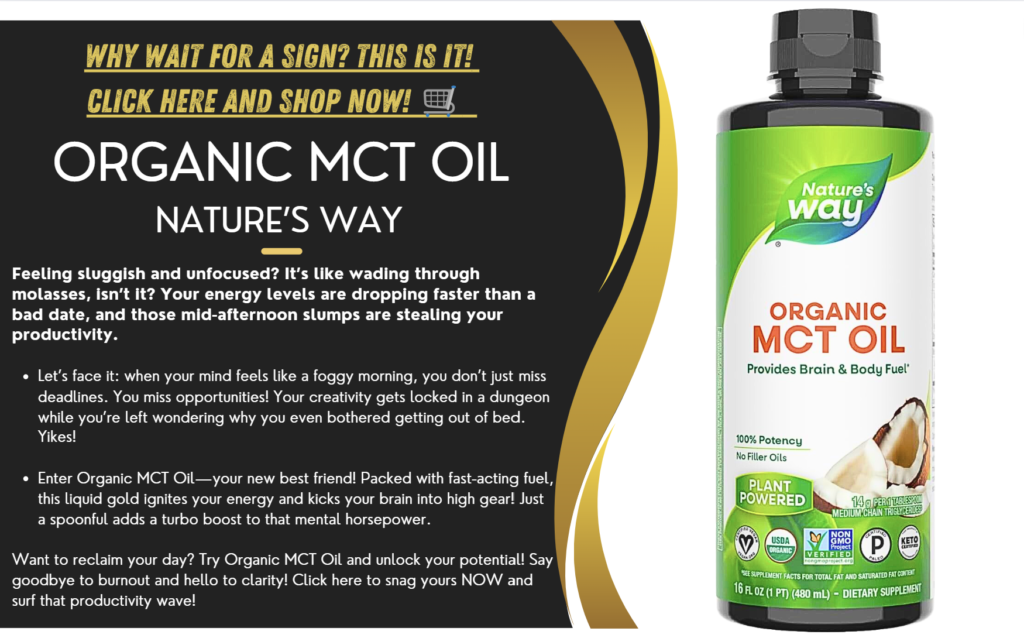
Unleashing MCT Benefits for Improved Focus
Are you tired of feeling like a foggy cloud is permanently hovering over your brain? You’re not alone! In a world brimming with distractions, maintaining focus can feel like chasing shadows. Whether it’s the relentless ping of notifications or the temptation of that afternoon nap, your productivity is taking a hit. But what if I told you there’s a secret weapon in the wellness arsenal—Medium Chain Triglycerides (MCTs)? These little powerhouses not only fuel your body but also provide that much-needed mental clarity, transforming you from a procrastination champion to a razor-sharp achiever. Dive in as we explore how unleashing MCT benefits can lead to laser focus and unleash the productivity beast within you!
🧠 MCTs: The Brain’s New Best Friend
- Enhanced Cognitive Function: Boosts mental clarity and focus.
- Improved Energy Levels: Provides a quick energy source for the brain.
- Better Mood: Can positively impact mood and reduce mental fatigue.
🌟 How MCTs Work Their Magic
- What Are MCTs?: Medium-chain triglycerides, a type of fat that’s rapidly absorbed and used for energy.
- Key Benefits:
- Rapid Absorption: Quickly converted into ketones, the brain’s preferred fuel source.
- Stable Energy: Provides sustained energy without the crash.
- Enhanced Mental Performance: Supports cognitive functions like focus and memory.
- Choosing the Right MCT Supplement:
- Concentration: Look for high concentrations of C8 and C10 MCTs.
- Purity: Opt for pure MCT oil without unnecessary additives.
- Brand Reputation: Choose reputable brands with positive reviews.
🕑 When to Take MCTs for Optimal Results
- Morning: Kickstart your day with a focus boost.
- Before Workouts: Enhance mental sharpness and physical performance.
- During Afternoon Slumps: Maintain focus and energy levels throughout the day.
💡 Comparing MCT Products
| Brand | MCT Type | Serving Size | Price | Rating |
|---|---|---|---|---|
| Bulletproof | C8 & C10 | 16 fl oz | $25 | 4.8/5 |
| Sports Research | C8 & C10 | 16 fl oz | $20 | 4.7/5 |
| Now Foods | C8 & C10 | 32 fl oz | $30 | 4.6/5 |
| Viva Naturals | C8 & C10 | 16 fl oz | $22 | 4.5/5 |
🍹 Creative Ways to Use MCT Oil
- Morning Coffee: Stir a tablespoon into your coffee for a creamy, focus-boosting start.
- Smoothies: Blend with fruits and veggies for a nutritious boost.
- Salad Dressings: Use in homemade dressings for added health benefits.
🧼 Usage and Safety Tips
- Start with a small amount to assess tolerance.
- Store in a cool, dark place to maintain freshness.
- Consult with a healthcare provider if you have underlying health conditions.
Dive into Q&A
- Q1: How do MCTs compare to other types of fats in terms of energy production and cognitive function?
A1: MCTs are nimble little powerhouses compared to other fats. While standard fats take a leisurely ride through the digestive process, MCTs hit the fast lane, providing that instant energy boost and sharpening your mental faculties like a well-honed blade. Forget the sluggishness; we’re talking about a swift kick to your cognitive kick-start.
- Q2: What are the specific mechanisms through which MCTs enhance focus and mental clarity?
A2: MCTs dive straight into the brain, converting into ketones that fuel your noggin with precision. These tiny fatty acids are like premium race fuel, bypassing traditional pathways and turbocharging your neurons. Say goodbye to cloudy thinking and hello to laser focus and vibrant clarity.
- Q3: Can the benefits of MCTs be experienced with a lower intake, or is a higher dose necessary for noticeable effects?
A3: Sure, you can feel the MCT magic with a modest intake, but if you want the full-throttle experience, go big or go home! A higher dose unlocks those turbocharged benefits, turning ‘good enough’ into ‘holy smokes!’ Just remember to find your sweet spot—balance is key.
- Q4: Are there any potential side effects or downsides I should be aware of when incorporating MCTs into my diet?
A4: Every hero has its kryptonite. While MCTs can power you up, too much of a good thing can lead to digestive woes—think bloating or, dare I say, accidents. Start slow, find your rhythm, and avoid diving headfirst into the deep end.
- Q5: How do the effects of MCTs differ between individuals with varying metabolic rates or dietary habits?
A5: Just like a tailored suit fits better than “one-size-fits-all,” MCTs may perform differently based on your metabolism and diet. What revs one engine might not do the same for another. Some might feel explosive focus, while others may need a few tweaks to their dietary game to unlock the full MCT potential.
- Q6: What’s the best way to incorporate MCTs into my daily routine for optimal brain and body performance?
A6: Want results? Make MCTs a daily ritual. Add them to your morning coffee, smoothies, or oatmeal, and feel that surge of energy as you kickstart your day. Consistency is your ally here; find a routine that gets you fired up, and let MCTs do the rest.
- Q7: Can the timing of MCT consumption influence its effectiveness, particularly regarding mental focus throughout the day?
A7: Absolutely! Timing is everything, my friend. For that midday crunch, a hit of MCTs can prop up your focus and ward off that dreaded slump. Think of them as your secret weapon—use them wisely and ride that wave of productivity through the day!
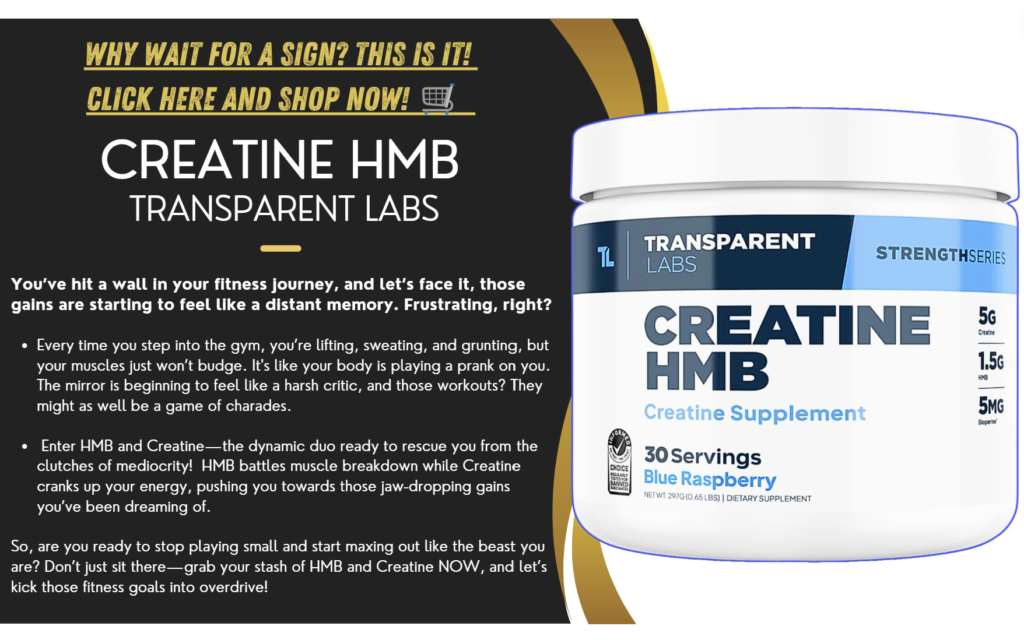
The Truth About Taking Creatine Without a Workout
Let’s get real: you’ve heard the whispers about creatine being a game-changer for your workouts, but what happens when life gets in the way? You know the drill; your gym plans go belly up, and suddenly you’re staring at that tub of creatine like it’s a guilty secret. The problem? You’re left wondering if you’re missing out on the muscle gains promised by the “fitness gurus.” Now, before you spiral into a world of doubt and regret, let’s agitate that worry! Imagine investing in that supplement, only to see zero results because you skipped your sweat sessions. But hold on! Here comes the solution: Taking creatine without a workout isn’t the fitness faux pas you think it is. With the right understanding and approach, you can still harness its power, boost your performance, and turn that “guilty secret” into a savvy strategy. Ready to dive deeper? Let’s break it down!
🏋️♂️ Understanding Creatine
- Boosts ATP Production: Helps improve short bursts of energy.
- Supports Muscle Growth: Aids in muscle mass increase.
- Enhances Recovery: Speeds up recovery between intense workouts.
🌟 Creatine Without Workouts
- How It Works: Creatine increases muscle creatine stores, but does it provide benefits without exercise?
- Potential Benefits:
- Cell Volumization: May still promote muscle cell hydration.
- Muscle Maintenance: Could help maintain muscle mass during periods of inactivity.
- Neurological Benefits: Potential cognitive and neurological support.
- Possible Downsides:
- No Immediate Performance Boost: Creatine’s primary role is performance enhancement during exercise.
- Weight Gain: Might cause water retention, leading to temporary weight increase.
- Digestive Issues: Some users report gastrointestinal discomfort.
🕑 When to Take Creatine
- Loading Phase: 20g/day split into 4 doses for 5-7 days.
- Maintenance Phase: 3-5g/day to maintain elevated creatine levels.
- On Rest Days: Consistent daily intake to maintain muscle saturation.
💪 Comparing Creatine Forms
| Form | Effectiveness | Cost | Solubility | Digestibility |
|---|---|---|---|---|
| Creatine Monohydrate | Highly effective | $20 | Moderate | Good |
| Creatine HCL | Effective | $30 | High | Excellent |
| Creatine Ethyl Ester | Moderately effective | $25 | High | Good |
| Buffered Creatine | Effective | $28 | High | Excellent |
🍴 Creatine Usage Tips
- Hydration: Drink plenty of water to support creatine’s function.
- Consistency: Take daily, even on rest days, for optimal benefits.
- Pair with Carbs: Combine with carbohydrate sources to enhance absorption.
🧼 Safety and Side Effects
- Monitor for digestive discomfort.
- Stay hydrated to prevent dehydration.
- Consult with a healthcare provider if you have kidney issues.
Dive into Q&A
- If I’m taking creatine without working out, will I still see any muscle gain or just increased water retention?
Listen up: Taking creatine while kicking back may not sculpt those biceps, but let’s be real—it’ll definitely pump up the water retention game. You might feel puffed up, but real muscle gains? They come when you’re putting in the sweat.
- What are the potential side effects of using creatine in a sedentary state compared to an active one?
Side effects? Think nausea, cramping, maybe even a bit of gastrointestinal distress. When you’re lounging instead of lifting, you might be rolling the dice on those pesky issues. Activate the muscles, and you’ll not only dodge discomfort but also optimize that creatine.
- How does my diet impact the effectiveness of creatine if I’m not exercising?
Diet is your secret weapon. Load up on carbs and proteins, and you’ve got the fuel to let creatine shine. Skimp on good nutrition, and you’ll find that creatine won’t work its magic as well, even when you’re chilling instead of thrilling.
- Are there specific populations that might benefit from creatine, even without a workout routine?
Absolutely! Vegetarians, vegans, and those older folks looking to maintain muscle mass may ride the creatine wave without breaking a sweat. It can give them that extra edge, even off the treadmill.
- How long can I take creatine without working out before it becomes counterproductive or harmful?
Timing is everything, my friend. If you’re on a no-workout streak for several weeks and still chowing down on creatine, you might start hitting diminishing returns. Better to save it for when you’re ready to hit it hard!
- Could taking creatine without exercising affect my athletic performance negatively in the long run?
Here’s the kicker: Over time, slacking off while hammering creatine can lead to unwanted weight gain. You could let performance slip into the shadows. Firing up the muscles with exercise keeps everything aligned.
- Is there a specific time of day that’s more beneficial to take creatine if I’m not hitting the gym?
Consistency is king. Whether you choose mornings with breakfast or evenings with dinner, just make sure you stick to it daily. That way, when you’re ready to unleash the beast, you’ll be primed and pumped.
Maxing Out Muscle: HMB & Creatine Essentials
Are you hitting the gym like a beast and still not seeing the gains you crave? It’s frustrating, isn’t it? You put in the sweat, the blood, maybe even a few tears, but those weights just don’t seem to be budging as quickly as you’d hoped. It’s the bane of every lifter’s existence—the dreaded plateau. But hold on! Before you resign yourself to a life of mediocre curls and uninspired squats, let’s introduce you to your new secret weapons: HMB and creatine. These powerhouse supplements don’t just break the plateau; they obliterate it, powering up your performance and paving the way for the gains you’ve been dreaming of. Say goodbye to stagnation and hello to peak potential!
💪 Benefits of HMB & Creatine
- Muscle Growth: Boosts muscle mass and strength.
- Recovery: Speeds up recovery time post-exercise.
- Performance: Enhances overall athletic performance.
🌟 Understanding HMB & Creatine
- What is HMB?: HMB (beta-Hydroxy beta-Methylbutyrate) is a metabolite of leucine, an amino acid crucial for muscle protein synthesis.
- What is Creatine?: Creatine is a compound found naturally in muscle cells, helping produce energy during high-intensity exercise.
- Key Ingredients:
- HMB: Reduces muscle protein breakdown.
- Creatine: Increases phosphocreatine stores in muscles.
- Synergy: Combining both maximizes muscle growth and recovery.
🕑 Best Times to Take HMB & Creatine
- Pre-Workout: 30 minutes before exercise for optimal performance.
- Post-Workout: Immediately after exercise to aid recovery.
- Morning: Start your day with a muscle boost.
💪 Comparing HMB & Creatine Supplements
| Brand | HMB Content | Creatine Content | Price | Rating |
|---|---|---|---|---|
| Optimum Nutrition | 3g per serving | 5g per serving | $40 | 4.8/5 |
| MuscleTech | 2.5g per serving | 5g per serving | $38 | 4.7/5 |
| Dymatize | 3g per serving | 5g per serving | $35 | 4.6/5 |
| BSN | 2g per serving | 5g per serving | $36 | 4.5/5 |
🍴 HMB & Creatine Recipes
- Protein Smoothie: Blend with whey protein, banana, and almond milk.
- Pre-Workout Drink: Mix with water, a scoop of pre-workout powder, and a splash of citrus juice.
- Recovery Shake: Combine with Greek yogurt, berries, and a teaspoon of honey.
🧼 Storage and Safety Tips
- Store in a cool, dry place.
- Check for expiration dates to ensure freshness.
- Seal tightly to prevent moisture and contaminants.
Dive into Q&A
- What’s the real deal between HMB and creatine—can they work hand in hand for muscle gains, or does one overshadow the other?
Let’s set the record straight: HMB and creatine are like the dynamic duo of muscle growth. They can work in tandem—HMB’s got your back with muscle protection and recovery, while creatine’s pumping up your explosive strength. One doesn’t overshadow the other; they complement each other, creating a powerhouse combo for gains.
- Are there specific workout regimes that benefit more from HMB versus creatine, or does it depend on personal goals?
It’s all about what fires up your engines! If you’re chasing endurance and muscle preservation, HMB’s your best bud. But if you’re after raw power for those heavy lifts or sprint drills, creatine is your slick sidekick. Ultimately, tailor your choice to your personal goals, because every workout is a battle best fought with the right ammo.
- What’s the scoop on loading phases for creatine—necessary or not, and how does that stack up against HMB usage?
Loading phases? They can be like fine dining—an option, but not mandatory. If you want to ramp up your creatine levels fast, load up for a week, then cruise on a maintenance dose. HMB? No fuss, no loading; just take it regularly and let it work its magic without the extra steps. Simple as that!
- Can I cycle HMB and creatine to maximize results, or will that just confuse my gains?
Cycle away, champ! Mixing up your supplement routine can be smart. Creatine can give you bursts of power on your high-intensity days, while HMB can chill in the background for recovery days. Your gains will thank you for keeping things fresh rather than getting into a monotonous grind!
- How do my body type and metabolism play into choosing between HMB and creatine?
Your body and metabolism are like your signature sports car—unique to you. If you’re on the leaner side with a fast metabolism, you might find creatine helps bulk up those gains. On the flip side, if you’re more about preservation and cutting, HMB may be your best ally. Know your ride before you hit the road!
- Should I consider my current supplement stack when adding HMB or creatine, or can I just mix it all up?
Absolutely consider your stack! Think of it like a music playlist; you wouldn’t want to throw in a ballad in the middle of a rock anthem. Ensure your HMB and creatine groove well with your current supplements to avoid any clashes or overkill. Balance is crucial to keep the gains flowing smoothly!
- Is it worth investing in premium brands for these supplements, or do budget options still deliver the goods?
Quality matters, my friend. Premium brands typically put in the R&D and stringent testing to deliver top-notch results, but that doesn’t mean budget options are off the table—some can still do the job just fine. Do your homework; after all, you wouldn’t drive a clunker when you could have a beast!
Power Gains: Evaluating the Best Creatine for Men
When it comes to smashing your fitness goals, let’s be real: energy levels can tank faster than your motivation to hit the gym on leg day. You’re sweating it out, pushing through that last rep, but you feel like a wilted flower in a drought—exhausted and barely hanging on. This is the dilemma many face when trying to elevate their performance without the right support. Enter Creatine, the knight in shining armor for your fitness journey! You’re not just adding a supplement; you’re igniting a powerful transformation that fuels your workouts, accelerates muscle growth, and boosts recovery. So, let’s dive into the best options available, and lift you up where you belong!
🏋️♂️ Benefits of Creatine for Men
- Increased Strength: Boosts ATP production for powerful workouts.
- Enhanced Muscle Growth: Promotes muscle fiber growth.
- Improved Recovery: Reduces muscle soreness post-exercise.
🌟 Choosing the Right Creatine
- Types of Creatine: Monohydrate, Micronized, Hydrochloride – each with distinct benefits!
- Key Ingredients:
- Purity: Look for 100% pure creatine.
- Solubility: Better absorption and reduced stomach discomfort.
- Certifications: Third-party tested for quality assurance.
- Flavors and Forms:
- Unflavored: Easy to mix with any drink.
- Flavored: Enhances taste, making it enjoyable.
- Capsules: Convenient for on-the-go use.
🕑 Best Times to Take Creatine
- Pre-Workout: 30 minutes before exercise for peak performance.
- Post-Workout: Immediately after exercise to replenish ATP stores.
- Morning: Start your day with an energy boost.
💪 Comparing Creatine Brands
| Brand | Creatine Type | Form | Price | Rating |
|---|---|---|---|---|
| Optimum Nutrition | Monohydrate | Powder | $20 | 4.8/5 |
| MuscleTech | Micronized | Capsules | $25 | 4.7/5 |
| Cellucor | Hydrochloride | Powder | $30 | 4.6/5 |
| Nutricost | Monohydrate | Powder | $22 | 4.5/5 |
🍴 Creatine Recipes
- Creatine Smoothie: Blend with almond milk, banana, and spinach.
- Creatine Energy Balls: Mix with oats, honey, and dark chocolate chips.
- Creatine Pre-Workout Drink: Combine with water, lemon juice, and a dash of honey.
🧼 Storage and Safety Tips
- Store in a cool, dry place.
- Check for expiration dates to ensure freshness.
- Seal tightly to prevent moisture and contaminants.
Dive into Q&A
- How do different types of creatine compare in terms of effectiveness for muscle gain?
Creatine monohydrate? The undisputed champion. It’s been stacking up muscle gains and shattering plateaus longer than most of us have been hitting the gym. Other types, like creatine ethyl ester and buffered creatine? They bring some flair but don’t outshine the original powerhouse. At the end of the day, monohydrate delivers—plain and simple.
- What are the nuances between creatine monohydrate and creatine HCL for hydration and performance?
Creatine HCL? Think of it as the sleek sports car—superior solubility and less water retention. If you’re looking to feel light and fluid on your feet while still tapping into muscle gains, this one’s got your back. But don’t count monohydrate out; it’s the classic workhorse that knows how to deliver performance with a little more water weight. Pick your ride based on what makes you feel like a million bucks.
- Are there specific brands that stand out for their purity and formulation?
Absolutely! When it comes to purity, brands like Optimum Nutrition and Transparent Labs rule the roost. They don’t play with fillers—they give you the raw, unadulterated stuff. Trust these names, and your body will thank you later.
- How does the timing of creatine intake affect its benefits, especially pre- or post-workout?
Timing is everything, folks! Pop your creatine before a workout, and you’ll ignite your energy reserves—kickstarting your session. Post-workout? It’s like pouring rocket fuel on your recovery phase. Studies hint at a slight edge post-workout, but honestly, whichever you choose—juice it up and feel the difference.
- What potential side effects should I watch out for when starting a creatine regimen?
Ah, the fine print! Most of us sail through a creatine journey without a hitch, but some might experience mild stomach discomfort or water retention. Keep it real—hydrate like a champ and don’t overdo it. Listen to your body; it’s your best guide.
- How do dietary habits and protein intake influence the results I can expect from using creatine?
Food is fuel, and it matters big time! If your plate is packed with protein—think lean meats, dairy, and legumes—your gains set off like a rocket. Creatine enhances what you’ve got going on in your diet, but if your nutrition’s all over the place, don’t expect miracles. Bring your A-game to the table!
- Is there a significant difference in creatine’s efficacy among different age groups or fitness levels?
You bet! Younger athletes often experience more pronounced effects, but that doesn’t mean the seasoned pros are sitting on the sidelines. Age might adjust your body’s responsiveness, but whether you’re 20 or 60, creatine can still pack a punch. For fitness newbies, it’s the perfect stage for growth; for veterans, it might be a solid boost to maintain your edge. Age is a number—results are your trophy!
Influence of Creatine on Women’s Muscle Recovery
When it comes to muscle recovery, women often face a unique set of challenges. Between the hustle of balancing fitness goals, busy schedules, and the inevitable muscle soreness that follows a tough workout, many find themselves grappling with the frustrating reality of slow recovery times. This exhaustion can sour the commitment to a workout regime, leaving them feeling less like a powerhouse and more like a couch potato. Enter creatine, the secret weapon that’s not just for bodybuilders anymore. With its stunning ability to enhance recovery, boost muscle performance, and give your tired muscles the TLC they need, creatine may just be the game-changing ally you’ve been waiting for. Let’s dive into how this powerhouse supplement can transform your post-workout recovery and unleash your full potential.
💪 Why Women Should Consider Creatine
- Muscle Recovery: Speeds up muscle repair post-exercise.
- Strength Gains: Enhances overall muscle strength and performance.
- Endurance: Helps sustain high-intensity workouts for longer periods.
🌟 How Creatine Works in the Body
- ATP Production: Increases the availability of ATP, the energy currency of the cells.
- Cell Hydration:
- Water Retention: Helps muscles retain water, enhancing cell volume.
- Protein Synthesis: Promotes faster muscle repair and growth.
- Reduced Muscle Damage:
- Inflammation: Lowers post-workout inflammation.
- Oxidative Stress: Decreases oxidative damage in muscle cells.
🕑 Best Times to Take Creatine
- Pre-Workout: 30 minutes before exercise for enhanced performance.
- Post-Workout: Immediately after exercise to boost recovery.
- Morning: To maintain creatine levels throughout the day.
💪 Comparing Creatine Supplements
| Brand | Type | Serving Size | Price | Rating |
|---|---|---|---|---|
| Optimum Nutrition | Monohydrate | 5g per serving | $15 | 4.8/5 |
| MuscleTech | Creatine HCL | 4g per serving | $20 | 4.7/5 |
| Nutricost | Micronized Creatine | 5g per serving | $18 | 4.6/5 |
| Cellucor | Creatine Nitrate | 3g per serving | $25 | 4.5/5 |
🍴 Creatine-Enhanced Recipes
- Protein Shakes: Blend with whey protein, banana, and almond milk.
- Energy Balls: Mix with oats, honey, and dark chocolate chips.
- Smoothie Bowls: Combine with Greek yogurt, berries, and a scoop of creatine.
🧼 Storage and Safety Tips
- Store in a cool, dry place.
- Check for expiration dates to ensure freshness.
- Seal tightly to prevent moisture and contaminants.
Step 2: Dive into Q&A
- How does creatine supplementation specifically impact muscle recovery in women compared to men?
Creatine does its thing equally for everyone, but women’s bodies might respond with a slightly different flair. While both sexes benefit from enhanced recovery and reduced muscle soreness, ladies could experience faster glycogen replenishment post-workout. It’s like a supercharged snack break for your muscles!
- Are there different types of creatine, and do they have distinct effects on women’s muscle recovery?
Absolutely! Creatine monohydrate might be the heavyweight champ, but you’ve got options like creatine HCL and creatine ethyl ester. Each type boasts unique properties, with some women swearing by the hydration benefits of HCL for optimized recovery. Choose wisely, my friends; find your fit!
- What dosage of creatine is considered most effective for enhancing recovery in female athletes?
Aim for about 3-5 grams daily, and don’t overthink it. This isn’t a one-size-fits-all gig, but this sweet spot generally allows female athletes to bounce back like elastic bands—tight and ready to snap into action!
- How does menstrual cycle timing affect the efficacy of creatine on muscle recovery in women?
Ah, the cycle—both a friend and a foe. Research suggests that creatine can still be beneficial, but some women report varying levels of efficacy based on their hormonal fluctuations. Consistency is key; timing your intake can lead to optimal results throughout the month; know your body.
- Are there any potential side effects or risks associated with creatine use that women should be aware of?
Listen up—creatine is generally safe for most. You might face some minor tummy troubles or water retention, but that’s usually it. Stay properly hydrated, and listen to your body; if something doesn’t feel right, don’t ignore it. Simple as that.
- How does dietary creatine intake from food sources compare to supplementation for women’s muscle recovery?
Food sources like red meat and fish offer creatine, but you’re getting a fraction of what a supplement provides. Think of it as the appetizer versus the full-course meal. For serious recovery gains, supplementation can really up your game—it’s the main dish on this table!
- Can the positive effects of creatine on muscle recovery change depending on the type of exercise (endurance vs. strength training) women engage in?
You bet! Creatine shines brightest in strength and high-intensity sessions—think heavy lifting or sprinting. Endurance runners? You’ll feel some benefits too, but it’s less about sheer muscle recovery and more about sustained energy. Match your routine with the right recovery tool for the best results!
At the Top of Their Game: Best Rated Collagen Supplements
We all want to hold on to our youthful glow, but let’s face it: aging can feel like being caught in a relentless game of tug-of-war with gravity. As time marches on, our body’s collagen production starts to slow down, leading to wrinkles, sagging skin, and the ever-dreaded ‘nope, not today’ vibes when we glimpse our reflection. But don’t toss your skincare routine out the window just yet! The solution lies in the best-rated collagen supplements. These powerhouse products can help reclaim that plump, vibrant skin you once rocked, giving you the boost you need to face the world with confidence—and maybe even a cheeky wink! Embrace the journey to radiant skin while staying at the top of your game!
📈 Top-Rated Collagen Supplements for Health and Beauty
🌟 1. Vital Proteins Collagen Peptides
- Rating: ⭐⭐⭐⭐⭐
- Key Benefits: Supports skin, hair, nails, and joint health.
- Ingredients: Grass-fed, pasture-raised bovine hide.
- Price: $25 for 20 oz.
- Pros: Dissolves easily, neutral taste.
- Cons: Slightly more expensive than competitors.
🌟 2. Ancient Nutrition Multi Collagen Protein
- Rating: ⭐⭐⭐⭐⭐
- Key Benefits: Five types of collagen, supports joints, skin, and gut health.
- Ingredients: Collagen from chicken, beef, fish, and eggshell.
- Price: $40 for 16 oz.
- Pros: Multi-source collagen, keto-friendly.
- Cons: Flavor can be strong for some.
🌟 3. Sports Research Collagen Peptides
- Rating: ⭐⭐⭐⭐⭐
- Key Benefits: Enhances skin elasticity, supports bone health.
- Ingredients: Hydrolyzed bovine collagen.
- Price: $28 for 16 oz.
- Pros: Non-GMO, mixes well with beverages.
- Cons: Some users report mild digestive issues.
🌟 4. NeoCell Super Collagen Powder
- Rating: ⭐⭐⭐⭐
- Key Benefits: Promotes healthy skin and strong nails.
- Ingredients: Hydrolyzed collagen types 1 & 3.
- Price: $15 for 7 oz.
- Pros: Affordable, gluten-free.
- Cons: Takes longer to dissolve.
🌟 5. Collagen For Her Marine Collagen
- Rating: ⭐⭐⭐⭐⭐
- Key Benefits: Supports skin hydration and firmness.
- Ingredients: Wild-caught fish collagen.
- Price: $30 for 10 oz.
- Pros: Sustainably sourced, flavorless.
- Cons: Higher price point per ounce.
🏋️♂️ Why Collagen Supplements?
- Skin Health: Improves elasticity and hydration.
- Joint Support: Reduces joint pain and enhances mobility.
- Hair and Nails: Strengthens and promotes growth.
- Bone Health: Supports bone density and strength.
📊 Comparison Chart: Top 5 Collagen Supplements
| Supplement | Rating | Key Ingredients | Price (per oz) | Pros | Cons |
|---|---|---|---|---|---|
| Vital Proteins Collagen Peptides | ⭐⭐⭐⭐⭐ | Bovine Hide | $1.25 | Easy to dissolve, neutral taste | Higher price |
| Ancient Nutrition Multi Collagen | ⭐⭐⭐⭐⭐ | Chicken, Beef, Fish, Eggshell | $2.50 | Multi-source, keto-friendly | Strong flavor |
| Sports Research Collagen Peptides | ⭐⭐⭐⭐⭐ | Bovine Collagen | $1.75 | Non-GMO, mixes well | Digestive issues |
| NeoCell Super Collagen Powder | ⭐⭐⭐⭐ | Collagen Types 1 & 3 | $2.14 | Affordable, gluten-free | Slow to dissolve |
| Collagen For Her Marine Collagen | ⭐⭐⭐⭐⭐ | Fish Collagen | $3.00 | Sustainably sourced, flavorless | Expensive |
💡 Tips for Choosing the Right Collagen Supplement
- Type of Collagen: Choose supplements with multiple types for broader benefits.
- Source: Consider your dietary preferences and allergies.
- Dissolvability: Opt for supplements that dissolve easily in liquids.
- Flavor: If you’re sensitive to taste, go for flavorless options.
- Price: Balance cost with quality and benefits.
🧼 Safety and Storage Tips
- Check Expiry Dates: Always check the expiration date before purchase.
- Store Properly: Keep in a cool, dry place to maintain potency.
- Consult a Doctor: Especially if you have health conditions or are pregnant.
Dive into Q&A
- Q1: What’s the difference between marine, bovine, and porcine collagen, and which should I choose for my needs?
A1: Let’s break it down: marine, bovine, and porcine collagen. Marine? It’s like the ocean’s best-kept secret for skin that glows and bounces back. Bovine? Think of it as the heavyweight champ for your joints and bones. Porcine? The underdog, yet a solid contender for skin elasticity. Your choice boils down to your goals: skin-sational? Go marine. Need those joints to last beyond the weekend warrior phase? Bovine’s your buddy.
- Q2: How do collagen supplements compare to foods that naturally boost collagen production, like bone broth?
A2: Collagen supplements vs. the real deal, like bone broth? Well, imagine supplements as your pre-game hype squad—convenient and easy to digest—while bone broth is that slow-cooked, hearty meal that warms your soul and nourishes from the inside out. Supplements can deliver concentrated doses of collagen, but nothing beats the traditional route for that natural boost. Spice it up! Mix ’n’ match to hit that collagen jackpot.
- Q3: Are there specific types of collagen that are better for skin versus joints or hair?
A3: Types of collagen are like a tailored suit; they fit different needs. For skin? Type I is your go-to, making sure you’re luminous and radiant. When it comes to joints? Type II is strutting in like a boss, keeping you limber and flexible. Want luscious locks? Type III whispers sweet nothings to your hair structure. Different collagen types, different jobs—pick your fighter!
- Q4: What’s the optimal dosage I should be aiming for to actually see results?
A4: What’s the magic number for optimal collagen intake? Aim for 10g to 20g daily—this is the sweet spot that kicks your collagen game into high gear. Less than that? You might just be scratching the surface. More? Well, your body can only handle so much, so keep it within that range to actually see results without going overboard.
- Q5: Can I combine collagen supplements with other beauty or health products for enhanced effects?
A5: Can you mix collagen supplements with your favorite beauty or health products? Absolutely! Think of it as the ultimate power couple. Combining collagen with vitamins C and E can amplify those beauty effects, while pairing it with hyaluronic acid can give your skin that extra hydration kick. Just like a great team, they elevate each other to new heights!
- Q6: What potential side effects should I watch out for when diving into the world of collagen?
A6: Diving into collagen? Watch out for the common side effects—think digestive discomfort, a bit of bloating, or rare reactions if you’re particularly sensitive. Always start low and slow to gauge your body’s reaction; nobody wants surprises when diving into the collagen pool!
- Q7: How do I determine the quality and sourcing of a collagen supplement to ensure I’m not just throwing my money down the drain?
A7: Quality matters big time! To avoid tossing your cash into the abyss, look for reputable brands that offer transparency on sourcing. Grass-fed beef for bovine, wild-caught fish for marine, and clear labeling on porcine. Third-party testing is a gold star; it’s like getting the official stamp that says, “Yup, this is the real deal!” Don’t let shoddy supplements rain on your collagen parade!
Why Settle? Picking the Right Protein Supplements for Vegetarians
As a vegetarian, you’re probably all too familiar with the struggle of getting enough protein without scarfing down a mountain of beans or relying solely on dairy. It’s like trying to find a needle in a haystack—except the needle is a perfect source of protein, and the haystack is a dietary minefield of empty calories and questionable meat substitutes. This dilemma not only leaves you feeling unsatisfied but can also make you question if you can truly thrive on a plant-based diet. Fear not! Enter protein supplements specifically crafted for vegetarians, ready to swoop in and save the day. Packed with powerful plant proteins, these supplements ensure you’re not only meeting your protein needs but thriving on a vibrant and energetic path to health.
🥗 Top Vegetarian Protein Supplements
- Pea Protein: High in BCAAs, easily digestible.
- Brown Rice Protein: Hypoallergenic, complete amino acid profile.
- Hemp Protein: Rich in omega-3 and omega-6 fatty acids.
- Soy Protein: Contains all essential amino acids.
- Pumpkin Seed Protein: High in magnesium, zinc, and iron.
🌟 Benefits of Vegetarian Protein Supplements
- Plant-Based Nutrition: Provides essential nutrients and minerals.
- Digestibility: Gentle on the stomach, ideal for those with sensitivities.
- Sustainability: Environmentally friendly and cruelty-free.
🕑 When to Use Vegetarian Protein Supplements
- Pre-Workout: Boosts energy and muscle endurance.
- Post-Workout: Aids in muscle recovery and growth.
- Meal Replacement: Convenient for on-the-go nutrition.
🍴 Incorporating Vegetarian Protein into Meals
- Breakfast: Add to smoothies, oatmeal, or pancakes.
- Lunch: Mix into soups or salads for a protein boost.
- Snacks: Combine with yogurt or make protein bars.
- Dinner: Use in sauces or as a flour substitute in baking.
💪 Comparing Vegetarian Protein Sources
| Protein Source | Protein Content (per 100g) | Calories | Fat | Carbohydrates |
|---|---|---|---|---|
| Pea Protein | 80g | 350 | 5g | 10g |
| Brown Rice Protein | 78g | 370 | 5g | 10g |
| Hemp Protein | 50g | 410 | 12g | 22g |
| Soy Protein | 90g | 360 | 1g | 5g |
| Pumpkin Seed Protein | 60g | 400 | 10g | 20g |
🧼 Storage and Safety Tips
- Store in a cool, dry place.
- Check expiration dates.
- Seal tightly to prevent moisture.
Dive into Q&A
Q1: What plant-based sources pack the biggest protein punch? Beans, lentils, and peas—these bad boys are the heavyweight champions of the plant world. One cup of cooked lentils? That’s a whopping 18 grams of protein! Want to throw some quinoa into the mix? Bow down to the ancient grain that’s not just a pretty face; it packs all nine essential amino acids. And let’s not forget about those nutty friends—almonds and chia seeds, strutting in with respectable protein content while being rich in healthy fats. They’re the all-stars of your pantry!
Q2: How do I ensure I’m getting all the essential amino acids? Mix it up, friend! A diverse diet is your ticket to amino acid heaven. Think beans and rice, or hummus with whole grain pita—these combos create complete protein powerhouses. It’s all about variety; sautéed veggies tossed with tempeh? Gold star! And if you’re feeling fancy, consider a protein shake loaded with complementary sources. No amino acid left behind!
Q3: Are there any hidden sugars or additives lurking in these brands? Ah, the classic trap! Always check the label, my savvy friend. Some brands love to sneak in sugar and additives like they’re the best-kept secret. Look for terms like “natural flavors” or ambiguous “spices” – red flags! Stick with brands that flaunt transparent ingredient lists. If you can’t pronounce it, ditch it!
Q4: What are the best vegetarian protein powders for muscle gain versus weight loss?
Muscle gain? Opt for pea protein or a robust soy blend. They deliver the goods—high protein content and solid amino acid profiles. For weight loss, look for a leaner option like rice protein or hemp; they’re low in calories but still keep you feeling full. Pro tip: check the carb content, too; you want to keep your gains clean and mean!
Q5: How can I best incorporate protein supplements into my daily meal plan? Effortlessly, my friend. Morning smoothie? Toss in a scoop of that protein powder. Post-workout? Shake it with almond milk. Love a hearty breakfast? Mix it into your oatmeal for an instant upgrade. Even baking? Throw in a scoop to your pancakes or muffins and be the breakfast hero you were meant to be!
Q6: Are there vegetarian options that cater to specific dietary needs, like gluten-free or nut-free? Absolutely! The market has evolved fast, catering to every dietary whim. Quinoa and brown rice protein? Gluten-free goodness. For nut-free needs, peas or pumpkin seed protein are ready to rock your world. Always read those labels, and don’t hesitate to reach out to brands—transparency is key in your quest for the best!
Q7: How do sustainability practices vary among vegetarian protein options? Sustainability is the name of the game! Some plant-based proteins, like soy and lentils, have smaller ecological footprints compared to animal-based options. But beware: not all soy is created equal. Opt for brands that proudly flaunt eco-friendly sourcing. Look for certifications like non-GMO or organic; they’re your golden ticket to planet-friendly choices. Choose wisely, and feel great about your protein power!
With these tips and insights, you’ll be able to choose and use the best vegetarian protein supplements to support your health and fitness goals in 2024!
Shake Things Up: Top-Ranked Protein Powders for Every Goal
Are you tired of wading through a sea of protein powders that promise the world but deliver little more than chalky disappointment? You’re not alone. Many fitness aficionados and health nuts find themselves stuck with tubs of powder that taste dreadful or, worse, leave them feeling bloated and unsatisfied. This is where the agitation kicks in—your hard work in the gym deserves a reward that actually fuels your body, not sabotages your goals. But fear not! We’re here to lift the veil on the best protein powders tailored for every ambition, from muscle-building to weight loss, ensuring you get the boost you need without compromising on taste or performance. Get ready to shake things up and fuel your journey like a pro!
🏋️♂️ Best Overall Protein Powders
- Optimum Nutrition Gold Standard 100% Whey: Known for its high-quality ingredients and great taste. Each serving contains 24g of protein, 1g of fat, and 3g of carbs.
- Dymatize ISO100: Hydrolyzed whey protein isolate offering rapid absorption. Each serving includes 25g of protein, 0.5g of fat, and 2g of carbs.
- BSN Syntha-6: A blend of different protein sources for sustained release. Each serving delivers 22g of protein, 6g of fat, and 15g of carbs.
🌟 Best Plant-Based Protein Powders
- Orgain Organic Protein: Made from pea, brown rice, and chia seeds. Each serving contains 21g of protein, 4g of fat, and 15g of carbs.
- Vega Sport Premium Protein: A blend of pea, pumpkin seed, sunflower seed, and alfalfa proteins. Each serving provides 30g of protein, 3g of fat, and 6g of carbs.
- Garden of Life Raw Organic Protein: Features 13 raw and organic sprouts. Each serving includes 22g of protein, 2g of fat, and 4g of carbs.
🕑 Best Protein Powders for Muscle Gain
- MuscleTech NitroTech: Contains creatine for added muscle growth. Each serving provides 30g of protein, 2.5g of fat, and 4g of carbs.
- Pro JYM: A blend of whey, casein, and egg proteins for sustained release. Each serving includes 24g of protein, 4g of fat, and 7g of carbs.
- Rule One R1 Protein: Pure whey isolate and hydrolysate formula. Each serving delivers 25g of protein, 0g of fat, and 1g of carbs.
🍴 Best Tasting Protein Powders
- Ghost Whey Protein: Known for its delicious flavors like Cereal Milk. Each serving contains 25g of protein, 1.5g of fat, and 4g of carbs.
- Legion Whey+: Naturally flavored and sweetened. Each serving provides 22g of protein, 0g of fat, and 3g of carbs.
- PEScience Select Protein: Unique flavors like Cake Pop and Frosted Chocolate Cupcake. Each serving includes 24g of protein, 1.5g of fat, and 4g of carbs.
🧼 Best Organic Protein Powders
- Purely Inspired Organic Protein: Affordable and clean. Each serving delivers 20g of protein, 2g of fat, and 7g of carbs.
- Ancient Nutrition Bone Broth Protein: Made from organic chicken bone broth. Each serving contains 20g of protein, 2g of fat, and 1g of carbs.
- KOS Organic Plant Protein: Blend of pea, flax seed, quinoa, pumpkin seed, and chia seed. Each serving includes 20g of protein, 6g of fat, and 9g of carbs.
💪 Best Protein Powders for Weight Loss
- Isopure Zero Carb: High protein with no carbs. Each serving provides 25g of protein, 0g of fat, and 0g of carbs.
- Designer Wellness Aria: Protein powder designed for women. Each serving includes 16g of protein, 1.5g of fat, and 14g of carbs.
🌱 Best All-Natural Protein Powders
- True Nutrition Whey Protein Isolate Cold-Filtration: Free from artificial sweeteners and additives. Each serving provides 27g of protein, 0g of fat, and 1g of carbs.
- Vital Proteins Collagen Peptides: Supports joint health and skin elasticity. Each serving includes 20g of protein, 0g of fat, and 0g of carbs.
- Julian Bakery Paleo Thin Protein Powder: Grass-fed beef protein isolate. Each serving contains 25g of protein, 0g of fat, and 0g of carbs.
📈 Highest Protein Content
- NOW Sports Whey Protein Isolate: 100% pure whey protein isolate. Each serving delivers 25g of protein, 0g of fat, and 2g of carbs.
- Muscletech Phase8: Sustained-release protein. Each serving includes 26g of protein, 2g of fat, and 7g of carbs.
- Jacked Factory Authentic Whey: Blend of whey concentrate and isolate. Each serving provides 24g of protein, 1.5g of fat, and 3g of carbs.
💡 Expert Recommendations
| Brand | Protein | Calories | Fat | Carbs |
|---|---|---|---|---|
| Optimum Nutrition | 24g | 120 | 1g | 3g |
| Dymatize | 25g | 120 | 0.5g | 2g |
| BSN | 22g | 200 | 6g | 15g |
| Orgain | 21g | 150 | 4g | 15g |
| Vega | 30g | 160 | 3g | 6g |
🧼 Safety Measures
- Store in a cool, dry place.
- Check expiration dates.
- Seal tightly to prevent moisture.
Dive into Q&A
- What are the key ingredients that differentiate the highest-ranked protein powders?
Let’s get down to brass tacks—it’s all about the profile. Top-tier protein powders don’t mess around with fillers. We’re talking whey isolate for those muscle gains, or plant-based blends like pea and brown rice for the vegans out there. Toss in a little BCAA action and you’ve got yourself a recipe for recovery. Remember, when you see terms like “microfiltered” or “cold-processed,” perk up; those are the signifiers that quality is in the house.
- How do the taste and texture differ among the top-ranked options?
Flavor and texture are where the real contenders rise above the pretenders. You want a shake that doesn’t taste like chalk dust? Look for smoothness and creamy consistency. Some brands throw in natural sweeteners while others go for the rich, indulgent vibe. Vanilla? Chocolate? There’s a buffet of flavors to tickle your taste buds. And remember, if it’s gritty, it’s not a winner—smooth is the only way to go!
- What are the various dietary considerations (vegan, keto, gluten-free) that these protein powders address?
No one’s left out in this protein revolution! Vegan? They got you covered with delicious plant-based options that are as nourishing as they are guilt-free. Keto enthusiasts? Grab those low-carb, high-fat hitters that fit the bill. And gluten-free warriors, rejoice! The best protein powders are free of the nasty stuff. There’s something for everyone, so embrace your dietary lifestyle without compromise.
- How do the price points of these protein powders compare?
Let’s talk bucks. High-quality protein powders aren’t always the budget busters you might think. Yes, some brands go luxury style, flaunting fancy packaging and marketing buzz, but you can snag solid options without breaking the bank. It’s all about value—check for potency and ingredient integrity. A little investment in quality goes a long way, so weigh your choices wisely.
- What scientific studies back the claims made by these top protein powders regarding performance enhancement?
Science is your best friend here. The top protein powders come equipped with data-driven results and peer-reviewed research backing them up. These studies are not just fluff; they show real improvements in muscle recovery, strength gains, and even fat loss for those striving for body goals. Trust the studies—concrete evidence is worth its weight in gold!
- How do allergens play a role in selecting the best protein powder for individual needs?
Allergies? Important business. You need to know what’s in that scoop before you dive in. Lactose intolerant? Seek those lactose-free options. Allergic to soy? There are plenty of alternatives that will keep your stomach happy. Always read labels like a hawk; ingredient transparency is a must. Know what you’re putting into your body!
- What are the ecological impacts of sourcing these protein powders?
Let’s keep it real—sustainability matters. The best protein powders often source ingredients that consider the earth. Think responsibly farmed whey or organic plant proteins that don’t wreck the planet. Eco-friendly brands are stepping up their game, showing that you can fuel your gains without sacrificing Mother Nature. Choose wisely, and your conscience will thank you!
Elevate Your Nutrition: The Quest for Better Protein Powder
We all know the struggle: you stroll into the health store armed with every intention to snag a top-notch protein powder, but you’re confronted by a veritable wall of options that might as well be a puzzle designed by a mad scientist. Is that one a whey protein? Or maybe you should try the plant-based one that promises to be good for the earth? Suddenly, you feel overwhelmed and a trickle of doubt sets in—could your post-workout smoothie actually be sabotaging your gains? Before you drown in a sea of labels and dubious claims, let’s break down the clutter and find you a protein powder that not only fuels your workout but complements your lifestyle. Time to untangle the mess and discover the protein that’s not just better, but downright life-changing.
🏋️♂️ The Benefits of High-Quality Protein Powder
- Muscle Growth: Packed with essential amino acids.
- Weight Management: Keeps you full, curbs cravings.
- Recovery: Speeds up muscle repair post-workout.
🌟 Types of Protein Powder
- Whey Protein: Fast absorption, ideal for post-workout.
- Casein Protein: Slow digestion, perfect for nighttime.
- Plant-Based Protein: Great for vegans and lactose-intolerant individuals.
🕑 When to Consume Protein Powder
- Pre-Workout: Boosts energy, prevents muscle breakdown.
- Post-Workout: Enhances muscle recovery and growth.
- Between Meals: Maintains protein levels throughout the day.
🍴 Incorporating Protein Powder into Your Diet
- Breakfast: Blend into smoothies, mix into oatmeal, or bake into muffins.
- Lunch: Add to soups or stews for an extra protein punch.
- Snacks: Make protein bars or mix with yogurt.
- Dinner: Use in sauces or as a flour substitute in baking.
💪 Comparing Protein Powders
| Protein Type | Protein Content (per serving) | Calories | Fat | Carbohydrates |
|---|---|---|---|---|
| Whey Protein | 24g | 120 | 1g | 3g |
| Casein Protein | 24g | 120 | 1g | 3g |
| Pea Protein | 21g | 100 | 2g | 1g |
| Brown Rice Protein | 20g | 110 | 1.5g | 2g |
🧼 Storage and Safety Tips
- Store in a cool, dry place.
- Check expiration dates regularly.
- Seal tightly to prevent moisture.
Dive into Q&A
- What are the key differences between plant-based and whey protein powders, and how do they affect muscle recovery?
Plant-based proteins, think peas and brown rice, are like that calm, sturdy friend who never lets you down. They’re packed with essential amino acids, but may not include all you need in one scoop. Enter whey protein, the heavyweight champ that hits hard with a complete amino acid profile—ideal for recovery. It’s absorbed faster, sending a shockwave of nutrients to your muscles post-workout. If you’re a serious lifter, whey is your rapid recovery ally; if you’re eyeing a plant-powered life, mix it up for a complete amino arsenal.
- How do sweeteners and additives in protein powders impact overall health?
Let’s talk sweeteners – you might think they’re just there for taste, but they pack a punch. Artificial sweeteners? They’re party crashers, potentially wreaking havoc on your gut. Natural sweeteners like stevia are your friends, keeping the vibe clean without that sugar crash. Additives? Some are fillers that dilute your gains. Choose wisely, and you’ll keep your health game strong while satisfying that sweet tooth.
- What is the role of protein quality in muscle building—should I be looking for a specific amino acid profile?
Amino acids are the building blocks of muscle, and if you want to build, you need quality material. A protein source with all nine essential amino acids? That’s your gold standard. Look for whey or a crafted blend of plant proteins. Be a protein snob – quality trumps quantity. Only the best for those muscles; anything less? Nah, you’re not here for mediocrity.
- Given my dietary restrictions, which protein powder offers the best balance of taste and nutrition?
You’ve got dietary restrictions? No problem! Go for a well-rounded plant blend or collagen peptides if you’re not vegan. Brands that use superfoods (think chia or hemp) add a flavor and nutrient boost. Read labels like it’s the fine print in your dating contract—no fillers, no sketchy additions. You’ll find something that tastes like a treat while still hitting your nutritional needs.
- How important is sourcing and sustainability when choosing a protein powder?
Sourcing is your mission’s backbone—how your protein is raised, harvested, or processed makes a difference. Think ethical, think eco-friendly. Non-GMO and grass-fed are like mission badges for quality. Sustainability ensures we’re not just lifting weights but lifting the planet too. A brand that respects its sources shows they’re in it for the long haul—not just a quick profit.
- Are there specific protein powders better suited for different activity levels, like casual gym-goers versus serious athletes?
Absolutely! Casual gym-goers might lean towards a multi-source protein to enhance overall nutrition without overdoing it. Serious athletes? They need whey or hydrolyzed proteins for that post-workout kick. Custom blends can also cater to your activity level; the more intense your routine, the higher your demand for protein. Don’t drown in mediocrity; cater your choice to your hustle.
- What should I be aware of regarding the timing of protein consumption for maximum effectiveness?
Timing is everything, my friend! Aim for that protein power-up within 30 minutes post-exercise—think of it as recharging your superhero batteries. Consistent doses throughout the day will also keep your muscles fed and ready for the next challenge. Avoid skipping meals; we’re building greatness here, not just fleeting gains. Keep your intake smart and strategic for best results.
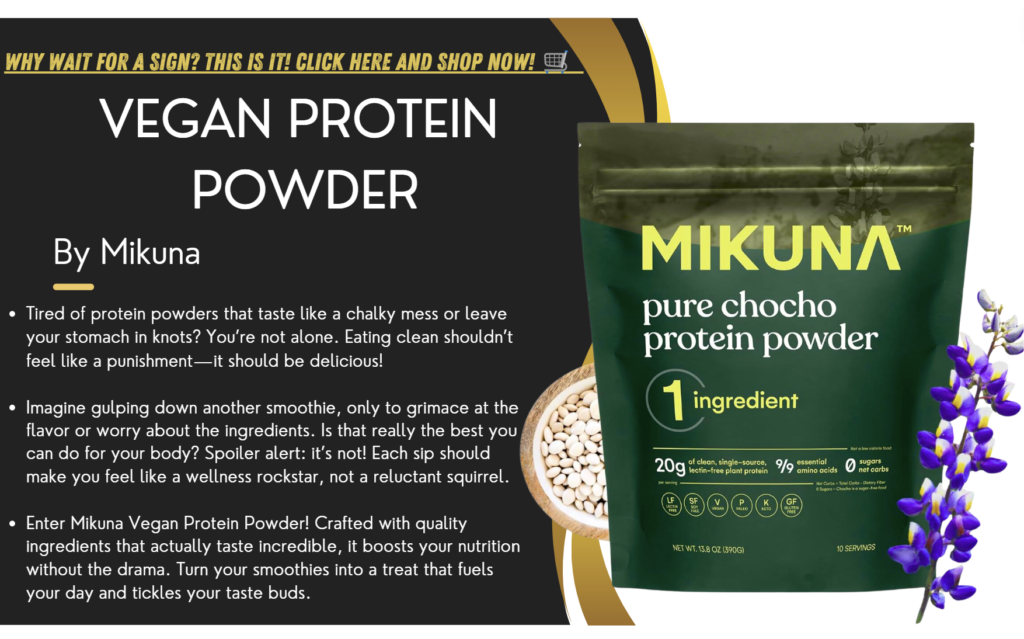
The Ultimate Guide to Mikuna Chocho Plant Protein
In a world where fad diets and protein powders flood the market, many of us are left wrestling with the age-old question: how do I fuel my body effectively without compromising my values or health? It’s easy to feel overwhelmed with options that promise the world but often deliver little more than disappointment. Traditional protein sources can wreak havoc on digestion and the environment, leaving you searching for a guilt-free alternative. Enter Mikuna Chocho Plant Protein, the ultimate game-changer! Packed with nutrients and unmatched digestibility, this superfood not only elevates your meals but also aligns with a sustainable lifestyle. Say goodbye to those protein woes and hello to a vibrant, plant-powered future!
🌱 What is Mikuna Chocho Plant Protein?
- Derived from chocho, a high-altitude Andean lupin.
- Rich in essential amino acids and fiber.
- Gluten-free, non-GMO, and sustainably sourced.
🌟 Benefits of Mikuna Chocho Plant Protein
- Complete Protein: Contains all 9 essential amino acids.
- Digestive Health: High fiber content aids digestion.
- Sustainable: Eco-friendly and supports Andean farmers.
🕑 How to Use Mikuna Chocho Plant Protein
- Pre-Workout: Boosts energy and muscle performance.
- Post-Workout: Enhances muscle recovery and growth.
- Daily Nutrition: Adds protein to meals and snacks.
🍴 Incorporating Mikuna Chocho Plant Protein into Meals
- Breakfast: Mix into smoothies, oatmeal, or yogurt.
- Lunch: Add to salads or soups for a protein punch.
- Dinner: Blend into sauces or casseroles for extra nutrition.
- Snacks: Use in protein bars or energy bites.
💪 Comparing Mikuna Chocho to Other Plant Proteins
| Protein Source | Protein Content (per 100g) | Calories | Fiber | Fat |
|---|---|---|---|---|
| Mikuna Chocho | 45g | 400 | 20g | 10g |
| Pea Protein | 80g | 400 | 8g | 10g |
| Hemp Protein | 50g | 450 | 10g | 15g |
| Rice Protein | 80g | 360 | 3g | 2g |
🧼 Storage and Safety Tips
- Store in a cool, dry place.
- Seal tightly to preserve freshness.
- Check expiration dates regularly.
Dive into Q&A
- 🍴 Q1: What sets Mikuna Chocho apart from other plant proteins?
Meet your new best friend on the protein frontier: Mikuna Chocho. While others fade into the background like a bland smoothie, Mikuna struts in with a hefty dose of essential amino acids and a side of rich history. This powerhouse plant, born in the Andes, doesn’t just talk the talk—its complete protein profile offers what’s usually locked away in animal sources. So, say bye-bye to the ordinary and hello to the extraordinary.
- 🍴 Q2: Can Mikuna Chocho help with weight management?
You bet! Mikuna Chocho is your secret weapon in the quest for that sleek physique. Packed with fiber, it keeps you satiated longer, fighting off those sneaky cravings that dare interfere with your goals. Less snacking means more winning, my friends. Couple that with its low-calorie count, and you’ve got a match made in weight management heaven.
- 🍴 Q3: Is Mikuna Chocho suitable for people with dietary restrictions?
Absolutely! Mikuna Chocho is the inclusive champ of the protein world—gluten-free, soy-free, and non-GMO. Whether you’re vegan, vegetarian, or just wanting to steer clear of animal products for any reason, this protein is your go-to without the worry. It’s like the open invitation to the best party you’ve ever been to, no RSVP needed.
- 🍴 Q4: How does Mikuna Chocho taste compared to other plant proteins?
Forget those chalky, flavorless powders that taste like a bad bet; Mikuna Chocho steps up with a nutty, earthy vibe that dances on your taste buds. Try it in smoothies, baked goods, or as a protein boost in your morning oats. It elevates your meals rather than weighing them down. Say goodbye to the mundane and hello to delicious.
- 🍴 Q5: What’s a unique recipe using Mikuna Chocho?
Time to spice things up! Whip together a Mikuna Chocho breakfast bowl: combine it with almond milk, chia seeds, fresh fruit, and a drizzle of honey or maple syrup. Top it with nuts for a delightful crunch. Now you’re not just fueling up; you’re crafting a masterpiece worthy of an Instagram post. Who knew protein could be this tantalizing?
- 🍴 Q6: How much Mikuna Chocho should I consume daily?
Let’s cut the guesswork! Aim for about 1-2 tablespoons a day, depending on your protein needs and activity levels. It’s versatile, so whether you’re blending, baking, or stirring, you can easily slot it into your daily routine. Remember: quality over quantity—focus on the nutrients, not just the numbers.
- 🍴 Q7: Are there any side effects of taking Mikuna Chocho?
Good news travels fast—Mikuna Chocho is generally well-tolerated. Some may experience mild digestive issues if diving in too quickly. Take it easy at first, and your gut will thank you. This isn’t a sprint; it’s a marathon, and you want to enjoy every step.
- 🍴 Q8: Can I use Mikuna Chocho in baking?
Oh, absolutely! Mikuna Chocho takes your baking to another level—think protein-packed muffins or decadent pancakes. Substitute it for regular flour or toss it in your favourite recipes to boost nutrition without sacrificing taste. Baking just got upgraded from good to epic.
- 🍴 Q9: Is Mikuna Chocho protein powder good for vegans?
You’re looking at a vegan goldmine! Mikuna Chocho is plant-based, cruelty-free, and bursting with the kind of protein that makes old-school protein sources blush. It’s not just good for vegans; it’s a game-changer for anyone wanting to pack in the nutrients without any guilt.
- 🍴 Q10: How does Mikuna Chocho support sustainable agriculture?
Mikuna Chocho isn’t just about personal health; it’s a champion for the planet too! Grown in high-altitude Andean farms, it thrives on rocky terrains and requires minimal intervention. By choosing Mikuna, you’re supporting farmers who prioritize sustainable practices. It’s like a high-five to Mother Earth with every scoop.
Explore the world of Mikuna Chocho and elevate your nutrition game with this versatile and sustainable plant protein!