
Archive for the ‘supplements’ Category
Dynamic Living: Choose Energy Drinks Without Taurine
When the afternoon slump hits and you’re in dire need of a pick-me-up, reaching for an energy drink seems like a no-brainer. But what if you can’t take taurine? Suddenly, the vast sea of vibrant cans feels more like a minefield filled with hidden hazards. You’re not alone in this struggle—lots of people find themselves frustrated, staring at ingredients lists longer than a novel. The agitation builds as you wonder: why does staying energized have to come with a side of confusion and potential health risks? Fear not! The good news is that not all energy drinks need taurine to launch you into high gear. We’re diving into a world of taurine-free options that will have you buzzing with energy and feeling fabulous, without the worry. Get ready to embrace dynamic living with the right choices!
⚡️ Understanding Energy Drinks
- Boosts Energy: Quick energy source to power through the day.
- Enhances Focus: Improves concentration and alertness.
- Convenient: Easy to consume on the go.
🌟 The Role of Taurine in Energy Drinks
- Common Ingredient: Found in many popular energy drinks for its purported benefits.
- Function:
- Muscle Function: Supports muscle contractions and cardiovascular health.
- Neurological Development: Aids in brain function.
- Controversy:
- Safety Concerns: Potential adverse effects when consumed in high quantities.
- Natural Sources: Taurine is naturally present in meat, fish, and dairy products.
🕑 Why Choose Energy Drinks Without Taurine?
- Health Reasons: Avoid potential side effects and sensitivities.
- Natural Preferences: Prefer drinks with natural, less processed ingredients.
- Dietary Restrictions: Suitable for vegetarians and vegans.
🍹 Top Energy Drinks Without Taurine
| Brand | Main Ingredients | Flavor Options | Price | Rating |
|---|---|---|---|---|
| Zevia Energy | Stevia, caffeine, natural flavors | Raspberry Lime, Kola, Grapefruit | $24 (pack of 12) | 4.7/5 |
| V8 +Energy | Green tea, fruit and vegetable juices | Black Cherry, Peach Mango | $20 (pack of 6) | 4.6/5 |
| Celsius | Green tea, guarana, ginger | Orange, Watermelon, Peach | $27 (pack of 12) | 4.5/5 |
| Guayaki Yerba Mate | Yerba mate, organic cane sugar, natural flavors | Revel Berry, Enlighten Mint | $22 (pack of 12) | 4.4/5 |
🍴 DIY Energy Drink Recipes
- Green Tea Energy Boost: Brewed green tea, honey, lemon juice.
- Fruit Punch Energizer: Blend of apple juice, carrot juice, and a dash of ginger.
- Herbal Revitalizer: Hibiscus tea, fresh mint, and a splash of lime.
🧼 Storage and Safety Tips
- Store in a cool, dry place.
- Check expiration dates for freshness.
- Consume in moderation to avoid over-caffeination.
Dive into Q&A
🍹 Q1: What’s the main benefit of energy drinks without taurine? ⚡️ A1: They provide a cleaner energy boost with fewer potential side effects.
🍹 Q2: How do I choose the best energy drink without taurine? ⚡️ A2: Look for natural ingredients, low sugar content, and your preferred flavor profiles.
🍹 Q3: Are taurine-free energy drinks effective? ⚡️ A3: Yes, they can be just as effective, often using other natural stimulants like green tea or guarana.
🍹 Q4: Can I mix my own taurine-free energy drink? ⚡️ A4: Absolutely! DIY recipes with green tea, fruit juices, and natural sweeteners are great options.
🍹 Q5: What’s a unique recipe idea for a homemade energy drink? ⚡️ A5: Try a blend of coconut water, matcha, and a splash of pineapple juice for a tropical boost.
🍹 Q6: Can I consume energy drinks without taurine on a daily basis? ⚡️ A6: Yes, but moderation is key to avoiding over-caffeination and maintaining overall health.
🍹 Q7: What should I avoid in energy drinks besides taurine? ⚡️ A7: High sugar content and artificial additives. Opt for natural ingredients instead.
🍹 Q8: Are there any side effects of taurine-free energy drinks? ⚡️ A8: Generally minimal, but overconsumption can still lead to jitteriness or insomnia due to caffeine.
🍹 Q9: What’s the best way to enjoy energy drinks without taurine? ⚡️ A9: Enjoy them chilled and sip slowly to savor the flavor and prevent a sudden caffeine spike.
🍹 Q10: What’s the best time to consume energy drinks without taurine? ⚡️ A10: Mid-morning or early afternoon for a steady energy boost without interfering with sleep.
Essential Vitamin C Gummy Benefits You Can’t Ignore
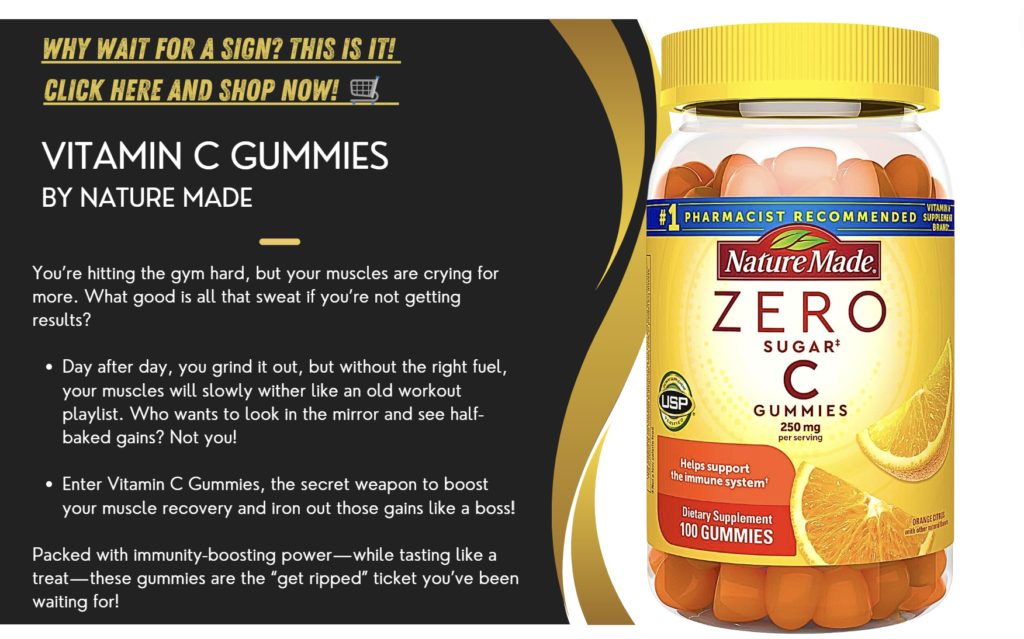
Let’s cut to the chase. Vitamin C Gummies? They’re not just for kids pretending to be on a health kick! These tangy bite-sized powerhouses pack a punch of antioxidants that your immune system will thank you for. Feeling a little under the weather? Toss back a couple of these chewy delights for a citrusy boost that screams, “I’ve got your back!” Plus, let’s be honest; we all want skin that glows brighter than a disco ball at a ‘70s dance party. With the added benefit of collagen support, these gummies are your skin’s new BFF. So go ahead, indulge in a daily dose of deliciousness—your body deserves this sweet treat.
🍊 What Vitamin C Helps
- Immune Support: Helps fight off colds and infections.
- Antioxidant Power: Protects cells from damage caused by free radicals.
- Skin Health: Promotes collagen production for youthful skin.
🌟 Choosing the Right Gummies
- Key Ingredients:
- Vitamin C Content: Check for at least 100% of the daily value.
- Natural Flavors: Prefer gummies with real fruit extracts.
- Low Sugar: Look for options with minimal added sugars.
- Forms and Flavors:
- Orange: Classic and refreshing.
- Berry: Sweet and tangy.
- Tropical: Exotic and delightful.
🕑 Best Times to Take Vitamin C Gummies
- Morning: Start your day with an immune boost.
- Afternoon: Midday pick-me-up to fight off fatigue.
- Evening: Support for skin repair overnight.
💪 Comparing Vitamin C Gummy Brands
Not all brands are created equal—some are like the overzealous uncle at Thanksgiving, trying way too hard to be the star of the show, while others quietly blend into the background. Let’s dive into the gummy goodness and find out which ones truly pack a punch.
| Brand | Vitamin C Content | Flavor Options | Price | Rating |
|---|---|---|---|---|
| Nature Made | 250mg per serving | Orange, Strawberry | $15 | 4.8/5 |
| Vitafusion | 240mg per serving | Berry, Peach | $12 | 4.7/5 |
| SmartyPants | 250mg per serving | Tropical, Lemon | $18 | 4.6/5 |
| Emergen-C | 500mg per serving | Orange, Raspberry | $20 | 4.5/5 |
🍴 Vitamin C Gummy Recipes
- Fruit Smoothies: Blend gummies with fresh fruits and yogurt.
- Gummy Snacks: Mix with nuts and dried fruits for a healthy trail mix.
- Dessert Toppings: Use as a fun and healthy topping for ice cream.
🧼 Storage and Safety Tips
- Store in a cool, dry place.
- Keep out of reach of children.
- Check expiration dates to ensure freshness.
Dive into Q&A
- Q: What’s the deal with Vitamin C tablets in terms of absorption and effectiveness?
A: When it comes to absorption, they often take a backseat compared to their real-food counterparts. The body prefers getting its nutrients from whole foods, but if you’re looking for a convenient boost, it’s better than nothing. Just remember, you might not get the “full package” benefits that fresh fruits provide.
- Q: Are there any potential side effects of consuming too many Vitamin C gummies, and what would constitute “too many”?
A: Absolutely, they can turn your tummy into a roller coaster if you overindulge. Too many can lead to digestive issues like cramps and diarrhea. Generally, sticking to the recommended daily dose is your safest bet, which usually hovers around 500 mg to 1000 mg.
- Q: What other ingredients should I look for in Vitamin C gummies to ensure I’m getting the best health benefits?
A: Look for added bonuses like zinc, elderberry, or even echinacea. These ingredients can team up with it to create a powerhouse of immune support. Bonus points if they’re low in sugar and free from artificial nonsense!
- Q: Do different brands of Vitamin C gummies vary significantly in quality, and how can I discern which ones are trustworthy?
A: You bet they do! Not all brands are created equal, so check the label like it’s your homework. Look for transparency in sourcing, certifications like NSF or USP, and read those customer reviews. If it sounds too good to be true, it probably is.
- Q: Can I rely solely on Vitamin C gummies for my immune support, or should I also be incorporating other food sources or supplements?
A: Relying only on it? That’s risky business. While they can be a solid addition, they should complement a balanced diet full of fruits and veggies. Think of them as your insurance, not the whole coverage.
- Q: How does the sugar content in gummies impact my overall dietary choices, and are there sugar-free options available that are effective?
A: Sugar content can sneakily add up and throw a wrench in your nutrition plan. Opting for sugar-free versions can help keep those sweet cravings in check without sacrificing health benefits. Just make sure they don’t substitute sugar with some suspicious chemicals!
- Q: What age groups are most likely to benefit from Vitamin C gummies, and are there any age-related restrictions?
A: They’re pretty much game for all ages! Kids, adults, and even seniors can benefit, but dosages may vary by age. Always check with a healthcare professional for tailored advice, especially for the kiddos or if you’re elderly.
- Q: If I have dietary restrictions (vegan, gluten-free, etc.), how do I ensure I’m selecting gummies that cater to my needs?
A: It’s all in the label-reading game. Many brands cater to dietary restrictions, so look for certifications like vegan or gluten-free. If it doesn’t specify, keep searching because your health should never compromise on what’s necessary for your diet.
- Q: Is there a recommended dosage of Vitamin C gummies for optimal health, and does this change based on individual health conditions?
A: The sweet spot tends to be between 500 mg to 1000 mg per day, but it can change based on your unique health circumstances. If you’re feeling under the weather or are exceptionally active, higher dosages might be beneficial. Always best to check in with a healthcare provider for the perfect plan.
- Q: How do seasonal changes affect the need for Vitamin C intake, and should my gummy intake adjust accordingly?
A: You might crave it more during the colder months when colds and flu are on the prowl. It’s smart to boost your intake during these times to keep your immune system primed and ready. So, consider ramping up those gummies if the forecast is calling for a chilly showdown!
Exploring the Long-Term Benefits of Omega XL Use
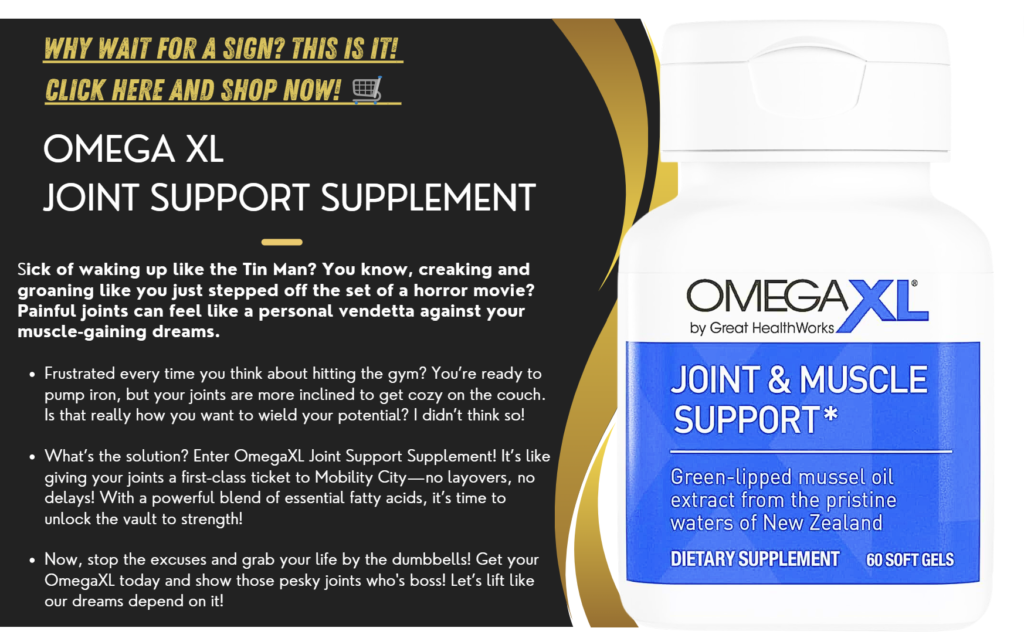
Let’s talk Omega-3s, the unsung heroes of the health world. These fatty acids? They pack a punch—supporting heart health, brain function, and even giving your mood a much-needed boost. But Omega XL? It’s not just another bottle on the shelf. Oh no. This is your premium source, the crème de la crème, designed to deliver the right balance of EPA and DHA without the fishy aftertaste. Think of it as your daily dose of sunshine, bottled up and ready to redefine how you feel. With consistent use, we’re talking improved joint mobility, sharper focus, and a fortified immune system. So, what’s the holdup?
🌟 Why Omega-3 Fatty Acids Matter
- Heart Health: Reduces risk of heart disease by lowering triglycerides.
- Brain Function: Supports cognitive function and may reduce Alzheimer’s risk.
- Joint Health: Alleviates symptoms of arthritis and reduces inflammation.
💡 Choosing Omega XL
- Key Ingredients: High-quality fish oil rich in EPA and DHA.
- Purity and Safety: Free from harmful toxins and heavy metals.
- Formulation:
- Softgels: Easy to swallow, no fishy aftertaste.
- Liquid: For those who prefer not to take pills.
🕑 Long-Term Benefits
- Improved Cardiovascular Health: Sustained reduction in blood pressure and cholesterol levels.
- Enhanced Mental Clarity: Better focus and reduced risk of depression.
- Joint Flexibility: Increased joint mobility and reduced stiffness.
💪 Comparing Omega-3 Supplements
| Brand | EPA/DHA Content | Purity | Price | Rating |
|---|---|---|---|---|
| Omega Excel | 600mg EPA / 400mg DHA | High | $25 | 4.9/5 |
| Nordic Naturals | 500mg EPA / 350mg DHA | High | $30 | 4.8/5 |
| Nature Made | 450mg EPA / 300mg DHA | Medium | $20 | 4.7/5 |
| Viva Naturals | 550mg EPA / 350mg DHA | High | $28 | 4.6/5 |
 🍴 Omega-3 Enriched Recipes
- Salmon Salad: Fresh greens, cherry tomatoes, and grilled salmon.
- Chia Seed Pudding: Almond milk, chia seeds, and a drizzle of honey.
- Walnut and Flaxseed Smoothie: Bananas, spinach, and a handful of walnuts.
🧼 Storage and Safety Tips
- Store in a cool, dry place away from sunlight.
- Check expiration dates for freshness.
- Keep out of reach of children.
Dive into Q&A
- How does it compare to other popular omega-3 supplements on the market?
It stands tall against the competition, boasting a superior blend of EPA and DHA that many other omega-3s can only dream of. With its higher absorption rates and a clean, fresh taste, it leaves the rest sucking on the fishy fumes of mediocrity.
- What specific long-term health benefits have been scientifically linked to consistent use of it?
Regular use of it can lead to a whole host of benefits, including reduced inflammation, improved heart health, and better joint flexibility. Studies back it up as a powerhouse for brain function and even mood regulation—talk about a multitasker!
- Are there particular demographics that benefit more from omega-3 supplementation, such as age groups or activity levels?
Absolutely! It’s particularly beneficial for older adults looking to maintain cognitive function, athletes needing to recover faster, and anyone wanting to boost their overall wellness game. If you’re breathing, there’s a good chance you can tap into its benefits.
- How does the source of omega-3 in it impact its effectiveness compared to those derived from plant-based sources like flaxseed?
It sources its omega-3s from deep-sea fish, which provides a more bioavailable form than plant-based sources like flaxseed. So, while flaxseed puts up a valiant fight, it just can’t match the sheer potency and effectiveness of the omega-3s found in it.
- What potential side effects or interactions should I be aware of when taking it?
While generally well-tolerated, it can cause minor side effects like fishy aftertaste or stomach upset in sensitive souls. If you’re on blood thinners or other medications, it’s wise to consult with a healthcare professional before diving in.
- Can the consumption of omega-3 supplements truly replace dietary sources of fish oil, or should they complement each other?
It’s best to think of it as a trusty sidekick rather than a full replacement. Sure, it can significantly boost your omega-3 intake, but combining it with food sources ensures you get a well-rounded nutrient profile.
- Are there any specific certifications or quality indicators that set it apart from its competitors?
For sure! It comes certified by third-party testing, ensuring purity and potency. So while others might be skating by, it’s taking quality seriously and standing out in the crowd.
- How should one determine the optimal dosage of it for individual health goals?
Start by consulting with a healthcare professional to tailor your intake, but generally, aim for 1,000 to 2,000 mg of combined EPA and DHA daily. That’s where the magic happens!
- What are the implications of long-term use regarding liver health and cholesterol levels?
Long-term use of it is associated with improved cholesterol levels and better liver health, as it works to reduce triglycerides and promote overall metabolic function. It’s like a health boost for your insides!
- Could you elaborate on the mechanisms behind how it contributes to brain health and cognitive function over time?
It provides essential fatty acids that are crucial for maintaining neuronal integrity and function. It helps in reducing inflammation and oxidative stress in the brain, which are key players in cognitive decline, keeping your mind sharp and your focus laser-like.
Whey Protein Gold Standard: A Look Inside Quality Standards
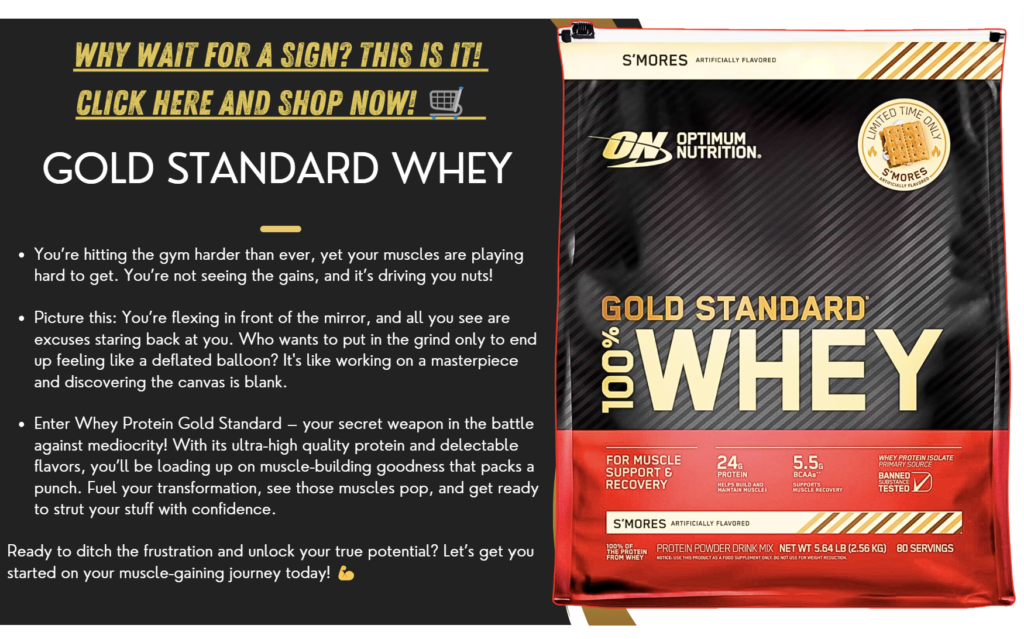
Alright, folks, let’s dive into the world of whey protein like a cannonball into a pool of pure wellness. Whey Protein Gold Standard isn’t just a product; it’s a statement. Quality standards? We’re not playing games here. This is the crème de la crème of protein powders, crafted for those who take their gains as seriously as their Netflix binge-watching. Whether you’re an elite athlete crushing personal records or a weekend warrior looking to fuel your routine, this protein is the gold standard—literally. Loaded with essential amino acids and a taste that’s smoother than your best pickup line, it’s time to discern the hype from the reality.
🏋️♂️ Why Quality Matters in Whey Protein
- Purity: Ensures you’re getting a high percentage of protein with minimal fillers.
- Safety: High-quality whey protein is tested for contaminants and additives.
- Effectiveness: Higher quality means better absorption and results.
🌟 Understanding Whey Protein Quality Standards
- Protein Content: Aim for at least 24g of protein per serving for optimal benefits.
- Ingredients:
- Minimal Additives: Look for products with fewer artificial ingredients.
- Certified Sources: Ensure the whey comes from reputable dairy farms.
- Testing and Certification:
- Third-Party Testing: Ensures product claims match the contents.
- Certifications: NSF Certified for Sport, Informed-Choice, etc.
🕑 Evaluating Top Whey Protein Brands
- Optimum Nutrition: Known for its consistent quality and high protein content.
- MuscleTech: Offers a range of flavors and is third-party tested.
- Dymatize: Provides hydrolyzed options for faster absorption.
💪 Comparing Whey Protein Products
| Brand | Protein Content | Flavor Options | Price | Certifications |
|---|---|---|---|---|
| Optimum Nutrition | 24g per serving | Chocolate, Vanilla, Strawberry | $30 | NSF Certified |
| MuscleTech | 25g per serving | Cookies & Cream, Mocha Cappuccino | $35 | Informed-Choice |
| Dymatize | 24g per serving | Gourmet Chocolate, Rich Vanilla | $28 | NSF Certified |
| BSN | 22g per serving | Banana Cream, Cinnamon Bun | $32 | Informed-Choice |
🍴 How to Choose the Best Whey Protein for You
- Dietary Needs: Consider lactose-free options if needed.
- Fitness Goals: Higher protein for muscle building, lower calories for weight loss.
- Flavor Preferences: Find a flavor you enjoy to stay consistent.
🧼 Storage and Safety Tips
- Store in a cool, dry place.
- Check for expiration dates to ensure freshness.
- Seal tightly to prevent moisture and contaminants.
Dive into Q&A
- How does it compare to other protein powders in terms of sourcing and quality?
It stands tall in the protein world, boasting a reputation for quality sourcing. While others might cut corners, it sources its whey from trusted manufacturers, ensuring you’re getting high-quality fuel without any mystery ingredients lurking in the shadows.
- What specific quality standards are used to evaluate it, and how are they maintained throughout production?
It adheres to rigorous quality standards like NSF Certified for Sport, which verify its purity and potency. These standards are not just buzzwords; they’re consistently enforced, meaning every scoop you take packs a reliable punch without unwanted surprises.
- Are there any significant differences between the various flavors offered in terms of nutritional value or ingredient quality?
In the flavor department, it doesn’t play favorites. All flavors deliver similar nutritional profiles, but each one offers a unique twist to keep things interesting on your taste buds. The focus remains on quality, so you can indulge without guilt.
- How does the amino acid profile of it stack up against competitors’ products?
Its amino acid profile is a power-packed powerhouse! Loaded with essential amino acids, it outshines many competitors. Whether you’re chasing gains or managing recovery, this protein is your go-to for muscle-building support.
- What role do third-party testing and certifications play in ensuring its reliability?
Third-party testing is like having a trustworthy sidekick in its corner. These certifications back up its claims, providing an extra layer of assurance that what’s on the label is genuinely in the product, so you can sip with confidence.
- Can I trust the claims made on the packaging, and what evidence supports these assertions?
You can trust the claims; they’re backed by science and verified by independent testing. No fluff or filler here—just hard evidence proving it delivers on its promises.
- How is it beneficial for different fitness levels, from casual gym-goers to elite athletes?
Whether you’re just dipping your toes into fitness or competing at an elite level, it provides the protein boost you need for strength and recovery. Its versatility makes it a trusty sidekick for anyone looking to up their game.
- What are the potential allergens or additives included in it that consumers should be aware of?
While it focuses on purity, it’s crucial to note that it contains whey, which is derived from milk. If you’re lactose intolerant or allergic to dairy, it might not be your best match. Always check the label for any potential hidden allergens.
- How does the pricing of it reflect its quality compared to other products on the market?
It might come with a slightly higher price tag, but think of it as an investment in quality. When you weigh the sourcing, testing, and certifications against some cheaper alternatives, it’s clear you’re getting top-notch value for your bucks.
- In terms of sustainability, how does its production impact the environment, and what initiatives are in place to mitigate this?
It doesn’t just stop at performance; it also cares about the planet. The production processes are increasingly focused on sustainability, with steps being taken to reduce waste and promote eco-friendly practices. It’s about feeling good inside and out!
Can You Take Creatine Anytime? Discover the Best Approach
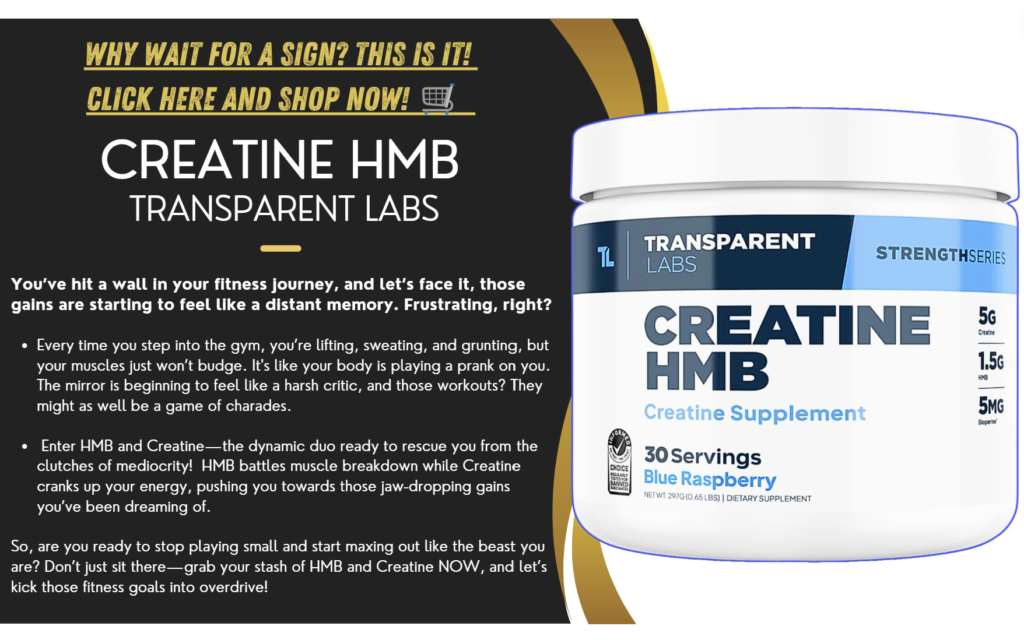
Let’s face it: navigating the world of supplements can feel like stepping into a minefield. Creatine, that beloved compound touted for muscle gains, endurance, and a sprinkle of oomph, often leaves gym-goers scratching their heads. Problem? Confusion reigns supreme about timing and effectiveness. Agitate the situation further, and you’ll see athletes, aspiring fitness warriors, and casual gym-goers alike fighting over the ‘best’ time to take this powerhouse. Mornings? Pre-workout? Post-training bliss? You name it, folks are trying it. Here’s the good news: it doesn’t have to be a guessing game. Welcome to the solution—a comprehensive guide that will clear the fog and set you on the path to creatine mastery. No more second-guessing; let’s dive in and unlock the timing secrets that might just elevate your gains!
🏋️♂️ Understanding Creatine
- Enhances muscle performance during high-intensity exercise.
- Supports muscle recovery and growth.
- Boosts energy production at the cellular level.
🌟 Optimal Timing for Creatine
- Pre-Workout:
- Energy Boost: Increased ATP availability for intense sessions.
- Focus: Enhanced mental clarity and motivation.
- Post-Workout:
- Recovery: Speeds up muscle repair and reduces soreness.
- Absorption: High insulin sensitivity aids creatine uptake.
- Morning:
- Daily Routine: Easy to remember with your morning routine.
- Consistency: Ensures a steady supply of creatine in your muscles.
🕑 Best Times to Take Creatine
- 30 minutes before workout for a pre-exercise boost.
- Immediately after workout for optimal recovery.
- With breakfast to maintain consistent levels.
💪 Comparing Creatine Forms
| Form | Solubility | Absorption | Price | Rating |
|---|---|---|---|---|
| Creatine Monohydrate | Good | High | $20 | 4.8/5 |
| Creatine HCL | Excellent | Very High | $25 | 4.7/5 |
| Creatine Ethyl Ester | Moderate | Moderate | $30 | 4.6/5 |
| Buffered Creatine | Good | High | $28 | 4.5/5 |
🍴 Creatine-Enhanced Recipes
- Protein Shakes: Blend with whey protein, almond milk, and a banana.
- Creatine Smoothies: Mix with fruits, Greek yogurt, and honey.
- Energy Bars: Combine with oats, peanut butter, and chocolate chips.
🧼 Storage and Safety Tips
- Store in a cool, dry place to prevent clumping.
- Check for expiration dates to ensure potency.
- Seal tightly to avoid moisture exposure.
Dive into Q&A
- What are the key factors to consider when deciding the best time to take creatine?
Timing it right boils down to consistency, your workout cycle, and your body’s response. Some prefer taking it post-workout when muscles are screaming for nutrients, while others swear by morning doses to kickstart the day. Listen to your body; it knows the deal.
- How does my workout schedule influence the timing of creatine supplementation?
Your workout schedule is the conductor of this supplement symphony. If you’re an early bird hitting the gym before the sun rises, slam it down pre-workout for an energy boost. On the flip side, if you’re flexing after hours, go with the post-gym approach to replenish those muscles.
- Are there any specific benefits tied to taking creatine in the morning versus before a workout?
Absolutely! If you pop it in the morning, you set the tone for the day, enhancing your overall performance. However, if you down it right before powering through your workout, you’ll feel it ignite those gains during the session. It’s like choosing your battle gear—each option has its perks.
- If I’m taking it around my workout, should I prefer pre-training or post-training?
The debate rages on! Pre-training can amp up your energy and performance, giving that extra push when you need it most. But, if you’re looking to aid recovery and muscle synthesis, post-training is the way to go. Find your rhythm and rock both if you’re feeling ambitious.
- Does the type of creatine I use (monohydrate, ethyl ester, etc.) affect the timing of when I should take it?
Heck yes, it does! Monohydrate is the classic go-to—take it any time that fits your style. Ethyl ester might be more effective closer to training, given its absorption rate. Know your product, know your timing—it’s that simple.
- How does hydration play a role in the effectiveness of creatine intake timing?
Hydration is the unsung hero of your supplement game. It’s like fuel for a fire; without enough water, it won’t work its magic. Consider it essential to time your sips with the supplement; your muscles will thank you with increased performance and recovery.
- What’s the impact of taking creatine on non-training days—should timing still matter?
It’s a no-brainer, mate! Taking it on non-training days keeps your levels topped off and your muscles primed for action. Timing isn’t as crucial here—just keep it consistent, and you’ll be riding the gains wave.
- How do different types of meals before or after taking creatine influence its effectiveness?
Food is your ally! Taking it with simple carbs can enhance absorption and effectiveness, while protein-packed meals can bolster muscle repair. Just remember—pair it right, and it’ll work wonders.
- Should I be concerned about potential side effects based on when I take my creatine?
While creativity can bring muscle to the party, timing can play a role in side effects like stomach discomfort. Pay attention to your body; if it’s grumbling, tweak the timing or your accompanying meals for a smoother ride.
- Can combining creatine with other supplements alter the optimal time for consumption?
You bet! Pairing it with certain supplements, like amino acids or a pre-workout, can enhance its effects, especially if taken strategically. Just keep an eye on how your body reacts and optimize your combo for peak performance.
Nourish Your Body: Best Whey Protein with Creatine
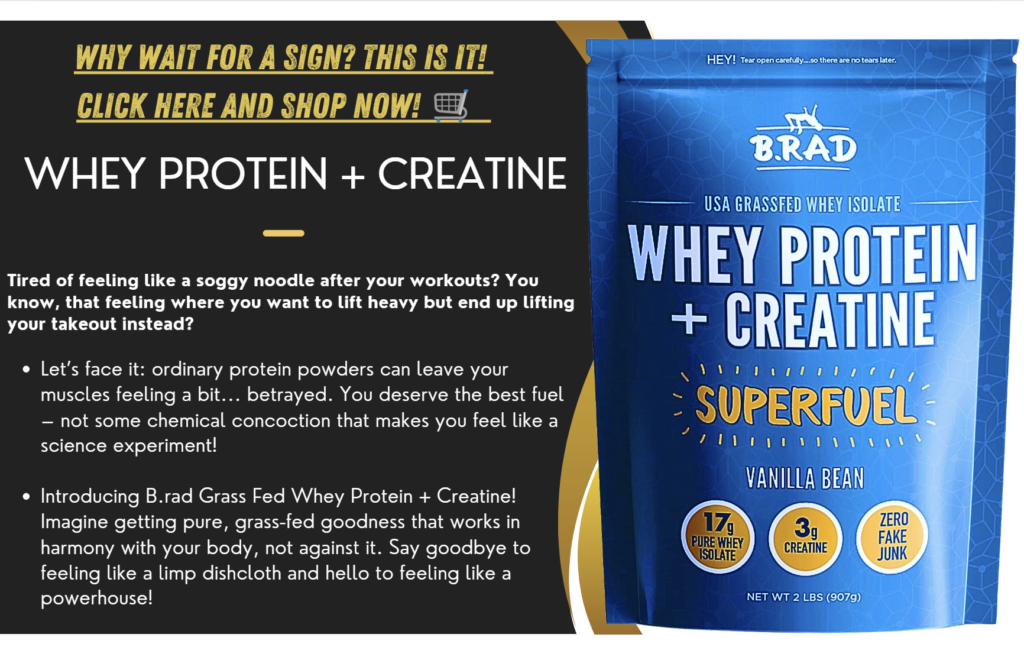
So, you’ve been lifting, sweating, and counting those macros, but are you really playing in the big leagues? Enter: the dynamic combo of whey protein and creatine. It’s like Batman and Robin for your muscles, turning every workout into a supercharged session. Forget the endless debates; this isn’t your run-of-the-mill shake. This is the elixir that turbocharges recovery, builds muscle like it’s going out of style, and maybe even adds that extra zing to your performance. Ready to unleash your inner beast? Strap in, because we’re diving deep into why this powerhouse partnership might just be the secret sauce to your fitness success.
🏋️♂️ Benefits of Whey Protein with Creatine
- Muscle Growth: Synergistic effect enhances muscle gains.
- Strength Boost: Creatine increases power and endurance.
- Recovery: Accelerates muscle repair post-exercise.
🌟 Choosing the Right Product
- Types of Whey Protein: Concentrate, Isolate – combined with creatine for maximum benefit!
- Key Ingredients:
- Protein Content: High protein percentage per serving.
- Creatine: Effective dosage for performance enhancement.
- Low Sugar: Minimizes unnecessary calorie intake.
- Added Nutrients: Look for BCAAs and electrolytes.
- Flavors and Mixability:
- Chocolate: Classic and popular choice.
- Vanilla: Versatile for shakes and recipes.
- Strawberry: Fresh and fruity option.
🕑 Best Times to Take The Combination
- Pre-Workout: 30 minutes before exercise for energy.
- Post-Workout: Within 30 minutes after exercise for recovery.
- Morning: Kickstart your day with a protein and creatine boost.
💪 Comparing the Brands
| Brand | Protein Content | Creatine Content | Flavor Options | Price | Rating |
|---|---|---|---|---|---|
| Optimum Nutrition | 24g per serving | 3g per serving | Chocolate, Vanilla | $40 | 4.8/5 |
| MuscleTech | 25g per serving | 5g per serving | Cookies & Cream, Mocha | $45 | 4.7/5 |
| Dymatize | 24g per serving | 4g per serving | Gourmet Chocolate, Rich Vanilla | $38 | 4.6/5 |
| BSN | 22g per serving | 3g per serving | Banana Cream, Cinnamon Bun | $42 | 4.5/5 |
🍴 Whey Protein with Creatine Recipes
- Protein Shakes: Blend with milk, banana, and a spoonful of peanut butter.
- Protein Pancakes: Mix with oats, egg whites, and a dash of cinnamon.
- Protein Bars: Combine with oats, honey, and dark chocolate chips.
🧼 Storage and Safety Tips
- Store in a cool, dry place.
- Check for expiration dates to ensure freshness.
- Seal tightly to prevent moisture and contaminants.
Dive into Q&A
- How does combining whey protein with creatine enhance muscle recovery compared to using either supplement alone?
When you mix whey protein with creatine, you’re not just doubling down; you’re creating a powerful recovery duo. Whey provides the necessary amino acids to repair those torn muscles after a workout, while creatine replenishes your energy stores for the next round. Together, they speed up recovery and boost performance like a well-oiled machine.
- Are there specific types of whey protein that work best when mixed with creatine, or does it vary by individual goals?
It’s a bit of a pick-your-own-adventure situation! Generally, a high-quality whey protein isolate or concentrate plays well with creatine, but it can vary based on your goals. If muscle gain is your goal, go for a protein blend that packs in calories. For weight loss, a lower-calorie option is your best bet. It’s all about finding what jazzes with your individual rhythm.
- What are the potential side effects of taking whey protein and creatine together, and how can they be mitigated?
While this combo is generally safe, some may experience bloating, dehydration, or gastrointestinal discomfort. To keep those pesky side effects at bay, stay hydrated and start with smaller doses of both before gradually ramping up. It’s all about letting your body adjust!
- Should I adjust my dosage of either supplement if I’m also incorporating other protein sources or pre-workouts into my regimen?
Absolutely! If you’re bringing in other protein sources or pre-workouts, you should tailor your supplement intake to avoid overdoing it. Keep track of your overall protein intake to ensure you’re hitting those targets without going overboard.
- How do the timing and method of consumption impact the effectiveness of whey protein and creatine when taken together?
Timing is everything! Aim to take creatine around your workout time for maximum energy, and sneak in whey protein within that golden 30-minute recovery window. Mixing them in a smoothie or shake makes it all too easy to get them in, so you’re ready to conquer your next session.
- Are there specific workout routines that pair better with a whey protein and creatine regimen for optimal results?
You’ll want to pair this powerhouse combo with resistance training or high-intensity interval training (HIIT) for optimal results. It’s during these workouts that you can truly push your limits and notice the recovery benefits of your newfound duo.
- What should I consider when choosing a brand of whey protein with creatine—quality, price, or other factors?
Quality should be your north star! Look for certifications, third-party testing, and minimal fillers, but also be practical—quality comes at a price. It’s worth investing in a reputable brand that reflects your health goals without breaking the bank.
- How do dietary preferences, such as being vegan or lactose intolerant, affect the use of whey protein and creatine?
If you’re vegan or lactose intolerant, whey protein isn’t going to be your best bud. Opt for plant-based protein sources instead; many pea, hemp, and rice protein blends can deliver a similar punch without the dairy-induced drama. Creatine, however, is generally vegan-friendly—so go ahead and keep it in your regimen!
- Is there any long-term research on the effects of consistently using whey protein with creatine on overall health?
The studies are promising! Long-term use of whey protein and creatine shows potential benefits for muscle mass, strength, and even some aspects of brain health. As always, moderation is key, and it’s essential to monitor your body’s reactions over time.
- How do I determine whether I should cycle off creatine or if I can use it continuously along with whey protein?
Cycling on and off creatine isn’t mandatory for everyone. If you’re feeling good and your performance is steady, you can safely use it continuously. However, if you start noticing diminished effects or want to reset your baseline, cycling off for a few weeks can be beneficial. Keep listening to your body—it knows best!
Boost Your Diet: Buy MCT Supplements for Weight Loss
Are you tired of sluggish energy levels and stubborn fat clinging to your body like it’s got a personal vendetta? Let’s face it—diets can feel like a relentless tug-of-war between cravings and willpower. You zone in on healthy eating, only to find your energy dipping faster than a bad TV show cancellation, leaving you reaching for that unhealthy snack in desperation. But fear not! MCT supplements are here to save the day. By ramping up your metabolism and providing a quick source of energy, MCTs not only aid in weight loss but also help you conquer your day with gusto. It’s time to boost your diet and kick those pesky weight loss hurdles to the curb!
🏋️♂️ Benefits of MCT Supplements
- Fat Burning: MCTs help increase metabolism and promote fat loss.
- Energy Boost: Provides a quick source of energy, ideal for workouts.
- Appetite Control: May reduce hunger and support calorie reduction.
🌟 Choosing the Right MCT Supplement
- Types of MCTs: C8 (Caprylic Acid), C10 (Capric Acid) – each with distinct benefits!
- Key Ingredients:
- Purity: Look for 100% MCT oil with no fillers.
- Quality: Opt for products made from coconut oil for higher quality.
- Dosage: Check for appropriate serving sizes based on your needs.
- Flavors and Forms:
- Unflavored: Versatile for mixing with various foods and drinks.
- Flavored: Choose from vanilla, chocolate, or coffee options for added taste.
🕑 Best Times to Take MCT Supplements
- Pre-Workout: Energize your workout with a boost of MCTs.
- Breakfast: Start your day with MCTs to curb appetite and fuel your morning.
- Post-Workout: Aid recovery and replenish energy stores.
💪 Comparing MCT Supplement Brands
| Brand | Type | Flavor Options | Price | Rating |
|---|---|---|---|---|
| Bulletproof | C8 & C10 | Unflavored, Vanilla | $30 | 4.8/5 |
| Sports Research | C8 & C10 | Unflavored | $25 | 4.7/5 |
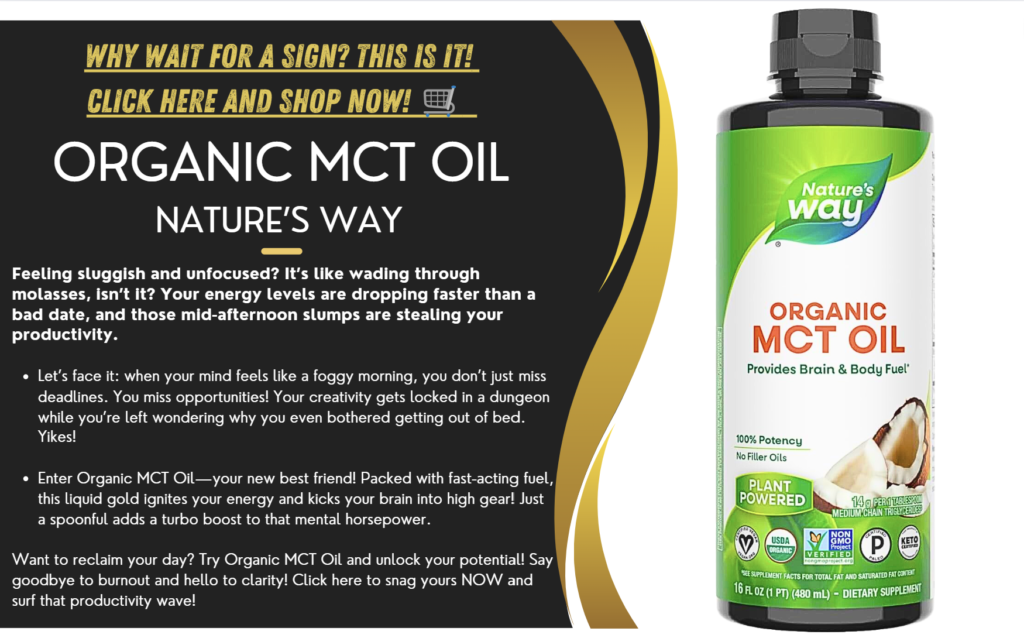
| Nature’s Way | C8 | Unflavored | $22 | 4.6/5 |
| Viva Naturals | C8 & C10 | Unflavored | $28 | 4.5/5 |
🍴 How to Use MCT Supplements
- Smoothies: Add a tablespoon for an extra energy boost.
- Coffee: Blend into your morning coffee for sustained energy.
- Salad Dressings: Incorporate into dressings for a healthy fat source.
🧼 Storage and Safety Tips
- Store in a cool, dark place to preserve freshness.
- Keep the cap tightly sealed to prevent oxidation.
- Check expiration dates to ensure potency.
Dive into Q&A
Q1: What exactly are MCTs, and how do they differ from other types of fats? A1: It stands for Medium-Chain Triglycerides, a fancy name for a unique type of fat that burns like rocket fuel. Unlike those stubborn long-chain fatty acids that take their sweet time to metabolize, it zips through your system for quick energy, making it the superhero of fats.
Q2: How do MCT supplements specifically aid in weight loss compared to traditional weight loss methods? A2: It’s like flipping a switch in your body’s furnace. By promoting ketone production, it helps your body tap into fat stores for fuel instead of glucose, turbocharging your weight loss efforts way beyond standard dieting strategies.
Q3: Are there different types of MCT oils, and does the source of MCTs affect their efficacy? A3: Absolutely! It’s a jungle of choices out there, with some derived from coconut, others from palm oil. Each type packs a punch, but the quality of source matters—higher quality means better absorption and results, so choose wisely, champ.
Q4: Can MCT supplements be integrated into any dietary plan, such as keto or paleo, or are there restrictions? A4: It’s like the ultimate wingman for any dietary scheme, especially your keto or paleo goals. There are no restrictions—just add it into your routine and watch it seamlessly fit into the lifestyle of your choice.
Q5: What is the recommended dosage for MCT supplements, and how does it vary among individuals? A5: Here’s the scoop: typically, start with one to two tablespoons a day, but tailor it to your personal vibe. Some may thrive with more, while others find less suits them just fine—listen to your body like a wise guru!
Q6: Are there any side effects or potential downsides to using MCT supplements that I should be aware of? A6: Sure, treat it with respect. Some might experience stomach grumbles or digestive hiccups if they dive in too fast. It’s all about finding your groove, so ease in and let it work its magic without rushing.
Q7: How soon can I expect to see results from incorporating MCTs into my diet? A7: Results can pop up quicker than you think! While it varies, many folks report feeling increased energy and appetite control within days. Stick with it, and you might just see your body transform over the weeks to come.
Q8: Can MCT supplements boost energy levels for activities beyond weight loss, such as workouts or endurance sports? A8: Oh, you bet it can! It’s like adding a turbocharger to your workout routine, providing sustained energy that fire you up for longer workouts or those grueling endurance challenges. It’s your secret weapon for crushing fitness goals.
Q9: Is it necessary to consult a healthcare professional before starting MCT supplementation, especially if I have pre-existing conditions? A9: Always a good call! If you’ve got any existing conditions or are on meds, a chat with your healthcare pro can provide peace of mind and tailored advice. Better safe than sorry, my friend.
Q10: How do MCTs compare with other popular weight loss supplements in terms of effectiveness and safety? A10: It stands tall among the weight loss contenders, boasting a fantastic safety profile and effectiveness that rivals many others. Unlike some quick-fixes with sketchy side effects, it delivers results without the drama—your trusty ally in the weight loss arena!
Seamless Wellness: MCT Oil Powder & Collagen Blended Together!
Let’s face it: the health and wellness market is overflowing with products that promise the world but deliver mediocre results. Who hasn’t felt the frustration of trying to sift through the endless maze of supplements, only to end up with a cupboard full of half-empty pots and a sense of disappointment? It’s enough to make anyone throw their hands up in exasperation! But what if we told you there’s a solution? Enter the dynamic duo of MCT Oil Powder and Collagen, seamlessly blended to revolutionize your wellness routine. This powerhouse combination tackles energy slumps and promotes glowing skin, all while giving you the confidence that each scoop is packed with benefits. Ready to elevate your health game? Let’s dive in!
🍹 The Power Duo: MCT Oil Powder & Collagen
- MCT Oil Powder: Provides quick energy, supports mental clarity.
- Collagen: Enhances skin elasticity, supports joint health.
- Combined: Synergistic effects for overall wellness and vitality.
🌟 Benefits of MCT Oil Powder
- Energy Boost: MCTs (Medium-Chain Triglycerides) are rapidly absorbed for fast energy.
- Metabolism Support: May enhance fat burning and metabolic rate.
- Cognitive Function: Supports mental focus and clarity.
🌟 Benefits of Collagen
- Skin Health: Improves skin hydration and elasticity.
- Joint Support: Aids in the maintenance of cartilage and joints.
- Hair & Nails: Strengthens hair and nails, promoting growth.
💡 Combining MCT Oil Powder and Collagen
- Enhanced Absorption: MCTs may aid in the absorption of collagen.
- Convenient Mix: Easily blend into shakes, coffee, or smoothies.
- Balanced Energy: Provides sustained energy while supporting skin and joint health.
🍽️ Ideal Ways to Use MCT Oil Powder & Collagen
- Morning Coffee: Stir into your coffee for a creamy boost.
- Post-Workout Shake: Blend with your favorite protein powder for recovery.
- Smoothie Addition: Mix into smoothies for added texture and benefits.
🔍 Comparing MCT Oil Powder & Collagen Products
| Brand | MCT Oil Content | Collagen Type | Serving Size | Price | Rating |
|---|---|---|---|---|---|
| Vital Proteins | 10g per serving | Type I & III | 1 scoop (11g) | $35 | 4.7/5 |
| Sports Research | 12g per serving | Type I & III | 1 scoop (15g) | $30 | 4.6/5 |
| Bulletproof | 14g per serving | Type I | 1 scoop (12g) | $40 | 4.5/5 |
| Primal Kitchen | 8g per serving | Type I & III | 1 scoop (10g) | $32 | 4.4/5 |
🍲 Creative Recipe Ideas
- MCT & Collagen Smoothie: Blend with berries, spinach, and almond milk.
- Collagen-Boosted Coffee: Stir into your morning brew with a touch of cinnamon.
- Protein-Packed Pancakes: Add to pancake batter for a nutrient boost.
🧼 Storage and Safety Tips
- Store in a cool, dry place away from direct sunlight.
- Seal tightly to prevent moisture and contamination.
- Check expiration dates for freshness.
Dive into Q&A
- How does the combination of MCT oil powder and collagen enhance my nutritional intake?
When you team up it with collagen, you’re not just boosting your protein game; you’re packing a punch of essential amino acids and healthy fats that support joint health, skin elasticity, and muscle recovery. It’s a dynamic duo that delivers nutrition like a heavyweight champ!
- What specific benefits do I gain from using MCT oil powder over liquid MCT oil?
It’s all about convenience, my friend. With it in powder form, you can mix it into smoothies, coffees, or even baked goods without the greasy mess. Plus, it often contains additional fiber, making it easier on the gut, so you get all the benefits without the hassle.
- Can I mix MCT oil powder with my pre-workout or post-workout shake, or are there better times to consume it?
Absolutely! It’s versatile enough to slide into either your pre or post-workout routine. Just remember, it provides that quick energy burst pre-workout, while also aiding recovery post-sweat session. Timing? It’s all about your needs, but no wrong time to amp up your nutrition.
- How does the taste of MCT oil powder compare to liquid MCT oil, and will it alter the flavor of my recipes?
Here’s the kicker: it’s often more palatable than its liquid counterpart. While it has a light, creamy, and mildly nutty taste, it usually blends seamlessly into your recipes, enhancing flavors rather than overpowering them.
- Are there any specific brands of MCT oil powder that are more reputable or effective than others?
Absolutely, not all powders are created equal. Look for brands that prioritize high-quality sourcing, third-party testing, and transparent labeling—your taste buds and your body will thank you for being picky!
- What is the ideal serving size of MCT oil powder, and what should I be cautious about when increasing my intake?
Generally, you’re looking at about 1-2 tablespoons as a starting point. Go easy when increasing your intake—too much too soon can lead to digestive discomfort, so gradually ramp it up to let your body adjust like a pro.
- Are there particular dietary lifestyles, aside from keto, where MCT oil powder could be beneficial?
You bet! It’s a superstar not just for keto dieters; those following paleo, low-carb, or even high-protein diets can reap its benefits. If you’re looking for energy-dense nutrition, it’s got your back.
- Does MCT oil powder have any impact on digestive health, and are there any common issues users face?
Typically, it promotes digestive health thanks to its quick-digesting nature. However, overconsumption can lead to gastrointestinal distress—start slow and listen to your body, and you’ll sail smoothly.
- How does MCT oil powder integrate with meal plans for someone with specific fitness goals, like fat loss or muscle gain?
It’s a solid addition to both scenarios. For fat loss, it provides a quick source of energy that helps curb cravings, while for muscle gain, it supports recovery and provides essential calories efficiently. It’s like having your cake and eating it too!
- What are the main differences in absorption and efficacy between MCT oil powder and collagen on their own?
It’s all about how your body processes them! It’s rapidly absorbed, giving you quick energy, while collagen takes the crown for supporting structural integrity in your muscles, joints, and skin. Combining them reaps the benefits of both, making your nutrition as comprehensive as possible.
Why You Should Choose Top Rated MCT Oils
In a world where energy drinks and sugar-laden snacks dominate, many of us find ourselves crashing harder than a toddler at bedtime. You start your day with good intentions, only to feel that mid-afternoon slump creeping in, making you long for a nap instead of nailing that presentation. This energy rollercoaster is more than just annoying; it affects your productivity and, ultimately, your success. Enter MCT oils — the game-changer in your quest for sustained energy and mental clarity. Packed with healthy fats that your body can easily convert into fuel, top-rated MCT oils swoop in to save the day, keeping you sharp and focused, while shooing away those pesky brain fog clouds. Say goodbye to sluggishness and hello to peak performance!
🛢️ The Power of MCT Oils
- Energy Boost: Quick energy without the crash.
- Weight Management: Helps manage appetite and boost metabolism.
- Brain Health: Supports cognitive function and mental clarity.
🌟 Choosing the Best MCT Oil
- Types of MCTs: C8 (Caprylic Acid), C10 (Capric Acid) – each with unique benefits!
- Key Features:
- Purity: Look for 100% MCT oil with no fillers.
- Source: Prefer oils derived from coconut for higher quality.
- Refinement: Opt for oils that are refined to remove impurities.
- Flavor and Aroma:
- Unflavored: Versatile for mixing with various foods and drinks.
- Flavored: Ideal for adding a hint of taste to your smoothies or coffee.
🕑 Best Times to Use MCT Oil
- Morning: Kickstart your day with a boost of energy.
- Pre-Workout: Enhance endurance and performance.
- Midday: Use as a snack substitute to curb hunger.
💪 Top Rated MCT Oil Brands
| Brand | Type | Features | Price | Rating |
|---|---|---|---|---|
| Bulletproof | C8 & C10 | Pure, high-quality coconut source | $40 | 4.9/5 |
| Onnit | C8 | Easy digestion, unflavored | $35 | 4.8/5 |
| Perfect Keto | C8 & C10 | Third-party tested, high purity | $30 | 4.7/5 |
| Viva Naturals | C8 & C10 | Organic, non-GMO | $25 | 4.6/5 |
🍴 How to Incorporate MCT Oil
- Morning Coffee: Add a tablespoon to your coffee for sustained energy.
- Smoothies: Blend into your favorite smoothie for an extra kick.
- Cooking: Use in recipes as a healthy fat source (note: avoid high heat).
🧼 Storage and Safety Tips
- Store in a cool, dark place to maintain freshness.
- Check expiration dates regularly.
- Ensure the bottle is tightly sealed to avoid oxidation.
Dive into Q&A
- What exactly is MCT oil, and how does it differ from regular coconut oil?
It’s not just your run-of-the-mill coconut oil; it’s a concentrated source of medium-chain triglycerides. While regular coconut oil is about 60% MCTs, it’s a medley of various types. This powerhouse? It’s specifically rich in lauric acid and two VIPs: caprylic (C8) and capric (C10) acids, which your body metabolizes like a boss for energy, rather than storing as fat.
- Are all MCT oils created equal, or should I be looking for specific types, like C8 or C10?
Not all heroes wear capes, and certainly, not all those oils stack up the same way! You want to pay attention to those superstar types – C8 and C10. C8 is the Usain Bolt of energy delivery, getting you fired up and burning through fats faster. C10’s still impressive but takes its sweet time. Choose wisely, because you’re aiming for efficiency here!
- How does MCT oil actually benefit my metabolism and energy levels in practical terms?
Let me tell you: it’s like having your own personal energizer battery. This stuff gets converted into ketones in a flash, boosting your energy levels with a pep in your step, while cranking up your metabolism. Picture it: hitting the gym or tackling that afternoon slump. It gives you that edge. Say goodbye to those sluggish moments!
- Can I use MCT oil for cooking, or does it lose its beneficial properties with heat?
You bet you can! Just remember, it has a smoking point, and while it can handle moderate heat, don’t crank up the flames too high or it might lose some of its goodness. Think light sauté or drizzling it over dishes like a culinary boss. You’re all about maximizing those benefits while keeping your meals delicious.
- What are the potential side effects of MCT oil, and how can I avoid them?
Like any fine product, it can come with its quirks. Too much too fast? It can lead to digestive issues—think bloating or a dash to the restroom. Scale up your intake gradually, and your body will thank you. Listen to it; moderation is the key to unlocking all that potential without any nasty surprises.
- Is MCT oil suitable for everyone, or are there specific dietary restrictions or health conditions where it might not be advisable?
It’s a wonder oil but not a one-size-fits-all. If you’ve got certain digestive disorders or are sensitive to fats, it might not be your best ally. Always a smart move to consult with a healthcare pro if you’re navigating any health conditions. Your body deserves the tailored approach!
- How does MCT oil fit into the broader context of a ketogenic diet versus other diets?
In the kingdom of ketogenic diets, it reigns supreme! It’s like the fuel that keeps the fire of ketosis roaring. While other diets may frolic with carbs, it stands guard, helping you stay in that coveted fat-burning zone. A glorious addition to your low-carb arsenal, it empowers you to hit your goals, leaving the carb-loading crowd in the dust!
Convenient Bulk MCT Powder You Can Trust
Are you tired of feeling sluggish and foggy, battling that mid-afternoon slump with nothing more than a cup of coffee? It’s frustrating, right? You want to power through your day, but those energy dips can feel like an anchor dragging you down. Enter Bulk MCT Powder—your secret weapon to not just surviving the day, but thriving! With its quick energy release and cognitive-boosting properties, this isn’t just another supplement; it’s the answer to your low-energy woes. Say goodbye to brain fog and hello to laser focus and sustained energy that’ll keep you charging through tasks like a champ!
🏋️♂️ Benefits of MCT Powder
- Energy Boost: Quick source of energy for workouts and daily tasks.
- Weight Management: Supports ketosis and may aid in fat loss.
- Cognitive Function: Potentially enhances brain function and mental clarity.
🌟 Choosing the Right MCT Powder
- Types of MCTs: C8 (Caprylic Acid), C10 (Capric Acid), and blends – each with different benefits!
- Key Ingredients:
- MCT Concentration: Higher concentrations provide more energy.
- Purity: Avoid unnecessary fillers and additives.
- Solubility: Should dissolve easily in liquids without clumping.
- Flavor and Mixability:
- Unflavored: Versatile for various recipes and beverages.
- Flavored: Vanilla, chocolate, or caramel for added taste.
🕑 Best Times to Take MCT Powder
- Pre-Workout: Boosts energy and endurance.
- Post-Workout: Aids in recovery and replenishes energy stores.
- Morning: Kickstarts your day and supports metabolism.
💪 Comparing MCT Powder Brands
| Brand | MCT Content | Flavor Options | Price | Rating |
|---|---|---|---|---|
| BulkSupplements | 100% MCT | Unflavored | $25 | 4.8/5 |
| Kiss My Keto | 70% C8, 30% C10 | Chocolate, Vanilla | $30 | 4.7/5 |
| Perfect Keto | 100% C8 | Unflavored, Vanilla | $35 | 4.6/5 |
| Sports Research | 50% C8, 50% C10 | Unflavored | $28 | 4.5/5 |
🍴 MCT Powder Recipes
- Bulletproof Coffee: Blend with coffee and butter for a creamy, energizing drink.
- Protein Shakes: Add to your favorite protein shake for a boost of energy.
- Salad Dressings: Mix with olive oil and vinegar for a ketogenic dressing.
🧼 Storage and Safety Tips
- Store in a cool, dry place.
- Check for expiration dates to ensure potency.
- Seal tightly to prevent moisture and contamination.
Dive into Q&A
Q1: How does the quality of bulk MCT powder compare to other MCT products on the market? A1: Quality is king, my friend. Bulk MCT powder? It’s like the kingpin of the MCT universe. While others might skimp on purity or effectiveness, you’ll find that this powerhouse delivers consistent results percentage-wise in the realm of caprylic (C8) and capric (C10) acids. Bottom line: grab the bulk, and you’re grabbing gold.
Q2: What specific health benefits can I expect from including bulk MCT powder in my daily routine? A2: Expect the unexpected. Instant energy? You got it. Ketone production? Absolutely. We’re talking enhanced brain function and better weight management too. Your morning coffee? It just transformed into a cognitive rocket fuel. This is not hype; it’s science in powdered form!
Q3: Are there different types of MCT powders, and how do they differ in terms of digestion and absorption? A3: Oh, you bet there are! We’re in the land of C8s, C10s, and even C12s. C8? That’s your speedy commuter; it gets processed quick and offers fuel faster than you can say “low carb!” Meanwhile, C10 is a little slower on the uptake but still a strong contender in the energy ring. Choose wisely for your gut’s digesting delight.
Q4: What are the best ways to incorporate bulk MCT powder into my meals or beverages for maximum effectiveness? A4: Mix it, blend it, own it. Stir it into your morning brew, concoct a smoothie that could lift weights, or drizzle it over your post-workout meal. The key? Make it your secret weapon. With its neutral taste, it’s the chameleon of the food world, effortlessly elevating whatever dish chooses to embrace it.
Q5: Can bulk MCT powder support weight management, and if so, what’s the science behind it? A5: Absolutely. When it comes to weight management, bulk MCT powder is like having a personal trainer in your pantry. It boosts your metabolism, promotes fat oxidation, and keeps you fuller for longer. So, what’s the science? MCTs increase energy expenditure and ketone production – science-backed ways to kick excess weight to the curb.
Q6: How does bulk MCT powder interact with other supplements, like protein powders or pre-workout blends? A6: Like a dynamic duo in an action flick. MCT powder enhances nutrient absorption when teamed up with protein powders – a match made in fitness heaven. And when paired with pre-workout blends? Say hello to increased endurance and improved focus. They play nice and push your limits together.
Q7: Is there a recommended dosage for bulk MCT powder, and what factors should influence my intake level A7: The magic number? Start anywhere between 1-3 tablespoons daily, depending on your goals. You’re the captain of your ship, so tailor it to your lifestyle, energy needs, and, of course, your digestive tolerance. Listen to your body, and adjust – it’s how champions roll!