
Archive for the ‘supplements’ Category
Non-Dairy Gluten-Free Protein Shakes: Muscle Milk Plant-Based Protein Shake Review
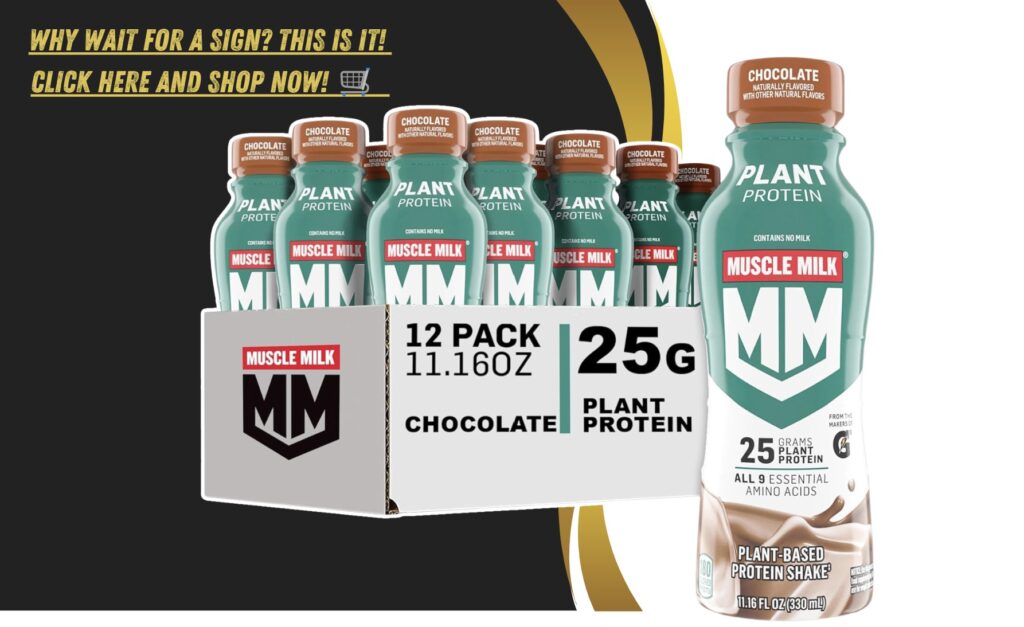
Protein shakes have come a long way, especially for those looking to avoid dairy or gluten. Enter Muscle Milk Plant-Based Protein Shake—a delicious, non-dairy, gluten-free option that caters to athletes, fitness enthusiasts, and anyone needing a nutritional boost. With flavors like Vanilla Caramel and Chocolate, these shakes promise high-quality plant protein without sacrificing taste or performance.
| Product Overview | Why Choose Non-Dairy Protein Shakes? | Key Benefits | |
|---|---|---|---|
| Plant Protein vs. Whey | How to Use Plant-Based Protein Shakes | Taste and Texture | FAQ |
Product Overview
| Feature | Details |
|---|---|
| Brand | Muscle Milk |
| Flavors | Vanilla Caramel, Chocolate |
| Diet Type | Plant-Based, Dairy-Free, Gluten-Free |
| Protein Content | 25g per bottle |
| Amino Acids | Complete profile with all 9 essential amino acids |
| Calories | 180 per serving |
| Sugar | 3-4g per serving |
| Vitamins & Minerals | Excellent source of Vitamin B12, good source of Iron |
| Package Size | 11.16 Fl Oz bottles (Pack of 12) |
| Price | $28.89 ($2.59 per Fl Oz) for Vanilla Caramel; $30.91 ($0.23 per Fl Oz) for Chocolate |
Why Choose Non-Dairy Protein Shakes?
Dairy-free protein shakes are ideal for those with lactose intolerance, food sensitivities, or following a vegan lifestyle. With plant-based proteins like pea, hemp, and brown rice, these shakes offer all the nutrients you need for muscle recovery and growth without relying on animal-based products.
Key Benefits
| Benefit | Why It Matters |
|---|---|
| High-Quality Protein | Provides 25g of plant-based protein, supporting muscle recovery and synthesis post-workout. |
| Complete Amino Profile | Contains all 9 essential amino acids for effective muscle repair and growth. |
| Low Sugar | At only 3-4g per serving, it’s a healthier option compared to sugar-heavy shakes. |
| Vitamin B12 & Iron | Supports energy production and combats deficiencies often found in plant-based diets. |
| Convenient Form | Ready-to-drink bottles make it easy to consume anywhere—perfect for busy lifestyles. |
Plant Protein vs. Whey
While whey protein is popular, studies have shown that plant-based proteins are just as effective when consumed in adequate amounts. The biggest difference lies in the source. Whey comes from dairy, while plant-based shakes utilize ingredients like pea protein and brown rice protein, making them suitable for those avoiding lactose or dairy altogether.
| Comparison | Plant-Based | Whey-Based |
|---|---|---|
| Source | Peas, hemp, brown rice, seeds | Dairy (milk-based byproduct) |
| Digestibility | Easy to digest for lactose-intolerant users | May cause discomfort for sensitive users |
| Nutrient Profile | Complete with complementary sources | Naturally complete protein |
| Eco-Friendliness | More sustainable | Higher environmental impact |
How to Use Plant-Based Protein
- Post-Workout Recovery: Drink within 30 minutes of exercise for optimal muscle recovery.
- Meal Replacement: Use as a nutritious, on-the-go option when you’re short on time.
- Smoothie Base: Blend with your favorite fruits and non-dairy milk for a thicker, more filling shake.
- Snack: Ideal for a mid-afternoon protein boost.
Taste and Texture
- Vanilla Caramel: “Thick, creamy texture that tastes like dessert. Loved the well-rounded flavor.”
- Chocolate: “Rich, almost like a Tootsie Roll. Satisfies my sweet tooth without being overpowering.”
- Both flavors blend well in smoothies and don’t have the gritty texture common in some plant-based powders.
Finding the Best Non-Dairy Protein Option
The market for non-dairy protein shakes has expanded significantly, making it easier to find delicious and nutritious options. Muscle Milk Plant-Based Protein Shakes stand out because they:
- Contain a complete protein blend.
- Are rich in nutrients, including Vitamin B12 and Iron.
- Have a thick, creamy texture loved by reviewers.
FAQ: Non-Dairy Protein Shakes
1. Are plant-based protein shakes as effective as whey protein?
Yes! When they contain a complete amino acid profile, plant proteins are just as effective for muscle recovery and growth.
2. What makes a protein complete?
It contains all 9 essential amino acids, which your body cannot produce on its own. Muscle Milk Plant-Based Shakes achieve this by combining pea protein with other complementary sources.
3. Can I use these shakes as a meal replacement?
Absolutely. With 25g protein, 180 calories, and essential nutrients, they make an excellent on-the-go meal option.
Bottom Line
If you’re looking for a dairy-free, gluten-free protein shake that’s as effective as it is delicious, Muscle Milk Plant-Based Protein Shake checks all the boxes. It’s a great choice for post-workout recovery, meal replacement, or anyone needing a clean, convenient protein source.
Power Up with Plant-Based Protein Perfection
Looking for a non-dairy protein shake that hits all the marks? The Muscle Milk Plant-Based Protein Shake, Vanilla Caramel packs a punch with 25g of plant protein, a complete amino acid profile, and a smooth flavor. Whether you’re lactose-intolerant, following a plant-based diet, or just exploring alternatives to whey protein, this shake delivers the recovery and nutrition your muscles need.
Muscle Milk Plant-Based Protein Shake: Key Details
| Attribute | Details |
|---|---|
| Brand | Muscle Milk |
| Flavors | Vanilla Caramel, Chocolate |
| Diet Type | Plant-Based, Dairy-Free |
| Protein Source | Blend of pea protein, seeds, and brown rice |
| Nutritional Highlights | 25g protein, all 9 essential amino acids, 180 calories, 3-4g sugar |
| Price | Vanilla Caramel: $28.89 per pack ($2.59/fl oz) Chocolate: $30.91 per pack ($0.23/fl oz) |
| Size/Package | 11.16 fl oz bottles, Pack of 12 |
Why Choose a Plant-Based Protein Shake?
Plant-based protein shakes have become a go-to option for athletes, fitness enthusiasts, and those with dairy sensitivities. They provide high-quality protein sources without the side effects of dairy, like bloating or discomfort.
Muscle Milk’s Plant-Based Protein Shake is a stellar option because it:
- Delivers Complete Protein: Includes all 9 essential amino acids, making it as effective as whey protein for muscle recovery and growth.
- Supports Post-Workout Recovery: Studies show consuming a complete protein post-workout boosts muscle protein synthesis.
- Is Nutrient-Rich: Packed with Vitamin B12 (often tricky to find in vegan diets) and a good source of iron.
- Tastes Great: Reviewers love its thick, creamy texture and sweet caramel flavor.
Comparing Muscle Milk’s Flavors
| Flavor | Price (Pack of 12) | Protein Content | Taste Profile | Best For |
|---|---|---|---|---|
| Vanilla Caramel | $28.89 ($2.59/fl oz) | 25g | Creamy, sweet, hints of caramel | Everyday use, meal replacement |
| Chocolate | $30.91 ($0.23/fl oz) | 25g | Rich, chocolatey, mild sweetness | Post-workout recovery |
Pro Tip: Chocolate is slightly pricier but offers a 5% discount.
How Does Plant-Based Compare to Whey Protein?
| Category | Plant-Based Protein | Whey Protein |
|---|---|---|
| Protein Source | Pea, seeds, brown rice | Dairy (whey isolate/concentrate) |
| Digestibility | Easier for those with lactose intolerance or sensitivities | May cause bloating for those with lactose issues |
| Nutrient Profile | Contains iron, Vitamin B12, and fiber | High in calcium |
| Environmental Impact | Lower; plant sources require fewer resources to produce | Higher; dairy production has a larger footprint |
| Effectiveness | Just as effective for muscle recovery and growth | Industry gold standard for protein synthesis |
Benefits of Muscle Milk Plant-Based Protein Shake
- Complete Protein for Muscle Recovery
It combines pea protein, seeds, and brown rice, giving you a complete amino acid profile for muscle repair and growth. - Non-Dairy, Vegan-Friendly
Perfect for those avoiding dairy or sticking to a vegan diet. - Convenient Nutrition
At 180 calories and 25g of protein, it’s an ideal post-workout meal replacement or snack. - Low in Sugar, Big on Flavor
With just 3-4g of sugar, it satisfies your sweet tooth without compromising nutrition.
Tips for Using Non-Dairy Protein Shakes
- Post-Workout Boost: Drink within 30 minutes after exercise for optimal recovery.
- Meal Replacement: Pair with a piece of fruit or a handful of nuts for a balanced meal.
- Smoothie Base: Blend with a banana, spinach, and almond milk for a nutrient-packed smoothie.
- On-the-Go Nutrition: Keep a bottle in your gym bag or car for a quick protein fix.
Common Questions
Q: Are plant-based proteins as effective as whey for recovery?
A: Yes! Studies have shown that plant-based proteins, when consumed in adequate amounts, are just as effective as whey for muscle recovery and growth.
Q: Does it taste good?
A: Reviewers rave about its creamy texture and sweet caramel flavor, with some comparing the chocolate flavor to a melted Tootsie Roll.
Q: Can it replace a meal?
A: With 180 calories, 25g protein, and added vitamins, it’s a great option for a light meal or snack.
Final Thoughts
Muscle Milk’s Plant-Based Protein Shakes deliver on taste, nutrition, and convenience. They’re an excellent choice for athletes, busy professionals, or anyone looking for a high-quality, non-dairy protein source. Whether you’re sipping Vanilla Caramel or Chocolate, you’ll get the recovery you need without compromising on flavor or ingredients.
The Complete Guide to Amino L-Glutamine: Why It’s Essential for Your Body
Amino L-Glutamine is an incredible powerhouse when it comes to supporting gut health, muscle recovery, and immune function. This essential amino acid is among the most abundant in the body, fueling cells in the gut, aiding tissue repair, and assisting with protein synthesis. If you’re serious about optimizing your health and performance, L-Glutamine deserves a place in your routine. Below, we break down the core benefits, usage tips, and everything you need to know about adding high-quality L-Glutamine to your daily regimen.
Key Benefits of L-Glutamine
| Benefit | Description |
|---|---|
| Supports Muscle Recovery | Essential for protein synthesis and muscle repair, helping you bounce back faster from workouts. |
| Promotes Gut Health | Strengthens the intestinal wall, protecting the mucous membrane and aiding in digestive health. |
| Boosts Immune Function | Provides fuel to immune cells, potentially reducing the incidence of infections. |
| Regulates pH and Cell Function | Helps maintain the optimal pH for cellular health and function. |
| Ideal for All Diets | Vegetarian, vegan, and plant-based diet-friendly for flexible supplementation. |
Why Choose Amino L-Glutamine?
| Feature | Why It Matters |
|---|---|
| High-Quality, Bioidentical L-Form | Closely mirrors the form of glutamine naturally produced in the body. |
| Labile and Stable | Higher stability compared to other derivatives, like L-Alanyl-L-Glutamine. |
| Vegan and Plant-Based | A perfect addition for those on plant-based diets looking to optimize gut health. |
| Available in Refreshing Flavors | Choose from fruit-flavored options or go unflavored for easy mixing in shakes. |
| Various Forms | Comes in powder, 500g tubs, capsules, and liquid solutions for convenient usage. |
How To Use Amino L-Glutamine
- Determine Your Goal
Are you here to support gut health, boost immune function, or aid muscle recovery? This will guide your dosing. - Pick Your Format
Amino L-Glutamine is available in 500g powders, capsules, and liquid solutions. Unflavored options blend well in smoothies, while flavored options work for standalone consumption. - Dosage and Timing
- Muscle Recovery: Take 5g post-workout.
- Gut Health: Start with 2g daily, gradually increasing to 5g.
- Immune Support: Add 5g at the first sign of immune distress.
How Amino L-Glutamine Works
| Process | Impact |
|---|---|
| Protein Synthesis | Enhances muscle recovery, making it ideal post-workout. |
| Tissue Repair | Repairs the gut wall, preventing poor bowel health and discomfort. |
| Gut Fuel | Primary fuel source for the intestinal lining, reducing digestive upset. |
| Immune Support | Boosts immune cell activity, helping protect against infections. |
| Glucose Production | Converts to glucose, providing an energy boost for muscles. |
Ideal Pairings for Optimal Results
| Supplement | Benefit |
|---|---|
| EAA (Essential Amino Acids) | Complements L-Glutamine in supporting protein synthesis and muscle repair. |
| BCAAs | Works alongside L-Glutamine to further enhance muscle recovery. |
| N-Acetyl-L-Glutamine | A highly stable derivative, perfect for low-pH environments like the gut. |
| L-Alanyl-L-Glutamine | Offers even higher stability, making it a premium option in sports drinks. |
Who Should Use Amino L-Glutamine?
| Goal | Why It’s Beneficial |
|---|---|
| Athletes & Bodybuilders | Aids in protein synthesis and muscle function, critical for those looking to build muscle. |
| Individuals with IBS | Helps protect the intestinal lining, reducing the impact of digestive disorders. |
| Plant-Based Dieters | Often deficient in glutamine; a valuable supplement to optimize nutrition. |
| Those Facing High Stress | Supports immune function, especially useful during periods of high physical or emotional stress. |
Pro Tips for Using Amino L-Glutamine
- Stay Consistent: To see optimal results, make it a daily habit.
- Add to Your Diet: Mix into shakes, smoothies, or simply water if you prefer an unflavored option.
- Consider Storage: L-Glutamine is labile—store in a cool, dry place to minimize degradation over time.
L-Glutamine FAQs
Q: Is L-Glutamine vegan-friendly?
A: Yes! Most high-quality products, like Laperva and Extrapure, are vegetarian and vegan, making them a suitable choice for plant-based diets.
Q: What is the best dosage?
A: 5g per day is typical for general use. For muscle recovery, increase up to 10g after intense exercise.
Q: Can I use it with other supplements?
A: Absolutely. L-Glutamine pairs well with EAA, BCAAs, and other amino acids to boost overall benefits.
Q: Is L-Glutamine only for muscle recovery?
A: While it’s great for muscles, it’s also vital for gut health and immune function, making it useful even if you’re not hitting the gym daily.
Final Thoughts
L-Glutamine isn’t just for muscle-bound gym-goers. It’s a versatile amino acid that provides critical support to our gut, immune system, and more. Adding Amino L-Glutamine into your regimen can make a noticeable difference in your digestive health, workout recovery, and immune resilience. Whether you go for the 500g powder in refreshing fruit flavors or the unflavored option for easy blending, this supplement is a powerhouse that brings vital benefits to all ages, dietary plans, and fitness levels.
Lion’s Mane Tincture: The Ultimate Guide to Elevating Brain and Body Power
Lion’s Mane is the go-to for guys looking to unlock a natural edge in focus, memory, and overall mental performance. Crafted using a meticulous dual-extraction process, this powerful nootropic has been the secret weapon in traditional Asian cultures for centuries. Now, this cognitive-boosting, neuro-protective powerhouse has taken off in recent years as a modern-day solution for enhanced brain function and improved well-being. Here’s why incorporating this tincture into your daily routine could be the game-changer you’ve been looking for.
Key Benefits of Lion’s Mane
| Benefit | Description |
|---|---|
| Boosts Cognitive Function | Known to enhance focus, memory, and concentration, helping you stay sharp and on top of your game. |
| Supports Neurogenesis | Promotes brain cell growth, aiding in neuroprotection and overall brain health. |
| Reduces Inflammation | Lion’s mane mushrooms have powerful anti-inflammatory properties that can help improve immunity. |
| Elevates Mood and Energy | Designed to support stable energy and mood, giving you an uplift without the crash. |
| Nootropic Power | A natural cognitive enhancer that’s ideal for focus and mental clarity in your daily life. |
Key Ingredients and Extraction Process
Lion’s Mane isn’t just your average mushroom supplement. Using locally grown, organic Hericium erinaceus (also known as lion’s mane mushroom), they’ve perfected a dual-extraction method to ensure every tincture is packed with the beneficial compounds that make it legendary.
- Dual-Extraction: This method involves both hot water and alcohol extraction. By combining these methods, we’re able to capture both water-soluble and alcohol-soluble compounds, resulting in a well-rounded, highly potent extract.
- 100% Dried Fruiting Bodies: Using only the fruiting bodies of the lion’s mane mushrooms ensures the highest concentration of beneficial compounds.
- Locally Sourced: Grown right in Arlington, TX, USA, our lion’s mane is organic and wild-harvested, ensuring the most potent extract possible.
Why Use a Tincture? Here’s the Breakdown
| Reason | Description |
|---|---|
| All-Natural | Made with organic lion’s mane, free from additives, fillers, and preservatives. |
| Powerful Extract | Dual-extraction process ensures you get the full spectrum of active compounds. |
| Brain-Boosting | Supports memory, focus, and mental clarity, perfect for the modern guy. |
| Locally Crafted | Made in the USA, utilizing the best local sources and strict quality standards. |
| Perfect Size | Comes in a 2oz (50ml) bottle, easy to carry and incorporate into your daily routine. |
How to Use Lion’s Mane Tincture
Taking your Lion’s Mane is easy and can be tailored to your lifestyle. Just a few drops a day can provide a powerful cognitive boost.
- Add 2-3 Drops to Your Drink: Drop it into water, coffee, or your favorite smoothie.
- Daily Routine: Use daily for best results, ideally in the morning to jumpstart your day.
- Shake Well: Since our tincture is a natural extract, make sure to shake the bottle well before each use to ensure the compounds are evenly mixed.
The Power of Lion’s Mane: Unique Benefits
- Cognitive Boost: Known as a powerful nootropic, lion’s mane mushroom may support focus, memory, and mental clarity.
- Mood Support: Regular use of lion’s mane has been associated with improved mood and reduced anxiety.
- Immunity Enhancer: With anti-inflammatory properties, this tincture is also a potent immunity booster.
- Natural Energy: Unlike stimulants, lion’s mane supports natural energy levels without the jitters or crash.
| Feature | Why It Matters |
|---|---|
| Meticulously Crafted | Professional, dual-extraction process to capture the most beneficial compounds in every drop. |
| Certified Organic | 100% organic, ensuring purity and potency in every 2oz bottle. |
| Enhanced Mental Clarity | Perfect for those looking to improve focus and cognitive function naturally. |
| Long-Lasting Effects | A little goes a long way – get the maximum benefit with just a few drops each day. |
Q&A for a Deeper Understanding
These are the kind of queries that aren’t always in the FAQs but can make or break your experience with this powerful mushroom extract.
1. Can I Use Lion’s Mane Tincture if I Have Allergies to Other Mushrooms?
Answer: If mushrooms have been off-limits for you due to allergies, approach lion’s mane with caution. Unlike other types of fungi, lion’s mane belongs to a different genus (Hericium erinaceus), so some who are sensitive to one type of mushroom might be fine with this one. Start small—literally, a drop—and watch for any reactions over 24 hours. Your safety’s always priority one, so keep that in mind as you give this powerhouse tincture a cautious test drive.
2. Does Lion’s Mane Interact with Prescription Medications?
Answer: Good question—and smart thinking to ask. While lion’s mane is natural, it’s still a potent nootropic and medicinal mushroom. If you’re on blood thinners, medications for diabetes, or anything affecting your nervous system, have a quick chat with your doctor first. Lion’s mane can increase circulation and potentially affect blood sugar, so if you’re managing these with medication, you’ll want to know how they play together.
3. What’s the Difference Between Fruiting Bodies and Mycelium in a Tincture?
Answer: It’s like comparing the fruit to the roots of a tree. Fruiting bodies are the mushroom heads you’d see growing on logs in nature; that’s where the highest concentration of active compounds lives. Mycelium, on the other hand, is more like the underground network. Some tinctures use mycelium, but for top-notch results, you want those fruiting bodies since they deliver a more potent punch of brain-boosting compounds. This is especially important if you’re taking lion’s mane specifically for cognitive support.
4. Can Lion’s Mane Affect My Sleep?
Answer: Funny enough, lion’s mane is a bit of a shapeshifter here. While it can boost focus and energy during the day, some people report deeper, more restful sleep after consistent use. Why? Because it doesn’t stimulate like caffeine; instead, it works by supporting your body’s natural functions, which may help you relax at night. If you’re already amped up in the evening, consider taking it in the morning so you’re in top form all day—and naturally winding down by night.
5. Why Does the Tincture Use Alcohol? Is There a Non-Alcohol Option?
Answer: Alcohol is one-half of our dual-extraction process and the reason your lion’s mane tincture is so effective. Alcohol grabs the compounds water can’t reach, especially some key nootropics that impact focus, mood, and mental clarity. For those who want to avoid alcohol, there are water-only extractions, but be aware they might not have the same potency. However, you can evaporate most of the alcohol by adding your drops to hot tea or coffee and letting it sit for a minute before sipping.
6. Can I Take Lion’s Mane Tincture with Coffee?
Answer: Absolutely, and for some, it’s actually a winning combo. Coffee fires up your system, and lion’s mane adds a sustained, focused energy that pairs well without the coffee jitters. Plus, if you’re adding tincture to coffee, you’re actually amplifying the natural neuro-protective perks of both. Just avoid loading up on sugar with it, as this can spike energy too quickly and negate that smooth, focus-enhancing effect of the lion’s mane.
7. Does Lion’s Mane Have Benefits Beyond Cognitive Support?
Answer: Big time! While it’s famous for brain-boosting abilities, lion’s mane is also packed with immune-supporting beta-glucans and antioxidants. Guys aiming to hit the gym harder or deal with post-workout inflammation often see added benefits. The anti-inflammatory properties of lion’s mane can support your body’s recovery processes—think of it as recovery fuel with a side of mental clarity.
8. Will Lion’s Mane Make Me Feel “Too Calm” to Work Out?
Answer: Not likely. Lion’s mane has adaptogenic qualities, meaning it helps balance the body rather than push it in one extreme or another. So if you’re taking it before a workout, you may notice it helps with focus and endurance. And if you take it post-workout, those same properties might help you stay relaxed without interfering with energy levels. It’s a flexible friend to have on hand, whether you’re crushing a set or winding down after.
9. What Happens If I Skip a Day or Take Extra?
Answer: Missing a day? No worries, lion’s mane works best with consistency, but it’s not the end of the world if you forget. However, taking more than the recommended dose won’t necessarily boost your brainpower faster. This mushroom is powerful at normal doses, so just stick to your usual regimen, and you’ll be golden.
10. Is There a “Wrong” Way to Store Lion’s Mane Tincture?
Answer: Sunlight and heat are your tincture’s worst enemies. For peak potency, keep your bottle somewhere cool and dark—your pantry or a kitchen cabinet works great. Avoid leaving it in your car or near heat sources, which can mess with its stability. Treat it right, and it’ll keep bringing you those benefits, day after day.
Order Your Lion’s Mane Tincture Today
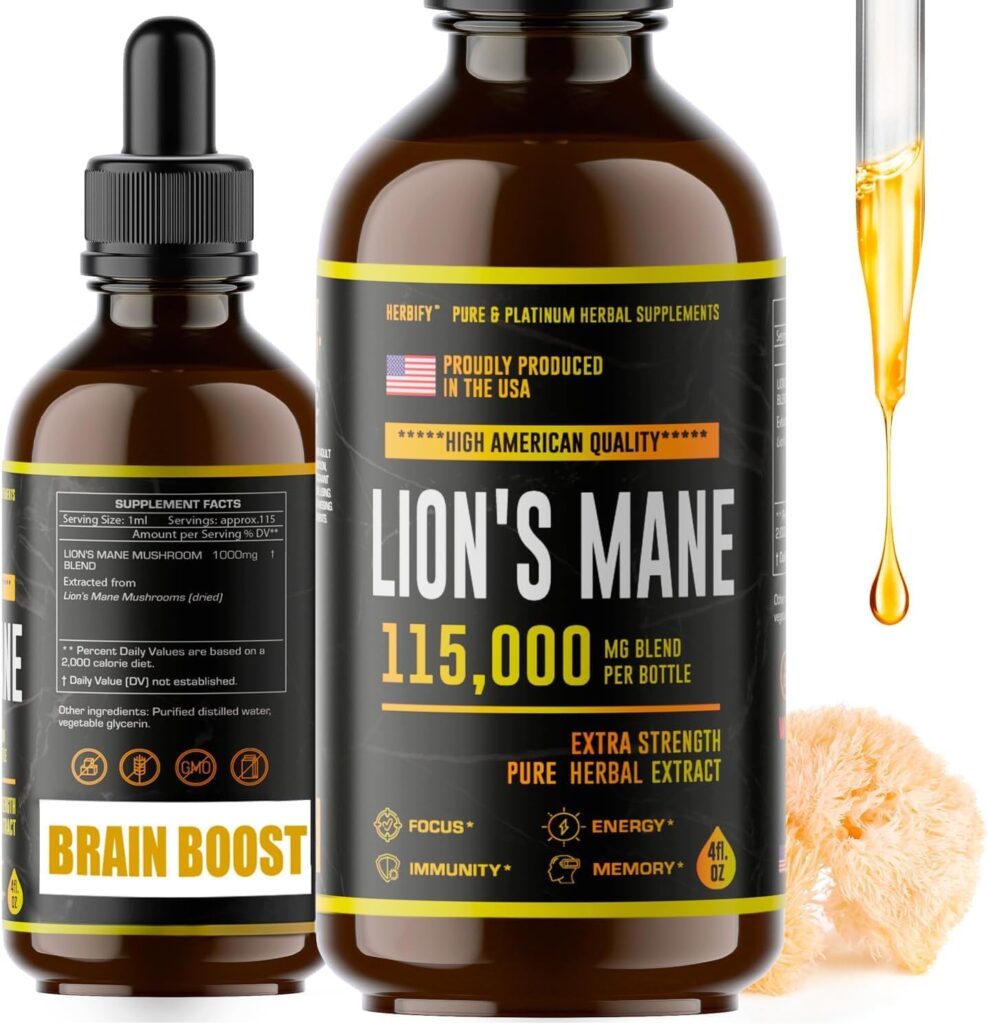
Embrace the power of lion’s mane with a product that’s been crafted with purpose. Whether you’re looking to elevate your focus, improve memory, or enhance mood, this tincture could be the natural solution your brain and body have been waiting for.
Cordyceps Gummies: The Convenient Powerhouse in a Bottle
Imagine a world where you can get the robust benefits of one of nature’s most potent medicinal mushrooms—Cordyceps—combined with a convenient, tasty, and naturally-powered supplement. Enter Cordyceps Gummies—the perfect marriage of modern wellness and ancient tradition, delivering a revolutionary addition to your health regimen in every bite. Whether you’re an athlete seeking that extra edge, a professional looking to stay sharp all day, or just want to feel strong naturally, Cordyceps gummies are here to elevate your performance.
Key Benefits of Cordyceps Gummies
| Benefit | Description |
|---|---|
| Natural Energy Boost | Each serving delivers a potent 3000mg of Cordyceps mushroom to revitalize energy. |
| Supports Stamina and Endurance | Cordyceps sinensis and militaris provide stamina-boosting properties rooted in traditional Tibetan and Chinese medicine. |
| Improves Skin Health | Contains Vitamin B3, B5, and C, known to support skin tone, texture, and hydration. |
| Easy, Delicious Consumption | A delightful, orange-flavored experience that feels more indulgent than medicinal. |
| No Artificial Additives | Free of artificial additives and preservatives, supporting pure, wholesome health. |
Nutritional Highlights of Cordyceps Gummies
| Nutrient | Amount Per Serving | Benefit |
|---|---|---|
| Cordyceps Mushroom | 3000mg (sinensis and militaris) | Boosts energy, enhances endurance, supports immune health. |
| Vitamin B3 | 60mg | Promotes healthy skin, aids in energy production. |
| Vitamin B5 | 30mg | Supports skin hydration and improves texture. |
| Vitamin C | 600mg | Antioxidant support, aids collagen production, boosts immunity. |
Each bottle contains a generous 60 gummies (or 30 servings), so you’ll have a full month’s supply of functional, tasty health support at your fingertips.
How To Take Cordyceps Gummies for Best Results
- Suggested Use:
- Take 2 gummies, 30 mins before you want to feel the effects.
- Optimal Timing:
- Whether in the morning for an all-day energy boost or pre-workout to enhance performance, these gummies deliver results.
- Tips for Consistency:
- Adhering to regular use maximizes the benefits, helping you feel strong and revitalized daily.
Note: Some customers report a white, mold-like appearance on the gummies. This is not mold but rather a natural crystallization from the pectin used in our products—a testament to our commitment to natural, wholesome ingredients.
Why Cordyceps Gummies?
| Feature | Why It Matters |
|---|---|
| Natural Ingredients | We believe that health should be pure, so we use only nature’s best—no artificial junk. |
| Power of Cordyceps | Cordyceps has a storied history in Tibetan and Chinese medicine for energizing and restorative properties. |
| Convenient and Tasty | Combined convenience with a flavor that’s as enjoyable as it is functional. |
| 1-for-1 Impact | For every bottle sold, a donation goes to Angels Reach, providing essential nutritional support to pregnant women and children worldwide. |
Frequently Asked Questions
Q: Can I combine Cordyceps Gummies with other supplements?
A: Yes, you can combine Cordyceps Gummies with other wellness supplements, but always check the suggested use per bottle for best practices.
Q: What’s the white, mold-like stuff on some gummies?
A: That’s pectin crystallization—a normal phenomenon due to natural ingredients. We avoid artificial additives, so this sometimes happens as part of the process.
Q: Are these suitable for daily use?
A: Absolutely. Our Cordyceps gummies are designed to be a daily supplement, providing 3000mg of Cordyceps mushroom per serving to support your energy, stamina, and overall wellness.
Who Should Take Cordyceps Gummies?
| Ideal For | Why Cordyceps Gummies Are Effective |
|---|---|
| Active Men | Helps boost endurance and energy naturally for gym or sport. |
| Busy Professionals | Provides a convenient way to sustain energy throughout the workday. |
| Wellness Enthusiasts | Enhances overall health with a natural, potent mushroom supplement. |
| Skin Care Aficionados | The vitamins B3, B5, and C support improved skin hydration and texture. |
FAQ for a Deeper Understanding
| Question | Answer |
|---|---|
| Can I combine Cordyceps Gummies with other supplements? | Yes, as a standalone or combined with other wellness supplements like Dirtea, they’re highly versatile. |
| Is it normal to see white-like spots in the bottle? | Yes, this can occur from natural pectin crystallization and is safe. |
| How many gummies are in a bottle? | Each bottle contains 30 gummies, providing 60 servings per pack. |
Q: Can Cordyceps Gummies Help with Mental Clarity and Focus?
A: Cordyceps isn’t just for physical endurance; it’s like a secret sauce for mental stamina, too. By supporting oxygen flow and blood circulation, it can provide a subtle lift in mental clarity and focus. So whether you’re hitting the gym or a big meeting, those Cordyceps Gummies may just help you stay sharp.
Q: Are Cordyceps Gummies Suitable for Keto or Low-Carb Diets?
A: Yes and no. Cordyceps Gummies can be relatively low in sugar depending on the brand, but it’s crucial to check the label to be sure. Some gummies contain sweeteners or other ingredients that might affect ketosis. But here’s the beauty: Cordyceps itself is keto-friendly. So, if you’re strict keto, you could still get your Cordyceps in capsule or powder form if the gummies don’t fit the bill.
Q: Do Cordyceps Gummies Interact with Caffeine?
A: While Cordyceps and caffeine are like two peas in the energy pod, they don’t actually interact in a negative way. In fact, pairing Cordyceps with your morning coffee might amplify your energy without the “jitters.” Cordyceps tends to work on a cellular level, promoting stamina over the long haul, while caffeine is all about that quick kick. So, combined, you’re looking at a smooth, sustained boost.
Q: Will Cordyceps Gummies Affect Sleep Patterns?
A: Surprisingly, Cordyceps doesn’t usually keep people awake. Although it enhances energy and endurance, it also helps balance stress hormones. This means it can support better sleep by helping your body adapt to physical and mental stress. So, if you take these gummies earlier in the day, you may find you’re still getting a solid night’s rest without them interfering.
Q: Are There Any Unique Side Effects from Taking Cordyceps in Gummy Form?
A: Not usually, but here’s a heads-up: Cordyceps is known to be quite potent, and for some people, that means digestive adjustments. You might feel a mild stomach upset if you’re new to the supplement. But with gummies, this effect is often gentler because they digest more gradually than powders or capsules. Stick with the suggested serving, and give your system a few days to adjust if you’re new to the Cordyceps life.
Q: Do Cordyceps Gummies Have Benefits for Respiratory Health?
A: Yes, and this is a big one. Cordyceps has been used for centuries in traditional Chinese medicine to support lung health and oxygen utilization. Studies show Cordyceps can help improve respiratory function, which is part of why it’s so popular with athletes and anyone aiming to optimize endurance. So, when you’re crushing cardio or just powering through a long workday, Cordyceps Gummies could be helping you breathe a bit easier.
Q: Can Cordyceps Gummies Be Used Before Intense Workouts for Pre-Workout Support?
A: Absolutely. Cordyceps is nature’s answer to endurance, so it’s a solid pre-workout choice if you’re looking to push limits. Taking gummies 30-60 minutes before your workout can give you a natural lift without the synthetic buzz you get from most pre-workouts. Just make sure to follow your typical serving size — Cordyceps is strong, and it’s about long-lasting stamina rather than instant energy.
Q: How Does Cordyceps Compare to Other “Adaptogen” Mushrooms Like Lion’s Mane or Reishi?
A: Great question. While Lion’s Mane is your mushroom for mental focus and Reishi is often called the “chill” mushroom, Cordyceps is all about physical endurance and energy. Each adaptogen has its unique personality: Cordyceps works on your stamina and athletic capacity, Lion’s Mane supports cognitive function, and Reishi calms the system. Think of them as a powerhouse trio, each working their own angle.
Q: What Should I Do If My Gummies Have Crystallization or a Slight White Film?
A: Totally normal, and here’s why: many Cordyceps Gummies use pectin, a natural ingredient, for that soft, chewy consistency. Sometimes, this causes harmless crystallization on the surface. No worries — it doesn’t mean the gummies are going bad. Just give them a little shake, store them in a cool, dry place, and they’re good to go.
Conclusion
Cordyceps gummies offer an innovative, indulgent way to harness the power of Cordyceps mushroom, blended with essential vitamins and a taste you’ll look forward to every day. With no artificial additives, an all-natural ingredient list, and the strength of a 3000mg serving of Cordyceps mushroom, these gummies are more than a supplement—they’re a modern wellness experience in every bite. So grab a bottle, take two, and let the strength of Cordyceps carry you through.
What Is Cordyceps: The Ultimate Rundown for Modern-Day Vitality
Cordyceps might sound like it’s ripped straight out of a sci-fi plot, but it’s a centuries-old superfood powerhouse with roots in Traditional Chinese Medicine (TCM). Known scientifically as Cordyceps sinensis and Cordyceps militaris, this fungus grows in the high-altitude regions of Asia and is typically found taking over – brace yourself – insect larvae, mostly caterpillars. While wild Cordyceps sinensis are rare and expensive to harvest, modern cultivation in controlled environments makes it possible to enjoy cordyceps supplements and powders without any bug encounters.
Nutrient-Dense Superfood with Ancient Roots
Cordyceps’ impact on wellness extends beyond its unique growth pattern. This medicinal mushroom packs a punch of nutrients that support various body systems. Research reveals that cordyceps, especially the mycelium – the networked, root-like structure – boasts anti-inflammatory, anti-cancer, and even immune-boosting properties. Plus, its unique ability to influence cellular activity without targeting a single body system makes it an adaptogen, meaning it helps your body respond to stress. But here’s where the magic kicks up a notch: studies dating back to 1999, 2004, and beyond demonstrate its potential effects on liver health, circulation, and even athletic performance.
How Cordyceps Works: Science-Backed Benefits
If you’re about that all-in approach to fitness, you’ll be glad to know cordyceps has been linked to enhanced physical performance. One study compared cordyceps use to a placebo, and researchers saw performance boosts over a few weeks. This is partly thanks to cordycepin – the fungal compound helping increase oxygen utilization, possibly making cardio or weightlifting sessions feel less grueling. This mushroom isn’t just a one-trick pony; its adaptogenic effects support the liver, fight inflammation, and aid cellular health in general.
Ready to Try? What to Know Before You Dive In
Cordyceps can be found in various forms – powders, capsules, or even in smoothies. If you’ve checked out product labels, you’ve likely seen companies throwing around “cordyceps” without specifying whether they’re using the more common militaris or the pricier sinensis. Both species have been studied for their effects, but it’s worth knowing that most of what’s available today is Cordyceps militaris, often grown on cereal grains in large warehouses or under fermentation processes. This type offers similar health perks but at a more approachable price point.
Important Note: Since cordyceps might have antiplatelet (blood-thinning) effects, anyone on blood thinners should consult a healthcare provider before diving into cordyceps products.
Incorporating Cordyceps Into Your Routine
Incorporating cordyceps into your routine is easy. A revitalizing smoothie, a morning capsule, or stirring it into your coffee can give you a boost. Companies tend to overuse the term “cordyceps,” so double-check you’re buying a reputable brand that clearly labels the species and cultivation method. For those who believe in the power of mushrooms, cordyceps offers a blend of science-backed vitality and ancient wisdom – a true superfood that might just redefine your wellness game.
Q&A: Diving Deeper
Q: Does the temperature or altitude where cordyceps grow affect its potency?
A: Absolutely, altitude and temperature are huge factors in the growth and potency of cordyceps, especially with wild Cordyceps sinensis. The natural environments where these fungi thrive—cold, high-altitude Himalayan regions—encourage them to develop the compounds that make them so sought after. When cultivated in a lab or grown at lower altitudes, cordyceps will still provide benefits, but the chemical profile may slightly differ from that of wild-harvested cordyceps, meaning the potency might not be quite as intense. So, if you’re a purist looking for the highest impact, natural cordyceps grown in their native environments may be the way to go.
Q: Are there any specific types of workouts that pair best with cordyceps supplements?
A: You bet. If you’re hitting intense cardio sessions or endurance training like cycling, running, or HIIT, cordyceps might be your new best friend. Why? Cordyceps enhances ATP (the energy currency in your cells), helping muscles use oxygen more efficiently. But don’t just take it from us—this fungus has been traditionally used by Tibetan athletes looking for an extra edge in high-altitude environments. For weightlifters, cordyceps may help delay fatigue so you can lift heavier, longer, and more explosively. Its adaptogenic properties are particularly valuable for recovery-focused routines, supporting muscle repair and energy balance post-workout.
Q: Can cordyceps improve mental clarity or cognitive performance?
A: Surprisingly, yes! While most of the studies on cordyceps focus on physical endurance, there’s emerging research hinting at cognitive perks too. Cordyceps is packed with antioxidants and supports circulation, which, as you might guess, doesn’t just fuel muscles but also gets blood flowing to the brain. By increasing blood flow, cordyceps may improve focus, mental energy, and clarity. If you’re taking on mentally taxing work or juggling high-stakes responsibilities, this mushroom might just offer the stamina boost your brain’s been craving.
Q: What should I watch out for on cordyceps product labels to avoid low-quality or “watered-down” supplements?
A: Great question. The cordyceps world is filled with buzzwords, so here’s what you should know: Cordyceps sinensis is considered the traditional powerhouse and tends to be expensive. Many brands use Cordyceps militaris, which is similar but cheaper and easier to cultivate. Make sure the product clearly states whether it’s using the “mycelium” or “fruiting body.” Fruiting bodies are richer in beneficial compounds but more difficult to grow, so a high-quality supplement should contain fruiting body extracts for maximum effectiveness. Watch for fillers, too—if you’re seeing loads of “organic rice” or “oat flour,” you’re paying more for less.
Q: How do cordyceps interact with the immune system, especially in colder months?
A: Cordyceps have natural compounds like polysaccharides and sterols that support the immune system on a cellular level. When taken regularly, especially in the lead-up to the cold and flu season, cordyceps may help your body stay on the offense rather than the defense. By modulating immune activity rather than stimulating it outright, this mushroom helps your immune system adapt and respond as needed, without overtaxing your body. It’s no wonder cordyceps are considered one of TCM’s go-to ingredients for seasonal immune health.
Q: Are there any creative ways to include cordyceps in my diet beyond capsules and powders?
A: Definitely! If you’re up for a culinary twist, try stirring cordyceps powder into your morning coffee, post-workout shake, or even baked goods for a hint of earthy flavor. Cordyceps are versatile and easy to slip into a smoothie or a soup for a grounding, energizing effect. Plus, because cordyceps pairs well with other medicinal mushrooms, consider mixing it with reishi for calm or lion’s mane for added mental sharpness. Just keep the heat to medium, as extreme temperatures might impact some beneficial compounds.
Q: Are there any known side effects with long-term cordyceps use?
A: Cordyceps are generally safe when taken at recommended doses, but, as with anything, moderation is key. Over long periods, cordyceps could slightly thin the blood, so if you’re on any medication for blood pressure or blood thinning, check in with your doctor before making cordyceps a daily thing. Otherwise, most people don’t experience side effects, though some may find a boost in energy that could interfere with sleep. To play it safe, take your cordyceps earlier in the day and stick to the suggested dose.
Q: Can cordyceps support liver function and detox?
A: Yes, there’s actually some solid evidence that cordyceps supports liver health and may even assist in cellular regeneration within the liver. This is especially true if you’ve put in some mileage at the bar or faced other liver-taxing lifestyle factors. Cordyceps aids in reducing oxidative stress, giving your liver the support it needs to process toxins and stay sharp. If you’re into a healthy “detox” approach without the hype, cordyceps might be a game-changer for keeping things running smoothly behind the scenes.
Incorporating these Q&As into your cordyceps exploration can help elevate how you approach this medicinal mushroom. Whether it’s performance, immune health, or just general vitality, these Q&As cover the hidden gems that make cordyceps a truly versatile addition to your wellness arsenal.
Creatine Myths Busted: Does It Actually Make You Gain Weight?
When it comes to creatine, there are endless myths about its impact on weight, muscle gains, and overall health. Among the most common misconceptions is the idea that creatine inevitably leads to weight gain—an intimidating thought for many athletes and fitness enthusiasts who are trying to build muscle without unwanted bulk. This article dives into the truth behind creatine and weight gain, busting myths to give you a clear, science-backed understanding of how creatine really works.
The Myth: “Creatine Makes You Gain Weight”
Creatine is often linked to weight gain, but not in the way many people assume. Creatine does encourage some increase in body weight, but it’s essential to understand where that weight is coming from and what it actually does for your body.
| Myth | Truth |
|---|---|
| Creatine will make you gain fat weight. | Creatine mainly increases water content in muscles, not fat gain. |
| Creatine will make you bulky and bloated. | It can cause slight water retention, but this effect varies and is often temporary. |
| Creatine causes muscle cramping and dehydration. | When used properly, creatine does not lead to cramps or dehydration. |
So, Does Creatine Make You Gain Weight?
The short answer is yes, but let’s clarify: the weight gain associated with creatine is generally due to increased water content in the muscles, rather than fat accumulation. Here’s how it works:
- Increased Muscle Water Content:
- Creatine draws water into muscle cells, leading to a small increase in water weight.
- This increased water helps improve muscle hydration, which enhances exercise performance and recovery.
- Muscle Growth Over Time:
- While initial weight gain may come from water, creatine supports increased muscle mass when combined with strength training.
- Creatine helps your muscles work harder, allowing for improved strength gains and increased lean muscle mass.
- Glycogen Storage:
- Creatine aids in glycogen storage, which adds volume to your muscles and can contribute slightly to weight.
Debunking Common Creatine Myths
| Myth | Reality |
|---|---|
| Myth 1: Creatine Causes Bloating | Bloating is often mild and varies by individual; any retention is typically in the muscles. |
| Myth 2: Creatine Leads to Fat Gain | Creatine does not contain calories and does not directly cause fat gain. |
| Myth 3: Creatine Damages Kidneys | Studies show that creatine is safe for healthy individuals when taken at recommended doses. |
| Myth 4: You Have to Load Creatine | While loading speeds up muscle saturation, it’s not essential for creatine’s effectiveness. |
How to Minimize Water Weight Gain from Creatine
If you’re concerned about potential water weight, there are strategies to reduce this effect while still reaping the benefits of creatine:
- Stay Hydrated: Proper hydration can help prevent excess water retention.
- Choose Micronized Creatine: Micronized creatine is easier to absorb and may cause less water retention for some users.
- Start with a Smaller Dose: Begin with 2-3 grams daily instead of the standard 5-gram dose to gauge how your body responds.
- Take Creatine with Carbs Post-Workout: This timing can help with better muscle uptake and may lessen water retention elsewhere in the body.
Benefits of Creatine Beyond Weight Gain
Creatine isn’t just about weight; its primary benefits support muscle power, endurance, and recovery, making it popular among athletes and bodybuilders alike. Here’s a look at the key advantages:
| Benefit | Description |
|---|---|
| Increases Muscle Strength | Supports short bursts of energy for heavy lifts and high-intensity workouts. |
| Enhances Muscle Recovery | Aids in quicker recovery between sets, leading to more effective workouts. |
| Improves Cognitive Function | Emerging research shows potential benefits for brain function and memory. |
| Supports Muscle Cell Hydration | Keeps muscles hydrated, which can reduce muscle soreness and aid recovery. |
How to Incorporate Creatine Safely
Creatine is one of the most researched supplements and, when used correctly, it’s safe for the majority of individuals. Here’s how to add it to your regimen effectively:
- Standard Dose: Aim for 3-5 grams of creatine monohydrate daily.
- Optional Loading Phase: For quicker results, take 20 grams daily in 4 doses over 5-7 days, then continue with 3-5 grams daily.
- Timing: Take creatine post-workout with a source of carbohydrates for optimal muscle uptake.
- Hydration: Drink sufficient water throughout the day to support creatine absorption and reduce any water retention.
Who Should Use Creatine?
| Who | Why Creatine is Beneficial |
|---|---|
| Strength Athletes | Improves power and strength for exercises like weightlifting and sprinting. |
| Bodybuilders | Helps with muscle volume and lean mass gains when paired with training. |
| Endurance Athletes | May delay fatigue, allowing for prolonged exercise performance. |
| Older Adults | Research suggests it supports muscle health and cognitive function as we age. |
Q&A for a Deeper Understanding
Q: How does creatine affect muscle performance?
A: Creatine enhances your body’s ability to produce ATP (adenosine triphosphate), which is the primary energy carrier in muscle cells. More ATP means your muscles have more energy for intense, short-duration exercises like weightlifting and sprinting. This leads to improved performance, allowing you to train harder and recover faster, which indirectly supports muscle growth.
Q: Will creatine cause bloating and digestive issues?
A: Some people experience mild bloating or stomach discomfort, particularly when starting creatine or during a loading phase. However, this effect usually subsides as your body adjusts. To avoid digestive issues, try splitting your daily dose into two smaller servings or take micronized creatine, which is designed for easier digestion and absorption.
Q: Does creatine cause dehydration or cramping?
A: There’s a common belief that creatine leads to dehydration and muscle cramping. However, research does not support this claim. Creatine actually promotes better water retention within muscle cells, helping with hydration. Staying properly hydrated while using creatine is essential, especially if you’re engaging in intense physical activity.
Q: Is a loading phase necessary for creatine?
A: The loading phase, which involves taking around 20 grams of creatine per day for 5-7 days, isn’t essential but can help saturate your muscles with creatine faster. After this phase, you can switch to a maintenance dose of 3-5 grams daily. If you prefer a slower approach, you can skip the loading phase and start directly with the maintenance dose, though it will take a bit longer (about 3-4 weeks) to reach full muscle saturation.
Q: Does creatine increase body fat?
A: Creatine itself contains zero calories, so it doesn’t directly increase body fat. The weight gain associated with creatine is primarily from water retention in muscle cells, not fat. Some users may notice a fuller appearance due to muscle volume increase, but it’s unrelated to fat gain.
Q: How should I take creatine if I want to minimize water retention?
A: If water retention is a concern, try these tips:
- Reduce dosage: Take a smaller daily dose (around 2-3 grams).
- Stay hydrated: Drinking adequate water helps prevent excess fluid retention.
- Use micronized creatine: It may reduce bloating and retain less water outside of muscles.
Q: What are the benefits of creatine beyond muscle gain?
A: Beyond muscle growth and athletic performance, research suggests creatine may benefit cognitive function, help with neuromuscular diseases, and support age-related muscle loss. Its potential cognitive benefits stem from creatine’s ability to increase ATP levels in the brain, which may enhance mental performance and memory.
Q: Is creatine safe for long-term use?
A: Numerous studies indicate that creatine is safe for long-term use when taken within the recommended dosage (3-5 grams per day). It’s one of the most extensively researched supplements, with no evidence of harm to healthy individuals when used correctly. However, those with pre-existing kidney issues should consult their healthcare provider before starting creatine.
Q: Can I take creatine while trying to lose weight?
A: Yes, you can take creatine while aiming for weight loss. Creatine won’t interfere with fat loss since it doesn’t contain calories. In fact, it can help you maintain muscle mass during a calorie deficit, which is beneficial for preserving metabolism. Just keep in mind that any minor weight increase due to water retention isn’t related to fat gain.
Q: Are there people who shouldn’t take creatine?
A: While creatine is safe for most people, those with kidney issues or specific medical conditions should consult their healthcare provider before using it. Pregnant or breastfeeding women and children under 18 should also avoid creatine unless recommended by a healthcare professional.
Q: Does creatine have any effect on testosterone or hormone levels?
A: There’s no evidence suggesting that creatine directly increases testosterone or affects hormone levels. Creatine supports muscle performance and growth, which can indirectly improve energy and recovery but does not significantly alter hormonal balance.
Q: How long does it take to see results with creatine?
A: If you use a loading phase, you may start noticing results within a week, such as improved endurance and slight muscle fullness. Without loading, it typically takes 3-4 weeks to feel the full benefits. Over time, creatine aids in strength and muscle gains, but consistency with your training and diet is key.
Q: Should I cycle creatine, or can I take it year-round?
A: Cycling creatine (taking breaks every few months) is a common approach, but it’s not necessary for effectiveness. Long-term use is generally safe, and your body doesn’t build a tolerance. If you prefer to cycle off for a few weeks occasionally, it’s okay but not required.
Q: Can I take creatine on rest days?
A: Yes, taking creatine on rest days helps maintain muscle saturation levels. A standard dose of 3-5 grams daily, regardless of workout status, keeps your muscles ready to perform at their best when you hit the gym again.
Wrapping Up
While creatine does lead to a small amount of weight gain, this effect is primarily due to water retention in muscle cells and not an increase in body fat. For most people, this initial weight gain is mild, temporary, and doesn’t detract from creatine’s impressive benefits for strength, endurance, and muscle growth. By understanding how creatine affects your body, you can use it confidently to support your fitness goals without fear of unwanted bulk.
Does Beta-Alanine Expire? A Deep Dive into Shelf Life and Effectiveness
Many athletes use **beta-alanine** to delay muscle fatigue and enhance endurance, but a common concern arises: Does beta-alanine expire? While supplements are labeled with expiration dates, understanding their **real shelf life, signs of degradation,** and **storage practices** is key to maintaining potency. In this article, we explore how beta-alanine holds up over time, factors affecting its stability, and tips to keep it effective.
How Long Does Beta-Alanine Last?
| Beta-Alanine Form | Average Shelf Life | Notes |
|---|---|---|
| Powdered Beta-Alanine | 2-3 years | Highly stable under proper storage. |
| Capsules or Tablets | 2-4 years | Encapsulation adds protection from humidity. |
| Beta-Alanine Blends | 1-2 years | Stability varies with added ingredients. |
| Pre-Workout with Beta-Alanine | 1-2 years | Prone to degradation if exposed to air or moisture. |
Does Beta-Alanine Lose Potency After Expiration?
- Powder Form: Retains stability if kept dry and sealed.
- Degradation Indicators: Moisture exposure can cause clumping and reduced solubility.
- Testing Potency: Dissolve a small dose. Poor solubility or changes in taste may signal reduced effectiveness.
How to Store Beta-Alanine for Maximum Longevity
| Storage Tip | Reason | Result |
|---|---|---|
| Store in a cool, dry place | Reduces moisture exposure that leads to clumping. | Prevents degradation. |
| Keep the container sealed | Prevents air and humidity from entering. | Maintains potency over time. |
| Avoid direct sunlight | UV rays can affect ingredient stability. | Extends shelf life. |
| Use silica gel packs | Absorbs moisture within the container. | Keeps powder dry and clump-free. |
How to Tell If Beta-Alanine Has Gone Bad
| Sign | What It Indicates |
|---|---|
| Clumping | Moisture exposure has compromised the product. |
| Strange odor or taste | Possible contamination or chemical breakdown. |
| Poor solubility | May indicate reduced potency. |
| Color changes | Potential sign of spoilage or contamination. |
Is Expired Beta-Alanine Safe to Use?
| Factor | Explanation |
|---|---|
| Safety | Generally safe unless signs of contamination are present. |
| Effectiveness | Potency might decline over time, especially if stored improperly. |
| Best Practice | Replace if the product shows spoilage signs. |
Comparing Beta-Alanine Stability
| Product Form | Stability Over Time | Recommendation |
|---|---|---|
| Powder | Highly stable if stored properly. | Best for long-term use. |
| Capsules | More protected but still affected by humidity. | Ideal for convenience. |
| Pre-Workout Blends | Less stable due to multiple ingredients. | Consume within a year. |
How to Use Older Beta-Alanine
- Check for clumping or odor: Discard if spoilage is evident.
- Test a small amount: Dissolve and taste to confirm potency.
- Mix with other supplements: If flavor changes are mild, use in pre-workouts or shakes.
Alternatives to Expired Beta-Alanine
| Alternative Product | Reason to Switch |
|---|---|
| Fresh Beta-Alanine Powder | Avoids potential degradation issues. |
| Encapsulated Beta-Alanine | More stable and easier to store. |
| Carnosine Supplements | Provides similar benefits for endurance. |
| Pre-Workouts with Beta-Alanine | Convenient for multi-benefit use. |
Conclusion
Though **beta-alanine** comes with an expiration date, it remains stable under the right conditions. **Proper storage**—away from light, heat, and moisture—prolongs its effectiveness. While using expired beta-alanine is usually safe, clumping, odor, or poor solubility indicate it’s time to replace it. To ensure optimal performance, always check for spoilage and consider switching to a fresh batch when in doubt.
Micronized Creatine: How It Boosts Recovery Times for Athletes
When it comes to enhancing performance and recovery, micronized creatine has become a top choice for athletes. Known for its fine particle size and improved solubility, micronized creatine not only helps in increasing muscle strength but also works to boost recovery times after intense workouts. This powerful supplement accelerates muscle repair, reduces soreness, and helps athletes get back to training faster. Below, we’ll explore the key benefits, how micronized creatine compares to regular creatine, and the best ways to incorporate it into your routine for speeding up recovery.
Key Benefits of Micronized Creatine for Recovery
| Benefit | Description |
|---|---|
| Faster Muscle Recovery | Shortens recovery time by replenishing ATP stores. |
| Enhanced Muscle Repair | Promotes quicker repair of muscle fibers after exercise. |
| Reduced Soreness | Minimizes post-workout muscle soreness and fatigue. |
| Improved Absorption | Micronized creatine dissolves better, ensuring quicker uptake. |
| Increased Strength Gains | Supports greater strength gains over time. |
| Hydration Support | Helps retain water in muscle cells, aiding in recovery. |
How Micronized Creatine Speeds Up Recovery
Micronized creatine is specifically designed to be absorbed faster and more efficiently by the body compared to traditional creatine monohydrate. Its smaller particles allow for quicker digestion, ensuring that the creatine reaches muscle cells sooner to accelerate recovery times. By replenishing the body’s ATP stores, micronized creatine gives muscles the energy needed to repair themselves more quickly after strenuous exercise, helping to speed up post-workout recovery and reduce downtime between training sessions.
Micronized Creatine vs. Traditional Creatine
| Micronized Creatine | Traditional Creatine |
|---|---|
| Faster absorption due to smaller particles | Slower absorption, may lead to bloating in some cases. |
| Dissolves more easily in liquids | May leave gritty residue or clump in shakes. |
| Better suited for sensitive stomachs | Can sometimes cause stomach discomfort. |
| More effective for faster recovery times | Recovery benefits, but with slower digestion. |
Best Times to Use Micronized Creatine for Recovery
- Post-Workout: Taking micronized creatine right after exercise helps replenish energy stores and boost recovery times.
- Pre-Workout: Supplementing with micronized creatine before training can increase muscle power and endurance, while also preparing your muscles to recover faster.
- On Rest Days: Consistent use of micronized creatine on rest days ensures your muscles remain saturated with creatine, helping to accelerate recovery even when you’re not working out.
How Micronized Creatine Enhances Muscle Repair
The main way that micronized creatine helps to speed up recovery is by replenishing ATP (adenosine triphosphate), the primary energy source for muscles. After an intense workout, your ATP levels become depleted, and your muscles need energy to start repairing damaged fibers. By supplementing with micronized creatine, you can restore these energy levels faster, promoting quicker muscle repair and helping to reduce recovery times.
Complementary Supplements for Recovery
While micronized creatine is highly effective on its own, pairing it with other supplements can further enhance your recovery:
| Supplement | Benefit |
|---|---|
| BCAAs | Supports muscle repair and reduces soreness. |
| Protein Powder | Provides essential amino acids for muscle growth. |
| Glutamine | Reduces muscle fatigue and promotes faster recovery. |
| Electrolytes | Helps maintain hydration, essential for muscle recovery. |
Common Issues and Solutions
| Issue | Solution |
|---|---|
| Slow Results | Ensure consistent daily use for best results. |
| Gastrointestinal Discomfort | Opt for micronized creatine, which is easier on the stomach. |
| Lack of Energy | Combine creatine with a post-workout meal for better energy restoration. |
| Not Enough Recovery | Increase water intake and ensure adequate protein in your diet. |
What Users Are Saying About Micronized Creatine for Recovery
| Positive Feedback | Constructive Feedback |
|---|---|
| “I noticed faster recovery after just a week!” | “The effects take a bit longer if you don’t drink enough water.” |
| “I love how easily it mixes into my shakes.” | “I wish it came in flavored versions.” |
| “No bloating like with regular creatine.” | “It’s effective but takes time to build up in your system.” |
Best Practices for Using Micronized Creatine
- Stay Hydrated: Creatine draws water into your muscles, so staying well-hydrated enhances its effects and improves muscle recovery.
- Cycle Creatine: Some users find it helpful to cycle on and off creatine for the best results.
- Combine with Protein: Pairing micronized creatine with protein post-workout ensures your muscles have the building blocks they need for repair.
Who Should Use Micronized Creatine?
Micronized creatine is ideal for:
- Athletes Seeking Faster Recovery: It helps to boost recovery times, allowing athletes to train more frequently without muscle fatigue.
- Those Building Muscle: Enhances muscle growth and repair, making it perfect for bodybuilders.
- Endurance Athletes: Helps improve stamina while speeding up recovery between long training sessions.
- Anyone Looking to Enhance Strength: Supports greater strength gains over time and shortens recovery periods.
Conclusion
If you’re looking to boost recovery times, micronized creatine supplementation is an excellent choice. Its superior absorption and ability to quickly replenish energy stores make it a must-have for athletes and fitness enthusiasts who want to reduce downtime between workouts. By incorporating micronized creatine into your routine, you’ll not only speed up post-workout recovery but also enhance muscle repair, reduce soreness, and improve overall performance.
Micronized Creatine: A Complete Guide to Improving Strength
If you’re looking to improve strength, micronized creatine is one of the most effective supplements available. Known for its ability to enhance muscle power and boost workout performance, micronized creatine is a staple in fitness routines aimed at increasing physical strength and endurance. In this guide, we’ll cover the key benefits, how it works, and the best ways to incorporate this muscle-boosting solution into your training regimen.
Key Benefits of Micronized Creatine
| Benefit | Description |
|---|---|
| Enhances Muscle Power | Helps muscles produce more energy during high-intensity activities. |
| Increases Strength Gains | Supports greater strength and power output in the gym. |
| Boosts Workout Endurance | Allows you to perform more reps, sets, or heavier lifts. |
| Speeds Up Recovery | Reduces muscle fatigue and accelerates post-workout recovery. |
| Improves Athletic Performance | Ideal for athletes who want to boost physical performance. |
How Micronized Creatine Works to Improve Strength
Micronized creatine is a form of creatine monohydrate that has been processed into smaller particles, making it easier to dissolve in liquids and absorb by the body. When you take micronized creatine, it increases the production of ATP (adenosine triphosphate) in your muscles, which is the primary energy source for short bursts of high-intensity activities like weightlifting, sprinting, and explosive movements. By increasing the availability of ATP, creatine helps you lift heavier, sprint faster, and improve strength in your workouts.
Best Practices for Using Micronized Creatine
- Loading Phase: Start with a higher dose (20g per day, divided into 4 servings) for 5–7 days to saturate your muscles with creatine.
- Maintenance Phase: After the loading phase, switch to 3–5g per day to maintain creatine levels and continue enhancing muscle power.
- Hydration: Drink plenty of water while taking creatine to ensure optimal absorption and prevent dehydration.
- Timing: Take micronized creatine before or after your workout to maximize its strength-boosting effects.
Micronized Creatine vs. Regular Creatine Monohydrate
| Micronized Creatine | Regular Creatine Monohydrate |
|---|---|
| Finer particles for easier mixing | Larger particles, which can leave a gritty texture. |
| Better absorption into the body | Slightly slower absorption rate. |
| Less bloating or stomach discomfort | May cause minor bloating in some individuals. |
| Easier to dissolve in water | Requires more stirring to fully dissolve. |
Complementary Supplements for Strength Enhancement
| Supplement | Benefit |
|---|---|
| Beta-Alanine | Increases endurance by buffering lactic acid in muscles. |
| Whey Protein | Supports muscle recovery and growth after workouts. |
| BCAAs (Branched-Chain Amino Acids) | Prevents muscle breakdown and enhances recovery. |
| Caffeine | Boosts energy and focus for more intense workouts. |
Common Questions About Micronized Creatine
- How does micronized creatine improve strength?
Micronized creatine boosts ATP production, which enhances muscle power during high-intensity exercises, allowing you to lift heavier and perform more reps. - Is micronized creatine better than regular creatine?
Both forms are effective, but micronized creatine dissolves more easily, is absorbed faster, and is less likely to cause bloating. - Can I take creatine every day?
Yes, you can take creatine daily. After the loading phase, a maintenance dose of 3–5g per day will help sustain strength and performance gains.
Real-Life Results: What Users Are Saying
| Positive Feedback | Constructive Feedback |
|---|---|
| “I’ve seen a noticeable increase in strength!” | “Takes about a week of use to feel the full effects.” |
| “Great for muscle recovery after heavy workouts!” | “Need to stay well-hydrated to avoid cramps.” |
| “Dissolves quickly in water and doesn’t upset my stomach.” | “Can be a bit pricey compared to regular creatine.” |
Micronized Creatine and Different Types of Workouts
| Workout Type | Why Use Micronized Creatine |
|---|---|
| Weightlifting | Lifts heavier weights and performs more reps due to increased ATP availability. |
| HIIT (High-Intensity Interval Training) | Enhances short bursts of high-intensity exercise. |
| Sprinting | Improves explosive power and speed. |
| Endurance Sports | Boosts muscle endurance, allowing for longer training sessions. |
Who Should Use Micronized Creatine?
- Strength Athletes: If you’re aiming to increase strength, creatine helps improve your lifting power.
- Bodybuilders: Enhances muscle fullness and assists in achieving hypertrophy.
- Endurance Athletes: Delays muscle fatigue, allowing for better performance in long workouts.
- Anyone Looking to Boost Performance: From gym enthusiasts to athletes, micronized creatine helps boost workout endurance and strength.
Conclusion
If you’re looking to improve strength and enhance muscle power, micronized creatine is a highly effective supplement. Its ability to boost ATP production makes it ideal for high-intensity workouts, weightlifting, and athletic performance. By incorporating micronized creatine into your fitness routine, you can increase workout endurance, recover faster, and lift heavier. For optimal results, use a consistent dosage, stay hydrated, and pair it with complementary supplements. Whether you’re focused on gaining muscle or enhancing endurance, micronized creatine is a proven tool for boosting physical performance.