
Archive for the ‘supplements’ Category
Powder Perfection: How to Choose the Best-Tasting Whey Protein
Ready to shake up your protein game? Let’s dive into the world of whey protein—the MVP of muscle-building supplements that doesn’t just fuel your fitness goals but tantalizes your taste buds too! Picture this: silky chocolate, velvety vanilla, and zesty strawberry flavors taking center stage in your post-workout shake. Whether you’re blending it with creamy almond milk, tossing it into your oatmeal, or whipping up a protein-packed smoothie, the right whey protein can transform “meh” into “magnificent.”
So, let’s make your protein game a flavor explosion. Ready, set, sip!
🏋️♂️ Why Whey Protein?
Whey protein isn’t just a supplement—it’s your partner in performance. Here’s why:
- Muscle Growth: Whey protein is loaded with essential amino acids, including leucine, to jumpstart muscle repair and growth.
- Quick Absorption: It digests fast, so your muscles get the nutrients they crave ASAP.
- Versatile: Whether it’s pre-workout fuel, post-workout recovery, or a midday snack, whey protein fits seamlessly into your routine.
🌟 Top Whey Protein Flavors
Say goodbye to boring shakes. Here’s a breakdown of flavors that win the taste test:
- Chocolate: Classic, rich, and versatile. Mix it with peanut butter for a Reese’s-inspired treat!
- Vanilla: The all-rounder. Add it to smoothies or bake it into pancakes.
- Strawberry: Sweet and fruity. Perfect for a refreshing twist.
- Salted Caramel: Sweet meets savory. Blend it with bananas for a decadent shake.
- Cookies and Cream: Dessert in a scoop. It’s a fan favorite for good reason.
🥤 How to Find Your Perfect Match
When choosing whey protein, consider these factors:
- Flavor Profile: Choose one you’ll love day after day—this is your protein BFF!
- Sweeteners: Opt for natural sweeteners like stevia or monk fruit if you want to avoid artificial options.
- Texture and Mixability: Go for a brand that blends seamlessly, no clumps allowed.
- Ingredients: Look for minimal fillers and high protein content per serving.
🏆 Best Whey Protein Brands for Flavor
- Optimum Nutrition Gold Standard: Known for its smooth flavors like Double Rich Chocolate and French Vanilla Cream.
- Dymatize ISO100: Offers gourmet flavors like Birthday Cake and Fudge Brownie.
- MyProtein Impact Whey: Affordable with a variety of unique options like Chocolate Mint.
- Ghost Whey: Trendy flavors like Cereal Milk and Chips Ahoy! for the adventurous.
🍴 Whey Protein Recipes to Try
Get creative in the kitchen with these simple recipes:
- Chocolate Peanut Butter Shake: Blend chocolate whey, almond milk, a banana, and a scoop of peanut butter.
- Protein Pancakes: Mix vanilla whey with oats, eggs, and a splash of almond milk. Cook on a skillet for fluffy goodness.
- Berry Blast Smoothie: Combine strawberry whey, frozen mixed berries, spinach, and water or milk.
- Energy Balls: Mix whey protein, rolled oats, honey, and chocolate chips. Roll into bite-sized treats.
🔍 Nutritional Considerations
- Protein Content: Aim for 20-25g per serving for optimal benefits.
- Additives: Check for unnecessary fillers or artificial ingredients.
- Allergens: Ensure the product is safe if you have sensitivities (e.g., lactose-free options).
- Cost: Balance quality with affordability—don’t sacrifice taste for a lower price.
💪 Whey FAQs
Q1: What makes whey protein taste good?
A1: The combination of flavoring, sweeteners, and texture determines the taste. Look for user reviews to find top picks!
Q2: Can I mix whey protein with water?
A2: Absolutely! While water keeps it light, milk or milk alternatives create a creamier texture.
Q3: What’s the best way to store whey protein?
A3: Keep it in a cool, dry place to maintain freshness.
Q4: Are flavored whey proteins less effective than unflavored ones?
A4: No, the flavoring doesn’t impact protein quality. It’s all about personal preference.
Q5: Can I bake with whey protein?
A5: Yes! Add it to recipes like muffins, pancakes, or cookies for a protein boost.
Fuel your workouts and delight your taste buds. The right whey protein doesn’t just make your muscles stronger—it makes life tastier! What are you waiting for? Scoop, sip, and savor. 💪
HMB Supplements for Muscle Preservation: The Unseen Game-Changer
You know that feeling—standing in front of the mirror, wondering if your gains are safe during a cut or a grueling week of workouts. You’ve put in the work, fought through soreness, and crushed every set. The last thing you want is to lose even a sliver of that hard-earned muscle. Enter HMB—a tool designed to help you keep what’s yours while pushing your body to its limits.
In this guide, I’m breaking down how this powerhouse fits into your fitness arsenal, why it works, and when it makes the most sense to use it.
What Is HMB, Really?
HMB, or beta-hydroxy beta-methylbutyrate, is a compound your body makes from leucine (yes, the same amino acid that’s a key player in muscle repair). Think of it as leucine’s overachieving cousin, hyper-focused on preventing muscle breakdown while supporting recovery.
Here’s where things get interesting: while leucine fuels muscle protein synthesis, HMB excels at limiting the damage. It’s the protective barrier your muscles need when you’re deep in a calorie deficit, ramping up training intensity, or recovering from tough sessions.
How Does HMB Work?
Let’s cut through the fluff. Muscle preservation boils down to two opposing forces:
- Muscle Protein Synthesis (building new tissue)
- Muscle Protein Breakdown (losing tissue)
HMB tips the balance in your favor by:
- Reducing Catabolism: It minimizes muscle protein breakdown by stabilizing cell membranes and supporting recovery at the cellular level.
- Enhancing Recovery: Speeds up the repair process after workouts, so you can hit it hard again sooner.
- Boosting Adaptation: Helps your body adjust to new training stress without sacrificing strength or size.
Who Benefits Most from HMB?
Here’s where we separate hype from reality. Not everyone needs this supplement, but it shines in specific situations.
Prime Candidates for HMB
| Scenario | Why HMB Matters |
|---|---|
| Cutting (Calorie Deficit) | Protects lean muscle when your body might otherwise break it down for fuel. |
| High-Intensity Training | Reduces soreness and enhances recovery after brutal sessions. |
| Age-Related Muscle Loss | Counteracts natural muscle decline as testosterone and activity levels drop. |
| Beginners | Minimizes muscle soreness and breakdown during the initial adaptation phase. |
The Science Behind the Claims
Here’s the deal: studies back this up. Research shows that supplementing with this compound can reduce muscle loss by up to 50% in situations where breakdown would typically occur—like extended fasting, extreme dieting, or overtraining.
Key Findings:
- Preservation Under Stress: HMB lowers markers of muscle damage during high-intensity or prolonged exercise.
- Improved Strength Gains: In some cases, it’s been shown to enhance strength development when paired with resistance training.
- Faster Recovery: Reduces delayed-onset muscle soreness (DOMS), so you bounce back faster.
How to Use HMB for Maximum Effect
Supplement timing and dosage are straightforward, but consistency is non-negotiable.
Dosage Guidelines
| Timing | Amount | Why It Helps |
|---|---|---|
| Daily | 3 grams | Ensures continuous protection against muscle breakdown. |
| Pre-Workout | 1-1.5 grams | Supports muscles under stress during exercise. |
| Post-Workout | 1-1.5 grams | Speeds up recovery and reduces muscle soreness. |
Whole Foods vs. Supplements: Can You Get Enough HMB Naturally?
HMB occurs naturally in small amounts in certain foods like alfalfa, catfish, and grapefruit. But here’s the kicker: the amounts are tiny. To get the equivalent of 3 grams a day (the optimal dose), you’d have to eat impractical quantities of these foods.
Why Supplements Are the Smarter Play
| Source | Amount of HMB | What It Takes to Hit 3 Grams |
|---|---|---|
| Alfalfa | ~0.01 g per 100 g | You’d need to eat an impossible 30 kg. |
| Catfish | ~0.04 g per 100 g | Nearly 7.5 kg a day—hope you like seafood. |
| Grapefruit | ~0.05 g per fruit | About 60 grapefruits per day. |
Supplements provide a concentrated, convenient way to get what your muscles need without turning your diet into a full-time job.
Do You Really Need HMB?
If you’re in maintenance mode with plenty of protein and calories, you might not notice a huge difference. But if you’re:
- Training at an intensity that leaves you wrecked,
- Working through a calorie deficit,
- Or looking for every edge to stay lean and strong…
HMB could be the X-factor you’ve been missing.
Choosing the Right Supplement
Not all products are created equal. Here’s what to look for:
- Purity: Look for free-acid HMB or calcium HMB—the two most bioavailable forms.
- Reputation: Stick to trusted brands with transparent labels.
- Third-Party Testing: Ensures you’re getting what’s on the label, without fillers or contaminants.
Final Thoughts: Protect What You’ve Built
You’ve worked too hard to let your progress slip away. Adding this compound to your routine is like putting a guardrail around your gains—it protects them while you focus on growing stronger, leaner, and more resilient.
The question isn’t whether it works—it’s whether you’re ready to take the next step in preserving what you’ve built. Let HMB do the heavy lifting on muscle preservation, so you can focus on crushing your next goal.
Every Athlete’s Secret Weapon: Top Muscle Recovery Supplements
Recovery isn’t a luxury—it’s the foundation for progress. Whether you’re hammering out heavy squats, clocking miles on the track, or just trying to outpace yesterday’s self, your body needs the right tools to bounce back stronger. And while hard work is non-negotiable, supplements can give you the edge to rebuild faster, reduce soreness, and keep the momentum rolling.
Let’s break down the most effective recovery aids for athletes—why they work, how to use them, and what sets them apart from the noise in the supplement aisle.
The Core of Recovery: It’s Not Just Rest
Training tears you down; recovery builds you back up. The right combination of nutrients ensures your body repairs muscles, replenishes energy stores, and fights off inflammation. But here’s the kicker: not all recovery aids are created equal.
The Pillars of Recovery
- Muscle Repair: Rebuilding those fibers stronger than before.
- Inflammation Control: Keeping post-exercise swelling in check.
- Energy Restoration: Replenishing glycogen to fuel your next session.
- Sleep Support: Enhancing the most critical recovery phase—deep sleep.
With these in mind, let’s dive into the heavy hitters of recovery nutrition.
1. Protein Powders: The Cornerstone of Repair
If recovery were a building, protein would be the bricks. After training, your muscles are primed for repair, and amino acids from protein act as the raw material for that process.
Why It Works
- Muscle Protein Synthesis: Repairs and builds new muscle fibers.
- Convenience: Perfect for a quick post-workout boost.
- Versatility: Can be tailored to your dietary needs.
| Protein Type | Best For | Why Choose It |
|---|---|---|
| Whey | Fast recovery | Quickly absorbed; high in leucine. |
| Casein | Overnight repair | Slow digestion for sustained amino acid release. |
| Plant-Based | Dietary preferences | Great for vegans or those with dairy issues. |
Pro Tip: Combine whey and casein for a powerful one-two punch of immediate and sustained recovery.
2. Electrolytes: Recharge Your Battery
Electrolytes are more than just salts—they’re your hydration strategy. Sodium, potassium, magnesium, and calcium are vital for muscle function and energy transfer.
Key Benefits
- Replenishes Sweat Loss: Keeps cramps and fatigue at bay.
- Supports Hydration: Essential for nutrient transport and energy production.
| Source | Best Use Case |
|---|---|
| Electrolyte Tablets | Compact and travel-friendly hydration. |
| Coconut Water | Natural electrolyte replenishment. |
| Sports Drinks | Quick recovery during intense sessions. |
Watch Out: Many store-bought drinks are loaded with sugar—stick with low-sugar options.
3. Omega-3 Fatty Acids: Fight Inflammation Like a Pro
Recovery isn’t just about muscles—it’s about managing inflammation. Omega-3s, found in fish oil or algae-based supplements, play a starring role in reducing post-workout swelling.
How They Help
- Anti-Inflammatory: Reduces joint pain and muscle soreness.
- Heart Health: Supports overall cardiovascular function.
Look for a product high in EPA and DHA, the active components that do the heavy lifting.
4. Creatine: The Underestimated All-Star
Creatine isn’t just for bulking—it’s one of the most well-researched performance and recovery aids available. By replenishing ATP (your body’s energy currency), it helps muscles recover faster between sets and sessions.
Recovery Perks
- Reduces Muscle Damage: Accelerates recovery during intense training.
- Improves Hydration: Creatine draws water into muscle cells, promoting repair.
Best Form: Stick to creatine monohydrate—it’s cost-effective and proven to work.
5. Branched-Chain Amino Acids (BCAAs): Targeted Repair
Leucine, isoleucine, and valine aren’t just amino acids—they’re specialists in muscle recovery. Unlike other proteins, these are absorbed directly into your muscles for immediate use.
Why Use Them?
- Delays Fatigue: Helps you push longer during workouts.
- Reduces Soreness: Shortens recovery time between sessions.
While BCAAs are great intra-workout, a complete protein source (like whey) post-workout may give you more bang for your buck.
6. Magnesium: The Unsung Hero
If you’re cramping up after workouts or struggling to sleep, magnesium might be the missing piece. This mineral is crucial for over 300 enzymatic processes in the body, including muscle relaxation and recovery.
How It Helps
- Relaxes Muscles: Reduces cramps and tension.
- Improves Sleep: Enhances recovery during deep rest.
Sources: Magnesium glycinate for sleep or citrate for digestion.
7. Adaptogens: Stress Relief for Your Body
Training stress adds up, both physically and mentally. Adaptogens like ashwagandha, rhodiola, and cordyceps help your body adapt to stress and recover faster.
Benefits for Athletes
- Reduces Cortisol: Lowers stress hormones that can hinder recovery.
- Boosts Endurance: Improves oxygen utilization during exercise.
Best Pick: Ashwagandha has been shown to improve strength and recovery in studies.
Tailoring Your Recovery Stack
Recovery isn’t one-size-fits-all. Your needs depend on your goals, training intensity, and lifestyle. Here’s a quick guide:
| Goal | Supplements to Focus On |
|---|---|
| Build Muscle | Protein, creatine, BCAAs. |
| Reduce Soreness | Omega-3s, magnesium, adaptogens. |
| Improve Endurance | Electrolytes, adaptogens, creatine. |
Final Thoughts
Recovery supplements aren’t magic—they’re tools. Used correctly, they’ll help you rebuild stronger, faster, and with less downtime. But remember, no powder, pill, or potion can replace solid nutrition, consistent training, and quality sleep.
When you stack these elements together with a targeted recovery plan, you’re not just working out—you’re building a body that can keep going, session after session.
So, the question isn’t if you’ll recover better—it’s how soon you’re going to feel the difference. Let’s get to it.
Supplements for Explosive Lean Muscle Growth
Building lean muscle isn’t just about lifting heavy—it’s about a holistic approach that includes smart nutrition, efficient training, and the right supplementation. Supplements can play a pivotal role in helping you bridge the gaps in your diet, accelerate recovery, and enhance performance.
But not all products are created equal. Some are clutch for sculpting a lean, muscular physique, while others might as well be snake oil. Let’s break it down so you know exactly what works and how to use it.
The Foundation: What You Need to Know About Lean Muscle Growth
When it comes to building muscle without the bulk, the rules shift slightly. You’re not chasing raw mass; you’re aiming for functional strength, definition, and proportion. This requires:
- High-Quality Protein Intake: To repair and grow muscle tissue.
- Efficient Recovery: To bounce back quickly and train consistently.
- Fat Loss Support: To keep muscle gains visible and sharp.
The right supplements can amplify these efforts. They’re not magic, but they’re an edge—and in this game, every edge matters.
The Essentials: Which Supplements Work Best?
There’s a lot of noise out there, so let’s cut through it. These are the tried-and-true options that deliver results.
1. Protein Powders: The Cornerstone of Growth
Whether it’s whey, casein, or a blend, protein powders are your go-to for hitting daily intake goals without choking down another chicken breast.
| Type | Best For | Why It’s Effective |
|---|---|---|
| Whey Protein | Post-workout recovery | Fast-digesting, perfect for muscle repair. |
| Casein | Overnight recovery | Slow-release, keeps muscles fueled while you sleep. |
| Plant-Based | Dietary restrictions/allergies | High-quality options for vegans or those with sensitivities. |
Pro Tip: Look for powders with minimal fillers and high protein content per serving—at least 20 grams.
2. Creatine: The Undisputed King of Strength
Creatine monohydrate is the most researched supplement in the game, and for good reason. It boosts strength, enhances endurance, and helps your muscles retain water for a fuller, more defined look.
- When to Take It: Daily, whether you’re training or resting.
- Dosage: Stick to 3-5 grams; loading phases are optional.
- Why It Works: Creatine increases phosphocreatine stores in your muscles, giving you the energy to crush more reps and recover faster.
3. Branched-Chain Amino Acids (BCAAs)
These essential amino acids (leucine, isoleucine, valine) are clutch for maintaining muscle mass during calorie deficits and improving recovery after intense sessions.
| Benefit | Why It Matters |
|---|---|
| Preserves lean muscle | Prevents breakdown when cutting calories. |
| Boosts recovery | Helps reduce soreness after tough workouts. |
4. Omega-3 Fatty Acids: The Overlooked Muscle Ally
Don’t underestimate the power of fish oil. These healthy fats support recovery, reduce inflammation, and even improve joint health, making them essential for consistent training.
- Key Benefits: Less post-workout soreness and better overall recovery.
- How to Use: Aim for 1-2 grams of EPA and DHA combined daily.
5. Beta-Alanine: Endurance Amplifier
Want to go the distance? Beta-alanine buffers acid build-up in your muscles, delaying fatigue so you can power through those final, game-changing reps.
- When to Use It: 2-4 grams daily, ideally before workouts.
- Pro Tip: That tingling sensation is normal—consider it your “go” signal.
6. Caffeine: The Original Pre-Workout
Before there were neon tubs of pre-workout powders, there was coffee. Caffeine boosts focus, energy, and performance, making it a must for high-intensity training.
| Source | Why It Works |
|---|---|
| Coffee/Tea | Natural, easy to control dosage. |
| Pre-Workout Blends | Packed with caffeine plus performance enhancers. |
Expert Tip: Monitor your tolerance—start with 150-200 mg and adjust as needed.
Supplements by Goal
Different goals call for different strategies. Here’s a quick cheat sheet:
| Goal | Key Supplements | Why They Help |
|---|---|---|
| Build Lean Muscle | Whey Protein, Creatine | Supports growth and boosts strength. |
| Fat Loss | BCAAs, Omega-3s, Caffeine | Preserves muscle and enhances energy. |
| Performance Boost | Beta-Alanine, Creatine, Caffeine | Improves endurance and power output. |
| Recovery | Casein, Omega-3s, BCAAs | Speeds up the repair process and reduces soreness. |
Building a Supplement Stack
Here’s how to combine these tools into a no-nonsense plan:
- Morning: Multivitamin + Omega-3s to cover your bases.
- Pre-Workout: Beta-alanine + caffeine for energy and endurance.
- Post-Workout: Whey protein + creatine to refuel and repair.
- Before Bed: Casein for overnight recovery.
Final Thoughts
Supplements aren’t the whole picture—they’re part of a system. Focus on a solid diet, consistent training, and enough rest, then layer in these tools to take things to the next level.
When used correctly, the right stack won’t just complement your efforts; it’ll amplify them. So, plan smart, stay disciplined, and let science-backed products help you sculpt the lean, powerful physique you’re working toward.
Gym Gains Simplified: Best Muscle-Building Creatine
Let’s cut to the chase: if you’re serious about muscle growth, you’ve likely heard about creatine. It’s the kingpin of performance supplements—trusted, researched, and used by lifters and athletes for decades. But not all creatine is created equal, and using it the right way can be the difference between good results and game-changing gains.
Today, I’m here to break it down like an expert—not just the “what,” but the “why,” “when,” and “how” of creatine. This isn’t about parroting bro science; it’s about giving you the tools to build a stronger, smarter approach to growth.
What Is Creatine, and Why Does It Matter?
Creatine is a naturally occurring compound found in muscle cells. Think of it as your muscles’ secret weapon—fueling short bursts of energy and powering those heavy lifts, explosive sprints, or that extra rep when it matters most.
The Science in Simple Terms
When you’re lifting or performing high-intensity moves, your muscles rely on a molecule called ATP (adenosine triphosphate) for energy. But ATP doesn’t last long—it’s like a smartphone battery at 2%. Creatine steps in, recharges ATP, and keeps you performing at your peak.
Without enough of this powerhouse compound in your system, you’re leaving untapped potential on the table.
Types of Creatine: Which One Is Right for You?
Here’s where most people get it wrong: assuming all forms of this supplement are the same. The truth? Each type has its own quirks, benefits, and ideal use cases.
| Type | What It Is | Who It’s Best For |
|---|---|---|
| Creatine Monohydrate | The OG—most researched, proven, and cost-effective. | Anyone serious about gains (aka, all of us). |
| Micronized Creatine | A finer version of monohydrate, easier on the stomach. | Lifters with sensitive digestion. |
| Creatine HCL | More soluble, requires smaller doses. | Gym-goers looking for convenience or less bloating. |
| Buffered Creatine | Designed to reduce acidity. | Those who struggle with traditional forms of creatine. |
Why Creatine Is a Game-Changer for Men
Whether your goal is to bulk up, get shredded, or simply perform better, creatine gives you an edge.
Here’s What It Brings to the Table:
- More Power: Lift heavier and sprint faster with boosted energy reserves.
- Increased Strength: Build muscle by consistently pushing past your usual limits.
- Improved Recovery: Reduce soreness and bounce back quicker between sessions.
- Enhanced Hydration: Draws water into muscle cells, promoting growth and fullness.
But let’s get one thing straight: creatine isn’t magic. It won’t replace hard work, but it will amplify it.
Common Myths About Creatine (Debunked)
Even with its legendary status, misconceptions still swirl around this powerhouse supplement. Let’s clear up the noise:
- “It’s just for bulking.”
Nope. While creatine is excellent for gaining size, it’s also great for endurance, recovery, and maintaining strength during cutting phases. - “It causes bloating.”
The water retained is stored inside your muscles—not under the skin. Translation? You’ll look fuller, not puffy. - “It’s bad for your kidneys.”
Studies show that creatine is safe for healthy individuals. Unless you have pre-existing kidney issues, you’re in the clear. - “You have to cycle it.”
Not true. Consistent use is actually more effective for maintaining elevated muscle stores.
When and How to Use Creatine
Timing is everything. Here’s how to optimize your supplementation:
Should You Load It?
Loading (20 grams/day for 5-7 days) saturates your muscles faster, but it’s not mandatory. If you’re patient, a standard 3-5 grams daily will achieve the same results over a few weeks.
The Best Time to Take It
| Timing | Why It Helps |
|---|---|
| Pre-Workout | Boosts energy and strength during your session. |
| Post-Workout | Helps with recovery and muscle saturation. |
| Anytime (Consistency) | Daily intake keeps your muscles stocked with creatine. |
Foods That Naturally Contain Creatine
While supplements are the easiest way to get your daily dose, you can also find creatine in certain foods:
| Food | Creatine Content (Per 1 lb) |
|---|---|
| Beef | ~1.4 grams |
| Salmon | ~1.3 grams |
| Chicken | ~0.4 grams |
| Cod | ~1.0 gram |
Why Supplement?
To reach the optimal 3-5 grams daily, you’d have to eat 2-3 pounds of meat or fish every day. For most of us, that’s impractical—hence, supplements.
How to Choose the Best Creatine
Not all supplements are created equal. Look for:
- Purity: 100% creatine monohydrate with no fillers.
- Reputation: Trusted brands with third-party testing.
- Dissolvability: Micronized options mix better in water.
Pro Tip: Avoid Proprietary Blends
Stick to straightforward labels. If it’s loaded with “mystery ingredients,” move on.
Real Talk: Should You Be Using Creatine?
If you’re:
- Trying to pack on size,
- Boosting your strength,
- Cutting fat while maintaining muscle,
- Or simply looking to perform at your best…
Then, yes—this supplement should be in your arsenal.
The Bottom Line
Creatine isn’t just another fad; it’s a proven ally for muscle growth, strength, and recovery. When used correctly, it’s like flipping the switch on your potential.
So, what’s the next step? Start small, stay consistent, and watch as the results stack up. You’re not just building muscle—you’re building momentum.
Unlock the Power of Branched Chain Amino Acids for Muscle Recovery
Sore muscles? Drained after a tough workout? We’ve all been there. If you’re chasing gains or just trying to stay in peak form, recovery is key. That’s where these essential nutrients step in—ready to rebuild and repair, so you can hit the gym stronger than before.
Today, we’re talking about branched-chain amino acids (you know, those building blocks your body craves after every workout). Let’s break down why they matter, how they work, and the best ways to get them into your routine.
What Are BCAA’s, and Why Do They Matter?
These compounds—leucine, isoleucine, and valine—are essential aminos that fuel your muscles during and after exercise. Your body doesn’t produce them, so you’ve got to source them through food or supplements. Once they’re in your system, they start working like a pit crew on a race car, ensuring you’re primed for the next lap.
Benefits You Can’t Ignore
- Boost Recovery: Shorten downtime after intense sessions.
- Fight Fatigue: Keep energy levels steady during workouts.
- Preserve Muscle: Maintain gains, especially when cutting or training fasted.
Whether you’re smashing PRs or grinding through a bodyweight routine, these amino acids are the edge you didn’t know you needed.
Why Guys Like You Should Care
If you’re a man between 25 and 55, you’ve got unique fitness goals—whether it’s packing on muscle, shredding for summer, or just staying in top shape. These nutrients are a cheat code to hitting those goals faster.
Quick Rundown of Benefits
| Advantage | Why It’s Crucial |
|---|---|
| Faster Recovery | Feel fresh and ready to crush your next session. |
| Improved Endurance | Push harder during grueling workouts without hitting the wall. |
| Muscle Protection | Especially helpful during fasting or calorie deficits. |
| Reduced Fatigue | Delays that “burnout” feeling, so you can go longer and stronger. |
| Better Performance | Helps you stay at the top of your game—whether lifting, running, or both. |
The Science of Recovery
Every time you lift, sprint, or push your limits, your muscles take a hit. That’s not a bad thing—it’s how they grow. But rebuilding takes time. This powerhouse trio—leucine, isoleucine, and valine—steps in to speed up the repair process, helping you recover faster and smarter.
How They Work
- During Workouts: Provide energy to delay fatigue and keep you going.
- After Exercise: Jumpstart muscle repair and reduce soreness.
- Between Meals: Prevent muscle breakdown when protein intake is low.
Think of them as the scaffolding that supports your body’s recovery efforts.
When and How to Use Them
Timing is everything. Incorporating these amino acids strategically can maximize their benefits.
Best Times to Take Them
| Timing | Why It Helps |
|---|---|
| Pre-Workout | Prepares your muscles for intense activity. |
| During Workouts | Keeps energy levels high, especially during long or heavy sessions. |
| Post-Workout | Repairs and rebuilds muscle fibers for faster recovery. |
How to Get Them Naturally
While supplements are a go-to for convenience, whole foods also pack a punch. Here are some top sources of these recovery aids:
| Food | Amino Content (Per 100g) | Why It’s Great |
|---|---|---|
| Chicken | 5.88 g | High protein, easy to prepare. |
| Beef | 6.8 g | Perfect for muscle repair and growth. |
| Eggs | 1.3 g | A simple, nutrient-packed option. |
| Salmon | 4.9 g | Combines protein with healthy fats. |
| Whey Protein Shake | ~26 g (per scoop) | Quick absorption for post-workout needs. |
Are Supplements Worth It?
If your diet is already high in protein, you might not need extra help. But if you’re training hard or aiming for very specific goals—like cutting fat while keeping muscle—a good supplement can make a difference.
What to Look For
- Purity: Minimal fillers and artificial ingredients.
- Proper Ratios: Leucine, isoleucine, and valine in a 2:1:1 ratio is ideal.
- Reputation: Stick to trusted brands with solid reviews.
Q&A: Beyond the Basics of Branched Chain Aminos
You’ve got the fundamentals down, but let’s dig deeper. These are the questions most guys don’t ask but should—because when it comes to optimizing recovery, every detail matters.
Q: Can these aminos improve mental focus during workouts?
Absolutely. Here’s the deal: When you’re working out hard, your brain competes with your muscles for energy. These compounds help by reducing the production of tryptophan (the amino acid that makes you feel sleepy), giving you sharper focus and keeping you locked into your session. So, if your head’s been wandering mid-set, it might be time to reach for them.
Q: Is it true these nutrients can help with hangovers?
Believe it or not, yes. The same properties that aid muscle recovery—reducing fatigue and supporting energy levels—can help combat the sluggishness of a rough morning. Add them to water with some electrolytes after a night out, and you might just feel human again.
Q: Do these work for cardio-focused workouts, or are they just for lifting?
Good question. While they’re a staple for weightlifters, they also shine during endurance activities. Long runs or intense bike rides deplete your muscle energy stores, and supplementing with these nutrients can delay fatigue and preserve muscle. If you’re a runner or cyclist, they’re just as useful as they are for a gym rat.
Q: Can these essential nutrients help with joint or tendon recovery?
Not directly, but they play a supporting role. While they don’t target connective tissues, they do reduce inflammation and help maintain muscle, which takes strain off your joints. If joint pain is slowing you down, combining these with collagen or omega-3s might be the winning combo.
Q: Should I take these on rest days?
It depends on your diet and goals. If you’re already eating plenty of protein, you’re probably covered. But if you’re cutting calories, fasting, or not getting consistent protein through meals, a small dose can help prevent muscle breakdown even on your days off. Think of it as insurance for your gains.
Q: Are there any downsides to overdoing it?
Like anything, too much of a good thing can backfire. Overloading on these can throw off your amino acid balance, which might mess with your body’s natural systems. Stick to the recommended doses (10-20 grams daily, depending on your activity level), and you’re golden.
Q: Do they help older guys retain muscle better?
Definitely. As you age, your body’s ability to build and maintain muscle decreases—a process called sarcopenia. These nutrients, particularly leucine, can give you an edge by boosting muscle protein synthesis. If you’re over 40 and starting to notice a dip in strength or size, they’re a solid addition to your routine.
Q: What’s the deal with taking these with coffee?
Here’s the scoop: The caffeine in coffee can complement these nutrients. Both help with energy and focus, so combining them pre-workout can give you a serious edge. Just don’t go overboard with the caffeine—too much can spike cortisol, which isn’t ideal for muscle recovery.
Q: Are they effective for fasting workouts?
Absolutely. If you train fasted, you’re at higher risk of muscle breakdown since your body doesn’t have immediate fuel to pull from. These amino acids are a fast-acting source of energy that can protect your muscles without breaking your fast (since they don’t contain significant calories).
Q: How do these compare to EAAs (essential amino acids)?
Great question. EAAs include all nine essential aminos, while this trio focuses on the heavy lifters for muscle recovery. If your protein intake is solid, these will give you the biggest bang for your buck. But if you’re not eating enough protein overall, EAAs might be the better all-in-one option.
Got a question we didn’t hit? Drop it below—because, let’s be real, there’s always more to learn when you’re chasing that edge.
Protein Powder Deals: Save Big on Top Brands
Imagine this: you’re standing in your kitchen, post-workout, shaking up the ultimate protein blend that’s about to fuel your muscles and power up your recovery. The best part? You didn’t have to break the bank to get it. That’s the magic of snagging killer deals on protein powder—top-tier brands, premium formulas, and all at prices that make your wallet fist-bump you.
Let’s dive into how you can score serious savings without sacrificing quality.
Why Quality Protein Matters (Even When You’re Saving Big)
Here’s the deal: not all protein powders are created equal. Some are packed with fillers, sugar, or that sketchy “mystery blend” you’d rather not put in your body. But when you choose trusted brands, you’re getting the real deal—clean protein, effective ingredients, and flavors that don’t taste like cardboard.
Think of it this way: investing in the right protein is like tuning your car with premium fuel. You’re building strength, shredding fat, and recovering faster—all while giving your body exactly what it needs. The trick? Finding those premium options at a discount.
Top Protein Powder Brands Worth Your Dollar
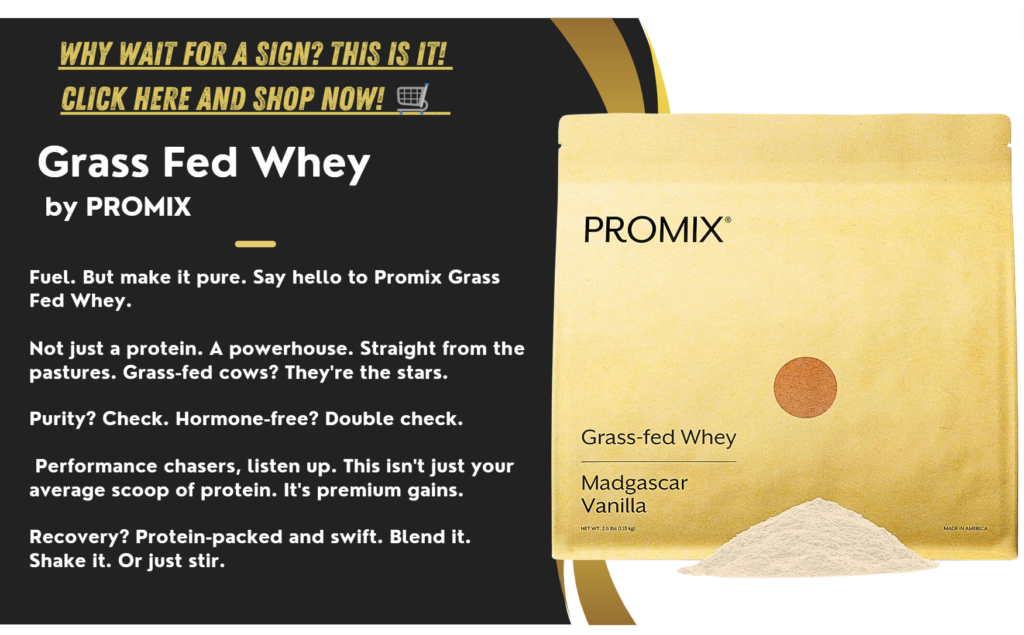
- Optimum Nutrition Gold Standard Whey
- Why It’s Worth It: A gym bro classic with 24g of high-quality whey isolate per serving.
- Deal Potential: Look for bundle packs or Amazon’s “subscribe and save” discounts.
- Dymatize ISO100
- Why It’s Worth It: Hydrolyzed whey isolate for ultra-fast absorption. Perfect for recovery days.
- Deal Potential: Watch out for holiday sales and flash deals—this brand loves a good discount.
- MyProtein Impact Whey
- Why It’s Worth It: Straightforward, affordable, and effective. Plus, they’ve got more flavors than your favorite ice cream shop.
- Deal Potential: Use promo codes on their site—they drop them like confetti.
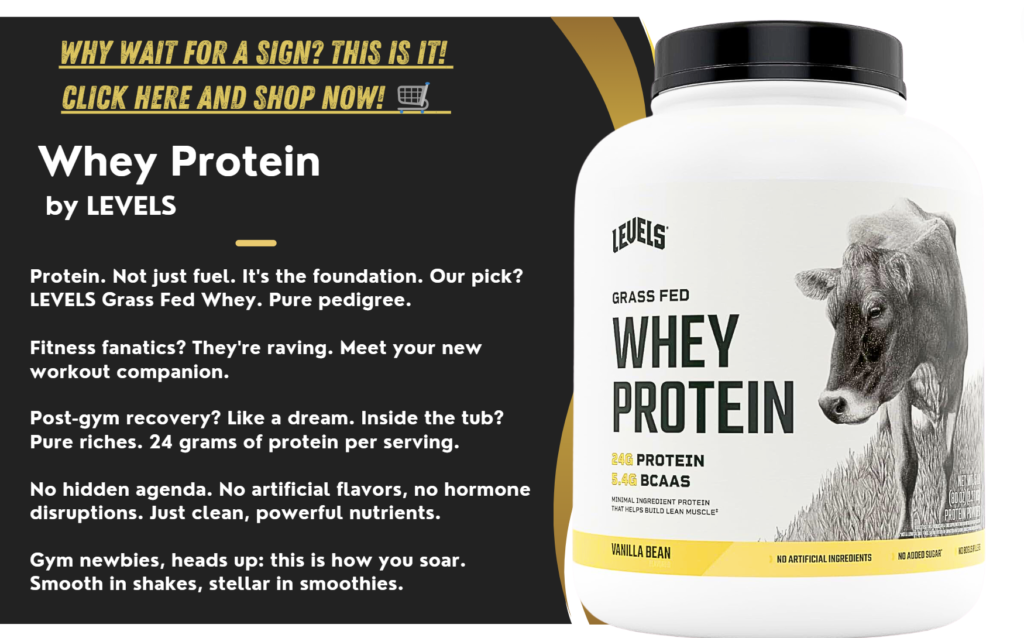
- Transparent Labs Whey Protein Isolate
- Why It’s Worth It: Zero junk. Just pure, clean protein that’s as honest as your best gym buddy.
- Deal Potential: Keep an eye out for Black Friday or referral rewards.
How to Spot a Deal (Like a Pro)
Here’s your playbook for crushing the protein powder game:
- Subscribe for Savings: Many brands offer subscription discounts—commit to regular shipments, and you’ll save big.
- Stack Coupons: Never check out without Googling for a discount code. Some sites even let you stack them for extra savings.
- Bulk Buys = Big Wins: Go for the 5lb tub instead of the smaller size. The cost per serving drops significantly.
- Timing is Everything: Black Friday, Cyber Monday, and Amazon Prime Day are protein gold mines. Mark your calendar.
- Freebies & Samples: Some brands throw in shaker bottles, sample packs, or other perks during promotions.
How You’ll Feel When You Get the Perfect Protein
Picture this: you’re stocked up for months, saving cash with every scoop. You’re hitting your macros without stressing about cost, and every shake tastes like victory. That’s the kind of win you deserve.
Whether you’re bulking up, cutting down, or just trying to keep your nutrition on point, these deals are the ticket to making your goals a reality. And with the cash you save, you can finally splurge on that new gear, gym membership upgrade, or even just a killer steak dinner (protein-packed, of course).
Final Scoop
Protein powders are more than just a supplement—they’re the cornerstone of your fitness and nutrition game. With these tips and deals, you’re not just saving money; you’re investing in your strength, energy, and future gains.
Now, go out there and conquer those deals like the badass you are. Your body—and your wallet—will thank you.
Want help tracking down those sales? Drop me a line, and let’s crush this hunt together. 💪
Protein Powder Gift Sets for Fitness Lovers
Picture this: You’ve just crushed a workout, your muscles are crying for relief, and you grab the perfect protein shake from a well-curated gift set sitting on your kitchen counter. Feels good, right? Now imagine gifting that same experience to someone who lives for the gym—or even someone just starting out. A solid protein powder gift set isn’t just thoughtful; it’s like handing over the keys to gain city.
Here’s how to choose the perfect one, with a breakdown that’ll make you the MVP of thoughtful gift-giving.
Why Protein Powder Gift Sets Make the Perfect Gift
Protein gift sets go beyond the shake game. They’re the Swiss Army knife of fitness gifts:
- Versatile: Perfect for beginners, gym junkies, or anyone dabbling in meal replacements.
- Thoughtful: A curated set says, “I see your goals, and I’ve got your back.”
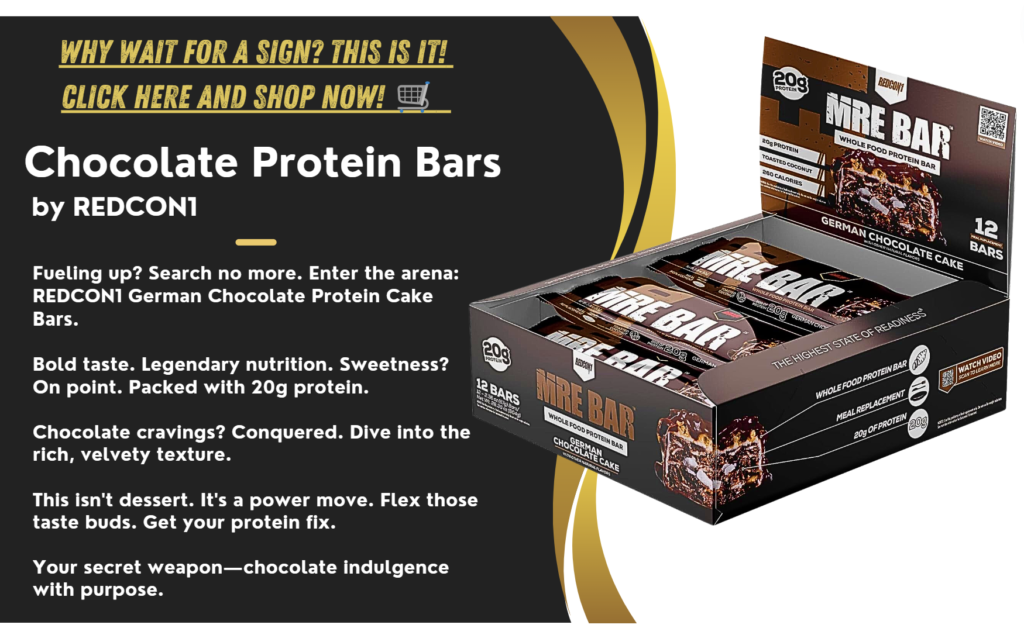
- Convenient: Most sets include everything—protein, shakers, even snacks—to streamline their routine.
What’s in a Protein Powder Gift Set?
Let’s break it down. When you rip open that box, you’ll typically find:
| Item | Purpose | Look For |
|---|---|---|
| Protein Powder | The main event: fuels recovery and growth | High protein per serving; low sugar |
| Shaker Bottle | Mixes that powder to silky perfection | BPA-free, leak-proof design |
| Protein Bars/Snacks | On-the-go fuel | High protein, minimal fillers |
| Supplement Samples | Creatine, pre-workout, or BCAAs | Proven ingredients, no shady blends |
| Recipe Booklet/Guide | Inspo for shakes, pancakes, and beyond | Easy-to-follow recipes |
Pro tip: Always check if the gift set caters to specific diets (gluten-free, keto, vegan).
Top Protein Powder Gift Sets for Every Fitness Lover
Here’s the best part: the heavy hitters. Whether your buddy’s lifting heavy or meal-prepping like a boss, these sets have you covered.
1. The Muscle-Building Beast
Brand: Optimum Nutrition Gold Standard Bundle
- What’s Inside:
- 5 lbs of whey protein (your standard all-star).
- A branded shaker.
- Pre-workout samples.
- Why It’s Great: This is for the guy stacking plates like Jenga.
2. The Lean Machine
Brand: Transparent Labs Starter Kit
- What’s Inside:
- Grass-fed whey isolate.
- Shaker bottle.
- Fat-burning supplement sample.
- Why It’s Great: Clean ingredients, lean results—ideal for the guy focused on cutting without sacrificing gains.
3. The Vegan Dynamo
Brand: Vega Essentials Kit
- What’s Inside:
- Plant-based protein.
- Vegan protein bars.
- A recipe booklet for smoothies and energy bites.
- Why It’s Great: Perfect for plant-based lifters or anyone easing off animal products.
Specialized Sets for the Hardcore Crowd
| Set Name | Best For | Key Features |
|---|---|---|
| Legion Whey+ Pack | Clean bulking | Naturally sweetened, USA-sourced whey isolate |
| MyProtein Mega Box | Budget-friendly lifters | Affordable with high-quality, basic essentials |
| Ghost Lifestyle Kit | Trendy fitness buffs | Bold flavors, Instagram-worthy packaging |
How to Choose the Right Set
When picking the perfect set, ask yourself these questions:
- What’s their fitness goal? Are they bulking, cutting, or just maintaining?
- Do they have dietary restrictions? Vegan? Lactose-intolerant? Keto?
- Do they love convenience? Sets with shaker bottles and bars are gold for busy people.
- What’s their flavor vibe? Some folks love chocolate overload, while others want fruity freshness.
DIY Protein Powder Gift Set Idea
Want to make it personal? Build your own set:
- Step 1: Pick their favorite protein powder.
- Step 2: Add a premium shaker bottle (go for stainless steel if you’re feeling fancy).
- Step 3: Toss in extras like energy bars, a gym towel, or a handwritten recipe.
- Step 4: Wrap it in a sleek gift box or gym bag.
FAQs: The Protein Gift Set Cheat Sheet
Q: Are protein gift sets expensive?
A: Not always! You can find great sets starting around $30, but premium bundles can climb to $100+.
Q: Are these sets suitable for beginners?
A: Absolutely. Many sets include guides and starter-friendly supplements.
Q: Do I need to know their dietary preferences?
A: It’s helpful but not mandatory. Opt for universally loved options like whey or plant-based protein to play it safe.
Wrap It Up (Literally)
Protein powder gift sets are the fitness equivalent of handing someone a backstage pass to better performance and recovery. Whether you go for a pre-made bundle or craft your own, it’s a gift that says, “I respect the grind.”
And honestly? If no one gifts you one this year, buy one for yourself. Your gains deserve it.
Unlock Elite Health with Cold-Pressed Black Seed Oil
When it comes to natural health remedies, cold-pressed black seed oil (a.k.a. “liquid gold”) is the dark horse champion. Packed with antioxidants, omega fatty acids, and an arsenal of anti-inflammatory properties, this ancient powerhouse is making a modern comeback—and for good reason. Whether you’re building muscle, shredding fat, or just want to stop feeling like a rusty tin man, this oil delivers results.
Let’s break it down: what it is, why it works, and how you can start using it to crush your health and fitness goals.
| Benefits | Criteria for Quality | Top Brands |
|---|---|---|
| Usage | Pros and Cons | Deep Dive Q&A |
Why Cold-Pressed Black Seed Oil?
Black seed oil, extracted from the seeds of Nigella sativa, isn’t just hype—it’s science-backed. The cold-pressing process preserves its nutrient profile, ensuring you get every ounce of goodness. Known as “the cure for everything but death” (yes, that famous), it’s been used for thousands of years to promote health.
In modern terms, think of it as a supercharged supplement: it supports recovery, boosts immunity, and even aids digestion—three things every guy needs in his corner.
Benefits
- Joint Recovery
Dealing with post-deadlift knee creaks? Black seed oil is loaded with thymoquinone, a natural anti-inflammatory that eases joint pain and speeds up recovery. - Immune Support
Forget popping vitamin C tabs all winter. This oil bolsters immunity so you can stay in the game. - Muscle Fuel
The omega-3 and -6 fatty acids in black seed oil help repair muscle fibers and reduce soreness. No more excuses to skip leg day. - Digestive Boost
A clean gut is a happy gut. Black seed oil keeps things moving (and no, not in a weird way). - Hair and Skin Care
Bonus round: healthier skin and a thicker beard. Black seed oil moisturizes from the inside out, keeping you looking as sharp as you feel.
Criteria for Quality: What to Look for in a Cold-Pressed Black Seed Oil
Not all oils are created equal. Here’s your cheat sheet for picking the right one:
| Criteria | What to Look For |
|---|---|
| Cold-Pressed | Ensures nutrients aren’t destroyed by heat. Look for “cold-pressed” or “virgin” on the label. |
| Source | Seeds from Egypt or Turkey = high quality. Check the origin. |
| Purity | Avoid oils diluted with carrier oils. 100% pure is non-negotiable. |
| Packaging | Go for dark glass bottles—they keep the oil fresh and nutrient-packed. |
| Lab Testing | Third-party testing ensures it’s free from heavy metals and additives. |
Top Black Seed Oil Brands for Men

| Brand | Source | Thymoquinone % | Price (oz) | Packaging |
|---|---|---|---|---|
| Amazing Herbs | Egypt | 2.5% | $$ | Dark Glass Bottle |
| Maju Superfoods | Turkey | 3% | $$$ | UV-Protected Glass |
| NutraChamps | Mixed Origin | 2% | $ | Plastic (Not Ideal) |
| Kiva Organic | Egypt | 2.5% | $$ | Dark Glass Bottle |
| Mother Nature Organics | Turkey | 2.5%-3% | $$$ | Dark Glass Bottle |
How to Use Black Seed Oil
Here’s the deal: a little goes a long way. You’re not chugging this stuff like a protein shake.
Daily Dosage
- Beginner: Start with 1 tsp daily, preferably with food.
- Pro: Work your way up to 2 tsp for maximum benefits.
Best Uses
- Post-Workout Recovery:
Take a teaspoon with your post-lift meal to reduce soreness and inflammation. - Morning Energy:
Mix it into your coffee (trust me) or take it straight for an AM energy kick. - Skin Care Hack:
Apply a drop or two directly to dry or irritated skin—or rub it into your beard for extra shine.
Pros and Cons of Black Seed Oil
| Pros | Cons |
|---|---|
| Reduces inflammation and joint pain | Bitter taste (get over it) |
| Boosts immunity and muscle recovery | Can upset stomach if overused |
| Supports digestion and gut health | Quality oils can be pricey |
| Improves skin, beard, and hair health | Requires consistent use for results |
Deep Dive Q&A
Q1: Can Black Seed Oil Help with Sleep?
Yes, it can, and here’s why. Thymoquinone, the powerhouse compound in black seed oil, has mild sedative properties. It helps calm the central nervous system, which can reduce anxiety and promote relaxation. If you’re stuck in the endless scroll at midnight or your mind races when you hit the pillow, try taking ½ tsp of black seed oil about 30 minutes before bed. Pair it with magnesium for a one-two punch to your sleep cycle.
Q2: Is Black Seed Oil Useful for Testosterone Levels?
It’s not a direct testosterone booster like some supplements, but it does support hormonal balance. Studies suggest it can reduce oxidative stress in the testes (yes, your balls need care too) and improve sperm quality. Less oxidative stress = better hormonal function. While it won’t turn you into a caveman overnight, incorporating black seed oil alongside a clean diet and regular weight training may amplify your hormonal edge.
Q3: Can I Use Black Seed Oil for Beard Growth?
Absolutely. Black seed oil stimulates hair follicles, hydrates the skin underneath your beard, and reduces irritation (bye-bye, beard itch). Massage a few drops into your beard nightly. Bonus: it can also help patchy spots fill in over time. Pro tip: Mix it with a carrier oil like jojoba for easier application and less greasiness.
Q4: Does Black Seed Oil Help with Allergies?
It’s surprisingly effective. Black seed oil acts as a natural antihistamine, calming your body’s overreaction to allergens. If seasonal allergies knock you flat, try taking 1 tsp daily during allergy season. Some guys swear it works even better when paired with honey.
Q5: Can Black Seed Oil Be Used for Stamina or Endurance?
Yes, and it’s more versatile than you think. Black seed oil improves oxygen efficiency thanks to its anti-inflammatory effects on the respiratory system. Take it before endurance workouts like running or cycling for better lung capacity. It also supports steady energy levels by improving gut health—no sugar spikes, no crashes.
Q6: What About Using Black Seed Oil for Scars or Stretch Marks?
Black seed oil is a natural skin healer. Its combination of fatty acids and vitamins accelerates cell regeneration, making it a go-to for reducing scars, stretch marks, and even post-acne marks. Warm a small amount in your hands and massage it into the area daily. Stay consistent, and you’ll notice smoother skin in a few weeks.
Q7: Can Black Seed Oil Prevent Hangovers?
It’s the unsung hero of post-party recovery. Black seed oil aids the liver in detoxifying your system, reduces inflammation, and combats the nausea that comes with overindulgence. Take 1 tsp before heading to bed after a night out, and chase it with water (or coconut water if you’re fancy).
Q8: Is Black Seed Oil Safe for Cooking?
Not really. While it’s technically edible, heat destroys most of its nutrients. Black seed oil is like your gym routine—it’s only effective if you don’t burn it out. Use it raw in salad dressings, drizzle it over roasted veggies after they’re done, or mix it into dips like hummus for a flavor twist.
Q9: Can Black Seed Oil Be Used for Teeth and Gums?
Yes, it’s a legit oral health hack. Its antimicrobial properties help fight bacteria that cause bad breath, gum inflammation, and plaque buildup. Swish ½ tsp of black seed oil in your mouth for 1-2 minutes, then spit it out. Do this a few times a week, and you’ll notice cleaner teeth and fresher breath.
Q10: What Happens If I Use Too Much Black Seed Oil?
More isn’t better here. Overdoing it can lead to digestive issues, like stomach cramps or diarrhea (not exactly alpha male energy). Stick to the recommended dose—1 to 2 tsp per day. If you’re just starting, keep it at ½ tsp and gradually build up.
Final Thoughts
Cold-pressed black seed oil is like that guy in your squad who’s good at everything—doesn’t matter if it’s fixing your car, winning bar bets, or grilling a steak. It’s versatile, effective, and worth keeping around. Whether you’re hacking your sleep, fixing a patchy beard, or trying to make allergy season suck less, this ancient oil’s got your back.
Why Every Guy Needs Organic Blackseed Oil in His Arsenal
Organic blackseed oil isn’t just some ancient remedy—it’s your secret weapon for health, energy, and recovery. Whether you’re looking to boost immunity, amp up recovery, or keep your skin and joints in peak condition, this all-natural powerhouse delivers. Let’s break it down so you can decide if this golden elixir deserves a spot in your daily routine.
Quick Navigation Table
| What Is Blackseed Oil? | Top Benefits | How to Use It | Key Buying Factors | FAQs |
|---|
What Is Blackseed Oil?
Blackseed oil, aka *Nigella sativa*, is a cold-pressed oil extracted from black cumin seeds. It’s been hailed for centuries for its healing and wellness properties. But this isn’t just your grandma’s remedy—it’s legit backed by science for its bioactive compounds, like thymoquinone, which offers antioxidant and anti-inflammatory benefits.
Core Attributes:
- Rich in Essential Fatty Acids: Supports brain, skin, and joint health.
- Loaded with Antioxidants: Neutralizes free radicals to reduce oxidative stress.
- Anti-Inflammatory Powers: Helps manage muscle soreness and joint pain post-workout.
Top Benefits of Organic Blackseed Oil
If you’re wondering why blackseed oil should be in your daily routine, here are the heavy-hitters:
For Fitness Enthusiasts
| Benefit | How It Helps |
|---|---|
| Reduced Muscle Soreness | Thymoquinone’s anti-inflammatory properties speed recovery. |
| Joint Pain Relief | Fatty acids lubricate and soothe achy joints. |
| Boosts Stamina | Improves oxygen use and reduces fatigue during training. |
For Everyday Health
- Immune Boost: Antioxidants strengthen your body’s defenses against colds and illness.
- Improved Skin Health: Fights acne and promotes a clear, youthful complexion.
- Better Digestion: Eases bloating and supports a healthy gut.
How to Use Organic Blackseed Oil
This oil’s versatility means you can tailor it to your goals. Here’s how:
| Goal | Dosage | When to Take |
|---|---|---|
| Recovery | 1 tsp daily | Post-workout |
| Immunity | 1 tsp twice daily | Morning and evening |
| Skin Health | Topical application | Nightly |
Pro Tip: Start small—1/2 tsp daily—and build up to avoid potential digestive discomfort.
Key Factors to Consider When Buying Blackseed Oil
Not all blackseed oils are created equal. Look for these attributes:
Checklist:
- Organic Certification: Ensures purity and no pesticides.
- Cold-Pressed: Retains more nutrients compared to heat extraction.
- Dark Glass Bottle: Protects oil from light and oxidation.
- Source: Prefer oil from trusted regions like Turkey or Egypt for higher quality.
Popular Brands to Consider:
| Brand | Key Feature | Price Range |
|---|---|---|
| Amazing Herbs | Cold-pressed, non-GMO | $15-$25 |
| MAJU Superfoods | High thymoquinone content | $20-$30 |
| Zhou Nutrition | Organic, USDA certified | $18-$28 |
FAQs About Organic Blackseed Oil
- Q: Can I cook with blackseed oil?
A: No, it’s best used raw to preserve nutrients. - Q: Is it safe for everyone?
A: Generally yes, but consult a doctor if you’re on medication. - Q: How long does it take to see benefits?
A: Results vary, but most users notice improvements within 2-4 weeks of consistent use.
Ready to add this powerhouse to your routine? Organic blackseed oil is a small addition with massive benefits. Don’t miss out!