
Author Archive
The Ultimate Guide to Biceps Brachii Long Head Workouts
Are you tired of looking in the mirror and seeing biceps that could use a little extra umph, like an undercooked soufflé? You’re not alone! The long head of the biceps brachii is often the neglected sibling of the muscle family—akin to that one cousin who always manages to stay in the background at family reunions, even when the BBQ is lit and the potato salad is flowing. But fear not, my friends! This guide is here to take your bicep game from “meh” to “whoa!” with workouts that will have those long heads popping like popcorn at a movie marathon. Let’s dive into the nitty-gritty and sculpt those guns into something you can actually flex about!
💪 Biceps Brachii Long Head Anatomy
- Muscle Origin: **Supraglenoid tubercle** of the scapula.
- Muscle Insertion: **Radial tuberosity** of the radius and **bicipital aponeurosis**.
- Muscle Function: **Flexes** the elbow and **supinates** the forearm.
- Muscle Structure: **Two-headed** muscle with a long and short head.
🌟 Effective Exercises
- Incline Dumbbell Curls: **Targets** the long head by increasing the stretch.
- Hammer Curls: **Emphasizes** the brachioradialis and long head.
- Concentration Curls: **Isolation exercise** for focused contraction.
- Overhead Cable Curls: **Stretches** and **targets** the long head effectively.
- Barbell Curls: **Basic** and **effective** for overall biceps development.
🛠️ Training Techniques
- Drop Sets: **Extend** set duration by decreasing weight.
- Supersets: **Pair** exercises to maximize muscle fatigue.
- Progressive Overload: **Gradually increase** weights to build strength.
- Eccentric Training: **Focus** on the lowering phase for increased muscle growth.
💪 Warm-Up and Stretching
- Dynamic Warm-Up Exercises: **Arm circles**, **light curls**, and **band stretches**.
- Static Stretching Techniques: **Hold stretches** for 20-30 seconds post-workout.
🔄 Recovery Strategies
- Post-Workout Nutrition: **Consume protein** and **carbs** within 30 minutes.
- Rest and Sleep: **Aim** for 7-9 hours of quality sleep per night.
- Stretching and Foam Rolling: **Aid recovery** and reduce muscle soreness.
⚠️ Common Mistakes
- Incorrect Form: **Avoid swinging** or using excessive weight.
- Overtraining: **Limit** biceps workouts to 2-3 times per week.
- Inadequate Warm-Up: **Prepare** your muscles properly to prevent injury.
🍽️ Nutrition and Supplements
- Protein Intake: **Aim** for 1.6-2.2g of protein per kg of body weight.
- Creatine: **Supports** muscle strength and recovery.
- BCAA Supplements: **Help** reduce muscle soreness and aid recovery.
🗓️ Program Design
- Workout Frequency: **Train biceps** 2-3 times per week.
- Sets and Reps: **3-4 sets** of **8-12 reps** for hypertrophy.
- Exercise Order: **Start** with compound movements, then isolation exercises.
🛡️ Injury Prevention
- Proper Technique: **Focus** on form to avoid strain.
- Warm-Up and Cool-Down: **Include** both in every workout session.
- Avoiding Overuse Injuries: **Allow rest** days between biceps workouts.
Dive into Q&A
💪 Q1: What’s the primary function of the biceps brachii long head? 💪 A1: It flexes the elbow and supinates the forearm.
💪 Q2: How do incline dumbbell curls benefit the long head? 💪 A2: They increase the stretch on the long head for better activation.
💪 Q3: What’s the benefit of using drop sets in biceps training? 💪 A3: Drop sets extend the set duration and enhance muscle fatigue.
💪 Q4: How often should I train my biceps? 💪 A4: 2-3 times per week is ideal for growth without overtraining.
💪 Q5: What’s a good post-workout nutrition strategy? 💪 A5: Consume protein and carbs within 30 minutes to aid recovery.
💪 Q6: How can I avoid common biceps workout mistakes? 💪 A6: Focus on form, avoid overtraining, and ensure a proper warm-up.
💪 Q7: What’s the role of creatine in biceps training? 💪 A7: Creatine supports muscle strength and recovery.
💪 Q8: Can I use BCAA supplements for biceps recovery? 💪 A8: Yes, BCAAs help reduce muscle soreness and support recovery.
💪 Q9: How do I incorporate progressive overload effectively? 💪 A9: Gradually increase weights or reps to challenge your muscles.
💪 Q10: What’s a good warm-up routine before biceps workouts? 💪 A10: Include dynamic exercises like arm circles and light curls.
Creative Leg Exercises: Say Yes to Alternatives Over Hack Squats
Hack squats? Been there, done that, got the sore quads to prove it. But guess what? You don’t need to be chained to a machine to sculpt those legs of yours. Say hello to the world of creativity—where leg day transforms from mundane to downright exhilarating! Here’s the kicker: you can strengthen your legs with bodyweight exercises, resistance bands, or even a trusty pair of dumbbells. Think side lunges that get your adductors dancing, or Bulgarian split squats that’ll make you feel like a fitness Greek god. Your legs will be howling for mercy, but your muscles will be singing a different tune. So, toss those hack squats to the side, and let’s get inventive! Your legs, your rules, and trust me—they’re going to thank you later.
🏋️♂️ Leg Exercises
- Compound Exercises:
- Squats: Targets quadriceps, hamstrings, and glutes.
- Deadlifts: Engages the entire posterior chain.
- Lunges: Focuses on quads, glutes, and balance.
- Isolation Exercises:
- Leg Extensions: Isolates the quadriceps.
- Hamstring Curls: Focuses on the hamstrings.
- Calf Raises: Strengthens the calves.
- Alternative Exercises to Hack Squats:
- Bulgarian Split Squats: Improves balance and unilateral strength.
- Goblet Squats: Enhances squat form and mobility.
- Sumo Squats: Targets inner thighs and glutes.
- Single-Leg Deadlifts: Strengthens hamstrings and improves stability.
- Step-Ups: Builds leg strength and coordination.
- Benefits of Alternative Exercises:
- Increased Range of Motion: Allows for deeper muscle engagement.
- Improved Balance and Stability: Enhances functional strength.
- Enhanced Muscle Activation: Targets muscles more effectively.
- Reduced Joint Stress: Lowers the risk of injury.
- Exercise Techniques:
- Proper Form and Alignment: Ensures effectiveness and safety.
- Breathing Techniques: Optimize performance and endurance.
- Progressive Overload: Gradually increase resistance for growth.
- Equipment for Leg Exercises:
- Dumbbells: Versatile and effective for various exercises.
- Kettlebells: Great for dynamic movements.
- Resistance Bands: Provides variable resistance and enhances muscle activation.
- Bodyweight: Ideal for functional and strength training.
- Top Brands for Equipment:
- Rogue Fitness: High-quality and durable equipment.
- Bowflex: Known for versatile strength training gear.
- Body-Solid: Reliable and robust fitness solutions.
- PowerBlock: Adjustable dumbbells with compact design.
- Exercise Programming:
- Reps and Sets: Customize for strength, hypertrophy, or endurance.
- Rest Periods: Adjust according to training goals.
- Frequency and Volume: Plan based on overall fitness objectives.
- Common Mistakes:
- Improper Form: Increases injury risk and reduces effectiveness.
- Overloading: Can lead to strain and overuse injuries.
- Neglecting Warm-Up: Increases the risk of muscle strain and injury.
- Recovery and Nutrition:
- Post-Workout Stretching: Aids in muscle recovery and flexibility.
- Nutrition for Muscle Recovery: Protein and carbohydrates are key for repair.
- Hydration: Essential for optimal muscle function and recovery.
💪 Comparing Leg Exercise Alternatives
| Exercise | Target Muscles | Equipment Needed | Difficulty Level | Rating |
|---|---|---|---|---|
| Bulgarian Split Squats | Quads, Glutes | Dumbbells | Intermediate | 4.8/5 |
| Goblet Squats | Quads, Glutes | Kettlebell | Beginner | 4.7/5 |
| Sumo Squats | Inner Thighs, Glutes | Bodyweight or Dumbbells | Beginner | 4.6/5 |
| Single-Leg Deadlifts | Hamstrings, Glutes | Dumbbells | Advanced | 4.5/5 |
| Step-Ups | Quads, Glutes | Dumbbells or Bodyweight | Beginner | 4.4/5 |
🍴 Leg Exercise Tips
- Warm-Up: Start with dynamic stretches to prepare your muscles.
- Proper Form: Maintain alignment to avoid injuries.
- Progress Gradually: Increase weights or reps slowly to build strength.
🧼 Storage and Safety Tips
- Store equipment in a dry, cool place to prevent rust.
- Check for wear and tear regularly to ensure safety.
- Follow safety instructions for proper usage.
Dive into Q&A
💪 Q1: What’s the biggest advantage of alternative leg exercises? 💪 A1: They offer variety, improve muscle balance, and reduce joint stress.
💪 Q2: How can I ensure proper form during these exercises? 💪 A2: Focus on alignment and use a mirror or coach for feedback.
💪 Q3: Can alternative leg exercises replace traditional squats? 💪 A3: Yes, they can provide similar benefits while adding diversity to your routine.
💪 Q4: Are there any specific tips for performing Bulgarian split squats? 💪 A4: Keep your torso upright and ensure your knee doesn’t extend past your toes.
💪 Q5: What’s a unique variation of step-ups? 💪 A5: Add knee raises at the top for extra core engagement.
💪 Q6: How often should I incorporate these exercises into my routine? 💪 A6: Include them 2-3 times per week as part of a balanced leg workout.
💪 Q7: How do I prevent injury while performing these exercises? 💪 A7: Start with lighter weights, focus on form, and avoid overloading.
💪 Q8: Can beginners benefit from these alternative exercises? 💪 A8: Yes, they are adaptable for all fitness levels and offer foundational strength benefits.
💪 Q9: What’s a common mistake when doing single-leg deadlifts? 💪 A9: Rounding the back; keep your spine neutral throughout the movement.
💪 Q10: How can I track progress with these exercises? 💪 A10: Monitor improvements in strength, form, and overall endurance.
Step Up Your Fun Factor: Creative Ways to Use Your Step Exerciser
Alright folks, let’s kick those boring workouts to the curb and give your step exerciser the glow-up it deserves! We all know the treadmill is the fitness equivalent of watching paint dry—no thanks! It’s time to shake things up and transform that humble step into a full-blown party! You see, this isn’t just a piece of equipment; it’s your ticket to fun—like finding out your grandma used to be a rock star before she settled down! So, grab your favorite tunes, slap on those neon workout tights, and let’s dive into some creative ways to sprinkle a little joy into your step routine. Ready, set, let the fun begin!
🏋️♂️ Benefits of Lateral Deltoid Exercises
- Shoulder Strength: Builds and tones the lateral deltoids.
- Improved Posture: Enhances shoulder stability and alignment.
- Increased Aesthetics: Contributes to a well-rounded shoulder appearance.
🌟 Step Up Your Fun Factor: Creative Ways to Use Your Step Exerciser
- Step Exerciser:
- Types of Step Exercisers:
- Traditional Step Platforms: Standard for basic step exercises.
- Adjustable Step Platforms: Customizable height for varied intensity.
- Mini Steppers: Compact for space-saving and portability.
- Step and Exercise Combos: Integrated with additional fitness features.
- Step Exerciser Features:
- Adjustable Heights: Allows for customization of step height.
- Non-Slip Surfaces: Ensures safety during use.
- Sturdy Construction: Provides stability and durability.
- Portability: Easy to move and store.
- Creative Uses:
- Cardio Workouts: Use for step aerobics and high-energy routines.
- Strength Training: Incorporate into weight lifting exercises.
- Flexibility Exercises: Stretching routines for enhanced mobility.
- Balance and Coordination Drills: Improve stability and motor skills.
- Dance and Aerobics Routines: Add to choreography for fun workouts.
- Step Exercises:
- Basic Step Ups: Classic movement to engage legs and glutes.
- Lateral Step Overs: Targets outer thighs and hips.
- Step Lunges: Combines step with lunges for a full lower body workout.
- Box Jumps: Explosive exercise for power and agility.
- Elevated Planks: Enhances core strength with elevated support.
- Step Exerciser Workouts:
- Full-Body Workout Routines: Combines step exercises with other body movements.
- HIIT Workouts: High-Intensity Interval Training for maximal calorie burn.
- Low-Impact Cardio Sessions: Gentle on joints while improving cardiovascular health.
- Strength and Endurance Circuits: Builds muscle endurance and strength.
- Accessory Options:
- Resistance Bands: Add resistance to your step exercises.
- Balance Balls: Use for stability and core engagement.
- Hand Weights: Increase intensity of your workouts.
- Yoga Mats: Provides cushioning and support for floor exercises.
- Top Brands and Models:
- Reebok: Known for durable and adjustable step platforms.
- Tone Fitness: Offers compact and versatile step exercisers.
- Step Co.: Provides reliable step equipment for home use.
- ProForm: Features integrated fitness technology.
- Stamina: Offers affordable and high-quality step platforms.
- Maintenance and Care:
- Cleaning: Wipe down regularly to remove dust and sweat.
- Inspecting for Wear: Check for any signs of damage or wear.
- Storing: Keep in a dry place to prevent deterioration.
- Safety Tips:
- Proper Use: Follow guidelines to avoid injury.
- Surface Stability: Ensure step is on a stable surface before use.
- Correct Form: Maintain proper posture to maximize effectiveness and reduce risk of injury.
- Types of Step Exercisers:
💪 Comparing Lateral Deltoid Exercises
| Exercise | Primary Muscle Targeted | Equipment Needed | Intensity | Difficulty |
|---|---|---|---|---|
| Dumbbell Lateral Raises | Lateral Deltoids | Dumbbells | Moderate | Beginner |
| Standing Military Press | Deltoids, Triceps | Barbell | High | Intermediate |
| Upright Rows | Deltoids, Trapezius | Barbell or Dumbbells | Moderate | Beginner |
| Arnold Press | Deltoids, Triceps | Dumbbells | High | Intermediate |
🍴 Lateral Deltoid Exercise Tips
- Warm-Up: Always start with a dynamic warm-up to prepare your shoulders.
- Proper Form: Maintain a neutral spine and avoid using momentum.
- Controlled Movements: Focus on muscle contraction and controlled execution.
- Recovery: Allow adequate rest between workouts to prevent overuse injuries.
Dive into Q&A
💪 Q1: What’s the key benefit of lateral deltoid exercises? 💪 A1: They build and define the shoulder muscles, improving strength and aesthetics.
💪 Q2: How can I maximize the effectiveness of my lateral deltoid exercises? 💪 A2: Focus on proper form and gradually increase weights.
💪 Q3: Can I incorporate these exercises into a full-body workout? 💪 A3: Yes, add them to a balanced routine for overall strength and muscle development.
💪 Q4: How often should I perform lateral deltoid exercises? 💪 A4: Aim for 2-3 times per week, allowing time for muscle recovery.
💪 Q5: What’s a unique variation of lateral raises? 💪 A5: Try the seated lateral raise to reduce momentum and isolate the deltoids.
💪 Q6: Can these exercises help with shoulder stability? 💪 A6: Yes, they improve shoulder strength and stability, reducing injury risk.
💪 Q7: How do I prevent common mistakes during these exercises? 💪 A7: Avoid using too heavy weights and focus on controlled movements.
💪 Q8: Are lateral deltoid exercises suitable for beginners? 💪 A8: Yes, start with lighter weights and proper form to build strength gradually.
💪 Q9: What’s the best way to warm up before lateral deltoid exercises? 💪 A9: Perform dynamic stretches and light shoulder movements to increase blood flow.
💪 Q10: How can I incorporate these exercises into a home workout routine? 💪 A10: Use dumbbells or resistance bands and include them in a circuit with other exercises.
Ignite Your Workout: Fun Lateral Deltoid Exercises Await
You ever wonder why those sneaky lateral deltoids get the least love in your workout routine? It’s like showing up to a barbecue and ignoring the ribs while only eating coleslaw—sure, the coleslaw’s great, but where’s the flavor? Those lateral deltoids are the hidden gems of shoulder workouts, often overlooked but absolutely essential for that well-rounded look and feel. Get ready to pump up those shoulders and unleash the beast mode within; we’re diving into exercises that will have those deltoids singing praises and begging for more! So, grab your weights and let’s make those shoulders snappier than your best friend’s comebacks during a roast!
🏋️♂️ Lateral Deltoid Exercises
-
- Exercise Types
- Dumbbell Lateral Raises: Classic exercise targeting the lateral deltoids.
- Cable Lateral Raises: Provides constant tension throughout the movement.
- Resistance Band Lateral Raises: Great for home workouts and varying resistance.
- Arnold Press: Combines shoulder press with a twist for a full shoulder workout.
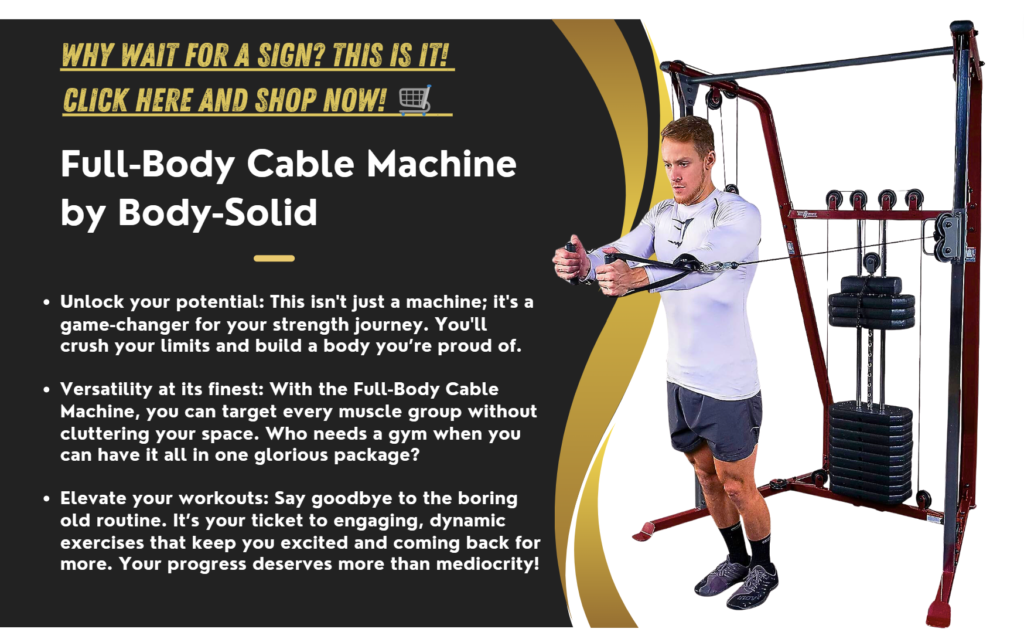
- Upright Rows: Engages the deltoids and traps, promoting overall shoulder strength.
- Exercise Techniques
- Proper Form: Keep your back straight and avoid swinging your arms.
- Range of Motion: Lift weights to shoulder height for optimal engagement.
- Tempo and Reps: Use a controlled tempo; aim for 8-12 reps per set.
- Breathing Techniques: Exhale while lifting, inhale while lowering.
- Exercise Variations
- Single-Arm Lateral Raises: Focuses on one side at a time for improved muscle balance.
- Seated Lateral Raises: Reduces momentum and isolates the deltoids.
- Bent-Over Lateral Raises: Targets the rear deltoids and upper back.
- Machine Lateral Raises: Provides stable support for focused muscle activation.
- Equipment Needed
- Dumbbells: Essential for various lateral raise exercises.
- Cables: Ideal for continuous resistance during workouts.
- Resistance Bands: Versatile and portable for strength training.
- Exercise Machines: Provides guided movements and stability.
- Exercise Types
- Benefits of Lateral Deltoid Exercises
- Shoulder Width and Strength: Builds broader shoulders and enhances strength.
- Improved Shoulder Stability: Strengthens the muscles supporting the shoulder joint.
- Enhanced Upper Body Aesthetics: Contributes to a well-defined physique.
- Increased Functional Strength: Supports various daily activities and sports performance.
- Common Mistakes
- Using Too Much Weight: Can lead to poor form and increased risk of injury.
- Poor Posture: Compromises effectiveness and may strain the back.
- Incorrect Range of Motion: Limits muscle engagement and growth.
- Overtraining: Can cause muscle fatigue and increase injury risk.
- Exercise Programs
- Beginner Programs: Focus on mastering form with lighter weights.
- Intermediate Programs: Introduce more complex variations and increased intensity.
- Advanced Programs: Incorporate supersets and higher volume for muscle growth.
- Hybrid Strength and Cardio Programs: Combine deltoid exercises with cardiovascular workouts for overall fitness.
- Recovery and Maintenance
- Stretching and Flexibility: Incorporate shoulder stretches to enhance flexibility and recovery.
- Proper Nutrition: Support muscle repair with a balanced diet rich in protein.
- Rest and Recovery: Allow adequate recovery time between workouts to prevent overtraining.
- Top Exercise Brands and Equipment
- Bowflex: Known for versatile home gym equipment.
- NordicTrack: Offers high-quality resistance machines.
- Life Fitness: Provides durable and effective gym machines.
- ProForm: Features innovative equipment for comprehensive workouts.
- Safety Tips
- Warm-Up and Cool-Down: Essential to prepare muscles and prevent injuries.
- Avoiding Shoulder Strain: Use proper form and avoid excessive weights.
- Using Correct Form: Ensures effectiveness and reduces the risk of injury.
Dive into Q&A
🏋️♂️ Q1: What’s the best way to ensure proper form during lateral raises? 💪 A1: Keep your shoulders down and back, and lift weights to shoulder height without swinging.
🏋️♂️ Q2: How can I vary my lateral deltoid workout? 💪 A2: Incorporate different exercises like single-arm or seated raises, and use various equipment.
🏋️♂️ Q3: Can I perform these exercises if I have shoulder issues? 💪 A3: Consult with a healthcare provider; focus on low weights and proper form to avoid strain.
🏋️♂️ Q4: What’s a common mistake to avoid with lateral raises? 💪 A4: Using too much weight, which can lead to poor form and shoulder strain.
🏋️♂️ Q5: How do I integrate lateral deltoid exercises into a full workout routine? 💪 A5: Combine with compound movements and cardio for balanced strength and conditioning.
🏋️♂️ Q6: How often should I train my deltoids? 💪 A6: Aim for 1-2 times per week, allowing rest between sessions to avoid overtraining.
🏋️♂️ Q7: What’s the ideal number of sets and reps for muscle growth? 💪 A7: Perform 3-4 sets of 8-12 reps for effective muscle building.
🏋️♂️ Q8: Can I use bodyweight exercises for deltoid training? 💪 A8: Yes, exercises like pike push-ups can effectively target the deltoids.
🏋️♂️ Q9: Are there any specific warm-up exercises for deltoid training? 💪 A9: Shoulder circles and light resistance band exercises can prepare the deltoids for more intense work.
🏋️♂️ Q10: How can I track progress with lateral deltoid exercises? 💪 A10: Monitor increases in weight, reps, and overall shoulder definition over time.
Battle of the Back Exercises: Alternatives to Lat Pulldown
Let’s be real for a second: while the Lat Pulldown machine is a classic staple in the gym, sometimes you need to diversify your workout to keep those muscles guessing like an awkward first date.
Picture this: you’re standing there, staring at that machine, and instead of feeling pumped, you’re just hoping it doesn’t start up a conversation about its last workout. I mean, who wants to hear about how the other machines are complaining about being ignored?
So, whether you’re looking to dodge the gym crowd or simply switch things up, let’s dive into some powers that be — back exercise alternatives that’ll make you feel like a superhero without the spandex. Here are some no-nonsense options that’ll have your lats feeling so good, even the Pulldown machine will be jealous!
🏋️♂️ Top Alternatives to Lat Pulldown
- Pull-Ups: Bodyweight exercise targeting the lats and upper back.
- Bent-Over Rows: Works the entire back with a focus on the middle and lower lats.
- T-Bar Rows: Isolates the back muscles with a barbell and chest support.
- Seated Cable Rows: Provides constant tension throughout the movement.
- Single-Arm Dumbbell Rows: Focuses on one side of the back at a time, enhancing balance.
- Inverted Rows: Uses body weight to target the back while keeping the body horizontal.
- Deadlifts: A compound movement that heavily engages the back muscles along with the posterior chain.
- Chin-Ups: Variation of pull-ups, emphasizing the biceps along with the back.
🌟 Exercise Techniques
- Proper Form: Maintain a straight back and avoid swinging or using momentum.
- Grip Variations: Experiment with overhand, underhand, and neutral grips to target different areas of the back.
- Range of Motion: Full range ensures maximum muscle engagement and effectiveness.
- Tempo and Reps: Control the tempo and adjust reps based on your training goal—strength, hypertrophy, or endurance.
🛠️ Exercise Equipment
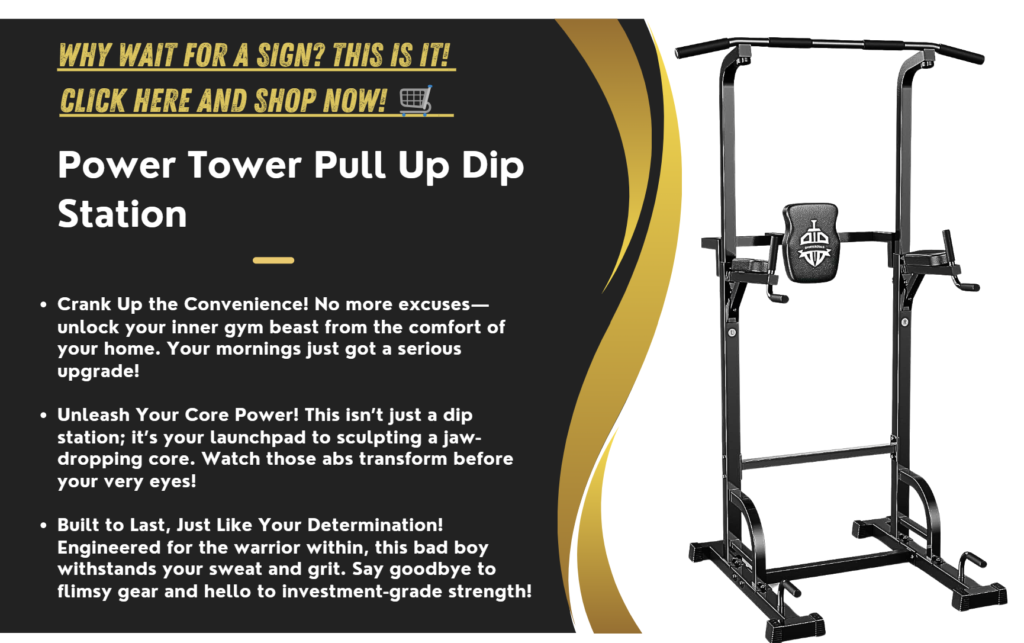
- Pull-Up Bars: Essential for pull-ups and chin-ups, available in various styles.
- Dumbbells: Versatile for single-arm rows and other variations.
- Barbell: Used for bent-over rows, T-bar rows, and deadlifts.
- Cable Machines: Ideal for seated cable rows and adjustable resistance.
- Smith Machines: Provides stability for controlled movements in rows and squats.
🧠 Muscle Groups Targeted
- Latissimus Dorsi: Main muscle targeted for width and V-taper.
- Rhomboids: Located between the shoulder blades, crucial for scapular retraction.
- Trapezius: Upper and middle traps are engaged during most back exercises.
- Teres Major: Assists with arm movement and shoulder stability.
- Rear Deltoids: The back part of the shoulders, activated during many rowing movements.
💪 Benefits of Alternatives
- Increased Strength: Diversify your routine to build overall back strength.
- Improved Posture: Enhances posture by strengthening back muscles.
- Greater Muscle Activation: Engages various back muscles with different exercises.
- Varied Workouts: Prevents plateaus and keeps workouts engaging.
⚠️ Common Mistakes
- Incorrect Form: Leads to injuries and reduced effectiveness.
- Overloading Weights: Compromises form and increases risk of injury.
- Inconsistent Tempo: Affects muscle engagement and overall workout quality.
🔄 Exercise Variations
- Wide Grip vs. Narrow Grip: Targets different parts of the back and biceps.
- Standard vs. Reverse Grip: Changes the emphasis on various back muscles.
- Single Arm vs. Double Arm: Allows for isolated work or simultaneous engagement of both sides.
🔧 Top Brands and Equipment
| Brand | Equipment | Features | Price | Rating |
|---|---|---|---|---|
| Rogue Fitness | Pull-Up Bar | Heavy-duty, adjustable | $150 | 4.9/5 |
| Bowflex | Adjustable Dumbbells | Compact, variable weight | $300 | 4.8/5 |
| Precor | Cable Machine | Multiple attachments, smooth movement | $2,000 | 4.7/5 |
| Life Fitness | Smith Machine | Stable, versatile for various exercises | $1,500 | 4.6/5 |
🗓️ Workout Routines
- Strength Training: Focus on heavy weights and low reps for muscle building.
- Hypertrophy: Moderate weights with higher reps to maximize muscle growth.
- Endurance Training: Lighter weights and higher reps to improve muscular endurance.
🛡️ Safety Tips
- Warm-Up: Prepare muscles to prevent injury and improve performance.
- Cool-Down: Helps with recovery and reduces muscle soreness.
- Proper Technique: Ensures effective workouts and minimizes injury risk.
- Avoiding Overtraining: Allows muscles to recover and grow.
Dive into Q&A
🏋️♂️ Q1: What’s the advantage of using alternatives to the lat pulldown? 💪 A1: Alternatives target similar muscle groups with varied angles and equipment, enhancing overall back development.
🏋️♂️ Q2: How can I ensure proper form during these exercises? 💪 A2: Use mirrors or record yourself, focus on maintaining a neutral spine, and avoid excessive swinging.
🏋️♂️ Q3: Are there any specific grip variations I should try? 💪 A3: Yes, try overhand, underhand, and neutral grips to target different parts of the back and arms.
🏋️♂️ Q4: Can I use these exercises for both strength and hypertrophy goals? 💪 A4: Absolutely! Adjust weights and reps to align with your specific training goals.
🏋️♂️ Q5: What’s a unique way to incorporate these exercises into my routine? 💪 A5: Combine them in a circuit for a high-intensity back workout that targets all major muscle groups.
🏋️♂️ Q6: How often should I vary my back exercises? 💪 A6: Change exercises every 4-6 weeks to prevent plateaus and keep your workouts fresh.
🏋️♂️ Q7: How can I prevent common mistakes with these exercises? 💪 A7: Focus on proper form, avoid using excessively heavy weights, and maintain a consistent tempo.
🏋️♂️ Q8: Are there any exercises that work better for specific back muscles? 💪 A8: Yes, for the lats, try pull-ups; for the mid-back, opt for bent-over rows.
🏋️♂️ Q9: What’s the best way to integrate these exercises into a balanced workout routine? 💪 A9: Combine them with exercises for other muscle groups and alternate between heavy lifting and lighter, high-rep days.
🏋️♂️ Q10: Can these exercises help improve posture? 💪 A10: Yes, they strengthen the back muscles that support good posture and reduce slouching.
Discover Creative Exercises with Your Large Exercise Ball
Alright folks, let’s talk about that big, round beauty sitting in your living room—no, not your ex, I’m talking about your large exercise ball! It’s like the gym’s version of a bouncy castle, only instead of hosting a birthday party, it’s there to help you squeeze out that last slice of pizza—minus the guilt. You ever see someone try to balance on one of these things? Looks like a walrus auditioning for a trampoline show! But trust me, with a little creativity, you can turn that bulging orb into your new best workout buddy. Let’s roll into some hilarious and effective exercises that will have you laughing harder than when you accidentally sat on a whoopee cushion!
🏋️♂️ Types of Exercise Balls
- Stability Balls: Enhance balance and core strength.
- Medicine Balls: Add resistance to your workout.
- Weighted Exercise Balls: Increase intensity with added weight.
- Bosu Balls: Combine a stability ball with a flat base for dynamic exercises.
🌟 Exercise Ball Sizes
- 45 cm: Ideal for shorter individuals or limited space.
- 55 cm: Suitable for average height users.
- 65 cm: Commonly used for general fitness and stability.
- 75 cm: Great for taller individuals needing more stability.
- 85 cm: Best for very tall users or advanced exercises.
💪 Creative Exercises
- Core Exercises:
- Ball Crunches: Target your abdominal muscles.
- Planks: Build core strength and stability.
- Rollouts: Engage your entire core.
- Russian Twists: Improve oblique strength.
- Lower Body Exercises:
- Wall Squats: Strengthen your quads and glutes.
- Hamstring Curls: Focus on the back of your legs.
- Glute Bridges: Activate your glutes and hamstrings.
- Lunges: Enhance leg strength and balance.
- Upper Body Exercises:
- Push-Ups: Improve chest and arm strength.
- Chest Presses: Target your pectorals and triceps.
- Tricep Dips: Strengthen the back of your arms.
- Shoulder Raises: Build shoulder strength and endurance.
- Flexibility and Balance Exercises:
- Backbends: Increase spinal flexibility.
- Hip Stretches: Enhance hip mobility and flexibility.
- Balance Holds: Improve overall balance.
- Child’s Pose Variations: Stretch and relax the back and hips.
🌟 Exercise Ball Benefits
- Core Strengthening: Builds stability and strength in the core muscles.
- Balance Improvement: Enhances coordination and balance.
- Flexibility Enhancement: Increases range of motion and flexibility.
- Full-Body Conditioning: Engages multiple muscle groups for overall fitness.
🧼 Exercise Ball Care and Maintenance
- Inflation and Deflation: Use a pump for proper inflation; avoid over-inflating.
- Cleaning Tips: Wipe with a damp cloth and mild detergent.
- Storage Guidelines: Store in a cool, dry place away from direct sunlight.
- Inspection for Wear and Tear: Regularly check for punctures or damage.
🛡️ Exercise Ball Safety Tips
- Proper Inflation: Ensure correct firmness for stability and safety.
- Appropriate Surface Use: Use on a non-slip surface to prevent accidents.
- Gradual Progression in Exercises: Start with basic exercises and gradually increase difficulty.
- Injury Prevention Guidelines: Follow proper form and avoid overexertion.
Dive into Q&A
💧 Q1: What’s the primary benefit of using a large exercise ball? 💪 A1: It enhances core strength, balance, and flexibility through a variety of exercises.
💧 Q2: How do I choose the right size exercise ball for me? 💪 A2: Select a size based on your height; refer to the size guide for optimal fit.
💧 Q3: Can I use the exercise ball for cardio workouts? 💪 A3: Yes, incorporate it into cardio routines for added intensity and balance challenges.
💧 Q4: How often should I replace my exercise ball? 💪 A4: Replace it if you notice significant wear, punctures, or if it has been in use for several years.
💧 Q5: What’s a unique exercise I can try with an exercise ball? 💪 A5: Try balance holds with one leg on the ball for a challenging stability exercise.
💧 Q6: Can exercise balls be used for rehabilitation purposes? 💪 A6: Yes, they are commonly used in physical therapy to improve strength and flexibility.
💧 Q7: How do I prevent the exercise ball from slipping during workouts? 💪 A7: Use the ball on a textured, non-slip surface or consider using an exercise mat underneath.
💧 Q8: Are there any risks associated with using an exercise ball? 💪 A8: Risks include falling or injury from improper use. Ensure proper inflation and use correct form.
💧 Q9: How can I safely incorporate the exercise ball into my workout routine? 💪 A9: Start with basic exercises and gradually increase difficulty as you become more comfortable.
💧 Q10: What’s the best way to store my exercise ball? 💪 A10: Store it in a cool, dry place away from sharp objects and direct sunlight to maintain its integrity.
Ignite Your Workouts: Balance Board Exercises that Deliver Results
Are you tired of those monotonous gym routines that yield as much excitement as watching paint dry? Well, it’s time to shake things up and defy gravity with balance board exercises! Picture this: you’re skillfully wobbling atop a platform that not only tests your equilibrium but also torches calories and engages every muscle group. This isn’t just exercise; it’s a performance art! Whether you’re an amateur attempting to stay upright or a seasoned athlete looking to finesse your game, balance boards offer the dynamic twist your workout has been desperately crying out for. Get ready to impress your friends with feats of balance while secretly enhancing core strength—all while having a laugh at your own expense! Now, let’s dive into these exhilarating exercises that promise results as spectacular as a double rainbow on a sunny day!
🏋️♂️ Balance Board Exercises
🔄 Types of Balance Boards
- Wobble Boards: Ideal for 360° movement, great for balance and core exercises.
- Rocker Boards: Offers tilting motion, excellent for targeted balance training.
- Roller Boards: Combines a board and a rolling cylinder, perfect for advanced balance drills.
- Balance Discs: Inflatable and versatile, suitable for seated and standing exercises.
- Bosu Balls: Half-ball design, excellent for stability and strength exercises.
💪 Exercise Categories
- Core Strength:
- Plank Variations: Engage your core with traditional, side, and dynamic planks.
- Mountain Climbers: Boost cardio and core strength simultaneously.
- Russian Twists: Target your obliques for a defined waistline.
- Lower Body:
- Squats: Build strength and stability in your legs and glutes.
- Lunges: Improve balance while toning your legs and core.
- Single-Leg Deadlifts: Enhance hamstring and glute strength with added balance challenge.
- Upper Body:
- Push-Ups: Strengthen your chest, shoulders, and triceps with instability.
- Shoulder Taps: Engage your core and shoulders in this dynamic movement.
- Tricep Dips: Tone your arms while balancing on the board.
- Balance and Stability:
- Single-Leg Stands: Perfect for improving balance and proprioception.
- Heel-to-Toe Walks: Great for coordination and stability training.
- Side-to-Side Tilts: Enhance lateral stability and core strength.
🕑 Exercise Progressions
- Beginner Exercises: Start with basic stands and gentle tilts to build confidence.
- Intermediate Exercises: Incorporate squats, lunges, and plank variations.
- Advanced Exercises: Challenge yourself with single-leg deadlifts and roller board drills.
🌟 Benefits of Balance Board Exercises
- Improved Core Strength: Engages deep abdominal muscles for a stronger core.
- Enhanced Coordination: Develops neuromuscular control for better athletic performance.
- Increased Balance and Stability: Essential for injury prevention and daily activities.
- Injury Prevention: Strengthens stabilizing muscles to reduce the risk of falls and injuries.
- Enhanced Athletic Performance: Improves agility, reaction time, and overall performance.
⚙️ Balance Board Features
- Material: Choose between durable wood or lightweight plastic.
- Surface Grip: Opt for a non-slip surface for added safety.
- Board Shape and Size: Select based on your exercise needs and space availability.
- Adjustable Difficulty: Some boards offer adjustable settings to vary the challenge.
💪 Popular Balance Board Brands
| Brand | Type | Material | Price | Rating |
|---|---|---|---|---|
| Indo Board | Roller Board | Wood | $120 | 4.9/5 |
| Revolution Balance Boards | Rocker Board | Wood | $80 | 4.8/5 |
| Yes4All | Wobble Board | Plastic | $30 | 4.7/5 |
| Bosu | Bosu Ball | Plastic | $100 | 4.7/5 |
| StrongTek | Balance Disc | Rubber | $25 | 4.6/5 |
🧼 Safety Tips for Balance Board Exercises
- Proper Footwear: Wear shoes with good grip to prevent slipping.
- Safe Surface to Use: Ensure you’re on a flat, non-slip surface.
- Starting Slowly: Begin with basic exercises before progressing.
- Using Spotters or Support: Have someone nearby or use a support until you gain confidence.
Dive into Q&A
💪 Q1: What’s the biggest benefit of balance board exercises? 💪 A1: They significantly enhance core strength and stability, which are crucial for overall fitness.
💪 Q2: How can I make balance board exercises more challenging? 💪 A2: Try adding weights or increasing the speed of your movements for added intensity.
💪 Q3: Can balance board exercises help with injury recovery? 💪 A3: Yes, they can improve balance and strengthen stabilizing muscles, aiding in injury prevention and recovery.
💪 Q4: Is it safe to use a balance board every day? 💪 A4: Absolutely, as long as you listen to your body and avoid overtraining.
💪 Q5: What’s a unique exercise idea using a balance board? 💪 A5: Try a single-leg stand with eyes closed for an advanced balance challenge.
💪 Q6: Can beginners use balance boards? 💪 A6: Yes, start with basic exercises and progress gradually as you build confidence.
💪 Q7: How do I maintain my balance board? 💪 A7: Keep it clean, inspect it regularly for wear, and store it in a dry place.
💪 Q8: Are there any risks to using balance boards? 💪 A8: Like any exercise equipment, improper use can lead to injury. Always prioritize safety and proper technique.
💪 Q9: Can I use a balance board if I have knee problems? 💪 A9: Consult with a healthcare professional first, and start with low-impact exercises if approved.
💪 Q10: What’s the best way to incorporate balance board exercises into my routine? 💪 A10: Use them as part of your warm-up, cool-down, or as a standalone balance-focused workout.
Cardio Beyond Limits: The All-Rounder Exercise Rope
Picture this: you’re standing there, rope in hand, ready to unleash your inner gladiator. It’s not just an exercise; it’s a full-body revolution. This versatile marvel whips you into shape faster than you can say “tired of treadmills.” With every skip, you’re not just burning calories, oh no, my friends—you’re chiseling your way to greatness, one hop at a time! Feel the rush, embrace the sweat, and let’s get the heart pumping like it’s trying to win a race against a caffeinated cheetah! Whether you’re a seasoned gym warrior or just dipping your toes into the fitness pool, the exercise rope transforms every workout into an exhilarating escapade. So grab yours and prepare for a cardio experience that’s anything but ordinary! Onward to your health, you magnificent beast!
💪 Benefits of Exercise Ropes
- Cardiovascular Health: Boosts heart rate and endurance.
- Full-Body Workout: Engages arms, legs, core, and shoulders.
- Fat Burning: Burns calories efficiently.
🌟 Choosing the Right Exercise Rope
- Types of Exercise Ropes:
- Speed Ropes: Lightweight, designed for fast rotations, ideal for speed jumping.
- Weighted Ropes: Heavier, offering resistance for muscle toning.
- Beaded Ropes: Durable and tangle-resistant, great for beginners.
- Leather Ropes: Classic and long-lasting, provides a smooth swing.
- Adjustable Ropes: Customizable length for all heights.
- Rope Materials:
- PVC: Lightweight and fast, perfect for speed training.
- Nylon: Durable and heavy-duty, suited for weighted ropes.
- Polypropylene: Flexible and soft, often used in beaded ropes.
- Leather: Sturdy and long-lasting, ideal for classic leather ropes.
- Rope Features:
- Adjustable Length: Ensures the rope fits your height.
- Ergonomic Handles: Provides comfort and reduces hand fatigue.
- Ball Bearings: Allows for smooth, fast rotations.
- Non-Slip Grips: Ensures a firm hold during intense workouts.
- Tangle-Free Design: Prevents interruptions during your session.
🕑 Best Times to Use Exercise Ropes
- Warm-Up: Start your workout with 5-10 minutes of jump rope to get the blood flowing.
- HIIT: Incorporate into high-intensity interval training for fat-burning efficiency.
- Cardio Days: Use as a primary cardio exercise to elevate your heart rate.
💪 Comparing Exercise Rope Brands
| Brand | Type | Material | Price | Rating |
|---|---|---|---|---|
| Rogue Fitness | Speed Rope | PVC | $25 | 4.8/5 |
| Crossrope | Weighted Rope | Nylon | $69 | 4.7/5 |
| WOD Nation | Adjustable Rope | PVC | $19 | 4.6/5 |
| Rx Smart Gear | Beaded Rope | Polypropylene | $45 | 4.5/5 |
| EliteSRS | Leather Rope | Leather | $32 | 4.5/5 |
🍴 Exercise Rope Workouts
- HIIT (High-Intensity Interval Training): Alternate between 30 seconds of intense jumping and 30 seconds of rest.
- Speed Jumping: Focus on speed and agility, aiming for fast rotations.
- Weighted Rope Circuits: Integrate weighted ropes into your circuit training for added resistance.
- Double Unders: Jump higher and swing the rope twice under your feet before landing.
- Cross Training: Use ropes to complement strength training, improving overall fitness.
🧼 Rope Maintenance
- Cleaning: Wipe down your rope regularly to remove sweat and dirt.
- Storage: Hang or coil your rope neatly to prevent tangling.
- Inspection and Replacement: Check for wear and replace the rope if it shows signs of fraying or damage.
🛡️ Rope Safety Tips
- Proper Footwear: Wear supportive shoes to protect your feet and ankles.
- Appropriate Surface: Use your rope on a smooth, non-slip surface like a gym mat.
- Warm-Up and Cool-Down: Always warm up before and stretch after your rope workouts to prevent injury.
- Correct Rope Length: Adjust your rope to the proper length to avoid tripping or strain.
Dive into Q&A
💪 Q1: What’s the biggest advantage of using an exercise rope? 💪 A1: It’s the versatility – exercise ropes provide an intense cardio workout that also strengthens muscles.
💪 Q2: How can I make my rope workouts more challenging? 💪 A2: Incorporate weighted ropes or add double unders and HIIT intervals to your routine.
💪 Q3: Can I use an exercise rope indoors? 💪 A3: Yes, just ensure you have enough clearance and a non-slip surface.
💪 Q4: Is rope jumping suitable for beginners? 💪 A4: Absolutely! Start with a beaded or adjustable rope to master the basics.
💪 Q5: What’s a unique exercise to try with a rope? 💪 A5: Try crossovers – alternate crossing your arms while jumping for an advanced challenge.
💪 Q6: Can I use an exercise rope daily? 💪 A6: Yes, but mix up your routine to avoid overuse injuries.
💪 Q7: How do I prevent tripping on the rope? 💪 A7: Ensure the rope is the correct length and practice on a smooth surface.
💪 Q8: Is it normal for my rope to wear out? 💪 A8: Over time, yes. Regularly inspect and replace your rope as needed.
💪 Q9: Are there any side effects of jumping rope? 💪 A9: It’s low-impact, but improper form or surface can cause joint strain. Practice good technique.
💪 Q10: What’s the best way to incorporate an exercise rope into my fitness routine? 💪 A10: Use it as part of a warm-up, cardio session, or HIIT workout for comprehensive fitness benefits.
The Secret to Toned Legs: Top Exercise Equipment
Are you tired of looking in the mirror and feeling like your legs are more “couch potato” than “smooth operator”? Fear not, for I am here to let you in on a little secret: the right exercise equipment is your golden ticket to achieving those fabulous pins! Whether you fancy strutting your stuff in a pair of hot shorts or simply want to chase your dog without turning it into a cardio marathon, the gear you choose can make all the difference. Let’s dive into the top-notch tools that will have your legs looking as fine as a fine wine—only without the morning-after regret!
🏋️♀️ Exercise Equipment for Toned Legs
- Strength Equipment:
- Leg Press Machines: Target quads, hamstrings, and glutes with heavy resistance.
- Squat Racks: Essential for barbell squats, the king of leg exercises.
- Leg Curl Machines: Focus on isolating and strengthening hamstrings.
- Leg Extension Machines: Ideal for isolating and defining quads.
- Smith Machines: Adds stability to squats and lunges, minimizing injury risk.
- Cardio Equipment:
- Treadmills: Versatile for walking, jogging, and running to tone the entire lower body.
- Elliptical Trainers: Low-impact cardio that targets legs and glutes.
- Stair Climbers: Mimics climbing stairs, focusing on quads, hamstrings, and glutes.
- Rowing Machines: Engages legs with every stroke, providing a full-body workout.
- Exercise Bikes: Excellent for building endurance and toning thighs and calves.
- Resistance Training Tools:
- Resistance Bands: Portable and versatile, perfect for targeting legs anywhere.
- Ankle Weights: Add resistance to leg lifts and other exercises for extra burn.
- Kettlebells: Great for dynamic leg exercises like swings and goblet squats.
- Dumbbells: Versatile for lunges, step-ups, and calf raises.
- Weighted Vests: Increase resistance during bodyweight leg exercises.
- Flexibility and Mobility Tools:
- Foam Rollers: Essential for muscle recovery and reducing soreness in the legs.
- Stretch Straps: Helps improve flexibility and prevent injury.
- Balance Boards: Enhances stability and leg strength.
- Yoga Blocks: Assists in stretching and maintaining proper form.
- Multifunctional Equipment:
- Cable Machines: Versatile for leg exercises like cable kickbacks and leg lifts.
- Total Gym Systems: Full-body workout system that includes leg exercises.
- Functional Trainers: Offers varied leg workouts with cables and pulleys.
- Power Towers: Combines pull-ups, dips, and leg raises for a full lower body workout.
🕑 Key Features of Exercise Equipment
- Adjustable Resistance: Customizes the intensity of your workout.
- Ergonomic Design: Ensures comfort and proper alignment during exercises.
- Compact Size: Ideal for home gyms with limited space.
- Durability: Built to withstand intense workouts over time.
- Safety Mechanisms: Prevent injuries with features like safety bars and locks.
💪 Comparing Top Equipment Brands
| Brand | Equipment Type | Top Features | Price | Rating |
|---|---|---|---|---|
| NordicTrack | Treadmills | Interactive touchscreen, incline control | $1,200 | 4.8/5 |
| Bowflex | Home Gyms | Adjustable resistance, compact design | $1,500 | 4.7/5 |
| Life Fitness | Elliptical Trainers | WhisperStride technology, ergonomic design | $2,000 | 4.6/5 |
| Rogue Fitness | Squat Racks | Heavy-duty steel, customizable options | $800 | 4.7/5 |
| Precor | Exercise Bikes | Magnetic resistance, adjustable seat | $1,100 | 4.5/5 |
🍴 Exercise Equipment Accessories
- Floor Mats: Protects your floors and provides cushioning during workouts.
- Heart Rate Monitors: Tracks your heart rate to optimize your workout intensity.
- Water Bottle Holders: Stay hydrated during long workout sessions.
- Workout Benches: Essential for a variety of leg exercises, like step-ups and Bulgarian split squats.
🧼 Maintenance and Care
- Cleaning: Regularly wipe down equipment to prevent bacteria build-up.
- Lubrication: Keep moving parts lubricated for smooth operation.
- Inspections: Check for wear and tear, ensuring everything is in working order.
🔒 Safety and Usage Tips
- Proper Form: Maintain correct posture to prevent injuries.
- Warm-Up and Cool-Down: Essential for preparing muscles and preventing soreness.
- Injury Prevention: Use equipment within your limits and follow safety instructions.
Dive into Q&A
🏋️♀️ Q1: What’s the most effective leg exercise equipment? 💪 A1: The Leg Press Machine, as it allows you to target multiple leg muscles with controlled resistance.
🏋️♀️ Q2: How can I maximize my leg workout with limited equipment? 💪 A2: Use Resistance Bands or Dumbbells to perform exercises like squats and lunges anywhere.
🏋️♀️ Q3: Can cardio machines help tone legs? 💪 A3: Yes! Treadmills and Stair Climbers are excellent for building lean muscle and endurance.
🏋️♀️ Q4: What’s a good leg exercise routine for beginners? 💪 A4: Start with bodyweight squats, lunges, and use a Leg Curl Machine for added resistance.
🏋️♀️ Q5: How often should I train my legs? 💪 A5: Aim for 2-3 times a week, allowing 48 hours for recovery between sessions.
🏋️♀️ Q6: Can I use leg exercise machines if I have knee problems? 💪 A6: Yes, but opt for low-impact options like the Leg Press Machine and consult with a trainer.
🏋️♀️ Q7: How do I maintain my leg exercise equipment? 💪 A7: Regular cleaning, lubrication, and inspections ensure longevity and safety.
🏋️♀️ Q8: Is it necessary to use multiple leg machines for a balanced workout? 💪 A8: While not necessary, using a variety of equipment can help target different muscles effectively.
🏋️♀️ Q9: Can resistance bands replace weights for leg workouts? 💪 A9: They offer a great alternative, especially for travel or home workouts, though they may not match the intensity of heavy weights.
🏋️♀️ Q10: What’s the best way to avoid injury during leg workouts? 💪 A10: Focus on proper form, start with lighter weights, and ensure a thorough warm-up.
Pedal Your Way to Fitness: Top Picks for Exercise Bike Pedals
Ah, the exercise bike—a mechanical beast that promises the thrill of cycling with none of the pesky outdoor elements like rain, traffic, or that cyclist who insists on wearing neon spandex. When it comes to convincing your legs to churn away while you binge-watch the latest series, the right pedals can make all the difference! So, let’s dive into a selection of exercise bike pedals that’ll keep you pedaling with the tenacity of a caffeine-fueled squirrel. Whether you’re looking for something sturdy enough to withstand a spin class or a sleek option for your home gym, prepare to find your perfect pedal partner. Ready? Let’s roll!
🚴♂️ Benefits of Upgrading Your Exercise Bike Pedals
- Enhanced Performance: Choose the right pedal to match your cycling style.
- Improved Comfort: Pedals designed for better foot positioning reduce fatigue.
- Increased Safety: Secure pedals prevent slips and ensure a stable ride.
🌟 Types of Exercise Bike Pedals
- Flat Pedals: Ideal for beginners and casual riders. Wide platform for easy foot placement.
- Clipless Pedals: Provides a strong connection between foot and pedal. Requires compatible cycling shoes.
- Toe Cage Pedals: Combines the ease of flat pedals with added security. Adjustable cages hold feet in place.
- Dual-Sided Pedals: Offers versatility with one side for flat use and the other for clipless connection.
🔧 Pedal Materials
- Aluminum Alloy: Durable and lightweight. Resists corrosion and provides a solid platform.
- Composite/Plastic: Lightweight and budget-friendly. Ideal for light to moderate use.
- Stainless Steel: Highly durable and rust-resistant. Best for long-term, heavy use.
- Rubber Components: Adds grip and cushioning. Found in pedal surfaces and straps.
💪 Pedal Features
- Adjustable Straps: Customize fit for better foot security.
- Anti-Slip Surface: Provides extra grip, especially during intense workouts.
- Reflective Elements: Enhances visibility in low-light conditions.
- Bearings and Axles: High-quality bearings offer smooth rotation and durability.
- Float Adjustment: Allows slight lateral movement for natural foot alignment, reducing knee strain.
⚙️ Pedal Compatibility
- SPD System: Common in indoor cycling. Provides a secure fit with two-bolt cleats.
- Look Keo System: Designed for road bikes. Offers a larger contact area for power transfer.
- Delta System: Similar to Look Keo but with a three-bolt cleat. Popular for spin bikes.
- Universal Fit: Works with most standard pedals and shoes. Great for multi-user setups.
🔩 Pedal Accessories
- Cleats: Connect your cycling shoes to clipless pedals. Available in different release tensions.
- Pedal Wrenches: Essential tool for installation and removal. Ensures proper tightening.
- Replacement Straps: Keep your toe cage pedals in top condition with new straps.
- Grip Tape: Adds extra traction to flat pedals. Easy to apply and replace.
💯 Top Pedal Brands
| Brand | Pedal Type | Material | Price | Rating |
|---|---|---|---|---|
| Shimano | SPD, Clipless | Aluminum Alloy | $50 | 4.9/5 |
| Look | Keo, Clipless | Composite | $60 | 4.8/5 |
| Wellgo | Flat, Dual-Sided | Stainless Steel | $35 | 4.6/5 |
| Exustar | SPD, Dual-Sided | Aluminum Alloy | $45 | 4.5/5 |
| Garmin | Clipless with Power Meter | Aluminum Alloy | $200 | 4.7/5 |
🔧 Pedal Maintenance Tips
- Cleaning: Regularly clean pedals with a damp cloth to remove dirt and sweat.
- Lubrication: Apply lubricant to pedal bearings and axles for smooth operation.
- Inspection and Replacement: Check for wear and replace pedals or parts as needed to ensure safety.
🛡️ Pedal Safety Tips
- Proper Installation: Ensure pedals are securely fastened to avoid accidents.
- Regular Checks: Periodically check pedal tightness and condition.
- Safe Usage Guidelines: Always wear appropriate footwear and follow the manufacturer’s recommendations.
Dive into Q&A
🚴♂️ Q1: What’s the biggest benefit of using clipless pedals? 💪 A1: They enhance power transfer and efficiency by keeping your foot in constant contact with the pedal.
🚴♂️ Q2: Can I use flat pedals on a road bike? 💪 A2: Yes, flat pedals are versatile and can be used on any bike, though clipless pedals are preferred for performance.
🚴♂️ Q3: How do I choose the right pedal material? 💪 A3: Consider durability and weight. Aluminum alloy is strong and light, while stainless steel is best for heavy use.
🚴♂️ Q4: Is it necessary to replace pedal cleats? 💪 A4: Yes, worn cleats can lead to reduced efficiency and safety. Replace them regularly depending on use.
🚴♂️ Q5: What’s a unique feature to look for in bike pedals? 💪 A5: Float adjustment is valuable, as it allows slight lateral movement, reducing stress on your knees.
🚴♂️ Q6: Can I use SPD pedals on a spin bike? 💪 A6: Yes, SPD pedals are commonly used on spin bikes for a secure and efficient ride.
🚴♂️ Q7: How do I prevent pedal slippage? 💪 A7: Choose pedals with anti-slip surfaces or add grip tape for extra traction.
🚴♂️ Q8: Are dual-sided pedals worth it? 💪 A8: Absolutely! They offer versatility, allowing you to use flat or clipless options depending on your ride.
🚴♂️ Q9: How often should I inspect my pedals? 💪 A9: Regularly inspect them every few weeks, especially if you ride frequently or in challenging conditions.
🚴♂️ Q10: What’s the best way to incorporate new pedals into my routine? 💪 A10: Start with short rides to get used to the new feel, and gradually increase the duration and intensity.