
Author Archive
The Whole Nine Yards: Horizontal Pull Exercises for All Bodies
Buckle up, folks! We’re diving into the world of horizontal pull exercises—where strength meets versatility, and every body gets an invite to the party. Think of these moves as the ultimate wingmen for your back—flaunting strong lats and chiseling that upper body like it’s on a craft beer and kale salad diet. Whether you’re a seasoned gym rat or just stepping into the weights room, these exercises promise to level up your game. And guess what? You don’t need to be a muscle-bound Hercules to reap the rewards. It’s about pulling your weight (literally) and discovering how these horizontal heroes can transform your routine. So, grab a band, a cable, or even your trusty dumbbells; it’s time to unleash the power of horizontal pulls!
📚 Definition
- Horizontal Pull Exercises: Movements where you pull weights towards your torso, working the back muscles.
💪 Benefits
- Muscle Development: Targets the upper back, lats, and rear shoulders for balanced muscle growth.
- Posture Improvement: Strengthens muscles that support a straight and upright posture.
- Injury Prevention: Enhances back stability and reduces the risk of lower back injuries.
🔄 Types of Exercises
- Seated Rows: Sit with feet planted, pull handles towards your torso.
- Bent-Over Rows: Bend at the hips, pull weights towards your waist.
- T-Bar Rows: Use a T-Bar machine or landmine, pull the bar towards your chest.
- Inverted Rows: Pull yourself up using a bar or suspension trainer while lying under it.
- Cable Rows: Use a cable machine to pull a handle towards your torso while seated.
🛠️ Techniques
- Proper Form: Keep your back straight, engage your core, and pull with your elbows.
- Breathing: Exhale while pulling and inhale while releasing.
- Tempo: Maintain a controlled pace, typically 2 seconds up, 2 seconds down.
🧰 Equipment
| Equipment | Types | Benefits | Examples |
|---|---|---|---|
| Free Weights | Dumbbells, Barbells | Builds strength and stability | Barbell Rows, Dumbbell Rows |
| Machines | Row Machines, T-Bar Row Machines | Guided movement, isolates muscles | Seated Row Machine, T-Bar Machine |
| Cable Machines | Cable Rows | Adjustable resistance, versatility | Lat Pulldown, Seated Cable Row |
| Bodyweight | Suspension Trainers | Utilizes body weight, builds core strength | TRX Rows |
🔄 Variations
- Single-Arm Rows: Focuses on one arm at a time for balanced strength.
- Wide-Grip Rows: Targets the outer lats for a broader back.
- Close-Grip Rows: Emphasizes the inner back muscles and rear delts.
⚠️ Common Mistakes
- Incorrect Form: Rounded back or excessive momentum.
- Overuse: Excessive frequency without adequate rest.
- Poor Posture: Leaning too far forward or backward.
🛡️ Safety Tips
- Warm-Up: Start with dynamic stretches or light cardio to prepare muscles.
- Cool-Down: Finish with static stretches to aid recovery.
- Stretching: Incorporate stretches for the back and shoulders to enhance flexibility.
📅 Training Programs
- Beginner: 2-3 sets of 10-12 reps, focusing on form.
- Intermediate: 3-4 sets of 8-10 reps, increasing weight gradually.
- Advanced: 4-5 sets of 6-8 reps, incorporating supersets or drop sets.
🔗 Related Exercises
- Vertical Pulls: Exercises like pull-ups and lat pulldowns to complement horizontal pulls.
- Push Exercises: Balances push and pull movements, e.g., bench press and shoulder press.
🔄 Recovery
- Rest Days: Allow muscles to recover between workouts.
- Stretching: Regularly stretch to maintain flexibility.
- Nutrition: Consume protein-rich foods for muscle repair and growth.
Q&A
💪 Q1: What’s the primary benefit of horizontal pull exercises? 💪 A1: They enhance back muscle development, improve posture, and prevent injuries.
💪 Q2: How can I ensure proper form during horizontal pulls? 💪 A2: Maintain a straight back, pull with your elbows, and avoid using momentum.
💪 Q3: Can I use horizontal pull exercises for a full-body workout? 💪 A3: Yes, combine with push exercises and lower body workouts for a balanced routine.
💪 Q4: How often should I perform horizontal pull exercises? 💪 A4: 2-3 times a week, allowing for rest and recovery between sessions.
💪 Q5: What are some good variations to target different back muscles? 💪 A5: Single-arm rows, wide-grip rows, and close-grip rows each target different areas of the back.
💪 Q6: Can horizontal pull exercises help with posture improvement? 💪 A6: Yes, they strengthen the muscles that support a straight, upright posture.
💪 Q7: How do I prevent common mistakes in horizontal pull exercises? 💪 A7: Focus on correct form, avoid excessive weight, and pay attention to posture.
💪 Q8: Are there any specific warm-up exercises recommended before doing horizontal pulls? 💪 A8: Light cardio and dynamic stretches for the back and shoulders are effective.
💪 Q9: How can I incorporate horizontal pulls into my training program? 💪 A9: Include them in your back workout or as part of a full-body routine, adjusting sets and reps based on your level.
💪 Q10: What should I focus on during recovery after horizontal pull exercises? 💪 A10: Rest days, stretching, and adequate nutrition to support muscle repair and growth.
Stronger Hands in Weeks: Quick Exercises for Hand Grippers
Are your hands feeling as limp as a soggy biscuit? Fear not, for I’ve got just the remedy! With a sprinkle of determination and a dash of grit, you can transform those flabby fingers into formidable appendages in mere weeks. Hand grippers, my friend, are the secret weapon in your arsenal. They’re like the personal trainers of your palm, there to whip your grip into shape while you cackle with joy (or possibly agony) at the sheer ridiculousness of squeezing a little contraption for greatness! Get ready to ditch the dainty and embrace the robust—because your hands are about to become legends in their own right! Let’s dive in and muscle our way to victory!
💪 Hand Grippers
- Types of Hand Grippers:
- Adjustable Hand Grippers: Allows you to change resistance levels.
- Fixed Resistance Hand Grippers: Comes with a set resistance level.
- Spring-loaded Hand Grippers: Uses a spring mechanism for resistance.
🔧 Hand Strength Exercises
- Basic Hand Gripper Exercises:
- Squeezes: Squeeze the gripper fully, then release.
- Holds: Hold the gripper closed for a set time.
- Partial Reps: Perform half-range squeezes for more intensity.
- Advanced Hand Gripper Exercises:
- Progressive Overload: Gradually increase resistance.
- High-rep Training: Perform a high number of repetitions.
- Mixed Grip Training: Use different grip variations for balanced strength.
📅 Training Programs
- Beginner Programs:
- Weekly Schedules: Focus on consistency with 2-3 sessions per week.
- Exercise Repetitions: Start with 3 sets of 10-12 reps.
- Rest Periods: Allow 60-90 seconds between sets.
- Intermediate Programs:
- Increased Resistance: Gradually add more weight.
- Varied Exercise Routines: Incorporate different types of hand grippers.
- Performance Tracking: Monitor progress with a log.
- Advanced Programs:
- Periodization Techniques: Cycle between different intensity levels.
- Specialized Strength Goals: Target specific hand strength improvements.
- Cross-training for Grip Strength: Integrate other grip-strengthening activities.
🛠️ Recovery and Maintenance
- Hand Stretching: Perform stretches to maintain flexibility.
- Muscle Recovery Techniques:
- Massage: Use a hand massager or manual techniques.
- Ice and Heat Therapy: Apply as needed for recovery.
- Injury Prevention:
- Proper Form: Use correct technique to avoid strain.
- Warm-ups and Cool-downs: Essential for preventing injuries.
🧰 Equipment and Accessories
- Hand Gripper Reviews: Check for user feedback on various models.
- Maintenance Tips:
- Cleaning: Regularly clean to keep in good condition.
- Lubrication: Apply oil to the moving parts to ensure smooth operation.
- Additional Tools:
- Grip Strengtheners: Use alongside hand grippers for comprehensive training.
- Finger Bands: Enhance finger strength and flexibility.
🍎 Nutrition for Hand Strength
- Supplements:
- Creatine: Supports muscle strength and endurance.
- Protein: Essential for muscle repair and growth.
- Diet for Muscle Growth:
- High-protein Foods: Include lean meats, fish, and legumes.
- Hydration: Drink plenty of water to support muscle function.
❌ Common Mistakes
- Incorrect Technique: Leads to ineffective training and possible injury.
- Overtraining: Can cause strain and hinder progress.
- Inconsistent Routine: Results in slower progress and lack of improvement.
Dive into Q&A
💪 Q1: What’s the main benefit of using hand grippers? 💪 A1: They significantly improve grip strength and hand endurance.
💪 Q2: How can I maximize my hand gripper workout? 💪 A2: Incorporate progressive overload and track your performance.
💪 Q3: Can I use hand grippers for rehabilitation? 💪 A3: Yes, they can aid in recovery and strengthen injured hands.
💪 Q4: How often should I train with hand grippers? 💪 A4: 2-3 times per week to allow for recovery between sessions.
💪 Q5: What’s a good advanced exercise for hand grippers? 💪 A5: Try mixed grip training for varied challenges and enhanced grip strength.
💪 Q6: How do I prevent injuries when using hand grippers? 💪 A6: Maintain proper form, warm up properly, and avoid overtraining.
💪 Q7: What should I do if my hands feel sore after training? 💪 A7: Incorporate rest, stretching, and recovery techniques like massage.
💪 Q8: Are hand grippers suitable for beginners? 💪 A8: Yes, start with lower resistance and gradually progress.
💪 Q9: Can hand grippers be used in combination with other exercises? 💪 A9: Absolutely! They complement other strength training and grip exercises.
💪 Q10: What’s a common mistake when using hand grippers? 💪 A10: Using improper technique or excessive resistance too soon can lead to injury.
Home Gym Essentials: Don’t Forget the Exercise Floor Mat
Are you ready to turn your living room into a sweat-soaked arena of glorious gains? Before you start tossing around dumbbells like confetti at a festival, there’s one essential item you absolutely mustn’t overlook: the exercise floor mat! Think of it as the bouncer to your fitness club—keeping your floors safe from rogue kettlebell drops and those embarrassing moments when your yoga pose ends with you flat on your back, staring at the ceiling like a confused tortoise. Not only does a good mat protect your precious floors from the ravages of your intense workouts, but it also provides much-needed cushioning for those high-impact moves. Don’t let your home gym experience be less than extraordinary; equip yourself with a stellar exercise mat and elevate your at-home workout to new heights! So, roll it out and get ready to crush your fitness goals—after all, nobody wants to be the one doing burpees on a hard, unforgiving floor!
🏋️♂️ Why an Exercise Floor Mat is Essential
- Protection: Shields your floor from damage and reduces noise.
- Comfort: Provides cushioning to reduce impact on joints.
- Stability: Enhances grip and prevents slipping during workouts.
🌟 Types of Exercise Mats
- Foam Mats: Soft and versatile, good for yoga and stretching.
- Rubber Mats: Durable and heavy-duty, ideal for weight training.
- PVC Mats: Water-resistant and easy to clean, suitable for various exercises.
- TPE Mats: Eco-friendly and lightweight, offers a balance of cushioning and support.
- Cork Mats: Natural and sustainable, provides a unique texture and grip.
🕑 Features to Consider
- Thickness: Affects cushioning and comfort. Choose based on your workout type.
- Material Durability: Ensure the mat can withstand regular use and heavy equipment.
- Non-Slip Surface: Essential for stability and safety during exercises.
- Cushioning: Provides support to reduce impact on your body.
- Size and Dimensions: Should accommodate your exercise space and movements.
💪 Use Cases for Exercise Mats
- Yoga: Provides a stable, comfortable surface for poses and stretches.
- Pilates: Offers cushioning for floor exercises and equipment use.
- Weight Training: Protects floors and provides support during heavy lifting.
- Cardio Workouts: Absorbs shock and reduces noise from high-impact exercises.
- Stretching: Ensures a comfortable surface for flexibility exercises.
🧼 Maintenance Tips
- Cleaning: Wipe down with a mild detergent and water. Avoid harsh chemicals.
- Storage: Roll up and store in a cool, dry place to prevent damage.
- Repairing: Use a mat repair kit or replace if heavily damaged.
🏆 Comparing Exercise Floor Mat Brands
| Brand | Material | Thickness | Price | Rating |
|---|---|---|---|---|
| Liforme | Cork | 4mm | $85 | 4.8/5 |
| Manduka | TPE | 6mm | $80 | 4.7/5 |
| ProForm | Rubber | 8mm | $70 | 4.6/5 |
| Gaiam | PVC | 5mm | $45 | 4.5/5 |
| LifeAID | Foam | 10mm | $50 | 4.4/5 |
🔄 Alternatives to Exercise Mats
- Carpet Tiles: Modular and easy to replace; good for low-impact exercises.
- Interlocking Tiles: Customizable and easy to install; ideal for various workouts.
- Workout Rugs: Lightweight and portable; suitable for home gyms with limited space.
🏋️♂️ Additional Home Gym Equipment
- Dumbbells: Versatile for strength training.
- Resistance Bands: Great for flexibility and strength exercises.
- Stability Balls: Enhances balance and core strength.
- Kettlebells: Effective for full-body workouts.
- Exercise Bikes: Ideal for cardio workouts and endurance training.
🏠 Gym Space Considerations
- Flooring Options:
- Carpet: Comfortable but less durable for heavy equipment.
- Hardwood: Elegant but may need additional protection.
- Vinyl: Durable and easy to clean; suitable for high-traffic areas.
- Space Planning: Arrange equipment for easy movement and access.
- Lighting: Ensure adequate lighting for safety and motivation.
- Ventilation: Maintain good airflow to keep the space comfortable.
Dive into Q&A
🏋️♂️ Q1: What’s the primary benefit of an exercise floor mat? 🏋️♂️ A1: It provides protection, comfort, and stability for various workouts.
🏋️♂️ Q2: How do I choose the right thickness for my exercise mat? 🏋️♂️ A2: Choose thicker mats for cushioning and thinner ones for stability, based on your exercise needs.
🏋️♂️ Q3: Can I use my exercise mat for all types of workouts? 🏋️♂️ A3: Yes, but select a mat that matches your primary workout type for optimal performance.
🏋️♂️ Q4: How often should I clean my exercise mat? 🏋️♂️ A4: Clean regularly to maintain hygiene, especially after intense workouts.
🏋️♂️ Q5: Are there eco-friendly options for exercise mats? 🏋️♂️ A5: Yes, mats made from TPE or cork are environmentally friendly.
🏋️♂️ Q6: What’s a good way to store my exercise mat? 🏋️♂️ A6: Roll it up and store in a cool, dry place to prevent damage.
🏋️♂️ Q7: Can I use an exercise mat on any type of flooring? 🏋️♂️ A7: Yes, but ensure the mat has a non-slip surface to prevent sliding on smooth floors.
🏋️♂️ Q8: What are some alternatives to traditional exercise mats? 🏋️♂️ A8: Carpet tiles, interlocking tiles, and workout rugs can be used as alternatives.
🏋️♂️ Q9: How can I prevent my mat from smelling? 🏋️♂️ A9: Clean it regularly and ensure it dries completely before storing.
🏋️♂️ Q10: What should I consider when planning my home gym space? 🏋️♂️ A10: Consider flooring, space layout, lighting, and ventilation for a functional and comfortable workout area.
Strut with Confidence: The Best Cable Machine Leg Exercises
Let’s face it: when life gives you legs, you better make them count! Enter the cable machine—the unsung hero of the gym, primed and ready to help you sculpt those stems to perfection. Why should your upper body have all the fun? Feel the burn, and embrace the shake! The cable machine allows for a range of dynamic movements that target your quadriceps, hamstrings, and calves, giving you a workout that’ll leave you strutting down the street like a runway model. So, let’s dive into the leg exercises that’ll transform your lower half into the envy of every pair of shorts. Ready? Let’s get those cables humming!
🏋️♂️ Top Cable Machine Leg Exercises
- Squats:
- Goblet Squats: Hold a dumbbell close to your chest.
- Sumo Squats: Feet wider, toes pointing out.
- Bulgarian Split Squats: One foot elevated behind you.
- Lunges:
- Forward Lunges: Step forward, lower hips.
- Reverse Lunges: Step backward, keeping torso upright.
- Side Lunges: Step to the side, bend one knee.
- Leg Extensions:
- Single-Leg Extensions: Focus on one leg at a time.
- Double-Leg Extensions: Both legs simultaneously.
- Leg Curls:
- Lying Leg Curls: Face down, curl legs upward.
- Seated Leg Curls: Seated position, curl legs back.
- Deadlifts:
- Romanian Deadlifts: Focus on hamstring stretch.
- Single-Leg Deadlifts: One leg at a time, balance focus.
- Hip Abductions:
- Standing Hip Abductions: Lift leg sideways while standing.
- Seated Hip Abductions: Use the machine while seated.
- Hip Adductions:
- Standing Hip Adductions: Pull leg inward while standing.
- Seated Hip Adductions: Machine-based inward leg pulls.
- Calf Raises:
- Standing Calf Raises: Lift heels while standing.
- Seated Calf Raises: Lift heels while seated.
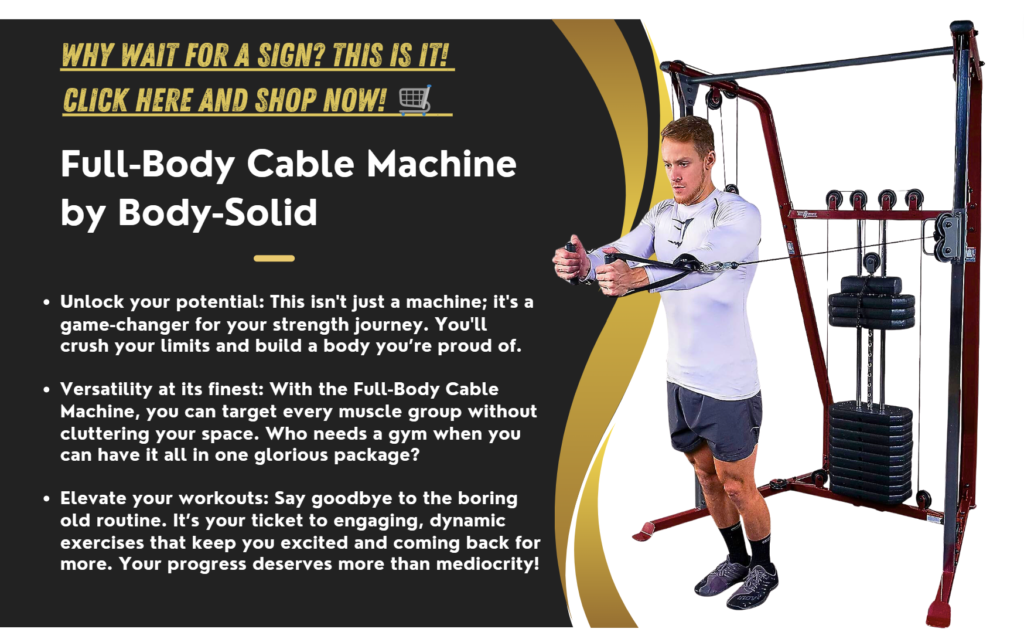
🌟 Cable Machine Setup
- Adjusting Weight: Set weight to match your strength level.
- Setting Up Attachments: Use appropriate attachments for each exercise.
- Machine Safety: Ensure all parts are secure before use.
🕑 Exercise Techniques
- Proper Form: Maintain correct posture to avoid injury.
- Common Mistakes: Avoid using too much weight and improper technique.
- Breathing Techniques: Exhale during exertion, inhale during relaxation.
💪 Training Programs
- Beginner Routines: Basic exercises with lighter weights.
- Intermediate Routines: Include more sets and variety.
- Advanced Routines: Higher intensity and complex movements.
🧼 Recovery and Maintenance
- Stretching and Mobility: Incorporate stretching to maintain flexibility.
- Cool Down Techniques: Gradually lower intensity to relax muscles.
- Equipment Maintenance: Regularly check and clean the machine.
Dive into Q&A
🏋️♂️ Q1: What’s the primary benefit of using cable machines for leg exercises? 💪 A1: Cable machines offer constant tension, enhancing muscle engagement and stability.
🏋️♂️ Q2: How can I ensure proper form during cable leg exercises? 💪 A2: Focus on controlled movements and avoid jerking or swinging.
🏋️♂️ Q3: Can I use cable machines for both strength and endurance training? 💪 A3: Yes, adjust the weight and reps according to your training goals.
🏋️♂️ Q4: How do I prevent injuries while using a cable machine? 💪 A4: Always start with a warm-up, use proper form, and don’t overload the machine.
🏋️♂️ Q5: What’s a good cable machine exercise for targeting the quads? 💪 A5: Leg extensions are excellent for isolating the quadriceps.
🏋️♂️ Q6: How often should I incorporate cable machine leg exercises into my routine? 💪 A6: 2-3 times per week, allowing rest days in between for muscle recovery.
🏋️♂️ Q7: What’s the best way to progress in cable machine leg exercises? 💪 A7: Gradually increase weight and/or the number of sets and reps.
🏋️♂️ Q8: Can cable machines be used for a full leg workout? 💪 A8: Yes, you can target all major leg muscles with the right exercises.
🏋️♂️ Q9: Are there any alternative exercises to cable leg curls? 💪 A9: Yes, lying or seated leg curls are effective alternatives.
🏋️♂️ Q10: What’s the most effective way to integrate cable machine leg exercises into a balanced fitness program? 💪 A10: Combine with other strength, cardio, and flexibility exercises for overall fitness.
Master Your Body: Bodyweight Bicep Exercises to Excel
Alright, folks, let’s talk about those biceps of yours—those glorious guns that should look like they can do more than just pick up grocery bags! Are you tired of flexing in the mirror only to be greeted by the reflection of an underwhelming set of noodles? Fear not! With bodyweight bicep exercises, you can sculpt your arms into impressive biceps—ones that might just convince strangers that you’ve been benching cars on the weekends! Forget about those bulky dumbbells; we’re getting innovative. Grab your own body weight and let’s fire up those muscles like they’re the last slice of pizza at a party!
🏋️♂️ Basics of Bodyweight Training
- Bodyweight training uses your own body weight as resistance.
- Requires minimal or no equipment for effectiveness.
- Can be performed anywhere, making it highly versatile.
🌟 Benefits of Bodyweight Bicep Exercises
- Improves muscle endurance and strength.
- Enhances functional fitness and overall body control.
- Cost-effective with minimal equipment required.
🚫 Limitations of Bodyweight Bicep Exercises
- May not provide enough resistance for advanced strength goals.
- Can be challenging to isolate the biceps effectively compared to weights.
- Progression may require additional equipment or variations.
🛠️ Minimal Equipment Needed
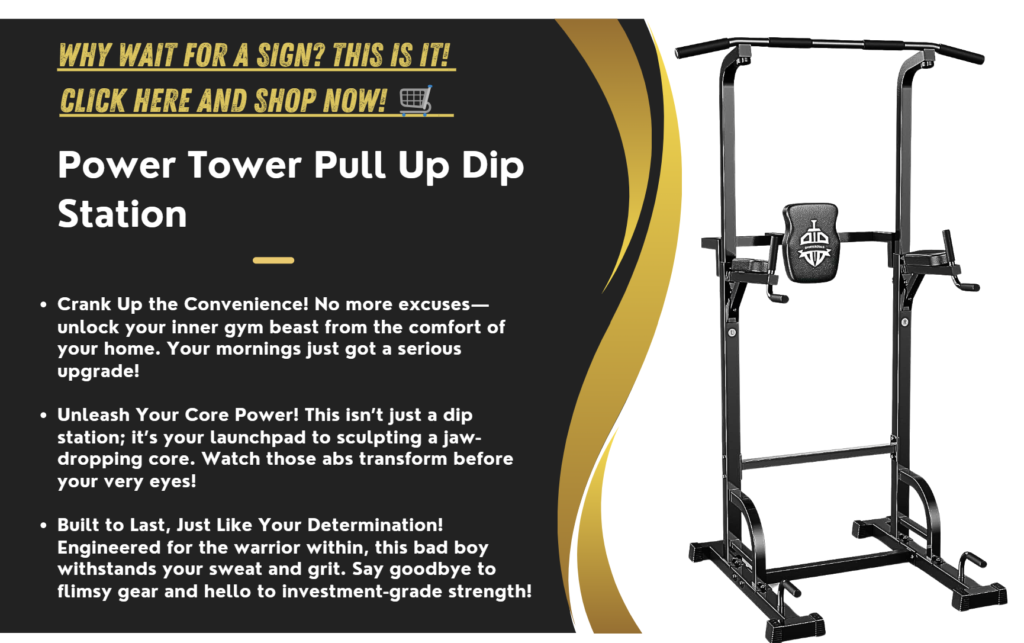
- Resistance Bands: Versatile for added resistance and variety.
- Pull-Up Bars: Essential for chin-ups and pull-ups.
🔧 Exercise Techniques
- Form and Technique: Focus on controlled movements and proper posture.
- Common Mistakes:
- Using momentum instead of muscle strength.
- Not fully extending or contracting the muscles.
- Overusing the shoulders instead of engaging the biceps.
🏋️♀️ Types of Bodyweight Bicep Exercises
| Exercise | Description | Equipment Needed | Difficulty |
|---|---|---|---|
| Bodyweight Curls | Perform curls using a resistance band or towel for added resistance. | Resistance Bands | Beginner |
| Isometric Holds | Hold a curl position for a set period to enhance endurance. | None | Intermediate |
| Chin-Ups/Pull-Ups | Pull your body up using a pull-up bar, focusing on bicep contraction. | Pull-Up Bar | Advanced |
| Resistance Band Variations | Use bands for various curls and extensions to target biceps differently. | Resistance Bands | Beginner to Advanced |
📈 Progression and Variations
- Beginner: Start with bodyweight curls and basic isometric holds.
- Intermediate: Incorporate chin-ups and resistance band variations.
- Advanced: Perform weighted variations or advanced pull-up techniques.
🧗♂️ Supplementary Exercises
- Forearm Strength: Enhance grip and forearm muscles with wrist curls and reverse curls.
- Core Engagement: Add planks and leg raises to support core stability during exercises.
📅 Training Programs
- Full-Body Workouts: Integrate bicep exercises with compound movements for balanced training.
- Split Routines: Focus on biceps on specific days with complementary muscle groups.
🛌 Recovery and Maintenance
- Stretching: Incorporate dynamic stretches before workouts and static stretches post-workout.
- Rest: Allow 48 hours between bicep workouts for optimal recovery.
- Nutrition: Maintain a protein-rich diet to support muscle repair and growth.
🛠️ Popular Brands and Tools
| Tool | Brand | Type | Price | Rating |
|---|---|---|---|---|
| Resistance Bands | Fit Simplify | Resistance Bands | $20 | 4.8/5 |
| Pull-Up Bar | Iron Gym | Doorway Pull-Up Bar | $30 | 4.7/5 |
| Resistance Bands | Rogue Fitness | Heavy Duty Bands | $25 | 4.6/5 |
| Pull-Up Bar | ProForm | Wall-Mount Pull-Up Bar | $40 | 4.5/5 |
Dive into Q&A
🏋️♂️ Q1: What’s the best bodyweight bicep exercise for beginners? 💪 A1: Bodyweight curls with a resistance band are ideal for beginners.
🏋️♂️ Q2: How can I make chin-ups easier if I’m just starting? 💪 A2: Use resistance bands for assisted chin-ups or perform negative chin-ups.
🏋️♂️ Q3: Can isometric holds really help with muscle growth? 💪 A3: Yes, they enhance muscle endurance and contribute to muscle growth over time.
🏋️♂️ Q4: How often should I train biceps with bodyweight exercises? 💪 A4: Aim for 2-3 times per week with rest days in between.
🏋️♂️ Q5: What’s a good supplementary exercise for improving bicep strength? 💪 A5: Forearm exercises like wrist curls complement bicep training.
🏋️♂️ Q6: Can bodyweight bicep exercises replace weightlifting entirely? 💪 A6: They can be effective but may need to be supplemented with weights for advanced strength goals.
🏋️♂️ Q7: How do I avoid common mistakes during bicep exercises? 💪 A7: Focus on controlled movements and proper form to minimize errors.
🏋️♂️ Q8: Are there specific nutrition tips to enhance bicep growth? 💪 A8: Consume adequate protein and maintain a balanced diet for optimal muscle repair.
🏋️♂️ Q9: What’s the best way to integrate bodyweight bicep exercises into my routine? 💪 A9: Combine with full-body workouts or split routines for balanced training.
🏋️♂️ Q10: How can I progress from beginner to advanced in bodyweight bicep exercises? 💪 A10: Gradually increase resistance and incorporate advanced variations like weighted chin-ups.
Elevate Your Workout: Must-Try Vertical Pull Exercises for All
Vertical pull exercises are the unsung heroes of strength training, and it’s high time we give them a standing ovation. Forget the everyday bicep curls; we’re climbing the ranks straight to the top with movements that target your back, shoulders, and arms like a well-aimed laser. Enter the pull-up and its friends—the lat pulldown and the timeless inverted row. These power-packed exercises will not only sculpt your physique but also boost your upper body strength to superhero levels. Feeling intimidated? Don’t sweat it! From total newbies to seasoned gym-goers, we’ve got modifications and progressions to fit everyone. It’s time to grab that bar and show gravity who’s boss!
🏋️♂️ Vertical Pull Exercises Overview
- Pull-Ups: Classic exercise for upper body strength.
- Lat Pulldowns: Versatile machine exercise targeting back and arms.
- T-Bar Rows: Effective for building thickness in the back.
- Inverted Rows: Bodyweight exercise for overall back development.
- Resistance Band Pull-Throughs: Adds resistance for a different challenge.
- Cable Pull-Overs: Focuses on the lats and core.
- Assisted Pull-Up Machine: Great for beginners or those working on strength.
- Vertical Row Variations: Provides multiple angles for targeting muscles.
🌟 Exercise Variations
- Pull-Ups:
- Standard Pull-Up: Hands shoulder-width apart, palms facing away.
- Chin-Up: Palms facing towards you, targeting biceps more.
- Neutral Grip Pull-Up: Hands in a neutral position, less strain on shoulders.
- Lat Pulldowns:
- Wide Grip Lat Pulldown: Targets the outer lats for a wider back.
- Close Grip Lat Pulldown: Focuses on inner lats and biceps.
- Reverse Grip Lat Pulldown: Emphasizes the lower lats and biceps.
- T-Bar Rows:
- Narrow Grip T-Bar Row: Engages the middle back and rear delts.
- Wide Grip T-Bar Row: Targets the outer lats and upper back.
- Inverted Rows:
- Bodyweight Inverted Row: Standard bodyweight exercise for back strength.
- Weighted Inverted Row: Adds resistance for increased difficulty.
- Resistance Band Pull-Throughs:
- High Anchor Band Pull-Through: Works the lats and core from a high position.
- Low Anchor Band Pull-Through: Emphasizes lower lats and back engagement.
- Cable Pull-Overs:
- Single Arm Cable Pullover: Isolates each side of the back.
- Double Arm Cable Pullover: Targets both lats simultaneously.
- Assisted Pull-Up Machine:
- Assisted Pull-Up with Adjustable Weight: Supports bodyweight to build strength.
- Assisted Chin-Up with Adjustable Weight: Focuses on chin-ups with added support.
- Vertical Row Variations:
- Single Arm Vertical Row: Targets each side individually for balanced development.
- Dual Handle Vertical Row: Engages multiple muscle groups with varied grips.
🛠️ Training Equipment
- Pull-Up Bar: Essential for performing pull-ups and chin-ups.
- Lat Pulldown Machine: Versatile machine for various lat exercises.
- Resistance Bands: Useful for resistance band pull-throughs and modifications.
- Cable Machine: Ideal for cable pull-overs and other cable-based exercises.
- T-Bar Row Machine: Designed for effective T-Bar rows.
- Inverted Row Bar: Provides support for inverted rows.
💪 Exercise Benefits
- Back Strength: Enhances upper back and lat strength.
- Bicep Development: Improves bicep size and strength.
- Core Stability: Engages core muscles for overall stability.
- Grip Strength: Strengthens grip and forearm muscles.
📈 Workout Programs
- Beginner Programs: Focus on mastering form and building foundational strength.
- Intermediate Programs: Incorporate varied exercises and increase intensity.
- Advanced Programs: Advanced techniques and higher resistance for experienced lifters.
⚠️ Common Mistakes
- Poor Form: Leads to ineffective workouts and potential injury.
- Inadequate Range of Motion: Reduces exercise effectiveness.
- Overtraining: Causes fatigue and may hinder progress.
🧼 Recovery and Tips
- Stretching: Helps maintain flexibility and prevent muscle tightness.
- Foam Rolling: Aids in muscle recovery and reduces soreness.
- Proper Nutrition: Supports muscle repair and overall performance.
Dive into Q&A
💪 Q1: What’s the main benefit of vertical pull exercises? 💪 A1: They target the upper back, lats, and arms, improving strength and muscle definition.
💪 Q2: How can I improve my pull-up performance? 💪 A2: Incorporate a mix of pull-up variations and strength-building exercises for overall improvement.
💪 Q3: Can I use resistance bands for pull-ups? 💪 A3: Yes, bands can assist in pull-ups by reducing body weight and improving form.
💪 Q4: What’s the difference between lat pulldowns and pull-ups? 💪 A4: Lat pulldowns are performed on a machine, allowing for varied grips, while pull-ups use body weight.
💪 Q5: What’s a good way to prevent poor form during inverted rows? 💪 A5: Focus on maintaining a straight body line and engaging your core throughout the movement.
💪 Q6: How often should I incorporate vertical pull exercises into my routine? 💪 A6: 2-3 times per week, allowing for adequate recovery between sessions.
💪 Q7: What’s a common mistake with T-Bar rows? 💪 A7: Using too much weight, which can lead to poor form and reduced effectiveness.
💪 Q8: Are assisted pull-up machines effective for strength building? 💪 A8: Yes, they help build strength by gradually reducing assistance as you progress.
💪 Q9: Can I mix different vertical pull exercises in one workout? 💪 A9: Yes, combining different exercises targets various muscles and improves overall development.
💪 Q10: What’s the best way to integrate vertical pull exercises into a balanced program? 💪 A10: Include them as part of a comprehensive back and arm routine, along with complementary exercises.
Say Goodbye to Gym Fees: Invest in an Upright Exercise Bike
Let’s face it, folks—gym memberships are like those “No Parking” signs you see at a concert; full of empty promises and leaving you with that sinking feeling when you realize you’ve been had! Why pay outrageous fees to sweat it out in a funky-smelling room with mirror selfies and shouting trainers? With an upright exercise bike, you can ditch the overpriced treadmill and pedal your way to fitness while binge-watching reality TV in the comfort of your own home. Talk about a win-win! Not only will you save those hard-earned bucks, but you’ll also get to exercise without the anxiety of someone judging your workout moves or trying to steal your towel! Flex those muscles without flexing your wallet—now that’s what I’m talking about!
🏋️♂️ Benefits of Upright Exercise Bikes
- Cost-Effective: One-time purchase vs. ongoing gym fees.
- Convenience: Exercise anytime, without leaving home.
- Space-Saving: Compact design fits easily in small spaces.
🌟 Health Benefits of Upright Exercise Bikes
- Cardiovascular Health: Improves heart and lung function.
- Weight Loss: Burns calories and aids in fat reduction.
- Muscle Toning: Strengthens and tones lower body muscles.
🛠️ Features to Look For
- Adjustable Seat: Ensures comfort and proper fit.
- Resistance Levels: Customize workout intensity.
- Display Console:
- Heart Rate Monitor: Tracks heart rate during exercise.
- Calories Burned: Displays calories burned per session.
- Distance Traveled: Monitors distance covered.
- Built-in Workouts: Offers various workout programs.
⚙️ Types of Upright Exercise Bikes
- Magnetic Resistance: Smooth and quiet operation with adjustable resistance.
- Air Resistance: Resistance increases with pedaling speed.
- Belt Drive: Low maintenance with a smooth ride.
- Chain Drive: Traditional design with a higher noise level.
💸 Comparing Upright Exercise Bike Brands
| Brand | Type | Features | Price Range | Rating |
|---|---|---|---|---|
| Peloton | Magnetic Resistance | Advanced console, Built-in workouts | $1,445 | 4.9/5 |
| NordicTrack | Magnetic Resistance | Adjustable seat, Heart rate monitor | $799 | 4.7/5 |
| Schwinn | Belt Drive | Display console, Multiple resistance levels | $499 | 4.6/5 |
| Sole Fitness | Magnetic Resistance | Heart rate monitor, Built-in workouts | $649 | 4.5/5 |
🔧 Maintenance Tips
- Cleaning: Wipe down regularly to remove dust and sweat.
- Parts Replacement: Check and replace worn-out parts as needed.
- Lubrication: Lubricate moving parts to ensure smooth operation.
💡 Comparison to Gym Membership
- Long-Term Savings: Save on monthly gym fees with a one-time purchase.
- Initial Investment: Higher upfront cost but more cost-effective over time.
- Flexibility of Use: Exercise on your schedule, no need for gym hours.
Dive into Q&A
🏋️♂️ Q1: What’s the main advantage of investing in an upright exercise bike? 💡 A1: It offers long-term savings compared to ongoing gym fees and provides convenience.
🏋️♂️ Q2: How can I choose the best upright exercise bike for my needs? 💡 A2: Consider features like adjustable seats, resistance levels, and built-in workouts based on your fitness goals.
🏋️♂️ Q3: Can an upright exercise bike help with weight loss? 💡 A3: Yes, it’s effective for burning calories and improving overall fitness.
🏋️♂️ Q4: What type of resistance is best for a smooth workout experience? 💡 A4: Magnetic resistance provides a smooth and quiet ride.
🏋️♂️ Q5: How often should I perform maintenance on my exercise bike? 💡 A5: Regular cleaning and periodic lubrication are recommended to keep the bike in good condition.
🏋️♂️ Q6: Is it worth it to invest in a high-end model? 💡 A6: High-end models often offer more features and better durability, but budget models can also be effective.
🏋️♂️ Q7: How does an upright exercise bike compare to a treadmill? 💡 A7: An upright bike is lower-impact and easier on the joints, making it suitable for those with joint concerns.
🏋️♂️ Q8: Can I use an upright exercise bike for strength training? 💡 A8: Primarily for cardiovascular workouts, but adjustable resistance can also aid in muscle toning.
🏋️♂️ Q9: Are there any drawbacks to using an upright exercise bike? 💡 A9: It may not offer the same variety of workouts as a gym, but it’s versatile for cardio and endurance.
🏋️♂️ Q10: What’s the best way to integrate an upright exercise bike into my fitness routine? 💡 A10: Use it regularly for cardio workouts and combine with strength training for a balanced routine.
Find Your Perfect Match: The Ultimate Shoulder Exercise Machine
Alright folks, let’s break it down — if your shoulders are feeling like a couple of soggy pillows after a heavy night of Netflix binging, then it’s high time to level up your gym game! You know that moment when you realize your friend’s biceps are getting all the love while yours seem to be nestled comfortably in a potato chip bag? Well, that’s not just a tragedy; that’s a call to action!
So here we are, hunting for the divine grail of shoulder exercise machines, the one that’s gonna transform you from “Oh no, not again!” to “Whoa, where did those come from?” It’s about finding that perfect match — the machine that understands you like your best buddy does after a rough breakup: it’s supportive, gives you a little push, and let’s you feel like a fitness rockstar without judging you for skipping leg day last week. Buckle up, because we’re diving in!
🏋️♂️ Benefits of Shoulder Exercise Machines
- Muscle Isolation: Targets specific shoulder muscles effectively.
- Strength Improvement: Enhances shoulder strength and endurance.
- Joint Stability: Supports joint health and stability during workouts.
- Posture Enhancement: Contributes to improved posture and alignment.
🌟 Types of Shoulder Exercise Machines
- Seated Shoulder Press Machine: Provides stable support for controlled pressing movements.
- Standing Shoulder Press Machine: Allows for more natural movement patterns and core engagement.
- Lateral Raise Machine: Focuses on isolating the lateral deltoid muscles.
- Rear Delt Fly Machine: Targets the rear deltoids and upper back.
- Multi-Functional Shoulder Machine: Offers a variety of shoulder exercises in one machine.
🔧 Key Features to Consider
- Adjustable Seat: Ensures proper alignment and comfort during exercises.
- Adjustable Armrests: Allows for customized positioning to target different muscle groups.
- Weight Stack: Provides adjustable resistance levels for progressive strength training.
- Range of Motion: Ensures full movement range for effective muscle engagement.
- Ergonomic Design: Enhances user comfort and minimizes strain on the body.
💪 Popular Brands
| Brand | Key Features | Price | Rating |
|---|---|---|---|
| Life Fitness | Adjustable settings, durable build | $3,000 | 4.8/5 |
| Hammer Strength | Robust construction, ergonomic design | $2,800 | 4.7/5 |
| Nautilus | Versatile functionality, adjustable weight | $2,500 | 4.6/5 |
| Cybex | Advanced biomechanics, comfort features | $3,200 | 4.5/5 |
| Precor | Innovative design, smooth operation | $2,700 | 4.4/5 |
🛠️ Maintenance Tips
- Regular Cleaning: Wipe down surfaces to remove sweat and dust.
- Lubrication of Moving Parts: Apply lubricant to maintain smooth operation.
- Inspection for Wear and Tear: Check for any signs of damage or malfunction.
🔄 Alternatives to Shoulder Exercise Machines
- Free Weights: Dumbbells and barbells for versatile shoulder workouts.
- Resistance Bands: Provides variable resistance for shoulder exercises.
- Bodyweight Exercises: Push-ups and handstands to build shoulder strength.
Dive into Q&A
🏋️♂️ Q1: What’s the primary benefit of using a shoulder exercise machine? 💪 A1: It provides targeted muscle isolation and enhances strength while supporting joint stability.
🏋️♂️ Q2: How can I maximize the effectiveness of a shoulder exercise machine? 💪 A2: Adjust the seat and armrests to your body size and use a full range of motion.
🏋️♂️ Q3: Can I combine shoulder exercise machines with free weights? 💪 A3: Yes, combining both can provide a balanced shoulder workout and prevent plateaus.
🏋️♂️ Q4: How often should I maintain my shoulder exercise machine? 💪 A4: Perform maintenance regularly, ideally every 1-2 months, to ensure optimal performance.
🏋️♂️ Q5: What’s a good alternative to a shoulder exercise machine if I’m limited on space? 💪 A5: Resistance bands and bodyweight exercises are great alternatives for a compact workout space.
🏋️♂️ Q6: Can shoulder exercise machines be adjusted for different users? 💪 A6: Yes, most machines have adjustable seats and armrests to accommodate various body sizes.
🏋️♂️ Q7: How do I prevent injury while using a shoulder exercise machine? 💪 A7: Use proper form, start with lighter weights, and gradually increase resistance.
🏋️♂️ Q8: Are there specific machines better for targeting rear delts? 💪 A8: Yes, the Rear Delt Fly Machine is specifically designed to target the rear deltoids effectively.
🏋️♂️ Q9: What should I look for in a high-quality shoulder exercise machine? 💪 A9: Look for adjustable features, a smooth range of motion, and an ergonomic design for comfort and effectiveness.
🏋️♂️ Q10: How can I integrate shoulder machine exercises into a balanced workout routine? 💪 A10: Combine shoulder machine exercises with free weights and bodyweight exercises for a comprehensive shoulder workout.
The Lowdown on Lower Back Training with a Cable Machine
Lower back pain? Not on our watch. Enter the cable machine, your new best friend in the gym. Think of it as your trusty sidekick, ready to help you sculpt that lower back like Michelangelo chipping away at his masterpiece. Grab that handle, and it’s time to unleash some serious strength! With a myriad of adjustable heights and resistance levels, this beast dynamically targets those stubborn lower back muscles while ensuring you’re safe and sound. Form first, folks! Maintaining a strong posture is your secret weapon to prevent injuries. Let’s pump up those lats and erectors, turning your back into a powerful work of art—strong, stable, and fit for a superhero! Ready to pull? Let’s crush it!
🔧 Cable Machine Overview
- Versatile Equipment: Allows for various lower back exercises.
- Adjustable Resistance: Tailors intensity to your fitness level.
- Stable Platform: Provides support for controlled movements.
🔍 Types of Cable Machines
- Single Stack: One stack of weights for a range of exercises.
- Dual Stack: Two stacks for independent resistance on each side.
- Functional Trainer: Two adjustable arms for multi-directional movements.
🔩 Cable Machine Components
- Weight Stack: Provides adjustable resistance.
- Cables: Connect the weight stack to the handles.
- Handles: Grip options for different exercises.
🔬 Lower Back Anatomy
- Erector Spinae: Muscles running along the spine, crucial for extending and stabilizing the back.
- Multifidus: Deep muscle stabilizers that support vertebral joints.
- Quadratus Lumborum: Muscle that aids in lateral flexion and supports the lower back.
🏋️♂️ Lower Back Exercises with Cable Machine
| Exercise | Description | Muscles Targeted | Recommended Sets/Reps |
|---|---|---|---|
| Cable Deadlifts | Lift weight from the ground to hip level, keeping back straight. | Erector Spinae, Glutes | 3-4 sets of 10-12 reps |
| Cable Rows | Pull cable towards torso while seated, engaging back muscles. | Latissimus Dorsi, Rhomboids | 3-4 sets of 10-12 reps |
| Cable Good Mornings | Hinge at the hips while maintaining a straight back and cable resistance. | Erector Spinae, Hamstrings | 3 sets of 12-15 reps |
| Cable Hyperextensions | Perform back extensions with resistance from the cable machine. | Erector Spinae, Glutes | 3 sets of 10-12 reps |
📝 Techniques and Form
- Proper Posture: Maintain a neutral spine, avoid rounding your back.
- Controlled Movements: Focus on muscle engagement rather than speed.
- Breathing: Exhale during exertion and inhale during relaxation.
⚠️ Common Mistakes
- Overarching: Avoid excessive arching to prevent strain.
- Using Too Much Weight: Choose a weight that allows for proper form.
- Improper Grip: Ensure handles are gripped correctly to avoid slipping.
🛡️ Safety Tips
- Warm Up: Prepare muscles with light exercises before starting.
- Check Equipment: Ensure all components are secure and functioning.
- Start Light: Begin with lower weights to master form before increasing resistance.
🏆 Benefits of Cable Machine Training
- Core Stability: Enhances core strength and stability.
- Strength Development: Builds lower back strength and endurance.
- Flexibility Improvement: Increases range of motion and flexibility in the lower back.
🔄 Alternative Equipment
- Free Weights: Barbells and dumbbells for versatile back training.
- Resistance Bands: Provides variable resistance for dynamic exercises.
- Machines (non-cable): Specific back machines for focused workouts.
📅 Training Programs
- Beginner Routines: Focus on learning proper form and light weights.
- Intermediate Routines: Incorporate varied exercises and moderate weights.
- Advanced Routines: Use heavy weights and complex movements for maximum strength.
🛠️ Recovery and Maintenance
- Stretching Exercises: Include stretches like child’s pose and cat-cow for flexibility.
- Rest and Recovery Tips: Allow 48 hours between intense back workouts.
- Injury Prevention: Use proper form and avoid overtraining to reduce risk.
Dive into Q&A
🏋️♂️ Q1: What’s the primary benefit of using a cable machine for lower back training? 🛡️ A1: It provides adjustable resistance for controlled, effective workouts.
🏋️♂️ Q2: How can I improve my form when performing cable deadlifts? 🛡️ A2: Keep your back straight, engage your core, and lift with your legs.
🏋️♂️ Q3: Can I combine cable machine exercises with other equipment? 🛡️ A3: Yes, mixing with free weights or resistance bands can enhance your routine.
🏋️♂️ Q4: Is it safe to use a cable machine if I have a lower back injury? 🛡️ A4: Consult with a healthcare provider to ensure exercises are suitable for your condition.
🏋️♂️ Q5: What’s a good recovery strategy after a cable machine workout? 🛡️ A5: Incorporate stretching, rest, and hydration to support muscle recovery.
🏋️♂️ Q6: How often should I train my lower back with a cable machine? 🛡️ A6: 2-3 times a week is ideal, allowing time for recovery between sessions.
🏋️♂️ Q7: How do I prevent common mistakes during cable machine exercises? 🛡️ A7: Focus on proper form, start with lighter weights, and gradually increase resistance.
🏋️♂️ Q8: Can cable machine exercises improve overall back flexibility? 🛡️ A8: Yes, regular use can enhance flexibility and range of motion.
🏋️♂️ Q9: Are there any specific exercises to avoid on a cable machine? 🛡️ A9: Avoid exercises that cause discomfort or strain; ensure exercises are performed correctly.
🏋️♂️ Q10: What’s the best way to integrate cable machine exercises into my routine? 🛡️ A10: Combine with other forms of exercise for a balanced workout, focusing on both strength and flexibility.
Your Path to Power: Brachialis Exercise Essentials
Welcome to the bicep’s underdog—the brachialis! While everyone’s busy flexing their biceps like they’re trying to impress a bunch of gym mirrors, the brachialis quietly sits underneath, packing a serious punch in the arm development department. Think of it as the unsung hero of your upper limbs, ready to step into the spotlight and add that extra beef to your arm game. If you want arms that make people stop and say, “Dang, where’d you find those guns?” you’ve got to give this muscle the attention it deserves! Let’s dive into the exercises that will help you harness the hidden power of the brachialis and finally unleash your arm potential. Get ready to pump some iron!
💪 Brachialis Anatomy
- Muscle Function: Flexes the elbow joint, contributing to forearm strength.
- Muscle Location: Located beneath the biceps brachii, originating from the humerus and inserting into the ulna.
- Anatomy Comparison:
- Brachialis vs. Biceps: The brachialis is deeper and primarily responsible for elbow flexion, while the biceps also aids in supination of the forearm.
🌟 Brachialis Exercises
- Isolation Exercises:
- Hammer Curls: Targets the brachialis and forearm muscles with a neutral grip.
- Reverse Curls: Emphasizes the brachialis and forearms by using an overhand grip.
- Compound Exercises:
- Pull-Ups: Engages the brachialis along with back muscles.
- Chin-Ups: Focuses on the brachialis and biceps with an underhand grip.
🕑 Training Techniques
- Proper Form: Maintain a controlled motion and avoid swinging the weights.
- Reps and Sets: For strength, aim for 4-6 reps per set. For hypertrophy, target 8-12 reps per set.
- Variations and Modifications: Adjust grip width or use different equipment to target the muscle differently.
💪 Programs and Routines
- Strength Training Programs: Include low reps and heavy weights for maximal strength gains.
- Hypertrophy Routines: Use moderate reps and moderate weights to increase muscle size.
🧼 Recovery and Injury Prevention
- Stretching: Perform static stretches for the brachialis and surrounding muscles.
- Warm-Up and Cool-Down: Include dynamic stretches before and static stretches after workouts to prevent injuries.
- Common Injuries: Elbow strains and tendinitis are common. Use proper form and avoid overtraining.
- Preventative Measures: Incorporate rest days and use proper lifting techniques.
🍴 Nutrition and Supplementation
- Protein Intake: Consume adequate protein to support muscle repair and growth.
- Supplements for Muscle Growth: Consider whey protein, creatine, and BCAAs for enhanced performance.
🛠️ Equipment
- Dumbbells: Ideal for performing curls and variations.
- Barbells: Useful for compound exercises like reverse curls.
- Resistance Bands: Provides variable resistance for different exercises.
🚫 Common Mistakes
- Incorrect Form: Avoid using momentum or incorrect posture.
- Overtraining: Ensure proper rest between workouts to avoid burnout and injury.
📈 Progress Tracking
- Measuring Strength Gains: Track weight lifted and number of reps to monitor progress.
- Tracking Muscle Growth: Use measurements or body composition tools to assess changes.
Dive into Q&A
💪 Q1: What’s the primary function of the brachialis muscle? 💪 A1: It primarily flexes the elbow joint.
💪 Q2: How can I ensure proper form during brachialis exercises? 💪 A2: Focus on controlled movements and avoid using excessive weights.
💪 Q3: What’s the difference between hammer curls and reverse curls? 💪 A3: Hammer curls use a neutral grip, targeting the brachialis and forearms, while reverse curls use an overhand grip, emphasizing the brachialis and forearms differently.
💪 Q4: Can I do brachialis exercises every day? 💪 A4: It’s best to allow 48 hours of rest between workouts to prevent overtraining.
💪 Q5: What’s a good way to incorporate brachialis exercises into my routine? 💪 A5: Include them in your arm or upper body workout, focusing on both isolation and compound movements.
💪 Q6: How can I avoid elbow injuries while training the brachialis? 💪 A6: Use proper form, avoid overloading weights, and incorporate stretching and warm-ups.
💪 Q7: What should I focus on during recovery? 💪 A7: Prioritize stretching, rest, and proper nutrition to aid muscle recovery and growth.
💪 Q8: Are resistance bands effective for brachialis training? 💪 A8: Yes, they can provide variable resistance and are great for targeting the muscle differently.
💪 Q9: How can I measure my progress in brachialis exercises? 💪 A9: Track weights lifted, reps performed, and take measurements of your arms to gauge muscle growth.
💪 Q10: What common mistakes should I avoid in brachialis training? 💪 A10: Avoid incorrect form and overtraining; ensure proper technique and adequate rest.