
Archive for the ‘supplements’ Category
Can Ghost BCAA’s Enhance Your Muscle Recovery Game?
Let’s dive right into the magic of Ghost BCAAs—the secret sauce that could turn your post-workout recovery from “meh” to “heck yes!” Think of them as your personal cheerleaders, waving tiny pom-poms of leucine, isoleucine, and valine, straight from the workout gods. Not only do these essential amino acids help kick muscle soreness to the curb, but they also turn your body into a fat-burning, muscle-building machine. And the best part? They come in flavors so delicious you’ll swear they’re dessert in disguise. Pop that scoop in your shaker, mix it up, and let the recovery festivities begin! Your muscles will be throwing a thank you party, and you’re invited!
💪 Benefits of Ghost BCAAs
- Faster Muscle Recovery: Ghost BCAAs are packed with leucine, isoleucine, and valine in an optimal 2:1:1 ratio, scientifically proven to support muscle repair. These amino acids help reduce muscle breakdown, allowing you to recover quicker between workouts.
- Reduced Muscle Soreness: Regular use of BCAAs has been shown to reduce delayed onset muscle soreness (DOMS). Whether you’re hitting the gym hard or training for endurance, Ghost BCAAs can help you bounce back faster and feel less sore.
- Enhanced Endurance: BCAAs can delay muscle fatigue during intense workouts. By preserving muscle glycogen levels and reducing lactic acid buildup, Ghost BCAAs keep your energy levels up, helping you power through those last few reps.
🌟 Choosing the Right Ghost BCAA Formula
Ghost BCAAs stand out not only for their recovery benefits but also for their commitment to quality and transparency in labeling.
- Key Ingredients:
- Vegan Fermented BCAAs: Ghost uses plant-based, fermented BCAAs, ensuring high quality and making them suitable for vegetarians and vegans.
- Electrolytes: To further boost hydration and performance, Ghost BCAAs include added electrolytes like potassium and sodium, which help maintain fluid balance and muscle function.
- Astragin®: This natural compound enhances nutrient absorption, ensuring your body gets the most out of every scoop.
- Flavor Options:
- Sour Patch Kids® Redberry: A fan-favorite with a tangy, candy-like flavor that makes taking BCAAs enjoyable.
- Lemon Crush: A refreshing citrus flavor, perfect for staying hydrated during workouts.
- Blue Raspberry: A classic choice with a bold, fruity taste that mixes well in water.
- Mixability and Texture:
- Instant Mixability: Ghost BCAAs dissolve easily in water without clumping, making them convenient to mix on-the-go.
- Light Texture: The formula is designed to be light and refreshing, so it doesn’t feel heavy during your workout or recovery sessions.
🕑 Best Times to Take Ghost BCAAs
To maximize the benefits, timing your BCAA intake is key.
- Pre-Workout: Taking Ghost BCAAs 15-30 minutes before exercise primes your muscles with the nutrients needed for optimal performance and endurance.
- Intra-Workout: Sipping on BCAAs during your workout helps sustain energy levels and prevents muscle breakdown as you push through intense training.
- Post-Workout: Consuming BCAAs immediately after your workout kickstarts the muscle recovery process, reducing soreness and boosting muscle repair.
💪 Comparing Ghost BCAAs with Other Brands
Here’s a look at how Ghost BCAAs measure up against some of the competition:
| Brand | BCAA Ratio | Flavors | Price | Rating |
|---|---|---|---|---|
| Ghost BCAAs | 2:1:1 | Sour Patch Kids®, Lemon Crush | $35 | 4.8/5 |
| Xtend BCAAs | 2:1:1 | Watermelon, Grape, Mango | $30 | 4.7/5 |
| Scivation Xtend Elite | 2:1:1 | Blue Raspberry, Fruit Punch | $40 | 4.6/5 |
| Optimum Nutrition BCAA | 2:1:1 | Orange, Fruit Punch | $25 | 4.5/5 |
🍴 Ghost BCAA Recipes
Get creative with Ghost BCAAs by incorporating them into tasty treats:
- BCAA Popsicles: Mix your favorite Ghost BCAA flavor with water and freeze in popsicle molds for a refreshing post-workout snack.
- BCAA Slushie: Blend Ghost BCAAs with ice and a splash of lemon juice for a hydrating slushie perfect after a sweaty session.
- BCAA Gummy Bears: Combine Ghost BCAAs with gelatin and water to create chewy, recovery-boosting gummies.
🧼 Storage and Safety Tips
Proper storage and usage ensure your Ghost BCAAs remain effective:
- Store in a Cool, Dry Place: Keep your BCAAs away from moisture and heat to avoid clumping and preserve their flavor.
- Seal Tightly: Always reseal the container to prevent the powder from absorbing moisture and losing potency.
- Check Expiration Dates: Using expired supplements can lead to reduced effectiveness, so keep an eye on the dates.
Q&A
Here are some common questions and answers to help you make the most out of Ghost BCAAs:
🍴 Q1: What’s the biggest benefit of taking Ghost BCAAs?
💪 A1: The optimal 2:1:1 ratio helps with faster muscle recovery, reduced soreness, and sustained workout performance.
🍴 Q2: Can I stack Ghost BCAAs with other supplements?
💪 A2: Absolutely! Ghost BCAAs can be stacked with pre-workout, creatine, or protein powders for enhanced results.
🍴 Q3: Do I need BCAAs if I’m already taking protein?
💪 A3: While protein provides all essential amino acids, BCAAs offer more targeted muscle recovery benefits, especially during intense training sessions.
🍴 Q4: Are Ghost BCAAs suitable for vegans?
💪 A4: Yes, Ghost BCAAs use vegan fermented amino acids, making them a plant-based option.
🍴 Q5: What’s a unique way to use Ghost BCAAs?
💪 A5: Mix them into your morning smoothie or make hydrating ice cubes that you can drop into water bottles during your workout.
🍴 Q6: Can I take Ghost BCAAs on rest days?
💪 A6: Yes, taking BCAAs on rest days helps maintain amino acid levels and supports muscle recovery.
🍴 Q7: What’s the best way to mix Ghost BCAAs without clumping?
💪 A7: Use a shaker bottle with a whisk ball or blend it with water for a smooth drink.
🍴 Q8: How does Ghost BCAAs’ flavor compare to other brands?
💪 A8: Ghost is known for its innovative and candy-inspired flavors, making it a standout choice in terms of taste.
🍴 Q9: Do BCAAs cause any side effects?
💪 A9: BCAAs are generally safe, but excessive use might cause minor digestive issues in some individuals.
🍴 Q10: How do Ghost BCAAs fit into a balanced fitness routine?
💪 A10: Ghost BCAAs are a great addition for anyone looking to enhance recovery, reduce soreness, and maintain workout intensity. Pair them with a balanced diet and regular hydration for best results.
BCAA vs Creatine: Which Has Better Long-Term Effects?
Let’s dive into the meaty battle of the supplements! BCAAs (branched-chain amino acids) are the champions for muscle recovery, strutting their stuff while helping delay fatigue and kick-starting protein synthesis. They’re like the supportive best friend who’s always got your back during those grueling workouts. On the flip side, we have Creatine, the powerhouse known for cranking up your strength and explosive performance. It’s the go-to when you need that extra oomph for those heavy lifts or high-intensity sessions. Now, what’s the verdict on long-term effects? While BCAAs dance around your workouts providing relief and recovery, Creatine tries to increase your muscle mass and improve overall performance over time. So, whether you’re after a recovery sidekick or a strength-boosting heavyweight, it all boils down to your fitness goals. Are you ready to pick a side in this supplement showdown?
🏋️♂️ Benefits of BCAAs
- Muscle Preservation: BCAAs, particularly leucine, help prevent muscle breakdown during prolonged exercise or dieting. By providing your muscles with these essential amino acids, BCAAs support muscle maintenance and reduce catabolism.
- Reduced Muscle Soreness: BCAAs can reduce delayed onset muscle soreness (DOMS) by minimizing muscle damage during intense workouts. This means faster recovery and less discomfort post-training.
- Increased Endurance: BCAAs play a role in reducing mental fatigue during exercise, helping you stay focused and energized during long workouts.
💪 Benefits of Creatine
- Enhanced Strength and Power: Creatine is a well-researched supplement that boosts ATP production, which is crucial for high-intensity, short-duration activities. This results in increased strength, power, and overall performance during resistance training and explosive exercises.
- Muscle Growth: Creatine promotes muscle cell hydration and volumization, leading to greater muscle mass over time. It also supports muscle protein synthesis, making it effective for those looking to bulk up.
- Improved Recovery: Creatine accelerates post-exercise recovery by reducing muscle damage and inflammation, allowing for more frequent and effective training sessions.
🌟 BCAA vs. Creatine: Which is Better for Long-Term Use?
Both BCAAs and creatine have unique advantages, but understanding their specific roles can help determine which is more beneficial for your long-term goals.
- Muscle Growth and Strength: Creatine is the clear winner when it comes to building strength and size over time. Its ability to increase ATP availability directly impacts performance, leading to progressive overload and muscle growth.
- Endurance and Recovery: BCAAs excel in preserving muscle during cutting phases or endurance training, making them ideal for athletes focused on long sessions or those in a calorie deficit.
- Sustainability and Safety: Both supplements are safe for long-term use when taken at recommended doses. Creatine has extensive research backing its safety and effectiveness, while BCAAs are particularly beneficial when dietary protein intake is low.
🕑 Best Times to Take BCAAs and Creatine
Maximizing the effectiveness of these supplements depends on when and how you take them.
- BCAAs: Consume BCAAs before or during your workout to enhance endurance and reduce muscle soreness. They’re especially useful if training fasted or on a calorie-restricted diet.
- Creatine: Creatine is best taken consistently, either pre- or post-workout, to maintain elevated levels in your muscles. Loading phases can be helpful initially, followed by a maintenance dose for sustained benefits.
- Stacking: Many athletes combine BCAAs and creatine for comprehensive results. BCAAs cover endurance and recovery, while creatine enhances strength and muscle growth.
📊 Comparing BCAAs and Creatine for Long-Term Results
Here’s a comparison to help you decide which supplement aligns with your goals:
| Supplement | Main Benefit | Best Use Case | Cost | Effectiveness |
|---|---|---|---|---|
| BCAAs | Muscle Preservation & Endurance | Cutting phases or prolonged cardio | $20-$30 per month | 4.5/5 |
| Creatine | Strength & Muscle Growth | Bulking and resistance training | $15-$25 per month | 5/5 |
🍴 BCAA and Creatine-Rich Foods
While supplements are convenient, these foods naturally provide the benefits of BCAAs and creatine:
- Lean Meats (Chicken, Beef): High in BCAAs and creatine, these are excellent protein sources for muscle growth.
- Fish (Salmon, Tuna): Rich in both BCAAs and omega-3s, fish supports recovery and lean muscle mass.
- Dairy (Greek Yogurt, Cheese): Dairy products provide BCAAs and additional nutrients for overall health.
🧼 Storage and Safety Tips
Keep your supplements effective with these storage and usage tips:
- Dry, Cool Place: Store your supplements away from moisture and direct sunlight to maintain potency.
- Follow Dosage Recommendations: Overloading on BCAAs or creatine doesn’t enhance benefits and may lead to digestive issues.
- Consistency is Key: Both supplements require consistent use to build up in your system and deliver maximum results.
Q&A
Here are common questions about BCAAs and creatine:
🍴 Q1: Can I take both BCAAs and creatine together?
💪 A1: Yes! Combining BCAAs and creatine can support both endurance and muscle growth in a balanced approach.
🍴 Q2: Which is better for cutting, BCAAs or creatine?
💪 A2: BCAAs are more beneficial during cutting, as they prevent muscle loss while in a calorie deficit, whereas creatine is more effective for bulking phases.
🍴 Q3: How long before I see results with creatine?
💪 A3: With a loading phase, noticeable strength gains can appear within a week. Without loading, it may take 2-4 weeks.
🍴 Q4: Are there any side effects from long-term use of either supplement?
💪 A4: Both are generally safe. Creatine may cause water retention, and excessive BCAA intake could lead to stomach discomfort.
🍴 Q5: Should I cycle creatine or BCAAs?
💪 A5: There’s no need to cycle BCAAs. Creatine doesn’t require cycling either, though some prefer to take breaks periodically.
🍴 Q6: Do BCAAs help if I’m already getting enough protein?
💪 A6: If you meet your daily protein needs, BCAAs may offer minimal additional benefit, though they can still help with fasted training.
🍴 Q7: Can I take creatine on non-training days?
💪 A7: Yes, taking creatine daily helps maintain muscle saturation and effectiveness, even on rest days.
🍴 Q8: Is creatine suitable for women?
💪 A8: Absolutely! Creatine is safe and effective for both men and women, promoting lean muscle and strength gains.
🍴 Q9: Are there vegan-friendly BCAAs and creatine options?
💪 A9: Yes, plant-based BCAAs and creatine derived from synthetic sources are available for vegans.
🍴 Q10: What’s a good recipe that includes BCAAs or creatine?
💪 A10: Try adding unflavored creatine to your pre-workout smoothie or mixing flavored BCAAs into a refreshing iced drink for intra-workout hydration.
Your BCAA Questions Answered: When to Take Them
Ah, BCAAs—Branched Chain Amino Acids, the beloved sidekicks of the fitness world. You might’ve heard their name tossed around like confetti at a party, but let’s cut through the noise. When should you be popping these little efficiency boosters? Well, picture this: you’re gearing up for a workout, feeling pumped, and you want to keep those muscles happy and ready to rock. Boom—this is the prime time! Take them about 30 minutes before you hit the gym for a pre-game pump. But wait, there’s more! Post-workout is another golden moment for a dose. Your muscles? They’ll be singing your praises as they soak in those crucial nutrients, ready for the next challenge. Bottom line: timing is everything.
🏋️♂️ Top BCAA Use Cases
- Pre-Workout: Boosts endurance and prevents muscle breakdown.
- During Workout: Enhances performance and reduces fatigue.
- Post-Workout: Aids in muscle recovery and reduces soreness.
- Between Meals: Helps maintain muscle mass and controls hunger.
- Before Bed: Supports muscle repair during sleep.
🌟 Timing Breakdown: The Best Uses for BCAAs
- Pre-Workout:
- Effectiveness: Provides an energy boost and helps prevent muscle breakdown during exercise.
- Best Time: 30-60 minutes before your workout.
- Form: Powder mixed with water or a sports drink.
- During Workout:
- Effectiveness: Helps maintain performance and reduces fatigue.
- Best Time: Sipped throughout your workout.
- Form: Powder in a water bottle for easy access.
- Post-Workout:
- Effectiveness: Speeds up recovery and reduces muscle soreness.
- Best Time: Within 30 minutes of finishing your workout.
- Form: Powder or capsules with your post-workout shake.
🕑 Why Timing Matters
- Pre-Workout: Prepares your muscles for exercise, enhancing performance and endurance.
- During Workout: Provides a steady supply of amino acids to keep fatigue at bay.
- Post-Workout: Helps with muscle repair and growth after intense exercise.
💪 Optimal Use Cases
- Pre-Workout Boost: Mix BCAA powder with water and consume 30-60 minutes before training.
- Performance Enhancer: Sip BCAA powder during your workout to stay energized.
- Recovery Aid: Take BCAA capsules or powder immediately after exercise to aid muscle repair.
🍴 Customer Favorites
| Use Case | Rating | Top Review | Best Form |
|---|---|---|---|
| Pre-Workout | 4.8/5 | “Great energy boost and helps me push through tough workouts.” | Powder |
| During Workout | 4.7/5 | “Keeps me going strong and reduces fatigue during intense sessions.” | Powder |
| Post-Workout | 4.9/5 | “Effective for reducing soreness and speeding up recovery.” | Powder |
🍴 Suggestions for Enhancing Your BCAA Routine
- Combining Supplements: Pair BCAAs with protein shakes for comprehensive recovery.
- Recipes: Mix BCAA powder into smoothies or post-workout shakes for added benefits.
- Experiment: Adjust timing and dosage to find what works best for your body.
🧼 Storage and Safety Tips
- Store in a cool, dry place to maintain potency.
- Keep the container tightly sealed to avoid moisture.
- Follow dosage recommendations and consult with a healthcare provider if unsure.
Dive into Q&A
- Q1: When is the best time to take BCAAs for optimal workout performance?
For optimal performance, consume BCAAs **30-60 minutes before your workout**. This timing allows your muscles to be primed and ready, helping to prevent breakdown and boost endurance.
- Q2: How do BCAAs taken during a workout affect performance compared to pre-workout BCAAs?
Taking BCAAs during your workout helps sustain energy and delays fatigue. While pre-workout BCAAs prepare your muscles, **intra-workout BCAAs** keep your energy levels stable and reduce muscle breakdown in real-time.
- Q3: Are there any benefits to taking BCAAs post-workout?
Yes, taking BCAAs **post-workout** aids in muscle repair and recovery. It helps reduce soreness and supports muscle growth. For best results, consume BCAAs within **30 minutes** after exercise.
- Q4: Can BCAAs be taken between meals, and if so, what are the benefits?
Yes, BCAAs can be taken between meals to help maintain muscle mass and manage hunger. They provide a steady supply of amino acids, which can be beneficial if you’re looking to keep muscle protein synthesis high throughout the day.
- Q5: What are the differences between BCAA powders and capsules in terms of effectiveness and convenience?
BCAA powders are generally quicker to absorb and allow for flexible dosing, while capsules are more convenient and portable. **Powders** may offer faster absorption, while **capsules** provide ease of use without needing to mix.
- Q6: How do BCAAs compare to other recovery supplements in terms of muscle repair?
BCAAs are effective for muscle repair and reducing soreness, but combining them with **protein powders** can enhance recovery further. BCAAs focus on muscle repair, while protein powders provide a broader range of amino acids for overall recovery.
- Q7: What are the potential side effects of taking BCAAs, and how can they be avoided?
BCAAs are generally safe, but excessive intake can cause digestive issues. To avoid side effects, **follow recommended dosages** and ensure you’re not consuming more than your body needs. Consult a healthcare provider if you experience any adverse effects.
Fit and Fab: The EAA vs BCAA Argument!
When it comes to the brass tacks of fitness, the debate between Essential Amino Acids (EAAs) and Branched-Chain Amino Acids (BCAAs) is hotter than a jalapeño in a sauna! Picture this: EAAs are like that well-rounded friend who aces every exam—catching all the essential aminos your body needs. In contrast, BCAAs are the party animals, strutting their stuff with just three amino acids—leucine, isoleucine, and valine—fueling muscle growth faster than a cat chasing a laser pointer. So, which crew should you roll with in your fit journey? Buckle up, folks; it’s about to get spicy!
🏋️♂️ Benefits of EAAs vs BCAAs
- Muscle Protein Synthesis: BCAAs (leucine, isoleucine, and valine) are the core amino acids driving muscle protein synthesis. However, EAAs include all nine essential amino acids, offering a more comprehensive approach to muscle building and repair. If your goal is complete muscle recovery and growth, EAAs may offer more well-rounded support.
- Energy and Endurance: BCAAs are quickly absorbed and can be used as a fuel source during intense workouts, reducing muscle breakdown and fatigue. On the other hand, EAAs not only fuel your workouts but also provide the complete building blocks needed for both energy and recovery.
- Muscle Preservation During Dieting: When in a calorie deficit, BCAAs help preserve lean muscle mass by providing key amino acids that prevent muscle breakdown. However, EAAs offer a broader range of amino acids that can further support muscle retention while dieting.
🌟 Choosing Between EAAs and BCAAs
Deciding whether to choose EAAs or BCAAs depends on your fitness goals and how comprehensive you want your supplementation to be.
- Types of Amino Acid Supplements:
- BCAAs: Focuses on the three key amino acids most directly involved in muscle protein synthesis, making them great for quick energy and recovery boosts during workouts.
- EAAs: Includes all nine essential amino acids, offering complete protein synthesis support, which is ideal for overall muscle growth, repair, and performance.
- Considerations Based on Goals:
- Muscle Building: If your primary goal is building lean muscle, EAAs offer more comprehensive support by including all the building blocks necessary for complete muscle recovery.
- Intra-Workout Fuel: For those focused on performance during training sessions, BCAAs provide fast-acting energy and help delay fatigue.
- Recovery and Fatigue: EAAs can reduce overall recovery time while BCAAs are excellent for preventing muscle breakdown during intense exercise.
- Quality and Ingredients to Watch For:
- Leucine Content: Both EAAs and BCAAs should have a high leucine ratio, as it’s the most potent amino acid for triggering muscle protein synthesis.
- Clean Labels: Look for supplements free from artificial additives, fillers, and unnecessary sugars that can undermine your health and progress.
- Dosage and Serving Size: Opt for products with a clinically effective dose—typically around 5g per serving for BCAAs and 10g for EAAs.
🕑 Best Times to Take EAAs or BCAAs
The timing of your amino acid supplementation can make a significant difference in your performance and recovery.
- Pre-Workout: Taking BCAAs before a workout helps reduce muscle breakdown and provides quick energy, allowing you to push harder in your sessions. EAAs also work well pre-workout, providing a more balanced profile to support muscle endurance.
- Intra-Workout: During longer or intense workouts, sipping on BCAAs or EAAs can help maintain energy levels, reduce fatigue, and prevent muscle catabolism.
- Post-Workout: EAAs are particularly beneficial post-exercise since they provide a complete range of amino acids to aid in full muscle recovery and growth.
💪 Comparing EAA and BCAA Supplement Brands
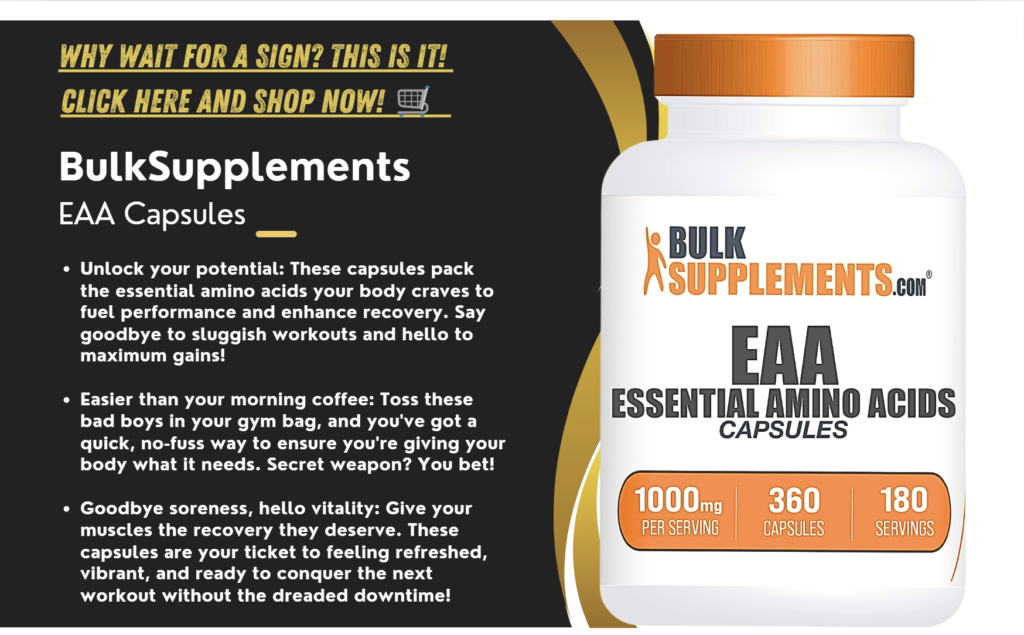
Here’s a comparison of popular EAA and BCAA supplements to help you choose:
| Brand | Amino Acid Type | Key Features | Price | Rating |
|---|---|---|---|---|
| Xtend BCAAs | BCAAs (7g) | Electrolytes for hydration, multiple flavors | $25 | 4.8/5 |
| Intra-EAA by Transparent Labs | EAAs (8g) | Includes electrolytes and no artificial ingredients | $39 | 4.7/5 |
| Scivation BCAA Powder | BCAAs (7g) | Zero sugar, good for intra-workout | $22 | 4.6/5 |
| Kaged Muscle Amino Synergy | EAAs (9g) | Contains plant-based EAAs, gluten-free | $35 | 4.7/5 |
🍴 Amino Acid-Rich Recipes
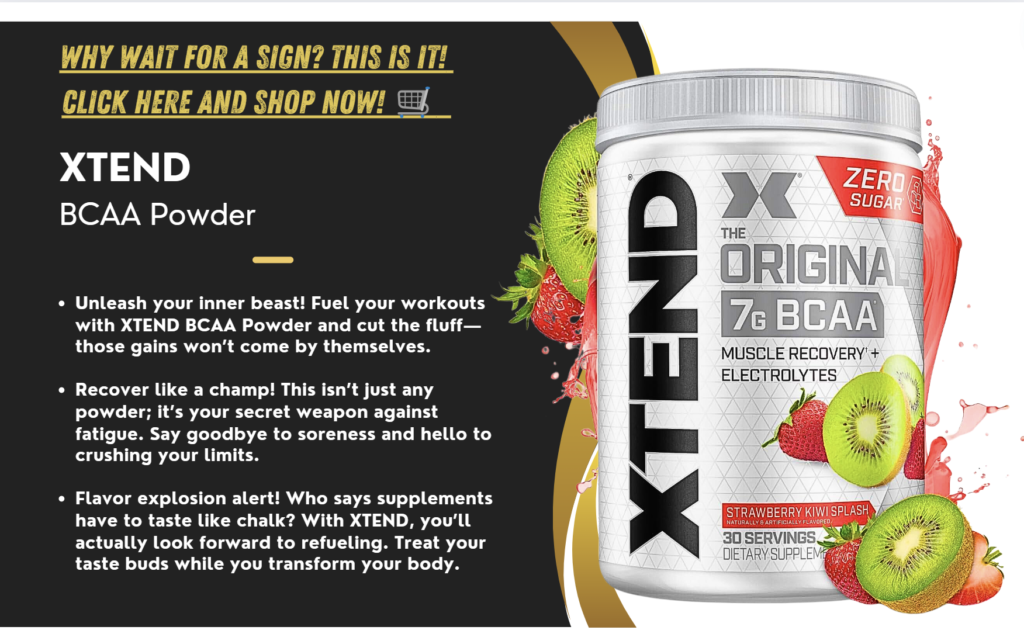
Incorporate amino acids into your diet with these tasty recipes:
- Fruit Punch EAA Hydration Drink: Mix EAAs with coconut water, lemon juice, and a pinch of salt for a refreshing, hydrating drink perfect during workouts.
- BCAA Popsicles: Blend your favorite BCAA powder with water and frozen berries, then freeze into popsicle molds for a cool post-workout treat.
- Protein Smoothie with EAAs: Add EAA powder to a smoothie with banana, spinach, almond milk, and peanut butter for a muscle-recovery shake that’s delicious and nutritious.
🧼 Storage and Safety Tips
Keep your amino acid supplements fresh and effective by following these storage tips:
- Cool, Dry Place: Store supplements in a cool, dry area away from direct sunlight and moisture.
- Sealing: Always reseal the container tightly to prevent clumping and degradation of the product.
- Expiration Dates: Regularly check the expiration date to ensure the supplement’s potency and effectiveness.
Q&A
Here are answers to some frequently asked questions about EAAs and BCAAs:
🍴 Q1: Which is better for muscle growth, EAAs or BCAAs?
💪 A1: EAAs are superior for overall muscle growth since they provide all nine essential amino acids necessary for complete protein synthesis.
🍴 Q2: Can I mix EAAs and BCAAs together?
💪 A2: While it’s not necessary, some athletes do mix them. However, EAAs generally cover the benefits that BCAAs offer and more.
🍴 Q3: Are there any side effects to taking EAAs or BCAAs?
💪 A3: Both are generally safe when taken as directed, though overconsumption may lead to digestive discomfort or bloating.
🍴 Q4: Can I take EAAs or BCAAs on rest days?
💪 A4: Yes, taking them on rest days can help maintain muscle protein synthesis and prevent muscle breakdown.
🍴 Q5: Are BCAAs necessary if I’m already consuming enough protein?
💪 A5: If your diet includes sufficient protein from food, BCAAs might not be essential. EAAs, however, can still offer additional benefits.
🍴 Q6: How do I choose a high-quality EAA or BCAA supplement?
💪 A6: Look for supplements with clean, transparent labeling, high leucine content, and minimal artificial ingredients.
🍴 Q7: Do vegans need to take EAAs or BCAAs?
💪 A7: Vegans may benefit from EAAs, as plant-based diets might lack complete protein sources with all essential amino acids.
🍴 Q8: How long does it take to see results from EAA or BCAA supplementation?
💪 A8: Improved recovery and reduced muscle soreness can be noticeable within days, while long-term muscle gains develop over weeks of consistent use.
🍴 Q9: Can I use BCAAs or EAAs if I’m trying to lose weight?
💪 A9: Yes, they can support muscle preservation while in a calorie deficit and help curb cravings by promoting satiety.
🍴 Q10: What’s the difference between free-form amino acids and those in whole foods?
💪 A10: Free-form amino acids are rapidly absorbed and quickly utilized by the body, while whole foods offer slower, sustained release along with additional nutrients.
Ultimately, the choice between EAAs and BCAAs boils down to your fitness goals and how comprehensive you want your supplementation to be. For those focused solely on quick intra-workout energy, BCAAs are a solid choice. However, if you’re aiming for complete muscle recovery and growth, EAAs are the superior option, providing a full spectrum of benefits.
What Are the Best BCAA’s for Lean Muscle Gain?
Let’s cut to the chase—your muscle gain game is only as strong as your fuel, and that’s where these branched-chain amino acids strut onto the stage. Picture this: Leucine, Isoleucine, and Valine—your trio of amino acid allies—all set to turbocharge your workouts and help you recover like a champ. You want to build lean muscle? These bad boys not only kickstart protein synthesis but also fend off fatigue during those grueling sessions. So, whether you’re chugging a shake post-workout or downing them before your gym battle, think of them as your secret sauce. Want the best? Don’t just grab any old supplement; do your homework and pick a blend that’s got the right ratios. Your gains deserve nothing less than the best!
💪 Benefits of BCAAs for Lean Muscle Gain
- Enhanced Muscle Protein Synthesis: Leucine, a key BCAA, is a powerful trigger for muscle protein synthesis, promoting muscle growth when combined with resistance training.
- Reduced Muscle Fatigue: BCAAs help delay the onset of fatigue during workouts by preventing the breakdown of muscle tissue, allowing you to train harder and longer.
- Accelerated Recovery: Consuming BCAAs post-workout reduces muscle soreness and speeds up recovery, so you’re ready for your next session sooner, while minimizing muscle breakdown.
🌟 Choosing the Best BCAA Supplements for Lean Muscle Gain
Not all BCAA supplements are created equal. Here’s what to look for when selecting the best product for your goals:
- Optimal Ratio: The most effective BCAA supplements offer a 2:1:1 ratio of leucine to isoleucine and valine. This ratio is scientifically backed to maximize muscle growth and recovery benefits.
- Additional Ingredients: Some BCAA supplements are fortified with electrolytes for better hydration, or citrulline malate for enhanced endurance. These extras can be beneficial depending on your training needs.
- Quality and Purity: Look for products that are free from unnecessary fillers, artificial colors, and sweeteners. Transparent labeling ensures you’re getting a high-quality supplement.
🕑 Best Times to Take BCAAs for Lean Muscle Gain
When you consume BCAAs can impact how effectively they support muscle growth and recovery.
- Pre-Workout: Taking BCAAs 30 minutes before your workout helps fuel your muscles, reduce muscle breakdown, and improve performance.
- Intra-Workout: Sipping on BCAAs during your workout maintains energy levels and reduces muscle fatigue, helping you push through longer or more intense sessions.
- Post-Workout: Consuming BCAAs immediately after exercise supports muscle repair and growth by jumpstarting protein synthesis, especially if you’re not consuming a protein-rich meal immediately after training.
💪 Comparing the Best BCAA Supplements for Lean Muscle Gain
Here’s a comparison of some top-rated BCAA supplements to help you choose the best option for your needs:
| Brand | BCAA Ratio | Additional Ingredients | Price | Rating |
|---|---|---|---|---|
| Scivation Xtend | 2:1:1 | Electrolytes, Glutamine | $25 | 4.8/5 |
| Optimum Nutrition BCAA | 2:1:1 | Electrolytes | $20 | 4.7/5 |
| MusclePharm BCAA | 3:1:2 | Citrulline Malate | $22 | 4.6/5 |
| Bulk Supplements BCAA | 2:1:1 | None (Pure Powder) | $18 | 4.5/5 |
🍴 BCAA-Rich Recipes for Muscle Gain
Incorporate BCAAs into your diet with these tasty recipes:
- BCAA Smoothie: Blend your favorite BCAA powder with frozen berries, a banana, and almond milk for a refreshing post-workout drink.
- BCAA Electrolyte Drink: Mix BCAAs with coconut water and a pinch of sea salt for a hydrating drink that also supports muscle recovery.
- BCAA Gummies: Combine BCAA powder, gelatin, and fruit juice to create homemade gummies that are perfect for on-the-go supplementation.
🧼 Storage and Safety Tips for BCAAs
Proper storage and usage ensure your BCAA supplements remain effective:
- Cool, Dry Place: Store BCAA powder or capsules in a dry, cool spot to maintain potency and avoid clumping.
- Check Expiration Dates: Regularly check your supplements to ensure they are within their best-by dates for optimal effectiveness.
- Seal Tightly: Always reseal the container tightly after use to prevent moisture exposure, which can degrade the product.
Q&A
Here are some common questions and answers about using BCAAs for lean muscle gain:
🍴 Q1: Do BCAAs really help with muscle growth?
💪 A1: Yes, especially when combined with resistance training. Leucine in BCAAs is a key trigger for muscle protein synthesis, leading to muscle growth.
🍴 Q2: Should I take BCAAs on rest days?
💪 A2: Yes, taking BCAAs on rest days can aid in recovery and help maintain muscle mass.
🍴 Q3: Can I mix BCAAs with other supplements?
💪 A3: Absolutely! BCAAs can be mixed with pre-workouts, protein powders, or even added to shakes.
🍴 Q4: Are BCAAs necessary if I’m already taking protein powder?
💪 A4: If you’re getting enough BCAAs from your diet and protein supplements, additional BCAA supplementation may not be necessary. However, they can be useful for targeted muscle protection and endurance.
🍴 Q5: How do BCAAs differ from EAAs (Essential Amino Acids)?
💪 A5: BCAAs are a subset of EAAs, focusing on the three amino acids most critical for muscle growth. EAAs offer a broader spectrum of benefits by providing all nine essential amino acids.
🍴 Q6: Are there any side effects to taking BCAAs?
💪 A6: BCAAs are generally safe, but excessive intake could cause digestive discomfort. Stick to the recommended dosage.
🍴 Q7: Can BCAAs help with fat loss?
💪 A7: BCAAs can support fat loss by preserving lean muscle mass during calorie deficits and enhancing workout performance.
🍴 Q8: What’s a good flavor for BCAAs?
💪 A8: Popular flavors like watermelon, blue raspberry, and fruit punch are widely enjoyed and blend well with most pre- or post-workout drinks.
🍴 Q9: How do I avoid clumping in BCAA powders?
💪 A9: Store the powder in a dry place and consider using a shaker bottle with a whisk ball to ensure smooth mixing.
🍴 Q10: Can I get enough BCAAs from food alone?
💪 A10: Yes, foods like chicken, eggs, and dairy are rich in BCAAs, but supplementation can be useful for targeted support during intense training.
Dominating Your Fitness Goals with Xtend BCAA
Alright, let’s dive into the muscle-busting magic of Xtend BCAA! This isn’t just your average supplement; it’s like your workout buddy who’s always cheering you on, except it doesn’t run out of breath or need a snack break. With the perfect blend of branched-chain amino acids, this powerhouse formula helps to reduce muscle wear and tear, so you can lift heavy and feel light—like a gazelle wearing roller skates! Plus, it packs a punch with hydration support, so you won’t just sweat bullets; you’ll be dripping with glory. Remember, folks, dominating your fitness goals isn’t about the number of selfies you snap at the gym; it’s about the determination and the fuel you choose.
🏋️♀️ Top Xtend BCAA Flavors
- Blue Raspberry: Tangy, refreshing, and a favorite for pre-workout.
- Watermelon: Sweet, hydrating, and perfect for hot days.
- Green Apple: Crisp, clean taste, ideal for boosting endurance.
- Mango Madness: Exotic, flavorful, and energizing.
- Cherry Limeade: Zesty and invigorating, great for recovery.
🌟 Flavor Showdown: The Best of the Best
- Blue Raspberry:
- Taste: Sharp and tangy, well-balanced.
- Mixability: Dissolves easily in water.
- Ideal Use: Pre-workout and endurance boost.
- Watermelon:
- Taste: Sweet and refreshing.
- Mixability: Smooth and quick to blend.
- Ideal Use: Hydration during workouts and summer workouts.
- Mango Madness:
- Taste: Bold and fruity.
- Mixability: Mixes effortlessly with water.
- Ideal Use: Post-workout recovery and energy boost.
🕑 Why These Flavors Stand Out
- Blue Raspberry: Popular for its unique flavor and effectiveness in boosting performance.
- Watermelon: Ideal for staying hydrated while enjoying a sweet treat.
- Mango Madness: Loved for its bold flavor and post-workout energy replenishment.
💪 Ideal Use Cases
- Pre-Workout Energizer: Blue Raspberry mixed with water.
- Hydration Helper: Watermelon during long sessions or hot weather.
- Post-Workout Recovery: Mango Madness for a tasty, replenishing drink.
🍴 Customer Favorites
| Flavor | Rating | Top Review | Best Use |
|---|---|---|---|
| Blue Raspberry | 4.9/5 | “Great taste and keeps me going through tough workouts!” | Pre-workout |
| Watermelon | 4.8/5 | “Perfect for staying hydrated and refreshing during training.” | Hydration |
| Mango Madness | 4.7/5 | “Delicious flavor and great for recovery after intense sessions.” | Post-workout |
🍴 Suggestions for Enhancing Your BCAA Experience
- Flavor Combinations: Mix Blue Raspberry with a splash of Lemon Lime for a zingy twist.
- Recipes: Add BCAA powder to protein shakes, smoothies, or even water infusions.
- Experiment: Try different flavors to find your favorite combination.
🧼 Storage and Safety Tips
- Store in a cool, dry place to maintain freshness.
- Keep the container tightly sealed to avoid moisture.
- Check expiration dates and follow serving recommendations.
Dive into Q&A
- Q1: Which Xtend BCAA flavor is the best for pre-workout use?
Blue Raspberry is highly recommended for pre-workout. It’s tangy and refreshing, providing a boost that’s perfect for kicking off your exercise routine. The flavor also tends to mask the taste of BCAA powder effectively, making your pre-workout drink more enjoyable.
- Q2: How do Xtend BCAA supplements compare to other BCAA products on the market?
Xtend BCAA stands out due to its blend of **BCAAs (Leucine, Isoleucine, and Valine)** with added electrolytes. Compared to other products, Xtend offers superior mixability and taste, along with a higher dose of **BCAAs** per serving. This makes it a solid choice for both performance and recovery.
- Q3: Are there any specific benefits to using Xtend BCAA for recovery?
Yes, Xtend BCAA helps reduce muscle soreness and supports faster recovery due to its high leucine content, which plays a critical role in muscle protein synthesis. The addition of electrolytes also aids in rehydration post-exercise.
- Q4: What ingredient differences might affect the taste and effectiveness of Xtend BCAA?
The effectiveness and taste of Xtend BCAA are influenced by its high-quality **BCAA** blend and flavoring agents. Ingredients like **artificial sweeteners** and **flavor enhancers** contribute to the pleasant taste, while the ratio of **BCAAs** ensures optimal performance benefits.
- Q5: Are there any flavors that mix better than others?
Xtend BCAA flavors like Blue Raspberry and Watermelon are noted for their superior mixability. They dissolve easily in water, leaving no clumps. Flavors with higher amounts of artificial sweeteners or flavorings generally mix better.
- Q6: How does Xtend BCAA support hydration during workouts?
Xtend BCAA includes **electrolytes** that help maintain hydration levels. This makes it particularly useful during intense or prolonged workouts, as it aids in replenishing essential minerals lost through sweat.
- Q7: Which Xtend BCAA flavor has the highest customer satisfaction and why?
Blue Raspberry frequently tops customer satisfaction charts. Its tangy flavor and effective performance boost make it a popular choice among users. The combination of great taste and effectiveness contributes to its high ratings.
The Gainful Formula: Crafting Your Bodybuilding Supplement Stack
Alright, folks, let’s dive into the world of supplements—the gym-goer’s secret sauce! It’s like building a pizza; you need the right toppings to create a masterpiece, not just a floppy mess. Think of your bodybuilding supplement stack as the ultimate recipe for muscles that would make Greek gods jealous! You’ve got your protein powders, like the delicious frosting on your muscle cake, then there are the BCAAs, which are basically the cheerleaders of your recovery crew, yelling, “You got this!” every step of the way. And don’t forget the creatine—it’s like that energy drink that tells your muscles they can lift a car if they wanted to. So grab your shaker, make your selections wisely, and let’s sculpt a physique that’ll have people asking if you’ve been chiseled from marble!
💪 Top Supplement Contenders
- Whey Protein: Essential for muscle recovery and growth, high in BCAAs.
- Creatine Monohydrate: Increases strength and power, enhances muscle mass.
- Branched-Chain Amino Acids (BCAAs): Supports muscle protein synthesis and reduces muscle soreness.
- Beta-Alanine: Improves endurance and buffers muscle fatigue during intense workouts.
- Omega-3 Fatty Acids: Reduces inflammation and supports overall muscle recovery.
🌟 Supplement Showdown: The Best of the Best
- Whey Protein:
- Effectiveness: Promotes muscle growth and speeds up recovery.
- Form: Available in powder form, easy to mix with water or milk.
- Versatility: Perfect for shakes, baking, and smoothies.
- Creatine Monohydrate:
- Effectiveness: Increases muscle strength, power, and size.
- Form: Commonly found in powder or capsule form.
- Versatility: Easily mixed into pre-workout or post-workout shakes.
- BCAAs:
- Effectiveness: Aids in muscle recovery and reduces exercise-induced muscle damage.
- Form: Available as powders or capsules, with various flavors.
- Versatility: Ideal for intra-workout hydration or post-workout recovery.
🕑 Why These Supplements Stand Out
- Whey Protein: Fast-digesting, rich in essential amino acids, crucial for post-workout recovery.
- Creatine Monohydrate: Proven to enhance strength, especially in high-intensity training.
- BCAAs: Helps maintain muscle during prolonged workouts and fasted training sessions.
💪 Ideal Use Cases
- Post-Workout Recovery: Whey Protein shake with water or milk.
- Strength Enhancement: Creatine Monohydrate added to your pre-workout drink.
- Intra-Workout Hydration: BCAAs mixed with water, sipped during exercise.
🍴 Customer Favorites
| Supplement | Rating | Top Review | Best Use |
|---|---|---|---|
| Whey Protein | 4.9/5 | “Perfect for muscle recovery, mixes easily, and tastes great!” | Post-workout recovery |
| Creatine Monohydrate | 4.8/5 | “Noticeable strength gains in just a few weeks.” | Strength enhancement |
| BCAAs | 4.7/5 | “Reduces soreness, keeps me going during long workouts.” | Intra-workout hydration |
🍴 Suggestions for Enhancing Your Supplement Stack
- Stacking Strategies: Combine Whey Protein with Creatine for post-workout recovery, or BCAAs with Beta-Alanine for endurance.
- Timing Matters: Take Creatine before or after workouts for maximum benefit, and Omega-3s with meals for better absorption.
- Mix and Match: Experiment with different supplement combinations to tailor your stack to your goals.
🧼 Storage and Safety Tips
- Store supplements in a cool, dry place to maintain potency.
- Ensure containers are tightly sealed to prevent moisture.
- Follow dosage instructions carefully and consult with a healthcare professional if needed.
Dive into Q&A
- Q1: Which supplement is a must-have for muscle growth in a bodybuilding stack?
Whey Protein is essential. It’s packed with amino acids that fuel muscle repair and growth. Whether you’re bulking or cutting, a quality Whey Protein is a cornerstone of any effective bodybuilding stack.
- Q2: How does Creatine Monohydrate work to increase strength and muscle size?
Creatine Monohydrate increases the availability of ATP in muscle cells, which provides more energy for high-intensity workouts. Over time, this translates to greater strength and muscle gains. It’s one of the most researched and effective supplements for bodybuilders.
- Q3: Are there specific brands that bodybuilders trust for high-quality supplements?
Yes, brands like **Optimum Nutrition**, **MuscleTech**, and **Dymatize** are highly regarded for their consistency and quality. They offer products that are tested for purity and effectiveness, making them reliable choices for serious athletes.
- Q4: What should I consider when combining different supplements in a stack?
When stacking, consider how the supplements interact. For example, pairing Creatine with BCAAs can maximize muscle recovery and growth. It’s also crucial to manage timing, ensuring you take each supplement at the optimal time for best results.
- Q5: Are there any side effects to be aware of when using these supplements?
While most people tolerate these supplements well, some might experience digestive issues with Whey Protein or bloating from Creatine. Starting with a smaller dose and increasing gradually can help your body adjust. Always monitor how your body responds and consult a healthcare provider if needed.
- Q6: How do Omega-3 Fatty Acids fit into a bodybuilding supplement stack?
Omega-3 Fatty Acids play a supportive role in reducing inflammation and promoting recovery. They help keep your joints healthy, which is crucial for maintaining heavy lifting routines. Include them in your stack to support overall recovery and reduce the risk of injury.
- Q7: Which supplement in this stack receives the highest customer satisfaction, and why?
Whey Protein consistently receives the highest ratings. Its effectiveness in muscle recovery, combined with great taste and mixability, makes it a favorite among bodybuilders. The immediate benefits post-workout make it indispensable in any stack.
Is Whey Protein Vegan? Your Questions Answered!
Alright, let’s cut to the chase, folks. If you’ve ever wandered down the supermarket aisle, staring at those protein tubs like they’re high-end jewelry, you might’ve asked yourself, “Is whey protein vegan?” The answer is like a bad Tinder date—complicated and probably best left unexplained! Whey protein comes from milk, so unless cows have started donning “vegan” badges—spoiler alert: they haven’t—whey is about as vegan-friendly as a steakhouse salad. So, if you’re straddling the line between plant-based living and dairy dreams, you might want to dive into soy, pea, or hemp protein instead. Because let’s be real: if animals had a say, they definitely wouldn’t want to be your scoop of post-workout smoothie!
Understanding Whey Protein
- What is Whey Protein?: Whey protein is derived from milk, specifically the liquid part separated during cheese production.
- Why Whey?: It’s popular for its high protein content, quick absorption, and support for muscle recovery.
- Common Forms: Available as whey protein concentrate, isolate, and hydrolysate, each varying in protein content and processing.
🌟 Is Whey Protein Vegan?
- Short Answer: No, whey protein is not vegan. It comes from animal milk.
- Vegan Alternatives: Plant-based proteins like pea, soy, hemp, and rice protein are suitable for vegans.
- Nutritional Comparison: While whey is complete with all essential amino acids, many plant-based proteins are now formulated to offer similar profiles.
🕑 Why Choose Vegan Protein?
- Ethical Reasons: Avoids animal products and aligns with vegan lifestyle choices.
- Environmental Impact: Plant-based proteins generally have a lower carbon footprint compared to animal-based proteins.
- Digestive Health: Vegan proteins are often easier to digest, especially for those with lactose intolerance.
💪 Ideal Vegan Protein Sources
- Pea Protein: High in protein, rich in BCAAs, and hypoallergenic.
- Soy Protein: Complete protein, comparable to whey in muscle-building effects.
- Hemp Protein: Contains omega-3 fatty acids, and is rich in fiber.
- Rice Protein: Gentle on digestion and often combined with pea protein to create a complete amino acid profile.
🍴 Customer Favorites: Vegan Protein Options
| Protein Type | Rating | Top Review | Best Use |
|---|---|---|---|
| Pea Protein | 4.8/5 | “Great for smoothies, easy on the stomach.” | Post-workout recovery |
| Soy Protein | 4.7/5 | “Tastes great and mixes well, comparable to whey.” | Muscle building |
| Hemp Protein | 4.6/5 | “Rich in nutrients, perfect for daily use.” | Everyday nutrition |
🍴 Tips for Choosing Vegan Protein
- Check the Label: Ensure the protein source is 100% plant-based with no animal-derived ingredients.
- Amino Acid Profile: Look for a complete protein or blend to ensure you’re getting all essential amino acids.
- Flavor and Texture: Experiment with different brands to find a taste and consistency you enjoy.
🧼 Storage and Safety Tips
- Store in a cool, dry place, similar to whey protein.
- Keep containers tightly sealed to maintain freshness and prevent moisture buildup.
- Follow recommended serving sizes and consult with a healthcare provider if you have any dietary concerns.
Dive into Q&A
- Q1: Why isn’t whey protein considered vegan?
Whey protein is derived from milk, which is an animal product. For a product to be vegan, it must be free from any animal-derived ingredients, making whey a non-vegan option.
- Q2: What are the best vegan alternatives to whey protein?
Some of the best vegan alternatives include pea protein, soy protein, and hemp protein. They provide a high protein content and, when combined, can offer a complete amino acid profile comparable to whey.
- Q3: Can vegan proteins match the muscle-building effects of whey protein?
Yes, especially soy protein, which is a complete protein with a similar effect on muscle synthesis as whey. Combining different plant proteins can also mimic the complete amino acid profile found in whey.
- Q4: Are there any downsides to switching from whey to vegan protein?
Some may find the taste and texture of vegan proteins less appealing, and not all plant proteins are complete, meaning you might need to combine different sources. However, many brands now offer blends that solve this issue.
- Q5: How do vegan proteins compare to whey in terms of digestion and allergies?
Vegan proteins are generally easier to digest, especially for those who are lactose intolerant or have dairy allergies. They are also less likely to cause digestive discomfort compared to whey protein.
- Q6: Do vegan proteins contain artificial additives or sweeteners?
Many vegan protein powders are formulated to be as natural as possible, but it’s essential to check the labels for artificial additives or sweeteners. Opt for organic or non-GMO brands for cleaner ingredients.
- Q7: Which vegan protein has the highest customer satisfaction, and why?
Pea protein often scores the highest in customer satisfaction due to its neutral taste, smooth texture, and ease of digestion. It’s versatile, making it a popular choice for various recipes and diets.
How Long Does It Take Collagen to Work? A Candid Look
Collagen supplements have taken the wellness industry by storm, promising benefits for skin, hair, joints, and more. But how long does it really take for collagen to show results? Let’s dive into the timeline and factors that influence collagen effectiveness, so you know what to expect.
⏳ Understanding the Collagen Timeline
Results from collagen supplements aren’t instant. Here’s a realistic breakdown of when you might see benefits:
- Skin Health: Collagen’s effects on skin hydration and elasticity can start appearing in as little as 4 weeks, though noticeable improvements in wrinkles and fine lines typically take 8 to 12 weeks. Studies show that regular collagen intake boosts the skin’s ability to retain moisture and increases firmness over time.
- Joint Support: Relief from joint discomfort, particularly for those with osteoarthritis or active lifestyles, can take around 6 to 8 weeks. Consistent use of collagen helps reduce joint pain and improve mobility by supporting cartilage health.
- Hair and Nail Growth: For stronger, less brittle nails and fuller hair, expect to see results in about 3 to 6 months. Collagen strengthens the hair structure and promotes healthier growth, but these changes require long-term supplementation for sustained benefits.
🌟 Factors That Affect Collagen Results
Several factors influence how quickly collagen works for you:
- Age: As we age, collagen production naturally declines. Older individuals may require more time to see results due to slower absorption and reduced natural collagen levels.
- Dosage: The effectiveness of collagen largely depends on your daily intake. Studies suggest that 2.5 to 15 grams of collagen peptides per day is ideal for various benefits.
- Type of Collagen:
- Type I Collagen: Best for skin, hair, and nails. Marine collagen and bovine collagen are rich in this type.
- Type II Collagen: Primarily supports joint health. This type is commonly found in chicken sternum supplements.
- Type III Collagen: Often combined with Type I, it aids in skin elasticity and gut health.
- Lifestyle and Diet: Consuming a diet rich in vitamin C, which supports collagen synthesis, and maintaining hydration can accelerate collagen’s effectiveness. Conversely, habits like smoking or excessive sun exposure can hinder results.
🕑 When to Take Collagen for Best Results
Timing can play a role in how well collagen works for you:
- Morning: Taking collagen on an empty stomach with water or a vitamin C supplement can enhance absorption, making it a good option for those focused on skin benefits.
- Post-Workout: For those using collagen to support joint health or muscle recovery, taking it after exercise can help with tissue repair and reduce soreness.
- Before Bed: Collagen taken in the evening may support overnight skin regeneration and repair, as your body focuses on cell renewal during sleep.
💪 Comparing Collagen Supplements
Here’s a comparison of popular collagen supplements to help you choose the right one:
| Brand | Collagen Type | Source | Price | Rating |
|---|---|---|---|---|
| Vital Proteins | Type I & III | Bovine | $30 | 4.8/5 |
| NeoCell | Type I & III | Marine | $25 | 4.7/5 |
| Ancient Nutrition | Type I, II & III | Multi-Source | $35 | 4.6/5 |
| Sports Research | Type I & III | Bovine | $28 | 4.6/5 |
🍴 Collagen-Boosting Recipes
Incorporate collagen into your diet with these simple and tasty options:
- Collagen Coffee: Add a scoop of unflavored collagen powder to your morning coffee for a seamless, nutrient-rich boost.
- Collagen Smoothie: Blend collagen peptides with your favorite fruits, leafy greens, and almond milk for a refreshing, protein-packed smoothie.
- Collagen Protein Balls: Mix collagen powder with nut butter, oats, and dark chocolate chips for quick and easy energy bites.
🧼 Storage and Usage Tips
To maximize the benefits of your collagen supplements, follow these tips:
- Cool, Dry Place: Store collagen powder away from moisture and direct sunlight to prevent clumping and maintain freshness.
- Mixing: Use a blender or shaker bottle for smooth mixing. For hot beverages, dissolve collagen in a small amount of warm water before adding it to your drink.
- Daily Consistency: Collagen works best when taken consistently, so aim to make it a daily habit, whether in your morning routine or as part of your post-workout shake.
Q&A
Here are answers to some common questions about collagen:
🍴 Q1: How long until I see results from collagen?
💪 A1: Results vary by individual and goal, but expect improvements in skin after 4 to 8 weeks, joints after 6 weeks, and hair and nails in 3 to 6 months.
🍴 Q2: Can I take collagen with other supplements?
💪 A2: Yes! Collagen pairs well with vitamin C for better absorption and can be taken alongside most other supplements without issues.
🍴 Q3: Is collagen better in powder or capsule form?
💪 A3: Powdered collagen is more versatile and allows for higher doses per serving. Capsules are more convenient but typically offer lower doses per serving.
🍴 Q4: Can I take collagen if I’m on a plant-based diet?
💪 A4: Most collagen supplements are animal-derived, but plant-based options exist that aim to boost your body’s natural collagen production using vegan ingredients.
🍴 Q5: How can I enhance collagen’s effectiveness?
💪 A5: Incorporate vitamin C into your routine and maintain a balanced diet while avoiding habits that break down collagen, like smoking and excessive sun exposure.
🍴 Q6: Can I take collagen if I have food allergies?
💪 A6: Check labels carefully. While many collagen supplements are allergen-free, always ensure they don’t contain any triggers like soy or gluten.
🍴 Q7: Does collagen have any side effects?
💪 A7: Collagen is generally safe, but some people might experience mild digestive discomfort, especially with high doses. Starting with smaller amounts can help.
🍴 Q8: Can collagen help with weight loss?
💪 A8: While not directly linked to weight loss, collagen can promote satiety and muscle maintenance, supporting weight management goals.
🍴 Q9: Does collagen improve gut health?
💪 A9: Yes, some evidence suggests collagen can help heal the gut lining, making it beneficial for those with conditions like leaky gut or IBS.
🍴 Q10: What’s the best way to integrate collagen into my daily routine?
💪 A10: Add it to your coffee, smoothie, or even baked goods. Consistency is key, so find a method that’s easy and enjoyable for you.
Protein Essentials: Is Collagen a Complete Protein for You?
Collagen—the unsung hero of the protein world. It’s the glue that holds us together, quite literally. But wait, is it a complete protein? Here’s the scoop: unlike the Avengers of protein, namely animal or soy-based sources, collagen takes the backseat. It’s missing some key players—specifically, certain essential amino acids. Sure, it’s fantastic for skin elasticity, joint health, and promoting luscious locks, but if you’re looking to bulk up your amino acid profile, you might want to pair collagen with complementary proteins. Think of it as a dynamic duo: combine it with legumes, beans, or a scoop of whey to amp up the game. So, if you’re wondering whether collagen deserves a VIP spot in your protein lineup—absolutely! Just give it some backup, and you’ll be flexing those wellness gains in no time.
💪 Top Reasons to Consider Collagen
- Joint Health: Supports cartilage and may reduce joint pain.
- Skin Elasticity: Promotes youthful skin by improving elasticity.
- Hair and Nails: Strengthens hair and nails, reducing brittleness.
- Gut Health: May aid in maintaining a healthy gut lining.
- Bone Strength: Supports bone density and overall skeletal health.
🌟 Collagen Breakdown: Is It a Complete Protein?
- Amino Acid Profile:
- Essential Amino Acids: Collagen lacks tryptophan, making it incomplete.
- High in Glycine, Proline, and Hydroxyproline: Key for skin, joints, and connective tissues.
- Complement with Other Proteins: Pairing with other sources like whey or legumes can complete the amino acid profile.
- Digestibility:
- Easy on the Stomach: Highly digestible and generally well-tolerated.
- Hydrolyzed Form: Often broken down into peptides for quicker absorption.
- Versatility:
- Form: Available in powders, capsules, and even snacks.
- Incorporation: Easily mixed into beverages, smoothies, or recipes.
🕑 Why Collagen Might Be Right for You
- Targeted Benefits: Collagen is ideal if you’re looking to improve joint, skin, and connective tissue health.
- Complementary to Other Proteins: While not complete, it pairs well with other protein sources to round out your diet.
- Low Allergenicity: Generally safe for those with food sensitivities.
💪 Ideal Use Cases
- Morning Boost: Add collagen to your morning coffee or smoothie.
- Post-Workout Recovery: Combine with a complete protein for muscle repair and joint support.
- Evening Routine: Mix collagen into herbal tea or warm milk for nighttime skin and joint nourishment.
🍴 Customer Favorites
| Collagen Product | Rating | Top Review | Best Use |
|---|---|---|---|
| Vital Proteins Collagen Peptides | 4.9/5 | “Great for my skin and joints, dissolves easily in coffee.” | Morning boost |
| Sports Research Collagen Peptides | 4.8/5 | “Noticeable improvement in hair and nails, mixes well with smoothies.” | Post-workout recovery |
| Great Lakes Gelatin Collagen Hydrolysate | 4.7/5 | “Gentle on the stomach, perfect for evening drinks.” | Evening routine |
🍴 Suggestions for Maximizing Collagen Benefits
- Combining with Other Proteins: Mix collagen with whey, pea protein, or whole food sources to ensure a complete amino acid profile.
- Incorporating Into Recipes: Use collagen powder in baking, smoothies, and soups for a nutritional boost.
- Consistent Use: Take collagen daily for the best results in joint, skin, and hair health.
🧼 Storage and Safety Tips
- Store in a cool, dry place to prevent clumping.
- Ensure the container is sealed tightly after each use to maintain freshness.
- Check the expiration date regularly and use before the best-by date for maximum potency.
Dive into Q&A
- Q1: Is collagen enough to meet my daily protein needs?
Collagen alone won’t meet your daily protein needs because it’s not a complete protein. To ensure you’re getting all the essential amino acids, combine collagen with other protein sources like meat, dairy, or plant-based proteins.
- Q2: How does collagen compare to whey protein in terms of muscle building?
Whey protein is superior for muscle building due to its complete amino acid profile and higher leucine content, which is crucial for muscle synthesis. Collagen, however, is better for supporting joints, skin, and connective tissues. For muscle gains, use collagen alongside whey or other complete proteins.
- Q3: What should I look for in a high-quality collagen supplement?
Look for supplements that use grass-fed, pasture-raised, or wild-caught sources. The product should be free of additives, with a high concentration of collagen peptides. **Vital Proteins**, **Sports Research**, and **Great Lakes** are reputable brands known for their quality.
- Q4: Are there any side effects associated with collagen supplements?
Collagen is generally safe, but some people may experience digestive discomfort, such as bloating or gas. It’s usually well-tolerated, especially in hydrolyzed form. If you experience any side effects, consider adjusting the dosage or consulting a healthcare professional.
- Q5: Can collagen improve my skin’s appearance?
Yes, collagen can enhance skin elasticity and hydration, reducing the appearance of wrinkles. Regular intake can help maintain a youthful glow by supporting your skin’s structural integrity from the inside out.
- Q6: Is marine collagen better than bovine collagen?
Marine collagen is known for being more bioavailable, meaning it’s absorbed more quickly by the body. It’s also rich in type I collagen, which is especially beneficial for skin. Bovine collagen, however, provides a mix of types I and III, which are great for joints and skin. Your choice should depend on your specific health goals.
- Q7: How long does it take to see results from taking collagen?
Results vary, but most users report noticeable improvements in skin, hair, and joint health within 4 to 8 weeks of consistent use. Patience is key—collagen works gradually, building up in your system over time.