
Archive for the ‘Protein’ Category
Best Post-Workout Protein for Men: Fuel Your Gains the Right Way
You just crushed a workout, your muscles are screaming for attention, and you’re thinking: “What’s the best way to refuel?” If you’re serious about gains, you know it’s not just about any protein—it’s about the right protein. The kind that doesn’t just fill the gap but optimizes recovery and boosts muscle growth.
So let’s get into it. Post-workout protein isn’t one-size-fits-all. What works for someone else might not be right for you. But after years of research, trial, and error, I’ve narrowed down exactly what to look for. Here’s how to pick the ideal protein source for your goals—and make sure your recovery is as strong as your hustle.
Why Post-Workout Protein is Crucial for You

You’re probably already aware that protein is essential for muscle growth. But when it comes to post-workout recovery, it’s a whole different ballgame. After intense exercise, your muscles have been broken down and are crying for repair. That’s where protein steps in, acting as the building blocks to rebuild and grow stronger tissue. Without the right fuel, recovery can take longer, and your gains will stagnate.
Protein also plays a critical role in muscle protein synthesis (MPS)—the process your body uses to repair and build muscle. In simple terms: If you want to grow, you need to hit this window of opportunity right after you train.
The Top Protein Types: Not All Are Equal
Not all proteins are created equal, especially when it comes to post-workout needs. Sure, there’s plenty of options out there, but some are more effective at getting to your muscles faster, while others take their sweet time. Let’s break down the pros and cons of the most popular choices.
1. Whey Protein: The Gold Standard
Whey is by far the most popular post-workout choice for good reason. It’s quickly digested and absorbed, flooding your muscles with amino acids within 20 minutes. This makes it ideal for that critical post-exercise recovery window.
| Pros | Cons |
|---|---|
| Fast absorption to kickstart muscle repair. | Can cause bloating in some individuals. |
| High in leucine, which triggers muscle growth. | Not suitable for those with dairy sensitivities. |
| Easily available in various flavors. | May be slightly more expensive than other proteins. |
2. Casein Protein: The Slow Burner
Unlike whey, casein is slow-digesting, releasing amino acids into your bloodstream over a longer period. While it’s not the first choice immediately post-workout, it’s perfect if you’re looking to keep a steady supply of amino acids throughout the night.
| Pros | Cons |
|---|---|
| Steady, prolonged release of amino acids. | Slower digestion means it’s not ideal right after training. |
| Excellent for overnight recovery. | Can feel heavy or thick for some people. |
| Great for muscle preservation during sleep. | May not mix well in all shakes. |
3. Egg White Protein: Lean and Mean
Egg whites are a lean source of high-quality protein, and the digestibility is second only to whey. Plus, it’s virtually fat-free, making it an excellent option if you’re cutting. While it’s not as fast-acting as whey, it’s a solid option if you’re looking for something clean and effective.
| Pros | Cons |
|---|---|
| Lean protein source with minimal fat. | Doesn’t digest quite as fast as whey. |
| High biological value (easily absorbed). | May not be as flavorful as other proteins. |
| Packed with essential amino acids. | Some people dislike the taste. |
4. Plant-Based Protein: For the Clean Eater
For those who prefer a plant-based diet, pea, brown rice, or hemp protein are solid options. While they’re not as fast-digesting as whey, they offer a good amino acid profile and are easy on the stomach. If you have a dairy intolerance, this is your go-to option.
| Pros | Cons |
|---|---|
| Ideal for dairy-free or vegan diets. | Slower digestion and absorption. |
| Rich in fiber, which aids digestion. | Not as high in leucine as whey. |
| Contains a range of vitamins and minerals. | Can have a gritty or earthy taste. |
When Should You Take Protein for Maximum Effect?
The post-workout window is critical for muscle recovery. Ideally, you want to consume your protein within 30-60 minutes after finishing your workout to maximize muscle protein synthesis. That’s when your muscles are most receptive to repair. But you’ve got some flexibility. Here’s how you can optimize your intake:
| When | Protein Source | Why It Works |
|---|---|---|
| Immediately Post-Workout | Whey Protein | Fast absorption, great for muscle repair. |
| Before Bed | Casein Protein | Slow release, keeps muscles fed overnight. |
| On a Cut (Fat Loss Phase) | Egg White Protein | Lean protein with minimal fat. |
| Vegan or Dairy-Free | Plant-Based Protein | Still supports recovery without dairy. |
The Bottom Line: Choose Based on Your Needs
What works best for you really depends on your goals, your diet, and how your body reacts. If you’re after quick recovery and muscle growth, whey protein is your top pick. If you’re cutting or fasting, lean sources like egg white protein might be the best. And for those looking for sustained recovery, casein should be a staple in your routine.
Key Takeaways:
- Whey for fast, post-workout muscle repair.
- Casein for a steady amino supply, especially overnight.
- Egg White Protein for a lean, clean option.
- Plant-Based for clean, dairy-free recovery.
Don’t Overthink It—Just Fuel Up and Recover
The truth is, no matter what protein you choose, consistency is what will get you the best results. Stay consistent with your intake, and give your muscles the fuel they need to recover and grow stronger. Whether you’re in the gym for hypertrophy, strength, or performance, the right post-workout protein will get you there faster.
Cleanish: Protein Without the Junk
Picture this: you’re standing in the supplement aisle, staring at rows of protein powders with labels screaming “natural” and “clean,” but the ingredient list reads like a chemistry textbook. That’s where Cleanish steps in—your protein knight in shining armor. It’s got what you need: fuel for your body, minus the junk.
Let’s dive into why Cleanish Protein is more than just a tub of powder—it’s a revolution for dudes who demand quality without compromise.
What Makes Cleanish a Game-Changer?

If you’ve ever flipped a protein tub around to decode the ingredient list, you know the struggle. Cleanish keeps it simple:
- No artificial junk: No artificial flavors, colors, or sweeteners.
- High-quality protein: Premium, bioavailable protein that fuels recovery and growth.
- Real ingredients: Think grass-fed whey, organic cacao, and natural vanilla.
Cleanish is for men who value transparency and hate being duped by slick marketing.
The Cleanish Ingredient Breakdown
Let’s cut to the chase: what’s inside matters. Here’s a quick breakdown of what makes Cleanish tick:
| Ingredient | Why It’s Included |
|---|---|
| Grass-fed whey protein | Rich in amino acids, easy to digest, and pure AF. |
| Organic cocoa/vanilla | Adds flavor without fake aftertastes or fillers. |
| Natural sweeteners | Monk fruit or stevia—because no one wants sugar spikes. |
| Digestive enzymes | Helps you absorb every gram without the bloat. |
And here’s what you won’t find:
- Hydrogenated oils
- Synthetic fillers
- Hidden sugars
- Gluten or GMOs
Why “Clean” Matters in Protein
When you slam a protein shake post-workout, it’s not just about gains. You’re investing in your health. Junk-laden powders can:
- Mess with your gut: Artificial ingredients disrupt digestion.
- Spike and crash: Hidden sugars give you a quick high and an epic low.
- Add unnecessary calories: Junk calories = junk results.
Cleanish skips the BS and delivers what your body actually needs.
Who Is Cleanish For?
You’re busy. Maybe you’re running from the gym to the office, or you’ve got kids to chase after and a workout to crush. Cleanish is for:
- The health-conscious dude: You care about what you put in your body.
- The minimalist: Less is more. You don’t want extras—just the essentials.
- The performance junkie: Whether you’re lifting heavy or going long, you need clean fuel.
Comparing Cleanish to the Competition
| Feature | Cleanish | Mainstream Protein Brands |
|---|---|---|
| Grass-fed whey | ✅ | ❌ (often conventional whey) |
| Artificial sweeteners | ❌ | ✅ |
| Digestive enzymes | ✅ | ❌ |
| Gluten-free | ✅ | Sometimes |
| Price-to-quality ratio | High value | Varies wildly |
How to Use Cleanish
Cleanish isn’t just for shakes. This protein is versatile enough to power every part of your day. Try these ideas:
- Post-workout: Blend a scoop with almond milk, a banana, and peanut butter.
- Breakfast boost: Stir into oatmeal or mix with yogurt for a protein-packed start.
- Snack time: Bake it into protein bars or muffins for clean eats on the go.
Cleanish FAQs
Q: Is Cleanish Protein gluten-free?
A: Absolutely. Cleanish is certified gluten-free, so you can shake it up without worry.
Q: How does it taste?
A: Think creamy, rich, and smooth. It’s like a dessert that works overtime for your body.
Q: What’s the scoop size and protein content?
A: One scoop packs 25g of pure protein power. No filler, no fluff.
Q: Can I use Cleanish if I’m lactose intolerant?
A: Yes! Cleanish includes digestive enzymes to help your body process lactose smoothly.
Ready to Ditch the Junk?
Cleanish isn’t just another protein powder. It’s a statement: you care about what fuels your body. Whether you’re chasing gains, better health, or just a damn good shake, Cleanish has your back.
Drop the junk. Pick up Cleanish. You deserve it.
Protein Powder Comparisons: Price vs. Quality
You’re staring at a wall of protein powders, each one promising the gains of your dreams. Some are dirt cheap, others are priced like they’ve been blessed by Zeus himself. You wonder, What’s the real difference? Is the $20 tub secretly just as good as the $60 one? Let’s cut through the marketing fluff and get to the meat of the matter—or in this case, the protein.
The Cheap Stuff: What’s in It for You?
You pick up a bargain-bin protein powder, lured by the low price tag. It’s tempting, right? You’re thinking, How bad could it really be?
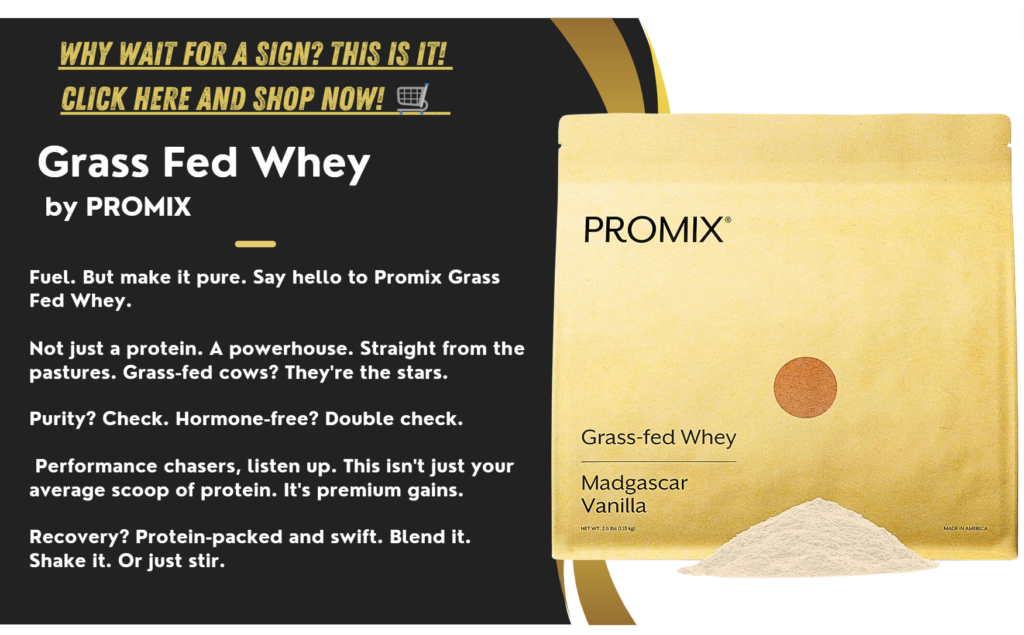
Here’s the deal: Budget powders often cut corners. Fillers, artificial sweeteners, and lower-quality protein sources like soy or collagen hydrolysate sneak into the mix. Sure, it’ll get you some protein, but you might also get a gritty texture, a weird aftertaste, and, let’s be honest, bloating that makes you rethink leg day.
But hey, if you’re in a pinch and just need something, it can do the trick. Just read the label like a hawk. Look for at least 20g of protein per serving, minimal sugar, and a clear list of ingredients you can pronounce.
The Premium Tubs: Worth the Splurge?
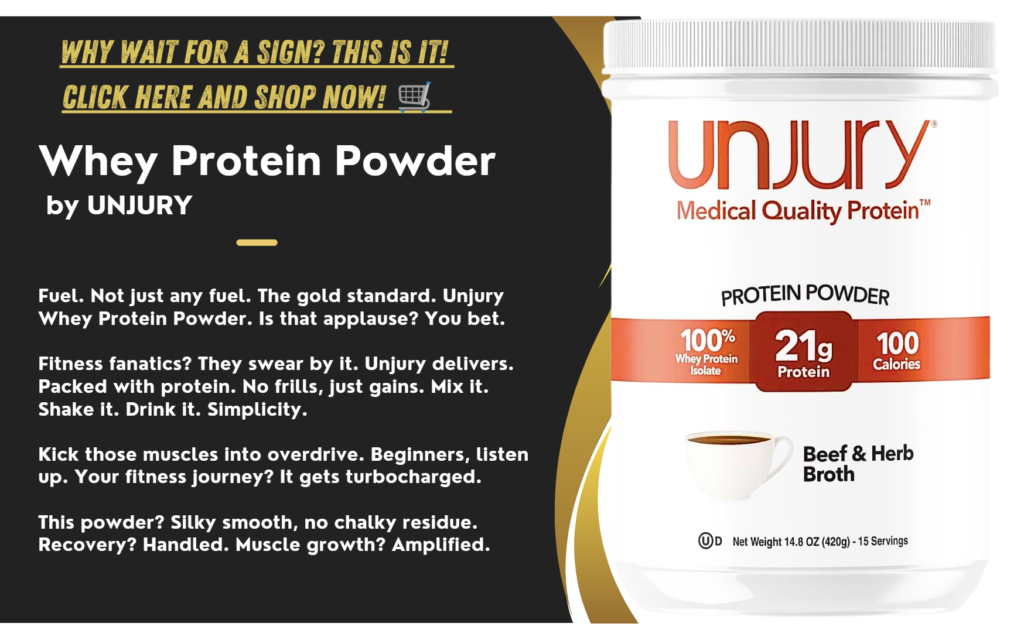
Now you’re holding a premium protein powder with a name so fancy it could be a cologne. It promises grass-fed, hormone-free whey with triple-filtered purity. You’re asking yourself, Do I need to drop $60 on this?
Here’s what you’re really paying for:
- High-quality protein sources: Grass-fed whey, isolate, or micellar casein.
- Superior processing methods: Less denaturation, better absorption.
- Minimal junk: No fillers, gums, or unnecessary extras.
And let’s not ignore taste and mixability. These premium players dissolve like magic and taste like a cheat meal. If you’re serious about your fitness or have specific goals—lean muscle, low-carb diets—this is your guy.
The Sweet Spot: Balancing Cost and Quality
You don’t need to blow your budget or settle for subpar sludge. There’s a middle ground. Look for brands with a solid reputation that focus on the essentials without the fluff.
- Concentrates vs. Isolates: Concentrates are cheaper but have slightly less protein per gram. Isolates are pricier but purer. Choose based on your goals.
- Third-party testing: Labels can lie. Find brands certified for purity.
- Nutritional balance: Low carbs, high protein, minimal additives.
Your Strategy: Think Like a Pro
Here’s the hack: Cost-per-serving. A $40 tub with 30 servings costs about $1.33 per shake. If a $25 tub only gets you 20 servings, that’s $1.25 per shake. The price gap isn’t as big as you thought.
And think long-term. That cheap powder might lead to wasted scoops because you can’t stomach the taste. A pricier option you actually enjoy drinking? That’s money well spent.
The Verdict
At the end of the day, it’s about priorities. If you’re fueling a lean bulk or prepping for a Spartan Race, the quality matters. If you’re just hitting the gym a couple of times a week, you can afford to go budget—just don’t sacrifice your stomach in the process.
So, next time you’re eyeing those protein tubs, remember: Price and quality don’t always align perfectly, but your body? That’s worth investing in. Pick smart, lift heavy, and fuel like you mean it.
Got questions about specific brands or want recommendations? Let’s talk shop.
Whey vs. Plant-Based Protein Powder: Which to Choose
Picture this: You’re standing in the supplement aisle or scrolling through endless protein powder options online. The labels are screaming at you—”Whey for massive gains!” and “Plant-based for clean living!”—and you’re caught in a nutritional tug-of-war. Which do you grab? Let’s cut through the noise and break it down.
By the end of this, you’ll know exactly which protein powder deserves a permanent spot in your gym bag.
What’s the Deal with Whey?
Whey protein is the classic bro at the gym. Reliable, efficient, and a bit of a show-off. It’s derived from milk, specifically the liquid gold leftover after cheese-making. Packed with essential amino acids, it’s a complete protein, meaning your muscles get everything they need to recover and grow.
Why Whey Could Be Your MVP:
- Muscle-Building Superpower: High levels of branched-chain amino acids (BCAAs) like leucine make whey a beast for muscle repair.
- Fast Absorption: Your muscles don’t like to wait, and whey delivers amino acids like an express delivery service.
- Versatility: Shakes, smoothies, pancakes—you name it, whey’s got you covered.
- Science-Backed Results: Decades of studies back whey for muscle growth and fat loss.
What’s the Scoop on Plant-Based Protein?
Plant-based protein powders are like the cool, conscious new guy in town. Made from peas, rice, hemp, or other plants, these powders cater to those looking to keep it plant-powered.
Why Plant-Based Might Be Your Go-To:
- Easier on the Stomach: If dairy makes you bloated, plant protein can be a digestive lifesaver.
- Nutrient-Packed: Many plant powders come loaded with extra fiber, vitamins, and minerals.
- Environmentally Friendly: Choosing plant-based aligns with sustainable living.
- Great for Allergies: Most are dairy- and gluten-free, catering to sensitive eaters.
The Head-to-Head Comparison
| Feature | Whey Protein | Plant-Based Protein |
|---|---|---|
| Protein Quality | Complete, high in BCAAs | Varies; blends often complete |
| Digestibility | May cause issues if lactose-intolerant | Easier on digestion for most |
| Absorption Speed | Rapid, ideal for post-workout recovery | Slower, provides a steady release |
| Flavor Options | Wide variety, often creamier | Earthier, can taste “gritty” |
| Cost | Affordable, especially in bulk | Generally pricier than whey |
| Diet Compatibility | Not vegan or dairy-free | Vegan, gluten-free, allergen-friendly |
| Sustainability | Higher environmental impact | More eco-friendly |
When Whey is Your Guy
You’re lifting heavy, chasing those extra reps, and aiming for maximum gains. Whey’s rapid absorption and complete amino profile make it unbeatable after a workout. Plus, it’s perfect if your digestion handles dairy like a champ.
Grab Whey Protein If:
- You want faster muscle recovery and growth.
- You’re cool with dairy.
- Budget matters—whey is often cheaper.
When Plant-Based is the Winner
You’re in it for the long game—clean energy, better digestion, and a lower environmental footprint. Plant protein shines when you’re aiming for balance, not just bulk.
Go for Plant-Based Protein If:
- You’re vegan, lactose-intolerant, or allergic to dairy.
- You want a protein powder packed with extras like fiber and antioxidants.
- Sustainability is important to you.
Pro Tips for Choosing the Right Protein Powder
- Read the Label Like a Hawk: Check for added sugars, fillers, and artificial ingredients.
- Consider Blends: If plant-based, a mix of pea, rice, and other sources often mimics whey’s amino acid profile.
- Taste Test: Some powders have a learning curve—sample small tubs before committing.
- Match It to Your Goals: Post-workout recovery? Whey. Meal replacement? Plant-based with fiber.
Bottom Line: Choose What Fits Your Life
There’s no “one-size-fits-all” answer here. It’s about what works for your body, your lifestyle, and your goals. Feel like you’re crushing your workouts with whey? Stick with it. Feel lighter and more energized with plant-based? That’s your ticket.
Now that you’re armed with the facts, hit that supplement aisle with confidence. Whether it’s whey or plant, you’ve got this. 💪
PS: Got a favorite protein powder or a tip for mixing the perfect shake? Let us know!
Protein Shakes for Bodybuilders: Fueling Muscle Growth and Recovery
Alright, folks, listen up! We’re about to unleash the true beast mode of nutrition. If muscle growth is what you’re after, then you better grab a protein shake and hold on tight! These shakes aren’t just any ordinary drink; they are the elixir of the gods for bodybuilders. Packed with whey, egg, or vegan protein, they’re designed to fuel your muscles and speed up recovery like a cheetah on a caffeine high. You’re not just drinking a shake; you’re gulping down a power potion that screams, “I will not be outdone!” So, if you’re serious about turning those spaghetti arms into sculpted steel cables, you know where to start. Underline it, bold it, tattoo it on your forehead—protein is the key! Now, let’s get those gains!
What Are Protein Shakes?
- Definition: Nutritional supplements designed to provide a concentrated source of protein, essential for muscle repair and growth.
- Purpose: Support muscle recovery, enhance performance, and help meet daily protein intake goals.
Importance of Protein for Bodybuilders
- Muscle Repair and Growth
- Role of Protein: Essential for repairing damaged muscle fibers and stimulating muscle protein synthesis.
- Recommendation: Bodybuilders typically require higher protein intake (1.2 to 2.2 grams of protein per kilogram of body weight).
- Prevention of Muscle Breakdown
- Muscle Preservation: Sufficient protein intake helps prevent muscle catabolism during caloric deficits or intense training phases.
- Weight Management
- Satiety: High-protein diets can promote feelings of fullness, helping bodybuilders manage weight while aiming for specific body composition goals.
Types of Protein Used in Shakes
- Whey
- Description: A fast-digesting protein derived from milk, quickly absorbed by the body.
- Benefits: Ideal for post-workout recovery due to its rapid amino acid delivery.
- Casein
- Description: A slow-digesting protein also sourced from milk.
- Benefits: Provides a sustained release of amino acids, making it suitable for nighttime use or extended periods without food.
- Egg White
- Description: Made from egg whites, it’s a high-quality, complete protein source.
- Benefits: Rich in essential amino acids and low in fat, it’s great for those with dairy sensitivities.
- Plant-Based
- Pea Protein: High in branched-chain amino acids (BCAAs), good for muscle recovery.
- Brown Rice Protein: A complete protein when combined with pea protein, making it suitable for vegans.
- Hemp Protein: Contains omega fatty acids and fiber, though lower in protein content compared to other sources.
- Blended
- Description: Mixes various protein sources to provide both quick and slow-digesting proteins.
- Benefits: Offers a balanced amino acid profile and sustained benefits.
Benefits of Protein Shakes for Bodybuilders
- Convenient Source of Protein
- Quick and Easy: Protein shakes are a convenient option for busy bodybuilders to meet their protein needs without preparation time.
- Enhanced Recovery
- Post-Workout Nutrition: Consuming protein shakes after workouts helps jumpstart recovery by delivering essential amino acids to muscles.
- Improved Muscle Gains
- Muscle Protein Synthesis: Regular intake of protein shakes can lead to significant increases in muscle mass when combined with resistance training.
- Versatile Meal Option
- Meal Replacement: Can be used as a meal replacement or supplement for additional calories, especially during bulking phases.
- Variety of Flavors and Forms
- Taste and Palatability: Available in various flavors, making it easier for bodybuilders to incorporate them into their diets.
How to Use Protein Shakes
- Timing
- Post-Workout: Consuming a protein shake within 30 minutes after training optimizes muscle recovery.
- Pre-Bedtime: A casein shake can be beneficial before sleep for overnight muscle repair.
- Combining with Other Ingredients
- Carbohydrates: Adding carbohydrates to post-workout shakes can enhance glycogen replenishment.
- Healthy Fats: Including ingredients like nut butter can increase calorie content for those in a bulking phase.
- Frequency
- Daily Intake: Incorporate protein shakes throughout the day to help meet protein goals, especially if whole food options are limited.
Common Mistakes to Avoid
- Overreliance on Shakes
- Balanced Diet: While protein shakes are helpful, they should complement a balanced diet rich in whole foods.
- Ignoring Quality
- Ingredient Scrutiny: Choose protein shakes with minimal additives, artificial sweeteners, and fillers for optimal health benefits.
- Not Tracking Intake
- Monitoring Protein Goals: Bodybuilders should track their protein intake to ensure they are meeting their nutritional needs effectively.
Popular Protein Shake Brands for Bodybuilders
- Optimum Nutrition Gold Standard Whey
- Features: Fast-absorbing whey protein isolate with a great taste and mixability.
- Dymatize ISO100
- Features: Hydrolyzed whey protein isolate for quick absorption and minimal carbs.
- MuscleMilk Protein Powder
- Features: Blended protein formula designed for muscle recovery and performance enhancement.
- Vega Protein & Greens
- Features: Plant-based protein powder that combines protein with greens for added nutrition.
- Orgain Organic Protein
- Features: A clean, organic protein powder suitable for vegans, featuring a blend of plant-based proteins.
Nutritional Information to Consider
- Amino Acid Profile
- Complete Proteins: Ensure the protein shake provides all essential amino acids for optimal muscle recovery.
- Protein Content per Serving
- Typical Range: Most protein shakes contain 20-30 grams of protein per serving.
- Fat and Carb Content
- Nutritional Balance: Check the amounts of fats and carbohydrates, especially if dieting for specific goals.
- Caloric Density
- Total Calories: Be aware of the caloric content to fit within dietary goals, especially during cutting or bulking phases.
Conclusion
Protein shakes are a crucial tool for bodybuilders looking to enhance muscle recovery, support growth, and meet their nutritional goals. By understanding the types, benefits, and best practices for consumption, bodybuilders can effectively utilize protein shakes as part of their training regimen for optimal results.
Type II Collagen: The Essential Joint Protector for Bodybuilders
For male bodybuilders, protecting the joints is just as important as building muscle. Type II collagen is the key player in maintaining joint health and flexibility, especially during heavy lifting. Often overlooked, this unique form of collagen plays a critical role in keeping your cartilage healthy and resilient. Whether you’re pushing for that extra rep or striving for longevity in your bodybuilding journey, understanding how joint-supporting proteins like Type II collagen function can make all the difference.
Why Type II Collagen is Vital for Bodybuilders
Bodybuilding puts immense pressure on joints, making joint health a top priority. Type II collagen supplements act as a joint-repairing compound, specifically targeting the cartilage in your joints. This natural protein helps cushion your bones, preventing wear and tear from repetitive movements and heavy lifting.
| Benefit | Description |
|---|---|
| Supports Cartilage Repair | Rebuilds and maintains cartilage, especially in high-impact areas like knees and shoulders. |
| Reduces Joint Discomfort | Eases inflammation caused by heavy lifting, allowing for more pain-free workouts. |
| Improves Joint Flexibility | Enhances mobility and flexibility, crucial for optimal performance in bodybuilding. |
| Prevents Cartilage Breakdown | Helps prevent cartilage deterioration, ensuring long-term joint protection. |
| Promotes Faster Recovery | Assists in quicker recovery from joint stress and strain. |
Type II Collagen vs. Type I Collagen: What’s the Difference?
Bodybuilders often confuse Type II collagen with Type I collagen, but they serve different functions. While Type I is focused on skin, tendons, and muscles, Type II collagen zeroes in on the joints and cartilage. Here’s why the distinction matters for male bodybuilders:
| Type II Collagen | Type I Collagen |
|---|---|
| Supports cartilage and joint health | Strengthens skin, tendons, and bones |
| Targeted for joint protection | Promotes muscle recovery and skin elasticity |
| Essential for heavy lifting | Useful for overall tissue repair |
For bodybuilders, Type II collagen is the go-to supplement for joint protection, while Type I collagen helps with muscle recovery and skin elasticity.
Key Benefits of Type II Collagen for Bodybuilders
- Increased Joint Stability: Heavy lifting stresses the joints, and Type II collagen provides the necessary support to stabilize them during workouts.
- Reduced Inflammation: This form of collagen helps ease the inflammation that comes with repetitive strain, allowing for less downtime between intense sessions.
- Enhanced Range of Motion: With healthier cartilage, bodybuilders experience improved flexibility and a greater range of motion, optimizing performance during compound lifts like squats and deadlifts.
- Faster Recovery: Bodybuilders require faster recovery to stay consistent in their training, and joint-repairing supplements like Type II collagen play a critical role in ensuring this.
- Long-Term Joint Protection: Regular use of Type II collagen aids in preventing joint breakdown, which is crucial for those looking to sustain long-term bodybuilding careers.
How to Incorporate Type II Collagen Into Your Regimen
For optimal results, bodybuilders should aim to supplement with Type II collagen consistently. Here’s how to incorporate it into your routine:
- Daily Supplementation: Take Type II collagen with your post-workout protein shake or during breakfast to ensure steady joint support throughout the day.
- Pair with Omega-3s: For enhanced anti-inflammatory benefits, combine Type II collagen with omega-3 fatty acids, which further aid in reducing joint discomfort.
- Timing Around Heavy Lifts: On days when you’re pushing heavier weights, ensure you’ve supplemented with Type II collagen to minimize joint stress during recovery.
Top Complementary Supplements for Joint Health
While Type II collagen is an essential supplement for protecting your joints, pairing it with other key nutrients can enhance its benefits. Here are some other supplements to consider:
| Supplement | Benefit for Joint Health |
|---|---|
| Glucosamine | Helps regenerate cartilage and maintain joint integrity. |
| Chondroitin | Works synergistically with Type II collagen to reduce joint inflammation. |
| MSM (Methylsulfonylmethane) | Eases joint pain and supports flexibility. |
| Vitamin C | Essential for collagen synthesis and repair. |
| Omega-3 Fatty Acids | Reduces inflammation and supports overall joint health. |
What Bodybuilders Are Saying About Type II Collagen
Bodybuilders who regularly supplement with Type II collagen report noticeable improvements in joint health and performance. Here are some firsthand insights:
| Positive Feedback | Constructive Feedback |
|---|---|
| “My joints feel much more stable during heavy squats.” | “Took about a month to really feel the effects.” |
| “Less pain after deadlifts—my knees thank me.” | “It’s great, but don’t skip on proper form.” |
| “Type II collagen is now a staple in my recovery stack.” | “Consistency is key—don’t expect overnight results.” |
Conclusion
For male bodybuilders, Type II collagen is an often-overlooked yet vital supplement for maintaining joint health, reducing discomfort, and enhancing overall flexibility. By integrating joint-repairing proteins like Type II collagen into your routine, you can ensure long-term protection against the stresses of heavy lifting. Pair it with complementary supplements such as glucosamine and omega-3s for even greater joint support. Whether you’re in the gym grinding out heavy reps or focusing on recovery, Type II collagen will keep your joints resilient and ready for the next challenge.
The Science of Collagen and Pain-Free Joints
Collagen plays a pivotal role in maintaining joint integrity, offering structural support and ensuring smooth movement. Whether you’re dealing with stiff joints or looking to prevent wear and tear, collagen supplements can enhance flexibility, reduce discomfort, and improve overall joint health. In this guide, we’ll break down how collagen impacts your joints, the key benefits, and additional supplements that further support connective tissue health.
Key Benefits of Collagen for Joint Integrity
| Benefit | Description |
|---|---|
| Supports Joint Structure | Strengthens cartilage, the cushion between joints. |
| Reduces Joint Pain | Alleviates discomfort, particularly in aging joints. |
| Enhances Flexibility | Promotes smoother movement and greater range of motion. |
| Speeds Up Recovery | Assists in faster healing post-injury or workout. |
| Prevents Degeneration | Helps protect against cartilage breakdown. |
How Collagen Improves Joint Function
Collagen is a vital protein that maintains connective tissue integrity, specifically in the joints, ligaments, and tendons. As we age, collagen production naturally decreases, leading to joint stiffness, discomfort, and reduced mobility. By supplementing with collagen, particularly hydrolyzed forms, individuals can support cartilage resilience and reduce wear and tear on their joints, promoting long-term joint health.
Types of Collagen for Joint Health
| Type of Collagen | Primary Benefit |
|---|---|
| Type I Collagen | Supports overall joint structure and skin elasticity. |
| Type II Collagen | Specifically targets cartilage and reduces joint discomfort. |
| Type III Collagen | Strengthens blood vessels and connective tissue around joints. |
Collagen vs. Traditional Joint Supplements
| Collagen Supplements | Traditional Joint Supplements |
|---|---|
| Promotes joint integrity by rebuilding cartilage. | Often targets inflammation, like with glucosamine. |
| Supports long-term joint health. | Primarily used for short-term pain relief. |
| Addresses skin, hair, and nails as added benefits. | Focuses mainly on joint-specific concerns. |
How to Use Collagen for Joint Integrity
- Daily Intake: Collagen should be consumed regularly for optimal joint support.
- Combine with Vitamin C: Vitamin C is essential for collagen synthesis, enhancing its effectiveness.
- Pair with Anti-Inflammatories: Collagen works well with turmeric or omega-3s to reduce joint inflammation.
- Hydration: Ensure you stay hydrated to support collagen’s role in lubricating joints.
Complementary Supplements for Joint Health
| Supplement | Benefit |
|---|---|
| Glucosamine | Helps rebuild cartilage and reduce joint pain. |
| Chondroitin | Works in tandem with collagen to enhance joint flexibility. |
| MSM (Methylsulfonylmethane) | Reduces joint inflammation and pain. |
| Turmeric | Contains curcumin, which fights inflammation. |
Common Issues and Solutions
| Issue | Solution |
|---|---|
| Slow Results | Consistent use over months is necessary for visible improvement. |
| Collagen Breakdown | Combine with antioxidants to prevent collagen degradation. |
| Joint Stiffness | Increase mobility exercises to complement collagen intake. |
| Digestive Sensitivity | Choose hydrolyzed collagen for easier absorption. |
What Users Are Saying About Collagen for Joint Health
| Positive Feedback | Constructive Feedback |
|---|---|
| “I feel more mobile and pain-free since starting collagen.” | “It took a few months to see real results.” |
| “My knees don’t ache after long runs anymore!” | “Not a quick fix, but worth it over time.” |
| “Collagen supplements have been a game changer for my joints and skin.” | “Works better when paired with Vitamin C.” |
Collagen for Athletes vs. Aging Individuals
| Athletes | Aging Individuals |
|---|---|
| Improves Recovery: Speeds up recovery post-workout, reducing joint inflammation and promoting cartilage repair. | Reduces Joint Discomfort: Eases age-related joint stiffness and promotes flexibility. |
| Enhances Performance: Provides the support needed for high-impact activities. | Prevents Degeneration: Slows down cartilage degradation and joint wear. |
Who Should Use Collagen for Joint Integrity?
- Athletes: For those engaged in high-impact activities, collagen supports recovery and maintains joint strength.
- Seniors: Helps counteract the natural decline in collagen production, reducing stiffness and promoting joint flexibility.
- Individuals with Joint Issues: Collagen can be especially beneficial for those experiencing discomfort or recovering from injury.
- Health Enthusiasts: Even those without current joint issues can benefit from collagen’s preventative effects on joint health.
Conclusion
Collagen is a critical element in maintaining joint integrity, acting as a foundation for strong, flexible joints. Whether you’re an athlete looking to enhance performance or someone dealing with joint discomfort due to aging, collagen supplementation can play a key role in protecting and strengthening your joints. By combining collagen with other joint-friendly supplements and a healthy lifestyle, you’ll be on your way to smoother, pain-free movement and improved overall joint function.
Hydrolyzed Whey Concentrate: Benefits Unveiled
Hydrolyzed Whey Concentrate is a premium protein supplement known for its fast absorption and high bioavailability. This type of whey is ideal for athletes and fitness enthusiasts looking to enhance recovery, muscle growth, and overall performance. Below, we’ll break down the key benefits, best applications, and complementary products to elevate your protein game.
Key Benefits of Hydrolyzed Whey Concentrate
| Benefit | Description |
|---|---|
| Rapid Absorption | Digests quickly for immediate amino acid availability. |
| High Bioavailability | Efficiently utilized by the body for muscle recovery. |
| Muscle Growth Support | Promotes muscle synthesis post-workout, enhancing gains. |
| Reduced Risk of Allergens | Hydrolysis minimizes lactose and allergens, suitable for sensitive individuals. |
| Convenient for On-the-Go | Easy to mix and consume, ideal for busy lifestyles. |
| Boosts Immunity | Provides immunoglobulins and lactoferrin, supporting overall health. |
Ideal Users of Hydrolyzed Whey Concentrate
| User Type | Suitability | Tips for Use |
|---|---|---|
| Athletes | Perfect – supports muscle recovery and growth | Mix with water or milk post-workout. |
| Bodybuilders | Excellent – aids in muscle repair after intense training | Use as a part of daily protein intake strategy. |
| Weight Watchers | Great – helps maintain muscle mass while losing fat | Incorporate into low-calorie meals or snacks. |
| Sensitive Individuals | Ideal – lower allergen content for easier digestion | Start with a small serving to assess tolerance. |
Key Ingredients in Hydrolyzed Whey Concentrate
| Ingredient | Function |
|---|---|
| Hydrolyzed Whey Protein | Fast-digesting protein that promotes muscle recovery. |
| Amino Acids | Essential for muscle repair and synthesis. |
| Glutamine | Supports recovery and immune function. |
| BCAAs | Leucine, isoleucine, and valine aid in muscle growth. |
Hydrolyzed Whey Concentrate vs. Regular Whey Protein
| Hydrolyzed Whey Concentrate | Regular Whey Protein |
|---|---|
| Fast absorption for quicker recovery | Slower digestion, providing sustained protein release. |
| Less likely to cause bloating or discomfort | May cause digestive issues in sensitive individuals. |
| Higher cost due to additional processing | Generally more affordable and widely available. |
| Ideal for post-workout recovery | Good for general protein supplementation. |
How to Use Hydrolyzed Whey Concentrate Effectively
- Post-Workout: Consume within 30 minutes after exercise to maximize recovery.
- Mix with Liquid: Blend with water, milk, or a smoothie for best results.
- Follow Daily Protein Goals: Ensure intake aligns with your dietary needs.
- Pair with Carbs: Combine with carbohydrates for enhanced recovery.
Complementary Ingredients for Hydrolyzed Whey Concentrate
| Ingredient | Benefit |
|---|---|
| Creatine | Boosts strength and exercise performance. |
| Omega-3 Fatty Acids | Reduces inflammation and promotes heart health. |
| Electrolytes | Replenishes minerals lost during intense workouts. |
| Vitamins | Supports overall health and recovery. |
Common Issues and Solutions
| Issue | Solution |
|---|---|
| Bloating | Start with smaller servings to assess tolerance. |
| Unpleasant Taste | Try flavored versions or mix with fruits. |
| Cost | Buy in bulk to reduce overall expense. |
| Mixability Issues | Use a blender for a smoother texture. |
User Reviews of Hydrolyzed Whey Concentrate
| Positive Feedback | Constructive Feedback |
|---|---|
| “Best protein for quick recovery!” | “A bit pricey compared to regular whey.” |
| “Mixes easily and tastes great!” | “Need to consume right after workouts for effect.” |
| “Noticeable improvement in muscle gains.” | “Can be too sweet for some tastes.” |
Seasonal Use of Hydrolyzed Whey Concentrate
| Season | Reason to Use Hydrolyzed Whey Concentrate |
|---|---|
| Winter | Supports muscle maintenance during cold months with lower activity levels. |
| Summer | Helps replenish protein lost during outdoor activities. |
| Year-Round | Essential for consistent training and recovery. |
Who Should Use Hydrolyzed Whey Concentrate?
- Athletes: Enhances performance and recovery after workouts.
- Bodybuilders: Supports muscle growth and repair.
- Fitness Enthusiasts: Provides a quick protein source post-exercise.
- Individuals with Sensitivities: Lower allergen content for easier digestion.
Q&A
Q: Can Hydrolyzed Whey Concentrate be used as a meal replacement?
A: While Hydrolyzed Whey Concentrate is an excellent protein source, it should not replace whole meals. It’s best used alongside a balanced diet for optimal nutrition. Adding it to smoothies with fruits and greens can enhance its meal-replacement potential.
Q: Is Hydrolyzed Whey Concentrate safe for lactose-intolerant individuals?
A: Generally, yes. Hydrolyzed Whey Concentrate is low in lactose due to the hydrolysis process. However, individuals should start with small amounts to determine tolerance.
Q: How does Hydrolyzed Whey Concentrate compare to other protein sources?
A: Hydrolyzed Whey Concentrate offers faster absorption than casein or soy proteins, making it a superior choice for post-workout recovery.
Q: What is the best time to take Hydrolyzed Whey Concentrate?
A: The optimal time is within 30 minutes after workouts for the best muscle recovery and growth benefits.
Hemp Protein: A Plant-Based Powerhouse
Hemp protein, derived from hemp seeds, offers a complete, plant-based protein solution for those seeking sustainable nutrition. Rich in essential amino acids, fiber, and healthy fats, this slow-digesting plant protein powder caters to vegans, athletes, and anyone looking to improve their diet. Below, we break down the benefits, key features, and ways to integrate this nutrient-rich powder into your routine.
Key Benefits of Hemp Protein
| Benefit | Description |
|---|---|
| Complete Protein Source | Contains all 9 essential amino acids. |
| High in Fiber | Supports digestion and promotes satiety. |
| Rich in Omega Fatty Acids | Provides Omega-3 and Omega-6 for heart health. |
| Easily Digestible | Contains edestin, a protein that’s easy to absorb. |
| Allergen-Free | Naturally free from dairy, soy, and gluten. |
| Eco-Friendly | Sourced from sustainable crops with minimal processing. |
Comparison: Hemp Protein vs. Other Protein Powders
| Feature | Hemp Protein | Whey Protein | Pea Protein |
|---|---|---|---|
| Plant-Based | Yes | No | Yes |
| Complete Protein | Yes | Yes | No |
| Fiber Content | High | Low | Moderate |
| Omega Fatty Acids | Yes | No | No |
| Digestibility | High | Moderate | Moderate |
| Allergens | None | Contains dairy | May contain soy |
Nutritional Breakdown (per 30g serving)
| Nutrient | Amount | Benefit |
|---|---|---|
| Protein | 15g | Supports muscle repair and growth. |
| Fiber | 8g | Aids digestion and promotes fullness. |
| Fats | 4g (Omega-3 & Omega-6) | Boosts heart and brain health. |
| Calories | ~120 | Provides sustained energy. |
| Iron | 2mg (11% of DV) | Supports oxygen transport in the body. |
How Hemp Protein Supports Wellness Goals
- Muscle Recovery: Ideal for post-workout consumption, helping repair muscle tissue.
- Weight Management: High fiber content keeps you feeling full longer.
- Heart Health: Omega fatty acids improve cardiovascular function.
- Digestive Health: Fiber promotes healthy gut function and regularity.
- Anti-Inflammatory Benefits: Contains gamma-linolenic acid (GLA) to reduce inflammation.
Best Ways to Use Hemp Protein
| Use Case | How to Use |
|---|---|
| Post-Workout Shake | Mix with water or plant-based milk for muscle recovery. |
| Smoothie Boost | Add to fruit smoothies for extra protein. |
| Baking | Replace part of flour with hemp protein in recipes. |
| Oatmeal Add-In | Stir into oats for a protein-packed breakfast. |
| Protein Bars | Incorporate into homemade energy bars. |
How Hemp Protein Compares to Animal Proteins
| Attribute | Hemp Protein | Animal Proteins (e.g., Whey, Casein) |
|---|---|---|
| Sustainability | High – Eco-friendly production | Low – Higher environmental impact |
| Digestibility | High | Varies – Some may cause discomfort |
| Allergens | None | May contain lactose or casein |
| Ethics | Vegan and cruelty-free | Dependent on animal farming practices |
Common Challenges and Solutions
| Challenge | Solution |
|---|---|
| Earthy Taste | Blend with flavorful fruits like bananas or berries. |
| Grainy Texture | Use a high-powered blender for smoother consistency. |
| Lower Protein Per Serving | Combine with other protein sources like pea protein. |
| Short Shelf Life | Store in a cool, dry place to maintain freshness. |
Who Should Use Hemp Protein?
- Vegans & Vegetarians: An ideal source of complete, plant-based protein.
- Athletes & Fitness Enthusiasts: Supports muscle growth and recovery.
- Individuals with Allergies: Free from dairy, soy, and gluten.
- Sustainability Advocates: Produced with minimal environmental impact.
Seasonal Use of Hemp Protein
| Season | Reason to Use Hemp Protein |
|---|---|
| Winter | Helps prevent winter weight gain with fiber-rich shakes. |
| Summer | Use in smoothies for light, cooling nourishment. |
| Spring/Fall | Supports energy levels during seasonal transitions. |
Hemp Protein Q&A: Everything You Need to Know
Here is a comprehensive Q&A addressing frequently asked questions about hemp protein. These topics complement key aspects like nutritional benefits, uses, and comparisons with other plant-based proteins.
1. What Makes Hemp Protein Different from Other Plant-Based Proteins?
Hemp protein powder stands out for its unique nutritional profile:
- Complete Protein: Hemp contains all 9 essential amino acids, making it comparable to animal-based sources like whey or eggs.
- Rich in Fiber: Hemp protein is naturally high in fiber, unlike pea or rice proteins, aiding digestion and promoting gut health.
- Healthy Fats: It contains Omega-3 and Omega-6 fatty acids, supporting heart health and reducing inflammation.
- Easily Digestible: Less processed compared to some other protein powders, hemp is gentle on the stomach and suitable for those with food sensitivities.
2. How Does Hemp Protein Taste?
Hemp protein has a nutty, earthy flavor that’s more noticeable than other protein powders like pea or soy.
- It pairs well with ingredients like chocolate, peanut butter, bananas, or cinnamon in smoothies.
- Some users find the taste too strong on its own but enjoy it in baked goods or energy balls.
3. Can Hemp Protein Support Weight Loss?
Yes, hemp protein can help with weight loss:
- High Fiber Content: Promotes satiety, reducing hunger and cravings.
- Low in Carbs and Sugar: Ideal for maintaining a calorie deficit.
- Supports Lean Muscle: Helps prevent muscle loss when dieting.
For best results, combine hemp protein with a balanced diet and exercise routine.
4. Is Hemp Protein Safe for People with Allergies?
Hemp protein is generally allergen-friendly:
- Free from Dairy, Gluten, and Soy: Suitable for people with these food intolerances.
- Low Allergen Risk: Unlike soy, hemp protein is less likely to cause allergic reactions.
However, if you have severe plant-based allergies, consult a healthcare professional before using it.
5. Can Hemp Protein Improve Gut Health?
Yes! Hemp protein can benefit digestion:
- High in Fiber: Supports regular bowel movements and gut microbiome health.
- Prebiotic Effect: Helps feed good bacteria in the gut.
- Low in Anti-Nutrients: Unlike legumes or grains, hemp contains fewer substances like phytic acid, which can interfere with nutrient absorption.
6. Does Hemp Protein Contain THC?
Hemp protein is derived from the seeds of the hemp plant, not the leaves or flowers, which contain THC.
- THC-Free: There is no psychoactive component in hemp protein.
- Legal and Safe: Hemp protein is legal in most countries and safe for athletes, as it will not trigger a positive drug test.
7. How Does Hemp Protein Compare to Whey Protein?
| Aspect | Hemp Protein | Whey Protein |
|---|---|---|
| Protein Content | Lower (15-20 g per serving) | Higher (20-25 g per serving) |
| Amino Acids | Complete but lower in leucine | Complete with higher BCAA content |
| Digestibility | Easier on digestion | May cause bloating for lactose-sensitive users |
| Fiber | High | Very low |
| Fat Content | Contains healthy Omega-3s and Omega-6s | Minimal fat content |
| Sustainability | Eco-friendly and minimally processed | Higher environmental impact |
8. Can I Use Hemp Protein for Muscle Building?
Hemp protein supports muscle repair and growth, though it has a lower leucine content than whey, which may slow muscle protein synthesis.
- Combine with Other Proteins: Mixing hemp with pea or rice protein ensures optimal amino acid coverage.
- Great for Active Lifestyles: The Omega fatty acids and fiber help with recovery and overall wellness, making it an excellent supplement for endurance athletes.
9. How Can I Use Hemp Protein in My Diet?
| Application | How to Use |
|---|---|
| Smoothies | Blend hemp protein with fruits, vegetables, and milk alternatives. |
| Baking | Replace a portion of flour with hemp protein in muffins or pancakes. |
| Energy Balls | Combine hemp protein with oats, nut butter, and honey. |
| Oatmeal Topping | Sprinkle hemp protein on top of oatmeal or yogurt. |
| Savory Dishes | Add to soups, stews, or sauces for an extra protein boost. |
10. How Should I Store Hemp Protein Powder?
Proper storage ensures the freshness and effectiveness of hemp protein:
- Keep in a Cool, Dry Place: Avoid moisture exposure to prevent clumping.
- Store in an Airtight Container: Minimize contact with air to maintain potency.
- Use Within 6-12 Months: Check expiration dates and use promptly for optimal nutrient levels.
11. Are There Any Side Effects of Hemp Protein?
Hemp protein is generally safe, but consuming too much may lead to:
- Digestive Issues: The high fiber content can cause bloating if taken in excess.
- Allergic Reactions: Rare but possible in individuals with plant-based allergies.
- Interference with Medications: Consult a healthcare provider if you take medications, as hemp can affect absorption.
12. Is Hemp Protein Sustainable?
Yes, hemp protein is one of the most eco-friendly protein sources:
- Minimal Water Usage: Compared to animal-based proteins, hemp requires far less water.
- Carbon Sequestration: Hemp plants absorb CO2 from the atmosphere.
- Zero Waste: All parts of the hemp plant can be used, reducing environmental impact.
13. Who Should Use Hemp Protein?
- Vegans and Vegetarians: An excellent plant-based alternative to animal proteins.
- Athletes: Great for endurance athletes needing a well-rounded protein.
- People with Sensitivities: Ideal for those with lactose intolerance or gluten allergies.
- Eco-Conscious Consumers: Supports sustainable agriculture with minimal environmental impact.
Conclusion
Hemp protein offers a complete, sustainable, and easily digestible protein source for a wide range of users. From supporting muscle recovery to enhancing gut health and promoting weight loss, hemp protein’s versatility makes it a great addition to any diet. With its high fiber, essential fatty acids, and clean ingredient profile, this plant-based powerhouse proves that good nutrition can be effective and eco-friendly at the same time.
Egg White Protein Benefits: A Comprehensive Guide
Egg white protein, often referred to as albumin powder, is gaining popularity as a clean protein source for fitness enthusiasts and those with dietary restrictions. Packed with essential amino acids and free from fats or sugars, this protein powder alternative offers numerous benefits for muscle recovery, weight management, and overall health. Below, we’ll explore the key advantages, comparison with other protein types, and tips for incorporating slow-digesting egg white-based protein into your diet.
Key Benefits of Egg White Protein
| Benefit | Description |
|---|---|
| High Biological Value | Contains all nine essential amino acids needed for muscle repair. |
| Low in Fat and Carbs | Ideal for those on calorie-restricted or low-fat diets. |
| Lactose-Free | Perfect alternative for individuals with dairy intolerance. |
| Easily Digestible | Absorbs quickly, minimizing bloating or discomfort. |
| Supports Lean Muscle Growth | Helps maintain and build muscle without excess calories. |
| Long Shelf Life | Powdered form stays fresh longer than liquid proteins. |
How Egg White Protein Compares to Other Proteins
| Feature | Egg White Protein | Whey Protein | Plant-Based Protein |
|---|---|---|---|
| Protein Content (per 30g) | 24g | 25g | 20g |
| Fat Content | 0g | 2g | Varies by source |
| Lactose-Free | Yes | No | Yes |
| Amino Acid Profile | Complete | Complete | Often incomplete |
| Digestibility | High | High | Moderate |
| Common Allergen | Eggs | Dairy | Nuts/soy (depends) |
Who Should Use Egg White Protein?
- Athletes: Enhances muscle recovery post-training with fast-absorbing amino acids.
- Weight Watchers: Supports weight management with high protein and zero fat.
- Lactose-Intolerant Individuals: A dairy-free alternative to whey and casein.
- Paleo Diet Followers: Aligns with paleo principles as a natural animal protein source.
How to Use Egg White Protein Effectively
- Pre- or Post-Workout: Consume within 30 minutes of exercise for optimal recovery.
- As a Meal Replacement: Mix with water or plant-based milk to stay full between meals.
- In Smoothies or Recipes: Blend into shakes, pancakes, or baked goods for extra protein.
- Daily Protein Goal: Aim for 1.2-2.0g of protein per kg of body weight depending on activity level.
Egg White Protein Recipes for Everyday Use
| Recipe | Ingredients | Instructions |
|---|---|---|
| Protein Smoothie | 1 scoop egg white protein, banana, almond milk | Blend until smooth and enjoy. |
| Protein Pancakes | 1 scoop protein, oats, egg, baking powder | Mix and cook on a griddle. |
| High-Protein Muffins | Protein powder, almond flour, eggs, blueberries | Combine ingredients and bake. |
| Egg White Protein Bars | Protein powder, peanut butter, oats | Press into a pan and refrigerate. |
Egg White Protein vs. Plant-Based Alternatives
| Factor | Egg White Protein | Plant-Based Protein |
|---|---|---|
| Amino Acid Profile | Complete | Often incomplete |
| Calorie Content | Lower | Higher (depending on source) |
| Digestibility | High | Moderate |
| Environmental Impact | Higher | Lower |
| Taste and Texture | Smooth and neutral | May vary, can be gritty |
Common Issues with Egg White Protein and Solutions
| Issue | Solution |
|---|---|
| Foaming During Mixing | Use a shaker bottle or blend slowly to reduce foam. |
| Taste Preference | Add cocoa powder, vanilla extract, or fruit for better flavor. |
| Allergic Reaction (Egg Allergy) | Switch to plant-based or beef protein alternatives. |
| Consistency Issues in Baking | Adjust liquid ratios to maintain the texture. |
Storage Tips for Egg White Protein
| Storage Advice | Reason |
|---|---|
| Keep in a Cool, Dry Place | Prevents clumping and maintains freshness. |
| Seal Container Tightly | Protects from moisture exposure. |
| Monitor Expiration Dates | Protein potency can degrade over time. |
| Use a Dedicated Scoop | Avoids contamination and clumping. |
What Users Are Saying
| Positive Reviews | Constructive Feedback |
|---|---|
| “I love how easy it is to digest!” | “The taste could be better without additives.” |
| “Perfect for my lactose-free diet.” | “It tends to foam up a lot.” |
| “Keeps me full for hours!” | “I wish it came in more flavors.” |
When to Use Egg White Protein Throughout the Year
| Season | Reason to Use Egg White Protein |
|---|---|
| Winter | Aids in maintaining lean muscle during off-season workouts. |
| Summer | Provides light, easy-to-digest protein for warm-weather routines. |
| Spring/Fall | Supports consistent training between major fitness goals. |
Egg White Protein: Comprehensive Q&A
This Q&A covers frequently asked questions about egg white protein, exploring areas such as digestibility, nutritional benefits, allergen concerns, sustainability, and usage in fitness or dietary routines.
Q1: Is Egg White Protein Better than Whey Protein?
A: Both egg white protein and whey protein offer high-quality sources of protein, but they differ in several ways:
- Digestibility: Whey protein is absorbed more quickly, making it better for immediate post-workout recovery. Egg white protein digests slower, providing a longer-lasting supply of amino acids.
- Lactose-Free Option: Egg white protein is ideal for those with lactose intolerance or dairy allergies.
- Satiety: Due to its slower digestion, egg white protein helps you feel fuller for longer, making it better for weight management.
Q2: How Does Egg White Protein Affect Muscle Growth?
A: Egg white protein contains all nine essential amino acids, making it a complete protein that supports muscle growth and repair. With a high leucine content, it activates muscle protein synthesis, similar to whey protein. Many athletes prefer it for building lean muscle due to its low fat and carbohydrate content.
Q3: Can I Use Egg White Protein if I Have an Egg Allergy?
A: Individuals with an egg allergy should avoid egg white protein as it may trigger allergic reactions, including itching, swelling, or digestive discomfort. If you’re unsure, consult with an allergist before use. Alternatives like pea protein or hemp protein may suit your needs.
Q4: How Sustainable is Egg White Protein?
A: Egg white protein production is generally more sustainable than red meat or dairy-based protein sources. However, ethical concerns related to egg farming, such as the treatment of hens, may arise. Look for brands that offer pasture-raised or certified humane eggs to ensure more sustainable choices.
Q5: Is Egg White Protein Safe for Long-Term Use?
A: Yes, egg white protein is safe for long-term consumption if used as part of a balanced diet. However:
- Overreliance on any single protein source can limit dietary variety.
- Individuals with kidney issues should consult a doctor before consuming large amounts of protein, as it may stress kidney function over time.
Q6: What’s the Difference Between Liquid Egg Whites and Egg White Protein Powder?
A:
| Aspect | Liquid Egg Whites | Egg White Protein Powder |
|---|---|---|
| Convenience | Requires refrigeration and has a shorter shelf life. | Long shelf life, no refrigeration needed. |
| Usage | Best for cooking and baking. | Ideal for smoothies, shakes, or baking. |
| Protein Concentration | Lower in protein per volume. | Higher protein content per serving. |
Q7: How Should I Store Egg White Protein?
A: To ensure freshness, store egg white protein in a cool, dry place, away from moisture and direct sunlight. Use an airtight container to prevent clumping, and monitor expiration dates closely.
Q8: Can Egg White Protein Be Used for Weight Loss?
A: Yes! Egg white protein is low in calories, fat, and carbs, making it a great option for those on a calorie-restricted diet. It also promotes satiety, helping reduce hunger between meals. Adding it to smoothies or meals can help maintain muscle mass while shedding fat.
Q9: How Does Egg White Protein Compare to Plant-Based Proteins?
A:
| Aspect | Egg White Protein | Plant-Based Protein |
|---|---|---|
| Protein Quality | Complete protein with all essential amino acids. | Some plant proteins lack key amino acids. |
| Digestibility | Easily digestible with minimal bloating. | May cause bloating in sensitive individuals. |
| Allergen Concerns | Not suitable for those with egg allergies. | Good alternative for people with egg allergies. |
| Environmental Impact | More sustainable than animal-based proteins but less eco-friendly than plant proteins. | Often more sustainable and eco-friendly. |
Q10: Can I Bake with Egg White Protein Powder?
A: Absolutely! Egg white protein powder works well in recipes like protein pancakes, muffins, and cookies. It adds a protein boost without altering texture too much. Keep in mind:
- Use less liquid in your recipe since egg white protein tends to absorb moisture.
- Combine it with other flours or proteins to avoid a rubbery texture in baked goods.
Q11: How Does Egg White Protein Impact Gut Health?
A: Egg white protein is easy on digestion for most people, though some may experience mild gas if consumed in large quantities. It does not contain fiber or probiotics, so pairing it with foods rich in fiber, like oats or fruits, can support a healthy gut.
Q12: Is Egg White Protein Suitable for Keto Diets?
A: Yes! Egg white protein is an excellent option for ketogenic diets due to its low carbohydrate content. Use it in shakes, keto-friendly recipes, or as part of your meal prep to maintain ketosis while meeting your protein needs.
Q13: What Are the Best Ways to Use Egg White Protein?
A:
- Shakes and Smoothies: Blend it with almond milk, berries, and nut butter.
- Protein Pancakes: Replace flour with egg white protein for a low-carb breakfast.
- Soups and Sauces: Add it to thicken soups while increasing protein content.
- Snacks: Mix with yogurt or cottage cheese for a high-protein snack.
Q14: How Much Egg White Protein Should I Consume Per Day?
A: The recommended daily intake varies based on individual goals:
- For general health: 0.8–1.0 grams per kilogram of body weight.
- For muscle growth: 1.6–2.2 grams per kilogram of body weight.
It’s important to balance protein intake with carbs and fats for optimal results.
Q15: Does Egg White Protein Cause Bloating or Digestive Issues?
A: Egg white protein is generally well-tolerated and does not typically cause bloating. However, individuals with egg sensitivities might experience mild digestive discomfort. If you’re prone to digestive issues, start with a smaller serving and monitor how your body responds.
Conclusion
Egg white protein offers a clean, efficient protein source for individuals seeking to build muscle, manage weight, or avoid dairy-based powders. With its complete amino acid profile, digestibility, and versatility in recipes, it stands out as a reliable alternative to whey and plant-based proteins. Incorporate it into smoothies, pancakes, or post-workout shakes for optimal recovery and consistent performance.