
Archive for the ‘Equipment’ Category
Cardio Beyond Limits: The All-Rounder Exercise Rope
Picture this: you’re standing there, rope in hand, ready to unleash your inner gladiator. It’s not just an exercise; it’s a full-body revolution. This versatile marvel whips you into shape faster than you can say “tired of treadmills.” With every skip, you’re not just burning calories, oh no, my friends—you’re chiseling your way to greatness, one hop at a time! Feel the rush, embrace the sweat, and let’s get the heart pumping like it’s trying to win a race against a caffeinated cheetah! Whether you’re a seasoned gym warrior or just dipping your toes into the fitness pool, the exercise rope transforms every workout into an exhilarating escapade. So grab yours and prepare for a cardio experience that’s anything but ordinary! Onward to your health, you magnificent beast!
💪 Benefits of Exercise Ropes
- Cardiovascular Health: Boosts heart rate and endurance.
- Full-Body Workout: Engages arms, legs, core, and shoulders.
- Fat Burning: Burns calories efficiently.
🌟 Choosing the Right Exercise Rope
- Types of Exercise Ropes:
- Speed Ropes: Lightweight, designed for fast rotations, ideal for speed jumping.
- Weighted Ropes: Heavier, offering resistance for muscle toning.
- Beaded Ropes: Durable and tangle-resistant, great for beginners.
- Leather Ropes: Classic and long-lasting, provides a smooth swing.
- Adjustable Ropes: Customizable length for all heights.
- Rope Materials:
- PVC: Lightweight and fast, perfect for speed training.
- Nylon: Durable and heavy-duty, suited for weighted ropes.
- Polypropylene: Flexible and soft, often used in beaded ropes.
- Leather: Sturdy and long-lasting, ideal for classic leather ropes.
- Rope Features:
- Adjustable Length: Ensures the rope fits your height.
- Ergonomic Handles: Provides comfort and reduces hand fatigue.
- Ball Bearings: Allows for smooth, fast rotations.
- Non-Slip Grips: Ensures a firm hold during intense workouts.
- Tangle-Free Design: Prevents interruptions during your session.
🕑 Best Times to Use Exercise Ropes
- Warm-Up: Start your workout with 5-10 minutes of jump rope to get the blood flowing.
- HIIT: Incorporate into high-intensity interval training for fat-burning efficiency.
- Cardio Days: Use as a primary cardio exercise to elevate your heart rate.
💪 Comparing Exercise Rope Brands
| Brand | Type | Material | Price | Rating |
|---|---|---|---|---|
| Rogue Fitness | Speed Rope | PVC | $25 | 4.8/5 |
| Crossrope | Weighted Rope | Nylon | $69 | 4.7/5 |
| WOD Nation | Adjustable Rope | PVC | $19 | 4.6/5 |
| Rx Smart Gear | Beaded Rope | Polypropylene | $45 | 4.5/5 |
| EliteSRS | Leather Rope | Leather | $32 | 4.5/5 |
🍴 Exercise Rope Workouts
- HIIT (High-Intensity Interval Training): Alternate between 30 seconds of intense jumping and 30 seconds of rest.
- Speed Jumping: Focus on speed and agility, aiming for fast rotations.
- Weighted Rope Circuits: Integrate weighted ropes into your circuit training for added resistance.
- Double Unders: Jump higher and swing the rope twice under your feet before landing.
- Cross Training: Use ropes to complement strength training, improving overall fitness.
🧼 Rope Maintenance
- Cleaning: Wipe down your rope regularly to remove sweat and dirt.
- Storage: Hang or coil your rope neatly to prevent tangling.
- Inspection and Replacement: Check for wear and replace the rope if it shows signs of fraying or damage.
🛡️ Rope Safety Tips
- Proper Footwear: Wear supportive shoes to protect your feet and ankles.
- Appropriate Surface: Use your rope on a smooth, non-slip surface like a gym mat.
- Warm-Up and Cool-Down: Always warm up before and stretch after your rope workouts to prevent injury.
- Correct Rope Length: Adjust your rope to the proper length to avoid tripping or strain.
Dive into Q&A
💪 Q1: What’s the biggest advantage of using an exercise rope? 💪 A1: It’s the versatility – exercise ropes provide an intense cardio workout that also strengthens muscles.
💪 Q2: How can I make my rope workouts more challenging? 💪 A2: Incorporate weighted ropes or add double unders and HIIT intervals to your routine.
💪 Q3: Can I use an exercise rope indoors? 💪 A3: Yes, just ensure you have enough clearance and a non-slip surface.
💪 Q4: Is rope jumping suitable for beginners? 💪 A4: Absolutely! Start with a beaded or adjustable rope to master the basics.
💪 Q5: What’s a unique exercise to try with a rope? 💪 A5: Try crossovers – alternate crossing your arms while jumping for an advanced challenge.
💪 Q6: Can I use an exercise rope daily? 💪 A6: Yes, but mix up your routine to avoid overuse injuries.
💪 Q7: How do I prevent tripping on the rope? 💪 A7: Ensure the rope is the correct length and practice on a smooth surface.
💪 Q8: Is it normal for my rope to wear out? 💪 A8: Over time, yes. Regularly inspect and replace your rope as needed.
💪 Q9: Are there any side effects of jumping rope? 💪 A9: It’s low-impact, but improper form or surface can cause joint strain. Practice good technique.
💪 Q10: What’s the best way to incorporate an exercise rope into my fitness routine? 💪 A10: Use it as part of a warm-up, cardio session, or HIIT workout for comprehensive fitness benefits.
Pedal Your Way to Fitness: Top Picks for Exercise Bike Pedals
Ah, the exercise bike—a mechanical beast that promises the thrill of cycling with none of the pesky outdoor elements like rain, traffic, or that cyclist who insists on wearing neon spandex. When it comes to convincing your legs to churn away while you binge-watch the latest series, the right pedals can make all the difference! So, let’s dive into a selection of exercise bike pedals that’ll keep you pedaling with the tenacity of a caffeine-fueled squirrel. Whether you’re looking for something sturdy enough to withstand a spin class or a sleek option for your home gym, prepare to find your perfect pedal partner. Ready? Let’s roll!
🚴♂️ Benefits of Upgrading Your Exercise Bike Pedals
- Enhanced Performance: Choose the right pedal to match your cycling style.
- Improved Comfort: Pedals designed for better foot positioning reduce fatigue.
- Increased Safety: Secure pedals prevent slips and ensure a stable ride.
🌟 Types of Exercise Bike Pedals
- Flat Pedals: Ideal for beginners and casual riders. Wide platform for easy foot placement.
- Clipless Pedals: Provides a strong connection between foot and pedal. Requires compatible cycling shoes.
- Toe Cage Pedals: Combines the ease of flat pedals with added security. Adjustable cages hold feet in place.
- Dual-Sided Pedals: Offers versatility with one side for flat use and the other for clipless connection.
🔧 Pedal Materials
- Aluminum Alloy: Durable and lightweight. Resists corrosion and provides a solid platform.
- Composite/Plastic: Lightweight and budget-friendly. Ideal for light to moderate use.
- Stainless Steel: Highly durable and rust-resistant. Best for long-term, heavy use.
- Rubber Components: Adds grip and cushioning. Found in pedal surfaces and straps.
💪 Pedal Features
- Adjustable Straps: Customize fit for better foot security.
- Anti-Slip Surface: Provides extra grip, especially during intense workouts.
- Reflective Elements: Enhances visibility in low-light conditions.
- Bearings and Axles: High-quality bearings offer smooth rotation and durability.
- Float Adjustment: Allows slight lateral movement for natural foot alignment, reducing knee strain.
⚙️ Pedal Compatibility
- SPD System: Common in indoor cycling. Provides a secure fit with two-bolt cleats.
- Look Keo System: Designed for road bikes. Offers a larger contact area for power transfer.
- Delta System: Similar to Look Keo but with a three-bolt cleat. Popular for spin bikes.
- Universal Fit: Works with most standard pedals and shoes. Great for multi-user setups.
🔩 Pedal Accessories
- Cleats: Connect your cycling shoes to clipless pedals. Available in different release tensions.
- Pedal Wrenches: Essential tool for installation and removal. Ensures proper tightening.
- Replacement Straps: Keep your toe cage pedals in top condition with new straps.
- Grip Tape: Adds extra traction to flat pedals. Easy to apply and replace.
💯 Top Pedal Brands
| Brand | Pedal Type | Material | Price | Rating |
|---|---|---|---|---|
| Shimano | SPD, Clipless | Aluminum Alloy | $50 | 4.9/5 |
| Look | Keo, Clipless | Composite | $60 | 4.8/5 |
| Wellgo | Flat, Dual-Sided | Stainless Steel | $35 | 4.6/5 |
| Exustar | SPD, Dual-Sided | Aluminum Alloy | $45 | 4.5/5 |
| Garmin | Clipless with Power Meter | Aluminum Alloy | $200 | 4.7/5 |
🔧 Pedal Maintenance Tips
- Cleaning: Regularly clean pedals with a damp cloth to remove dirt and sweat.
- Lubrication: Apply lubricant to pedal bearings and axles for smooth operation.
- Inspection and Replacement: Check for wear and replace pedals or parts as needed to ensure safety.
🛡️ Pedal Safety Tips
- Proper Installation: Ensure pedals are securely fastened to avoid accidents.
- Regular Checks: Periodically check pedal tightness and condition.
- Safe Usage Guidelines: Always wear appropriate footwear and follow the manufacturer’s recommendations.
Dive into Q&A
🚴♂️ Q1: What’s the biggest benefit of using clipless pedals? 💪 A1: They enhance power transfer and efficiency by keeping your foot in constant contact with the pedal.
🚴♂️ Q2: Can I use flat pedals on a road bike? 💪 A2: Yes, flat pedals are versatile and can be used on any bike, though clipless pedals are preferred for performance.
🚴♂️ Q3: How do I choose the right pedal material? 💪 A3: Consider durability and weight. Aluminum alloy is strong and light, while stainless steel is best for heavy use.
🚴♂️ Q4: Is it necessary to replace pedal cleats? 💪 A4: Yes, worn cleats can lead to reduced efficiency and safety. Replace them regularly depending on use.
🚴♂️ Q5: What’s a unique feature to look for in bike pedals? 💪 A5: Float adjustment is valuable, as it allows slight lateral movement, reducing stress on your knees.
🚴♂️ Q6: Can I use SPD pedals on a spin bike? 💪 A6: Yes, SPD pedals are commonly used on spin bikes for a secure and efficient ride.
🚴♂️ Q7: How do I prevent pedal slippage? 💪 A7: Choose pedals with anti-slip surfaces or add grip tape for extra traction.
🚴♂️ Q8: Are dual-sided pedals worth it? 💪 A8: Absolutely! They offer versatility, allowing you to use flat or clipless options depending on your ride.
🚴♂️ Q9: How often should I inspect my pedals? 💪 A9: Regularly inspect them every few weeks, especially if you ride frequently or in challenging conditions.
🚴♂️ Q10: What’s the best way to incorporate new pedals into my routine? 💪 A10: Start with short rides to get used to the new feel, and gradually increase the duration and intensity.
Fitness is Fabulous: Explore Top Ab Exercisers!
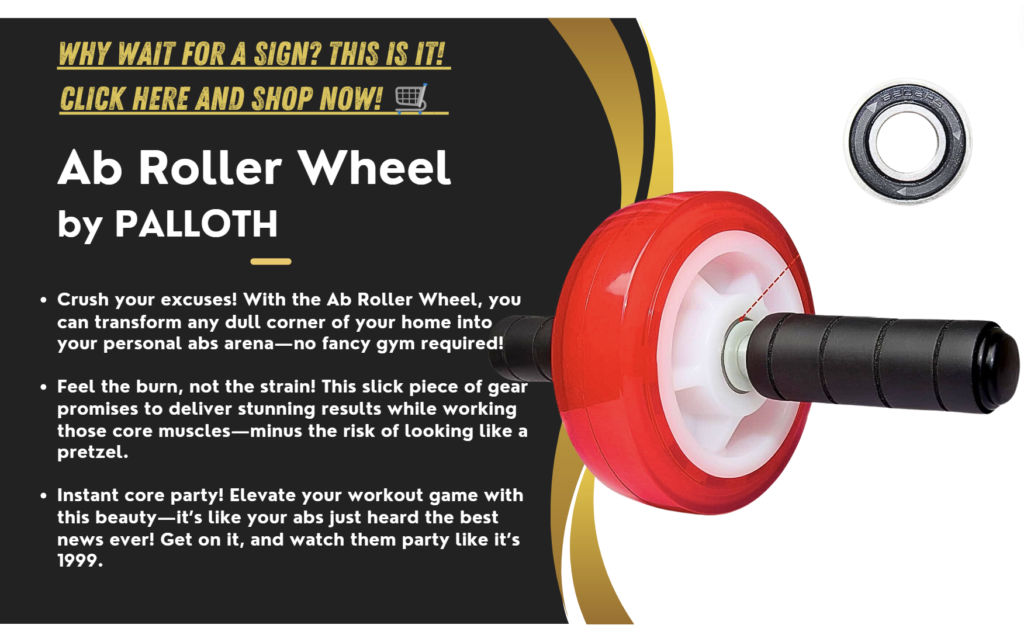
Abs, the holy grail of fitness, aren’t just about aesthetics; they’re your core’s champions, keeping you upright and agile. Enter the ab roller—not just a wheeled piece of torture but your new best friend. With this little contraption, every roll out is a one-way ticket to a strong, sculpted core. Think you’re tough? Try rolling out and maintaining form while avoiding the floor’s inevitable kiss. If that challenges your ego, don’t worry; we’re all friends here. And for the multitaskers, say hello to the plank: the static superhero of isometric holds. Transform any floor space into your personal battleground—sip water, scroll social media, all while building those coveted abs. So, are you ready to unleash the abs of your dreams? Let’s crunch those goals!
🏋️♂️ Ab Exercisers
- Ab Roller: Targets the core with a full range of motion.
- Roman Chair: Ideal for hyperextensions and core stabilization.
- Ab Wheel: Enhances core strength and balance.
- Ab Bench: Adjustable for various incline levels.
- Sit-up Machine: Provides support for lower back.
- Ab Coaster: Engages lower abs with a smooth gliding motion.
- Stability Ball: Adds instability for a more intense workout.
🌟 Machine Types and Muscle Focus
- Upper Abs: Ab Bench, Sit-up Machine.
- Lower Abs: Ab Coaster, Leg Raises on Roman Chair.
- Obliques: Twists with Ab Wheel, Stability Ball exercises.
- Core Stabilization: Planks with Ab Roller, Stability Ball.
🕑 Exercise Techniques
- Crunches: Perform on Ab Bench or Stability Ball for added resistance.
- Leg Raises: Roman Chair or Ab Coaster to target lower abs.
- Twists: Use Ab Wheel or Stability Ball to engage obliques.
- Planks: Incorporate Ab Roller or Stability Ball for core stabilization.
- Sit-ups: Classic exercise on Sit-up Machine or Ab Bench.
💪 Benefits of Ab Exercisers
- Muscle Definition: Sculpt and tone the abdominal muscles.
- Core Strength: Strengthen the core for better balance and stability.
- Posture Improvement: Support proper spinal alignment.
- Injury Prevention: Enhance muscle support to prevent injuries.
- Functional Fitness: Improve performance in everyday activities.
💪 Comparing Popular Ab Exerciser Brands
| Brand | Product | Price | Rating | Key Feature |
|---|---|---|---|---|
| Perfect Fitness | Ab Roller | $25 | 4.8/5 | Ergonomic design for comfort |
| Ab Coaster | Max Ab Coaster | $199 | 4.7/5 | Gliding motion for lower abs |
| Gold’s Gym | Ab Bench | $85 | 4.6/5 | Adjustable incline for varied intensity |
| Marcy | Roman Chair | $120 | 4.5/5 | Heavy-duty construction |
| Stamina | Ab Wheel | $18 | 4.4/5 | Compact and portable |
🍴 User Reviews and Ratings
- Effectiveness: Users report noticeable improvement in core strength.
- Ease of Use: Simple setups with clear instructions.
- Durability: High-quality materials ensure long-term use.
- Comfort: Ergonomically designed to reduce strain and injury.
🧼 Care and Maintenance
- Cleaning Tips: Wipe down with a damp cloth after each use.
- Storage Solutions: Foldable models for easy storage.
- Regular Inspections: Check for wear and tear on moving parts.
🔄 Alternatives to Ab Exercisers
- Bodyweight Exercises: Planks, mountain climbers, and V-ups.
- Resistance Bands: Add resistance to basic ab exercises.
- Yoga for Abs: Incorporate poses like Boat Pose and Plank.
- Pilates Machines: Reformer exercises for core engagement.
💪 Nutrition and Supplements for Optimal Results
- Protein for Muscle Recovery: Essential for repairing and building muscle.
- Fat Burners: Support fat loss to reveal abdominal definition.
- Pre-Workout Boosters: Enhance energy and performance during ab workouts.
- Hydration for Workouts: Maintain fluid balance and prevent cramps.
⏳ Results Timeline
- Short-Term Gains: Notice increased core engagement within weeks.
- Long-Term Results: Achieve defined abs with consistent use over months.
- Maintenance Strategies: Incorporate regular ab workouts and balanced nutrition to maintain results.
Dive into Q&A
💪 Q1: What’s the most effective ab exerciser? 💪 A1: The Ab Coaster is highly rated for targeting lower abs with precision.
💪 Q2: How often should I use ab exercisers for best results? 💪 A2: Aim for 3-4 times a week, allowing rest days for recovery.
💪 Q3: Can I achieve visible abs with these machines alone? 💪 A3: Combine with a healthy diet and full-body workouts for best results.
💪 Q4: Are ab exercisers safe for beginners? 💪 A4: Yes, start with lower resistance and focus on proper form.
💪 Q5: What’s a unique way to use an ab roller? 💪 A5: Try rolling out diagonally to target obliques.
💪 Q6: How do I maintain my ab exerciser? 💪 A6: Regularly clean and inspect for any wear and tear.
💪 Q7: Can I use ab exercisers if I have back pain? 💪 A7: Consult with a healthcare professional first; some machines provide better support than others.
💪 Q8: Is there a specific diet to follow while using ab exercisers? 💪 A8: A balanced diet rich in protein and low in processed carbs will help reveal abs.
💪 Q9: What’s the best ab exerciser for small spaces? 💪 A9: The Ab Wheel is compact, portable, and highly effective.
💪 Q10: Can I use ab exercisers every day? 💪 A10: It’s best to alternate with other workouts to avoid overtraining.
Get Ripped: The Ultimate Guide to Ab Exercise Machines
Listen, folks! Ever walked into a gym and felt like you were auditioning for the role of “Unfit Potato”? Yeah, me too! We all want that holy grail of abs—the kind that can turn heads faster than a cat meme on the internet. But here’s the kicker: not all ab exercise equipment is created equal! Some machines are as useful as a screen door on a submarine. The problem? You’re out here crunching away while just about anybody with a spoonful of yogurt is flexing their sculpted six-pack. So, let’s dive into this mad world of ab machines, uncover the champions, and leave those wannabes in the dust! *Get ready to laugh while you tone—because getting ripped doesn’t have to be a boring slog!
🏋️♂️ Ab Exercise Machines
- Types:
- Ab Rollers: Compact and effective for core engagement.
- Sit-up Benches: Adjustable angles for varying difficulty.
- Ab Coasters: Targets lower abs with smooth motion.
- Ab Chairs: Provides support while isolating abs.
- Roman Chairs: Excellent for back and core strengthening.
- Ab Wheels: Simple yet powerful for full-range motion.
🌟 Benefits of Ab Exercise Machines
- Core Strengthening: Builds a solid core foundation.
- Improved Posture: Enhances spinal alignment.
- Targeted Abdominal Training: Focuses on specific ab muscles.
- Injury Prevention: Reduces the risk of back injuries.
💪 Features to Consider
- Adjustability: Multiple settings for different fitness levels.
- Portability: Easy to move and store.
- Durability: Built to last with high-quality materials.
- Comfort: Ergonomic design with ample padding.
- Resistance Levels: Adjustable tension for customized workouts.
🕑 Exercises You Can Do with Ab Machines
- Crunches: Classic move for upper abs.
- Leg Raises: Targets lower abs.
- Oblique Twists: Engages the obliques.
- Planks: Full core stabilization.
- Knee Tucks: Great for lower abs and hip flexors.
🧠 Usage Tips
- Proper Form: Focus on slow, controlled movements.
- Repetition and Sets: Aim for 3-4 sets of 12-15 reps.
- Combining with Cardio: Boosts fat burn for visible abs.
- Warm-up and Cool-down: Prevents injury and aids recovery.
💪 Popular Ab Exercise Machine Brands
| Brand | Machine Type | Features | Price | Rating |
|---|---|---|---|---|
| Perfect Fitness | Ab Wheel | Ergonomic handles, durable construction | $25 | 4.7/5 |
| Ab Coaster | Ab Coaster | Adjustable resistance, smooth glide | $150 | 4.6/5 |
| CAP Barbell | Roman Chair | Heavy-duty steel, foldable | $75 | 4.5/5 |
| ProForm | Sit-up Bench | Multiple incline levels, padded | $60 | 4.4/5 |
| Gold’s Gym | Ab Chair | Supports back, adjustable height | $80 | 4.3/5 |
🧼 Maintenance Tips
- Cleaning: Wipe down after each use to prevent sweat buildup.
- Lubrication: Keep moving parts well-oiled.
- Storage: Store in a dry place to avoid rust and damage.
- Inspection and Repair: Regularly check for wear and tear.
🔄 Alternatives to Ab Machines
- Bodyweight Exercises: Crunches, planks, and leg raises.
- Resistance Bands: Adds tension to ab exercises.
- Stability Balls: Engages the core with balance work.
- Medicine Balls: Adds weight for increased resistance.
🚫 Common Mistakes to Avoid
- Overtraining: Rest is crucial for recovery and muscle growth.
- Poor Form: Focus on quality over quantity to prevent injuries.
- Lack of Variety: Incorporate different exercises to avoid plateaus.
- Ignoring Nutrition: Abs are made in the kitchen; focus on a balanced diet.
🍴 Nutrition and Supplements
- Protein Intake: Essential for muscle repair and growth.
- Hydration: Keeps muscles functioning optimally.
- Fat Burners: Can aid in reducing body fat for more visible abs.
- Pre-Workout Supplements: Boosts energy and performance during workouts.
📅 Results Timeline
- Beginner (0-4 Weeks): Building a foundation with basic exercises.
- Intermediate (4-12 Weeks): Increased definition and strength.
- Advanced (12+ Weeks): Significant muscle growth and sculpted abs.
Dive into Q&A
🏋️♂️ Q1: What’s the biggest advantage of using ab exercise machines? 💪 A1: They provide targeted training to isolate and strengthen your core muscles.
🏋️♂️ Q2: How can I enhance the effectiveness of my ab workouts? 💪 A2: Combine ab exercises with cardio and a clean diet to reveal defined abs.
🏋️♂️ Q3: Can I use ab machines every day? 💪 A3: It’s best to allow rest days for muscle recovery; 3-4 times a week is ideal.
🏋️♂️ Q4: Are ab exercise machines suitable for beginners? 💪 A4: Yes, many machines offer adjustable resistance levels to accommodate all fitness levels.
🏋️♂️ Q5: What’s a unique way to use an ab roller? 💪 A5: Try performing diagonal rollouts to target the obliques.
🏋️♂️ Q6: Can I achieve a six-pack using only ab machines? 💪 A6: Ab machines help, but a balanced diet and overall fitness are key to achieving visible abs.
🏋️♂️ Q7: How do I prevent lower back pain during ab exercises? 💪 A7: Ensure proper form and engage your core throughout the movement.
🏋️♂️ Q8: What’s the best time of day to use ab exercise machines? 💪 A8: Anytime that fits your schedule, but many prefer mornings for a metabolism boost.
Lift, Dip, Repeat: Your Guide to Dip Exercise Bars
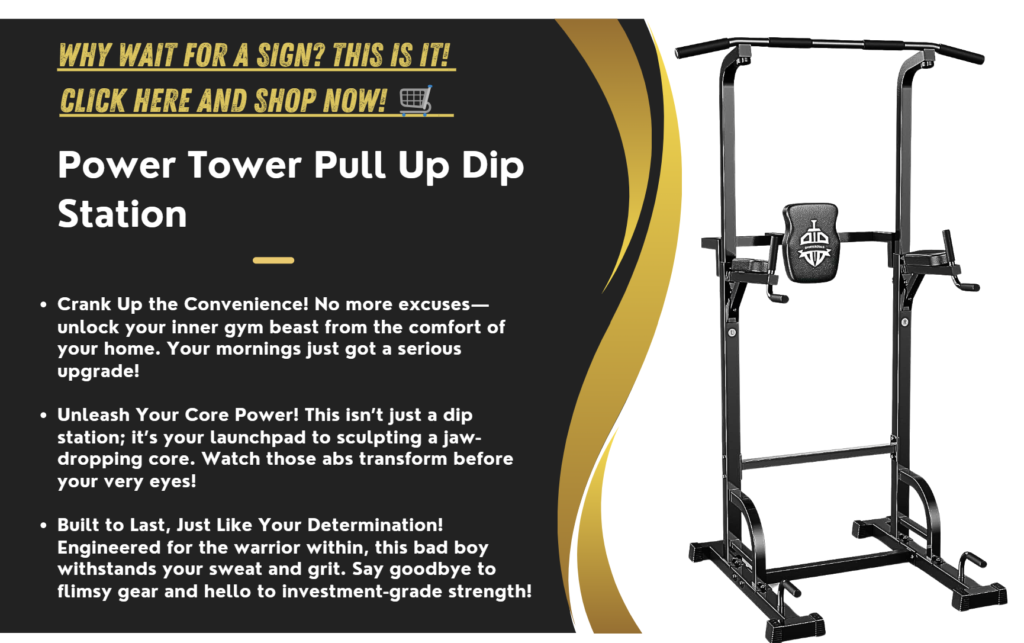
So, you’ve heard the buzz about dip exercise bars and you’re curious if they’re worth the hype. Spoiler alert: they absolutely are. Think of them as your personal ticket to upper body glory—defined triceps, chiseled shoulders, and a chest that could grace magazine covers. But hold your horses! Before you jump in headfirst, let’s talk technique. Proper form isn’t just a suggestion; it’s your secret weapon against injury and the key to conquering those dips like a pro. Want to turn heads at the gym? It starts with a solid foundation. Grab a bar, channel your inner superhero, and let’s lift, dip, and repeat our way to greatness!
🏋️♂️ Benefits of Dip Exercise Bars
- Muscle Building: Targets triceps, chest, and shoulders effectively.
- Core Strengthening: Engages core muscles during dips and raises.
- Flexibility Improvement: Enhances shoulder and upper body flexibility.
- Functional Fitness: Improves overall body strength and coordination.
🌟 Types of Dip Bars
- Wall-Mounted: Fixed to the wall, ideal for home gyms.
- Freestanding: Portable and versatile for various exercises.
- Portable: Easily transportable, perfect for traveling.
- Stationary: Stable and robust, suited for intensive workouts.
🔧 Features to Consider
- Adjustable Height: Customize the bar height for different exercises.
- Padding: Provides comfort and reduces strain on hands and arms.
- Ergonomic Handles: Ensures a comfortable and secure grip.
- Weight Capacity: Check the maximum weight limit for safety.
🛠️ Materials
- Steel: Durable and sturdy, ideal for heavy-duty use.
- Aluminum: Lightweight and rust-resistant, great for portable models.
- Plastic: Affordable and versatile, but less durable.
- Wood: Offers a classic look and good grip, but may require more maintenance.
💪 Exercises with Dip Bars
- Tricep Dips: Focuses on triceps and chest.
- Chest Dips: Targets the chest and shoulders.
- L-Sit Dips: Engages core and hip flexors while dipping.
- Knee Raises: Strengthens core muscles and improves stability.
💼 Brands
| Brand | Type | Features | Price | Rating |
|---|---|---|---|---|
| Body-Solid | Stationary | Adjustable Height, Heavy-Duty Steel | $150 | 4.8/5 |
| ProForm | Freestanding | Padding, Ergonomic Handles | $130 | 4.7/5 |
| Titan Fitness | Wall-Mounted | High Weight Capacity, Steel Construction | $100 | 4.6/5 |
| Iron Gym | Portable | Adjustable, Lightweight | $80 | 4.5/5 |
🧽 Maintenance
- Cleaning: Wipe down regularly to prevent rust and dirt buildup.
- Inspection: Check for wear and tear on handles and frame.
- Lubrication: Apply lubricant to moving parts to ensure smooth operation.
🛠️ Accessories
- Dip Belts: Add extra weight to intensify workouts.
- Resistance Bands: Enhance exercise variety and difficulty.
- Foam Rollers: Aid in muscle recovery and reduce soreness.
⚠️ Safety Tips
- Proper Form: Maintain correct posture to avoid injury.
- Equipment Stability: Ensure bars are securely installed or positioned.
- Warm-Up and Stretching: Prepare your muscles to prevent strains.
Dive into Q&A
🏋️♂️ Q1: What’s the main benefit of using dip bars? 💪 A1: They build upper body strength and enhance core stability.
🏋️♂️ Q2: How can I make my dip workouts more challenging? 💪 A2: Use a dip belt for added weight or resistance bands for increased difficulty.
🏋️♂️ Q3: Can I use dip bars for exercises other than dips? 💪 A3: Yes, try knee raises and L-sits for additional core training.
🏋️♂️ Q4: What should I consider when choosing between wall-mounted and freestanding dip bars? 💪 A4: Wall-mounted are space-saving and stable, while freestanding are versatile and portable.
🏋️♂️ Q5: What’s a unique feature to look for in dip bars? 💪 A5: Adjustable height allows for customization of exercise intensity and comfort.
🏋️♂️ Q6: How often should I inspect and maintain my dip bars? 💪 A6: Regularly check for damage and clean to ensure safety and longevity.
🏋️♂️ Q7: How do I prevent injuries while using dip bars? 💪 A7: Use proper form, ensure stability, and warm up before workouts.
🏋️♂️ Q8: Are there any benefits to using wooden dip bars? 💪 A8: They offer a comfortable grip and a classic aesthetic, but require regular maintenance.
🏋️♂️ Q9: Can I incorporate dip bars into a full-body workout routine? 💪 A9: Yes, combine with other exercises for a comprehensive fitness regimen.
🏋️♂️ Q10: What’s the best way to store portable dip bars? 💪 A10: Keep them in a dry, cool place and disassemble if necessary to save space.
The A-Z Guide of Chest Exercise Machines You’ve Been Searching For
Welcome to the chest-tacular world of fitness where your pecs can go from flab to fab faster than you can say “do I really need another gym membership?” Let’s face it, folks—getting those sculpted pecs isn’t just a workout goal, it’s a lifestyle choice! But here’s the kicker: with all the options available, wandering the gym feels like a confusing episode of “Survivor.” You’ve got your bench presses, cable machines, and the infamous pec deck that looks like a torture device designed by someone who clearly hates fun. In this guide, we’ll break it down from A to Z, so you can stop flexing in the mirror and start flexing with purpose—because every gym hero deserves to know their arsenal. Let’s pump up those pecs and get ready to be the envy of every noodle-armed bro at the gym!
🔥 The A-Z Guide of Chest Exercise Machines You’ve Been Searching For
🏋️♂️ Chest Exercise Machines
- Chest Press Machine: Targets the chest muscles with various press angles.
- Pec Deck Machine: Focuses on the chest and shoulders.
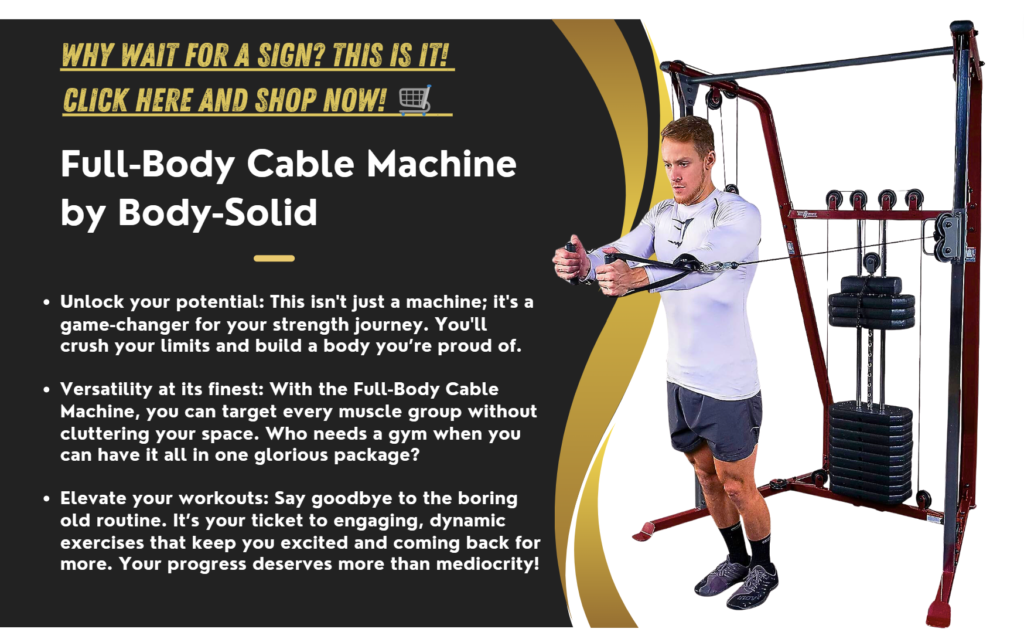
- Cable Crossover Machine: Provides versatile chest workouts with adjustable cables.
- Multi-Gym Systems: Combines multiple machines for a full-body workout.
🌟 Types of Chest Exercise Machines
- Chest Press Machine:
- Horizontal Chest Press: Pushes straight out, ideal for overall chest development.
- Incline Chest Press: Targets the upper chest for a fuller look.
- Decline Chest Press: Focuses on the lower chest for a complete chest workout.
- Pec Deck Machine:
- Standard Pec Deck: Emphasizes the chest muscles through a fly motion.
- Rear Pec Deck: Engages the rear delts and upper back.
- Cable Crossover Machine:
- Adjustable Cable Crossover: Allows for various angles and resistance levels.
- Single Station Cable Crossover: Provides a compact option for targeted chest exercises.
- Multi-Gym Systems:
- Integrated Chest Press: Part of a multi-gym system offering a chest press function.
- Adjustable Cable Systems: Features adjustable cables for versatile exercises.
🛠️ Features to Consider
- Adjustable Seats: Ensures proper alignment and comfort during exercises.
- Resistance Settings: Allows customization of workout intensity.
- Ergonomic Design: Supports proper form and reduces injury risk.
- Weight Stacks: Provides varied resistance levels for all fitness levels.
- Safety Features: Includes safety locks and spotter arms for secure workouts.
💪 Brands
| Brand | Popular Models | Features | Price Range | Rating |
|---|---|---|---|---|
| Life Fitness | Integrity Series, Signature Series | Ergonomic, High durability | $3,000 – $5,000 | 4.8/5 |
| Nautilus | Evolution Series, Inspire Series | Adjustable, Compact design | $2,500 – $4,500 | 4.7/5 |
| Hammer Strength | MTS Series, HD Elite Series | Heavy-duty, Adjustable weights | $3,500 – $6,000 | 4.6/5 |
| Precor | Discovery Series, Icarian Series | Innovative design, Customizable | $2,800 – $4,000 | 4.5/5 |
| Technogym | Excite Series, Selection Pro | Advanced technology, Durable | $3,000 – $5,500 | 4.6/5 |
💡 Benefits
- Muscle Building: Enhances chest muscle size and strength.
- Strength Training: Improves overall upper body strength.
- Improved Posture: Strengthens muscles that support posture.
- Enhanced Endurance: Boosts muscle endurance over time.
🧼 Maintenance
- Regular Cleaning: Wipe down after each use to prevent grime buildup.
- Lubrication: Apply oil to moving parts as needed.
- Inspection for Wear and Tear: Regularly check for any signs of damage or malfunction.
📝 Usage Tips
- Proper Form: Maintain correct posture to maximize effectiveness and prevent injury.
- Weight Selection: Start with lighter weights to master form before increasing resistance.
- Repetition and Set Guidelines: Follow recommended guidelines for reps and sets to achieve desired results.
⚖️ Comparisons
- Machine vs. Free Weights: Machines offer stability and isolation, while free weights provide functional strength benefits.
- Different Machine Types: Each type targets different chest areas and provides varying levels of resistance.
🛒 Purchasing Considerations
- Budget: Determine your budget to find the best value within your price range.
- Space Availability: Ensure the machine fits in your workout area.
- Durability: Check for solid construction and materials for long-term use.
- Warranty and Support: Look for machines with good warranty terms and customer support.
Dive into Q&A
🏋️♂️ Q1: What’s the main advantage of using chest exercise machines? 💪 A1: They provide targeted muscle engagement and are often safer for beginners compared to free weights.
🏋️♂️ Q2: How can I choose the right chest exercise machine for my home gym? 💪 A2: Consider factors like space, budget, and specific workout goals.
🏋️♂️ Q3: Can I combine chest exercise machines with free weights in my routine? 💪 A3: Yes, combining both can provide a balanced workout and maximize muscle development.
🏋️♂️ Q4: What’s the best way to maintain my chest exercise machine? 💪 A4: Regular cleaning, lubrication, and inspection for wear and tear are key.
🏋️♂️ Q5: Are there any safety tips for using chest exercise machines? 💪 A5: Ensure proper form, adjust weights according to your strength, and use safety features provided.
🏋️♂️ Q6: How often should I use chest exercise machines for optimal results? 💪 A6: Incorporate them into your routine 2-3 times per week, balancing with other exercises.
🏋️♂️ Q7: Can chest exercise machines improve my posture? 💪 A7: Yes, strengthening your chest and back can contribute to better posture.
🏋️♂️ Q8: What’s the difference between an adjustable and a fixed chest press machine? 💪 A8: Adjustable machines offer customizable angles and resistance, while fixed machines provide a more consistent motion.
🏋️♂️ Q9: Is it necessary to have a chest exercise machine if I already use free weights? 💪 A9: Not necessary, but a machine can provide additional isolation and stability.
🏋️♂️ Q10: What should I consider when purchasing a chest exercise machine? 💪 A10: Budget, space, durability, and warranty are crucial factors to evaluate.
Ready, Set, Lift: Unforgettable Exercises with Cables and Pulleys
Are you ready to elevate your workout game to a whole new stratosphere? Grab your cables and pulleys, because it’s time to unleash the beast within! Imagine flexing those muscles while riding the winds of resistance—it’s like turning your body into a magnificent flapping butterfly ready to conquer the gym! With these versatile tools, we’ll sculpt, strengthen, and sizzle our way to that enviable physique. Say goodbye to mundane routines—you’re about to dive into a world of exhilarating exercises that’ll have you pulsing with power and savoring every drop of sweat! Buckle up and let your fitness journey unfold like the epic saga it is; your inner gym warrior is about to go full throttle on those cables!
🏋️♂️ Understanding Cable Machines
- Types of Cable Machines:
- Dual Cable Machines: Feature two adjustable cables for versatile workouts.
- Single Cable Machines: Equipped with one cable, ideal for isolated exercises.
- Features:
- Adjustable Cables: Customize cable height and tension for different exercises.
- Weight Stacks: Built-in weights for resistance training.
💪 Exploring Pulleys
- Pulley Systems:
- Types of Pulleys:
- Fixed Pulleys: Attached to a fixed point; changes direction of force.
- Movable Pulleys: Moveable; reduces the amount of force needed.
- Features:
- Pulley Materials: Look for durable materials like steel or reinforced nylon.
- Pulley Configurations: Single or multiple pulleys for different movement patterns.
- Types of Pulleys:
🏋️♂️ Exercises with Cables
- Upper Body Exercises:
- Cable Chest Fly: Targets the chest with a wide range of motion.
- Cable Rows: Strengthens the back and biceps.
- Cable Shoulder Press: Works the shoulders with controlled resistance.
- Lower Body Exercises:
- Cable Leg Extensions: Isolates the quadriceps.
- Cable Squats: Enhances leg strength and stability.
- Cable Deadlifts: Targets the hamstrings and glutes.
- Core Exercises:
- Cable Woodchoppers: Engages the obliques and core.
- Cable Crunches: Focuses on the abdominal muscles.
- Cable Russian Twists: Strengthens the core with rotational movements.
🏋️♂️ Exercises with Pulleys
- Upper Body Exercises:
- Lat Pulldowns: Targets the lats and upper back.
- Tricep Pushdowns: Isolates the triceps.
- Bicep Curls: Strengthens the biceps with controlled movement.
- Lower Body Exercises:
- Standing Hip Abductions: Works the hip abductors and glutes.
- Cable Kickbacks: Targets the glutes and hamstrings.
- Core Exercises:
- Cable Side Bends: Engages the obliques.
- Cable Pallof Press: Strengthens the core with anti-rotational force.
🌟 Benefits of Cable and Pulley Exercises
- Versatility: Allows for a wide range of exercises and movements.
- Muscle Isolation: Targets specific muscles more effectively.
- Range of Motion: Provides a full range of motion for improved flexibility and strength.
💪 Safety and Form
- Proper Techniques:
- Maintain Proper Posture: Keep your back straight and core engaged.
- Controlled Movements: Avoid jerky motions to reduce injury risk.
- Common Mistakes:
- Using Too Much Weight: Can lead to improper form and injury.
- Neglecting Warm-Up: Increases the risk of strain and injury.
- Injury Prevention:
- Start with Lighter Weights: Progress gradually to avoid overexertion.
- Focus on Form: Proper technique is crucial for safe workouts.
Dive into Q&A
🏋️♂️ Q1: What’s the primary advantage of using cable machines? 💪 A1: They offer adjustable resistance and a wide range of exercises for targeted muscle training.
🏋️♂️ Q2: How can I maximize my workout with cable machines? 💪 A2: Vary the cable height and angle to hit different muscle groups and prevent plateaus.
🏋️♂️ Q3: Are there any specific benefits to using pulleys? 💪 A3: Yes, pulleys enhance exercise variety and enable smooth, controlled movements.
🏋️♂️ Q4: Can I target multiple muscle groups with one exercise using cables? 💪 A4: Absolutely! Cable exercises often engage multiple muscles simultaneously.
🏋️♂️ Q5: What’s a unique exercise using cables for core strength? 💪 A5: Try cable woodchoppers for a dynamic core workout.
🏋️♂️ Q6: How often should I incorporate cable and pulley exercises into my routine? 💪 A6: Aim for 2-3 times per week to enhance strength and versatility.
🏋️♂️ Q7: How do I prevent common mistakes with cable exercises? 💪 A7: Focus on proper form and start with manageable weights to avoid injury.
🏋️♂️ Q8: Can I use cable machines for both strength and endurance training? 💪 A8: Yes, by adjusting the weight and reps, you can tailor workouts for strength or endurance.
🏋️♂️ Q9: Are there any safety tips for using pulleys? 💪 A9: Ensure pulleys are properly maintained and use controlled movements to prevent accidents.
🏋️♂️ Q10: What’s the best way to integrate cables and pulleys into a balanced workout plan? 💪 A10: Combine them with free weights and bodyweight exercises for a comprehensive fitness routine.
Max Your Workout: The Essential Guide to Cable Pulley Exercises
Alright, fitness fanatics! Strap in and get ready to pull your way to glory with cable pulley exercises—the unsung heroes of strength training! If you’re tired of bottling up all that energy like it’s a can of soda left out in the summer sun, it’s time to let it burst forth with style! Cable pulleys are like the Swiss Army knife of the gym—versatile, functional, and sure to give you a workout that’ll make your muscles sing. Want to sculpt those arms or build a chest that makes the gods jealous? Look no further! We’re diving deep into the world where resistance meets determination, so get ready to flex, strut, and unleash your inner fitness freak!
🏋️♂️ Cable Pulley Exercises🌟 Upper Body Exercises
- Chest Press: Targets the pectorals. Keep elbows at a 90-degree angle.
- Lat Pulldown: Works the lats and biceps. Pull the bar down to chest level.
- Face Pull: Focuses on rear deltoids and traps. Pull the rope towards the face.
- Bicep Curl: Isolates the biceps. Keep elbows close to the body.
- Tricep Pushdown: Engages the triceps. Push the bar down until arms are fully extended.
🌟 Lower Body Exercises
- Cable Squats: Works quads, glutes, and hamstrings. Maintain a neutral spine.
- Cable Deadlifts: Targets hamstrings and lower back. Keep the back straight.
- Cable Leg Extensions: Isolates the quads. Extend legs fully and return slowly.
- Cable Leg Curls: Focuses on hamstrings. Curl the leg towards the glutes.
🌟 Core Exercises
- Cable Woodchopper: Engages the obliques. Rotate the torso as you pull the cable down.
- Cable Russian Twist: Targets the core and obliques. Twist the torso side to side.
- Cable Ab Crunch: Focuses on the abdominal muscles. Crunch the torso towards the pelvis.
🌟 Functional Training
- Cable Rotation: Enhances rotational strength. Rotate the torso while pulling the cable.
- Cable Lateral Raise: Works the shoulders. Lift the handle out to the side.
🌟 Equipment
| Attachment | Usage | Benefits |
|---|---|---|
| Single Handle | Isolation exercises | Precision and control |
| Double Handle | Compound movements | Balanced load distribution |
| Rope Attachment | Tricep and back exercises | Enhanced grip and range of motion |
| Bar Attachment | Chest and back exercises | Stability and multiple grip options |
🌟 Benefits
- Improved Muscle Activation: Engages multiple muscle groups effectively.
- Versatility: Suitable for a wide range of exercises.
- Increased Range of Motion: Allows for greater flexibility in movement.
🌟 Techniques
- Proper Form: Maintain correct posture to prevent injury.
- Adjustable Weights: Customize resistance for your fitness level.
- Body Positioning: Adjust stance to target specific muscles.
🌟 Safety Tips
- Warm-Up: Prepare muscles with dynamic stretches.
- Proper Weight Selection: Start with a manageable weight to avoid strain.
- Controlled Movements: Perform exercises with slow, deliberate motions.
Dive into Q&A
🏋️♂️ Q1: What’s the main benefit of using cable pulley exercises? 💪 A1: They provide constant tension, enhancing muscle activation throughout the entire range of motion.
🏋️♂️ Q2: How can I maximize the effectiveness of cable pulley exercises? 💪 A2: Focus on controlled movements and adjust weights to challenge muscles.
🏋️♂️ Q3: Can I use cable pulley exercises for both strength and endurance training? 💪 A3: Yes, by varying the weight and rep range, you can target both strength and endurance.
🏋️♂️ Q4: What’s a good starting weight for beginners? 💪 A4: Start with a lighter weight to master form, then gradually increase resistance.
🏋️♂️ Q5: How do I incorporate cable pulley exercises into my routine? 💪 A5: Include them as part of a balanced workout, targeting different muscle groups.
🏋️♂️ Q6: Can I use cable pulleys for functional training? 💪 A6: Yes, they are excellent for exercises that mimic real-life movements and improve functional strength.
🏋️♂️ Q7: How do I prevent injury while using cable pulleys? 💪 A7: Always use proper form, adjust weights appropriately, and perform exercises with control.
🏋️♂️ Q8: Are cable pulley exercises effective for muscle building? 💪 A8: Yes, they can be highly effective when combined with progressive overload and proper nutrition.
🏋️♂️ Q9: What’s a unique cable pulley exercise to add variety to my routine? 💪 A9: Try the cable woodchopper for a dynamic core workout.
🏋️♂️ Q10: How often should I include cable pulley exercises in my workouts? 💪 A10: Incorporate them 2-3 times a week as part of a balanced exercise regimen.
The Bench Rules: What Makes the Best Exercise Bench
Let’s face it—choosing the right exercise bench can feel like finding a needle in a haystack. But fear not! We’re about to embark on a journey that’ll break down the critical criteria for picking your perfect workout partner. You wouldn’t just pick any guy off the street to help lift your spirits—or your weights, for that matter. So, let’s dive into the golden rules of bench selection that’ll ensure your workouts kick ass and leave you feeling like a champion instead of a soggy biscuit! Trust me, your muscles will thank you later, and so will your future self when they see how rock-hard those gains are!
🏋️♂️ Bench Types
- Flat Bench: Basic, versatile for various exercises.
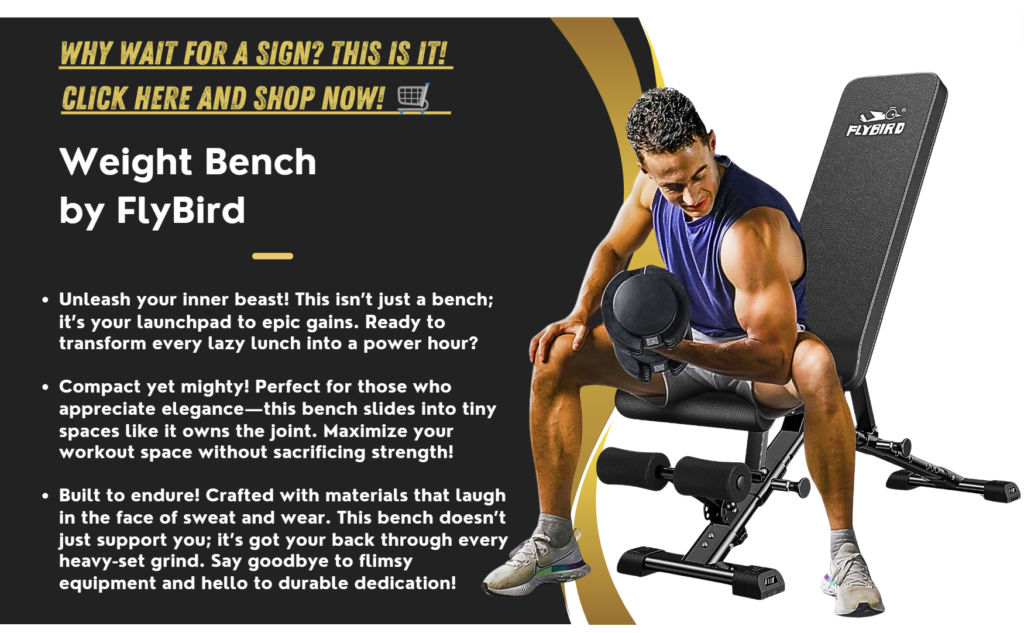
- Adjustable Bench: Customizable angles for flat, incline, and decline positions.
- Incline Bench: Elevates the back for upper chest exercises.
- Decline Bench: Slants downwards for targeting lower chest and abs.
- Olympic Bench: Includes a built-in rack for barbell exercises.
- FID Bench (Flat, Incline, Decline): Offers full adjustability for all angles.
🌟 Key Features
- Padding and Upholstery:
- Comfort: Thick, high-density foam for support.
- Durability: Quality materials to resist wear and tear.
- Adjustability:
- Angle Settings: Multiple positions for versatility.
- Ease of Adjustment: Smooth and secure adjustment mechanisms.
- Weight Capacity:
- Support: Should handle the weight of your workouts plus any additional weight.
- Stability: Ensures safety during use.
- Frame Material:
- Steel: Offers strength and durability.
- Aluminum: Lightweight yet sturdy.
- Stability and Base Design:
- Base Width: Wider bases for better stability.
- Non-Slip Feet: Prevents movement during exercises.
- Size and Dimensions:
- Length and Width: Should accommodate different body sizes.
- Height: Adjustability for various exercises and users.
💪 Brands
| Brand | Bench Types | Price Range | Rating |
|---|---|---|---|
| Bowflex | Adjustable, FID | $200 – $400 | 4.7/5 |
| PowerBlock | Adjustable, Olympic | $250 – $500 | 4.6/5 |
| Rep Fitness | Flat, Adjustable, FID | $150 – $350 | 4.8/5 |
| Body-Solid | Flat, Adjustable, Olympic | $180 – $400 | 4.5/5 |
| Ironmaster | Adjustable, FID | $300 – $600 | 4.9/5 |
🍴 Uses and Benefits
- Strength Training: Essential for bench presses, dumbbell exercises, and more.
- Bodybuilding: Helps target and develop specific muscle groups.
- Powerlifting: Key for heavy lifting and technique practice.
- Rehabilitation and Physical Therapy: Provides support for controlled, therapeutic exercises.
🧼 Maintenance and Care
- Cleaning: Wipe down with a mild cleaner and avoid excess moisture.
- Storage: Keep in a dry area to prevent rust and wear.
- Parts Replacement: Replace damaged parts promptly for safety and functionality.
💸 Price Range
- Budget: $100 – $200 – Basic models with essential features.
- Mid-Range: $200 – $400 – Adjustable benches with good durability.
- High-End: $400 – $600+ – Premium models with advanced features and heavy-duty construction.
Dive into Q&A
🏋️♂️ Q1: What’s the biggest advantage of an adjustable bench? 💪 A1: It offers versatility with multiple incline and decline positions, enhancing exercise options.
🏋️♂️ Q2: How do I choose the right bench for strength training? 💪 A2: Opt for a sturdy, high-capacity bench with adjustable settings for various exercises.
🏋️♂️ Q3: Can I use a flat bench for all types of exercises? 💪 A3: Yes, but an adjustable bench provides more exercise variety with incline and decline options.
🏋️♂️ Q4: What’s the best material for an exercise bench frame? 💪 A4: Steel is preferred for its strength and durability, though aluminum is a lighter option.
🏋️♂️ Q5: How often should I clean my exercise bench? 💪 A5: Regularly, at least once a week, to maintain hygiene and prevent wear.
🏋️♂️ Q6: Is it necessary to have a high weight capacity bench? 💪 A6: For safety and durability, choose a bench with a higher weight capacity than your maximum lifting load.
🏋️♂️ Q7: How do I prevent my bench from wobbling during use? 💪 A7: Ensure the base is wide and stable, and check for secure bolts and non-slip feet.
🏋️♂️ Q8: Are there benches specifically for rehabilitation? 💪 A8: Yes, look for benches with extra padding and adjustable features for controlled exercises.
🏋️♂️ Q9: What’s the best way to store an exercise bench? 💪 A9: Store in a dry, clean area to prevent rust and wear, ideally with some cover.
🏋️♂️ Q10: How do I know if a bench is good quality? 💪 A10: Check reviews, material quality, weight capacity, and brand reputation for reliability.
Revolutionize Your Fitness with a Foot Exercise Machine Today!
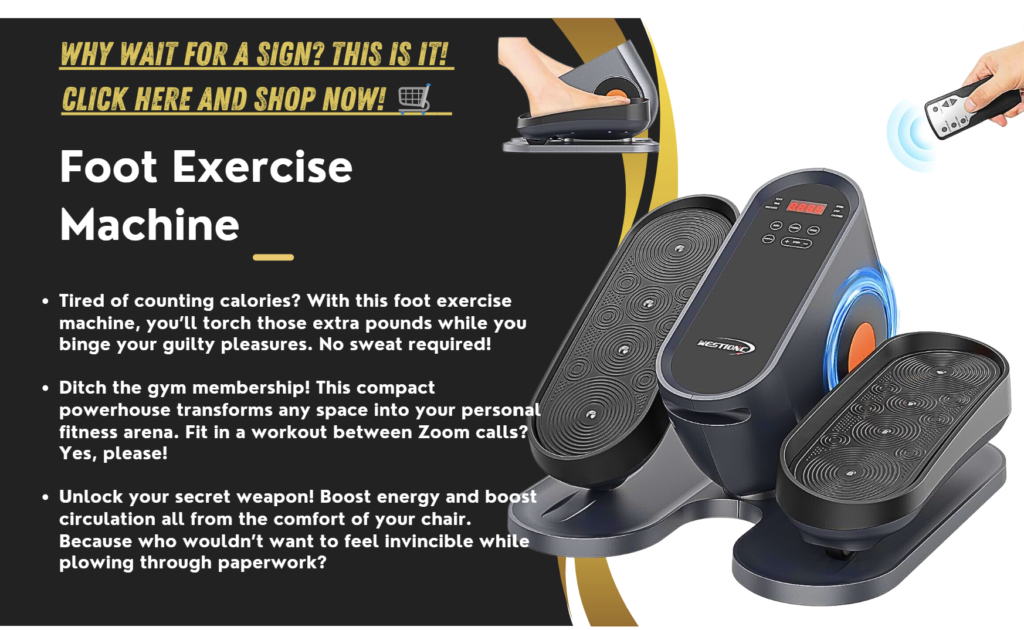
Strap in, folks! The world of fitness is shifting gears, and it’s time to put your best foot forward—literally. Enter the Foot Exercise Machine: the unsung hero of your workout arsenal. Who said exercise had to be all about sweating bullets and gasping for air? No, thank you! This nifty contraption is your secret weapon for staying fit while binging your favorite shows or catching up on those podcasts you’ve been neglecting. Think efficiency! Feel the burn, but don’t risk a wardrobe malfunction while attempting those squats. With this beauty, you can strengthen your calves, improve circulation, and turn your downtime into prime time. So, are you ready to kick up your fitness game? Because this little powerhouse is about to change your footwork forever!
🏋️♂️ Benefits of Foot Exercise Machines
- Improved Cardiovascular Health: Enhances heart and lung function.
- Enhanced Lower Body Strength: Targets legs and glutes for stronger muscles.
- Increased Calorie Burn: Effective for weight management.
- Better Balance and Coordination: Improves stability and overall coordination.
- Convenience and Portability: Easy to use at home or office.
🌟 Types of Foot Exercise Machines
- Mini Elliptical: Compact and ideal for low-impact cardio.
- Under-Desk Cycle: Perfect for multitasking while working.
- Standing Foot Massager: Combines exercise with soothing massage.
- Seated Foot Exercise Machine: Great for seated workouts and rehabilitation.
🕑 Features to Consider
- Adjustable Resistance Levels: Customize intensity for various fitness levels.
- Digital Display: Tracks time, distance, and calories burned.
- Ergonomic Design: Ensures comfort during use.
- Compact Size: Fits easily in small spaces.
- Quiet Operation: Allows for discreet use without noise.
💪 Usage Scenarios
- Home Workouts: Integrate into daily exercise routines.
- Office Fitness: Use under the desk to stay active at work.
- Rehabilitation: Assist with recovery and physical therapy.
- Warm-Up and Cool-Down: Ideal for preparing or relaxing muscles before and after workouts.
🏆 Comparing Foot Exercise Machine Brands
| Brand | Type | Features | Price | Rating |
|---|---|---|---|---|
| DeskCycle | Under-Desk Cycle | Adjustable Resistance, Digital Display | $150 | 4.8/5 |
| Cubii | Mini Elliptical | Compact Size, Quiet Operation | $200 | 4.7/5 |
| Sunny Health & Fitness | Standing Foot Massager | Ergonomic Design, Adjustable Intensity | $120 | 4.6/5 |
| FlexiSpot | Seated Foot Exercise Machine | Digital Display, Compact Size | $130 | 4.5/5 |
🍴 Buying Guide
- Price Range: Typically $100 – $250 depending on features.
- Warranty: Check for at least 1-year warranty for reliability.
- Customer Reviews: Read feedback for real-world insights and performance.
- Product Comparisons: Compare features and prices to find the best fit.
- Recommended Accessories: Consider additional items like floor mats or adjustable desks.
🧼 Storage and Safety Tips
- Store in a dry, cool place.
- Clean regularly to maintain functionality.
- Follow manufacturer guidelines for safe use and maintenance.
Dive into Q&A
💧 Q1: What’s the primary benefit of using a foot exercise machine? 💧 A1: It enhances cardiovascular health and strengthens lower body muscles.
💧 Q2: How can I maximize the benefits of my foot exercise machine? 💧 A2: Use it consistently and adjust resistance levels for varied workouts.
💧 Q3: Can I use a foot exercise machine while working? 💧 A3: Yes, under-desk cycles and mini ellipticals are designed for use while seated.
💧 Q4: Is it suitable for rehabilitation purposes? 💧 A4: Absolutely! Seated and standing machines can aid in recovery and physical therapy.
💧 Q5: What’s a unique way to use a foot exercise machine? 💧 A5: Incorporate it into your warm-up or cool-down routine for added benefits.
💧 Q6: Can a foot exercise machine fit in a small space? 💧 A6: Yes, many models are compact and designed for easy storage.
💧 Q7: How do I maintain my foot exercise machine? 💧 A7: Regularly clean it and follow the manufacturer’s maintenance instructions.
💧 Q8: Are there any side effects of using a foot exercise machine? 💧 A8: Generally safe, but start slow to avoid overuse injuries.
💧 Q9: Can I use a foot exercise machine if I’m not very active? 💧 A9: Yes, it’s a great way to start incorporating more movement into your day.
💧 Q10: What should I look for when choosing a foot exercise machine? 💧 A10: Consider features, price, and user reviews to find the best machine for your needs.