
Archive for the ‘Diet’ Category
The Ultimate Comparison: Organic vs. Non-Organic Bodybuilding Supplements
When it comes to fueling your fitness journey, choosing the right supplements is not just a casual decision – it’s a colossal conundrum that could dictate the difference between dazzling results and dismal outcomes! On one hand, we have the lush allure of organic bodybuilding supplements, bursting with bountiful benefits and naturally occurring nutrients, promising a purer path to performance. Conversely, the counter-argument rings loud and clear for non-organic options, often packed with potent components that pack a powerful punch but may come with hidden health hazards. As we delve deep into this debate, we’ll dissect the distinct characteristics of each category, shedding light on their unique advantages and potential pitfalls, while helping you make an educated engagement with your supplement selections.
🏋️♂️ Benefits of Organic vs. Non-Organic Supplements
- Organic Supplements: Free from synthetic chemicals, pesticides, and GMOs.
- Non-Organic Supplements: Often contain artificial ingredients but are more widely available and affordable.
- Health Impact: Organic options may support better digestion and fewer side effects.
🌟 Choosing Between Organic and Non-Organic Supplements
- Ingredients: Organic supplements are derived from natural sources like plants, while non-organic supplements may include synthetic additives.
- Processing:
- Organic: Less processed, preserving more natural nutrients.
- Non-Organic: Often refined for a longer shelf life and lower cost.
- Certification:
- Organic: Must meet USDA Organic certification standards.
- Non-Organic: No certification required for synthetic additives.
🕑 When to Choose Organic Supplements
- For individuals with sensitive digestion or allergies to synthetic additives.
- When prioritizing long-term health and environmental impact.
- To avoid exposure to pesticides and GMOs in non-organic products.
💪 Comparing Organic and Non-Organic Supplement Brands
| Brand | Type | Key Ingredients | Price | Rating |
|---|---|---|---|---|
| Garden of Life | Organic Protein Powder | Pea Protein, Brown Rice Protein | $40 | 4.7/5 |
| Optimum Nutrition | Non-Organic Whey Protein | Whey Protein Isolate | $30 | 4.8/5 |
| Orgain | Organic Meal Replacement | Organic Plant-Based Protein | $35 | 4.6/5 |
| MuscleTech | Non-Organic Creatine | Creatine Monohydrate | $20 | 4.5/5 |
🍴 Supplement Recipes: Organic vs. Non-Organic
- Organic Protein Smoothie: Blend organic protein powder with almond milk, spinach, and berries.
- Non-Organic Pre-Workout Shake: Mix creatine, beta-alanine, and non-organic whey with water.
- Organic Energy Balls: Combine organic oats, almond butter, and chia seeds for a quick snack.
🧼 Storage and Safety Tips
- Store supplements in a cool, dry place.
- Check labels for certifications like USDA Organic to confirm authenticity.
- Follow the recommended dosage to avoid potential side effects.
Dive into Q&A
🍴 Q1: What’s the main difference between organic and non-organic supplements? 💪 A1: Organic supplements are made from natural ingredients without synthetic additives, while non-organic ones may contain artificial components.
🍴 Q2: Are organic supplements more effective? 💪 A2: Not necessarily. Effectiveness depends on the ingredient quality and your body’s needs.
🍴 Q3: Do organic supplements taste different? 💪 A3: Yes, organic products often have a more natural taste, while non-organic ones may use artificial flavors.
🍴 Q4: Can non-organic supplements be harmful? 💪 A4: Generally safe, but they may contain artificial additives that can cause digestive issues for some users.
🍴 Q5: Are organic supplements better for long-term health? 💪 A5: Many believe organic supplements may be gentler on the body and better for long-term health due to their natural composition.
🍴 Q6: Can I combine organic and non-organic supplements? 💪 A6: Yes, as long as they complement your goals and don’t exceed recommended dosages.
🍴 Q7: Do organic supplements cost more? 💪 A7: Generally, yes. The natural sourcing and certifications contribute to higher prices.
🍴 Q8: Is there a performance difference between organic and non-organic supplements? 💪 A8: Not necessarily. It depends on your goals, diet, and how your body responds to the ingredients.
🍴 Q9: How do I know if a supplement is truly organic? 💪 A9: Look for official certifications like USDA Organic on the packaging.
🍴 Q10: Should I choose organic supplements for bodybuilding? 💪 A10: If you prioritize natural ingredients and fewer chemicals, organic is a good choice. Otherwise, non-organic options offer more variety and affordability.
Supplement Savvy: Best Natural Picks for Bodybuilding Success
Alright, folks, gather ’round because we’re diving into the dazzling domain of dietary dynamics! You see, in the thrilling world of bodybuilding, it’s not all protein powders and fancy pre-made meals. No, sir! The real challenge? Sifting through the sea of supplements and avoiding the gut-wrenching gimmicks that promise six-pack abs overnight. It’s a veritable vortex of vitamins, minerals, and muscle-making marvels out there—most of which are as useful as a screen door on a submarine! Let’s unleash an arsenal of all-natural additives that will amplify your athletic aspirations without emptying your wallet or, heaven forbid, sending you on an unexpected detour to the bathroom! Prepare to be enlightened and energized as we tackle this titanic task of attaining apple-cheeked gains with nothing but nature on your side!
🏋️♂️ Top Natural Supplements for Bodybuilding
- Creatine Monohydrate: Boosts muscle energy and increases strength.
- Whey Protein: High-quality protein for muscle growth and recovery.
- Branched-Chain Amino Acids (BCAAs): Enhances muscle recovery and reduces fatigue.
- Beta-Alanine: Delays muscle fatigue for longer workout endurance.
🌟 Choosing the Right Natural Supplements
- Key Ingredients:
- Pure Creatine: No additives or fillers, just pure muscle fuel.
- Whey Protein Isolate: Higher protein content with less fat and carbs.
- Natural BCAAs: Derived from plant-based sources for better absorption.
- Organic vs. Conventional:
- Organic: Minimally processed, free of pesticides and synthetic chemicals.
- Non-GMO: Ensures no genetically modified organisms in your supplements.
- Flavor and Mixability:
- Unflavored: Pure, versatile for any shake or drink.
- Chocolate or Vanilla: Common favorites with natural sweeteners.
- Fruity Flavors: Ideal for refreshing post-workout drinks.
🕑 Best Times to Take Natural Supplements
- Creatine: Post-workout or with your largest meal for better absorption.
- Whey Protein: Immediately after training for muscle recovery.
- BCAAs: During or after exercise to reduce muscle soreness.
💪 Comparing Natural Supplement Brands
| Brand | Product | Key Ingredient | Price | Rating |
|---|---|---|---|---|
| Optimum Nutrition | Gold Standard Whey | Whey Protein Isolate | $40 | 4.8/5 |
| Transparent Labs | Creatine HMB | Creatine Monohydrate | $35 | 4.7/5 |
| BulkSupplements | Pure BCAAs | BCAAs | $25 | 4.6/5 |
| Garden of Life | Organic Plant-Based Protein | Plant Protein | $30 | 4.5/5 |
🍴 Natural Supplement Recipes
- Protein Shake: Blend whey protein with almond milk, spinach, and a banana.
- BCAA Smoothie: Mix BCAAs with frozen berries, yogurt, and honey.
- Creatine Energizer: Stir creatine into your morning coffee for an energy boost.
🧼 Storage and Safety Tips
- Keep supplements in a cool, dry place to maintain potency.
- Ensure containers are tightly sealed after each use.
- Check expiration dates regularly to avoid degraded product quality.
Dive into Q&A
🍴 Q1: Why should I choose natural supplements over synthetic ones? 💪 A1: Natural supplements often contain fewer additives and may be easier on the digestive system.
🍴 Q2: Can creatine be used by beginners? 💪 A2: Yes! Creatine is safe for all fitness levels and helps boost performance and muscle growth.
🍴 Q3: How can I make my whey protein more enjoyable? 💪 A3: Blend with fruits, nut butter, or use in recipes like protein pancakes or smoothies.
🍴 Q4: Are natural BCAAs just as effective as synthetic ones? 💪 A4: Yes, as long as they contain the right ratio of leucine, isoleucine, and valine (2:1:1).
🍴 Q5: Should I cycle off natural supplements like creatine? 💪 A5: Creatine doesn’t require cycling, but taking breaks can help reset your body’s response.
🍴 Q6: What’s a good post-workout recovery shake recipe? 💪 A6: Blend whey protein, a handful of spinach, frozen blueberries, and almond butter for a nutrient-packed recovery shake.
🍴 Q7: How can I reduce bloating from whey protein? 💪 A7: Opt for whey protein isolate, which contains less lactose and is easier on the stomach.
🍴 Q8: Can I combine multiple natural supplements for better results? 💪 A8: Yes! Many bodybuilders use a stack, such as creatine with whey protein and BCAAs, for optimal muscle growth.
🍴 Q9: How should I store my natural supplements? 💪 A9: Store them in a cool, dry place and ensure lids are tightly sealed to prevent moisture exposure.
🍴 Q10: Are plant-based proteins as effective as whey protein? 💪 A10: Yes, plant proteins can be just as effective when consumed in the right quantities and with a balanced amino acid profile.
Best EAA Supplements for Faster Muscle Recovery
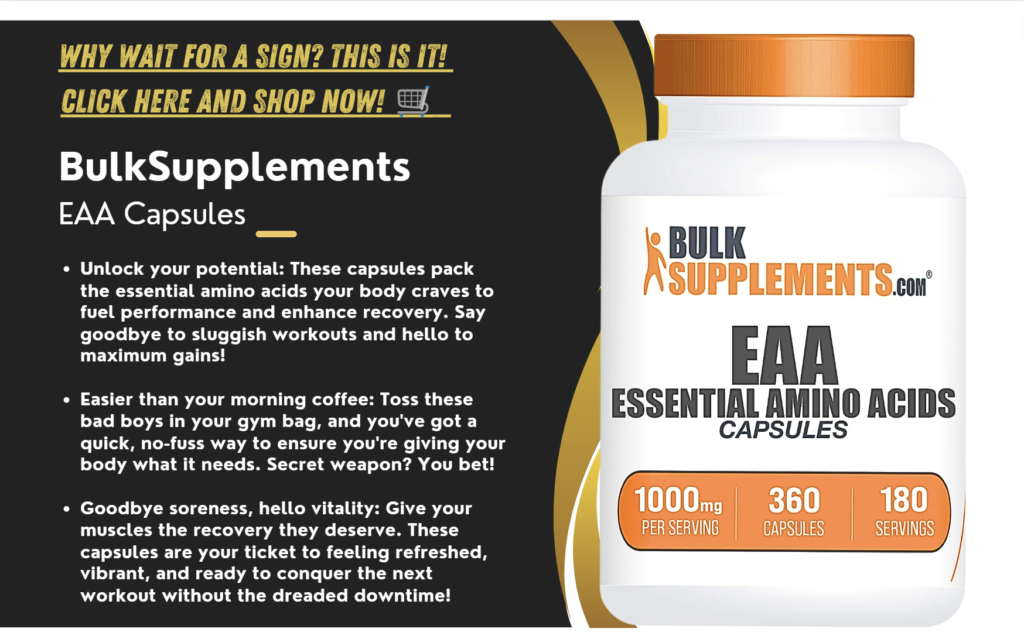
Alright, fitness warriors, let’s talk about your secret weapon — Essential Amino Acids (EAAs). These aren’t just any ol’ supplements; they’re the rockstars of recovery. Why? Because they play a leading role in muscle repair and growth. From leucine to isoleucine, each one is like a tiny soldier, fighting the battle against soreness and fatigue. Think of them as your personal pit crew, ready to fuel your comeback after an intense workout. Got a gym session today? Fuel up with our top picks to put your recovery on steroids — not literally, of course. Your muscles will thank you, and so will your future self. So, gear up and let’s dig into the best EAA supplements that’ll have you bouncing back faster than ever!
🏋️♂️ Why EAA Supplements Are Essential for Muscle Recovery
- Muscle Repair: EAAs (Essential Amino Acids) are the building blocks of muscle protein.
- Reduced Muscle Soreness: EAAs help decrease muscle damage and soreness post-exercise.
- Enhanced Endurance: EAAs improve stamina and delay fatigue during workouts.
🌟 Top EAA Supplement Ingredients to Look For
- Leucine: Key for muscle protein synthesis, ensuring faster muscle repair.
- Valine: Supports muscle recovery and reduces fatigue.
- Isoleucine: Aids in energy production and muscle metabolism.
- Electrolytes: Maintains hydration and supports muscle function.
🕑 Best Times to Take EAA Supplements
- Intra-Workout: Sip during workouts to sustain energy and reduce muscle breakdown.
- Post-Workout: Take immediately after exercise to kickstart recovery and muscle repair.
- Morning: Start your day with EAAs to support muscle maintenance and growth.
💪 Comparing EAA Supplement Brands
| Brand | EAA Content | Flavor Options | Price | Rating |
|---|---|---|---|---|
| Nutrex Research | 7g EAAs per serving | Pineapple, Watermelon | $25 | 4.8/5 |
| Scivation Xtend | 10g EAAs per serving | Blue Raspberry, Mango | $30 | 4.7/5 |
| Bulk Supplements | 5g EAAs per serving | Unflavored | $20 | 4.6/5 |
| Primeval Labs | 8g EAAs per serving | Strawberry Lemonade, Kiwi Lime | $32 | 4.5/5 |
🥣 EAA Supplement Recipes
- Pre-Workout Hydration: Mix EAAs with coconut water for a hydrating, energy-boosting drink.
- Post-Workout Smoothie: Blend EAAs with a banana, spinach, and almond milk for muscle recovery.
- Recovery Ice Pops: Combine EAAs with fruit juice, freeze, and enjoy a refreshing recovery treat.
🧼 Storage and Safety Tips
- Store EAA supplements in a cool, dry place to maintain potency.
- Check expiration dates to ensure effectiveness.
- Seal containers tightly to avoid moisture and contamination.
Dive into Q&A
🍴 Q1: What makes EAAs better than BCAAs for muscle recovery? 💪 A1: EAAs include all nine essential amino acids, providing a more complete support for muscle recovery compared to BCAAs, which only include three.
🍴 Q2: How can I improve the taste of my EAA supplement? 💪 A2: Add a splash of citrus juice, or mix it with a flavored electrolyte drink to enhance the taste.
🍴 Q3: Are there any side effects to taking EAA supplements? 💪 A3: Generally safe, but excessive intake may lead to digestive discomfort. Stick to recommended doses.
🍴 Q4: Can I take EAAs on rest days? 💪 A4: Yes, taking EAAs on rest days helps maintain muscle mass and supports recovery even when you’re not training.
🍴 Q5: What’s a good EAA supplement recipe for hot weather? 💪 A5: Try making EAA-infused ice pops by mixing EAAs with your favorite juice and freezing them.
🍴 Q6: How do I know if my EAA supplement is working? 💪 A6: Look for reduced muscle soreness, faster recovery times, and sustained energy levels during workouts.
🍴 Q7: Can I use EAAs if I’m on a calorie-restricted diet? 💪 A7: Absolutely! EAAs are low in calories and can support muscle maintenance during calorie restriction.
🍴 Q8: How do EAAs support muscle growth? 💪 A8: EAAs provide the necessary building blocks for muscle protein synthesis, promoting muscle repair and growth.
🍴 Q9: What’s the best way to incorporate EAAs into my daily routine? 💪 A9: Take EAAs during or after workouts and consider a morning dose to support muscle maintenance throughout the day.
🍴 Q10: Can EAAs help with endurance training? 💪 A10: Yes, EAAs can reduce muscle breakdown and improve stamina, making them beneficial for endurance athletes.
Vibrant Eating: Isoleucine Foods for Colorful Nutrition
Ready to jazz up your plate? Let’s talk isoleucine—a superstar amino acid that doesn’t just support muscle health but also brings flair to your diet! Think vibrant veggies, hearty legumes, and scrumptious animal proteins, all strutting their stuff with a dash of isoleucine magic. Picture this: fiery red beans, vibrant green peas, and golden corn; each bite packs a punch, all while fueling your body like it’s the weekend and you just hit the jackpot. Salads? Pfft—let’s call them flavor explosions. And don’t even get me started on nut butters—spread that creamy goodness, and you’ve got yourself a nutrient-rich, colorful masterpiece. Your plate isn’t just a collection of food; it’s a celebration! So, throw on some isoleucine-rich delights and watch your meals transform into artworks of health and happiness. Bon appétit!
🏋️♂️ The Power of Isoleucine in Your Diet
- Muscle Health: Isoleucine is essential for muscle repair and recovery.
- Energy Production: This amino acid helps fuel your body during physical activity.
- Immune Support: Isoleucine plays a role in immune system function.
🌟 Top Isoleucine-Rich Foods
- Legumes: Lentils, chickpeas, and soybeans – high in isoleucine and fiber.
- Nuts and Seeds: Almonds, cashews, and pumpkin seeds – a crunchy source of isoleucine.
- Whole Grains: Quinoa, brown rice, and oats – packed with isoleucine and other nutrients.
- Animal Proteins: Chicken, turkey, and eggs – excellent sources of isoleucine.
🌈 Colorful and Nutrient-Dense Isoleucine Foods
- Leafy Greens: Spinach, kale, and broccoli – vibrant and loaded with isoleucine.
- Bright Fruits: Oranges, berries, and papayas – sweet sources of this essential amino acid.
- Colorful Vegetables: Carrots, bell peppers, and sweet potatoes – full of isoleucine and antioxidants.
🍴 Incorporating Isoleucine-Rich Foods into Your Meals
- Smoothies: Blend spinach, berries, and almond milk for a colorful and nutrient-packed drink.
- Salads: Combine leafy greens, quinoa, and nuts for a vibrant isoleucine-rich salad.
- Main Courses: Enjoy grilled chicken with a side of roasted vegetables for a balanced meal.
- Snacks: Munch on almonds, cashews, or a boiled egg for a quick isoleucine boost.
🔍 Nutritional Considerations
- Protein Content: Isoleucine is a key component of protein – aim for balanced intake.
- Amino Acid Profile: Include a variety of foods to ensure a complete amino acid profile.
- Caloric Content: Balance high-isoleucine foods with overall caloric needs.
- Macronutrient Balance: Pair isoleucine-rich foods with healthy fats and carbs for optimal nutrition.
💪 Isoleucine-Rich Recipe Ideas
- Quinoa Salad: Toss cooked quinoa with kale, cherry tomatoes, and a lemon vinaigrette.
- Grilled Chicken and Veggies: Marinate chicken breast and grill with bell peppers and zucchini.
- Berry Smoothie: Blend mixed berries, spinach, and a scoop of plant-based protein powder.
- Nut and Seed Trail Mix: Mix almonds, cashews, and pumpkin seeds for a quick snack.
🧼 Storage and Safety Tips
- Store nuts and seeds in airtight containers to maintain freshness.
- Keep fruits and vegetables refrigerated to extend their shelf life.
- Check expiration dates on packaged foods to ensure quality.
Dive into Q&A
🍴 Q1: What makes isoleucine so important for muscle health? 💪 A1: Isoleucine is a branched-chain amino acid (BCAA) that supports muscle repair and recovery after exercise.
🍴 Q2: How can I add more isoleucine to my diet if I’m vegetarian? 💪 A2: Focus on legumes, nuts, seeds, and whole grains like quinoa and brown rice.
🍴 Q3: Are there colorful fruits high in isoleucine? 💪 A3: Yes, fruits like oranges, berries, and papayas offer vibrant color and a good dose of isoleucine.
🍴 Q4: Can I get enough isoleucine from plant-based sources alone? 💪 A4: Absolutely! By including a variety of legumes, nuts, seeds, and whole grains, you can meet your isoleucine needs.
🍴 Q5: What’s a simple, high-isoleucine snack option? 💪 A5: A handful of almonds or a boiled egg is a quick and easy way to boost your isoleucine intake.
🍴 Q6: How do I balance isoleucine intake with other nutrients? 💪 A6: Pair isoleucine-rich foods with healthy fats and complex carbs to create a balanced meal.
🍴 Q7: Is isoleucine only important for athletes? 💪 A7: No, isoleucine is beneficial for everyone, supporting muscle health, energy production, and immune function.
🍴 Q8: Can Isoleucine-rich foods help with weight management? 💪 A8: Yes, they can support weight management by promoting satiety and muscle maintenance.
🍴 Q9: What’s a great dinner recipe with isoleucine-rich foods? 💪 A9: Try a quinoa and vegetable stir-fry with grilled chicken or tofu for a delicious, nutrient-dense meal.
🍴 Q10: How do I ensure my isoleucine-rich diet is also colorful and appealing? 💪 A10: Incorporate a variety of colorful fruits, vegetables, and grains to make your meals both visually appealing and nutritious.
The ULTIMATE Guide to Silk Protein Milk Nutrition
Alright, folks, gather ’round! You might think you’ve got milk figured out, but let me hit you with the truth: silk protein milk is like that cousin who shows up at the family reunion—everyone’s curious about how they got so fancy and what they’ve been up to! This isn’t your run-of-the-mill dairy; this is a blend of flavor and nutrition that deserves a VIP pass in your fridge. Packed with the kind of protein that says, “I lift weights, but I also enjoy a good Netflix binge!” this creamy delight is not just a milk alternative; it’s a nutritional powerhouse that can elevate your breakfast and your smoothie game from zero to hero. So, let’s dive deep and explore why this silky substance is all the rage, and how it can fortify your body while keeping your taste buds partying like it’s 1999!
🏋️♂️ Understanding Silk Protein Milk
- Protein Content: Provides a good source of plant-based protein.
- Vitamins and Minerals: Fortified with essential nutrients.
- Calories: Generally lower in calories compared to cow’s milk.
- Carbohydrates: Varies by flavor, with options available for low-carb diets.
- Fats: Low in fat, with options for both low-fat and no-fat varieties.
🌟 Benefits of Silk Protein Milk
- Muscle Growth: Protein content supports muscle repair and growth.
- Weight Management: Helps with satiety and managing calorie intake.
- Digestive Health: Fortified with nutrients beneficial for digestive function.
- Heart Health: Low in saturated fat, contributing to heart health.
🧪 Ingredients
- Protein Sources: Typically soy protein or pea protein.
- Additives: Stabilizers and emulsifiers to maintain consistency.
- Sweeteners: Includes options with no added sugars or artificial sweeteners.
- Fortifications: Often fortified with calcium, vitamin D, and vitamin B12.
🍶 Types of Silk Protein Milk
- Original: Classic flavor with balanced nutrition.
- Vanilla: Slightly sweetened, versatile for various recipes.
- Chocolate: For a richer taste, suitable for shakes and desserts.
- Unsweetened: Ideal for those avoiding added sugars.
🔍 Comparisons
| Aspect | Silk Protein Milk | Cow’s Milk |
|---|---|---|
| Nutritional Differences | Higher in plant-based protein, lower in calories. | Higher in animal protein, more calories and saturated fat. |
| Health Benefits | Supports plant-based diets, often fortified with vitamins and minerals. | Natural source of protein and calcium, but higher in saturated fat. |
| Taste and Texture | Varies by flavor, generally smooth and creamy. | Creamy and rich, varies with fat content. |
| Environmental Impact | Lower carbon footprint compared to dairy. | Higher environmental impact due to dairy farming. |
| Cost | Generally more affordable depending on the brand and packaging. | Often cheaper, varies by region and dairy prices. |
🍴 Usage
- Recipes: Use in smoothies, baking, and as a milk alternative in recipes.
- Daily Consumption: Can be consumed daily as part of a balanced diet.
- Dietary Restrictions: Suitable for those avoiding dairy, lactose, and certain allergens.
📝 Consumer Reviews
- Taste: Generally positive, with specific flavor preferences noted.
- Mixability: Mixes well in beverages and recipes.
- Effectiveness: Effective for meeting protein needs and dietary goals.
- Value for Money: Offers good value compared to other plant-based milks.
🛒 Purchasing Options
- Online: Available on major e-commerce sites like Amazon and the Silk website.
- Retail Stores: Widely available in supermarkets and health food stores.
- Pricing: Prices vary by store and packaging size.
- Packaging Sizes: Typically available in 32 oz and 64 oz cartons.
Dive into Q&A
🍴 Q1: What is the protein content of Silk Protein Milk? 💪 A1: Silk Protein Milk typically provides around 8g of protein per serving.
🍴 Q2: How does Silk Protein Milk compare to cow’s milk in terms of nutrition? 💪 A2: Silk Protein Milk is generally lower in calories and fat while providing comparable protein levels. It is also fortified with additional nutrients.
🍴 Q3: Can Silk Protein Milk support muscle growth? 💪 A3: Yes, the plant-based protein in Silk Protein Milk supports muscle repair and growth, especially when part of a balanced diet.
🍴 Q4: Is Silk Protein Milk beneficial for weight management? 💪 A4: Yes, it helps with satiety due to its protein content, which can aid in weight management.
🍴 Q5: What are the main ingredients in Silk Protein Milk? 💪 A5: Silk Protein Milk typically contains plant proteins (like soy or pea protein), water, additives for texture, and fortifications like calcium and vitamins.
🍴 Q6: What flavors are available for Silk Protein Milk? 💪 A6: Common flavors include Original, Vanilla, Chocolate, and Unsweetened.
🍴 Q7: How does the taste of Silk Protein Milk compare to cow’s milk? 💪 A7: Silk Protein Milk is smooth and creamy, with flavor variations that cater to different taste preferences.
🍴 Q8: Can Silk Protein Milk be used in cooking and baking? 💪 A8: Yes, it can replace dairy milk in most recipes, including smoothies, baked goods, and savory dishes.
🍴 Q9: Are there any dietary restrictions that Silk Protein Milk accommodates? 💪 A9: Silk Protein Milk is suitable for those avoiding dairy, lactose, and is often gluten-free and non-GMO.
🍴 Q10: Where can I buy Silk Protein Milk? 💪 A10: It is available online through major retailers and in grocery stores across various packaging sizes.
Feast Happily: Guilt-Free High Protein Dairy-Free Recipes
Alright, folks, let’s dive headfirst into the delicious world of high protein dairy-free recipes! You know, finding food that won’t have you questioning your life choices like an ex at a wedding can be a struggle. It’s like trying to convince a cow to do yoga — you know it’s a stretch, but the benefits are undeniable! We’re talking about meals that’ll fuel your day, pack a protein punch, and keep that guilt at bay. No more will you have to choose between feeling full and feeling fabulous; it’s time to embrace the goodness that doesn’t come with a side of regret! So grab your apron, channel your inner kitchen ninja, and let’s whip up some magic that’ll have your taste buds doing backflips and your nutritionist giving a slow clap!
🏋️♂️ Why High Protein Dairy-Free Recipes Are Essential
- Muscle Maintenance: High protein supports muscle repair and growth.
- Weight Management: High protein helps with satiety and reducing cravings.
- Energy Boost: Protein provides sustained energy throughout the day.
🌟 Top Dairy-Free Protein Sources
- Plant-Based Protein Powders: Pea, rice, hemp – high protein content and versatile.
- Legumes: Chickpeas, lentils, black beans – rich in protein and fiber.
- Nuts and Seeds: Almonds, chia seeds, hemp seeds – packed with protein and healthy fats.
- Tofu and Tempeh: Soy-based proteins that are excellent meat alternatives.
🍴 Popular Dairy-Free Alternatives
- Almond Milk: Low-calorie, mildly nutty flavor.
- Coconut Milk: Rich and creamy, good for both cooking and drinking.
- Soy Milk: High in protein, similar to dairy milk.
- Oat Milk: Creamy and slightly sweet, ideal for smoothies and baking.
🥣 Recipe Types
- Smoothies: Blend with dairy-free protein powder, fruits, and greens for a nutritious drink.
- Breakfast Dishes: High-protein pancakes, tofu scramble, chia pudding.
- Lunch and Dinner Options: Chickpea salad, lentil soup, tempeh stir-fry.
- Snacks and Desserts: Protein bars, energy balls, nut butter.
🔍 Nutritional Considerations
- Protein Content: Aim for 15-30g of protein per serving for optimal benefits.
- Amino Acid Profile: Ensure recipes include a variety of protein sources for a complete amino acid profile.
- Caloric Content: Balance protein intake with overall caloric needs to maintain weight goals.
- Macronutrient Balance: Combine protein with healthy fats and complex carbs for well-rounded meals.
💪 High Protein Dairy-Free Recipe Ideas
- Pea Protein Smoothie: Blend pea protein powder with almond milk, spinach, and berries.
- Chickpea and Spinach Salad: Toss chickpeas with spinach, cherry tomatoes, and a tahini dressing.
- Tofu Stir-Fry: Sauté tofu with mixed vegetables and a soy-based sauce.
- Almond Protein Bars: Combine almond flour, protein powder, and a touch of maple syrup.
🧼 Storage and Safety Tips
- Store protein powders and dry ingredients in a cool, dry place.
- Keep prepared dishes refrigerated and consume within a few days.
- Check for ingredient freshness and expiration dates.
Dive into Q&A
🍴 Q1: What are the best high-protein dairy-free breakfast options? 💪 A1: Try tofu scramble, high-protein pancakes, or chia pudding for a satisfying start to your day.
🍴 Q2: How can I increase protein content in my smoothie? 💪 A2: Add a scoop of plant-based protein powder, nuts, or seeds to boost protein levels.
🍴 Q3: Are legumes a good source of protein for dairy-free diets? 💪 A3: Yes, legumes like chickpeas and lentils are excellent sources of protein and fiber.
🍴 Q4: Can I use dairy-free protein powder in baking? 💪 A4: Absolutely! Substitute part of the flour with protein powder to enhance the protein content of baked goods.
🍴 Q5: What’s a simple snack idea that’s high in dairy-free protein? 💪 A5: Try making energy balls with nuts, seeds, and a scoop of protein powder.
🍴 Q6: How can I balance protein with other nutrients in a meal? 💪 A6: Combine protein sources with healthy fats and complex carbohydrates for a well-rounded meal.
🍴 Q7: Is oat milk a good alternative for high-protein recipes? 💪 A7: Oat milk is less protein-rich compared to soy milk but adds creaminess and flavor to recipes.
🍴 Q8: Can I achieve a complete amino acid profile with plant-based proteins? 💪 A8: Yes, by combining different plant-based sources like legumes, nuts, and grains, you can get a complete amino acid profile.
🍴 Q9: What are some high-protein dairy-free recipes for dinner? 💪 A9: Consider chickpea curry, tempeh stir-fry, or a lentil and vegetable stew.
🍴 Q10: How do I ensure my dairy-free recipes are also low in calories? 💪 A10: Focus on using low-calorie ingredients and control portion sizes to keep calorie content in check.
Your Next Obsession: Protein Boxes on Standby!
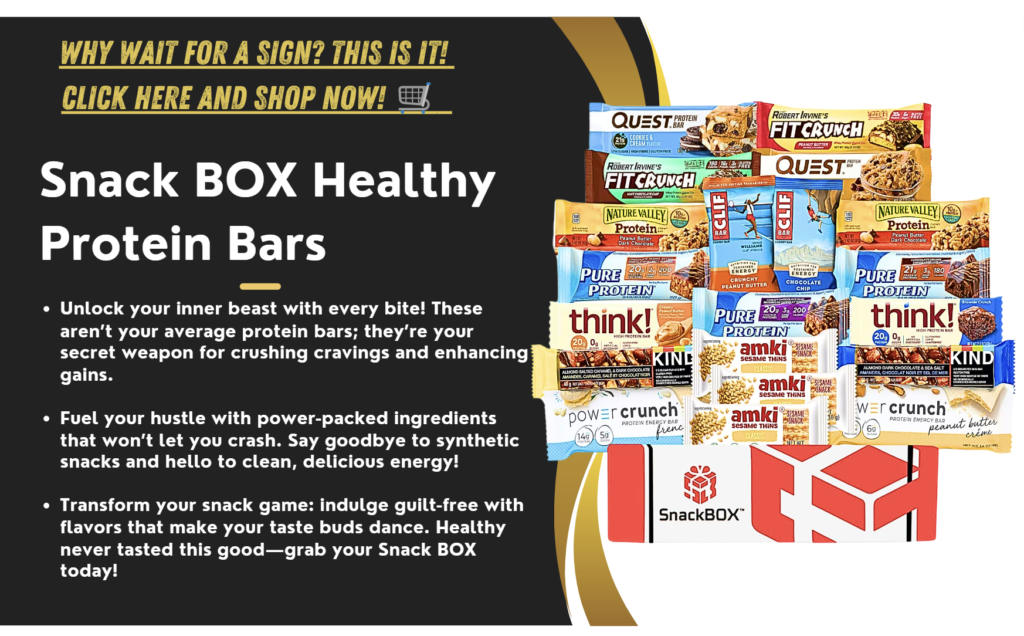
Listen, folks, if you ain’t feeding your body the good stuff, you’re basically turning into a dusty, old bag of potatoes sitting at the back of the pantry! You ever see someone eating a sad desk salad? It’s like watching a raccoon go through a dumpster—kinda sad, slightly entertaining, but mostly a cry for help. Enter Protein Boxes: the superhero of snacks, ready to save your taste buds and your bottom line. Packed tighter than your grandma’s hug, these boxes are filled with nutrients that’ll fuel your hustle, serve you a sprinkle of happiness, and flaunt all the vibrancy of a Saturday night out at the local karaoke bar! Wave goodbye to boredom, my friends; it’s time to upgrade your snacking game!
🔥 Your Next Obsession: Protein Boxes on Standby!
🏋️♂️ Types of Protein Boxes
- Pre-Workout Protein Boxes: Designed to fuel your workout with quick-digesting carbs and proteins.
- Post-Workout Protein Boxes: Packed with protein and nutrients for muscle recovery and repair.
- Meal Replacement Protein Boxes: Balanced meals in a box, ideal for when you’re on the go.
- Snack Protein Boxes: Smaller, protein-rich snacks to keep you energized between meals.
- Vegan Protein Boxes: Plant-based protein sources for vegan and vegetarian diets.
- Keto Protein Boxes: Low-carb, high-fat options for those following a ketogenic diet.
- Gluten-Free Protein Boxes: Safe options for individuals with gluten sensitivities.
- High-Protein Breakfast Boxes: Start your day strong with protein-packed breakfast options.
🌟 Protein Sources in Boxes
- Whey Protein: A complete protein with all essential amino acids, ideal for muscle growth.
- Plant-Based Protein: Derived from sources like peas, rice, and hemp, suitable for vegans.
- Collagen Protein: Supports joint, skin, and hair health, popular in beauty-focused boxes.
- Egg White Protein: High in protein and low in calories, great for lean muscle support.
- Casein Protein: Slow-digesting protein, perfect for sustained energy release.
- Pea Protein: Rich in iron and a good alternative for those avoiding dairy and soy.
- Hemp Protein: Packed with omega-3 fatty acids, ideal for heart health.
- Soy Protein: Complete plant protein, known for its versatility and nutrient density.
🕑 Key Nutritional Components
- Protein Content: Ensure your box has enough protein to meet your dietary needs.
- Carbohydrates: Look for the right balance of carbs, especially if you’re on a specific diet like keto.
- Fats: Healthy fats are essential; check the type and quantity in your protein box.
- Fiber: Important for digestion and satiety, fiber content can make a box more filling.
- Vitamins and Minerals: Added micronutrients can enhance the overall health benefits.
- Sugar Content: Low sugar is ideal, especially for weight management and energy levels.
- Caloric Value: Make sure the calories align with your fitness and nutritional goals.
💪 Popular Protein Box Brands
| Brand | Protein Sources | Box Types | Price | Rating |
|---|---|---|---|---|
| Quest Nutrition | Whey, Casein | Snack, Keto, Gluten-Free | $25 | 4.8/5 |
| RXBAR | Egg White, Dates, Nuts | Meal Replacement, Snack | $20 | 4.7/5 |
| KIND | Nuts, Whey | Snack, Gluten-Free | $22 | 4.6/5 |
| Optimum Nutrition | Whey, Casein | Pre-Workout, Post-Workout | $30 | 4.5/5 |
| Vega | Plant-Based, Pea Protein | Vegan, Meal Replacement | $28 | 4.7/5 |
| MusclePharm | Whey, Egg White | High-Protein Breakfast, Post-Workout | $26 | 4.6/5 |
| Garden of Life | Plant-Based, Collagen | Vegan, Keto | $32 | 4.5/5 |
| ThinkThin | Whey, Soy Protein | Snack, Gluten-Free | $24 | 4.4/5 |
🍴 Benefits of Protein Boxes
- Convenience: Ready-to-eat and perfect for busy lifestyles.
- Portion Control: Helps manage calorie intake with pre-measured servings.
- Balanced Nutrition: Combines macronutrients and micronutrients in one package.
- On-the-Go Protein: Easy to carry and consume wherever you are.
- Variety of Flavors: Keeps your palate excited with different tastes.
- Targeted Nutrition: Specific boxes designed for goals like muscle gain or weight loss.
🛒 Purchasing Options
- Subscription Services: Regular delivery of your favorite protein boxes to your door.
- One-Time Purchases: Try a box without committing to a subscription.
- Customizable Boxes: Tailor your protein box to your dietary needs and preferences.
- Retail Availability: Available at major retailers for quick pickup.
- Online Availability: Order from various online stores and have them delivered to your home.
💬 Customer Reviews and Ratings
- Taste and Texture: Most customers praise the rich flavors and satisfying textures.
- Nutritional Value: High marks for balanced macros and added vitamins and minerals.
- Price to Value Ratio: Competitive pricing, especially for subscription services.
- Brand Trustworthiness: Well-known brands with positive reputations in the fitness community.
- Packaging and Portability: Convenient packaging that’s easy to take on the go.
- Overall Satisfaction: High overall customer satisfaction, with many repeat buyers.
Dive into Q&A
🍴 Q1: What’s the biggest advantage of protein boxes? 💪 A1: Convenience and balanced nutrition, perfect for busy individuals.
🍴 Q2: How can I make my protein box meal more enjoyable? 💪 A2: Add fresh fruits or a dollop of nut butter for extra flavor.
🍴 Q3: Can I use protein boxes as meal replacements? 💪 A3: Absolutely! Many are designed to provide a complete meal in one box.
🍴 Q4: Are protein boxes suitable for specific diets like keto or vegan? 💪 A4: Yes, there are specialized boxes for various dietary needs.
🍴 Q5: What’s a unique protein box option for breakfast? 💪 A5: Try a high-protein breakfast box with egg whites and oatmeal.
🍴 Q6: Can I eat protein boxes on rest days? 💪 A6: Yes, they help maintain protein intake and support muscle recovery.
🍴 Q7: How do I store my protein boxes to keep them fresh? 💪 A7: Store in a cool, dry place and check expiration dates.
🍴 Q8: Are protein boxes good for weight loss? 💪 A8: Yes, especially those with controlled portions and balanced macros.
🍴 Q9: What’s the best protein box for post-workout recovery? 💪 A9: Opt for a box with whey protein and carbs to replenish glycogen and repair muscles.
🍴 Q10: Can I customize my protein box order? 💪 A10: Many brands offer customizable options to suit your taste and dietary needs.
Green Powerhouses: The Ultimate Matcha Protein Powder Showdown
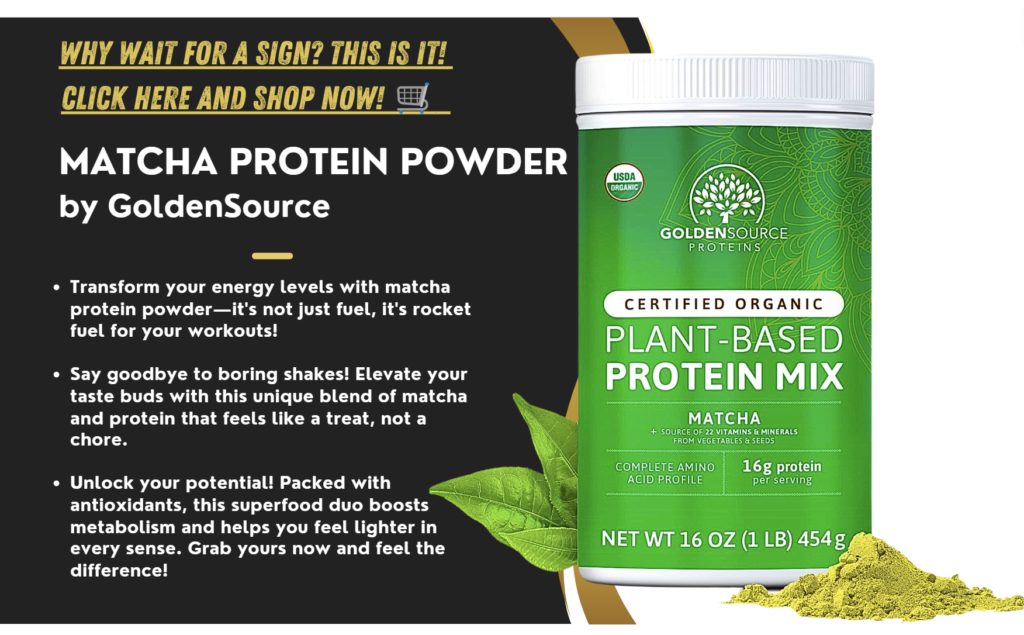
Buckle up, wellness warriors! When it comes to superfoods, matcha is the crown jewel, and now it’s stepping into the spotlight of the protein powder arena. Imagine capturing the essence of a zen garden—the vibrant green hues, the earthy aroma—and harnessing it into a delicious shake. But hold onto your blenders; not all matcha protein powders are created equal! We’re diving deep into a world where quality meets flavor, scrutinizing each contender with meticulous care. Think nutrient profiles, sourcing practices, and yes, taste tests that’ll have your taste buds singing. Are you ready to discover which matcha protein powder will reign supreme in your post-workout ritual? Let the showdown begin!
🏋️♂️ Benefits of Matcha Protein Powder
- Energy Boost: Combines the power of matcha’s caffeine and L-Theanine for sustained energy.
- Muscle Recovery: High in protein, essential for muscle repair and growth.
- Weight Management: Promotes satiety and supports metabolism.
- Antioxidant Support: Rich in EGCG, helping to fight free radicals.
- Mental Focus: Enhances cognitive function with L-Theanine.
🌟 Choosing the Right Matcha Protein Powder
- Protein Source: Choose between Whey Protein and Plant-Based options (Pea, Brown Rice, Hemp).
- Key Ingredients:
- Matcha Green Tea: The cornerstone ingredient rich in antioxidants.
- Sweeteners: Opt for Natural (Stevia, Monk Fruit) or Artificial (Sucralose) based on your preference.
- Flavor Enhancers: Vanilla, Chocolate, and Coconut to enhance taste.
- Nutritional Content:
- Protein Content: High protein per serving for muscle growth.
- Antioxidants (EGCG): Potent antioxidant properties.
- Caffeine: Natural caffeine boost for energy.
- Amino Acids: L-Theanine for focus, BCAAs for muscle support.
- Calories: Balanced to fit within your dietary needs.
- Sugars: Low sugar content for better health.
🕑 Best Uses for Matcha Protein Powder
- Smoothies: Blend with almond milk, banana, and a handful of spinach.
- Baking: Add to pancakes, muffins, or cookies for a green boost.
- Post-Workout Shakes: Mix with water or milk for recovery.
- Breakfast Bowls: Top off your smoothie bowl with a scoop of matcha protein powder.
💪 Comparing Matcha Protein Powder Brands
| Brand | Protein Source | Flavor Options | Price | Rating |
|---|---|---|---|---|
| KOS | Plant-Based (Pea, Hemp) | Vanilla, Chocolate | $32 | 4.8/5 |
| Orgain | Plant-Based (Brown Rice, Pea) | Matcha Green Tea, Vanilla Bean | $29 | 4.7/5 |
| Garden of Life | Whey Protein | Unflavored, Vanilla, Chocolate | $35 | 4.6/5 |
| Vital Proteins | Collagen and Matcha | Coconut, Matcha Green Tea | $39 | 4.5/5 |
 🛒 Market Availability
- Online Retailers: Widely available on Amazon, iHerb, and other online platforms.
- Health Food Stores: Check local stores for availability.
- Specialty Shops: Available in specialty nutrition and supplement stores.
💡 Consumer Considerations
- Price Range: Typically ranges from $29 to $39 depending on brand and quality.
- Serving Size: Usually around 1-2 scoops per serving.
- Mixability: Look for powders that blend smoothly with liquids.
- Taste: Flavor options vary from natural matcha to enhanced options like vanilla and chocolate.
🧼 Storage and Safety Tips
- Store in a cool, dry place to maintain freshness.
- Seal tightly to prevent moisture and contamination.
- Check expiration dates for optimal nutrient content.
Dive into Q&A
🍴 Q1: What’s the biggest benefit of matcha protein powder? 💪 A1: It combines the antioxidant power of matcha with the muscle-building benefits of protein.
🍴 Q2: How can I make my matcha protein shake tastier? 💪 A2: Add fruits like mango or pineapple, or a splash of coconut milk.
🍴 Q3: Can I use matcha protein powder in baking? 💪 A3: Absolutely! It’s great in pancakes, muffins, or even energy bars.
🍴 Q4: Is matcha protein powder suitable for vegans? 💪 A4: Yes, as long as you choose a plant-based protein option.
🍴 Q5: What’s a unique recipe idea using matcha protein powder? 💪 A5: Try matcha protein pancakes with a drizzle of honey and fresh berries.
🍴 Q6: Can I take matcha protein powder on rest days? 💪 A6: Yes, it helps maintain protein intake and energy levels.
🍴 Q7: How do I prevent clumping in my matcha protein shake? 💪 A7: Use a shaker bottle with a whisk ball or a blender for smoothness.
🍴 Q8: Are there any side effects of taking matcha protein powder? 💪 A8: Generally safe, but watch for caffeine sensitivity and stick to recommended servings.
🍴 Q9: What’s the best way to incorporate matcha protein powder into a balanced diet? 💪 A9: Use it as a supplement, pairing it with whole foods like fruits, vegetables, and grains.
Essential Amino Acids: Top Supplements for Recovery
Let’s cut to the chase: amino acids aren’t just for gym buffs and aspiring Olympians. They’re the unsung heroes of recovery, muscle building, and overall wellness. Whether you’re a fitness fanatic, a weekend warrior, or simply seeking some extra pep in your step, these top ten amino acid supplements are your new best friends. Get ready to discover the powerhouse players in the amino acid league that can fuel your goals, minimize recovery time, and help you strut confidently through life. Buckle up—your supplement game is about to get a serious upgrade!
Top Amino Acid Contenders
- L-Leucine: Essential for muscle protein synthesis and recovery.
- L-Isoleucine: Supports energy production and endurance.
- L-Valine: Aids in muscle repair and promotes cognitive function.
- L-Glutamine: Crucial for immune function and gut health, reduces muscle soreness.
- L-Arginine: Enhances blood flow, leading to better performance and endurance.
🌟 Amino Showdown: The Best of the Best
- L-Leucine:
- Effectiveness: Key player in muscle growth and recovery.
- Form: Available in powder and capsule forms.
- Versatility: Easily added to pre- or post-workout shakes.
- L-Isoleucine:
- Effectiveness: Boosts endurance and aids in muscle repair.
- Form: Found in BCAA formulas, powders, and capsules.
- Versatility: Perfect for mid-workout energy boosts.
- L-Glutamine:
- Effectiveness: Supports immune health and reduces muscle fatigue.
- Form: Available as powder or in capsules.
- Versatility: Ideal for post-workout recovery or daily gut health support.
🕑 Why These Aminos Stand Out
- L-Leucine: Essential for activating muscle protein synthesis, making it a cornerstone of muscle growth.
- L-Isoleucine: Balances energy production with muscle repair, a must for sustained performance.
- L-Glutamine: Not just for muscles; it’s vital for overall health, especially after intense workouts.
💪 Ideal Use Cases
- Muscle Building: L-Leucine in your post-workout shake.
- Endurance Training: L-Isoleucine during long runs or workouts.
- Recovery: L-Glutamine after workouts to support muscle repair and gut health.
🍴 Customer Favorites
| Amino Acid | Rating | Top Review | Best Use |
|---|---|---|---|
| L-Leucine | 4.9/5 | “A game-changer for muscle growth and recovery!” | Muscle building |
| L-Isoleucine | 4.8/5 | “Incredible for boosting endurance and reducing fatigue.” | Endurance training |
| L-Glutamine | 4.7/5 | “Supports recovery and keeps my immune system strong.” | Recovery |
🍴 Suggestions for Enhancing Your Amino Routine
- Combining Aminos: Pair L-Leucine with L-Isoleucine for balanced muscle growth and energy, or add L-Glutamine for comprehensive recovery.
- Incorporating Into Diet: Add amino acids to your shakes, smoothies, or even your morning oatmeal.
- Experiment: Try different combinations of BCAAs and EAAs to see what works best for your specific fitness goals.
🧼 Storage and Safety Tips
- Store in a cool, dry place to maintain potency.
- Keep supplements in airtight containers to prevent moisture absorption.
- Check expiration dates regularly and follow recommended dosages to avoid overconsumption.
Dive into Q&A
- Q1: Which amino acid is best for maximizing muscle growth?
L-Leucine is your go-to amino for muscle growth. It’s the most effective amino acid in triggering muscle protein synthesis, making it essential for anyone looking to build muscle. Include it in your post-workout shake for best results.
- Q2: How do these amino acids compare to complete protein supplements?
Amino acids like L-Leucine, L-Isoleucine, and L-Glutamine provide targeted benefits, focusing on specific areas like muscle synthesis, energy production, and recovery. While complete proteins offer a broad spectrum of amino acids, supplementing with specific aminos can give you the edge in achieving your fitness goals.
- Q3: Are there any brands known for producing high-quality amino acid supplements?
Yes, brands like **Optimum Nutrition**, **BSN**, and **Xtend** are renowned for their high-quality amino acid supplements. They source pure, potent ingredients, ensuring you get the most out of each dose.
- Q4: What ingredient differences might make one amino acid supplement more effective than another?
The quality of the raw ingredients, the presence of additional supporting nutrients (like Vitamin B6 for better absorption), and the form of the amino acids (free-form vs. peptide-bound) can significantly impact effectiveness. Look for supplements with minimal fillers and high purity for the best results.
- Q5: Are there any side effects to be aware of when taking these amino acid supplements?
Most people tolerate amino acids well, but overconsumption can lead to digestive issues, especially with L-Glutamine and L-Arginine. Always start with the recommended dose and consult a healthcare professional if you have any pre-existing conditions or concerns.
- Q6: How do these amino acids interact with other supplements?
Amino acids work synergistically with other supplements like protein powders, pre-workouts, and creatine. For example, combining L-Leucine with a whey protein shake can maximize muscle protein synthesis, while L-Glutamine can enhance recovery when taken with post-workout carbs.
- Q7: Which amino acid has the highest customer satisfaction, and why?
L-Leucine consistently tops customer satisfaction charts due to its direct impact on muscle growth and recovery. Fitness enthusiasts love its fast-acting benefits and the noticeable difference it makes in their performance and results.
What Makes Proteins Tick? Discover Their Building Blocks!
Let’s dive into the glorious world of proteins—those mighty macromolecules that are the unsung heroes of our body’s performance. Think of proteins as the A-list celebrities of the cellular scene, strutting their stuff as amino acids. These bad boys come together in chains, forming the intricate structures that dictate our cellular destiny. From muscle building to immune defense, proteins are not just important; they’re essential. So, what’s the secret? It’s all about the sequence, baby! A mere twist or turn in their amino acid arrangement can morph simple strands into complex, functional masterpieces. Ready to dissect the magic? Buckle up; it’s about to get educationally exhilarating!
🏋️♂️ Understanding Protein Building Blocks
- Amino Acids: The fundamental units of protein, crucial for muscle growth and repair.
- Peptide Bonds: Link amino acids together, forming the protein structure.
- Protein Synthesis: The process by which your body builds proteins from amino acids.
🌟 Key Types of Amino Acids
- Essential Amino Acids: Must be obtained through diet as the body cannot produce them.
- Non-Essential Amino Acids: Produced by the body but still vital for health.
- Conditional Amino Acids: Needed in times of stress or illness.
🕑 The Role of Proteins in the Body
- Muscle Repair: Rebuilds muscle fibers after exercise.
- Enzyme Function: Catalyzes biochemical reactions in the body.
- Hormone Production: Supports the creation of hormones like insulin and growth hormone.
💪 Comparing Protein Sources
| Source | Protein Content | Amino Acid Profile | Digestibility | Rating |
|---|---|---|---|---|
| Whey Protein | 24g per serving | Complete with all essential amino acids | High | 4.8/5 |
| Casein Protein | 23g per serving | Complete but slower digestion | Moderate | 4.7/5 |
| Plant-Based Protein | 20g per serving | Incomplete but can be combined | Moderate | 4.5/5 |
| Egg Protein | 21g per serving | Complete with high bioavailability | High | 4.6/5 |
🍴 Protein-Rich Recipes
- Protein Smoothie: Blend with Greek yogurt, berries, and a scoop of protein powder.
- Protein Oatmeal: Stir in protein powder, chia seeds, and almond butter.
- Protein Muffins: Mix protein powder with oats, bananas, and eggs for a healthy snack.
🧼 Storage and Safety Tips
- Keep protein powders in a cool, dry place.
- Seal containers tightly to prevent moisture exposure.
- Check expiration dates to maintain freshness and potency.
Dive into Q&A
🍴 Q1: Why are amino acids important in proteins? 💪 A1: They are the building blocks that determine the function and structure of proteins.
🍴 Q2: How can I ensure I get all essential amino acids? 💪 A2: Combine different protein sources like beans, rice, or use complete proteins like whey.
🍴 Q3: Can I mix different protein sources in my diet? 💪 A3: Yes, combining animal and plant proteins can optimize your amino acid intake.
🍴 Q4: Are there any plant-based sources of complete proteins? 💪 A4: Yes, quinoa and soy are examples of plant-based complete proteins.
🍴 Q5: What’s a unique way to use protein powder? 💪 A5: Try making protein-rich ice cream by blending with frozen bananas and almond milk.
🍴 Q6: Should I take different types of protein at different times? 💪 A6: Yes, fast-digesting proteins like whey are ideal post-workout, while slow-digesting ones like casein are better before bed.
🍴 Q7: How do I avoid stomach issues with protein supplements? 💪 A7: Start with smaller servings and choose easily digestible proteins like hydrolyzed whey.
🍴 Q8: Are proteins only important for muscle building? 💪 A8: No, they are vital for many bodily functions including enzyme and hormone production.
🍴 Q9: Can I get enough protein without supplements? 💪 A9: Yes, but supplements can help meet your needs more conveniently.
🍴 Q10: How do proteins affect overall health? 💪 A10: Proteins play a role in muscle repair, immune function, and overall body maintenance.