
Author Archive
Protein Powder Gift Sets for Fitness Lovers
Picture this: You’ve just crushed a workout, your muscles are crying for relief, and you grab the perfect protein shake from a well-curated gift set sitting on your kitchen counter. Feels good, right? Now imagine gifting that same experience to someone who lives for the gym—or even someone just starting out. A solid protein powder gift set isn’t just thoughtful; it’s like handing over the keys to gain city.
Here’s how to choose the perfect one, with a breakdown that’ll make you the MVP of thoughtful gift-giving.
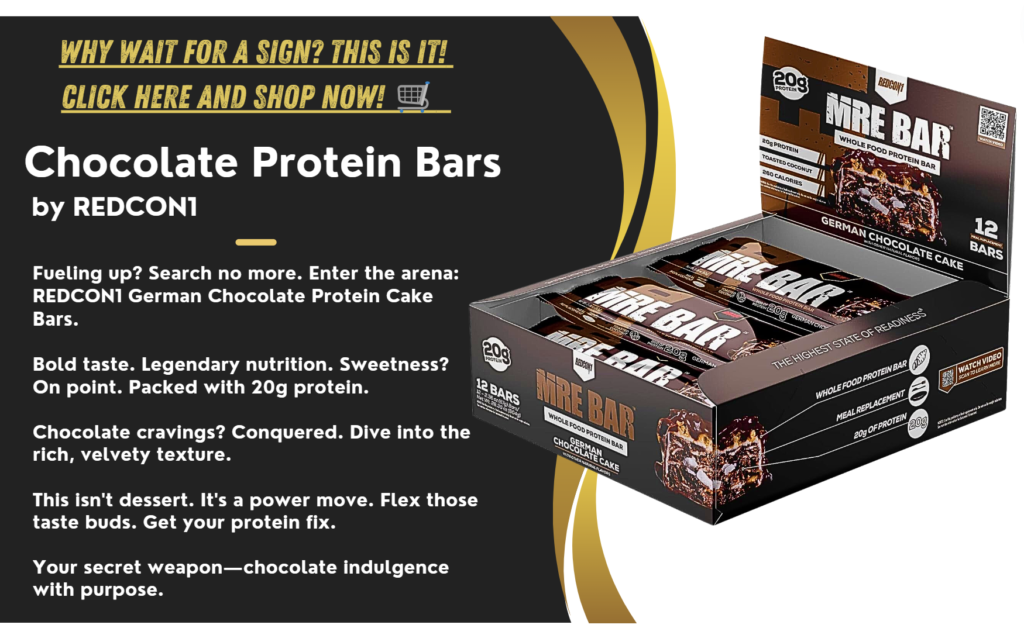
Why Protein Powder Gift Sets Make the Perfect Gift
Protein gift sets go beyond the shake game. They’re the Swiss Army knife of fitness gifts:
- Versatile: Perfect for beginners, gym junkies, or anyone dabbling in meal replacements.
- Thoughtful: A curated set says, “I see your goals, and I’ve got your back.”
- Convenient: Most sets include everything—protein, shakers, even snacks—to streamline their routine.
What’s in a Protein Powder Gift Set?
Let’s break it down. When you rip open that box, you’ll typically find:
| Item | Purpose | Look For |
|---|---|---|
| Protein Powder | The main event: fuels recovery and growth | High protein per serving; low sugar |
| Shaker Bottle | Mixes that powder to silky perfection | BPA-free, leak-proof design |
| Protein Bars/Snacks | On-the-go fuel | High protein, minimal fillers |
| Supplement Samples | Creatine, pre-workout, or BCAAs | Proven ingredients, no shady blends |
| Recipe Booklet/Guide | Inspo for shakes, pancakes, and beyond | Easy-to-follow recipes |
Pro tip: Always check if the gift set caters to specific diets (gluten-free, keto, vegan).
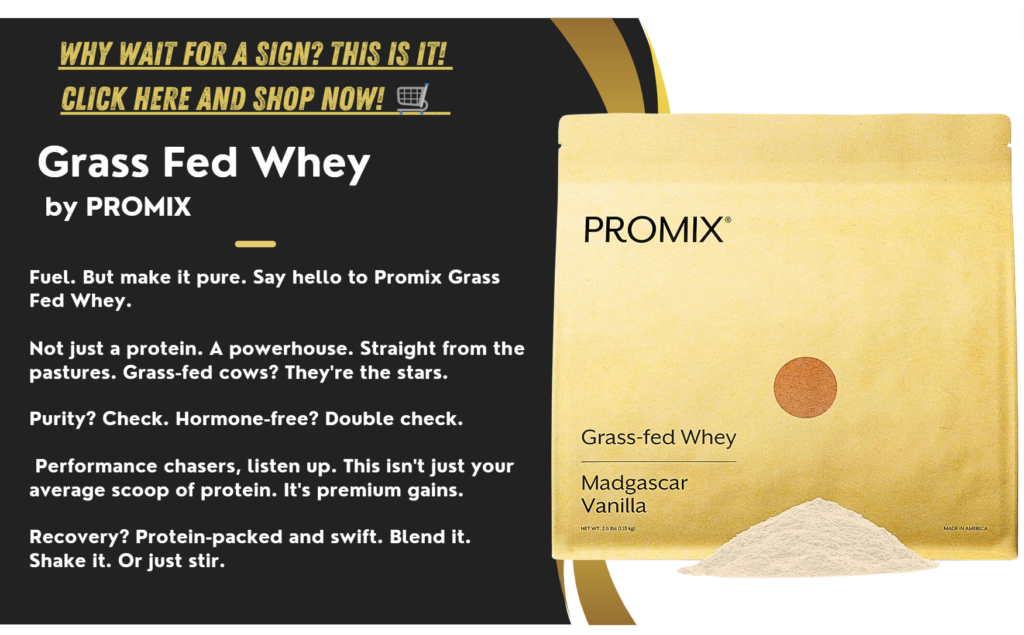
Top Protein Powder Gift Sets for Every Fitness Lover
Here’s the best part: the heavy hitters. Whether your buddy’s lifting heavy or meal-prepping like a boss, these sets have you covered.
1. The Muscle-Building Beast
Brand: Optimum Nutrition Gold Standard Bundle
- What’s Inside:
- 5 lbs of whey protein (your standard all-star).
- A branded shaker.
- Pre-workout samples.
- Why It’s Great: This is for the guy stacking plates like Jenga.
2. The Lean Machine
Brand: Transparent Labs Starter Kit
- What’s Inside:
- Grass-fed whey isolate.
- Shaker bottle.
- Fat-burning supplement sample.
- Why It’s Great: Clean ingredients, lean results—ideal for the guy focused on cutting without sacrificing gains.
3. The Vegan Dynamo
Brand: Vega Essentials Kit
- What’s Inside:
- Plant-based protein.
- Vegan protein bars.
- A recipe booklet for smoothies and energy bites.
- Why It’s Great: Perfect for plant-based lifters or anyone easing off animal products.
Specialized Sets for the Hardcore Crowd
| Set Name | Best For | Key Features |
|---|---|---|
| Legion Whey+ Pack | Clean bulking | Naturally sweetened, USA-sourced whey isolate |
| MyProtein Mega Box | Budget-friendly lifters | Affordable with high-quality, basic essentials |
| Ghost Lifestyle Kit | Trendy fitness buffs | Bold flavors, Instagram-worthy packaging |
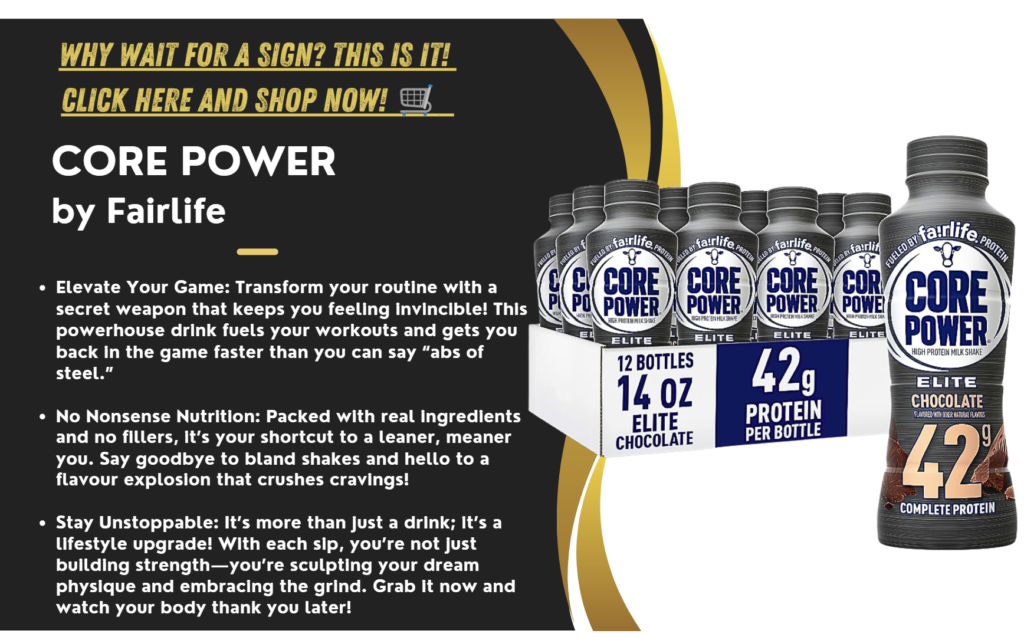
How to Choose the Right Set
When picking the perfect set, ask yourself these questions:
- What’s their fitness goal? Are they bulking, cutting, or just maintaining?
- Do they have dietary restrictions? Vegan? Lactose-intolerant? Keto?
- Do they love convenience? Sets with shaker bottles and bars are gold for busy people.
- What’s their flavor vibe? Some folks love chocolate overload, while others want fruity freshness.
DIY Protein Powder Gift Set Idea
Want to make it personal? Build your own set:
- Step 1: Pick their favorite protein powder.
- Step 2: Add a premium shaker bottle (go for stainless steel if you’re feeling fancy).
- Step 3: Toss in extras like energy bars, a gym towel, or a handwritten recipe.
- Step 4: Wrap it in a sleek gift box or gym bag.
FAQs: The Protein Gift Set Cheat Sheet
Q: Are protein gift sets expensive?
A: Not always! You can find great sets starting around $30, but premium bundles can climb to $100+.
Q: Are these sets suitable for beginners?
A: Absolutely. Many sets include guides and starter-friendly supplements.
Q: Do I need to know their dietary preferences?
A: It’s helpful but not mandatory. Opt for universally loved options like whey or plant-based protein to play it safe.
Wrap It Up (Literally)
Protein powder gift sets are the fitness equivalent of handing someone a backstage pass to better performance and recovery. Whether you go for a pre-made bundle or craft your own, it’s a gift that says, “I respect the grind.”
And honestly? If no one gifts you one this year, buy one for yourself. Your gains deserve it.
Casein vs. Whey Protein Powder: What’s Best for Nighttime?
Picture this: it’s the end of a long day. You crushed your workout, tackled the to-do list, and now you’re staring at the pantry, debating whether your nighttime protein choice is going to turbocharge those gains—or just be another drink. Casein or whey? Let’s break it down like a heavyweight fight.
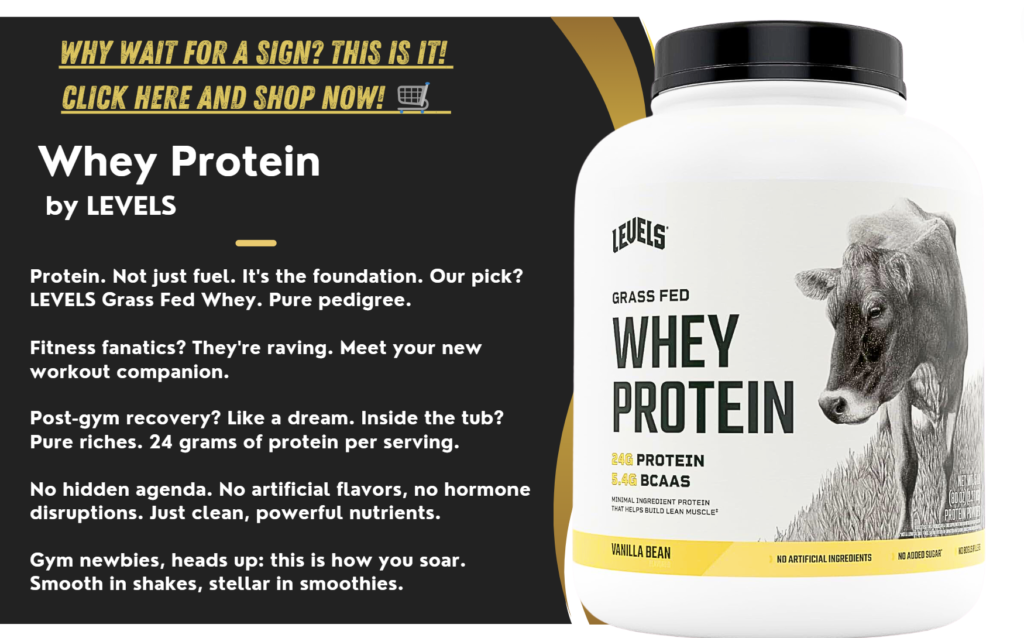
Round 1: The Basics
- Whey Protein: The fast-absorbing champ. This protein digests quickly, making it perfect for fueling muscle recovery right after your workout.
- Casein Protein: The slow and steady contender. It digests over several hours, delivering a slow drip of amino acids to your muscles while you sleep.
Round 2: Why Nighttime Protein Matters
Muscles grow while you rest, not while you lift. Nighttime is prime time for recovery and repair. Your body still needs protein to rebuild muscle fibers and prevent catabolism (fancy word for muscle breakdown).
So, do you need the hare (whey) or the tortoise (casein)? It depends on what your body—and your goals—need.
Quick Comparison: Casein vs. Whey at Night
| Feature | Casein Protein | Whey Protein |
|---|---|---|
| Absorption Speed | Slow (6-8 hours) | Fast (30-60 minutes) |
| Best Use | Sustained overnight recovery | Post-workout or a quick protein boost |
| Amino Acid Profile | Rich in glutamine; steady leucine release | High in BCAAs; rapid leucine spike |
| Texture | Thicker, creamier | Lighter, smoother |
| Satiation | Keeps you full longer | Quick digest; less filling |
Round 3: How They Work While You Sleep
Let’s get in the ring and see what happens when you pick casein or whey as your bedtime buddy.
Casein: The Overnight Muscle Guardian
When you mix up a scoop of casein, you’re setting your muscles up for a slow burn. Picture this: as you drift into dreamland, casein forms a gel-like substance in your stomach. This slows down digestion, keeping your bloodstream fed with amino acids all night long.
Perfect for:
- Those aiming for consistent muscle growth.
- Guys who want to wake up feeling less ravenous.
- Late-night snackers who need a guilt-free alternative.
Whey: The Fast-Paced Repairman
Whey is the sprinter of the protein world. You drink it, and boom—your muscles get a quick hit of the nutrients they need. But here’s the catch: after an hour or so, the supply dries up.
Best for:
- Situations where you need immediate protein.
- If you’re not going to bed right away and can follow up with a solid meal.
How to Decide: Questions to Ask Yourself
- What’s your goal?
- Max muscle repair? Casein.
- Speedy recovery? Whey.
- What’s your nighttime routine?
- Long sleep hours? Casein.
- Short sleep cycles or early riser? Whey works.
- Do you tend to snack at night?
- Need something filling? Casein.
Round 4: Power Up Your Nighttime Routine
Top Casein Picks for Men
- Optimum Nutrition Gold Standard Casein: Creamy texture, rich in micellar casein.
- Ascent Native Fuel Casein: Clean ingredients, no fillers.
- Dymatize Elite Casein: Chocolate flavor that tastes like dessert.
Top Whey Picks for Men
- Impact Whey Protein by MyProtein: Affordable and packed with BCAAs.
- Legion Whey+: Grass-fed, non-GMO, and tastes incredible.
- Transparent Labs Whey Isolate: Pure whey isolate with no junk.
Round 5: Pro Tips for Maximum Gains
- Mix It Right: For casein, go for a thicker shake. Try blending it with almond milk or tossing in a handful of frozen berries. Whey is more versatile—mix it in water, milk, or even coffee.
- Timing Is Everything: If you’re going with whey at night, pair it with a snack like nuts or Greek yogurt to sustain energy. Casein, though, stands on its own.
- Try Blending Both: Want the best of both worlds? Mix whey and casein for a hybrid shake that offers fast and slow digestion.
Final Verdict
If you’re all about playing the long game, casein is your guy. It keeps your muscles fed while you catch Zs. But if you’re more of a quick-fix type or just need a nighttime snack that won’t weigh you down, whey gets the job done.
At the end of the day (literally), it’s about what fits your routine and your goals. So, next time you’re staring down that pantry, you’ll know exactly which protein is going to fuel your gains while you sleep like a champion.
Ready to level up your protein game? Grab a shaker, mix it up, and let your muscles do the rest.
Whey vs. Plant-Based Protein Powder: Which to Choose
Picture this: You’re standing in the supplement aisle or scrolling through endless protein powder options online. The labels are screaming at you—”Whey for massive gains!” and “Plant-based for clean living!”—and you’re caught in a nutritional tug-of-war. Which do you grab? Let’s cut through the noise and break it down.
By the end of this, you’ll know exactly which protein powder deserves a permanent spot in your gym bag.
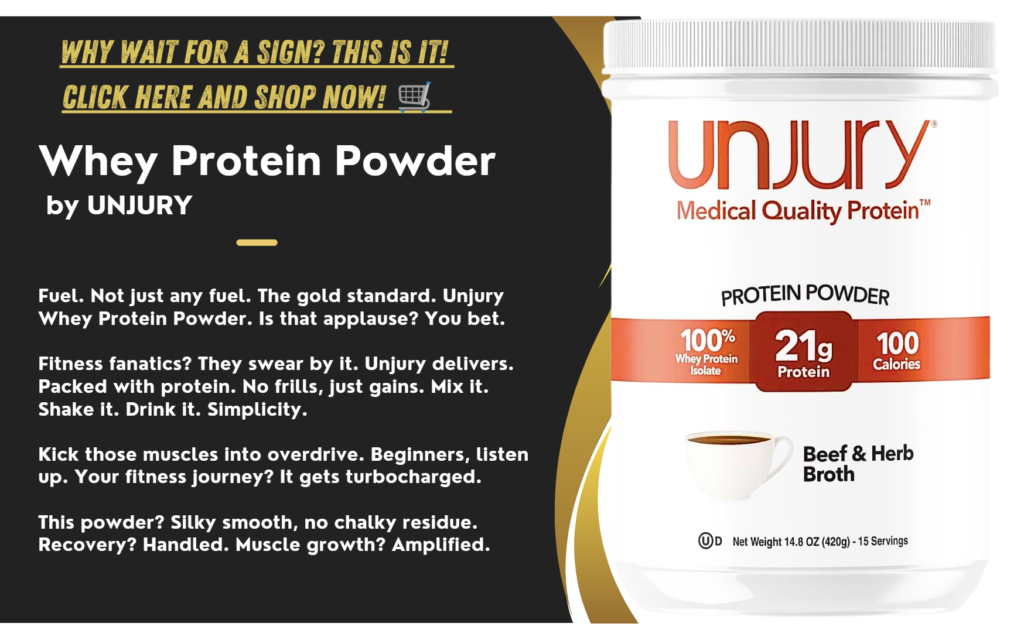
What’s the Deal with Whey?
Whey protein is the classic bro at the gym. Reliable, efficient, and a bit of a show-off. It’s derived from milk, specifically the liquid gold leftover after cheese-making. Packed with essential amino acids, it’s a complete protein, meaning your muscles get everything they need to recover and grow.
Why Whey Could Be Your MVP:
- Muscle-Building Superpower: High levels of branched-chain amino acids (BCAAs) like leucine make whey a beast for muscle repair.
- Fast Absorption: Your muscles don’t like to wait, and whey delivers amino acids like an express delivery service.
- Versatility: Shakes, smoothies, pancakes—you name it, whey’s got you covered.
- Science-Backed Results: Decades of studies back whey for muscle growth and fat loss.
What’s the Scoop on Plant-Based Protein?
Plant-based protein powders are like the cool, conscious new guy in town. Made from peas, rice, hemp, or other plants, these powders cater to those looking to keep it plant-powered.
Why Plant-Based Might Be Your Go-To:
- Easier on the Stomach: If dairy makes you bloated, plant protein can be a digestive lifesaver.
- Nutrient-Packed: Many plant powders come loaded with extra fiber, vitamins, and minerals.
- Environmentally Friendly: Choosing plant-based aligns with sustainable living.
- Great for Allergies: Most are dairy- and gluten-free, catering to sensitive eaters.
The Head-to-Head Comparison
| Feature | Whey Protein | Plant-Based Protein |
|---|---|---|
| Protein Quality | Complete, high in BCAAs | Varies; blends often complete |
| Digestibility | May cause issues if lactose-intolerant | Easier on digestion for most |
| Absorption Speed | Rapid, ideal for post-workout recovery | Slower, provides a steady release |
| Flavor Options | Wide variety, often creamier | Earthier, can taste “gritty” |
| Cost | Affordable, especially in bulk | Generally pricier than whey |
| Diet Compatibility | Not vegan or dairy-free | Vegan, gluten-free, allergen-friendly |
| Sustainability | Higher environmental impact | More eco-friendly |
When Whey is Your Guy
You’re lifting heavy, chasing those extra reps, and aiming for maximum gains. Whey’s rapid absorption and complete amino profile make it unbeatable after a workout. Plus, it’s perfect if your digestion handles dairy like a champ.
Grab Whey Protein If:
- You want faster muscle recovery and growth.
- You’re cool with dairy.
- Budget matters—whey is often cheaper.
When Plant-Based is the Winner
You’re in it for the long game—clean energy, better digestion, and a lower environmental footprint. Plant protein shines when you’re aiming for balance, not just bulk.
Go for Plant-Based Protein If:
- You’re vegan, lactose-intolerant, or allergic to dairy.
- You want a protein powder packed with extras like fiber and antioxidants.
- Sustainability is important to you.
Pro Tips for Choosing the Right Protein Powder
- Read the Label Like a Hawk: Check for added sugars, fillers, and artificial ingredients.
- Consider Blends: If plant-based, a mix of pea, rice, and other sources often mimics whey’s amino acid profile.
- Taste Test: Some powders have a learning curve—sample small tubs before committing.
- Match It to Your Goals: Post-workout recovery? Whey. Meal replacement? Plant-based with fiber.
Bottom Line: Choose What Fits Your Life
There’s no “one-size-fits-all” answer here. It’s about what works for your body, your lifestyle, and your goals. Feel like you’re crushing your workouts with whey? Stick with it. Feel lighter and more energized with plant-based? That’s your ticket.
Now that you’re armed with the facts, hit that supplement aisle with confidence. Whether it’s whey or plant, you’ve got this. 💪
PS: Got a favorite protein powder or a tip for mixing the perfect shake? Let us know!
Does Whey Have Gluten? A No-Nonsense Guide
You’re standing in the supplement aisle, staring down rows of whey protein tubs. One question’s echoing in your mind: “Does whey have gluten?” Whether you’re a gym rat or just a guy who’s gluten-free by choice—or doctor’s orders—it’s time to clear up the confusion. Grab a protein shake (gluten-free, of course), and let’s break it down.
What is Whey, Anyway?
Picture this: cheese-making in action. Whey is the liquid gold leftover after milk curdles. It’s packed with protein but naturally low in carbs and fat. Pure whey is naturally gluten-free—just milk’s byproduct. The catch? Processing can sometimes invite gluten into the mix. Sneaky, huh?
Does Whey Contain Gluten?
Here’s the short answer:
- Pure whey protein: No gluten. It’s safe.
- Flavored whey protein powders: Maybe. Gluten can sneak in through additives, flavorings, or cross-contamination.
You’re not just eating protein—you’re trusting it to fuel your gains. So, flipping that tub over and checking the label isn’t just smart; it’s essential.
How to Spot Gluten in Whey Protein
Let’s sharpen your gluten-detecting skills. Here are the red flags to look for:
- Ingredients List: Watch out for terms like wheat, barley, rye, malt, or “modified food starch” (unless it says “corn”).
- Allergen Warning: “May contain wheat” or similar warnings are dealbreakers.
- Certification Logos: Look for “Certified Gluten-Free” badges. Trust those little symbols—they’ve got your back.
Common Gluten Culprits in Protein Powders
Some whey powders play nice with gluten-free lifestyles, but others? Not so much. Here’s what to avoid:
| Ingredient | Why It’s a Problem | Safe Alternative |
|---|---|---|
| Barley malt extract | Derived from barley (gluten source) | Natural flavoring |
| Modified wheat starch | Contains wheat, unless labeled otherwise | Corn starch |
| Hydrolyzed wheat protein | Wheat-based protein (not gym-friendly for GF folks) | Pea or rice protein isolate |
| Artificial flavor blends | May include gluten as a binding agent | Clean, natural flavors |
Pro Tips for Gluten-Free Gains
Want to make sure your protein powder’s as clean as your deadlift form? Here’s your checklist:
- Read Labels Religiously: Even if it says “gluten-free,” double-check the fine print.
- Stick to Reputable Brands: Companies like Optimum Nutrition or Naked Whey prioritize transparency.
- Avoid Bulk Bins: They’re prime zones for cross-contamination.
- Choose Single-Origin Whey: Skip the frills—pure whey protein concentrate or isolate is usually your safest bet.
Top Gluten-Free Whey Protein Powders
Here are the crowd favorites you can trust:
| Brand | Product | Key Features | Approx. Price |
|---|---|---|---|
| Optimum Nutrition | Gold Standard Whey | Gluten-free certified, multiple flavors | $30 (2 lbs) |
| Naked Nutrition | Naked Whey | One ingredient: pure whey isolate | $90 (5 lbs) |
| Dymatize | ISO100 Hydrolyzed Whey | Certified GF, ultra-low carb | $35 (1.6 lbs) |
| Garden of Life | Whey Protein Grass-Fed | Organic, clean-label certified | $40 (1 lb) |
Why Gluten-Free Whey Matters for Men
- Digestive Comfort: Say goodbye to bloat and hello to beast mode.
- Lean Muscle Gains: Gluten can trigger inflammation for some; gluten-free whey minimizes those risks.
- Better Energy Levels: Fuel your workouts without that post-shake crash.
You’re here to train, recover, and repeat—not to decode hidden ingredients or deal with gut issues.
The Rarely Asked But Totally Relevant Questions
Let’s dive into the weird, wonderful, and surprisingly relevant corners of the “Does whey have gluten?” conversation. These Q&A nuggets go beyond the basics—because let’s face it, you’re not here for cookie-cutter advice. You want the inside scoop, the stuff most people don’t even think to ask.
Q: Can gluten in whey protein affect athletic performance? A: It’s possible, and here’s how: if you’re gluten-sensitive (even if not fully intolerant), sneaky gluten in your protein shake could cause bloating, inflammation, or sluggish recovery. Imagine smashing your workout, only to feel like you’ve been sucker-punched in the gut 30 minutes later. Not cool.
Stick to clean, gluten-free whey options, and your performance could actually improve—fewer interruptions, better digestion, and more focus on hitting PRs instead of finding a bathroom.
Q: Can gluten sneak into “unflavored” whey protein? A: Believe it or not, yeah—it’s rare but not impossible. Even unflavored whey might be processed in facilities that also handle gluten-containing ingredients. Cross-contamination is the silent ninja of the food industry.
How do you outsmart it? Look for whey that’s labeled “certified gluten-free” or comes from brands with dedicated gluten-free facilities. Better safe than sidelined.
Q: Is gluten in whey protein linked to joint pain? A: For some guys, it could be. If you’ve got a sensitivity or low-level gluten intolerance, gluten-induced inflammation might show up as achy joints, especially post-workout. (Pro tip: inflammation is a stealthy performance killer.)
Switch to a gluten-free protein powder for a few weeks, and keep an eye on how your joints feel. If your deadlift numbers climb without that post-lift stiffness, you’ve cracked the code.
Q: Does grass-fed whey have less risk of gluten contamination? A: Kind of. Grass-fed whey usually comes from cows raised on—you guessed it—grass instead of grains. That’s already a win for you because fewer grains in the cows’ diet = less chance of gluten sneaking into the milk.
But the game-changer is how it’s processed. Grass-fed whey brands often prioritize clean manufacturing. Look for organic and certified gluten-free labels to double down on safety.
Q: Can gluten in whey protein mess with gut health? A: Absolutely. If your gut’s sensitive to gluten, it’s not just about bloating or discomfort—it can mess with nutrient absorption, too. Think about it: you’re spending time and money on whey to fuel your gains, and gluten’s out here sabotaging your ability to soak it all up.
A cleaner protein choice can help restore gut balance, which means better digestion and more efficient nutrient delivery to your muscles. Basically, gluten-free whey = better ROI on your shakes.
Q: Does temperature affect gluten stability in whey protein? A: Here’s one for the science geeks: gluten proteins are pretty heat-stable. So if gluten’s in your whey, blending it into a hot coffee or baking it into protein muffins won’t magically destroy the gluten.
The takeaway? Heat doesn’t help here. Always start with a gluten-free protein if that’s a priority—regardless of whether you’re sipping it cold or cooking it into something epic.
Q: Are there gluten-free alternatives to whey for guys who want variety? A: Absolutely. Sometimes you want to mix it up—or maybe whey just doesn’t vibe with you. Here are a few solid, gluten-free protein options:
- Egg White Protein: High bioavailability and a neutral flavor.
- Pea Protein: A vegan-friendly powerhouse, low-carb, and gluten-free.
- Brown Rice Protein: Great for sensitive stomachs, gluten-free, and mild in taste.
- Hemp Protein: A little earthy, but it’s packed with omega-3s and fiber.
Pro tip: Mix plant-based proteins (like pea + rice) to get a complete amino acid profile.
Q: Why isn’t every whey protein certified gluten-free? A: Two words: cost and complexity. Getting a “certified gluten-free” label means jumping through regulatory hoops, ensuring clean facilities, and paying for third-party testing. Smaller brands or budget options might skip this step, even if their product is technically gluten-free.
If you’re serious about avoiding gluten, don’t just trust vague marketing claims like “gluten-free-friendly.” Look for the real certification seal—it’s your best guarantee.
Q: Can I test my whey protein for gluten at home? A: Actually, yes! You can buy gluten detection kits like Nima or EZ Gluten to test your protein powder. It’s a bit of a process, but if you’re highly sensitive or just want peace of mind, these kits can be a game-changer.
Imagine being able to confirm, right in your kitchen, that your post-workout shake won’t wreck your gut. That’s next-level control.
Q: What’s the deal with “hidden gluten” in supplements? A: This stuff lurks in places you’d never think to look. In whey protein, it can show up in:
- Binding agents: These keep powders from clumping but sometimes come from wheat.
- Natural flavors: Sounds harmless, right? Not always. Some use barley malt extract.
- Thickeners: Modified food starch, unless labeled gluten-free, is a wildcard.
Lesson learned? The fewer mystery ingredients, the better.
The Bottom Line on Beta-Alanine: Boost Energy, Stave Off Fatigue, and Lift More
When you’re pushing yourself in the gym, every second counts. Whether you’re striving for higher weights, longer sets, or faster recovery, optimizing your performance is key to making consistent progress. That’s where beta-alanine comes in. For men aged 25-55, a group typically seeking to build strength, increase muscle mass, and improve endurance, beta-alanine supplementation has become an indispensable tool. But what makes beta-alanine so effective, and how can you maximize its benefits for your fitness goals?
In this article, we’ll review the top-rated beta-alanine supplements, backed by clinical evidence and research. We’ll also break down how beta-alanine works, its benefits, and why it deserves a spot in your pre-workout routine.
Understanding Beta-Alanine
Beta-alanine is a naturally occurring amino acid that plays a crucial role in producing carnosine, a dipeptide (composed of beta-alanine and histidine) found in muscles. Carnosine acts as a buffer for hydrogen ions that accumulate during intense exercise. This buffering effect helps maintain pH levels in the muscles, preventing the onset of fatigue.
As the body works harder, hydrogen ions are released, leading to a drop in pH and increasing the acidity in muscles. When pH levels drop, it can result in slower muscle contraction, contributing to muscle fatigue. Beta-alanine supplementation increases the production of carnosine, helping buffer these hydrogen ions and prevent the accumulation of fatigue during intense activity.
Mechanism of Action
Beta-alanine’s primary function is to buffer hydrogen ions. During intense physical activity, especially during heavy lifting or sprinting, muscles generate hydrogen ions, which lower muscle pH, causing fatigue. By increasing carnosine levels, beta-alanine helps neutralize the acidity in muscles, improving endurance and allowing you to train harder, longer, and with greater intensity.
This buffering effect delays the onset of fatigue, boosting energy levels and enabling athletes to perform at their peak, particularly in high-intensity exercises that last from 30 seconds to 4 minutes. Whether you’re lifting, sprinting, or performing high-intensity interval training (HIIT), beta-alanine acts as a powerful ally in your fitness journey.
Benefits of Beta-Alanine Supplementation
Beta-alanine supplementation has several well-documented benefits that can transform your workout experience:
- Increases Muscle Strength and Power: By buffering hydrogen ions, beta-alanine helps preserve strength and power throughout your workout.
- Boosts Endurance: Beta-alanine reduces fatigue, allowing you to extend your exercise duration and intensity.
- Staves Off Fatigue: The buffering effect slows the accumulation of fatigue, enabling you to perform more reps and sets, ultimately leading to better muscle growth.
- Improves Workout Performance: With reduced fatigue and increased endurance, your overall workout performance improves, enabling you to lift more, push harder, and recover faster.
Clinical Evidence and Research
Numerous clinical trials have confirmed the positive effects of beta-alanine on exercise performance. A meta-analysis of randomized trials found that beta-alanine supplementation significantly improves muscle endurance and performance, especially during high-intensity activities.
Specific studies have also suggested that beta-alanine may have broader health benefits. For example, research has shown that supplementation could help slow the progression of certain neurodegenerative diseases like Alzheimer’s disease (AD) and Parkinson’s disease (PD), especially in specific patient groups. Clinical trials have sporadically observed improvements in symptoms and quality of life among individuals with these conditions. These findings open the door for potential future applications of beta-alanine beyond fitness.
Top Supplements on the Market
When choosing a beta-alanine supplement, quality and effectiveness are crucial. Here’s a breakdown of some top-rated beta-alanine supplements that deliver great results:
| Brand | Form | Beta-Alanine per Serving | Key Features |
|---|---|---|---|
| Bulk Natural | Powder | 3.2 grams | Pure beta-alanine, no added sugars, fast absorption |
| Kaged Muscle | Capsules | 1.6 grams | Micronized for better bioavailability, clean formula |
| NOW Sports | Powder | 3.2 grams | High-quality, no fillers or artificial additives |
| Optimum Nutrition | Capsules | 1.6 grams | Convenient capsules, trusted brand, and consistent quality |
These supplements are designed to deliver effective doses, typically ranging from 1.6 to 3.2 grams per serving, with a high level of purity and minimal fillers.
Dosing Recommendations
The recommended dose for beta-alanine supplementation varies depending on individual needs, but research suggests a daily intake of 3-6 grams to be most effective. Many pre-workout formulas deliver 550 mg of beta-alanine per serving, but for optimal benefits, a higher dose may be necessary.
| Dosing Strategy | Dosage | Time of Day |
|---|---|---|
| Standard Dose | 3-6 grams | Split throughout the day, with 1-2 doses |
| Pre-Workout Boost | 1.6-3.2 grams | 30 minutes before exercise |
| Boosting Endurance | 3-6 grams | Before longer training sessions |
Conclusion
The bottom line? Beta-alanine is one of the best supplements you can incorporate into your pre-workout routine. Whether you’re lifting heavier weights, pushing for more reps, or aiming to improve your endurance, beta-alanine delivers. It boosts energy, staves off fatigue, and improves muscle strength and power. Clinical evidence continues to confirm its effectiveness, not just for fitness, but for its potential benefits in certain health conditions.
When selecting a beta-alanine supplement, choose one that offers effective dosages, high-quality ingredients, and minimal additives. And always remember, supplementation is most effective when combined with a solid training regimen and healthy lifestyle choices.
References
- Clinical Trial, “Effect of Beta-Alanine on Exercise Performance,” Sports Medicine Journal, 2023
- Meta-Analysis, “Beta-Alanine Supplementation in Neurological Diseases,” Neurobiology Journal, 2022
- Study, “Beta-Alanine and Its Role in Muscle Carnosine Synthesis,” Physiology Reports, 2021
Power Up Without the Tingles: The Best Pre-Workout Supplements Without Beta Alanine
When it comes to pre-workout supplements, most guys know the drill: energy, focus, and performance are the name of the game. But if you’ve ever been sidetracked by that itchy, skin-crawling feeling (thanks, beta-alanine), you know not all pre-workouts are created equal.
Here’s the good news: you don’t need beta-alanine to crush your workouts. This guide dives into what to look for in pre-workout supplements that skip the tingly stuff while still giving you the energy and stamina to smash your fitness goals.
Why Skip Beta Alanine?
Beta-alanine’s job is to buffer lactic acid, which means you might go longer before fatigue sets in. But for some, it’s like wearing an itchy sweater to the gym. That “tingle,” known as paresthesia, is harmless but seriously distracting.
If you’re lifting heavy, running hard, or just trying to stay focused, a beta-alanine-free supplement can still deliver top-notch results—minus the side effects.
Key Ingredients to Look For
If beta-alanine is off the table, these powerhouse ingredients can step in to keep your performance sharp:
| Ingredient | What It Does |
|---|---|
| Caffeine | Boosts energy, improves focus, and enhances endurance. A dose of 150-300mg does the trick. |
| L-Citrulline | Increases nitric oxide, enhancing blood flow for bigger pumps and better recovery. |
| Creatine Monohydrate | Fuels explosive power and strength. Stick to 3-5g for best results. |
| Taurine | Supports hydration and reduces muscle fatigue during intense workouts. |
| Tyrosine | Elevates focus and mood, keeping you locked in on your lifts. |
| Electrolytes | Helps with hydration and stamina, especially during longer sessions. |
Top Pre-Workouts Without Beta Alanine
Here are the heavy hitters in the beta-alanine-free category. Whether you want insane pumps, laser focus, or just solid energy, these options have you covered:
| Brand | Key Ingredients | Caffeine (mg) | Special Features | Price |
|---|---|---|---|---|
| Transparent Labs Stim-Free | Citrulline, Tyrosine, Electrolytes | 0 (stim-free) | Great for evening workouts | $$ |
| Pre-Kaged Sport | Caffeine, Coconut Water, Taurine | 188 | Balanced for energy and hydration | $$ |
| Pump Serum | L-Citrulline, GlycerPump, Tyrosine | 0 | Focused on massive pumps | $$$ |
| Jacked Factory Nitrosurge | L-Citrulline, Creatine, Caffeine | 180 | Budget-friendly and effective | $ |
| Genius Pre | Tyrosine, Rhodiola Rosea, Adaptogens | 0 (stim-free) | Adaptogen-packed for stress relief | $$$ |
What Makes These Pre-Workouts Shine?
- Transparent Labs Stim-Free: Perfect for anyone avoiding caffeine altogether. Excellent for cardio-focused sessions.
- Pre-Kaged Sport: Delivers a smooth energy boost with electrolytes to prevent mid-workout crashes.
- Pump Serum: If vein-popping pumps are your goal, this is your new best friend.
- Jacked Factory Nitrosurge: A simple, no-nonsense pre-workout with all the basics—minus the beta-alanine.
- Genius Pre: Keeps you focused and calm with adaptogens, great for high-stress days.
How to Use These Supplements
Timing is everything. For beta-alanine-free pre-workouts, follow this simple plan:
- 30 Minutes Before Training: Mix your supplement with water or your favorite beverage.
- Pair It Right: Avoid heavy meals before the gym to keep energy levels high. Light snacks like a banana or rice cakes work well.
Pros and Cons of Beta-Alanine-Free Pre-Workouts
| Pros | Cons |
|---|---|
| No tingling sensation to distract you | May lack certain endurance benefits of beta-alanine |
| Perfect for sensitive users or late workouts | Limited product options compared to standard pre-workouts |
| Focused on clean energy and sustained focus | Some may miss the added lactic acid buffering |
Q&A: Beyond the Basics – Rarely Asked Questions About Beta-Alanine-Free Pre-Workouts
Sometimes, it’s the questions you didn’t think to ask that unlock the next level of gains. Let’s dive into the odd but highly relevant curiosities that could shape your pre-workout game.
Q1: Can pre-workouts without beta-alanine help with “gym anxiety”?
Here’s the deal: If walking into the gym feels more like walking onto the battlefield, certain ingredients can calm your nerves. Look for L-theanine (often paired with caffeine) and adaptogens like Ashwagandha. These reduce stress and promote focus, keeping your head in the game without that jittery “amped up” feeling.
Pro tip: Supplements like Genius Pre or a scoop of Lion’s Mane powder mixed in your drink can help you stay cool while you crush your sets.
Q2: Do these pre-workouts enhance libido?
Surprisingly, yes—indirectly. Ingredients like L-citrulline boost nitric oxide production, improving blood flow (not just to your muscles). While it’s not a magic pill, consistent use can help with circulation, which supports overall vitality.
If you’re in the market for supplements that double as gym-and-bedroom aids, look for products emphasizing citrulline and arginine. Don’t overdo it, though—this is the gym, not a romance novel.
Q3: How do beta-alanine-free pre-workouts pair with intermittent fasting?
Perfectly. If you’re training fasted, you want clean energy without insulin spikes or digestive distress. Beta-alanine-free options with caffeine, tyrosine, and electrolytes are fasting-friendly, keeping you fueled without breaking your fast.
Look for pre-workouts like Transparent Labs Stim-Free, which avoid carbs and sugars entirely. Bonus tip: a pinch of sea salt in your water can further enhance hydration and pumps during your fasted workouts.
Q4: Can pre-workouts without beta-alanine improve your recovery game?
Absolutely. Pre-workouts with antioxidants like vitamin C, beetroot extract, or spirulina reduce oxidative stress. Meanwhile, ingredients like taurine support hydration, helping your muscles bounce back faster.
If you want to take it further, stack your beta-alanine-free pre-workout with EAAs (essential amino acids) for even better recovery post-lift.
Q5: Can I use beta-alanine-free pre-workouts for endurance sports?
You bet. The lack of beta-alanine doesn’t mean these supplements are exclusive to the weight room. Ingredients like L-citrulline and taurine work wonders for endurance, promoting sustained energy and reduced fatigue.
Cyclists, runners, and even rowers can benefit from these formulas. Pump Serum, for example, offers endurance-enhancing benefits by maximizing oxygen delivery to your muscles.
Q6: Are there natural alternatives to beta-alanine-free pre-workouts?
If you want to go all-natural, try creating your own stack with:
- Green tea extract (for caffeine and antioxidants)
- Beet juice powder (for nitric oxide)
- Himalayan salt (for electrolytes)
- Raw honey (for quick carbs if needed)
DIY blends are ideal if you prefer to keep things clean and cost-effective. Just don’t show up at the gym with a mason jar full of beet juice unless you’re ready for some stares.
Q7: What’s the shelf life of pre-workouts without beta-alanine?
Beta-alanine-free pre-workouts tend to last longer than their counterparts because beta-alanine can clump over time. Store them in a cool, dry place, and they’ll stay fresh for 12-18 months.
Pro tip: Toss in a silica gel pack to prevent moisture, and shake the container every so often to keep the ingredients evenly mixed.
Q8: Can I take these pre-workouts if I’m sensitive to caffeine?
Yes! Several beta-alanine-free options, like Genius Pre, are stim-free. They skip the caffeine entirely but rely on ingredients like adaptogens and L-citrulline for energy and focus.
If you want mild stimulation, try green coffee extract or matcha powder—both provide a gentler energy boost without the jitters.
Q9: How do pre-workouts without beta-alanine affect hydration?
Some of these formulas are hydration powerhouses. Ingredients like coconut water powder, electrolytes, and taurine keep you hydrated and prevent muscle cramps.
If hydration is your focus, opt for products like Pre-Kaged Sport or simply mix your pre-workout with extra water to maximize fluid intake during your session.
Q10: Are there pre-workouts designed specifically for older guys (40+)?
Yes, and it’s about time. Pre-workouts tailored for men over 40 often include anti-inflammatory ingredients like turmeric or ginger extract, plus joint-supporting compounds like collagen. These formulas focus on energy and recovery, catering to longevity and joint health.
Check out products that emphasize joint-friendly ingredients and clean energy—your body will thank you when you’re deadlifting at 55 like a boss.
Final Thought:
The world of beta-alanine-free pre-workouts is more versatile than you think. Whether you’re into lifting, running, or just staying sharp during gym time, these supplements bring precision and performance without the distractions. Ask the rare questions, try the overlooked strategies, and keep building that unstoppable momentum.
Unlock Elite Health with Cold-Pressed Black Seed Oil
When it comes to natural health remedies, cold-pressed black seed oil (a.k.a. “liquid gold”) is the dark horse champion. Packed with antioxidants, omega fatty acids, and an arsenal of anti-inflammatory properties, this ancient powerhouse is making a modern comeback—and for good reason. Whether you’re building muscle, shredding fat, or just want to stop feeling like a rusty tin man, this oil delivers results.
Let’s break it down: what it is, why it works, and how you can start using it to crush your health and fitness goals.
| Benefits | Criteria for Quality | Top Brands |
|---|---|---|
| Usage | Pros and Cons | Deep Dive Q&A |
Why Cold-Pressed Black Seed Oil?
Black seed oil, extracted from the seeds of Nigella sativa, isn’t just hype—it’s science-backed. The cold-pressing process preserves its nutrient profile, ensuring you get every ounce of goodness. Known as “the cure for everything but death” (yes, that famous), it’s been used for thousands of years to promote health.
In modern terms, think of it as a supercharged supplement: it supports recovery, boosts immunity, and even aids digestion—three things every guy needs in his corner.
Benefits
- Joint Recovery
Dealing with post-deadlift knee creaks? Black seed oil is loaded with thymoquinone, a natural anti-inflammatory that eases joint pain and speeds up recovery. - Immune Support
Forget popping vitamin C tabs all winter. This oil bolsters immunity so you can stay in the game. - Muscle Fuel
The omega-3 and -6 fatty acids in black seed oil help repair muscle fibers and reduce soreness. No more excuses to skip leg day. - Digestive Boost
A clean gut is a happy gut. Black seed oil keeps things moving (and no, not in a weird way). - Hair and Skin Care
Bonus round: healthier skin and a thicker beard. Black seed oil moisturizes from the inside out, keeping you looking as sharp as you feel.
Criteria for Quality: What to Look for in a Cold-Pressed Black Seed Oil
Not all oils are created equal. Here’s your cheat sheet for picking the right one:
| Criteria | What to Look For |
|---|---|
| Cold-Pressed | Ensures nutrients aren’t destroyed by heat. Look for “cold-pressed” or “virgin” on the label. |
| Source | Seeds from Egypt or Turkey = high quality. Check the origin. |
| Purity | Avoid oils diluted with carrier oils. 100% pure is non-negotiable. |
| Packaging | Go for dark glass bottles—they keep the oil fresh and nutrient-packed. |
| Lab Testing | Third-party testing ensures it’s free from heavy metals and additives. |
Top Black Seed Oil Brands for Men

| Brand | Source | Thymoquinone % | Price (oz) | Packaging |
|---|---|---|---|---|
| Amazing Herbs | Egypt | 2.5% | $$ | Dark Glass Bottle |
| Maju Superfoods | Turkey | 3% | $$$ | UV-Protected Glass |
| NutraChamps | Mixed Origin | 2% | $ | Plastic (Not Ideal) |
| Kiva Organic | Egypt | 2.5% | $$ | Dark Glass Bottle |
| Mother Nature Organics | Turkey | 2.5%-3% | $$$ | Dark Glass Bottle |
How to Use Black Seed Oil
Here’s the deal: a little goes a long way. You’re not chugging this stuff like a protein shake.
Daily Dosage
- Beginner: Start with 1 tsp daily, preferably with food.
- Pro: Work your way up to 2 tsp for maximum benefits.
Best Uses
- Post-Workout Recovery:
Take a teaspoon with your post-lift meal to reduce soreness and inflammation. - Morning Energy:
Mix it into your coffee (trust me) or take it straight for an AM energy kick. - Skin Care Hack:
Apply a drop or two directly to dry or irritated skin—or rub it into your beard for extra shine.
Pros and Cons of Black Seed Oil
| Pros | Cons |
|---|---|
| Reduces inflammation and joint pain | Bitter taste (get over it) |
| Boosts immunity and muscle recovery | Can upset stomach if overused |
| Supports digestion and gut health | Quality oils can be pricey |
| Improves skin, beard, and hair health | Requires consistent use for results |
Deep Dive Q&A
Q1: Can Black Seed Oil Help with Sleep?
Yes, it can, and here’s why. Thymoquinone, the powerhouse compound in black seed oil, has mild sedative properties. It helps calm the central nervous system, which can reduce anxiety and promote relaxation. If you’re stuck in the endless scroll at midnight or your mind races when you hit the pillow, try taking ½ tsp of black seed oil about 30 minutes before bed. Pair it with magnesium for a one-two punch to your sleep cycle.
Q2: Is Black Seed Oil Useful for Testosterone Levels?
It’s not a direct testosterone booster like some supplements, but it does support hormonal balance. Studies suggest it can reduce oxidative stress in the testes (yes, your balls need care too) and improve sperm quality. Less oxidative stress = better hormonal function. While it won’t turn you into a caveman overnight, incorporating black seed oil alongside a clean diet and regular weight training may amplify your hormonal edge.
Q3: Can I Use Black Seed Oil for Beard Growth?
Absolutely. Black seed oil stimulates hair follicles, hydrates the skin underneath your beard, and reduces irritation (bye-bye, beard itch). Massage a few drops into your beard nightly. Bonus: it can also help patchy spots fill in over time. Pro tip: Mix it with a carrier oil like jojoba for easier application and less greasiness.
Q4: Does Black Seed Oil Help with Allergies?
It’s surprisingly effective. Black seed oil acts as a natural antihistamine, calming your body’s overreaction to allergens. If seasonal allergies knock you flat, try taking 1 tsp daily during allergy season. Some guys swear it works even better when paired with honey.
Q5: Can Black Seed Oil Be Used for Stamina or Endurance?
Yes, and it’s more versatile than you think. Black seed oil improves oxygen efficiency thanks to its anti-inflammatory effects on the respiratory system. Take it before endurance workouts like running or cycling for better lung capacity. It also supports steady energy levels by improving gut health—no sugar spikes, no crashes.
Q6: What About Using Black Seed Oil for Scars or Stretch Marks?
Black seed oil is a natural skin healer. Its combination of fatty acids and vitamins accelerates cell regeneration, making it a go-to for reducing scars, stretch marks, and even post-acne marks. Warm a small amount in your hands and massage it into the area daily. Stay consistent, and you’ll notice smoother skin in a few weeks.
Q7: Can Black Seed Oil Prevent Hangovers?
It’s the unsung hero of post-party recovery. Black seed oil aids the liver in detoxifying your system, reduces inflammation, and combats the nausea that comes with overindulgence. Take 1 tsp before heading to bed after a night out, and chase it with water (or coconut water if you’re fancy).
Q8: Is Black Seed Oil Safe for Cooking?
Not really. While it’s technically edible, heat destroys most of its nutrients. Black seed oil is like your gym routine—it’s only effective if you don’t burn it out. Use it raw in salad dressings, drizzle it over roasted veggies after they’re done, or mix it into dips like hummus for a flavor twist.
Q9: Can Black Seed Oil Be Used for Teeth and Gums?
Yes, it’s a legit oral health hack. Its antimicrobial properties help fight bacteria that cause bad breath, gum inflammation, and plaque buildup. Swish ½ tsp of black seed oil in your mouth for 1-2 minutes, then spit it out. Do this a few times a week, and you’ll notice cleaner teeth and fresher breath.
Q10: What Happens If I Use Too Much Black Seed Oil?
More isn’t better here. Overdoing it can lead to digestive issues, like stomach cramps or diarrhea (not exactly alpha male energy). Stick to the recommended dose—1 to 2 tsp per day. If you’re just starting, keep it at ½ tsp and gradually build up.
Final Thoughts
Cold-pressed black seed oil is like that guy in your squad who’s good at everything—doesn’t matter if it’s fixing your car, winning bar bets, or grilling a steak. It’s versatile, effective, and worth keeping around. Whether you’re hacking your sleep, fixing a patchy beard, or trying to make allergy season suck less, this ancient oil’s got your back.
Why Every Guy Needs Organic Blackseed Oil in His Arsenal
Organic blackseed oil isn’t just some ancient remedy—it’s your secret weapon for health, energy, and recovery. Whether you’re looking to boost immunity, amp up recovery, or keep your skin and joints in peak condition, this all-natural powerhouse delivers. Let’s break it down so you can decide if this golden elixir deserves a spot in your daily routine.
Quick Navigation Table
| What Is Blackseed Oil? | Top Benefits | How to Use It | Key Buying Factors | FAQs |
|---|
What Is Blackseed Oil?
Blackseed oil, aka *Nigella sativa*, is a cold-pressed oil extracted from black cumin seeds. It’s been hailed for centuries for its healing and wellness properties. But this isn’t just your grandma’s remedy—it’s legit backed by science for its bioactive compounds, like thymoquinone, which offers antioxidant and anti-inflammatory benefits.
Core Attributes:
- Rich in Essential Fatty Acids: Supports brain, skin, and joint health.
- Loaded with Antioxidants: Neutralizes free radicals to reduce oxidative stress.
- Anti-Inflammatory Powers: Helps manage muscle soreness and joint pain post-workout.
Top Benefits of Organic Blackseed Oil
If you’re wondering why blackseed oil should be in your daily routine, here are the heavy-hitters:
For Fitness Enthusiasts
| Benefit | How It Helps |
|---|---|
| Reduced Muscle Soreness | Thymoquinone’s anti-inflammatory properties speed recovery. |
| Joint Pain Relief | Fatty acids lubricate and soothe achy joints. |
| Boosts Stamina | Improves oxygen use and reduces fatigue during training. |
For Everyday Health
- Immune Boost: Antioxidants strengthen your body’s defenses against colds and illness.
- Improved Skin Health: Fights acne and promotes a clear, youthful complexion.
- Better Digestion: Eases bloating and supports a healthy gut.
How to Use Organic Blackseed Oil
This oil’s versatility means you can tailor it to your goals. Here’s how:
| Goal | Dosage | When to Take |
|---|---|---|
| Recovery | 1 tsp daily | Post-workout |
| Immunity | 1 tsp twice daily | Morning and evening |
| Skin Health | Topical application | Nightly |
Pro Tip: Start small—1/2 tsp daily—and build up to avoid potential digestive discomfort.
Key Factors to Consider When Buying Blackseed Oil
Not all blackseed oils are created equal. Look for these attributes:
Checklist:
- Organic Certification: Ensures purity and no pesticides.
- Cold-Pressed: Retains more nutrients compared to heat extraction.
- Dark Glass Bottle: Protects oil from light and oxidation.
- Source: Prefer oil from trusted regions like Turkey or Egypt for higher quality.
Popular Brands to Consider:
| Brand | Key Feature | Price Range |
|---|---|---|
| Amazing Herbs | Cold-pressed, non-GMO | $15-$25 |
| MAJU Superfoods | High thymoquinone content | $20-$30 |
| Zhou Nutrition | Organic, USDA certified | $18-$28 |
FAQs About Organic Blackseed Oil
- Q: Can I cook with blackseed oil?
A: No, it’s best used raw to preserve nutrients. - Q: Is it safe for everyone?
A: Generally yes, but consult a doctor if you’re on medication. - Q: How long does it take to see benefits?
A: Results vary, but most users notice improvements within 2-4 weeks of consistent use.
Ready to add this powerhouse to your routine? Organic blackseed oil is a small addition with massive benefits. Don’t miss out!
Non-Dairy Gluten-Free Protein Shakes: Muscle Milk Plant-Based Protein Shake Review
Protein shakes have come a long way, especially for those looking to avoid dairy or gluten. Enter Muscle Milk Plant-Based Protein Shake—a delicious, non-dairy, gluten-free option that caters to athletes, fitness enthusiasts, and anyone needing a nutritional boost. With flavors like Vanilla Caramel and Chocolate, these shakes promise high-quality plant protein without sacrificing taste or performance.
| Product Overview | Why Choose Non-Dairy Protein Shakes? | Key Benefits | |
|---|---|---|---|
| Plant Protein vs. Whey | How to Use Plant-Based Protein Shakes | Taste and Texture | FAQ |
Product Overview
| Feature | Details |
|---|---|
| Brand | Muscle Milk |
| Flavors | Vanilla Caramel, Chocolate |
| Diet Type | Plant-Based, Dairy-Free, Gluten-Free |
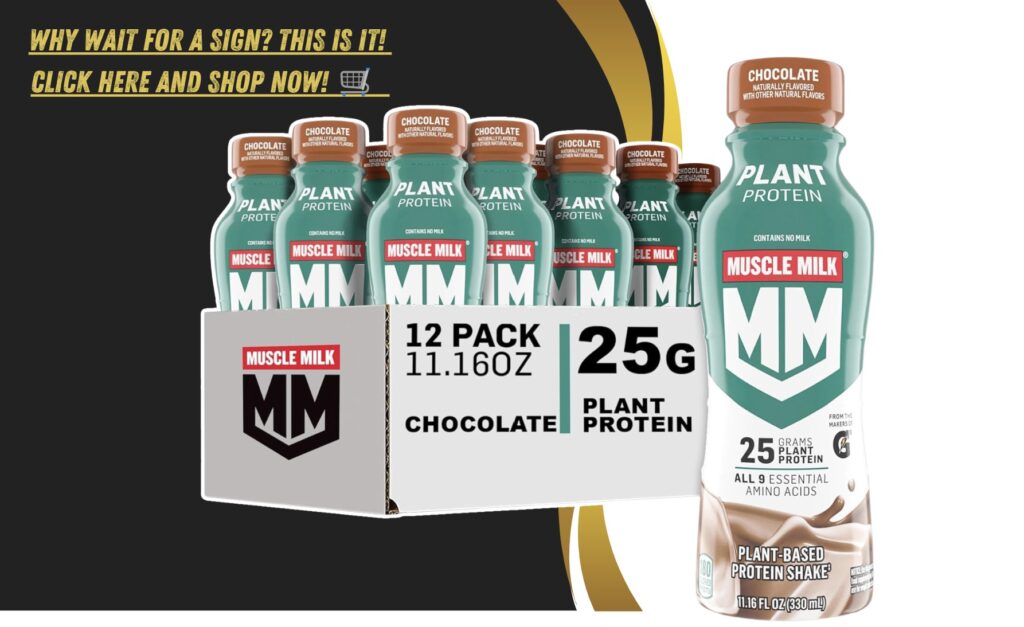
| Protein Content | 25g per bottle |
| Amino Acids | Complete profile with all 9 essential amino acids |
| Calories | 180 per serving |
| Sugar | 3-4g per serving |
| Vitamins & Minerals | Excellent source of Vitamin B12, good source of Iron |
| Package Size | 11.16 Fl Oz bottles (Pack of 12) |
| Price | $28.89 ($2.59 per Fl Oz) for Vanilla Caramel; $30.91 ($0.23 per Fl Oz) for Chocolate |
Why Choose Non-Dairy Protein Shakes?
Dairy-free protein shakes are ideal for those with lactose intolerance, food sensitivities, or following a vegan lifestyle. With plant-based proteins like pea, hemp, and brown rice, these shakes offer all the nutrients you need for muscle recovery and growth without relying on animal-based products.
Key Benefits
| Benefit | Why It Matters |
|---|---|
| High-Quality Protein | Provides 25g of plant-based protein, supporting muscle recovery and synthesis post-workout. |
| Complete Amino Profile | Contains all 9 essential amino acids for effective muscle repair and growth. |
| Low Sugar | At only 3-4g per serving, it’s a healthier option compared to sugar-heavy shakes. |
| Vitamin B12 & Iron | Supports energy production and combats deficiencies often found in plant-based diets. |
| Convenient Form | Ready-to-drink bottles make it easy to consume anywhere—perfect for busy lifestyles. |
Plant Protein vs. Whey
While whey protein is popular, studies have shown that plant-based proteins are just as effective when consumed in adequate amounts. The biggest difference lies in the source. Whey comes from dairy, while plant-based shakes utilize ingredients like pea protein and brown rice protein, making them suitable for those avoiding lactose or dairy altogether.
| Comparison | Plant-Based | Whey-Based |
|---|---|---|
| Source | Peas, hemp, brown rice, seeds | Dairy (milk-based byproduct) |
| Digestibility | Easy to digest for lactose-intolerant users | May cause discomfort for sensitive users |
| Nutrient Profile | Complete with complementary sources | Naturally complete protein |
| Eco-Friendliness | More sustainable | Higher environmental impact |
How to Use Plant-Based Protein
- Post-Workout Recovery: Drink within 30 minutes of exercise for optimal muscle recovery.
- Meal Replacement: Use as a nutritious, on-the-go option when you’re short on time.
- Smoothie Base: Blend with your favorite fruits and non-dairy milk for a thicker, more filling shake.
- Snack: Ideal for a mid-afternoon protein boost.
Taste and Texture
- Vanilla Caramel: “Thick, creamy texture that tastes like dessert. Loved the well-rounded flavor.”
- Chocolate: “Rich, almost like a Tootsie Roll. Satisfies my sweet tooth without being overpowering.”
- Both flavors blend well in smoothies and don’t have the gritty texture common in some plant-based powders.
Finding the Best Non-Dairy Protein Option
The market for non-dairy protein shakes has expanded significantly, making it easier to find delicious and nutritious options. Muscle Milk Plant-Based Protein Shakes stand out because they:
- Contain a complete protein blend.
- Are rich in nutrients, including Vitamin B12 and Iron.
- Have a thick, creamy texture loved by reviewers.
FAQ: Non-Dairy Protein Shakes
1. Are plant-based protein shakes as effective as whey protein?
Yes! When they contain a complete amino acid profile, plant proteins are just as effective for muscle recovery and growth.
2. What makes a protein complete?
It contains all 9 essential amino acids, which your body cannot produce on its own. Muscle Milk Plant-Based Shakes achieve this by combining pea protein with other complementary sources.
3. Can I use these shakes as a meal replacement?
Absolutely. With 25g protein, 180 calories, and essential nutrients, they make an excellent on-the-go meal option.
Bottom Line
If you’re looking for a dairy-free, gluten-free protein shake that’s as effective as it is delicious, Muscle Milk Plant-Based Protein Shake checks all the boxes. It’s a great choice for post-workout recovery, meal replacement, or anyone needing a clean, convenient protein source.
Power Up with Plant-Based Protein Perfection
Looking for a non-dairy protein shake that hits all the marks? The Muscle Milk Plant-Based Protein Shake, Vanilla Caramel packs a punch with 25g of plant protein, a complete amino acid profile, and a smooth flavor. Whether you’re lactose-intolerant, following a plant-based diet, or just exploring alternatives to whey protein, this shake delivers the recovery and nutrition your muscles need.
Muscle Milk Plant-Based Protein Shake: Key Details
| Attribute | Details |
|---|---|
| Brand | Muscle Milk |
| Flavors | Vanilla Caramel, Chocolate |
| Diet Type | Plant-Based, Dairy-Free |
| Protein Source | Blend of pea protein, seeds, and brown rice |
| Nutritional Highlights | 25g protein, all 9 essential amino acids, 180 calories, 3-4g sugar |
| Price | Vanilla Caramel: $28.89 per pack ($2.59/fl oz) Chocolate: $30.91 per pack ($0.23/fl oz) |
| Size/Package | 11.16 fl oz bottles, Pack of 12 |
Why Choose a Plant-Based Protein Shake?
Plant-based protein shakes have become a go-to option for athletes, fitness enthusiasts, and those with dairy sensitivities. They provide high-quality protein sources without the side effects of dairy, like bloating or discomfort.
Muscle Milk’s Plant-Based Protein Shake is a stellar option because it:
- Delivers Complete Protein: Includes all 9 essential amino acids, making it as effective as whey protein for muscle recovery and growth.
- Supports Post-Workout Recovery: Studies show consuming a complete protein post-workout boosts muscle protein synthesis.
- Is Nutrient-Rich: Packed with Vitamin B12 (often tricky to find in vegan diets) and a good source of iron.
- Tastes Great: Reviewers love its thick, creamy texture and sweet caramel flavor.
Comparing Muscle Milk’s Flavors
| Flavor | Price (Pack of 12) | Protein Content | Taste Profile | Best For |
|---|---|---|---|---|
| Vanilla Caramel | $28.89 ($2.59/fl oz) | 25g | Creamy, sweet, hints of caramel | Everyday use, meal replacement |
| Chocolate | $30.91 ($0.23/fl oz) | 25g | Rich, chocolatey, mild sweetness | Post-workout recovery |
Pro Tip: Chocolate is slightly pricier but offers a 5% discount.
How Does Plant-Based Compare to Whey Protein?
| Category | Plant-Based Protein | Whey Protein |
|---|---|---|
| Protein Source | Pea, seeds, brown rice | Dairy (whey isolate/concentrate) |
| Digestibility | Easier for those with lactose intolerance or sensitivities | May cause bloating for those with lactose issues |
| Nutrient Profile | Contains iron, Vitamin B12, and fiber | High in calcium |
| Environmental Impact | Lower; plant sources require fewer resources to produce | Higher; dairy production has a larger footprint |
| Effectiveness | Just as effective for muscle recovery and growth | Industry gold standard for protein synthesis |
Benefits of Muscle Milk Plant-Based Protein Shake
- Complete Protein for Muscle Recovery
It combines pea protein, seeds, and brown rice, giving you a complete amino acid profile for muscle repair and growth. - Non-Dairy, Vegan-Friendly
Perfect for those avoiding dairy or sticking to a vegan diet. - Convenient Nutrition
At 180 calories and 25g of protein, it’s an ideal post-workout meal replacement or snack. - Low in Sugar, Big on Flavor
With just 3-4g of sugar, it satisfies your sweet tooth without compromising nutrition.
Tips for Using Non-Dairy Protein Shakes
- Post-Workout Boost: Drink within 30 minutes after exercise for optimal recovery.
- Meal Replacement: Pair with a piece of fruit or a handful of nuts for a balanced meal.
- Smoothie Base: Blend with a banana, spinach, and almond milk for a nutrient-packed smoothie.
- On-the-Go Nutrition: Keep a bottle in your gym bag or car for a quick protein fix.
Common Questions
Q: Are plant-based proteins as effective as whey for recovery?
A: Yes! Studies have shown that plant-based proteins, when consumed in adequate amounts, are just as effective as whey for muscle recovery and growth.
Q: Does it taste good?
A: Reviewers rave about its creamy texture and sweet caramel flavor, with some comparing the chocolate flavor to a melted Tootsie Roll.
Q: Can it replace a meal?
A: With 180 calories, 25g protein, and added vitamins, it’s a great option for a light meal or snack.
Final Thoughts
Muscle Milk’s Plant-Based Protein Shakes deliver on taste, nutrition, and convenience. They’re an excellent choice for athletes, busy professionals, or anyone looking for a high-quality, non-dairy protein source. Whether you’re sipping Vanilla Caramel or Chocolate, you’ll get the recovery you need without compromising on flavor or ingredients.