
Author Archive
Gripping Gains: Your Ultimate Guide to Dumbbell Forearm Exercises
Let’s face it, folks! Those scrawny forearms aren’t winning you any arm-wrestling contests. When you shake hands, it feels like you’re offering a limp fish rather than a firm handshake. You need power, strength, and a grip that screams “I climb mountains for breakfast!” But wait, you say, all I’ve got are dumbbells collecting dust in the corner. Well, fear not! We’re about to transform those forlorn weights into tools of forearm-fortifying magnificence! Get ready to revamp, revitalize, and redefine what it means to have gripping gains.
🏋️♂️ Benefits of Dumbbell Forearm Exercises
- Improved Grip Strength: Boosts your ability to hold heavier weights.
- Forearm Hypertrophy: Targets muscles for size and definition.
- Better Wrist Stability: Enhances wrist control during lifts and daily activities.
Pumping up those forearms with dumbbell exercises doesn’t just bulk ’em up. It supercharges your grip, turning a weak handshake into a bone-crushing power grip. Forget limp wrists; stability is the name of the game! Wanna lift that couch single-handedly? Now you can, thanks to your new wrist control that’s tighter than your grandma’s cookie jar lid. It’s not just about muscles; it’s about commanding the room with every lift and hold. Get ready to show off forearms that could make Popeye weep with joy!
🌟 Choosing the Right Dumbbell for Forearm Exercises
- Dumbbell Weight: Start light (5-10lbs) for control, then gradually increase.
- Adjustable vs Fixed:
- Adjustable Dumbbells: Offer flexibility for progression.
- Fixed Dumbbells: Ideal for quick transitions between sets.
- Grip Type:
- Knurled Grip: Provides better hold during exercises.
- Rubber-Coated: Ensures comfort, reducing hand strain.
Listen up, folks! Picking the perfect dumbbell isn’t just a test of strength; it’s an art form. First off, don’t be a hero—begin with featherweights (5-10 pounds) and slowly morph into the Hulk. Next, the age-old battle: adjustable versus fixed. Wanna mix things up? Adjustable is your alley. Need speed? Fixed will let you juggle those sets like a caffeinated performer. And let’s talk grip: knurled gives you the clench of a pro wrestler, while rubber-coated cradles your hands like a lazy Sunday morning. Your forearms won’t just grow—they’ll grip, flex, and show off your gains like they owe them money!
🕑 Best Forearm Exercises with Dumbbells
- Wrist Curls: Flex and extend your wrists to engage forearm muscles.
- Reverse Wrist Curls: Focuses on strengthening the extensors.
- Hammer Curls: Targets both biceps and forearms simultaneously.
- Farmers Walk: Engage grip and endurance by walking while holding dumbbells.
So, you’re ready to pump those forearms, but wait—with great power comes great responsibility! The first order of business? Picking the right weight to help you achieve those Popeye arms. Think of yourself as Goldilocks on a mission, navigating a forest of dumbbells. Tediously light? You’ll be flicking your wrists like you’re shooing flies. Overly heavy? You might as well wave goodbye to your joints. The trick is to find that just-right heft that’s hefty enough to challenge but not obliterate you. Remember, it’s all about precision, not recklessness.
💪 Comparing Dumbbells for Forearm Training
| Brand | Weight Range | Type | Price | Rating |
|---|---|---|---|---|
| Bowflex SelectTech | 5-52.5 lbs | Adjustable | $300 | 4.8/5 |
| CAP Barbell | 10-50 lbs | Fixed | $100 | 4.7/5 |
| PowerBlock | 5-90 lbs | Adjustable | $400 | 4.6/5 |
| Yes4All | 5-50 lbs | Adjustable | $150 | 4.5/5 |
Think choosing a dumbbell’s a cakewalk? Think again! Pick the wrong one, and your forearms will be crying like they’ve just endured a Shakespearean tragedy. You want adjustable weights? Go Bowflex SelectTech or PowerBlock – they’re the chameleons of the weight world. Prefer a trusty old fixed weight? CAP Barbell’s your unshakeable anchor. Prices are all over the map, just like your Uncle Bob’s opinions at Thanksgiving. So, match your budget with your bravado, and let those ratings guide you like a lighthouse in a sea of bicep curls. Find that perfect pair, and watch your forearms rise up like the heroes they were destined to be!
🍴 Forearm-Friendly Workout Tips
- Superset with Biceps: Combine forearm exercises with bicep curls for maximal efficiency.
- Grip Variety: Switch between different grips (overhand, underhand, neutral) for balanced development.
- Slow Tempo: Focus on controlled, slow reps to maximize muscle engagement.
Alright, folks, let’s break this down! Pair those forearm workouts with bicep curls to craft arms that could bend steel—figuratively, of course. Now, don’t be shy! Mix up your grip game like a DJ at a summer party; switch it from overhand to underhand, then hit neutral like you’re throwing a curveball. And for the grand finale, slow it down to super slo-mo so you feel each fiber scream for mercy. It’s like cooking: low and slow brings out the flavor, or in this case, muscle max!
🧼 Storage and Safety Tips
- Store dumbbells in a rack or designated space to avoid damage.
- Maintain proper posture during exercises to prevent wrist strain.
- Warm-up before workouts and stretch your forearms to avoid injury.
Ever tripped over a rogue dumbbell and thought it was a sneak attack? How about wrist strain that screams, “Nope, not today!” Let’s dive into our foolproof plan. First, those dumbbells need a home. Give them a cozy rack, or you’ll find your toes yelling at you with every misstep. Second, your forearm exercises demand A-list posture — we’re talking “red carpet ready”. Finally, warm up like your forearms are about to take ballroom dancing lessons. Start prepped, stay safe, and watch injuries dodge you like you’re the local celebrity.
Dive into Q&A
🍴 Q1: What’s the primary benefit of dumbbell forearm exercises? 💪 A1: They significantly improve grip strength, which translates to better performance in other exercises like deadlifts and pull-ups.
🍴 Q2: How heavy should my dumbbells be for forearm exercises? 💪 A2: Start with 5-10lbs to master form, and progressively increase as your strength improves.
🍴 Q3: Can I train my forearms every day? 💪 A3: It’s better to give them at least 24-48 hours of recovery between sessions to prevent overuse injuries.
🍴 Q4: Are forearm exercises beneficial for non-athletes? 💪 A4: Yes, stronger forearms improve grip strength, which helps in daily activities like carrying groceries or lifting heavy objects.
🍴 Q5: What’s a unique way to incorporate forearm training into my routine? 💪 A5: Add farmers walks or static holds at the end of your workout to finish off with grip-strength endurance training.
🍴 Q6: Do I need wrist wraps for forearm exercises? 💪 A6: Wrist wraps can help support your wrists during heavier lifts, but focus on building raw grip strength without relying on wraps initially.
🍴 Q7: How can I prevent my forearms from getting too sore after workouts? 💪 A7: Stretch and massage your forearms post-workout to release tension and reduce soreness.
🍴 Q8: Can I use dumbbells for both forearm and wrist strengthening? 💪 A8: Absolutely! Exercises like wrist curls and reverse wrist curls directly target both areas.
🍴 Q9: Are dumbbells better than barbells for forearm exercises? 💪 A9: Dumbbells allow for greater range of motion and isolate each forearm individually, while barbells engage both simultaneously.
🍴 Q10: How often should I train my forearms for maximum gains? 💪 A10: Aim for 2-3 times a week, ensuring proper recovery in between sessions to maximize strength and size.
Be Unstoppable: Cross Training Shoes for All Levels
Let’s face it—having the right shoes can make or break your workout. You need MORE than just “good enough.” You need AMAZING! The wrong footwear? That’s a one-way ticket to the world of blisters, aches, and that sinking feeling of defeat. You want to leap, sprint, lift—basically dominate every workout like the fitness warrior you are. But here’s the catch: with so many options out there, how do you choose the shoes that will stand up to your relentless energy and commitment? Fear not, my friend! We’re about to dive headfirst into the best cross training shoes that will make you feel like you own the gym—no matter your level of fitness! So, buckle up and let’s unleash your unstoppable self!
🏋️♂️ What Are Cross Training Shoes? Cross training shoes are designed to handle a variety of workouts, including weightlifting, running, and agility drills. They provide stability, cushioning, and support for different types of exercises.
👟 Features of Cross Training Shoes Here’s what to look for:
- Stability: Cross training shoes offer a firm base for weightlifting and stability during lateral movements.
- Cushioning: They include cushioned soles to absorb impact during high-intensity workouts.
- Versatility: Designed to perform well across different exercise modalities, from running to HIIT.
- Support: Features like arch support and ankle stability prevent injuries and enhance performance.
🌟 Who Should Wear Cross Training Shoes? Cross training shoes benefit a variety of athletes:
- Fitness Enthusiasts: Ideal for those who engage in diverse workouts, including cardio and strength training.
- Athletes: Useful for sports that require quick direction changes and multidirectional movements.
- Beginner Gym-Goers: Provides the necessary support and cushioning for a broad range of exercises.
🏃 Types of Cross Training Shoes and Their Benefits Understand the different types:
- Stability Shoes: Offer firm support for weightlifting and prevent foot movement.
- Cushioned Shoes: Provide extra padding for high-impact activities like running and jumping.
- Minimalist Shoes: Focus on flexibility and a natural foot feel, suitable for those who prefer a lighter option.
🔍 What to Look for in the Best Cross Training Shoes Consider these factors:
- Fit: Ensure a snug fit to avoid blisters and provide proper support.
- Durability: Choose shoes with reinforced toe caps and sturdy outsoles for longevity.
- Breathability: Look for shoes with mesh uppers to keep feet cool and dry during intense workouts.
- Traction: Opt for shoes with a grippy outsole to prevent slipping on various surfaces.
🥇 Top Cross Training Shoe Recommendations Here are some of the top choices:
- Nike Metcon 8: Known for its stability and versatility, suitable for lifting and high-intensity workouts.
- Reebok Nano X3: Offers excellent cushioning and support, ideal for varied training sessions.
- Under Armour TriBase Reign 4: Features a flat, stable base and excellent grip, perfect for weight training and agility drills.
🧼 Care and Maintenance Tips for Cross Training Shoes Keep your shoes in top shape with these tips:
- Regular Cleaning: Wipe down with a damp cloth and mild detergent to remove sweat and dirt.
- Drying: Air dry your shoes away from direct heat to avoid damaging the materials.
- Proper Storage: Store in a cool, dry place to maintain the shoe’s shape and functionality.
Q&A
Here are some common questions about cross training shoes:
🍴 Q1: Can I use cross training shoes for running? 💪 A1: Yes, many cross training shoes are designed to handle running, though dedicated running shoes may offer better cushioning for long distances.
🍴 Q2: Are cross training shoes suitable for weightlifting? 💪 A2: Absolutely. Many cross training shoes provide the stability needed for weightlifting, though some may offer more support than others.
🍴 Q3: How often should I replace my cross training shoes? 💪 A3: Typically, every 6-12 months depending on usage and wear. Signs to replace include worn-out soles and reduced cushioning.
🍴 Q4: What makes a shoe ideal for HIIT workouts? 💪 A4: Look for shoes with good grip, stability, and cushioning to handle the intensity and varied movements of HIIT.
🍴 Q5: Can I use cross training shoes for sports like basketball or tennis? 💪 A5: While cross training shoes offer good support, sport-specific shoes often provide better performance and protection for activities like basketball or tennis.
🍴 Q6: How do I find the right size for cross training shoes? 💪 A6: Try shoes on later in the day when your feet are more swollen. Ensure there’s a thumb’s width of space between your toes and the end of the shoe.
🍴 Q7: Are there any specific brands known for high-quality cross training shoes? 💪 A7: Yes, brands like Nike, Reebok, and Under Armour are known for their high-quality cross training shoes that cater to different fitness needs.
🍴 Q8: How do I know if a shoe offers good traction? 💪 A8: Check the outsole pattern. Shoes with deeper, multidirectional treads typically provide better traction.
🍴 Q9: Can cross training shoes help prevent injuries? 💪 A9: Properly fitting cross training shoes with good support and cushioning can help reduce the risk of injuries by providing stability and shock absorption.
🍴 Q10: What should I look for in a shoe for a beginner? 💪 A10: Focus on comfort, cushioning, and overall support. Versatility is key for beginners who engage in a variety of exercises.
Unwavering Support: Quality Wrist Straps You Can Trust
Listen up! We live in a world where flimsy accessories try to pass themselves off as reliable support. Spoiler alert: they don’t hold up! You know the type—the moment you need them most, they buckle faster than a bad sitcom cancellation. But not these wrist straps! These beauties are designed to withstand the trials of your daily grind. Whether you’re lifting weights or typing like a champion, they’ve got your back—literally! Think of them as your unsung hero in the accessory game, ready to step in and save the day when the going gets tough. So why settle for subpar when you can have unwavering support? Embrace quality, folks! Your wrists will thank you!
🥋 What Are Wrist Straps?
Wrist straps are accessories used in weightlifting and strength training to support and stabilize the wrists. They are particularly useful for exercises involving heavy weights, helping to prevent strain and injury.
🛠️ Are Wrist Straps Durable?
The durability of wrist straps can vary. Here are key factors to consider:
- Material Quality: High-quality wrist straps are made from materials like cotton, nylon, or leather. These materials offer varying levels of durability. For example, leather straps tend to be more durable but less flexible than cotton or nylon.
- Stitching and Construction: The stitching quality affects the longevity of wrist straps. Double or triple stitching usually indicates better durability. Check for reinforced seams to ensure they can handle heavy use.
- Brand Reputation: Trusted brands like **Harbinger**, **Rogue**, and **Iron Mind** are known for producing high-quality, durable wrist straps. Reviews and brand reputation can provide insights into the product’s longevity.
🌟 Who Should Use Wrist Straps?
Wrist straps can benefit various groups:
- Heavy Lifters: For those lifting very heavy weights, wrist straps provide additional support and reduce wrist strain. They are especially useful in exercises like deadlifts and shrugs.
- Individuals with Wrist Pain: Wrist straps can alleviate discomfort for those with existing wrist issues by stabilizing the wrist joint and reducing strain.
- Beginners: New lifters may find wrist straps helpful in learning proper technique and building wrist strength gradually.
🔧 Types of Wrist Straps and Their Durability
Different types of wrist straps cater to various needs:
- Basic Cotton Straps: These are the most common and affordable. They are durable enough for moderate use but may wear out faster than other types.
- Heavy-Duty Nylon Straps: Stronger and more durable, these are ideal for serious lifters. They often feature reinforced stitching for extra strength.
- Leather Straps: Known for their durability and strength, leather straps are suitable for heavy lifting but require more care and maintenance.
💡 What to Look for in Quality Wrist Straps
When selecting wrist straps, consider the following:
- Material: Choose based on your needs. Nylon and leather are durable, while cotton is softer but less long-lasting.
- Adjustability: Ensure straps are adjustable for a secure fit. Velcro closures are common and convenient.
- Comfort: Look for padded or contoured designs that reduce pressure and enhance comfort during use.
🏋️ Wrist Strap Exercises
Here are some exercises to maximize the use of your wrist straps:
- Deadlifts: Use wrist straps to help lift heavier weights while reducing wrist strain.
- Rows: Improve grip and support your wrists during heavy row exercises.
- Pull-Ups: Enhance your grip strength and reduce wrist fatigue with wrist straps during pull-ups.
🧼 Care and Maintenance Tips for Wrist Straps
Proper care extends the life of your wrist straps:
- Regular Cleaning: Follow the manufacturer’s instructions for cleaning. Most straps can be hand-washed and air-dried.
- Avoid Excessive Moisture: Keep straps dry to prevent deterioration. Excess moisture can weaken materials and stitching.
- Inspect for Wear: Regularly check for signs of wear and tear, such as fraying or weakened stitching, and replace them as needed.
Q&A
Here are some common questions and answers about wrist straps:
🍴 Q1: Do wrist straps prevent wrist injuries? 💪 A1: Wrist straps provide support and reduce strain but don’t completely eliminate the risk of wrist injuries. Proper technique is crucial.
🍴 Q2: How tight should wrist straps be? 💪 A2: Wrist straps should be snug but not overly tight. They should secure the wrist without cutting off circulation.
🍴 Q3: Can wrist straps improve my lifting performance? 💪 A3: Yes, they can help you lift heavier weights by enhancing grip strength and reducing wrist fatigue.
🍴 Q4: Are wrist straps necessary for all lifting exercises? 💪 A4: Wrist straps are not required for all exercises but are beneficial for heavy lifts or exercises that place significant strain on the wrists.
🍴 Q5: How do I choose between cotton, nylon, and leather wrist straps? 💪 A5: Choose based on durability needs. Nylon and leather offer more durability, while cotton is softer and more affordable.
🍴 Q6: Can I use wrist straps for exercises other than weightlifting? 💪 A6: Yes, wrist straps can be used in various strength training exercises and activities that require grip support.
🍴 Q7: How often should I replace wrist straps? 💪 A7: Replace them when you notice significant wear or damage. Regular inspection will help you determine when it’s time.
🍴 Q8: Are wrist straps useful for beginners? 💪 A8: Yes, they can help beginners lift heavier weights while developing wrist strength and technique.
🍴 Q9: Can wrist straps help with grip strength? 💪 A9: Wrist straps help in supporting the wrist but don’t directly improve grip strength. Grip training exercises are also beneficial.
🍴 Q10: What’s the best way to store wrist straps? 💪 A10: Store them in a cool, dry place to avoid moisture and potential damage. Ensure they are clean and fully dry before storage.
The Wrist Lift Chronicles: Everything You Need to Know About Wrist Wraps
Let’s talk wrists, folks! You’ve got strength that could rival a freight train, but those delicate wrists? They’re like the overcooked spaghetti of your workout. Brittle! Weak! When you’re tossing heavy metal around like confetti, the last thing you want is your wrist crying uncle before your muscles do. Enter the mighty wrist wrap—your secret weapon in the battle against gym-time mishaps! They’re not just some fancy fashion accessory; they’re the armor your wrists need to handle the heavy lifts without throwing in the towel. So, is it time to strap it on and lift like a champ? You bet your protein shake it is!
🏋️♂️ Benefits of Wrist Wraps
- Stability: Provides essential wrist support during heavy lifts.
- Injury Prevention: Reduces the risk of strains and sprains.
- Improved Performance: Enhances grip strength and weight capacity.
🌟 Choosing the Right Wrist Wraps
- Types of Wrist Wraps: Elastic, Velcro, and Hook-and-Loop wraps – each offering unique support levels.
- Key Features:
- Material: Look for breathable, durable fabric that provides compression without discomfort.
- Length: Longer wraps offer more support, while shorter ones allow greater flexibility.
- Closure System: Opt for Velcro or hook-and-loop closures for easy adjustment.
- Color and Design:
- Solid Colors: A classic look for any gym style.
- Patterned: Express your personality with bold designs.
🕑 Best Times to Use Wrist Wraps
- Heavy Lifts: Use during exercises like bench press or overhead press for extra stability.
- Strength Training: Ideal for weightlifting sessions focused on max strength.
- Injury Recovery: Provides extra support during recovery from wrist injuries.
💪 Comparing Wrist Wrap Brands
| Brand | Material | Length | Price | Rating |
|---|---|---|---|---|
| Rogue Fitness | Cotton Elastic Blend | 18 inches | $25 | 4.8/5 |
| Gymreapers | Polyester Cotton Blend | 24 inches | $22 | 4.7/5 |
| Bear Grips | Elastic and Velcro | 20 inches | $20 | 4.6/5 |
| Harbinger | Stretch Fabric | 18 inches | $15 | 4.5/5 |
🍴 Wrist Wrap Usage Tips
- Proper Wrapping: Start at the base of the wrist and wrap tightly without cutting off circulation.
- Pair with Gloves: Use wrist wraps in combination with lifting gloves for maximum grip.
- Wash Regularly: Prevent odor and material wear by washing your wraps weekly.
🧼 Storage and Care Tips
- Store in a dry place to prevent moisture buildup.
- Hand wash or use a delicate cycle to avoid damaging the elastic.
- Air dry to maintain elasticity and material integrity.
Dive into Q&A
🍴 Q1: What are the primary benefits of wrist wraps? 💪 A1: They provide extra wrist support, help prevent injury, and improve performance by enhancing grip and stability.
🍴 Q2: How tight should wrist wraps be? 💪 A2: Snug but not too tight. They should support your wrist without restricting blood flow.
🍴 Q3: Can beginners use wrist wraps? 💪 A3: Absolutely! Beginners can benefit from wrist wraps, especially when learning proper form for heavier lifts.
🍴 Q4: Are wrist wraps useful for CrossFit? 💪 A4: Yes, especially during heavy lifts like snatches, clean and jerks, or overhead squats.
🍴 Q5: How can I clean my wrist wraps? 💪 A5: Hand wash or use a gentle machine wash cycle, then air dry to avoid damaging the material.
🍴 Q6: Do wrist wraps weaken my wrists over time? 💪 A6: No, when used correctly, they help stabilize your wrist without causing long-term weakness. It’s important to balance use with wrist-strengthening exercises.
🍴 Q7: Can wrist wraps help with carpal tunnel syndrome? 💪 A7: While they can provide support, it’s best to consult with a healthcare provider if you have carpal tunnel syndrome.
🍴 Q8: Are wrist wraps allowed in competitions? 💪 A8: Yes, most powerlifting and weightlifting competitions allow wrist wraps, but check the specific regulations of your competition.
🍴 Q9: How long do wrist wraps typically last? 💪 A9: With proper care, they can last anywhere from 6 months to 2 years, depending on frequency of use.
🍴 Q10: What are some wrist-strengthening exercises to pair with wraps? 💪 A10: Include wrist curls, reverse wrist curls, and grip training to strengthen your wrists over time.
Beyond the Gym: Lifestyle Tips for a V Taper
Alright, folks! Let’s cut to the chase! If you want that oh-so-elusive V taper, you can’t just hit the weights and pray for miracles. Newsflash! Your lifestyle matters! You gotta live it! We’re talking about those sneaky little habits that either boost your gains or sabotage your dreams. Are you ready to drop the excuses and revamp your entire game? Well, saddle up, because we’re diving headfirst into lifestyle tweaks that’ll have you shaping up faster than you can say “body goals!” Let’s get it on!
🏋️ What is a V Taper?
A V Taper refers to a body shape where the shoulders and back are significantly wider than the waist. This creates a V-shaped silhouette, often seen in bodybuilders and fitness enthusiasts. Achieving a V taper requires a combination of focused exercise and strategic lifestyle choices.
🏋️ Why is Posture Important for a V Taper?
Good posture enhances your V taper by naturally broadening the shoulders and pulling in the waist:
- Spine Alignment: Maintaining proper spinal alignment helps you stand taller, highlighting the taper.
- Shoulder Position: Retracted shoulders widen the upper body and prevent slouching.
- Core Engagement: Strengthening your core helps support your posture, giving your waist a slimmer look.
💪 V Taper Workouts Outside the Gym
To build and maintain a V taper, you can engage in simple exercises that target key muscles:
- Push-ups: Great for chest, shoulders, and triceps.
- Pull-ups: Work the lats, which are crucial for creating width in the back.
- Planks: Strengthen the core and stabilize the waistline.
🥗 Diet Tips for a V Taper
A lean, tapered physique requires proper nutrition:
- Protein-Rich Foods: Incorporate lean protein sources like chicken breast, fish, and eggs to build muscle and repair tissue.
- Carbohydrates: Focus on complex carbs like quinoa, brown rice, and sweet potatoes to fuel your workouts.
- Healthy Fats: Include sources like avocados, nuts, and olive oil to support muscle recovery and hormone balance.
🛏️ Rest and Recovery for a V Taper
Muscle recovery is key to building your V taper. Lack of proper recovery can stall muscle growth and lead to injuries:
- Sleep: Aim for 7-9 hours of quality sleep each night to aid recovery.
- Active Recovery: Incorporate light activities like walking, swimming, or yoga on rest days.
- Massage Therapy: Use tools like a foam roller or massage gun to relieve muscle tension and improve flexibility.
🌟 Lifestyle Adjustments for a V Taper
Your daily habits outside the gym are just as important for achieving a V taper:
- Standing Desk: Helps maintain proper posture and avoids slouching.
- Stretching Breaks: Take time to stretch during long periods of sitting to improve flexibility and posture.
- Hydration: Stay hydrated throughout the day to keep muscles functioning efficiently.
🧘 V Taper-Friendly Activities
Certain activities can help you maintain a V-shaped physique while keeping your fitness routine engaging:
- Swimming: Works the shoulders and back, enhancing the taper.
- Yoga: Improves posture and core strength.
- Cycling: Engages the core and lower body without adding bulk.
🥗 Nutrition for Maintaining a V Taper
Consistent nutrition ensures you maintain lean muscle:
- Protein Intake: Aim for 1.2 to 1.7 grams of protein per kilogram of body weight.
- Meal Frequency: Eat balanced meals every 3-4 hours to keep energy levels steady and muscles fueled.
- Supplement Consideration: Consider supplements like creatine or BCAAs to support muscle growth.
💡 What to Look for in V Taper Exercises
Focus on exercises that:
- Target the Upper Body: Specifically the shoulders, lats, and core.
- Incorporate Compound Movements: Exercises like deadlifts and pull-ups engage multiple muscle groups, enhancing your taper.
- Prioritize Progressive Overload: Gradually increase weight and resistance to build strength.
🧼 Rest Day Routines for a V Taper
Maximize rest days with routines that keep you active while allowing your body to recover:
- Foam Rolling: Use a foam roller to release tension in the back and shoulders.
- Stretching: Focus on stretching your lats, chest, and core to maintain flexibility.
- Light Cardio: Go for a brisk walk or light bike ride to keep blood flowing without overworking your muscles.
Q&A
Here are some common questions and answers about maintaining a V taper:
🍴 Q1: Can I get a V taper without lifting weights? 💪 A1: Yes! Bodyweight exercises like pull-ups, push-ups, and planks can help build a V taper.
🍴 Q2: What’s the best exercise for creating wider shoulders? 💪 A2: Lateral raises and overhead presses are excellent for targeting the shoulders and creating width.
🍴 Q3: How does body fat affect my V taper? 💪 A3: Lowering body fat makes the waist appear slimmer, which enhances the V taper effect.
🍴 Q4: What should I eat to support a V taper? 💪 A4: Prioritize lean proteins, complex carbs, and healthy fats to fuel your workouts and support muscle growth.
🍴 Q5: How long does it take to develop a V taper? 💪 A5: Results vary, but with consistent training and proper nutrition, you can start seeing a noticeable V taper in 8-12 weeks.
🍴 Q6: Can I maintain a V taper without following a strict diet? 💪 A6: While diet plays a key role, focusing on nutrient-dense foods and staying active can help maintain your physique.
🍴 Q7: Are supplements necessary for a V taper? 💪 A7: Supplements like protein powder and creatine can aid muscle growth, but they’re not mandatory for building a V taper.
🍴 Q8: How does posture impact my V taper? 💪 A8: Good posture naturally widens the shoulders and pulls in the waist, enhancing your taper.
🍴 Q9: Can cardio help with my V taper? 💪 A9: Yes, HIIT and steady-state cardio can help burn fat, making your waist appear smaller.
🍴 Q10: Should I focus more on weightlifting or cardio for a V taper? 💪 A10: Prioritize weightlifting to build the upper body and core muscles, with cardio as a supplement to burn excess fat.
Analyzing Body Types: V-Taper Perspectives
So, let’s cut to the chase! The V-taper isn’t just a body type—it’s the golden ticket to looking like a Greek god! You want that jaw-dropping silhouette? You better buckle up. The problem? Many folks are dancing around the issues instead of tackling them head-on. You’ve got wide shoulders, narrow hips—the perfect setting for that coveted V, yet so many miss the mark! They get lost in fad diets and random workouts that promise the moon but leave them huffing and puffing with no results. Let’s get real; it’s time to own that shape and make others green with envy as we unravel the secrets to achieving the ultimate V-taper physique. Strap in, this is gonna be a wild ride!
🏋️♂️ Benefits of Achieving a V-Taper
- Defined Aesthetic: Broad shoulders and narrow waist create an impressive silhouette.
- Functional Strength: Upper body strength improves posture and stability.
- Confidence Boost: A V-Taper enhances body proportion, leading to increased self-esteem.
🌟 Key Exercises for Developing a V-Taper
- Lat Pulldown: Targets the latissimus dorsi for broader shoulders.
- Deadlifts: Builds a strong lower back and helps narrow the waist.
- Shoulder Press: Develops the deltoids, enhancing shoulder width.
- Side Lateral Raise: Isolates the lateral deltoids to widen the upper body.
🕑 Best Training Frequency for V-Taper Development
- Twice a Week: Target lats and shoulders for optimal muscle growth.
- Incorporate Compound Movements: Deadlifts and squats to work multiple muscle groups.
- Active Recovery: Stretching and mobility exercises between sessions to prevent injury.
💪 Comparing V-Taper Exercise Programs
| Program | Key Exercises | Training Days | Duration | Rating |
|---|---|---|---|---|
| StrongLifts 5×5 | Deadlifts, Overhead Press | 3 days/week | 12 weeks | 4.8/5 |
| PHUL (Power Hypertrophy Upper Lower) | Lat Pulldown, Rows, Lateral Raises | 4 days/week | 8 weeks | 4.7/5 |
| FST-7 | Side Lateral Raise, Shoulder Press | 5 days/week | 10 weeks | 4.6/5 |
| PPL (Push, Pull, Legs) | Pull-ups, Deadlifts, Shoulder Press | 6 days/week | 10 weeks | 4.5/5 |
🍴 Diet Tips to Enhance a V-Taper
- High-Protein Meals: Fuel muscle growth with chicken, fish, and tofu.
- Low-Carb Snacks: Almonds, cheese sticks, and Greek yogurt keep calories in check.
- Healthy Fats: Avocados, olive oil, and nuts support hormonal balance.
🧼 Safety Tips for V-Taper Training
- Use proper form to prevent injury, especially when deadlifting.
- Start with lighter weights and gradually increase intensity.
- Warm up thoroughly before any heavy lifting session.
Dive into Q&A
🍴 Q1: What muscle groups are key to a V-Taper? 💪 A1: The lats, deltoids, and lower back are essential for creating the V-shape.
🍴 Q2: How long does it take to develop a V-Taper? 💪 A2: Results vary, but with consistent training and proper nutrition, visible progress may be seen in 8-12 weeks.
🍴 Q3: Can I achieve a V-Taper without weights? 💪 A3: Bodyweight exercises like pull-ups can help, but weights provide faster muscle growth.
🍴 Q4: Is cardio necessary for a V-Taper? 💪 A4: Yes, cardio helps reduce body fat, revealing the muscle definition that creates the V-shape.
🍴 Q5: What’s a unique exercise for the V-Taper? 💪 A5: Try single-arm lat pulldowns to isolate each lat for maximum width.
🍴 Q6: How important is nutrition for a V-Taper? 💪 A6: Critical! A balanced diet rich in protein and low in unhealthy fats ensures muscle growth and fat loss.
🍴 Q7: Can women develop a V-Taper? 💪 A7: Absolutely! Strength training and targeted exercises help women achieve a toned, athletic physique.
🍴 Q8: Are there any risks associated with V-Taper training? 💪 A8: Poor form and overtraining can lead to injury, so proper technique and rest are vital.
🍴 Q9: How can I track my V-Taper progress? 💪 A9: Use photos and measurements of your shoulder-to-waist ratio to monitor improvement.
🍴 Q10: What supplements can aid V-Taper development? 💪 A10: Whey protein, BCAAs, and creatine support muscle growth and recovery for faster results.
A Comprehensive Look at Jump Roping Gear
Alright, folks, let’s cut to the chase. If you’re gonna jump into jump roping, you better have the right gear. It’s not just about whipping that rope around like you’re auditioning for a circus. No, no! You need to consider your footwear, your ropes, and yes, even your attitude!
Problem Alert! Many stumble into the jump roping world armed with flimsy shoes and cheap ropes, thinking they can waltz right into the double Dutch of life. Spoiler alert: They can’t. An unsuitable jump rope can give you blisters the size of baseballs! And trust me, the last thing you want is to be the person who can’t stop rubbing their feet while sharing their “fitness journey” on social media. It’s time to gear up with purpose, style, and a touch of swag! Let’s dive deep into what you really need to take your jump roping game to dizzying heights!
🎯 What is Jump Roping Gear?
Jump roping gear includes jump ropes and accessories designed to enhance your performance. Choosing the right equipment ensures better results in terms of coordination, endurance, and cardiovascular fitness.
🏋️♀️ Is All Jump Roping Gear the Same?
Not all jump roping gear is created equal. Here are key considerations:
- Type of Rope:
- Speed Ropes: Lightweight and designed for quick movements, perfect for HIIT and cross-training.
- Weighted Ropes: Heavier for resistance training, ideal for building strength and muscle tone.
- Beaded Ropes: Best for beginners, providing better control and rhythm.
- Handles:
- Ball Bearing Handles: Ensure smooth rotations and are great for speed.
- Foam Padded Handles: Provide comfort and grip during longer sessions.
- Materials:
- Plastic Ropes: Great for indoor use, offering durability and speed.
- Leather Ropes: High quality, better for outdoor workouts, but slower than plastic.
🌟 Who Should Be Careful When Choosing Jump Ropes?
While jump roping is generally safe, some individuals need to consider their specific needs:
- Beginners: Opt for beaded ropes for better control.
- Those with Joint Issues: Use weighted ropes cautiously to avoid strain on joints. Consider using soft surfaces like gym mats.
- Advanced Athletes: Speed ropes or ropes with thinner cables can provide more challenging workouts but require skill and experience.
🧩 Types of Jump Ropes and Their Benefits
Here are the most common types of jump ropes and how they meet different fitness goals:
- Speed Ropes: Thin, light ropes for fast and dynamic movements. Great for improving timing and agility.
- Weighted Ropes: Heavier ropes that enhance muscle endurance and burn more calories. They’re ideal for resistance training.
- Beaded Ropes: Durable and suitable for beginners. They help develop a steady rhythm.
💡 What to Look for When Buying Jump Roping Gear
Selecting the right jump roping gear means focusing on a few essential aspects:
- Adjustable Lengths: Ensure that the rope can be adjusted to your height.
- Comfortable Handles: Choose handles that provide a solid grip without causing blisters.
- Durability: Materials like nylon or steel cable covered in PVC last longer.
🛠 Accessories for Jump Roping
For an optimized jump roping experience, these accessories can help:
- Replacement Cables: Keep spare cables handy to replace worn-out ropes.
- Rope Bags: Protect your gear with a carrying bag that prevents tangling.
- Jump Rope Mats: Provide joint protection and prevent rope wear.
🥗 Jump Roping Workout Tips
Incorporate these tips into your routine for the best results:
- Warm-Up: Start with a light stretch and jumping at a slower pace.
- Interval Training: Alternate between speed and weighted ropes to maximize calorie burn.
- Cool Down: Finish with static stretches to reduce muscle soreness.
🧼 Care and Maintenance for Jump Ropes
To ensure your jump rope gear stays in top condition, follow these tips:
- Store Properly: Coil ropes neatly to prevent tangling or kinks.
- Use on Proper Surfaces: Avoid abrasive surfaces like concrete to extend the rope’s life.
- Inspect Regularly: Check for frayed or damaged cables, especially if using weighted or speed ropes.
Q&A
Here are some common questions and answers about jump roping gear:
🪢 Q1: What type of rope is best for beginners?
💪 A1: Beaded ropes are best for beginners due to their weight and ease of control.
🪢 Q2: Can jump roping help with weight loss?
💪 A2: Yes, it burns calories fast and helps improve cardiovascular endurance.
🪢 Q3: How do I adjust my jump rope to the right length?
💪 A3: Step on the middle of the rope and pull the handles up; they should reach your armpits.
🪢 Q4: Are weighted ropes suitable for beginners?
💪 A4: Weighted ropes are more challenging. Beginners should start with lighter ropes before progressing to heavier ones.
🪢 Q5: Can jump ropes be used outdoors?
💪 A5: Yes, but use durable materials like leather ropes on rough surfaces to avoid wear and tear.
🪢 Q6: How often should I replace my jump rope?
💪 A6: Replace ropes when you notice significant fraying or if the cable becomes kinked and hard to straighten.
🪢 Q7: What’s the best way to store my jump rope?
💪 A7: Coil it and keep it in a bag to prevent tangling and kinks.
🪢 Q8: Can jump roping cause injury?
💪 A8: Overuse or improper form can lead to joint strain. Use proper footwear and surfaces to minimize risks.
🪢 Q9: How can I increase my speed while jump roping?
💪 A9: Use speed ropes with ball-bearing handles and focus on coordination and timing.
🪢 Q10: Are jump rope mats necessary?
💪 A10: They’re not essential, but they protect joints and prevent ropes from wearing down on hard surfaces.
Think Outside the Bottle: Rediscover the Magic of Berberine
Hold onto your hats, folks! We’re diving into the wild world of berberine—a tiny but mighty compound that’s making waves in health circles. Ever feel like your supplements have more fluff than substance? You’re not alone! With a sea of pills promising the moon and stars, how do you separate the wheat from the chaff? Well, let me tell you, berberine is the real deal. Packed with powerful properties, this herbal heavyweight has been around long enough to know its way around the block. So why is everyone still stuck swallowing overpriced ‘miracle cures’ while berberine sits quietly in the corner, waiting for its moment to shine? It’s time to shake things up and rediscover the true magic! The spotlight is on you, berberine—let’s unveil your secrets!
🏋️♂️ Benefits of Berberine
- Blood Sugar Control: Berberine helps regulate glucose levels effectively.
- Weight Loss: It boosts metabolism and promotes fat loss.
- Heart Health: Supports cholesterol management and blood pressure regulation.
🌟 Choosing the Right Berberine Supplement
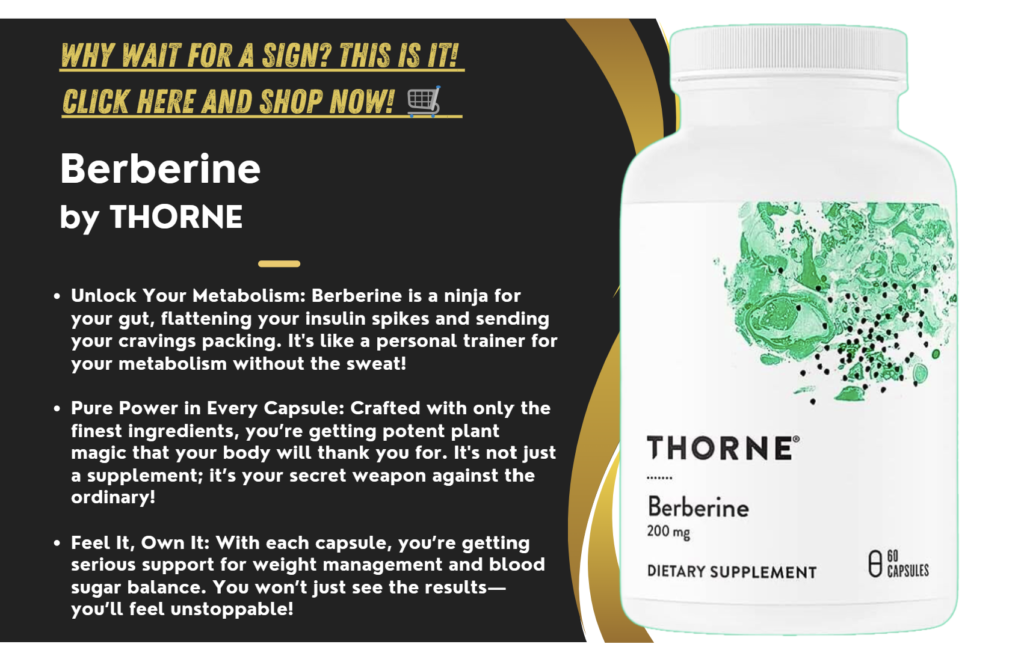
- Forms of Berberine: Capsules, powders, and liquid extracts – choose based on your preference!
- Key Ingredients:
- Berberine HCL: Look for the most bioavailable form for maximum benefits.
- Complementary Ingredients: Some supplements include milk thistle or alpha-lipoic acid for added support.
- Standardized Extract: Ensure the supplement contains a standardized extract of berberine.
- Potency and Dosage:
- 500mg-1500mg per day is a common dosage range.
- Bioavailability: Higher absorption rates for more effective results.
🕑 Best Times to Take Berberine
- With Meals: To maximize its glucose-lowering effects.
- Post-Workout: Helps improve insulin sensitivity after exercise.
- Morning or Evening: Spread out doses for consistent blood sugar control.
💪 Comparing Berberine Brands
| Brand | Berberine Content | Additional Ingredients | Price | Rating |
|---|---|---|---|---|
| Thorne Research | 500mg per capsule | None | $40 | 4.8/5 |
| Dr. Whitaker | 1,500mg per serving | Milk Thistle, Alpha-Lipoic Acid | $45 | 4.7/5 |
| BulkSupplements | 500mg per capsule | None | $25 | 4.6/5 |
| Solaray | 500mg per capsule | None | $30 | 4.5/5 |
🍴 Berberine Recipes
- Berberine Tea: Dissolve powdered berberine in warm water and add honey for taste.
- Berberine Smoothie: Blend with greens, avocado, and protein powder for a nutrient-packed shake.
- Berberine-Infused Salad Dressing: Mix with olive oil, lemon juice, and herbs for a heart-healthy dressing.
🧼 Storage and Safety Tips
- Store in a cool, dry place to maintain potency.
- Follow recommended dosages to avoid side effects.
- Check expiration dates to ensure product efficacy.
Dive into Q&A
🍴 Q1: What is the most notable benefit of berberine? 💪 A1: Berberine’s ability to regulate blood sugar is its standout benefit, making it highly effective for managing insulin sensitivity.
🍴 Q2: Can berberine help with weight loss? 💪 A2: Yes, berberine boosts metabolism, which can lead to fat loss over time.
🍴 Q3: What is the best time to take berberine? 💪 A3: It’s best taken with meals to maximize its glucose-regulating properties.
🍴 Q4: Is it safe to take berberine long-term? 💪 A4: Berberine is generally safe for long-term use, but it’s advisable to consult with a healthcare provider.
🍴 Q5: Can I mix berberine with other supplements? 💪 A5: Absolutely! It works well with milk thistle or alpha-lipoic acid for enhanced liver support and antioxidant benefits.
🍴 Q6: Can I use berberine while on medication? 💪 A6: You should consult with a healthcare provider, as berberine can interact with certain medications, especially those affecting blood sugar.
🍴 Q7: Does berberine have any side effects? 💪 A7: Some users report mild digestive discomfort, but this is generally manageable by lowering the dose.
🍴 Q8: How long does it take to see results from berberine? 💪 A8: Results vary, but improvements in blood sugar and metabolism can be seen within a few weeks.
🍴 Q9: Can berberine improve cholesterol levels? 💪 A9: Yes, studies show that berberine can help lower LDL cholesterol and triglycerides.
🍴 Q10: What’s a unique recipe using berberine? 💪 A10: Try mixing berberine powder into your morning smoothie with spinach, almond butter, and a hint of vanilla for a nutrient-dense boost.
Say Goodbye to Excess Sugar with Berberine!
Let’s face it: sugar is the sneaky villain lurking in our pantries! It slinks into our snacks, hides in our sauces, and before you know it, you’ve consumed more sugar than a child at a candy store. It’s a slippery slope, folks! Excess sugar isn’t just about a few extra pounds; it’s a one-way ticket to fatigue, mood swings, and that delightful rollercoaster ride of energy crashes. Enter Berberine! This powerhouse is like the superhero cape every health warrior needs. It swoops in, tackling blood sugar levels with the finesse of a seasoned pro. No more buffet-style bingeing on sweet delights. With Berberine in your corner, you can kick sugar to the curb, reclaim your health, and strut through life like you own the place! Let’s make sugar a thing of the past and embrace a brighter, healthier future!
🍃 What is Berberine? Berberine is a natural compound found in plants like barberry, goldenseal, and Oregon grape. It has been used for centuries in traditional medicine for its anti-inflammatory and antioxidant properties. Today, it’s gaining popularity for its ability to help manage blood sugar levels and support weight loss.
🍬 Does Berberine Reduce Sugar Intake? Yes! Berberine works by influencing the body’s metabolic pathways. Here’s how it helps reduce blood sugar:
- Regulates Insulin: Berberine activates enzymes that regulate **insulin sensitivity**, allowing your body to use sugar more effectively.
- Lowers Glucose Production: It helps reduce the liver’s production of **glucose**, meaning less sugar in your bloodstream.
- Improves Cellular Sugar Absorption: Berberine enhances the ability of cells to absorb and use **glucose**, preventing excessive sugar build-up.
🌟 Who Should Be Cautious with Berberine? While Berberine is beneficial for many, certain groups should take precautions:
- Pregnant or Nursing Women: Berberine may not be safe during pregnancy or breastfeeding. Always consult with a healthcare provider first.
- People on Blood Sugar Medications: Since Berberine lowers blood sugar, combining it with other **antidiabetic** medications could cause **hypoglycemia** (low blood sugar). It’s essential to monitor glucose levels carefully.
- Individuals with Low Blood Pressure: Berberine can lower blood pressure, so it may not be suitable for people who already have low blood pressure.
🥄 How Berberine Works and Its Safety Understanding the mechanisms of Berberine helps in deciding if it’s right for you:
- AMPK Activation: Berberine activates **AMPK**, an enzyme that plays a key role in energy metabolism, promoting **glucose** absorption and improving **insulin** sensitivity.
- Gut Health Improvement: Berberine also supports healthy gut bacteria, which in turn can improve **metabolism** and regulate blood sugar.
- Anti-Inflammatory Effects: By reducing inflammation, Berberine helps prevent insulin resistance and protects against **type 2 diabetes**.
💡 What to Look for in a Berberine Supplement When selecting a Berberine supplement, consider the following:
- Dosage: Most effective doses range from **500 mg to 1,500 mg** per day, often taken in divided doses.
- Combination Formulas: Some Berberine supplements are combined with other beneficial ingredients like **milk thistle** for liver support or **cinnamon** for added glucose control.
- Reputable Brands: Opt for trusted brands that provide **third-party testing** to ensure potency and purity.
🍽 How to Take Berberine for Optimal Results Here are a few easy ways to incorporate Berberine into your routine:
- Berberine Capsules: The most common and convenient form. Take with meals to enhance **glucose control** post-eating.
- Berberine Tea: Some people prefer Berberine in tea form. It’s a great way to start the day while supporting your metabolism.
- Berberine and Probiotics: Combine Berberine with probiotics to maximize its benefits for **gut health** and **blood sugar regulation**.
🧼 Storage and Safety Tips for Berberine Proper storage ensures your Berberine supplement remains potent and safe:
- Cool, Dry Place: Store Berberine in a dry environment to prevent moisture damage and potency loss.
- Avoid Direct Sunlight: Keep the supplement out of direct sunlight, as UV exposure can degrade its effectiveness.
- Check Expiration Dates: Always ensure your supplement is fresh and hasn’t expired to maintain its benefits.
Q&A
Here are common questions about Berberine and blood sugar control:
🍴 Q1: How does Berberine help reduce blood sugar?
💪 A1: Berberine activates enzymes like AMPK, which help regulate glucose levels and improve insulin sensitivity.
🍴 Q2: Can I take Berberine if I’m already on diabetes medication?
💪 A2: It’s essential to consult a healthcare provider before combining Berberine with medications, as it may cause low blood sugar when used together.
🍴 Q3: How long does it take to see results with Berberine?
💪 A3: Many people notice changes in blood sugar levels after taking Berberine for 4 to 8 weeks, though results vary.
🍴 Q4: Can Berberine help with weight loss?
💪 A4: Yes, studies suggest Berberine can aid in weight loss by improving metabolism and reducing insulin resistance.
🍴 Q5: Is Berberine safe for long-term use?
💪 A5: Berberine is generally safe, but long-term use should be monitored by a healthcare professional to prevent any potential side effects.
🍴 Q6: What’s the best time to take Berberine?
💪 A6: Taking Berberine with meals helps control post-meal blood sugar spikes more effectively.
🍴 Q7: Can I use Berberine to manage cholesterol levels?
💪 A7: Yes! Berberine has been shown to lower LDL cholesterol and triglycerides, improving heart health.
🍴 Q8: Can Berberine replace my diabetes medication?
💪 A8: While Berberine is effective, it’s not a replacement for prescribed medications. Always consult a doctor before making any changes.
🍴 Q9: Does Berberine have any side effects?
💪 A9: Some people may experience digestive discomfort or constipation, but these effects are usually mild.
🍴 Q10: What’s a natural way to enhance Berberine’s effects?
💪 A10: Pairing Berberine with lifestyle changes like a low-carb diet and regular exercise can further improve blood sugar control.
Elevate Your Herbal Knowledge—Start with Berberine
Let’s get one thing straight—Berberine isn’t just some fancy name that sounds like a posh restaurant dish. Nope! It’s the botanical rock star of the herbal world, and it’s here to save your day (and maybe even your gut!). Picture this: a compound that slams down high blood sugar levels, tackles pesky cholesterol, and tackles inflammation like a champ! So, why haven’t you heard of it? Because, my friend, the wellness world loves to play hide-and-seek with this golden nugget. Don’t fret! It’s time to put your herbal knowledge into overdrive. Grab your magnifying glass because we’re about to embark on a wild ride through the jungle of benefits this powerhouse herb has to offer.
🏋️♂️ Benefits of Berberine
- Blood Sugar Control: Helps regulate insulin sensitivity and glucose levels.
- Weight Management: Supports fat metabolism and helps in reducing body fat.
- Heart Health: Lowers cholesterol and improves cardiovascular function.
🌟 Choosing the Right Berberine Supplement
- Forms of Berberine: Capsules, powders, and tablets – choose what fits your lifestyle!
- Key Ingredients:
- Berberine HCL: The most bioavailable and potent form.
- Synergistic Ingredients: Look for supplements with added milk thistle or alpha-lipoic acid.
- High Dosage: 500mg to 1500mg per day is the common range for effectiveness.
- Absorption and Effectiveness:
- Capsule Form: Convenient for daily dosing.
- Powder Form: Easily mixed into drinks or smoothies.
🕑 Best Times to Take Berberine
- With Meals: Helps with blood sugar control and absorption.
- Before Exercise: May boost fat metabolism and energy levels.
- Morning or Evening: Split doses for balanced effects throughout the day.
💪 Comparing Berberine Brands
| Brand | Dosage per Serving | Form | Price | Rating |
|---|---|---|---|---|
| Thorne Research | 500mg | Capsules | $40 | 4.8/5 |
| Doctor’s Best | 600mg | Tablets | $35 | 4.7/5 |
| Pure Encapsulations | 500mg | Capsules | $45 | 4.6/5 |
| BulkSupplements | 1g | Powder | $25 | 4.5/5 |
🍴 Berberine Recipes
- Herbal Tea: Mix berberine powder with green tea and lemon for a refreshing drink.
- Energy Smoothie: Add berberine powder to a smoothie with spinach, berries, and almond milk.
- Protein Shake: Blend berberine with protein powder, oats, and a banana for a post-workout boost.
🧼 Storage and Safety Tips
- Store in a cool, dry place away from moisture.
- Check expiration dates for freshness and potency.
- Consult a healthcare provider before use, especially if on medication.
Dive into Q&A
🍴 Q1: What is Berberine’s primary benefit for health? 💪 A1: Berberine is best known for helping to regulate blood sugar and improve metabolic health.
🍴 Q2: How much Berberine should I take daily? 💪 A2: Standard dosage ranges between 500mg and 1500mg per day, split into two or three doses.
🍴 Q3: Can Berberine be combined with other supplements? 💪 A3: Yes, it works well with alpha-lipoic acid, milk thistle, and other blood sugar-regulating compounds.
🍴 Q4: Is Berberine safe for long-term use? 💪 A4: Generally safe, but it’s best to take periodic breaks and consult with a healthcare provider for long-term usage.
🍴 Q5: What’s a unique way to use Berberine powder? 💪 A5: Mix it into herbal teas or smoothies for an easy and effective way to incorporate it into your diet.
🍴 Q6: Does Berberine help with weight loss? 💪 A6: Yes, it supports fat metabolism and can help reduce body fat over time.
🍴 Q7: How do I store my Berberine supplements? 💪 A7: Store them in a cool, dry place, tightly sealed to preserve their potency.
🍴 Q8: Can I take Berberine with food? 💪 A8: Yes, taking it with meals can help improve absorption and support blood sugar management.
🍴 Q9: Are there any side effects of Berberine? 💪 A9: Mild digestive issues may occur in some individuals. Start with a lower dose to assess tolerance.
🍴 Q10: What’s the best way to incorporate Berberine into a balanced diet? 💪 A10: Take it as a supplement alongside a diet rich in whole foods, lean proteins, and vegetables for optimal health benefits.