
Author Archive
Maximize Your Strength Training with Dynamic Lunges
Why Dynamic Lunges? It’s simple! They take your workout from zero to hero. You’re not just moving muscles; you’re setting them on fire with controlled intensity. From quads to glutes, dynamic lunges power up your lower body like a turbo engine. Feel that burn? That’s your body thanking you. Each lunge is a symphony of strength, balance, and coordination. And guess what? They’re not just for gym-bound warriors. You can unleash them anywhere. In the park, in your living room, even in your office during those sneak breaks. Get ready to lunge your way to peak performance!
🏋️♂️ Benefits of Dynamic Lunges
- Lower Body Strength: Targets quads, hamstrings, and glutes for muscle development.
- Balance and Stability: Improves coordination and core strength.
- Functional Movement: Enhances agility and mimics everyday activities.
🌟 Choosing the Right Lunge Variations
- Types of Lunges: Forward, Reverse, and Lateral lunges – each targets muscles from different angles.
- Key Techniques:
- Proper Alignment: Ensure knee stays behind toes for injury prevention.
- Depth: Lower your back knee close to the ground for full range of motion.
- Control: Focus on slow, controlled movements to engage muscles fully.
- Adding Intensity:
- Weights: Hold dumbbells or a barbell for extra resistance.
- Plyometrics: Incorporate jump lunges for explosive power.
🕑 Best Times to Perform Dynamic Lunges
- Warm-Up: Do bodyweight lunges to activate leg muscles before your workout.
- Strength Training: Add lunges to your leg day for muscle-building benefits.
- Cool Down: Use lunges with a stretch to increase flexibility post-workout.
💪 Comparing Lunge Variations
| Type | Primary Muscles Worked | Difficulty Level | Equipment | Rating |
|---|---|---|---|---|
| Forward Lunges | Quads, Glutes | Moderate | Bodyweight or Dumbbells | 4.8/5 |
| Reverse Lunges | Hamstrings, Glutes | Beginner | Bodyweight or Barbell | 4.7/5 |
| Lateral Lunges | Inner Thighs, Glutes | Intermediate | Bodyweight or Resistance Bands | 4.6/5 |
| Jump Lunges | Quads, Calves | Advanced | Bodyweight | 4.5/5 |
🍴 Dynamic Lunge Workouts
- Weighted Lunges: Add dumbbells to increase resistance.
- Walking Lunges: Perform continuous lunges across the floor to increase intensity.
- Alternating Jump Lunges: Boost cardio and explosive power.
🧼 Safety and Form Tips
- Keep your back straight to prevent injury.
- Ensure your front knee does not extend past your toes.
- Perform on a soft surface if jumping, to reduce impact on joints.
Dive into Q&A
🍴 Q1: What are the biggest benefits of lunges? 💪 A1: They build lower body strength, improve balance, and increase flexibility.
🍴 Q2: How can I modify lunges for more intensity? 💪 A2: Add weights or perform plyometric jump lunges to ramp up the challenge.
🍴 Q3: Can I use lunges to target specific muscle groups? 💪 A3: Yes! Forward lunges target quads, while reverse lunges focus more on hamstrings.
🍴 Q4: Are lunges safe for beginners? 💪 A4: Yes, start with bodyweight lunges and focus on form before progressing to more advanced variations.
🍴 Q5: What’s a creative lunge variation to try? 💪 A5: Try a curtsy lunge to engage your glutes and inner thighs while adding a twist to the classic movement.
🍴 Q6: How often should I incorporate lunges into my routine? 💪 A6: Aim for 2-3 times a week, integrating them into leg or full-body workouts.
🍴 Q7: Can lunges help improve my running performance? 💪 A7: Yes, they strengthen the muscles needed for powerful strides and improve balance.
🍴 Q8: What’s the key to mastering proper lunge form? 💪 A8: Keep your upper body straight, engage your core, and step far enough so that both knees form 90-degree angles.
🍴 Q9: Are lunges better with or without weights? 💪 A9: Both are effective – bodyweight lunges are great for beginners, while adding weights increases strength and intensity.
🍴 Q10: What are the common mistakes to avoid when doing lunges? 💪 A10: Avoid letting your front knee go past your toes, and don’t lean forward – keep your chest up and shoulders back.
Low Bar Squats vs. High Bar Squats: Which is Right for You?
Choosing between low bar and high bar squats can feel like picking sides in a heated wrestling match. Each comes with its unique set of advantages, aligning with different fitness goals and physical capabilities. Low bar squats typically engage more of the posterior chain—meaning your glutes and hamstrings take center stage—making them ideal for powerlifters aiming for maximum strength gain. In contrast, high bar squats are often favored by weightlifters and sports athletes because they emphasize your quadriceps and promote an upright torso. This is crucial for achieving explosive movements and functional fitness. To decide which squat variation is your perfect match, consider your personal objectives and any physical limitations. An informed choice will optimize your training and yield the best results for you.
💪 Low bar squats and high bar squats are two variations of the traditional squat exercise. Both target the quadriceps, hamstrings, and glutes, but they differ in bar placement and muscle engagement. Choosing the right squat for your fitness goals can help maximize strength, stability, and muscle growth.
🦾 Low Bar Squats
In a low bar squat, the barbell rests on your rear deltoids, just below the shoulder blades. This variation engages more of the posterior chain (glutes, hamstrings, lower back) and allows lifters to typically squat more weight.
Key Points:
- Bar Placement: Bar sits lower on the back, engaging more of the posterior chain.
- Torso Angle: You lean forward more compared to high bar squats.
- Weight Load: You can generally lift more weight due to better leverage.
- Range of Motion: Requires more hip mobility and less knee movement.
🔑 Common Mistakes in Low Bar Squats:
- Bar Too Low: Placing the bar too far down the back reduces control and risks injury.
- Losing Balance: Leaning too far forward can cause loss of balance and strain on the lower back.
- Knee Positioning: Letting the knees cave in reduces stability and increases injury risk.
🌟 High Bar Squats
In a high bar squat, the barbell sits on the upper traps, closer to the neck. This variation focuses more on the quadriceps and allows for a more upright torso, which can reduce stress on the lower back.
Key Points:
- Bar Placement: Bar rests higher, engaging more quadriceps and keeping the torso more upright.
- Torso Angle: More upright posture helps maintain balance and control.
- Weight Load: Typically involves less weight than low bar squats.
- Range of Motion: Requires more knee flexion and ankle mobility.
🔑 Common Mistakes in High Bar Squats:
- Bar Too High: Placing the bar on the neck can cause discomfort and limit mobility.
- Heels Coming Off the Ground: Lack of ankle mobility may lead to poor squat form.
- Forward Leaning: Leaning forward too much reduces quad activation and increases back strain.
🌟 Who Should Do Low Bar Squats?
Low bar squats are suitable for:
- Powerlifters: Low bar squats allow for greater load capacity, making them ideal for competitive strength training.
- Individuals with Good Hip Mobility: The hip-dominant movement is easier for those with flexible hips and a strong posterior chain.
- People Focusing on Glute and Hamstring Development: Low bar squats engage these muscles more than the high bar variation.
🌟 Who Should Do High Bar Squats?
High bar squats are ideal for:
- Olympic Lifters: This squat variation is used in Olympic lifting as it translates better to movements like the clean and jerk.
- Those Focusing on Quad Development: The upright posture places more emphasis on the quadriceps.
- Individuals with Knee or Back Issues: High bar squats put less strain on the lower back and may feel more comfortable on the knees.
💪 Comparison of Low Bar vs. High Bar Squats
| Attribute | Low Bar Squats | High Bar Squats |
|---|---|---|
| Bar Placement | On rear deltoids, lower on the back | On upper traps, closer to the neck |
| Torso Angle | More forward lean | More upright |
| Primary Muscles Worked | Glutes, hamstrings, lower back | Quadriceps, glutes |
| Weight Load | Heavier weights due to leverage | Typically lighter |
| Range of Motion | More hip-dominant movement | More knee flexion, deeper squat |
| Best For | Powerlifting, glute/hamstring development | Olympic lifting, quad development |
| Mobility Requirements | Requires good hip mobility | Requires good ankle and knee mobility |
💡 What to Look for When Choosing Between Low and High Bar Squats
When deciding which squat variation is best for you, consider:
- Training Goals: Choose low bar for maximal strength and high bar for Olympic lifts or leg development.
- Mobility: If you have limited ankle or knee mobility, low bar might feel easier. High bar squats require more flexibility in these joints.
- Back Health: If you’re prone to lower back pain, high bar squats may be less taxing due to the upright position.
🍴 Incorporating Squat Variations into Your Routine
Here’s how to use both types of squats effectively:
- Strength Focus: Use low bar squats for powerlifting and heavier lifting days.
- Muscle Hypertrophy: High bar squats are excellent for leg-focused hypertrophy and developing quadriceps.
- Training Frequency: Alternate between low and high bar squats to work different muscle groups and avoid overtraining specific areas.
🧼 Proper Care of Equipment for Squats
Take care of your barbells and squat rack to ensure safe and effective training:
- Clean After Use: Wipe down bars and racks to prevent wear and tear.
- Check Safety Equipment: Ensure that safety bars, racks, and plates are in good condition before each use.
- Store Properly: Store bars and weights in a dry, secure area to prevent rusting or damage.
Q&A
🍴 Q1: Which squat variation allows you to lift more weight?
💪 A1: Low bar squats typically allow for heavier loads due to the mechanics and muscle engagement.
🍴 Q2: Can beginners do both low bar and high bar squats?
💪 A2: Yes! Beginners can start with either variation, but high bar squats are often easier to learn due to the more upright posture.
🍴 Q3: Which squat variation is better for developing quads?
💪 A3: High bar squats place more emphasis on the quadriceps, making them better for quad development.
🍴 Q4: Should powerlifters focus on low bar squats?
💪 A4: Yes, powerlifters typically use low bar squats because they allow for greater leverage and heavier weights.
🍴 Q5: Do high bar squats require more mobility?
💪 A5: High bar squats require more ankle and knee mobility due to the deeper squat position.
🍴 Q6: Can I do both low and high bar squats in the same workout?
💪 A6: You can, but it’s more common to alternate between them on different days to focus on specific muscle groups.
🍴 Q7: Which squat is easier on the lower back?
💪 A7: High bar squats tend to be easier on the lower back because of the more upright torso position.
🍴 Q8: Can low bar squats help with hip mobility?
💪 A8: Yes! Low bar squats require good hip mobility, and practicing them can help improve this over time.
🍴 Q9: Which squat variation translates better to Olympic lifting?
💪 A9: High bar squats are more aligned with the movements in Olympic lifting, such as the snatch and clean and jerk.
🍴 Q10: What’s the best squat variation for overall leg development?
💪 A10: Both variations can build strong legs, but high bar squats emphasize the quads, while low bar squats hit the posterior chain more.
Transform Your Triceps with Proper Tricep Extensions
Alright, muscle maestros, listen up! We’re diving headfirst into the world of tricep extensions—the secret weapon in your muscle-building arsenal. You’ve been the victim of limp noodle arms for too long! But today, we’re throwing down the gauntlet. That’s right, no more flabby disasters, only sculpted, jaw-dropping, Herculean arms. We’ll unravel the mystical technique of proper form and the art of squeezing every pound of power. So buckle up and get ready to transform those wimpy appendages into legendary weapons of mass construction! You won’t want to miss this if you’re serious about waving goodbye to those bat wings forever!
💪 Tricep extensions target the triceps, the muscle on the back of your upper arm. This exercise is key for developing arm strength and definition, and it enhances pushing movements like pressing and throwing. Tricep extensions are ideal for fitness enthusiasts looking to build their upper arms.
🦾 How to Perform Tricep Extensions?
Follow these steps for a proper tricep extension:
- Choose the Right Equipment: Dumbbells, a cable machine, or a resistance band can all be used.
- Body Positioning: Stand tall or lie down on a bench, keeping your core tight and back straight.
- Grip the Weight: Hold the weight above your head with your elbows pointing forward.
- Lower and Extend: Slowly lower the weight behind your head, then extend your arms to lift the weight back to the starting position. Maintain control throughout.
🔑 Common Mistakes to Avoid:
- Elbows Flaring Out: Keep your elbows close to your head to ensure proper muscle activation.
- Using Too Much Weight: Heavy weights can compromise form. Start light and increase gradually.
- Rushing the Motion: Move slowly to maintain tension on your triceps.
🌟 Who Should Do Tricep Extensions?
Tricep extensions are suitable for a wide range of individuals:
- Athletes: Tricep strength is crucial for performance in sports like basketball, swimming, and boxing.
- Bodybuilders: This exercise isolates the triceps, making it ideal for hypertrophy (muscle growth).
- Fitness Enthusiasts: Anyone looking to tone and strengthen their arms can benefit from tricep extensions.
💪 Types of Tricep Extensions and Their Benefits
Here are the most common types of tricep extensions and what they offer:
- Overhead Dumbbell Extension: Ideal for isolating the triceps and improving muscle endurance.
- Cable Tricep Extension: Offers continuous tension on the triceps, perfect for maximizing strength gains.
- Skull Crushers (Lying Tricep Extensions): Targets all three heads of the triceps, promoting balanced arm development.
🚨 Safety Tips for Tricep Extensions
To avoid injury and maximize results, keep these tips in mind:
- Warm-Up First: Always warm up your arms and shoulders to prevent strains.
- Use Proper Form: Keep your back straight, engage your core, and avoid swinging the weights.
- Start with Light Weights: Begin with a lighter weight to perfect your form before increasing the load.
💡 What to Look for in Tricep Extension Exercises
When adding tricep extensions to your routine, focus on:
- Control: Move slowly to engage the triceps fully.
- Form: Keep your elbows steady and close to your body.
- Range of Motion: Extend your arms fully to maximize muscle activation.
🍴 Incorporating Tricep Extensions into Your Workout Routine
Here’s how to effectively integrate tricep extensions into your training:
- Superset with Push Exercises: Pair tricep extensions with push-ups or bench presses for balanced arm development.
- Reps and Sets: Aim for 3–4 sets of 10–12 reps for muscle growth.
- Frequency: Include tricep extensions in your workout 2–3 times per week for optimal results.
🧼 Proper Care of Equipment for Tricep Extensions
Take care of your weights and equipment to keep your workouts safe and effective:
- Clean After Use: Wipe down dumbbells, cables, or bands to prevent wear and tear.
- Store Properly: Store weights in a dry, organized space to prevent damage.
- Inspect Equipment: Regularly check cables and resistance bands for signs of wear or fraying.
Q&A
Here are common questions about tricep extensions:
🍴 Q1: Are tricep extensions good for building muscle?
💪 A1: Yes! Tricep extensions are excellent for isolating the triceps, helping with muscle growth and definition.
🍴 Q2: Can beginners do tricep extensions?
💪 A2: Absolutely. Start with light weights and focus on form. Gradually increase the weight as you build strength.
🍴 Q3: What muscles do tricep extensions work?
💪 A3: Tricep extensions primarily target the triceps brachii, but they also engage the shoulders and core for stabilization.
🍴 Q4: How often should I do tricep extensions?
💪 A4: Aim for 2–3 times per week, with at least one rest day in between sessions to allow for muscle recovery.
🍴 Q5: Can tricep extensions hurt my elbows?
💪 A5: If performed with poor form or too much weight, tricep extensions can strain your elbows. Focus on keeping your elbows steady and use a manageable weight.
🍴 Q6: Should I do tricep extensions with a barbell or dumbbells?
💪 A6: Both are effective. Dumbbells allow for greater range of motion, while a barbell provides stability. Try both to see which works best for you.
🍴 Q7: Can tricep extensions help improve my push-ups?
💪 A7: Yes! Strengthening your triceps will enhance your pushing power, making push-ups easier and more effective.
🍴 Q8: What’s a good alternative to tricep extensions?
💪 A8: Tricep dips, close-grip bench presses, and push-ups are great alternatives that also target the triceps.
🍴 Q9: Is it better to do tricep extensions standing or sitting?
💪 A9: Both variations are effective. Standing engages your core more, while sitting focuses more on isolating the triceps.
🍴 Q10: What’s the best weight to use for tricep extensions?
💪 A10: Start with a light weight that allows you to complete 10–12 reps with proper form. Increase the weight as you gain strength.
For Sculpted Shoulders, Prioritize Powerful Shoulder Presses
Hold onto your hats and your dumbbells because we’re diving straight into the marvelous world of shoulder-press magic! Why, you ask? Because we’ve all seen those dreadful shoulders slumping like a sad sack of potatoes. Sagging, uninspired, and desperately crying out for some love—and let’s face it, a few reps of the good ol’ shoulder press! With their ability to transform humble mortals into walking Greek statues, shoulder presses are the secret sauce to chiseling those glorious deltoids into shape. So, if you want to strut around with shoulders that scream confidence and style, it’s time to pick up the weights and crank out some powerful presses. Remember, friends, this isn’t just about lifting—it’s about lifting your spirits, one rep at a time!
💪 A shoulder press is a foundational exercise that targets the deltoid muscles of the shoulders. It’s a key movement for building shoulder strength and size. Using either dumbbells, barbells, or a machine, the press engages the front, middle, and rear deltoids, providing a well-rounded shoulder workout.
🔄 Different Types of Shoulder Presses
There are several variations of shoulder presses to suit different fitness levels and equipment availability:
- Barbell Shoulder Press: Often performed in a standing position, the barbell press focuses on **power** and **strength**, engaging your **core** for stability.
- Dumbbell Shoulder Press: The dumbbell version allows for greater range of motion, targeting **muscle imbalances** in each arm individually.
- Arnold Press: A dynamic variation that involves a twisting motion, engaging the **rotator cuff** for added mobility and strength.
🏋️♂️ Benefits of Shoulder Presses
Shoulder presses offer a range of benefits that extend beyond sculpting your shoulders:
- Strength Development: The shoulder press helps build upper body strength, supporting other exercises like **bench press** and **push-ups**.
- Improved Posture: Strengthening your deltoids can improve posture by pulling your shoulders back, preventing the rounded **forward posture** often caused by desk work.
- Functional Fitness: Mimicking everyday movements like lifting or reaching overhead, shoulder presses improve **functional strength** for daily tasks.
💡 Common Mistakes and How to Avoid Them
Performing shoulder presses incorrectly can lead to injury and limit your gains. Here are some common pitfalls:
- Using Too Much Weight: Starting too heavy can compromise form. Focus on lighter weights and **control** before progressing.
- Neglecting Full Range of Motion: Incomplete reps limit muscle activation. Lower the weight to chin height and press all the way up for maximum engagement.
- Arching the Back: Keep your core tight to avoid overextending your **lower back**, which can lead to injury. Engage your **core** and maintain a neutral spine throughout the movement.
⚖️ Variations of the Shoulder Press
Switching up the type of shoulder press can target different muscles, improving overall shoulder development:
- Seated Shoulder Press: This version provides back support, reducing strain on the lower back, allowing you to lift heavier weights safely.
- Push Press: Involves a slight dip in the legs, providing momentum to lift heavier weights. This variation engages the **lower body** and increases explosive power.
- Single-Arm Dumbbell Press: Performing presses one arm at a time increases **core stabilization** as your body works to remain balanced.
🔑 Key Tips for Effective Shoulder Presses
To maximize the benefits of your shoulder presses, keep these tips in mind:
- Warm-Up First: Warming up your **rotator cuff** and shoulder muscles with light stretches or **resistance bands** reduces injury risk.
- Grip Matters: Keep a neutral or slightly wider-than-shoulder grip to ensure your **shoulder joints** remain in a safe and effective position.
- Progressive Overload: Gradually increase weight or repetitions over time to challenge your muscles and promote growth.
🍽️ Shoulder Press Workouts and Routines
Here are a few shoulder press-focused workout ideas for different fitness goals:
- Strength Focus: 4 sets of 6 reps with heavier weights. Rest for 2 minutes between sets.
- Hypertrophy Focus: 3 sets of 8–12 reps with moderate weight. Rest for 60 seconds between sets.
- Endurance Focus: 3 sets of 15–20 reps with lighter weight. Rest for 30–45 seconds between sets.
🧼 Safety and Shoulder Health Tips
To protect your shoulders and maintain healthy joints, follow these precautions:
- Proper Form First: Prioritize form over weight to avoid unnecessary stress on your shoulder joints.
- Stretch and Mobilize: Regularly stretching and mobilizing the shoulders keeps them flexible and reduces stiffness.
- Rest and Recover: Allow adequate rest between workouts to prevent overtraining and injury. Consider **ice** or **heat therapy** if you experience discomfort.
Q&A: Shoulder Presses
Here are some common questions about shoulder presses:
💪 Q1: Should I stand or sit during a shoulder press? 🏋️ A1: Both positions are effective, but standing engages your core more, while sitting provides stability and allows for heavier lifting.
💪 Q2: How often should I include shoulder presses in my workout? 🏋️ A2: 2–3 times per week is ideal for balanced shoulder development, but always consider rest days to prevent overuse.
💪 Q3: What’s the best shoulder press variation for beginners? 🏋️ A3: The seated dumbbell press is a great starting point as it provides more control and reduces strain on the lower back.
💪 Q4: Can shoulder presses help with shoulder pain? 🏋️ A4: Shoulder presses can strengthen the muscles surrounding the joint, but always consult with a physician or physical therapist if you have existing shoulder pain.
💪 Q5: How can I prevent injury while doing shoulder presses? 🏋️ A5: Focus on using the correct form, avoid excessive weight, and always warm up properly before starting your workout.
💪 Q6: Is it better to use dumbbells or a barbell for shoulder presses? 🏋️ A6: Dumbbells offer a greater range of motion and help correct muscle imbalances, while barbells allow for heavier lifting and power development.
💪 Q7: Can shoulder presses improve athletic performance? 🏋️ A7: Yes, shoulder presses build upper body strength and improve performance in sports that require pushing or overhead movements, like basketball or tennis.
💪 Q8: Do shoulder presses work more than just the shoulders? 🏋️ A8: Yes, they also engage the triceps and upper back muscles, providing a comprehensive upper body workout.
💪 Q9: What’s the difference between the Arnold Press and a regular shoulder press? 🏋️ A9: The Arnold Press incorporates a twisting motion, engaging the rotator cuff for additional mobility and shoulder health benefits.
💪 Q10: Can I do shoulder presses every day? 🏋️ A10: It’s best to avoid daily presses. Give your muscles time to recover by spacing shoulder workouts 48–72 hours apart.
Impactful Bicep Curls for Arm Fortification
Let’s face it, folks! You want serious biceps? Not those limp noodles masquerading as muscles? Then buckle up, buttercup! We’ve cracked the code on bicep curls that transform those spaghetti arms into fortresses of strength. Forget the fluff, ditch the dainty dumbbells, and prepare for real results. We’ve got the secrets to making every curl count, turning your guns into monuments of might that’d make Hercules himself blush. No ‘bro-science’ here, just hardcore, iron-pumping wisdom to ignite those biceps like the Fourth of July! Ready to forge muscles worthy of a legend? Then read on, and let’s bulk up those bean poles, one curl at a time!
💪 Bicep curls are a fundamental strength training exercise targeting the biceps brachii, the large muscles at the front of the upper arm. They’re perfect for building arm strength and muscle definition. Bicep curls can be performed using dumbbells, barbells, or resistance bands.
🏋️ Types of Bicep Curls and Their Effectiveness
Different variations of bicep curls target the muscles in unique ways. Let’s break down some impactful types:
- Dumbbell Bicep Curl: The most common version, performed with dumbbells. This isolates each arm, ensuring balanced strength development.
- Barbell Bicep Curl: Using a barbell allows for heavier weights, promoting maximum muscle growth. Ensure proper form to avoid injury.
- Hammer Curl: With a neutral grip, this curl works the **brachialis**, a deeper muscle under the biceps, adding overall arm thickness.
- Concentration Curl: Performed seated, it isolates one arm at a time, focusing on the peak contraction for muscle definition.
- Preacher Curl: Done on a preacher bench, this curl emphasizes the lower part of the biceps, reducing momentum and increasing tension.
⚖️ Who Should Include Bicep Curls in Their Routine?
Bicep curls are suitable for various fitness goals, but certain groups may benefit more:
- Beginners: Curls are simple yet effective, helping build a foundation of arm strength.
- Bodybuilders: Focused on muscle hypertrophy, they rely on curls to maximize arm size.
- Athletes: Curls improve pulling power and grip strength, critical for sports like rock climbing, tennis, and rowing.
- Fitness Enthusiasts: Curls enhance muscle tone and aesthetic appeal, contributing to a balanced upper body.
🔑 Form and Safety Considerations
Proper technique is crucial to prevent injury and maximize results. Here are key pointers:
- Keep Your Elbows Close: Avoid flaring your elbows; keep them tucked by your sides to fully engage the biceps.
- Controlled Movements: Lift and lower the weight slowly to ensure maximum muscle tension and avoid using momentum.
- Engage Your Core: Maintain a stable torso throughout the movement by bracing your core muscles.
- Full Range of Motion: Extend your arms fully at the bottom of the movement and curl to the top for optimal bicep engagement.
🏅 Maximizing Results with Variations
Different bicep curl variations can hit various parts of the muscle for fuller development:
- Incline Dumbbell Curl: This version stretches the biceps more, hitting the long head for a more elongated muscle look.
- Zottman Curl: Combines a regular curl on the way up and a reverse curl on the way down, targeting both biceps and forearms.
- Spider Curl: Performed face down on an incline bench, this variation isolates the biceps by eliminating body sway.
🍽️ Fueling for Bicep Growth
Nutrition plays a pivotal role in muscle development. Incorporate these key nutrients into your diet for optimal gains:
- Protein: Aim for **1.2-2.0 grams** of protein per kilogram of body weight daily. Protein-rich foods like chicken, fish, eggs, and whey protein aid muscle recovery.
- Carbohydrates: Complex carbs like sweet potatoes and brown rice provide energy for your workouts.
- Healthy Fats: Omega-3 fatty acids from sources like salmon and flaxseed reduce inflammation and support muscle repair.
🧼 Care and Recovery for Biceps
Muscle recovery is as important as the workout itself. Follow these tips to help your biceps recover:
- Rest: Allow at least **48 hours** between bicep workouts to avoid overtraining.
- Stretching: Stretch your biceps after each session to maintain flexibility and prevent tightness.
- Hydration: Drink plenty of water to help flush out toxins and reduce muscle soreness.
- Protein Intake: Consume a protein-rich meal or shake within **30 minutes** of finishing your workout to kick-start muscle recovery.
Q&A
Here are common questions about bicep curls and arm training:
💪 Q1: How often should I train biceps?
🏋️ A1: Two to three times a week is ideal for most people. Allow for rest days to promote recovery and muscle growth.
💪 Q2: Can I do bicep curls every day?
🏋️ A2: Daily training isn’t necessary and can lead to overtraining. Incorporate rest to allow your muscles to repair and grow.
💪 Q3: How much weight should I use for bicep curls?
🏋️ A3: Start with a weight that allows you to complete 8-12 reps with proper form. Increase the weight as you get stronger.
💪 Q4: Do bicep curls work other muscles?
🏋️ A4: Yes! They also engage the forearms and brachialis muscles, contributing to overall arm strength.
💪 Q5: How can I avoid using momentum during curls?
🏋️ A5: Slow down your repetitions and focus on controlled movements. Avoid swinging your torso.
💪 Q6: Should I use dumbbells or barbells for curls?
🏋️ A6: Both are effective. Dumbbells allow for greater range of motion and isolation, while barbells enable heavier loads.
💪 Q7: What’s a good alternative to bicep curls?
🏋️ A7: Chin-ups are an excellent bodyweight exercise that also targets the biceps.
💪 Q8: Is it normal to feel elbow pain during bicep curls?
🏋️ A8: No, elbow pain could indicate improper form. Check your technique, or switch to a neutral grip like the hammer curl.
💪 Q9: Can I build big arms with just bicep curls?
🏋️ A9: While curls are essential, compound movements like pull-ups and rows are also crucial for overall arm growth.
💪 Q10: What’s the best curl variation for peak muscle development?
🏋️ A10: Concentration curls are excellent for building the peak of the biceps due to the isolated nature of the exercise.
Elevate Your Routine with Powerful PowerBlock Workout Techniques
Ladies and gentlemen, gather ’round because it’s time to shatter the mundane chains of your everyday workout routine! You think you know strength training? Think again! PowerBlocks are here like a heavyweight champion ready to knock out monotony and deliver the knockout punch to your fitness plateau. Dumbbells that are versatile, efficient, and look like they’ve been crafted by the gods of gain themselves—what could be better? If you’re tired of cluttering your sacred training space with an arsenal of weights that take up more room than a narcissistic bodybuilder’s ego, then buckle up. PowerBlocks are your ticket to the dungeon, where gains are made and legends are born. Adjust, lift, and feel the fury of a workout that doesn’t ask for your time—it demands it!
Key Features
- Adjustable Weights: Like a suit with built-in shoulder pads, these dumbbells effortlessly adjust to fit your needs. Whether you’re going for the Hulk look or just want to tone up, they’ve got the range.
- Compact Design: Who needs a sprawling gym when this sleek setup fits in your closet? It’s like having an entire fitness studio in a shoebox.
- Space-Saving Solution: Wave goodbye to clutter and say hello to a setup that respects your personal space (and your partner’s sanity).
- Quick Adjustment Mechanism: Less fiddling, more lifting. Because who has time for switching weights when there are gains to be made?
Workout Routines
Full-Body Workouts
Transform your body with routines that hit every major muscle group:
- Bicep Curls: Channel your inner Popeye and watch those cans of spinach turn into boulder shoulders.
- Shoulder Presses: Feel like Atlas holding up the world, but with better form and less existential burden.
- Tricep Extensions: Sculpt those arms into the kind of definition that makes you want to flex in every reflective surface.
Lower Body Exercises
Boost your leg day with these power moves:
- Squats: The holy grail of leg day. Because no one ever skips leg day, right?
- Lunges: Feel the burn, embrace the wobble, and own the stride of a conqueror.
- Deadlifts: Fortify your foundation like you’re building a fortress—because a strong base is non-negotiable.
Core Training
Carve out a strong, stable core with:
- Russian Twists: Twist and shout, but mostly twist. Those abs won’t chisel themselves.
- Plank Rows: Combine the stability of a rock with the grace of a ninja. Core engagement 101.
- Weighted Crunches: Elevate your crunch game and watch that six-pack go from dream to reality.
Benefits
PowerBlock Dumbbells offer a multitude of advantages:
- Versatile Strength Training: They’re like a Swiss Army knife for your muscles. Adaptability at its finest.
- Muscle Building: Forge your physique with the precision of an artist, but the intensity of a warrior.
- Fat Loss: Torch calories like you’re on a mission, because you are.
- Time Efficient: Efficiency is key. Maximize your workout, minimize your time.
- Home-Friendly: Your living room just became the hottest gym in town. No membership required.
Popular Programs
Dive into popular fitness regimens utilizing PowerBlock Dumbbells:
- HIIT Workouts: Get your heart racing faster than a caffeine overdose, but way healthier.
- Strength Training: Consistency is king. Build, strengthen, repeat.
- Functional Fitness: Move like a human, perform like a beast.
- Circuit Training: Keep the pace up and the boredom down. It’s fitness multitasking at its best.
Accessories
Enhance your workout experience with:
- PowerBlock Stand: Because your dumbbells deserve a throne, not the floor.
- PowerBlock Expansion Kits: Level up your gear as you level up your strength.
- Bench Compatibility: Add variety, bring stability, and challenge your limits.
- Mat for Stability: Eliminate the slip and slide. Plant your feet and own the ground.
Training Tips
Maximize your results with these insights:
- Progressive Overload: Push your boundaries. Today’s limit should be tomorrow’s warm-up.
- Rest Periods: Recharge like a pro. Your muscles need a breather too, just like your phone.
- Proper Form and Technique: Form is everything. Nail it like a pro, not a newbie.
- Warm-up and Cool-down: They bookend your workout like the perfect intro and outro—never skip them.
Target Audience
Perfect for:
- Home Gym Enthusiasts: The kings of DIY fitness setups.
- Space-Conscious Fitness Buffs: Efficiency isn’t just a goal; it’s a lifestyle.
- All Fitness Levels: Whether you’re a rookie or a vet, these dumbbells adjust to you.
PowerBlock vs. Traditional Dumbbells
- Customizability: Like a tailor-made suit, but for your muscles.
- Durability: These bad boys are built to last, just like your gains.
- Aesthetic Appeal: Look good, feel good, lift good.
- Price Comparison: Quality over quantity. Invest in your future self without breaking the bank.
Notable Competitors
While PowerBlock Dumbbells shine, be aware of these alternatives:
- Bowflex Adjustable Dumbbells: They have their charm, but do they have your swagger?
- NordicTrack Adjustable Dumbbells: They’ve got the name, but do they have the game?
- Ironmaster Adjustable Dumbbells: Solid choice, but are they ready to match your ambition?
Incorporating PowerBlock Dumbbells into your workouts ensures a versatile, efficient, and effective fitness journey. Whether you’re sculpting muscles, shedding pounds, or enhancing endurance, these dumbbells are your ultimate fitness companion. Let’s elevate your training and transform your health journey!
Unlock Your Full Workout Potential with the Best Barbell for PowerBlock
Listen up, folks! Have you ever waltzed into your home gym ready to unleash the beast only to find your equipment screams more “meh” than “marvelous”? Well, it’s time to ditch the dud and embrace the muscle-making magic of the proper gear. The right barbell can transform your workout from flabby to fab faster than a turbo-charged cheetah! We’re talking about PowerBlock-compatible barbells that’ll have you lifting like a beast and posing like a beauty — say goodbye to mediocrity, and hello to the powerhouse you were meant to be. Strap in and get ready! Your transformation station is about to leave the bland behind.
🏋️♂️ Benefits of PowerBlock Barbell
- Versatility: Switch between different weights quickly with the adjustable system.
- Space-Saving: Compact design replaces multiple sets of barbells.
- Strength Training: Supports compound movements like squats, presses, and deadlifts.
🌟 Choosing the Right PowerBlock Barbell
- Types of PowerBlock Barbells: Standard, Elite, and Pro – each with unique adjustability options and weight capacities.
- Key Features:
- Adjustability: Easily switch between 20-90 lbs with selector pins.
- Durability: Solid steel construction ensures long-lasting use.
- Compact Design: Saves space in home gyms.
- Accessories:
- Weight Stand: For easy storage and accessibility.
- Collar Locks: Secure weights for added safety during workouts.
🕑 Best Times to Use PowerBlock Barbell
- Strength Training: Ideal for heavy lifting sessions like deadlifts and bench presses.
- Muscle Building: Use for hypertrophy-focused exercises to build muscle mass.
- Functional Fitness: Great for high-intensity interval training (HIIT) workouts.
💪 Comparing PowerBlock Barbell Brands
| Brand | Weight Range | Adjustability | Price | Rating |
|---|---|---|---|---|
| PowerBlock Elite Barbell | 20-90 lbs | Adjustable with pins | $399 | 4.8/5 |
| Bowflex SelectTech Barbell | 10-80 lbs | Dial system | $349 | 4.7/5 |
| Ironmaster Quick-Lock Barbell | 20-100 lbs | Quick-lock system | $450 | 4.6/5 |
| NordicTrack Select-A-Weight Barbell | 10-70 lbs | Selector dial | $299 | 4.5/5 |
🍴 PowerBlock Barbell Workouts
- Squats: Engage legs, core, and back for strength and stability.
- Overhead Press: Target shoulders and triceps for upper body development.
- Barbell Rows: Build a strong back and improve posture.
🧼 Storage and Safety Tips
- Store in a dedicated space with a weight stand.
- Check for wear and tear on pins and weights regularly.
- Ensure weights are securely locked before lifting to avoid injury.
Dive into Q&A
🍴 Q1: What sets the PowerBlock Barbell apart from other adjustable barbells? 💪 A1: The quick weight change system and compact design make it a versatile and space-saving solution for home gyms.
🍴 Q2: How do I adjust the weights on a PowerBlock Barbell? 💪 A2: Simply move the selector pin to the desired weight setting for quick adjustments between sets.
🍴 Q3: Is the PowerBlock Barbell suitable for beginners? 💪 A3: Yes, it’s beginner-friendly with adjustable weights and an intuitive design.
🍴 Q4: Can I use PowerBlock Barbells for both upper and lower body workouts? 💪 A4: Absolutely! They are perfect for exercises like squats, deadlifts, presses, and rows.
🍴 Q5: What’s a creative way to incorporate PowerBlock Barbells into a HIIT workout? 💪 A5: Try alternating between barbell squats and overhead presses for a full-body HIIT session.
🍴 Q6: How often should I clean and maintain my PowerBlock Barbell? 💪 A6: Clean after each use and check for wear and tear on the pins and weights regularly to ensure safety.
🍴 Q7: Are PowerBlock Barbells safe for heavy lifting? 💪 A7: Yes, they are designed for heavy lifts with secure locking mechanisms, but always ensure proper form and technique.
🍴 Q8: Can PowerBlock Barbells be used in small spaces? 💪 A8: Yes, their compact design is ideal for small home gyms or apartments.
🍴 Q9: Is the PowerBlock Barbell worth the investment? 💪 A9: For serious lifters, its versatility, durability, and space-saving design make it a valuable long-term investment.
🍴 Q10: How do I incorporate PowerBlock Barbells into a balanced workout routine? 💪 A10: Use them for compound exercises like squats and presses, along with isolation moves like curls and triceps extensions, to build overall strength.
The Ultimate Guide to Using Powdered Reishi for Health
Welcome to the wild world of health woo—where mushrooms wear capes and save the day! Reishi ain’t just another fungus roaming aimlessly in the forest; it’s the “Macho Man” of medicinal mushrooms. With a history longer than your grandma’s tales, it’s been hailed as the mystical tonic by old-time herbalists. Got insomnia? Reishi. Feeling like a stressed-out headless chicken? Reishi. It’s the cure-all elixir that your anxiety-ridden self never knew it needed. So buckle up, buttercup, and let’s dive into the mystic mushroom magic that’s about to blow your mind!
🏋️♂️ Benefits of Powdered Reishi
- Immune Support: Boosts immune system through beta-glucans.
- Stress Reduction: Helps reduce cortisol levels for stress relief.
- Improved Sleep: Supports restful sleep and relaxation.
🌟 Choosing the Right Powdered Reishi
- Types of Reishi: Red, Black, and White varieties – each offering unique benefits.
- Key Ingredients:
- Polysaccharides: Support immune function.
- Beta-Glucans: Enhance body’s defense system.
- Triterpenes: Have anti-inflammatory and antioxidant properties.
- Forms of Powdered Reishi:
- Pure Powder: Most potent and versatile form.
- Blends: Mixed with other adaptogens like ashwagandha.
- Capsules: Easy to dose for daily intake.
🕑 Best Times to Take Powdered Reishi
- Morning: Start the day with a calm mindset.
- Evening: Take before bed for better sleep quality.
- Post-Exercise: Supports recovery and reduces inflammation.
💪 Comparing Powdered Reishi Brands
| Brand | Polysaccharide Content | Form | Price | Rating |
|---|---|---|---|---|
| Real Mushrooms | 30% | Pure Powder | $35 | 4.9/5 |
| Four Sigmatic | 20% | Blends with Coffee | $28 | 4.8/5 |
| Host Defense | 25% | Capsules | $32 | 4.7/5 |
| Om Mushrooms | 15% | Powder and Capsules | $25 | 4.6/5 |
🍴 How to Use Powdered Reishi
- In Tea: Stir into hot water for a calming tea.
- In Smoothies: Blend with fruit and greens for an immune boost.
- In Baked Goods: Add to pancakes or muffins for extra nutrition.
🧼 Storage and Safety Tips
- Store in a cool, dry place to preserve potency.
- Seal tightly to prevent moisture from affecting quality.
- Follow recommended doses to avoid digestive upset.
Dive into Q&A
🍴 Q1: What’s the primary benefit of using powdered Reishi? 💪 A1: It’s the ability to support immune health while promoting relaxation and better sleep.
🍴 Q2: Can I mix Reishi powder with coffee? 💪 A2: Yes! Reishi pairs well with coffee, balancing caffeine’s effects with calming benefits.
🍴 Q3: Is powdered Reishi safe for daily use? 💪 A3: Absolutely, it’s safe for daily use, but follow recommended serving sizes to avoid any potential side effects.
🍴 Q4: Does powdered Reishi have a strong taste? 💪 A4: It has an earthy, bitter flavor. Mix it with smoothies or teas to mask the taste if needed.
🍴 Q5: What’s a unique recipe using powdered Reishi? 💪 A5: Try Reishi energy bites by mixing dates, almonds, cocoa powder, and a spoonful of Reishi powder.
🍴 Q6: Can powdered Reishi be taken on an empty stomach? 💪 A6: Yes, but if you have a sensitive stomach, it’s better to take it with food or in a smoothie.
🍴 Q7: Is powdered Reishi effective for reducing anxiety? 💪 A7: Reishi is known to help with stress reduction, making it effective for calming the mind and body.
🍴 Q8: Can children take powdered Reishi? 💪 A8: It’s generally recommended for adults. Consult a healthcare professional before giving it to children.
🍴 Q9: How do I know if the powdered Reishi is high quality? 💪 A9: Look for high polysaccharide content and certifications like organic or third-party testing.
🍴 Q10: Are there any side effects of taking powdered Reishi? 💪 A10: Reishi is generally safe, but excessive amounts may cause digestive upset or dry mouth. Stick to recommended servings.
Taste the Wellness Revolution: Paul Stamets Mushroom Supplements
Once upon a time, in a world addicted to instant noodles and endless screens, a new hero emerged. Enter Paul Stamets, the fungi maestro, effortlessly turning the tides with mycelium magic and a sprinkle of mad genius. These are not just any mushrooms; these are supercharged, wellness-boosting dynamos ready to dance their way into your daily routine. Imagine energy levels that could rival a caffeinated squirrel, brainpower that could put chess masters to shame, and an immunity that laughs in the face of winter colds. Sounds like a dream, right? Wrong. It’s your new reality, and it’s boldly brought to you by Stamets’ sensational supplements. Let’s face it, this isn’t just a supplement—it’s a wellness revolution. So, what are you waiting for? Stop pondering and start sampling the symphony of fungi-fueled vitality.
🍄 Benefits of Paul Stamets Mushroom Supplements
- Immune Support: Boosts immune function with beta-glucans and polysaccharides.
- Cognitive Enhancement: Lion’s Mane promotes brain health and improves focus.
- Energy & Vitality: Reishi and Cordyceps provide sustained energy without a crash.
🌟 Choosing the Right Mushroom Supplement
- Types of Mushrooms: Reishi, Lion’s Mane, Cordyceps, and Chaga – each offers unique health benefits.
- Key Ingredients:
- Organic Mushrooms: Sourced from sustainably grown mushrooms.
- Active Compounds: Beta-glucans, polysaccharides, and triterpenoids for maximum health benefits.
- Clean Formulations: No fillers, gluten, or artificial ingredients.
- Supplement Formats:
- Capsules: Easy to take on the go.
- Powder: Mix into smoothies, coffee, or water.
- Extracts: Concentrated for potent effects.
🕑 Best Times to Take Mushroom Supplements
- Morning: Start your day with an energy boost from Cordyceps.
- Afternoon: Lion’s Mane helps maintain focus through midday slumps.
- Evening: Reishi supports relaxation and better sleep.
💪 Comparing Paul Stamets Mushroom Supplement Products
| Product | Main Ingredient | Form | Price | Rating |
|---|---|---|---|---|
| Host Defense Lion’s Mane | Lion’s Mane | Capsules | $30 | 4.9/5 |
| Host Defense Reishi | Reishi | Powder | $25 | 4.8/5 |
| Host Defense Cordyceps | Cordyceps | Capsules | $35 | 4.7/5 |
| Host Defense MyCommunity | Blend of 17 mushrooms | Extract | $40 | 4.9/5 |
🍴 Ways to Enjoy Paul Stamets Mushroom Supplements
- Smoothies: Add a scoop of mushroom powder to your morning smoothie for a wellness boost.
- Coffee: Mix mushroom extract into your coffee for enhanced focus.
- Tea: Stir mushroom powder into herbal tea for a calming, immune-supporting drink.
🧼 Storage and Safety Tips
- Store in a cool, dry place to maintain potency.
- Follow recommended dosages for best results.
- Keep sealed tightly to prevent moisture exposure.
Dive into Q&A
🍴 Q1: What’s the main benefit of taking Paul Stamets Mushroom Supplements? 💪 A1: They provide immune support, cognitive enhancement, and sustained energy from organic, high-quality mushrooms.
🍴 Q2: How do I choose between capsules, powders, and extracts? 💪 A2: Capsules are convenient, powders mix well in drinks, and extracts offer potent benefits in smaller doses.
🍴 Q3: Are Paul Stamets Mushroom Supplements safe for daily use? 💪 A3: Yes, they are made from natural ingredients and safe for daily consumption when used as directed.
🍴 Q4: Can mushroom supplements improve brain function? 💪 A4: Yes, Lion’s Mane in particular has been shown to support brain health and improve cognitive function.
🍴 Q5: What’s a creative way to use mushroom powder? 💪 A5: Try adding it to your favorite smoothie recipe or sprinkling it on oatmeal for an extra wellness boost.
🍴 Q6: Can I take mushroom supplements with other vitamins? 💪 A6: Yes, mushroom supplements can be taken alongside other vitamins and supplements for a holistic approach to health.
🍴 Q7: Are Paul Stamets supplements vegan-friendly? 💪 A7: Yes, they are made from organic mushrooms and are suitable for vegans.
🍴 Q8: How long before I notice benefits from taking mushroom supplements? 💪 A8: You may start noticing benefits such as improved energy and focus within a few weeks of regular use.
🍴 Q9: Can I use mushroom supplements to boost my immune system? 💪 A9: Absolutely! Reishi and other mushrooms in the Host Defense line are known for their immune-supporting properties.
🍴 Q10: What’s the best way to store mushroom supplements? 💪 A10: Keep them in a cool, dry place and make sure to seal the container tightly after each use.
Buy Premium Mushroom Powders for Your Lifestyle
Are you tired of feeling like your energy’s been zapped by a caffeine-craving vampire? Battling brain fog that makes Monday meetings feel like torture? Stop. Right. There! It’s time to break up with lackluster supplements and get on a winning streak with premium mushroom powders! Packed with more power than a wrestler in the ring, these aren’t your average fungi—they’re the ultimate champions of immunity, energy, and memory. Say goodbye to your snooze-fest routine and hello to a mind so sharp it could slice bread. Underline your day with confidence, knowing a scoop of these beauties will have you feeling bolder and wittier than a talk-show host on a caffeine high!
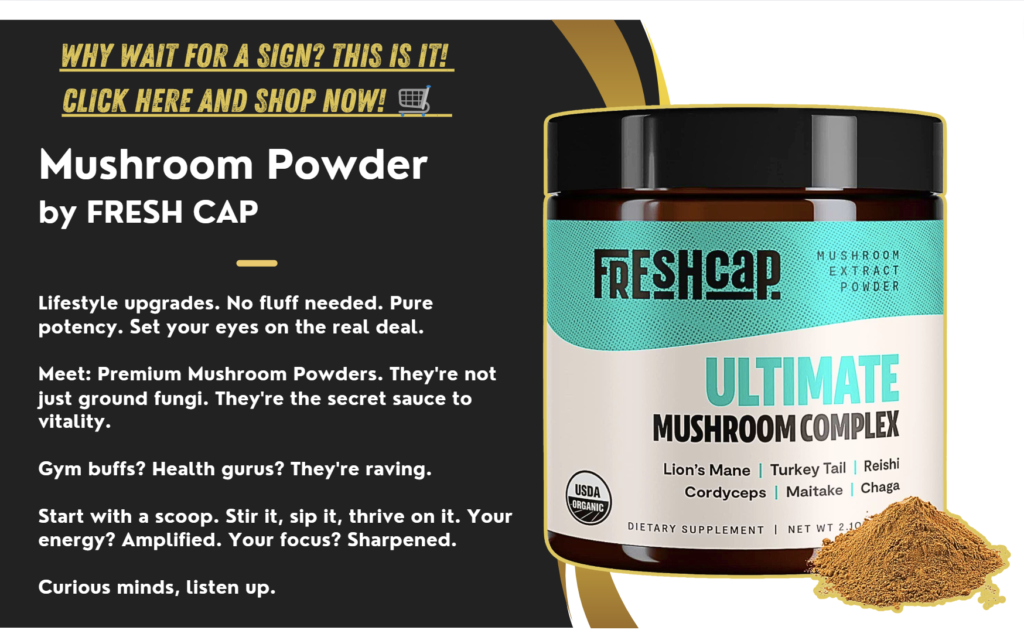 🍄 Benefits of Mushroom Powders
- Immune Support: Rich in beta-glucans to strengthen immunity.
- Brain Function: Enhances focus and cognitive performance.
- Energy Boost: Natural adaptogens to reduce fatigue and increase stamina.
🌟 Choosing the Right Mushroom Powders
- Types of Mushrooms: Lion’s Mane, Reishi, Chaga, Cordyceps – each offering unique health benefits.
- Key Features:
- Organic: Look for certified organic powders free of pesticides.
- Dual-Extracted: Ensures maximum bioavailability of active compounds.
- No Fillers: Opt for powders with pure mushroom content.
- Flavors and Use Cases:
- Unflavored: Perfect for blending into smoothies or coffee.
- Chocolate: A delicious option for healthy lattes.
- Vanilla: Great for protein shakes and baking recipes.
🕑 Best Times to Take Mushroom Powders
- Morning: Start your day with a mental and physical energy boost.
- Midday: Recharge your body during the afternoon slump.
- Before Bed: Use calming varieties like Reishi for a restful sleep.
💪 Comparing Mushroom Powder Brands
| Brand | Mushroom Type | Form | Price | Rating |
|---|---|---|---|---|
| Four Sigmatic | Lion’s Mane | Powder | $38 | 4.9/5 |
| Real Mushrooms | Reishi | Capsules | $28 | 4.8/5 |
| Host Defense | Chaga | Powder | $35 | 4.7/5 |
| Om Mushrooms | Cordyceps | Powder | $32 | 4.6/5 |
🍴 Creative Ways to Use Mushroom Powders
- Coffee: Stir a spoonful of Lion’s Mane into your morning brew.
- Smoothies: Add Cordyceps powder for an energy-packed smoothie.
- Baked Goods: Use Reishi powder in cookies or muffins for added health benefits.
🧼 Storage and Safety Tips
- Store in a cool, dry place.
- Keep containers sealed to prevent moisture exposure.
- Check expiration dates for freshness.
Dive into Q&A
🍄 Q1: What’s the biggest benefit of mushroom powders? 💪 A1: They offer a wide range of health benefits, from immune support to cognitive enhancement, depending on the type of mushroom.
🍄 Q2: How do I incorporate mushroom powders into my daily routine? 💪 A2: Mix them into your coffee, smoothies, or oatmeal for a simple yet effective boost.
🍄 Q3: Are mushroom powders safe for daily use? 💪 A3: Yes, when used in recommended amounts, mushroom powders are safe and beneficial for regular consumption.
🍄 Q4: What’s a unique recipe idea using mushroom powders? 💪 A4: Try adding Reishi powder to hot chocolate for a relaxing, health-boosting treat.
🍄 Q5: Can I take multiple types of mushroom powders together? 💪 A5: Absolutely! Many people combine different types to maximize the health benefits.
🍄 Q6: How long does it take to notice the effects of mushroom powders? 💪 A6: It varies, but consistent use for 1-2 weeks can result in noticeable improvements in energy and focus.
🍄 Q7: Are mushroom powders suitable for vegans? 💪 A7: Yes, most mushroom powders are plant-based and suitable for vegan diets.
🍄 Q8: Do mushroom powders have any side effects? 💪 A8: While generally safe, excessive use may cause digestive discomfort. Stick to recommended dosages.
🍄 Q9: Can mushroom powders replace caffeine? 💪 A9: Certain mushrooms like Cordyceps can boost energy naturally, making them a great alternative to caffeine.
🍄 Q10: How do I choose the best mushroom powder for my needs? 💪 A10: Identify your goals—Lion’s Mane for focus, Reishi for relaxation, or Cordyceps for energy—and select accordingly.