
Author Archive
Maximizing Muscle Growth: Personalized Approaches Based on Genetics
Ladies and gents, pull up a chair and hold onto your hats—’cause we’re diving into the realm where science meets sweat and swagger. You ever hit the gym, grind like a legend, and still can’t bench press more than your grandma? Welcome to the wild world of genetics! Here, Mother Nature hands out muscle-building potential like Oprah giving away cars, and guess what—it’s all coded in your DNA. Let’s face it, not all of us can have the guns of Hercules with just three reps and a protein shake. But fear not! Today, we’re cracking the genetic code to unlock your muscle mastery. We’re talking muscle fiber types, recovery speeds, and natural growth potential. If you want to rise beyond your genetic destiny, you’ve come to the right place. Get ready to flex smarter, not just harder!
How Genetics Shape Your Muscle-Building Potential
Let’s cut to the chase—your genetic makeup plays a huge role in determining how easily you can build muscle. It’s not just about how often you train or how much you eat. The blueprint for your gains is written in your DNA, influencing everything from muscle fiber composition to how quickly you recover from a killer workout.
Key Genetic Factors in Muscle Building:
- Muscle Fiber Types: Your body contains two primary types of muscle fibers—Type I (slow-twitch) and Type II (fast-twitch). Fast-twitch fibers are the key players in muscle hypertrophy (growth), while slow-twitch fibers are more suited for endurance.
- Recovery Time: Some people recover faster between workouts due to their genetic predisposition for muscle repair. This affects how often you can train without overtraining.
- Hormonal Response: Genetics influence how your body releases hormones like testosterone and growth hormone, which play critical roles in muscle development.
- Protein Synthesis Rates: Not everyone’s body is equally efficient at turning protein into muscle. Your DNA can determine how well your body synthesizes protein post-workout.
Muscle Fiber Types: Fast-Twitch vs. Slow-Twitch
Ever wonder why some people are natural sprinters while others dominate endurance sports? That’s where muscle fiber composition comes into play. The ratio of fast-twitch to slow-twitch fibers you’re born with directly affects your athletic ability and muscle-building potential.
Fast-Twitch Fibers (Type II):
- Explosive strength and power-based movements.
- Greater potential for muscle growth.
- Common in athletes who excel at sprinting or weightlifting.
Slow-Twitch Fibers (Type I):
- Best for endurance activities.
- Resistant to fatigue but limited hypertrophy.
- Ideal for long-distance runners or cyclists.
If you’re more fast-twitch dominant, congratulations—you’ve got a head start in the muscle-building game. But if you’re slow-twitch dominant, don’t despair. You can still pack on muscle, but your strategy needs to adjust to fit your physiology.
Recovery Times: Built-In Breaks or Non-Stop Gains?
Ever notice how some people can train five days in a row and still have energy, while others need a day off after leg day? Your genetics play a role in how fast your muscles recover from stress.
Short Recovery Time:
- Genetic gift for fast recovery? Lucky you! You can hit the gym more often, increase training volume, and still recover quickly.
- Training tip: Opt for high-frequency programs that train the same muscle groups multiple times a week.
Longer Recovery Time:
- If you need more time to bounce back, that’s a sign your muscle repair mechanisms work at a slower pace. Pushing too hard can lead to overtraining and injuries.
- Training tip: Stick to a lower frequency split like hitting each muscle group once a week but focus on maximizing intensity during those sessions.
Natural Hormonal Response: Testosterone and Growth Hormone
Testosterone and growth hormone are your body’s natural anabolic powerhouses. Higher baseline levels of these hormones mean you’re primed for muscle growth, while lower levels can make gains harder to come by.
- High Hormonal Response: You’re likely to build muscle faster, recover more easily, and see strength improvements with less effort.
- Nutrition tip: Optimize with a high-protein diet and creatine supplementation to fuel muscle synthesis.
- Low Hormonal Response: It’s tougher to put on size, and you’ll need to train smarter to maximize gains.
- Lifestyle tip: Incorporate strategies like sleep optimization and stress management to naturally boost hormone levels.
How to Tailor Your Training and Nutrition to Your Genetics
Understanding your genetic predispositions doesn’t mean you’re locked into a specific path. Instead, it allows you to craft a personalized approach to training and nutrition that works with, not against, your body’s natural tendencies.
Training Tips Based on Genetic Traits:
- Fast-Twitch Dominant: Focus on explosive, power-based movements like deadlifts, squats, and bench presses. Train in the 3-6 rep range with heavier weights.
- Slow-Twitch Dominant: Increase time under tension with higher-rep ranges (12-15 reps) and longer rest periods. Incorporate endurance-based strength work like supersets or circuit training.
- Fast Recovery: Opt for higher training frequency. Try a full-body workout routine 3-4 times a week or a push-pull-legs split.
- Slower Recovery: Use a 4-day split with more rest between muscle groups. Focus on quality over quantity, ensuring each workout is intense but leaves room for recovery.
Nutrition Tips for Maximizing Muscle Growth:
- Protein Intake: Aim for 1.6-2.2 grams of protein per kilogram of body weight per day, adjusting based on your recovery rate and muscle fiber type.
- Carb Timing: Fast-twitch athletes benefit from pre- and post-workout carbs to fuel explosive movements, while slow-twitch athletes should prioritize steady carb intake throughout the day for endurance.
- Supplements: Consider supplements like creatine (boosts ATP production for power), beta-alanine (improves endurance), and branched-chain amino acids (BCAAs) to aid muscle recovery and synthesis.
Beyond Genetics: Maximizing Your Unique Potential
While genetics set the stage, they don’t write the entire script. You can optimize your muscle-building potential by understanding your genetic strengths and weaknesses and applying targeted strategies. Whether you’re fast-twitch dominant or need more recovery time, the key is to train and eat in a way that aligns with your natural blueprint.
By working with your genetics, instead of against them, you’ll achieve your goals faster and more efficiently. No more cookie-cutter programs. Now, you’re building muscle your way.
Conclusion: Flex Your Genetic Advantage
Sure, some people are blessed with better muscle-building genetics. But knowing where you stand lets you tailor your approach and maximize your results. Understand your muscle fiber type, listen to your recovery signals, and eat to fuel your body’s unique needs. With the right strategy, you can outsmart your genetic blueprint and start making gains that were previously out of reach.
So, ready to start flexing your genetic advantage? Time to train smarter, not just harder, and unlock the muscle-building secrets written in your DNA!
| Learn About | Description |
|---|---|
| The Role of Flexibility and Mobility | Unlock your body’s potential! Discover how flexibility and mobility are not just extras but essentials for explosive muscle growth. |
| Microbiome and Muscle Building | Your gut is a powerhouse! Dive into the fascinating world of the microbiome and learn how it influences muscle gains and overall health. |
| Impact of Hormonal Balance | Hormones are the unsung heroes of muscle growth. Uncover the secrets of hormonal balance and how it can supercharge your gains. |
| Age-Specific Strategies for Each Decade | Age is just a number! Tailor your fitness game with age-specific strategies to maximize muscle growth at every stage of life. |
| Mental Strategies for Muscle Growth | Flex your mental muscle! Explore powerful mental strategies that can boost your motivation and transform your training sessions. |
| The Role of Sleep in Muscle Recovery | Sleep your way to gains! Discover the crucial role of sleep in muscle recovery and growth that you might be neglecting. |
| How Genetics Affect Muscle Building | Your DNA holds the key! Understand how genetics influence your muscle-building journey and what you can do to work with your body. |
| Biohacking Muscle Growth | Hack your way to muscle gains! Explore cutting-edge biohacking techniques that can amplify your muscle growth like never before. |
| Women and Muscle Building | Ladies, it’s time to lift! Break the myths and discover effective strategies tailored specifically for women in the world of muscle building. |
| Recovery Modalities for Muscle Growth | Recovery isn’t a luxury; it’s a necessity! Dive into various recovery modalities that can enhance your muscle growth and performance. |
| Respiratory Training for Athletes | Breathe your way to better performance! Learn about respiratory training techniques that can elevate your endurance and muscle efficiency. |
The Science of Muscle Memory: Rebuild Muscle Faster
Alright, folks, grab your protein shakes and buckle up because we’re diving into the wacky world of muscle memory—your body’s own superhero in spandex. You know the problem: one minute you’re flexing like Hercules, and the next, you’re feeling flabbier than a deflated whoopee cushion after a long layoff. It’s a tragedy, an affront to the natural order!
But fret not, because under those layers of Netflix and chill lies your covert weapon. That’s right, your muscles have a memory sharper than a Jeopardy champion armed with sticky notes. While it seems like everything’s gone to pot, your muscles are chuckling in the background, ready to bounce back faster than a rubber ball on Red Bull. Let’s break down the science that makes this miraculous comeback possible and gets you swaggering back to your peak in no time!
What is Muscle Memory?
Muscle memory refers to the ability of your muscles to regain size and strength faster after a period of inactivity. When you take a break from training—whether due to injury, burnout, or a global pandemic—your muscles shrink, but they don’t forget. They hold on to cellular adaptations that make rebuilding easier when you return to training.
The Science Behind Muscle Memory: Myonuclei to the Rescue
Here’s the secret: myonuclei—the powerhouse nuclei in muscle cells. Every time you work out and stress your muscles, they grow new myonuclei to support increased muscle fibers. Even after a long layoff, those extra myonuclei stick around, waiting for your comeback.
- Muscle Growth (Hypertrophy): During your initial muscle-building phase, you add myonuclei to handle the increased workload. These little guys stay embedded in your muscle fibers, ready for the next time you hit the gym.
- After a Break: While your muscles may shrink (a process called atrophy), the myonuclei don’t disappear. They lie dormant but are ready to be reactivated as soon as you start training again.
- Rebuilding Faster: When you resume exercise, your myonuclei kick into gear, triggering protein synthesis and muscle growth much faster than during your initial muscle-building phase. It’s like muscle growth on fast-forward.
How Long Does Muscle Memory Last?
Good news: muscle memory is impressively long-lasting. Studies show that myonuclei can remain in the muscles for months and even years after training stops. While individual results may vary, the average person will experience faster muscle recovery within weeks of getting back into their workout routine.
- Short Breaks (1-2 months): Minimal muscle loss and a rapid bounce-back.
- Moderate Breaks (3-6 months): You’ll see some muscle shrinkage, but myonuclei remain in place, allowing for accelerated rebuilding.
- Extended Breaks (6+ months): You might feel out of shape, but your muscles retain some “memory,” making your return to the gym smoother than expected.
Factors that Impact Muscle Memory
Not everyone will experience muscle memory the same way. Several factors influence how well you bounce back:
- Training History: The longer and more consistently you trained before the break, the better your muscle memory. Seasoned lifters have a denser myonuclei network.
- Age: Younger individuals typically experience quicker muscle regrowth due to higher levels of growth hormone and testosterone, but muscle memory still benefits older adults.
- Nutrition: A protein-rich diet will speed up the muscle repair process. Make sure you’re hitting around 1.6-2.2 grams of protein per kg of body weight to optimize recovery.
- Supplementation: Creatine, BCAAs, and other muscle-supporting supplements can give your recovery a boost.
How to Maximize Muscle Memory Recovery
Once you’re ready to hit the gym again, these tips will help you regain muscle mass more efficiently:
- Ease Back In: Don’t expect to lift your old PR on day one. Start with moderate weights and gradually increase the intensity. Remember, your muscles will adapt quickly, so there’s no need to rush.
- Use Compound Movements: Focus on compound exercises like squats, deadlifts, and bench presses to stimulate the largest muscle groups and re-engage those myonuclei.
- Stay Consistent: Muscle memory works best with regular, consistent training. Aim for 3-4 sessions per week to steadily rebuild strength and size.
- Recovery is Key: Allow ample time for recovery, especially if it’s been a while. Rest days, proper sleep (7-9 hours), and hydration are crucial to bouncing back.
- Track Your Progress: Logging your workouts and measurements can help keep you motivated as you notice faster-than-expected gains.
Muscle Memory Isn’t Magic, But It’s Close
To sum it up, muscle memory is your body’s way of saying, “I’ve got your back.” Even after a long break, your muscles retain the ability to regrow quickly, thanks to the myonuclei that hang around after your initial training efforts. While muscle loss during a break is inevitable, muscle memory helps you regain your strength and size much faster than starting from scratch.
So, next time life throws you a curveball—whether it’s an injury, a busy schedule, or a well-deserved vacation—don’t stress about losing all your hard-earned muscle. Your body’s natural ability to rebuild with muscle memory will have you back on track and crushing your fitness goals faster than you think.
Your muscles never truly forget, and with the right plan, you can always come back stronger.
| Learn About | Description |
|---|---|
| The Role of Flexibility and Mobility | Unlock your body’s potential! Discover how flexibility and mobility are not just extras but essentials for explosive muscle growth. |
| Microbiome and Muscle Building | Your gut is a powerhouse! Dive into the fascinating world of the microbiome and learn how it influences muscle gains and overall health. |
| Impact of Hormonal Balance | Hormones are the unsung heroes of muscle growth. Uncover the secrets of hormonal balance and how it can supercharge your gains. |
| Age-Specific Strategies for Each Decade | Age is just a number! Tailor your fitness game with age-specific strategies to maximize muscle growth at every stage of life. |
| Mental Strategies for Muscle Growth | Flex your mental muscle! Explore powerful mental strategies that can boost your motivation and transform your training sessions. |
| The Role of Sleep in Muscle Recovery | Sleep your way to gains! Discover the crucial role of sleep in muscle recovery and growth that you might be neglecting. |
| How Genetics Affect Muscle Building | Your DNA holds the key! Understand how genetics influence your muscle-building journey and what you can do to work with your body. |
| Biohacking Muscle Growth | Hack your way to muscle gains! Explore cutting-edge biohacking techniques that can amplify your muscle growth like never before. |
| Women and Muscle Building | Ladies, it’s time to lift! Break the myths and discover effective strategies tailored specifically for women in the world of muscle building. |
| Recovery Modalities for Muscle Growth | Recovery isn’t a luxury; it’s a necessity! Dive into various recovery modalities that can enhance your muscle growth and performance. |
| Respiratory Training for Athletes | Breathe your way to better performance! Learn about respiratory training techniques that can elevate your endurance and muscle efficiency. |
Enhancing Muscle Building with Flexibility and Mobility
Stop the presses! The muscle-building game just got a new star player, and it’s not some fancy protein shake or high-tech muscle gadget. It’s flexibility and mobility, baby! That’s right—while you’ve been focused on squats, deadlifts, and bench presses, you might have missed out on the real MVPs in your training routine. Flexibility and mobility training, whether through yoga or dynamic stretching, are the keys to unlocking a new level of muscle growth, injury prevention, and form perfection. It’s time to stop grinding and start stretching, so you can bend it like a rubber band and build like a beast!
Why Flexibility and Mobility Matter
You might be thinking: “What does flexibility have to do with building muscle?” Well, the answer is simple: everything. While strength training focuses on contracting and building muscles, flexibility and mobility training allow those muscles to work through a full range of motion, ensuring proper form, reducing injury risks, and improving performance.
Let’s break it down:
- Flexibility refers to the ability of a muscle to lengthen passively, allowing your joints to move through a full range of motion.
- Mobility is about how well your joints move actively, influenced by strength, flexibility, and coordination.
When combined, these two play a huge role in muscle development. Here’s why:
1. Improved Range of Motion for Maximum Muscle Activation
Think of flexibility and mobility as the keys to unlocking the full potential of your muscles. When you work out, your goal is to recruit as many muscle fibers as possible to lift heavier weights and increase size. Without proper flexibility and mobility, your muscles are unable to reach their full range of motion, which limits how much they can engage during exercises.
For example:
- A tight hamstring means a shallower deadlift, preventing full recruitment of the glutes and hamstrings.
- Stiff shoulders make overhead presses less effective and increase injury risk.
The solution? Incorporating dynamic stretching and flexibility work into your routine improves the range of motion, allowing for better muscle activation and ultimately leading to greater muscle growth.
2. Injury Prevention: Stay in the Game Longer
Let’s face it: an injury can knock your progress off course for weeks—or even months. Flexibility and mobility training act as a preventive measure, protecting your joints and muscles from the repetitive strain that comes with heavy lifting.
Here’s how it works:
- Dynamic stretching warms up the muscles and increases blood flow, preparing your body for intense lifting.
- Mobility exercises improve the fluidity of joint movements, preventing wear and tear on tendons and ligaments.
- Increased flexibility reduces the likelihood of muscle strains and tears, especially when lifting heavy or performing complex movements like squats, deadlifts, and bench presses.
Incorporating even 5-10 minutes of mobility work before each workout can drastically reduce injury risk, helping you stay consistent and injury-free.
3. Better Form Equals Bigger Gains
Poor flexibility and mobility often lead to poor form, which not only limits your muscle-building potential but also puts you at a higher risk of injury. When you perform exercises with a limited range of motion, you leave gains on the table because your muscles don’t fully engage.
Examples:
- A stiff hip flexor can cause improper form during squats, leading to less engagement of the glutes and quads.
- Tight chest muscles can affect your bench press, preventing you from achieving a full range of motion and limiting pec development.
By focusing on flexibility and mobility, you’ll be able to perform exercises with perfect form, meaning you’ll target the correct muscles more efficiently. This leads to faster muscle growth and improved strength gains.
Best Flexibility and Mobility Techniques for Muscle Building
Now that you know why flexibility and mobility are essential for muscle building, let’s dive into the best techniques to integrate into your routine.
1. Dynamic Stretching (Pre-Workout)
Dynamic stretching involves controlled movements that take your muscles and joints through a full range of motion. This type of stretching increases blood flow, improves flexibility, and preps your body for intense exercise.
Examples:
- Leg Swings (opens up hips, improves range for squats)
- Arm Circles (increases shoulder mobility for overhead presses)
- Walking Lunges (activates glutes, hamstrings, and quads)
How to Incorporate: Perform 5-10 minutes of dynamic stretching before each workout to prime your muscles for action.
2. Yoga (Flexibility and Core Strength)
Yoga is the ultimate flexibility tool, helping you stretch and lengthen your muscles while improving overall mobility. It also builds core strength, which is essential for stability during heavy lifts.
Benefits:
- Increases flexibility in key areas like hips, shoulders, and hamstrings.
- Improves balance and core strength.
- Enhances mental focus and recovery.
How to Incorporate: Add a 30-minute yoga session once or twice a week to complement your lifting routine.
3. Foam Rolling (Post-Workout Recovery)
Foam rolling is a form of self-myofascial release that helps loosen tight muscles and improve blood circulation. It’s great for improving mobility post-workout and reducing muscle soreness.
Benefits:
- Improves muscle elasticity.
- Reduces tightness in muscles like the quads, hamstrings, and lower back.
- Speeds up recovery by promoting blood flow.
How to Incorporate: Spend 10 minutes foam rolling major muscle groups after your workouts.
4. Static Stretching (Post-Workout Cool-Down)
Static stretching involves holding a stretch for a prolonged period, usually 20-30 seconds. It’s ideal for improving flexibility and should be done after workouts when your muscles are warm.
Benefits:
- Increases muscle flexibility and range of motion.
- Reduces tightness and tension in muscles.
- Enhances recovery and prevents soreness.
How to Incorporate: Stretch major muscle groups after each workout, focusing on the muscles you just trained.
Conclusion: Flexibility and Mobility Are the Hidden Keys to Muscle Growth
While muscle-building advice often centers around heavy lifting and intense training, flexibility and mobility are crucial components that should not be overlooked. Improving your range of motion, preventing injuries, and maintaining proper form will maximize your muscle-building potential. So, if you want to bend it like a rubber band and build like a beast, it’s time to embrace flexibility and mobility as essential parts of your muscle-building strategy.
The next time you hit the gym, remember: stretch, move, lift, and grow!
| Learn About | Description |
|---|---|
| The Role of Flexibility and Mobility | Unlock your body’s potential! Discover how flexibility and mobility are not just extras but essentials for explosive muscle growth. |
| Microbiome and Muscle Building | Your gut is a powerhouse! Dive into the fascinating world of the microbiome and learn how it influences muscle gains and overall health. |
| Impact of Hormonal Balance | Hormones are the unsung heroes of muscle growth. Uncover the secrets of hormonal balance and how it can supercharge your gains. |
| Age-Specific Strategies for Each Decade | Age is just a number! Tailor your fitness game with age-specific strategies to maximize muscle growth at every stage of life. |
| Mental Strategies for Muscle Growth | Flex your mental muscle! Explore powerful mental strategies that can boost your motivation and transform your training sessions. |
| The Role of Sleep in Muscle Recovery | Sleep your way to gains! Discover the crucial role of sleep in muscle recovery and growth that you might be neglecting. |
| How Genetics Affect Muscle Building | Your DNA holds the key! Understand how genetics influence your muscle-building journey and what you can do to work with your body. |
| Biohacking Muscle Growth | Hack your way to muscle gains! Explore cutting-edge biohacking techniques that can amplify your muscle growth like never before. |
| Women and Muscle Building | Ladies, it’s time to lift! Break the myths and discover effective strategies tailored specifically for women in the world of muscle building. |
| Recovery Modalities for Muscle Growth | Recovery isn’t a luxury; it’s a necessity! Dive into various recovery modalities that can enhance your muscle growth and performance. |
| Respiratory Training for Athletes | Breathe your way to better performance! Learn about respiratory training techniques that can elevate your endurance and muscle efficiency. |
Gut Health and Muscle Growth: The Microbiome Connection
Hold onto your dumbbells, folks, because we’re about to dive deep into the belly of the beast—literally! Ever wonder why your biceps aren’t bulging despite those Herculean efforts at the gym? Maybe it’s time to stop blaming your trainer and start examining your gut. That’s right; the key to unlocking your muscle growth might just be chilling in your intestines. Imagine a small army of bacteria working tirelessly to turn that protein shake into pure, unadulterated muscle magic. This isn’t just science fiction; it’s your body’s secret weapon. Time to give those gut bugs the credit they deserve and let them pump you up!
The Gut-Muscle Connection
Your gut microbiome—the trillions of bacteria, viruses, and fungi that live in your digestive tract—does a lot more than help digest food. It plays a crucial role in nutrient absorption, inflammation regulation, and overall immune function, all of which directly affect muscle growth.
How Gut Health Affects Muscle Building:
- Nutrient Absorption:
A healthy microbiome optimizes the absorption of key nutrients needed for muscle repair and growth, like amino acids, vitamins, and minerals. Without a balanced gut, even the best diet won’t fuel your gains effectively. - Reduced Inflammation:
Chronic inflammation can disrupt muscle recovery and growth. A balanced microbiome produces short-chain fatty acids (SCFAs), which help reduce inflammation and promote muscle repair after tough workouts. - Protein Synthesis Boost:
Certain gut bacteria assist in the breakdown of protein, improving protein synthesis—the process your body uses to build muscle. Better protein utilization equals bigger gains. - Hormonal Balance:
Your gut bacteria play a role in regulating hormones like testosterone and cortisol, both of which influence muscle growth and fat storage. A disrupted gut can lead to imbalances that hinder muscle-building potential.
Nutrient Absorption: Feeding Your Muscles
It’s no secret that nutrition is key for muscle growth, but if your gut isn’t healthy, your muscles aren’t getting the full benefit of what you eat.
- Amino acids, the building blocks of muscle, are absorbed in the small intestine. A well-balanced microbiome helps ensure that these essential nutrients are broken down and absorbed efficiently.
- Vitamins and minerals, like vitamin D, magnesium, and zinc, are critical for muscle contraction, recovery, and growth. A healthy gut maximizes the absorption of these micronutrients, giving your muscles everything they need to perform and grow.
Reducing Inflammation: Healing and Recovery
Muscle growth isn’t just about what happens in the gym; it’s about how well you recover. Gut health plays a huge role here by controlling inflammation levels.
- Chronic inflammation slows down the repair process and can lead to muscle loss.
- The SCFAs produced by good bacteria help control inflammation, speeding up recovery times and allowing you to get back to training faster.
Maintaining a healthy gut can reduce the likelihood of soreness, injury, and overtraining, making it easier to hit the gym consistently.
Protein Synthesis: The Power of Good Bacteria
One of the most direct ways your gut influences muscle growth is through protein digestion. When you eat protein, it must be broken down into amino acids before your body can use it to repair and build muscle. Your gut bacteria play a pivotal role in this process.
- Bifidobacterium and Lactobacillus are two types of bacteria that help digest protein more efficiently.
- Better protein breakdown leads to higher muscle protein synthesis, which is the process of building new muscle fibers.
If your gut isn’t functioning optimally, your muscles might not be getting the fuel they need, no matter how much protein you’re consuming.
Hormonal Regulation: The Key to Gains
Your hormones are heavily influenced by the state of your gut microbiome, and some of these hormones are critical for muscle growth.
- Testosterone is the king of muscle-building hormones, and your gut helps regulate its production.
- Cortisol, the stress hormone, can break down muscle tissue if levels are too high. A healthy gut helps keep cortisol in check, preventing unnecessary muscle loss.
When your gut is balanced, it helps maintain the delicate hormonal balance that promotes muscle growth and prevents fat accumulation.
Optimizing Your Gut for Muscle Growth
Now that you know how important your gut is to your gains, let’s talk about how to keep it healthy.
Top Strategies for a Healthy Gut:
- Eat Fiber-Rich Foods:
Fiber is food for your gut bacteria. Load up on foods like vegetables, fruits, and whole grains to promote a diverse and thriving microbiome. - Incorporate Fermented Foods:
Kefir, sauerkraut, kimchi, and yogurt are rich in probiotics—the good bacteria that support gut health. - Take a Probiotic Supplement:
If you’re not getting enough probiotics from food, consider a supplement. Look for strains like Lactobacillus and Bifidobacterium to support gut and muscle health. - Stay Hydrated:
Water supports digestion and the movement of nutrients through your body, ensuring your gut functions optimally. - Avoid Excessive Sugar and Processed Foods:
These can disrupt the balance of your gut bacteria and promote inflammation. - Exercise Regularly:
Exercise has been shown to positively influence gut health by promoting a more diverse microbiome, which in turn supports better muscle growth.
Conclusion: Gut Health for Gains
Your gut isn’t just involved in digestion—it’s a key player in your muscle-building journey. By focusing on gut health, you can improve nutrient absorption, reduce inflammation, and optimize hormone levels, all of which contribute to better muscle growth and recovery.
So, if you’ve been stuck in a plateau, it might be time to think beyond the barbell and start focusing on the bugs in your belly. The healthier your gut, the stronger your muscles can become.
| Learn About | Description |
|---|---|
| The Role of Flexibility and Mobility | Unlock your body’s potential! Discover how flexibility and mobility are not just extras but essentials for explosive muscle growth. |
| Microbiome and Muscle Building | Your gut is a powerhouse! Dive into the fascinating world of the microbiome and learn how it influences muscle gains and overall health. |
| Impact of Hormonal Balance | Hormones are the unsung heroes of muscle growth. Uncover the secrets of hormonal balance and how it can supercharge your gains. |
| Age-Specific Strategies for Each Decade | Age is just a number! Tailor your fitness game with age-specific strategies to maximize muscle growth at every stage of life. |
| Mental Strategies for Muscle Growth | Flex your mental muscle! Explore powerful mental strategies that can boost your motivation and transform your training sessions. |
| The Role of Sleep in Muscle Recovery | Sleep your way to gains! Discover the crucial role of sleep in muscle recovery and growth that you might be neglecting. |
| How Genetics Affect Muscle Building | Your DNA holds the key! Understand how genetics influence your muscle-building journey and what you can do to work with your body. |
| Biohacking Muscle Growth | Hack your way to muscle gains! Explore cutting-edge biohacking techniques that can amplify your muscle growth like never before. |
| Women and Muscle Building | Ladies, it’s time to lift! Break the myths and discover effective strategies tailored specifically for women in the world of muscle building. |
| Recovery Modalities for Muscle Growth | Recovery isn’t a luxury; it’s a necessity! Dive into various recovery modalities that can enhance your muscle growth and performance. |
| Respiratory Training for Athletes | Breathe your way to better performance! Learn about respiratory training techniques that can elevate your endurance and muscle efficiency. |
The Impact of Hormonal Balance on Muscle Growth
Are you tired of staring at those dumbbells like they’re ancient relics only Indiana Jones should handle? Fear not, brave gym-goers! The truth is, the biggest hurdle in your muscle-building adventure isn’t that 300-pound deadlift or the terrifying treadmill settings. It’s all in your mind! Visualization and the elusive mind-muscle connection are like your very own mental Hercules, ready to transform your workouts from a puny Clark Kent into a superhero. So, strap in—because once you unlock these mental tricks, you’ll be flexing your biceps with the confidence of a peacock in a field of pigeons. Let’s dive deep into the world of muscle magic.
Understanding Hormonal Influence on Muscle Growth
Muscle growth is more than just lifting weights and eating protein; it’s a complex interplay of hormones that can either boost your gains or throw a wrench in your progress. Hormonal balance plays a critical role in how effectively your body builds and maintains muscle. Here’s a breakdown of key hormones that can influence your muscle-building journey:
| Hormone | Function | Impact on Muscle Growth |
|---|---|---|
| Testosterone | Promotes protein synthesis and muscle mass | Increases strength and muscle size |
| Cortisol | Stress hormone that regulates metabolism | High levels can lead to muscle breakdown |
| Insulin | Regulates blood sugar and fat storage | Helps transport nutrients to muscles |
| Thyroid Hormones | Controls metabolism and energy levels | Impacts muscle metabolism and recovery |
| Growth Hormone | Stimulates growth and regeneration | Enhances muscle growth and recovery |
The Role of Hormonal Imbalances
1. Cortisol: The Muscle Thief
Cortisol is often dubbed the “stress hormone.” While it’s essential for managing stress and metabolism, chronically elevated levels can wreak havoc on muscle growth. When cortisol spikes, it can lead to muscle breakdown, making it harder to build and maintain muscle mass. This is often exacerbated by poor sleep and high-stress lifestyles.
2. Insulin: The Nutrient Shuttle
Insulin is a critical player in muscle growth. It helps transport glucose and amino acids into muscle cells, promoting recovery and growth. However, insulin resistance—often caused by poor diet and inactivity—can hinder these processes, leaving your muscles starved for nutrients when they need them most.
3. Thyroid Hormones: The Metabolism Managers
Thyroid hormones play a vital role in regulating metabolism. An underactive thyroid (hypothyroidism) can slow your metabolic rate, making it challenging to maintain a healthy weight and build muscle. Conversely, overactive thyroid conditions (hyperthyroidism) can lead to muscle wasting.
Optimizing Hormonal Balance for Muscle Growth
1. Manage Stress
Chronic stress can lead to persistent cortisol elevation, hampering muscle growth. Here are some strategies to combat stress:
- Practice Mindfulness: Meditation, deep breathing, and yoga can significantly reduce stress levels.
- Engage in Regular Physical Activity: Exercise is a powerful stress reliever that can help regulate cortisol levels.
- Connect with Nature: Spend time outdoors to recharge and lower stress hormones.
2. Prioritize Sleep
Quality sleep is crucial for hormonal regulation and muscle recovery. Aim for 7-9 hours of quality sleep per night. Here are tips for better sleep:
- Establish a Sleep Routine: Go to bed and wake up at the same time each day.
- Create a Sleep-Friendly Environment: Keep your room dark, quiet, and cool.
- Limit Screen Time: Avoid screens at least one hour before bedtime.
3. Optimize Nutrition
A well-balanced diet is essential for hormonal balance and muscle growth. Focus on these nutritional strategies:
- Prioritize Protein: Aim for 1.6-2.2 grams of protein per kg of body weight to support muscle repair and growth.
- Balance Carbs and Fats: Include healthy fats and complex carbohydrates to support energy levels and hormonal function.
- Stay Hydrated: Dehydration can impair performance and recovery, affecting overall muscle growth.
The Bottom Line: Hormonal Health Matters
The journey to muscle growth is not just about lifting weights; it’s about ensuring your hormones are in sync. Hormonal imbalances can significantly hinder your progress, leading to unwanted muscle loss and stalled gains. By managing stress, prioritizing sleep, and optimizing your nutrition, you can create an environment that fosters hormonal balance and maximizes your muscle-building potential.
Embrace the science behind muscle growth and ensure your hormonal health is a top priority. With the right approach, you can unlock your true strength and muscle-building capabilities, ensuring that your dumbbells become the formidable allies they were meant to be!
| Learn About | Description |
|---|---|
| The Role of Flexibility and Mobility | Unlock your body’s potential! Discover how flexibility and mobility are not just extras but essentials for explosive muscle growth. |
| Microbiome and Muscle Building | Your gut is a powerhouse! Dive into the fascinating world of the microbiome and learn how it influences muscle gains and overall health. |
| Impact of Hormonal Balance | Hormones are the unsung heroes of muscle growth. Uncover the secrets of hormonal balance and how it can supercharge your gains. |
| Age-Specific Strategies for Each Decade | Age is just a number! Tailor your fitness game with age-specific strategies to maximize muscle growth at every stage of life. |
| Mental Strategies for Muscle Growth | Flex your mental muscle! Explore powerful mental strategies that can boost your motivation and transform your training sessions. |
| The Role of Sleep in Muscle Recovery | Sleep your way to gains! Discover the crucial role of sleep in muscle recovery and growth that you might be neglecting. |
| How Genetics Affect Muscle Building | Your DNA holds the key! Understand how genetics influence your muscle-building journey and what you can do to work with your body. |
| Biohacking Muscle Growth | Hack your way to muscle gains! Explore cutting-edge biohacking techniques that can amplify your muscle growth like never before. |
| Women and Muscle Building | Ladies, it’s time to lift! Break the myths and discover effective strategies tailored specifically for women in the world of muscle building. |
| Recovery Modalities for Muscle Growth | Recovery isn’t a luxury; it’s a necessity! Dive into various recovery modalities that can enhance your muscle growth and performance. |
| Respiratory Training for Athletes | Breathe your way to better performance! Learn about respiratory training techniques that can elevate your endurance and muscle efficiency. |
Age-Specific Muscle Building: Strategies for Each Decade of Life
Building muscle is a lifelong process, but it changes significantly as you age. Your metabolism, hormone levels, and recovery times shift with each decade, requiring different strategies for maximizing growth and maintaining muscle mass. This guide breaks down how to build muscle effectively in your teens, 20s, 30s, 40s, and beyond, so you can tailor your approach and stay strong at every stage of life.
Teens: Building the Foundation
In your teenage years, your body is primed for muscle growth due to surging hormone levels and a fast metabolism. This is the ideal time to start building a strong foundation.
Key Strategies:
- Focus on Compound Movements: Prioritize exercises like squats, deadlifts, bench presses, and pull-ups that work multiple muscle groups at once. These movements stimulate muscle growth and strength.
- Eat for Growth: Teens have high caloric needs due to rapid growth and activity levels. Aim for a balanced diet rich in protein (1.2-1.7 grams per kg of body weight), carbohydrates, and healthy fats to fuel muscle development.
- Rest is Key: With fast recovery times, teens can train more frequently, but rest is still crucial. Aim for 7-9 hours of sleep per night to support muscle repair and overall growth.
- Consistency Over Intensity: Avoid overtraining and injury by gradually increasing intensity and focusing on proper form.
20s: Peak Performance
Your 20s are the prime time for muscle growth. Hormone levels, including testosterone and growth hormone, are at their peak, and your recovery times are still relatively fast. However, a focus on long-term gains is essential.
Key Strategies:
- Train for Strength and Size: Combine hypertrophy training (8-12 reps per set) with strength training (3-6 reps per set) to maximize muscle growth and strength development.
- Progressive Overload: Continuously increase weights or reps to challenge your muscles and prevent plateaus.
- Eat to Support Your Goals: Whether bulking or maintaining, ensure adequate protein intake (around 1.6-2.2 grams per kg of body weight) to support muscle repair and growth. Incorporate whole foods like lean meats, eggs, and legumes.
- Prioritize Recovery: Training hard requires smart recovery. Incorporate active recovery days, foam rolling, and stretching to stay injury-free.
- Optimize Hormonal Health: While hormone levels are high, maintaining a healthy lifestyle with minimal alcohol and plenty of sleep (7-9 hours) keeps your system functioning optimally.
30s: Smart Training for Longevity
In your 30s, your metabolism begins to slow, and recovery times lengthen. This means muscle-building requires a smarter approach, balancing intensity with recovery.
Key Strategies:
- Prioritize Compound and Functional Movements: Incorporate compound lifts but add more functional exercises that improve mobility, stability, and overall health. Movements like lunges, kettlebell swings, and farmer’s carries will aid in longevity.
- Focus on Recovery: Recovery becomes more critical. Increase rest between sessions (48-72 hours between muscle groups) and integrate mobility work and yoga to maintain joint health and flexibility.
- Fine-Tune Nutrition: Aim for higher-quality protein sources and balanced macronutrient intake. Lean meats, fish, and plant-based proteins should make up a significant portion of your diet.
- Adjust Workout Volume: While intensity is still important, reduce overall workout volume (number of sets or reps) to prevent burnout and overuse injuries.
- Monitor Hormones: As testosterone levels may begin to decline, focus on stress management, healthy sleep, and a nutrient-dense diet to support natural hormone production.
40s: Maintaining Muscle and Staying Injury-Free
In your 40s, muscle loss begins to accelerate, and joint issues can arise if you’re not careful. The focus shifts toward maintaining muscle mass, preventing injury, and optimizing recovery.
Key Strategies:
- Strength and Mobility Balance: Combine strength training with mobility and flexibility exercises. Work on stability through exercises like planks, bird-dogs, and unilateral movements like single-leg squats.
- Prioritize Strength Over Volume: Stick to strength-based workouts with moderate volume. Focus on 5-8 rep ranges with controlled, mindful movement to protect joints.
- Boost Recovery: Recovery becomes a cornerstone of your program. Incorporate more active recovery, regular stretching, and proper hydration to prevent stiffness and injury.
- Protein and Nutrient Timing: Increase protein intake (around 2 grams per kg of body weight) and focus on nutrient timing, especially post-workout nutrition (20-30g of protein) to maximize recovery and muscle retention.
- Hormone Support: Natural testosterone production continues to decline, so consider lifestyle interventions such as stress management and adequate sleep to keep hormones in check. Supplements like creatine and vitamin D may also help.
50s and Beyond: Preserving Muscle and Mobility
In your 50s and beyond, muscle mass naturally declines (sarcopenia), and joint health becomes more fragile. The key here is preserving as much muscle as possible while staying mobile and healthy.
Key Strategies:
- Low-Impact Strength Training: Focus on low-impact, joint-friendly exercises like machine-based training, resistance bands, and bodyweight exercises to minimize stress on the joints.
- High-Protein Diet: Protein needs increase as your body becomes less efficient at utilizing it. Aim for 2-2.2 grams of protein per kg of body weight spread throughout the day.
- Recovery and Flexibility Focus: Mobility, flexibility, and balance exercises are critical. Incorporate stretching, yoga, or tai chi regularly to maintain range of motion and prevent injuries.
- Strength Over Size: The goal is maintaining strength rather than increasing size. Stick to 3-5 sets of moderate-intensity (6-10 reps) with plenty of rest between sets.
- Hormone and Bone Health: As testosterone and growth hormone continue to decline, staying active and incorporating weight-bearing exercises is vital to prevent muscle loss and improve bone density.
Conclusion: Adapting to Each Decade
Building muscle is a lifelong commitment, but how you approach it needs to change with age. In your teens and 20s, focus on laying a solid foundation with intense, frequent training. As you move into your 30s and 40s, the focus shifts to smarter training, recovery, and joint preservation. In your 50s and beyond, it’s about maintaining strength, mobility, and overall health.
No matter your age, a balanced diet, consistent training, and adequate recovery will ensure you’re always moving toward your muscle-building goals, even as your body evolves over time.
| Learn About | Description |
|---|---|
| The Role of Flexibility and Mobility | Unlock your body’s potential! Discover how flexibility and mobility are not just extras but essentials for explosive muscle growth. |
| Microbiome and Muscle Building | Your gut is a powerhouse! Dive into the fascinating world of the microbiome and learn how it influences muscle gains and overall health. |
| Impact of Hormonal Balance | Hormones are the unsung heroes of muscle growth. Uncover the secrets of hormonal balance and how it can supercharge your gains. |
| Age-Specific Strategies for Each Decade | Age is just a number! Tailor your fitness game with age-specific strategies to maximize muscle growth at every stage of life. |
| Mental Strategies for Muscle Growth | Flex your mental muscle! Explore powerful mental strategies that can boost your motivation and transform your training sessions. |
| The Role of Sleep in Muscle Recovery | Sleep your way to gains! Discover the crucial role of sleep in muscle recovery and growth that you might be neglecting. |
| How Genetics Affect Muscle Building | Your DNA holds the key! Understand how genetics influence your muscle-building journey and what you can do to work with your body. |
| Biohacking Muscle Growth | Hack your way to muscle gains! Explore cutting-edge biohacking techniques that can amplify your muscle growth like never before. |
| Women and Muscle Building | Ladies, it’s time to lift! Break the myths and discover effective strategies tailored specifically for women in the world of muscle building. |
| Recovery Modalities for Muscle Growth | Recovery isn’t a luxury; it’s a necessity! Dive into various recovery modalities that can enhance your muscle growth and performance. |
| Respiratory Training for Athletes | Breathe your way to better performance! Learn about respiratory training techniques that can elevate your endurance and muscle efficiency. |
Harness the Power of Visualization for Muscle Sculpting
Welcome, my brawny brethren, to the gladiatorial arena of lifting legends! We’re diving headfirst into a world where mirrors aren’t just for posing, but for actually transforming those noodle arms into biceps of steel. The problem, dear gym warrior, is that you’re swinging those weights like you’re conducting an invisible orchestra. Oh, the clanking symphony! You see, lifting isn’t just heaving that iron in rhythm. Nope, it’s about making your brain and body duet like a power ballad. So, fasten your lifting belts! Get ready to unleash the secret weapon: mind over muscle, and feel the burn blast through every fiber like a power surge in a sandstorm. Brace yourself for a bold ride—because we’re not just building muscles, we’re creating monuments.
The Mental Muscle Factor: More Than Physical Effort
Building muscle isn’t purely about brute strength. The mind plays a huge role in helping your muscles grow and develop. Think of it like this: your body is the machine, but your brain is the driver. Without mental engagement, you’re only getting part of the power you could be harnessing.
In fact, research shows that focusing on the muscles you’re working can significantly improve muscle activation and growth. This is where techniques like visualization and the mind-muscle connection come into play.
The Power of Visualization: Sculpting Muscles with Your Mind
Visualization involves mentally picturing yourself going through each movement before and during the exercise. It’s not just daydreaming about lifting giant boulders—it’s a deliberate mental practice that primes your muscles for action.
Here’s why it works:
- Brain-Muscle Connection: When you imagine lifting a weight, your brain activates the same neural pathways as if you were physically doing it. This prepares your muscles to engage more effectively during the actual workout.
- Improved Focus: Visualization sharpens your focus, helping you to block out distractions and zero in on perfect form and muscle engagement.
- Increased Confidence: Mentally rehearsing your lifts can reduce anxiety and build confidence, especially when attempting heavier weights or complex movements.
How to Use Visualization:
- Set the Stage: Before your workout, close your eyes and imagine yourself performing each lift perfectly.
- Feel the Movement: Visualize how the muscles will stretch and contract, how the weight will feel in your hands, and even the sound of the bar clanking.
- Picture Success: Imagine successfully completing each rep with perfect form and strength.
The Mind-Muscle Connection: Engage and Conquer
The mind-muscle connection is all about being fully aware of the muscle you’re working during each lift. Instead of just moving weight, you’re mentally focusing on the muscle group you’re trying to grow, feeling every contraction and stretch.
It’s simple but game-changing. If you want bigger biceps, you need to focus on the biceps while performing curls—not just swing the dumbbells up and down. When your mind is engaged with the muscle, you recruit more muscle fibers, leading to better activation and, ultimately, greater growth.
Mind-Muscle Connection Techniques:
- Slow Down the Reps: By performing slower reps, you’ll be able to concentrate more on the muscle, leading to deeper engagement.
- Control the Eccentric Phase: The eccentric, or lowering phase of a lift, is just as important (if not more) than the lifting phase. Focus on controlling the weight down, feeling the muscle resist.
- Use Cues: Before each rep, say to yourself “engage,” and focus solely on the target muscle. Whether it’s your chest on the bench press or your glutes on a squat, directing your attention to that muscle will yield better results.
- Stretch Between Sets: Stretching the muscle between sets increases blood flow and allows you to maintain focus on the muscle group you’re working.
Mind Meets Muscle: Proven Benefits
Now, you might be wondering: Does this actually work, or is it just mental fluff? Well, studies back up the power of these techniques.
- A study from the European Journal of Sport Science found that athletes who practiced visualization before performing squats saw increased muscle activation, especially in the quads and glutes.
- Research from the Journal of Strength and Conditioning Research demonstrated that those who practiced mind-muscle connection during bicep curls had significantly greater biceps activation compared to those who simply performed the motion without focus.
These aren’t just “nice-to-have” tricks—they’re tools to get better results from your workouts.
Supercharging Workouts with Mental Strategies
Let’s break down how you can integrate these mental strategies into your workout routine for maximum gains.
| Step | Action |
|---|---|
| Warm-up Visualization | Before you touch any weights, spend 2-3 minutes visualizing your workout. See yourself lifting with perfect form, powering through each set. |
| Target Each Muscle | As you begin each exercise, mentally tell yourself which muscle you’re working. For example, in a bench press, think “chest” and feel it working. |
| Slow and Controlled Reps | Focus on the eccentric phase (lowering phase) by going slow. This keeps your mind engaged with the muscle throughout the movement. |
| Use Internal Cues | Between sets, remind yourself to “engage the muscle” during the next set. |
| Stretch Between Sets | Lightly stretch the target muscle group between sets to keep your mental focus on it and promote blood flow for recovery. |
Mental Gains Lead to Physical Gains
Building muscle is as much a mental battle as it is a physical one. Visualization and the mind-muscle connection allow you to optimize every workout by turning your brain into an extra piece of gym equipment. When you mentally engage with your body, you ensure that every rep counts, every set brings growth, and every workout brings you one step closer to your goals.
So next time you hit the gym, don’t just lift. Think and lift.
| Learn About | Description |
|---|---|
| The Role of Flexibility and Mobility | Unlock your body’s potential! Discover how flexibility and mobility are not just extras but essentials for explosive muscle growth. |
| Microbiome and Muscle Building | Your gut is a powerhouse! Dive into the fascinating world of the microbiome and learn how it influences muscle gains and overall health. |
| Impact of Hormonal Balance | Hormones are the unsung heroes of muscle growth. Uncover the secrets of hormonal balance and how it can supercharge your gains. |
| Age-Specific Strategies for Each Decade | Age is just a number! Tailor your fitness game with age-specific strategies to maximize muscle growth at every stage of life. |
| Mental Strategies for Muscle Growth | Flex your mental muscle! Explore powerful mental strategies that can boost your motivation and transform your training sessions. |
| The Role of Sleep in Muscle Recovery | Sleep your way to gains! Discover the crucial role of sleep in muscle recovery and growth that you might be neglecting. |
| How Genetics Affect Muscle Building | Your DNA holds the key! Understand how genetics influence your muscle-building journey and what you can do to work with your body. |
| Biohacking Muscle Growth | Hack your way to muscle gains! Explore cutting-edge biohacking techniques that can amplify your muscle growth like never before. |
| Women and Muscle Building | Ladies, it’s time to lift! Break the myths and discover effective strategies tailored specifically for women in the world of muscle building. |
| Recovery Modalities for Muscle Growth | Recovery isn’t a luxury; it’s a necessity! Dive into various recovery modalities that can enhance your muscle growth and performance. |
| Respiratory Training for Athletes | Breathe your way to better performance! Learn about respiratory training techniques that can elevate your endurance and muscle efficiency. |
Optimize Muscle Growth with Quality Sleep
When it comes to building muscle, most people focus on training intensity and nutrition plans. While these are crucial, sleep quality and duration often take a backseat in the conversation. However, the truth is, the time spent sleeping is just as important for muscle recovery and growth as time spent in the gym. Let’s dive into how sleep directly impacts muscle repair and what role sleep hormones like growth hormone and testosterone play in this process.
Why Sleep Matters for Muscle Growth
Muscle growth, or hypertrophy, occurs when muscle fibers repair themselves after being broken down through strength training. This repair happens primarily during deep sleep. Poor sleep quality or inadequate duration can disrupt this cycle, leaving muscles unable to recover fully. Here’s why sleep is a vital component of muscle-building:
- Muscle Recovery: During sleep, the body repairs the microtears in muscle tissue caused by exercise.
- Energy Restoration: Sleep replenishes glycogen stores in the muscles, essential for energy during future workouts.
- Prevention of Overtraining: Adequate sleep helps to prevent fatigue and the risk of overtraining syndrome, which can hinder muscle growth.
The Role of Sleep Hormones
Growth Hormone (GH)
Growth hormone (GH) is secreted in higher amounts during slow-wave sleep (SWS), the deepest phase of sleep. This hormone plays a critical role in muscle repair, stimulating protein synthesis and encouraging the use of fat as an energy source rather than muscle glycogen.
| Impact of Growth Hormone | Why It Matters for Muscle Growth |
|---|---|
| Increases protein synthesis | Promotes muscle repair by rebuilding damaged muscle fibers. |
| Enhances fat metabolism | Reduces fat storage, enabling lean muscle mass gain. |
| Supports immune function | Prevents illness, which could disrupt training consistency. |
Testosterone
While GH is crucial, testosterone is another powerhouse hormone when it comes to muscle growth. Testosterone levels peak during the early stages of sleep and remain elevated throughout the night. Lack of sleep can lead to a drop in testosterone levels, impairing muscle repair and growth.
| Impact of Testosterone | Why It Matters for Muscle Growth |
|---|---|
| Stimulates muscle protein synthesis | Speeds up the muscle repair process. |
| Increases muscle mass | Directly influences muscle size and strength gains. |
| Improves bone density | Strengthens skeletal structure, supporting heavy lifting. |
Sleep Duration: How Much Do You Need?
The amount of sleep you need for optimal muscle growth depends on several factors, including your training intensity, diet, and individual physiology. However, most experts agree that 7-9 hours of sleep is ideal for muscle recovery. Studies show that people who get less than 6 hours of sleep have lower testosterone levels and slower muscle repair compared to those who get adequate rest.
Effects of Sleep Deprivation on Muscle Building:
| Less than 6 Hours of Sleep | Impact on Muscle Building |
|---|---|
| Decreased growth hormone levels | Slows down muscle repair and fat metabolism. |
| Reduced testosterone production | Leads to decreased muscle mass and strength. |
| Increased cortisol levels | Causes muscle breakdown and fat retention. |
Quality of Sleep: Why It’s More Than Just Hours
It’s not just the number of hours spent in bed but the quality of sleep that matters for muscle recovery. Deep sleep and REM sleep are essential phases for muscle repair and overall recovery.
How to Improve Sleep Quality:
- Consistent Sleep Schedule: Going to bed and waking up at the same time helps regulate your circadian rhythm, improving sleep quality.
- Limit Screen Time: Blue light from screens can delay the release of melatonin, a hormone that regulates sleep.
- Create a Sleep-Conducive Environment: A dark, quiet, and cool room improves your ability to fall into deep sleep.
- Limit Caffeine and Alcohol: Both can interfere with your ability to enter deep sleep.
The Connection Between Sleep and Cortisol
Cortisol, a stress hormone, is naturally higher in the morning and lower at night to help the body recover. However, chronic sleep deprivation can cause elevated cortisol levels, leading to muscle breakdown instead of muscle building. Excessive cortisol also inhibits protein synthesis and accelerates muscle catabolism, making it harder to gain lean muscle.
Conclusion: Sleep as a Muscle-Building Tool
If you’re serious about building muscle, it’s essential to treat sleep as a key element of your fitness strategy. While training hard and eating right are critical, sleep quality and duration provide the foundation for recovery and growth. Hormones like growth hormone and testosterone, which are heavily influenced by your sleep patterns, play crucial roles in repairing muscle fibers and boosting strength. Without sufficient rest, your gains could stall, no matter how hard you train.
By prioritizing 7-9 hours of quality sleep each night, you’ll not only feel more energized, but you’ll also see better results in muscle growth and recovery. So, remember, progress doesn’t just happen in the gym—it happens while you sleep.
| Learn About | Description |
|---|---|
| The Role of Flexibility and Mobility | Unlock your body’s potential! Discover how flexibility and mobility are not just extras but essentials for explosive muscle growth. |
| Microbiome and Muscle Building | Your gut is a powerhouse! Dive into the fascinating world of the microbiome and learn how it influences muscle gains and overall health. |
| Impact of Hormonal Balance | Hormones are the unsung heroes of muscle growth. Uncover the secrets of hormonal balance and how it can supercharge your gains. |
| Age-Specific Strategies for Each Decade | Age is just a number! Tailor your fitness game with age-specific strategies to maximize muscle growth at every stage of life. |
| Mental Strategies for Muscle Growth | Flex your mental muscle! Explore powerful mental strategies that can boost your motivation and transform your training sessions. |
| The Role of Sleep in Muscle Recovery | Sleep your way to gains! Discover the crucial role of sleep in muscle recovery and growth that you might be neglecting. |
| How Genetics Affect Muscle Building | Your DNA holds the key! Understand how genetics influence your muscle-building journey and what you can do to work with your body. |
| Biohacking Muscle Growth | Hack your way to muscle gains! Explore cutting-edge biohacking techniques that can amplify your muscle growth like never before. |
| Women and Muscle Building | Ladies, it’s time to lift! Break the myths and discover effective strategies tailored specifically for women in the world of muscle building. |
| Recovery Modalities for Muscle Growth | Recovery isn’t a luxury; it’s a necessity! Dive into various recovery modalities that can enhance your muscle growth and performance. |
| Respiratory Training for Athletes | Breathe your way to better performance! Learn about respiratory training techniques that can elevate your endurance and muscle efficiency. |
Optimizing Fiber Absorption with Gummies
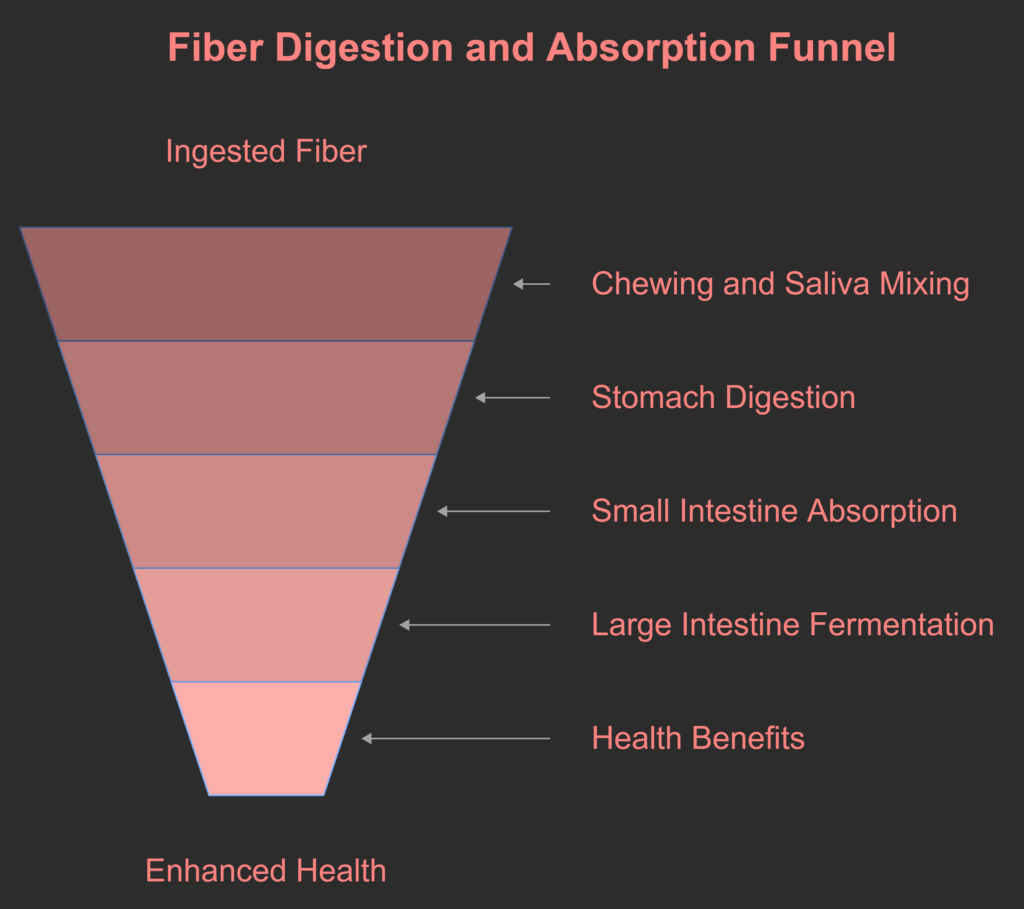
In the world of health and wellness, fiber is the unsung hero, championing everything from digestive health to cardiovascular support. While traditional sources like fruits, vegetables, and grains have long been the gold standard, the rise of fiber supplements in powder and gummy forms has added a new twist to our dietary tales. But how does the body process fiber from these different sources, particularly the playful, chewy gummy? Let’s unravel this mystery and take a closer look at how fiber absorption varies across these forms.
Fiber: A Quick Digestive Primer
Before diving into the specifics, let’s refresh our understanding of how fiber works. Fiber is a type of carbohydrate that the body can’t digest. Instead, it moves through the digestive system relatively intact, aiding in bowel regularity, managing blood sugar levels, and even lowering cholesterol. However, not all fiber is created equal, and its source can influence how it’s absorbed and utilized by the body.
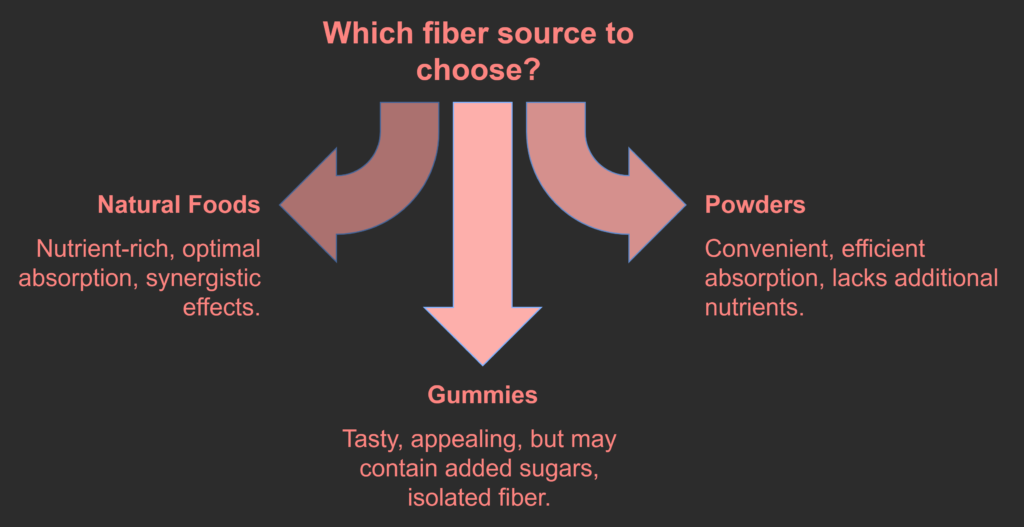
Gummies vs. Natural Foods vs. Powders
-
Natural Foods: This is the fiber your grandma loves. Found in foods like apples, broccoli, and oats, dietary fiber from natural sources is often accompanied by vitamins, minerals, and antioxidants. The body benefits from this package deal, as these nutrients can enhance fiber’s effectiveness. The absorption rate is optimal due to the synergy of natural components working together.
-
Powders: Fiber powders are a convenient alternative for those seeking to boost their intake. They often dissolve in water or smoothies, making them easy to incorporate into a daily routine. The absorption rate can be quite efficient, especially if the powder is derived from whole foods. However, it lacks the additional nutrients found in whole foods, which might limit some of the holistic benefits.
-
Gummies: Enter the fiber gummy—a sweet, chewy option that makes getting fiber fun. While they offer an appealing alternative for those who dislike the texture of powders or the crunch of raw veggies, the absorption can differ. Gummies are often designed to be tasty, which means they might contain added sugars or artificial flavors. The fiber in gummies is usually isolated, meaning it doesn’t come with the entourage of nutrients found in whole foods. This can affect how the body processes it.
Bioavailability and Absorption Rates
Bioavailability refers to the extent and rate at which the active ingredient or active moiety is absorbed and becomes available at the site of action. In terms of fiber, it’s about how effectively it can perform its role in the body.
-
Natural Foods: The complex matrix of natural foods tends to enhance fiber’s bioavailability. The presence of water, enzymes, and other nutrients aids in breaking down fiber more efficiently, allowing for smoother absorption.
-
Powders: Depending on the source, fiber powders can have high bioavailability. If the powder is minimally processed, retaining much of its original structure, the body can absorb it relatively well.
-
Gummies: Fiber gummies, while convenient, may have slightly reduced bioavailability compared to natural sources. The processing required to create the gummy form can sometimes degrade the fiber’s natural structure. However, for individuals who struggle with other forms of fiber, gummies offer an accessible alternative that can still meet daily requirements.
Advantages and Disadvantages of Fiber Gummies
Advantages:
- Convenience and Palatability: Fiber gummies are easy to take and can be more appealing, especially for children or those who dislike traditional fiber sources.
- Portability: They are easy to carry, making them a practical option for busy lifestyles.
Disadvantages:
- Reduced Nutrient Synergy: Lacking the broad range of nutrients found in whole foods might limit some of fiber’s potential benefits.
- Added Ingredients: The presence of sugars or artificial additives could be a downside for those monitoring their sugar intake.
Conclusion
Fiber gummies offer a delightful alternative to traditional fiber sources, but the body’s processing mechanisms may not be as efficient compared to whole foods or even some powders. While they are not a complete substitute for the nutrient-rich package of fruits and vegetables, they serve as a handy supplement to bridge the gap in a fiber-deficient diet. Like any health decision, it’s about finding the right balance and choosing the form that fits your lifestyle best. So, whether you’re a gummy enthusiast or a whole food purist, ensure you’re getting enough fiber to keep your digestive system happily humming along.
Boost Your Performance with Instantized Creatine
One day, while training at the gym, I overheard two athletes discussing their pre-workout supplements.
One was raving about how instantized creatine transformed his workouts.
The other looked puzzled, asking, “What’s the big deal?”
Instantized creatine isn’t just another supplement; it’s a game-changer for serious athletes and fitness enthusiasts.
How does it stand out?
Let’s break it down.
What is Instantized Creatine?
Instantized creatine is a highly soluble form of creatine that dissolves in water without clumping.
This is achieved through a process called instantization, which allows for quicker absorption by the body.
It’s designed to enhance performance, especially during high-intensity training.
Why Choose Instantized Creatine?
Regular creatine often requires proper mixing to avoid gritty textures.
Instantized creatine eliminates that hassle, providing a smooth, easy-to-drink solution.
Here are some compelling benefits:
- Rapid Absorption: Instantized creatine reaches your muscles faster than traditional forms.
- Improved Performance: Studies show it enhances strength, endurance, and recovery .
- Less Bloating: Many users report reduced gastrointestinal discomfort .
- Convenience: No need to worry about mixing; it dissolves effortlessly.
Instantized Creatine vs. Regular Creatine
| Feature | Instantized Creatine | Regular Creatine |
|---|---|---|
| Solubility | High | Moderate |
| Mixing Time | Immediate | Needs longer mixing |
| Texture | Smooth | Gritty without proper mixing |
| Absorption Speed | Fast | Slower |
| Cost | Generally higher | Typically lower |
How to Use Instantized Creatine
- Timing: Take it pre-workout for explosive energy or post-workout for recovery.
- Dosage: A common recommendation is 5 grams per serving. Adjust based on your body weight and activity level.
- Mixing: Combine with water or your favorite beverage; it dissolves in seconds!
Frequently Asked Questions
- Is instantized creatine safe?
Yes, it’s safe for most individuals. Always consult with a healthcare professional if you have specific health concerns. - Can I stack it with other supplements?
Absolutely! Instantized creatine pairs well with protein powders and pre-workout formulas. - How long until I see results?
Many users report noticeable improvements within 2-4 weeks of consistent use . - Is there a difference between instantized creatine and creatine monohydrate?
While both are effective, instantized creatine offers superior solubility and quicker absorption .
Conclusion
Instantized creatine is more than just another supplement. It’s a scientifically crafted tool for serious athletes looking to boost performance and recovery.
By opting for instantized creatine, you’re choosing convenience, efficiency, and results.
So next time you’re stocking up on supplements, consider the power of instantized creatine for your training goals.
“Success is where preparation and opportunity meet.” – Bobby Unser
When you’re ready, here are three more ways I can help you:
- Explore Pre-Workout Formulas
Discover what ingredients to look for in pre-workout supplements and how they enhance performance. - Dive into Creatine Types
Understand the differences between creatine monohydrate, hydrochloride, and instantized forms. - Learn about Post-Workout Nutrition
Find out what foods and supplements can aid in muscle recovery after your workouts.